Prioritizing Efficiency in Printing Processes
Achieving rapid turnaround times in printing is essential for businesses and individuals seeking to meet tight deadlines and capitalize on market opportunities. The foundation of fast print product delivery lies in streamlining every stage of the printing workflow, from initial design to final output, without compromising on quality. This begins with implementing proven strategies that optimize operational efficiency, ensuring that high-volume or urgent print orders are completed swiftly, accurately, and professionally.

Upgrading to Fast-Response Printing Equipment
The backbone of quick turnaround printing is investing in advanced printing technology. Modern digital printers equipped with high-speed capabilities can significantly reduce production time. Features such as multiple dye or toner stations, automated paper handling, and rapid curing processes allow for faster job completion. Additionally, equipment that offers easy automation integration minimizes manual interventions, reducing delays and errors throughout the print process.
Key Benefits of Modern Printing Equipment
- Enhanced throughput capacity for large orders
- Improved image quality with consistent color accuracy
- Reduced setup and operation time
- Lower operational costs due to automation and energy efficiency
Optimizing Design and File Preparation
Efficient print workflows start well before pressing the print button. Preparing design files meticulously ensures quick processing and minimizes rework. This involves adhering to specific file specifications such as resolution, color modes, and bleed settings. Employing design templates can standardize formats, streamline edits, and facilitate rapid versioning, especially when handling multiple variants or repeats.
Best Practices in File Preparation
- Use of standardized templates and presets
- Ensuring files are at the optimal resolution (typically 300 DPI)
- Proper color management practices for vibrant, accurate output
- Checking for common issues such as missing fonts or embedded images
Utilizing Digital Printing Technologies
Digital printing technology offers unparalleled speed and flexibility for on-demand and short-run print jobs. Unlike traditional print methods, digital printing eliminates the need for plates, significantly reducing setup time. This method is ideal for quick turnarounds of print products like business cards, flyers, and promotional materials. Digital print systems also facilitate rapid customization, allowing for personalized batches without impacting overall turnaround times.
Advantages of Digital Printing
- Rapid setup and changeover
- Cost-effective for short runs
- High-quality output suitable for professional use
- Ability to produce variable data printing effortlessly
Implementing Efficient Workflow Management
Streamlining the entire printing operation involves adopting workflow management practices that prioritize speed and quality. Using centralized job management software enables real-time tracking, scheduling, and automation of tasks. It allows teams to allocate resources optimally, identify bottlenecks early, and adjust priorities dynamically. Establishing standardized procedures for every stage—prepress, printing, post-processing—reduces mistakes and accelerates completion.
Workflow Strategies for Speed
- Automating repetitive tasks like imposition and barcode generation
- Implementing clear communication channels between departments
- Scheduling jobs based on priority and resource availability
- Regularly maintaining equipment for consistent performance
Partnering with Reliable Print Suppliers
Building strong relationships with dependable printing suppliers ensures quick access to quality materials and services. Collaborating with vendors known for efficiency and consistency can shorten lead times and help meet urgent deadlines. Clear communication about expectations and timelines fosters a mutually beneficial partnership that supports fast and reliable print product delivery.
Offering Rush Services and Fast Turnaround Options
Designating specific rush services enables clients to opt for expedited production and delivery. This strategy involves allocating prioritized resources, extending working hours if necessary, and streamlining the process to reduce turnaround times. Clear communication about expected delivery dates and potential additional costs is vital to managing client expectations while maintaining service quality.
Balancing Speed with Quality Assurance
While speed is crucial, preserving the integrity and quality of printed products remains paramount. Implementing rigorous quality control at various stages ensures that rapid production does not result in errors or subpar results. Regular inspection, testing, and adherence to quality standards safeguard the final product, instilling confidence in clients and maintaining brand reputation.
Prioritizing Efficiency in Printing Processes
Achieving rapid turnaround times in print production requires a comprehensive approach that centers on efficiency at every stage of the process. Streamlining workflows involves establishing clear communication channels between design teams, production units, and delivery services. This alignment is crucial for quickly identifying potential bottlenecks and addressing them proactively. Integrating project management tools and real-time tracking systems ensures that all departments are updated continuously, reducing delays and facilitating swift decision-making.
Regularly scheduled maintenance and calibration of printing equipment help prevent unexpected downtime, which can disrupt the entire schedule. Investing in preventive maintenance routines extends the lifespan of machinery and maintains consistent output quality. When machinery is operating at peak performance, it contributes to faster production cycles with fewer errors, ensuring that print products meet client specifications promptly.
Assessment of resource allocation is also vital. By assessing the capacity and availability of materials and workforce, print service providers can better plan jobs according to urgency. For projects requiring immediate attention, assigning dedicated teams or equipment can significantly cut down on production time.

Optimizing Design and File Preparation
Efficiency in print production begins well before the printing process itself. One of the most effective ways to expedite turnaround times is through meticulous design and file preparation. When files are correctly formatted and optimized, the printing workflow becomes more streamlined, minimizing delays caused by errors or adjustments.
Design simplification can greatly influence production speed. Complex graphics, excessive color variations, and high-resolution images, while visually appealing, can increase printing time and resource consumption. Simplifying designs and reducing unnecessary elements help ensure faster processing without sacrificing visual impact. Using vector graphics instead of raster images where appropriate can also reduce file size and improve processing efficiency.
Proper file setup involves adhering to specific technical specifications compatible with the chosen printing technology. For digital printers, ensuring files are in the correct color mode—typically CMYK for print—is essential. Additionally, embedding fonts, flattening transparencies, and including bleed areas in the design prepare files for smooth printing workflows. When files are prepared with these considerations in mind, the printer can execute jobs more swiftly and with fewer adjustments.
Employing templates and preset configurations for recurring job types can further accelerate preparation. Many print service providers utilize standardized templates for common products such as business cards, flyers, or banners, enabling quick customization and deployment. These templates ensure consistency, reduce setup time, and help maintain quality standards across multiple jobs.

Furthermore, integrating automated checks during file submission can catch issues like missing fonts, incorrect color profiles, or insufficient bleed margins, preventing errors from reaching the printing stage. Automated validation tools streamline the workflow by providing immediate feedback, enabling corrections before production, which saves significant time downstream.
Ultimately, effective design and file preparation are critical levers for reducing turnaround times. By simplifying designs, adhering to technical specifications, using standardized templates, and implementing validation tools, print businesses can accelerate their production processes while maintaining consistent quality standards.
Implementing Efficient Workflow Management
Effective workflow management is indispensable for delivering print products with rapid turnaround times. This involves the integration of advanced project management tools that streamline order processing, scheduling, and job tracking. Automated systems can assign tasks dynamically, reducing bottlenecks and ensuring that each stage of the production process moves forward seamlessly. Automating repetitive tasks such as color calibration, pre-press checks, and job queue organization minimizes human error and accelerates overall pace. For example, incorporating software that automatically converts files to specified formats or checks for compliance with technical specifications allows for quicker job hand-offs between departments.
Additionally, real-time communication channels among design teams, production staff, and delivery coordinators foster transparency. Instant updates about job status enable proactive adjustments, preventing unforeseen delays. Deploying such integrated systems also helps prioritize urgent jobs without disrupting regular workflow, ensuring that print requests labeled as high-priority are executed promptly. Investing in training staff on these systems enhances their proficiency in managing multiple jobs simultaneously, further boosting turnaround speed. Regular review and refinement of workflows help identify inefficiencies, facilitating continuous improvement geared towards faster service delivery.
Partnering with Reliable Print Suppliers
Establishing relationships with dependable print suppliers is a strategic move in ensuring rapid fulfillment. These partners should have proven track records of accurate, timely deliveries and access to advanced printing technology. Building strong communication channels with suppliers enables real-time updates and swift issue resolution, which are critical for maintaining quick turnaround times. Shifting towards collaborative partnership models, where expectations are clearly outlined and service level agreements are in place, helps align operational goals. Many suppliers offer integrated order management platforms, allowing for quicker job submission and tracking.

Furthermore, working with suppliers equipped with scalable infrastructure can accommodate sudden surges in demand without sacrificing speed. This is particularly relevant during peak seasons or urgent campaigns. A proactive approach to supplier selection and ongoing evaluation ensures that print operations remain agile and capable of meeting tight deadlines.
Offering Rush Services and Fast Turnaround Options
To meet the needs of customers requiring immediate results, implementing dedicated rush service options is essential. These services often involve prioritized scheduling, expedited processing, and the use of high-speed printing equipment to minimize lead times. Clearly defining the parameters of rush services—including acceptable turnaround times, pricing, and quality standards—sets clear expectations for clients. Installing specialized equipment for quick-print scenarios allows for same-day or next-day completion of print jobs. Combining this with streamlined intake processes, such as online ordering with automatic prioritization, accelerates the route from order placement to dispatch.
Flexibility in service offerings encourages clients to choose expedited options when necessary, boosting customer satisfaction and loyalty. Proper management of capacity and resources during peak periods is vital to ensure that speed does not come at the expense of quality or consistency.
Balancing Speed with Quality Assurance
While fast print production is desirable, it must not undermine the quality of the final product. Implementing rigorous quality control protocols throughout the workflow ensures consistency and adherence to standards. Automated testing tools can verify color accuracy, alignment, and print resolution before the job leaves the press. Training staff to efficiently perform quality checks at each stage minimizes reprints and delays. Employing standardized procedures and checklists helps maintain high standards even under tight deadlines. Incorporating customer feedback mechanisms also supports continuous improvement. When clients receive their products promptly and with excellent quality, trust in the service provider’s ability to deliver swiftly and reliably is reinforced.
Prioritizing Efficiency in Printing Processes
Achieving rapid print production requires a meticulous approach to streamline every stage of the workflow while maintaining high standards. Adopting advanced scheduling systems that prioritize urgent orders ensures that high-priority jobs are processed without unnecessary delays. These systems facilitate real-time job tracking and dynamic resource allocation, reducing idle times and maximizing productivity.

Implementing process automation is a crucial step in enhancing overall efficiency. Automated workflows for job intake, prepress, and printing operations reduce manual handling, minimize errors, and speed up job turnaround. Automated prepress checks—such as color management, file integrity, and layout verification—help catch issues early, preventing costly reprints and delays later on.
Upgrading to Fast-Response Printing Equipment
Investing in cutting-edge printing technology is fundamental for achieving rapid turnaround times. Modern high-speed digital presses can deliver high-quality prints several times faster than traditional offset presses. Features such as automated plate loading, quick-change ink systems, and rapid drying capabilities significantly cut down production time.
Hybrid printing solutions that combine different printing methods allow for flexible handling of various projects, from small urgent runs to large volume orders. Compatibility with a wide range of media ensures versatility while maintaining speed.
Optimizing Design and File Preparation
Streamlining the design and file preparation phase is essential for quick turnaround. Providing clients with clear, detailed specifications and templates reduces back-and-forth communication and minimizes errors that cause delays. Delivering pre-defined file standards, such as resolution, bleed, and color profiles, helps ensure files are print-ready upon submission.
Utilizing automated preflighting tools can identify issues like missing fonts, low-resolution images, or incorrect color spaces instantly, allowing corrections before printing begins. This proactive approach reduces the risk of reprints and speeds up the entire process.
Utilizing Digital Printing Technologies
Digital printing is at the forefront of fast production workflows. Its capability for on-demand printing with minimal setup times makes it ideal for short runs or urgent projects. Unlike traditional methods, digital printing does not require plates, which significantly cuts down on preparation time and enables quicker responses to customer needs.
Direct digital workflows connect online order systems directly to printers, enabling seamless and rapid job submission. Automated job queuing and prioritization keep fast-track projects moving swiftly through the production cycle.

Continuous Staff Training and Process Optimization
Equipping staff with the skills and knowledge to operate high-speed equipment efficiently is crucial. Regular training sessions on the latest technology and workflow best practices ensure that employees can troubleshoot and adapt rapidly. Standard operating procedures (SOPs) and checklists serve as valuable tools for maintaining consistency during quick turnaround projects.
Reviewing operational processes periodically helps identify bottlenecks and areas for improvement. Implementing lean production principles minimizes waste and optimizes resource utilization, further accelerating the print cycle.
Quality Control with Speed
Maintaining quality in fast print environments necessitates integrated quality control measures at every stage. Automated inspection tools can verify color consistency, registration, and resolution in real-time, flagging issues before final output. Ensuring that quality checks are embedded within the workflow minimizes reprints, which can significantly delay order fulfillment.
Training staff to perform rapid yet thorough quality assessments ensures that fast turnaround does not compromise the integrity of the final product. Combining technology with skilled personnel creates an optimal balance of speed and quality assurance.
Prioritizing Efficiency in Printing Processes
Achieving rapid print production requires a comprehensive approach that streamlines each step in the workflow. Efficiency begins with the synchronization of design, preparation, and execution stages, ensuring minimal delays and maximizing throughput. By establishing clear, standardized procedures across the production line, print providers can reduce errors and rework, which are common causes of time overruns. The integration of automation in pre-press and printing stages facilitates swift transitions from files to printed products, especially when managing large volumes or tight deadlines.

Upgrading to Fast-Response Printing Equipment
Modernizing printing hardware is fundamental to decreasing turnaround times. Advanced presses designed for high-speed operations incorporate features that accelerate printing cycles without sacrificing image quality. Features such as immediate ink change systems, rapid paper feeding mechanisms, and high-capacity ink delivery reduce downtime and facilitate continuous production. Additionally, equipment capable of handling multiple job types and substrates enhances flexibility, enabling the quick switching of projects and decreasing setup times.
Investments in digital presses with quick startup times allow for on-demand printing, significantly reducing lead times compared to traditional lithographic methods. Incorporating such machinery ensures that print providers can meet urgent client demands while maintaining consistent quality standards.
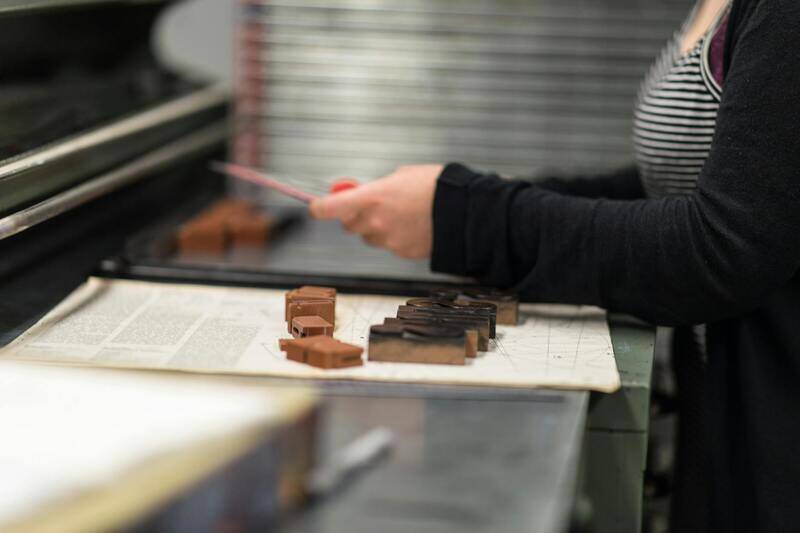
Key Features of Efficient Printing Equipment
- High-speed printing capabilities
- Quick ink and substrate change options
- Automated maintenance and calibration systems
- Flexible configuration for diverse projects
- Real-time monitoring and diagnostics
Optimizing Design and File Preparation
Optimal file management is critical for quick print production. Designing with efficiency in mind involves creating files that are print-ready, devoid of unnecessary elements, and optimized for the chosen printing method. Proper resolution settings, color profiles, and bleed specifications ensure that files are compatible with high-speed printing workflows, reducing the need for time-consuming corrections later.
Pre-flighting files with automated tools helps identify potential issues such as missing fonts, low-resolution images, or color mismatches before printing begins. Providing clients with clear file submission guidelines accelerates the process, ensuring files arrive in a suitable format and reducing back-and-forth communication that can cause delays.

Utilizing Digital Printing Technologies
Digital printing has revolutionized fast turnaround capabilities in the printing industry. It allows for rapid changes to be made to design files, providing high-quality outputs on demand. The absence of extensive setup procedures typical of traditional offset printing enables quick start-up times, making it ideal for short runs and last-minute orders.
Furthermore, digital printers accommodate a variety of media and formats, expanding options for clients without prolonging production timelines. Advanced digital presses incorporate inline finishing options such as cutting, folding, and binding, which streamline production and further condense the overall turnaround time.

Implementing Efficient Workflow Management
Effective workflow management is vital for delivering print products swiftly. Utilizing project management software aids in tracking job status, coordinating tasks, and allocating resources efficiently. Automated scheduling systems help prioritize urgent projects and allocate equipment and personnel accordingly, preventing bottlenecks and downtime.
Standard operating procedures and predefined templates facilitate quick setup and consistent quality across projects. Regular workflow audits identify inefficiencies and areas for process enhancements, ensuring continuous improvement in speed and productivity. Cross-training staff enables flexibility, allowing team members to handle multiple roles and respond to increased workloads without delays.
Furthermore, establishing communication channels that streamline information flow between departments ensures that everyone is aligned and less prone to missteps that can slow down production. Adopting lean manufacturing principles in print environments minimizes waste, reduces cycle times, and accelerates delivery timelines to meet fast-paced demands efficiently.
Prioritizing Efficiency in Printing Processes
Achieving rapid turnaround times for print products necessitates a strategic approach to all phases of the printing process. This involves meticulous planning, continuous process evaluation, and the integration of advanced technologies designed to streamline operations. By focusing on efficiency, print providers can reduce lead times without compromising on quality, thereby meeting the increasing demand for fast print products from clients across various industries.
Upgrading to Fast-Response Printing Equipment
Modern printing facilities must invest in high-speed presses capable of handling large volumes with precision. Equipment such as digital presses equipped with rapid imaging technology allow for quick job setups and faster printing cycles. These machines often incorporate inline finishing options—such as cutting, folding, and binding—which eliminate the need for separate post-print operations. The result is a significant reduction in production time and enhanced capacity to fulfill urgent orders. Additionally, maintaining and regularly updating printing hardware ensures consistent performance and minimizes downtime caused by equipment failures.

Optimizing Design and File Preparation
Efficiency begins before printing even commences. Ensuring that design files are correctly prepared and optimized for printing on the first attempt reduces errors and reprints, which can cause delays. Clear guidelines should be provided to clients regarding file specifications—such as resolution, color profiles, and bleed settings—to facilitate seamless processing. Automated file checks that identify potential issues before printing can save significant time. Using standardized templates and pre-approved design elements not only speeds up the setup process but also ensures consistency across multiple projects, thereby enabling faster turnaround times.
Utilizing Digital Printing Technologies
Digital printing continues to revolutionize the speed and flexibility of print production. Unlike traditional offset methods, digital presses do not require lengthy plate preparation or extensive setup, making them ideal for small runs and short deadlines. Variable data printing further enhances efficiency by allowing customized elements—such as addresses or personalized messages—to be incorporated during the digital printing process without additional delays. This capability is especially advantageous for promotional materials, direct mail campaigns, and event stationery, where customization and speed are critical.
Implementing Efficient Workflow Management
Streamlined workflow management is essential for maintaining high-speed production. Deploying specialized project management software enables real-time tracking of jobs, resource allocation, and progress updates. Automated scheduling tools can prioritize urgent projects, schedule machinery operations, and prevent bottlenecks. Standard operating procedures (SOPs) and pre-defined templates contribute to quick setup and consistent output quality. Routine workflow audits identify inefficiencies and areas for process improvement. Cross-training staff ensures flexibility, so personnel can handle multiple tasks, adapt quickly to urgent demands, and prevent delays. Open communication channels—such as digital dashboards and instant messaging platforms—ensure all departments are synchronized, reducing miscommunications that could slow production.
Partnering with Reliable Print Suppliers
Establishing partnerships with reputable print suppliers is fundamental for ensuring fast turnaround times. Reliable suppliers maintain a stock of essential materials, employ state-of-the-art equipment, and adhere to strict quality standards, which collectively contribute to faster project completion. Developing strong relationships enables better coordination, priority handling of urgent jobs, and quicker response times. Collaborative planning and transparent communication help align expectations and streamline processes, reducing lead times from order placement to delivery.
Prioritizing Efficiency in Printing Processes
Achieving rapid print product turnaround requires a comprehensive approach that emphasizes both speed and quality. This begins with evaluating every stage of the workflow to identify potential bottlenecks and inefficiencies. Implementing a clear, organized plan ensures resources are optimally allocated and that each task flows seamlessly into the next. Regular process audits and performance reviews help pinpoint areas that can be streamlined further, creating a cycle of continuous improvement tailored toward faster production without compromising standards.
Upgrading to Fast-Response Printing Equipment
The backbone of quick print product delivery lies in modern, high-speed printing machinery. Investing in equipment such as digital presses with rapid changeover capabilities, large-format printers with quick drying times, and automated workflows ensures minimal downtime and maximized throughput. Equipment that supports quick setup and shutdown processes not only shortens project timelines but also reduces waste associated with misalignment or configuration errors. Additionally, regular maintenance and preventative servicing keep machines operating at peak performance, avoiding unexpected delays.

Optimizing Design and File Preparation
Efficient pre-press workflows significantly impact overall production speed. Standardizing file formats and ensuring all artwork meets predefined specifications reduce the need for rework and adjustments. Using dedicated pre-flighting software automates the detection of issues such as resolution mismatches, color inconsistencies, or font errors before printing begins. Creating reusable templates and checklists accelerates setup times, while clear communication with clients about design requirements minimizes revisions, saving valuable time during the pre-press phase.
Utilizing Digital Printing Technologies
Digital printing offers unmatched speed for short runs and on-demand projects. The ability to produce high-quality prints directly from digital files without the need for plates or extensive setup allows for rapid completion. Features like variable data printing enable personalized campaigns to be executed efficiently, while on-the-fly adjustments to designs can be implemented instantly. Embracing these technologies enhances agility in meeting tight deadlines and customizing print products for diverse client needs.
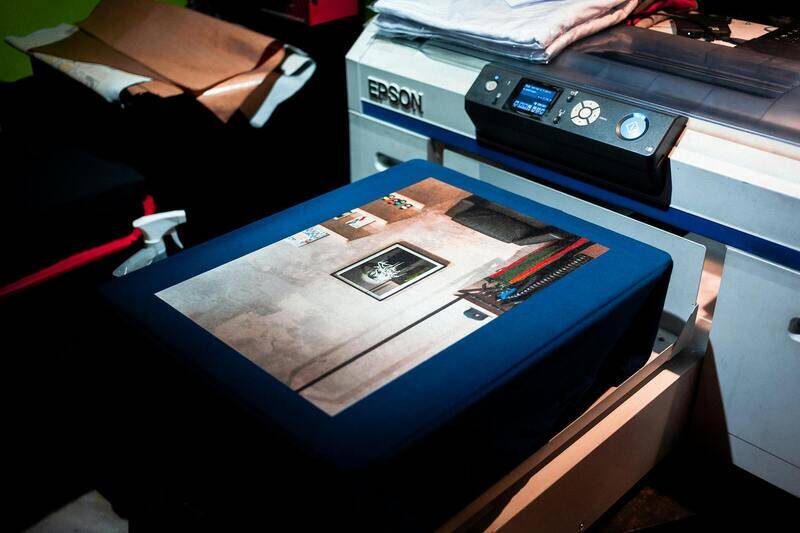
Implementing Efficient Workflow Management
Optimized workflow management is crucial for delivering print products quickly. Utilizing integrated project management software provides real-time job tracking, resource scheduling, and productivity insights. Automated job prioritization ensures urgent projects are handled promptly, while standardized procedures and templates facilitate immediate setup and execution. Cross-training team members to handle multiple roles increases flexibility, allowing staff to adapt swiftly to shifting demands. Maintaining open lines of communication through digital dashboards and instant messaging keeps all departments aligned, minimizing misunderstandings and delays.
Partnering with Reliable Print Suppliers
Building strong relationships with dependable suppliers guarantees essential materials are available when needed, preventing supply chain interruptions that can delay jobs. Reputable print providers leverage advanced equipment and adhere to rigorous quality controls, ensuring every batch meets strict standards. Regular collaboration and transparent communication enable suppliers to prioritize urgent requests, offer quicker turnaround options, and streamline the entire process from order to delivery. This strategic partnership reduces lead times significantly, supporting the rapid delivery of print products.

Offering Rush Services and Fast Turnaround Options
To meet the demands of customers needing print products on short notice, many businesses implement rush service options. Clear communication about available turnaround times, pricing differentials, and limitations ensures clients have realistic expectations. Streamlined intake processes, such as online order forms with predefined parameters, expedite project initiation. Dedicated quick-turnaround production lines, prioritized scheduling, and dedicated team members for rush jobs further accelerate the process. Providing transparent tracking updates throughout the production cycle enhances customer confidence and satisfaction, reaffirming a commitment to delivering high-quality print products swiftly and reliably.