Understanding Photo Banner Printing
Photo banner printing is a specialized process that transforms high-resolution images into large-scale visual displays, designed to capture attention and communicate messages effectively. This technique involves reproducing vibrant photographs onto durable materials that can withstand various environmental conditions, making it ideal for both indoor and outdoor applications. In Singapore's bustling marketplace, photo banners serve a multitude of purposes, from promotional campaigns and event signage to decorative displays for personal celebrations.
The primary goal of photo banner printing is to produce visually impactful advertisements that resonate with viewers. Businesses leverage this technology to enhance brand visibility, showcase products, or promote special offers during exhibitions, festivals, or storefront promotions. Event organizers utilize photo banners as backdrops or directional signs, while individuals may opt for personalized banners to commemorate milestones such as birthdays, weddings, or anniversaries. The versatility of photo banner printing enables it to cater to a wide spectrum of needs, blending functionality with visual appeal.
In Singapore, where competition for attention is fierce, high-quality photo banners can significantly elevate visibility and engagement. Whether for marketing campaigns or personal expressions, the capability to produce large, eye-catching images with clarity and durability makes photo banner printing a preferred choice among local businesses and consumers. The technology continually advances, allowing for sharper images, a broader range of materials, and more innovative design options, ensuring that each banner fulfills its purpose with maximum impact.
Materials and Substrates for Photo Banners
Choosing the right material for photo banner printing is crucial to ensure durability, visual clarity, and suitability for specific environments. Several substrates are commonly used, each with unique features tailored to different applications. Vinyl remains the most popular choice due to its robustness, flexibility, and weather resistance. It is ideal for both indoor and outdoor use, maintaining vibrant color reproduction over time despite exposure to sunlight, rain, or wind.
Fabric banners, often made from polyester or nylon, provide an upscale appearance with a smooth surface that enhances image sharpness and color richness. They are suitable for indoor events, exhibitions, or premium branding displays, offering a lightweight and easily portable option.

Mesh banners, constructed with perforated material, allow airflow through the surface, making them an excellent choice for large-scale outdoor signage where wind resistance is necessary. Their see-through design reduces wind load and prevents tearing, ensuring longevity in challenging weather conditions.
Other specialized substrates include backlit fabrics or transparent acrylic sheets for illuminated photo banners, providing striking visual effects in retail or event settings. The choice of substrate impacts not only the aesthetic outcome but also the resilience and lifespan of the final product.
Printing Techniques and Technologies
Modern photo banner printing leverages advanced printing technologies to deliver high-definition images with vibrant colors and crisp details. UV printing, for example, uses ultraviolet light to cure the inks instantly, resulting in long-lasting, scratch-resistant banners suitable for outdoor exposure.
Latex printing offers eco-friendly solutions with flexible, highly durable prints that maintain their color integrity even when stretched or folded. It is an excellent choice for banners that require a high level of detail and vibrant color accuracy.
Solvent printing, a traditional yet still popular method, produces highly weather-resistant banners suited for outdoor advertising. The solvent inks penetrate the substrate, ensuring longevity and resistance to moisture and UV rays.
Choosing the appropriate printing method depends on factors such as environmental exposure, budget, and desired quality. A reputable printing service employs the latest technology to ensure the final product meets high standards and client expectations.
Understanding Photo Banner Printing
Photo banner printing is a specialized process that combines high-quality digital imaging with durable, large-format printing techniques to produce visually striking banners suitable for various promotional and decorative purposes. To achieve optimal results, it is essential to understand the key elements involved in the process, including the choice of materials, printing technologies, and design considerations. The proficiency in rendering detailed, vivid images onto large surfaces ensures that each banner effectively captures attention and conveys the intended message with clarity and impact.
Fundamental Components of Photo Banner Printing
1. Selection of Materials and Substrates
The foundation of a successful photo banner lies in choosing the appropriate material or substrate. Common options include vinyl, fabric, mesh, and backlit films, each offering distinct advantages based on the intended usage environment. For outdoor banners, heavy-duty vinyl or mesh fabrics are preferred due to their resistance to weather elements, UV exposure, and physical wear. Indoor banners often utilize fabric or thinner vinyl substrates that facilitate vibrant color reproduction and ease of handling.
The surface texture and permeability of the substrate influence the quality of the printed image. Smooth, non-porous surfaces such as gloss vinyl produce sharp and vivid images, while matte or fabric textures can reduce glare and enhance visual appeal in certain settings. The durability of these materials ensures longevity, especially when exposed to environmental factors, making them suitable for both temporary and long-term installations.
2. Advancements in Printing Technologies
Modern printing methods are pivotal in delivering high-definition, durable photo banners. Each technology offers unique benefits:
- UV Printing: Utilizes ultraviolet light to instantly cure inks on the surface, generating highly resilient banners that withstand UV rays and scratches, making them ideal for outdoor conditions.
- Latex Printing: An eco-friendly option that produces flexible, vibrant, and weather-resistant images, maintaining color integrity over extended periods.
- Solvent Printing: Known for its excellent durability, solvent printing penetrates the substrate to produce weatherproof banners suited for outdoor advertising.
Choosing the appropriate printing method depends on the banner's usage environment, desired lifespan, and budget constraints. Reputable printing providers employ these modern technologies to ensure the final product aligns with high-quality standards and client expectations.
Image Quality and Design Considerations
High-quality images are the cornerstone of impactful photo banners. Achieving this depends on the resolution, color accuracy, and layout of the design. For clarity and sharpness, images should be prepared at a resolution of at least 300 dpi at the final print size. This prevents pixelation and ensures crisp details, even at close viewing distances.
Color management is equally critical. Accurate color profiles and calibration during printing help reproduce the intended hues, which is vital for branding consistency. Designers should consider the viewing environment when selecting color schemes, opting for contrasts and imagery that stand out and are easily recognizable from a distance.
Custom Features and Practical Tips
Customizations like grommets, hem hems, or pole pockets enhance the functionality and installation convenience of the banner. Additionally, edge finishing techniques, such as reinforced borders or sewn seams, provide added durability. When planning a design, consider the banner's viewing distance, which influences font size, image placement, and overall layout. Larger banners for distant viewing benefit from bold visuals and minimal text, while detailed imagery suits smaller or close-up displays.

Understanding Photo Banner Printing
Photo banner printing has become an essential visual communication tool across various industries, from marketing to event promotion. It involves transferring high-resolution images onto durable substrates to create a visually striking display that captures attention and communicates a message effectively. The process demands a blend of advanced printing technology, high-quality materials, and expert design to produce banners that stand out in both indoor and outdoor environments.
To achieve optimal results, it is critical to understand the key components influencing photo banner quality—from image preparation and material selection to the printing process itself. High-definition images form the core of any compelling photo banner, requiring careful attention to resolution, color accuracy, and overall design composition. When executed correctly, photo banners serve as impactful promotional tools capable of conveying brand identity, event themes, or messages with clarity and visual appeal.
Types of Banners Used in Printing
Several banner types are commonly used for photo printing, each tailored to specific display needs. The primary types include:
- Vinyl Banners: Known for their durability and flexibility, vinyl banners are ideal for both indoor and outdoor use. They resist weather elements and maintain color vibrancy over time, making them perfect for long-term advertising campaigns.
- Polyester Banners: These are lightweight and cost-effective, often used for indoor displays, exhibitions, and trade shows. They offer excellent image clarity and can be easily sewn or grommeted for installation.
- Mesh Banners: Constructed with a perforated design, mesh banners allow wind to pass through, reducing strain and tearing during outdoor use, especially in high-wind areas.
- Fabric Banners: Typically made from fabric materials like polyester or cotton blends, these banners are favored for their high-end appearance and are suitable for indoor decor, events, or gallery displays.
Materials and Substrates for Photo Banners
The choice of substrate material significantly influences the banner's longevity, appearance, and suitability for installation environment. When selecting a substrate, consider weather resistance, color retention, and the printing method compatibility.
Vinyl
Premium vinyl is the most widely used substrate for outdoor photo banners. It offers durability, flexibility, and excellent color reproduction. Vinyl banners can withstand exposure to UV rays, rain, and wind, ensuring the display remains impactful over extended periods.
Polyester and Fabric
These materials are preferred for indoor environments or special occasions where a refined, high-quality appearance is desired. They provide a smooth surface for detailed images and vibrant color reproduction, often with superior finishing options such as hemming or grommets for easy hanging.
Mesh and Perforated Materials
Designed for outdoor conditions with high wind exposure, mesh substrates allow air flow while supporting high-quality images. They are particularly effective for large-scale banners in outdoor spaces like stadiums, construction sites, or building wraps.
The suitability of each substrate depends on the specific project requirements, environmental conditions, and desired visual impact. Selecting the appropriate material ensures that your photo banner maintains its quality and effectiveness throughout its intended display period.
Utilizing Official Methods for Authentic Photo Banner Printing
When it comes to producing high-quality photo banners, leveraging authorized and legitimate printing channels is essential to achieve optimal clarity, color fidelity, and durability. Reputable printing services utilize precise digital workflows combined with advanced equipment to deliver banners that meet professional standards. Ensuring that the printing process conforms to official methods typically involves clear protocols, standardized color management processes, and high-resolution imaging capabilities. One of the key aspects of legitimate photo banner printing is the use of high-resolution files, generally 300 DPI (dots per inch), which guarantees crisp details and accurate color rendering. Professional printers often provide guidelines for file preparation, emphasizing the importance of proper color profiles such as sRGB or Adobe RGB to maintain consistency across different devices and outputs. An officially conducted print run involves meticulous calibration of printers and their inks, ensuring color matching and consistency especially for large quantities or multiple banners. This process may include pantone matching or custom color profiling to match brand colors precisely, which is crucial for maintaining brand integrity or creating impactful visual displays. Security and quality assurance are integral components of official printing channels. Reliable providers implement regular equipment maintenance, use genuine inks and substrates, and adhere to industry standards for color accuracy and material safety. This comprehensive approach results in banners that exhibit sharp images, vibrant colors, and strong resistance to environmental factors. Furthermore, legitimate print services often follow strict industry guidelines for environmental sustainability, using eco-friendly inks and recyclable materials where possible. These practices not only ensure compliance with environmental standards but also deliver banners that are safe and sustainable. Choosing an authorized printing provider involves reviewing their certifications, client testimonials, and portfolio of previous work. Many established companies also offer proofing and sample options to confirm the output quality before proceeding with large orders. Such measures help guarantee that the final product aligns with your vision and professional standards. In summary, adhering to official methods in photo banner printing encompasses high-resolution digital imaging, precise color management, quality assurance processes, and sustainable practices. These elements collectively contribute to creating durable, vibrant, and visually compelling banners that effectively communicate your message.
Materials and Substrates for Photo Banners
When selecting the appropriate material for photo banner printing, several factors influence the decision, including durability, visual appeal, and the intended environment where the banner will be displayed. Common substrates used in professional photo banner printing encompass a variety of options, each offering unique advantages suited to specific applications.
Vinyl banners are among the most prevalent choices due to their robustness, weather resistance, and ability to produce vibrant images. They are ideal for outdoor advertising, events, and promotions that require longevity and resilience against environmental elements. Matte vinyl surfaces minimize glare, ensuring clarity in various lighting conditions, while gloss finishes enhance color vibrancy and image sharpness.
Polyester and fabric banners provide an elegant, textured look, often used for indoor events or high-end displays. These materials are lightweight and facilitate high-resolution printing, yielding detailed images with rich colors. Additionally, fabric banners are often valued for their ability to reduce glare and present a more refined aesthetic.
Canvas is another premium substrate, particularly suited for artistic displays or photographic reproductions where a classic, museum-quality appearance is desired. Canvas banners offer a textured surface that enhances the depth and richness of photographic images but may require additional protective coatings to withstand outdoor conditions.

Specialized substrates such as mesh banners are designed for highly wind-prone outdoor environments. Their breathable, perforated design allows wind passage, reducing strain on mounting points while maintaining nearly full image visibility. This makes mesh banners suitable for large-scale outdoor events or construction site advertising.
For indoor applications where long-term quality and minimal environmental impact are priorities, sustainable substrates like recyclable vinyl or eco-friendly fabrics are increasingly available. These options meet environmental standards while providing high-quality image reproduction.
Considerations for Material Selection
- Environmental exposure: Outdoor banners require weather-resistant and durable substrates such as vinyl or mesh.
- Visual quality: For a high-end, photographic presentation, canvas and fabric materials are preferred.
- Cost and budget: While vinyl provides affordability and durability, fabric and canvas tend to be higher in cost due to their premium appearance and texture.
- Installation and handling: Lightweight materials like fabric and mesh are easier to handle for quick setups and are less prone to damage during transportation.
Choosing the right substrate ultimately hinges on a comprehensive understanding of the display environment, longevity requirements, and aesthetic goals. Professional print providers can advise on the best materials to achieve your desired outcome, ensuring vibrant, durable, and high-quality photo banners.
Understanding Photo Banner Printing
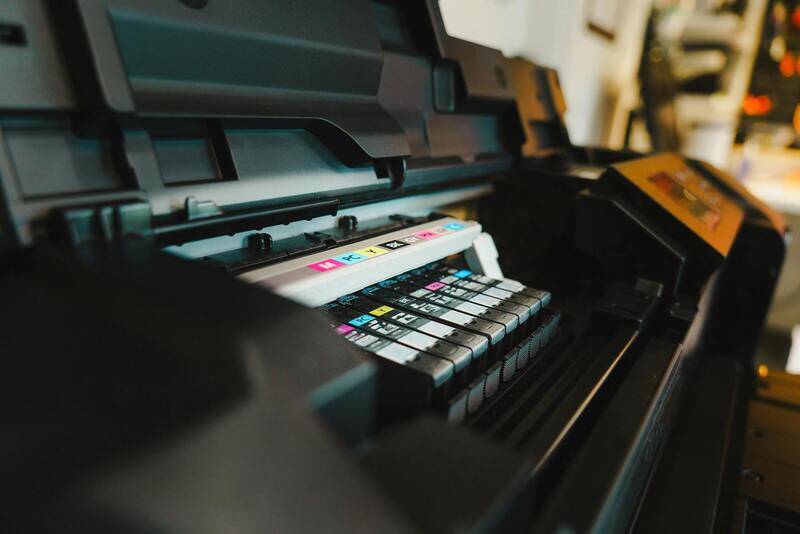
Photo banner printing is an intricate process that combines high-quality imaging with durable materials to produce striking visual displays. This method involves transferring digital images onto large-format substrates, ensuring crisp detail, vibrant color reproduction, and long-lasting quality. The technology employed must support high-resolution output to capture every nuance of photographic images, making it essential for businesses, event organizers, and advertisers who rely on visual impact to communicate their message effectively. A key aspect of successful photo banner printing is the precise alignment and calibration of printing equipment, which guarantees that colors remain true to the original image and that details stay sharp across expansive surfaces. Whether printed on vinyl, fabric, or other specialized substrates, the process involves meticulous attention to color management, ink quality, and finishing techniques to produce a professional-grade banner tailored to specific needs.
Understanding these fundamentals helps in selecting the appropriate printing methods and materials, especially when aiming for outdoor durability or indoor aesthetic appeal. From color accuracy to resolution standards, each factor plays a role in achieving a banner design that truly captures the essence of the original image and withstands environmental conditions.
Types of Banners Used in Printing
Depending on their application and environment, various types of banners are utilized in the printing process:
- Vinyl Banners: Known for their durability and weather resistance, vinyl banners are ideal for outdoor advertising. They support large-format printing with vibrant color reproduction and are suitable for long-term outdoor use.
- Fabric Banners: Often produced from polyester or other high-quality fabrics, these banners deliver a premium, soft finish. They are favored for indoor displays, trade shows, and events where aesthetics matter.
- Mesh Banners: Designed with perforations, mesh banners are lightweight and allow wind passage, making them an excellent choice for outdoor settings exposed to high wind conditions.
- Eco-Friendly Banners: Made from recyclable or sustainably sourced materials, these banners align with environmental standards while maintaining high print quality.
Materials and Substrates for Photo Banners
The selection of materials directly influences the durability, appearance, and cost of photo banners. Common substrates include:
- Vinyl: Versatile, weather-resistant, and suitable for both indoor and outdoor applications. It provides excellent print quality and longevity.
- Fabric/Fibre: Offers a sophisticated look with rich textures. Ideal for high-end indoor displays where visual appeal is paramount.
- Mesh: Perforated for wind resistance, used mainly outdoors for large-scale signage.
- Recyclable or Eco-Friendly Materials: These include biodegradable fabrics or recyclable vinyl options aimed at sustainable branding efforts.
Printing Techniques and Technologies
Modern photo banner printing employs a range of advanced techniques to achieve high-quality outputs. Some of the primary methods include:
- Solvent and Eco-Solvent Printing: Using solvent-based inks, this technique produces vibrant colors with excellent durability, especially for outdoor banners exposed to the elements.
- UV Printing: Incorporates ultraviolet light to cure inks instantly, resulting in highly detailed, fade-resistant images on rigid or flexible surfaces.
- Dye Sublimation: Primarily used on fabric substrates, this method employs heat to transfer dye-based inks into the material, ensuring vibrant, long-lasting colors.
- latex printing: Combines flexibility with durability, suitable for various substrates, and offers vibrant color reproduction with eco-friendly inks.
The choice of printing technology depends on factors like material compatibility, environmental exposure, and desired finish quality. The integration of these advanced methods ensures that photo banners achieve the highest standards of visual impact and longevity.
Understanding Photo Banner Printing
Photo banner printing involves the process of creating large-scale visual displays designed to capture attention and convey impactful messages or visuals. This form of printing capitalizes on high-resolution images and vibrant colors to produce banners suitable for a myriad of uses, from advertising campaigns to event promotions. When executed with precision, photo banners serve as powerful branding tools that enhance visibility and communicate brand messages effectively. It is essential that each stage of the process, from image selection to final production, adheres to high-quality standards to ensure the durability and visual impact of the banner over time.
Types of Banners Used in Printing
- Indoor Banners: Typically made from lighter materials such as fabric or vinyl, these banners are designed to be visually captivating with high-definition images suited for internal environments like trade shows or retail displays.
- Outdoor Banners: More durable and weather-resistant, outdoor banners often utilize heavy-duty vinyl or mesh substrates that withstand wind, rain, and sun exposure while maintaining image sharpness and color vibrancy.
- Retractable Banners: Portable and easy to set up, these banners are frequently used for exhibitions, conferences, and promotional events, offering high-resolution visuals in a compact format.
- Dome and Flag Banners: Designed for high visibility in outdoor spaces, these banners often feature custom shapes and durable printing techniques to ensure longevity and visual appeal.
Materials and Substrates for Photo Banners
The quality and performance of a photo banner highly depend on the choice of materials and substrates used during production. Premium options include:
- Vinyl: A versatile and durable material offering excellent print quality, suitable for both indoor and outdoor applications. Available in various finishes such as gloss, matte, or satin.
- Fabric: Often used for high-end indoor displays, fabric banners provide an elegant look with rich textures and are less prone to glare, making images appear crisp and vibrant.
- Mesh: A perforated vinyl material that allows wind to pass through. Ideal for large outdoor banners where stability against environmental factors is necessary.
- Recyclable and Eco-Friendly Options: Biodegradable fabrics or recyclable vinyl fleets for environmentally conscious branding, offering sustainability without compromising quality.

Printing Techniques and Technologies
Advancements in printing technologies have significantly enhanced the quality and durability of photo banners. Key methods include:
- Solvent and Eco-Solvent Printing: Uses solvent-based inks to produce vibrant colors with excellent weather resistance, making it ideal for outdoor environments.
- UV Printing: Utilizes ultraviolet light to instantly cure inks, allowing for high-detail, fade-resistant images on various surfaces including rigid substrates.
- Dye Sublimation: Suitable primarily for fabric materials, this technique employs heat transfer to embed dyes into the fabric, creating long-lasting, vivid images.
- Latex Printing: Combines flexibility and durability, compatible with many substrates, and provides vibrant colors with eco-friendly inks.
The selection of appropriate printing technology depends on factors such as expected exposure conditions, material compatibility, and desired image quality. Employing the latest techniques ensures that each banner maintains visual integrity over its lifespan, with crisp details and color accuracy.
Design and Image Quality in Photo Banners
High-quality design and precise image resolution are critical elements that influence the effectiveness of a photo banner. Using high-resolution files (preferably 300 DPI or higher) ensures clarity and sharpness when scaled to large sizes. It is crucial to consider aspects like color calibration, contrast, and composition to achieve visually compelling results. Designers often utilize advanced software to prepare images, ensuring proper alignment, color consistency, and overall aesthetic appeal. Attention to detail during the pre-production phase minimizes pixelation, blurriness, and color mismatches, leading to banners that command attention and convey messages effectively.
Size, Dimensions, and Customization Options
Customization plays a vital role in aligning photo banners with specific marketing goals. Standard sizes cater to common display environments, but custom dimensions allow for tailored solutions that maximize visual impact. Banner sizes can range from small tabletop displays to expansive outdoor billboards. Dimensions are usually determined based on designated viewing distances, environment, and placement considerations. Advanced printing services typically offer options for edge finishing, reinforced hems, grommets, and pole pockets to facilitate installation and longevity. The ability to customize dimensions and finishing touches provides greater flexibility in creating visually harmonious and functional banners.
Cost Factors and Budgeting for Photo Banner Printing
Several factors influence the overall cost of producing a photo banner. Material choice significantly impacts expenses, with durable vinyl or fabric options generally costing more than basic substrates. Printing technology and image resolution also contribute to pricing, especially when employing high-end, fade-resistant inks or advanced UV or dye sublimation techniques. Banner size and complexity, including custom shapes and additional finishing features, further affect costs. Additionally, turnaround time might influence pricing, with expedited orders often incurring supplementary fees. Budget planning should account for these variables while emphasizing quality and durability to ensure the finished product effectively supports marketing objectives.