Overview of Banner Printing Cost
Banner printing cost refers to the total expense incurred when producing custom banners tailored to specific needs. Whether for marketing campaigns, events, or personal use, understanding the cost structure helps buyers make informed decisions and manage budgets effectively. Several elements influence the final price, including the choice of materials, size, design complexity, and additional services. Accurate cost estimation is crucial for optimizing advertising ROI and ensuring that the banners meet both aesthetic and functional requirements.
In a competitive market like Singapore, transparent pricing models and reliable service providers are essential for securing high-quality banners without overspending. Recognizing the importance of banner printing cost helps consumers evaluate different options and prioritize value alongside quality, ensuring that every dollar spent contributes optimally to their promotional or personal objectives.
Key Factors Affecting Banner Printing Prices
Several core factors determine the overall cost of banner printing. These include the choice of materials, banner dimensions, design intricacies, and additional finishing options. Each of these elements can significantly impact the final price, making it important for buyers to consider their specific requirements and budget constraints carefully.
Material Selection
The type of material used for the banner plays a critical role in cost. Common options include vinyl, mesh, fabric, and budget-grade synthetic fabrics. Vinyl banners are typically more durable and weather-resistant, making them suitable for outdoor advertising, but they tend to be more expensive. Conversely, fabric banners offer a more elegant appearance but may come at a higher cost depending on the quality. Material quality directly correlates with durability, appearance, and price, so selecting the right material aligns with the intended usage and budget.
Size and Dimensions
The physical size of the banner significantly impacts printing costs. Larger banners require more material and ink, increasing production expenses. Standard sizes are usually more affordable due to economies of scale, while custom or oversized options may incur premium charges. Understanding the cost implications of dimensions helps clients plan effectively and choose sizes that maximize visibility while maintaining budget constraints.
Design Complexity
Intricate designs with detailed graphics, multiple colors, or photographic elements can elevate printing costs. This is because complex artwork demands advanced printing techniques, multiple ink applications, and longer setup times. Simple, bold designs with minimal colors tend to be more economical. Clients should prepare their banners with clear, high-resolution visuals to streamline production and avoid unnecessary costs.
Finishing and Additional Services
Additional features such as grommets, hems, pole pockets, or lamination enhance durability and functionality but also add to the overall cost. Opting for professional finishing ensures the banner's longevity and appearance but should be balanced against the budget. Clients are encouraged to evaluate essential features versus optional enhancements to achieve an optimal blend of quality and affordability.
Common Materials Used for Banners and Cost Impact
The selection of banner materials is foundational to cost management. Each material offers different benefits in terms of durability, appearance, and price:
- Vinyl: Arguably the most common outdoor banner material, vinyl is weather-resistant, durable, and versatile. Its cost varies based on thickness and quality but generally offers a good balance of durability and price.
- Mesh: Designed for windy outdoor conditions, mesh banners are lighter and allow wind passage. They tend to be slightly more expensive than vinyl due to specialized manufacturing.
- Fabric: Offering a premium look, fabric banners are ideal for indoor displays and special events. They are often more costly because of the material's aesthetic appeal and handling requirements.
- Synthetic fabrics: Budget-friendly options that provide basic outdoor or indoor signage solutions, typically costing less but with a shorter lifespan.
Choosing the appropriate material depends on the intended application, exposure conditions, and budget considerations.
Sizes and Dimensions Pricing Variations
The size of a banner directly correlates with the material and printing costs. Standard sizes like 2x4 feet or 3x6 feet are typically more economical because they utilize less material and are easier to produce in bulk. Custom sizes, especially those exceeding standard dimensions, may incur additional charges due to the need for unique materials, additional cutting, and specialized handling.
When planning a project, it’s crucial to balance size against visibility needs and budget. Larger banners are more eye-catching and suitable for outdoor advertising but come with higher costs. Smaller banners may be more affordable but might not make the desired impact in high-traffic areas.
Design and Graphic Requirements and Their Effect on Cost
The complexity of the banner design influences both production time and printing expenses. Simple designs with minimal colors, bold fonts, and straightforward graphics tend to be cost-effective. Complex imagery, detailed logos, or photographic backgrounds require advanced printing techniques like UV printing or high-resolution digital printing, which can increase costs.
High-quality design files prepared with professional software enable efficient printing, reduce errors, and minimize costs. Conversely, last-minute changes or poorly prepared graphics can lead to additional setup fees or reprints, escalating the overall expense.
Additional Services and Their Costs
Enhancements such as reinforced grommets, hems, pole pockets, or protective lamination provide added durability and visual appeal. These services come with supplementary charges but are vital for banners intended for outdoor use or long-term display. Laminated banners, for example, withstand weather elements better but generally cost more than non-laminated options.
Choosing the right combination of services ensures the banner meets specific needs while remaining within budget. It is advisable to consult with printing providers to understand the impact of each additional service on overall price and longevity.
Average Price Range for Banner Printing Services in Singapore
The cost for banner printing in Singapore varies based on size, material, and complexity. Generally, a standard 2x4 feet vinyl banner can cost between SGD 50 and SGD 150, depending on quality and additional features. For larger or custom-sized banners, prices can range from SGD 200 to SGD 600 or more. It’s best to compare providers for comprehensive quotes tailored to specific requirements.
Tips for Budgeting and Getting the Best Value
Effective budgeting begins with clear planning and understanding your core needs. Opt for standard sizes whenever possible, select durable yet cost-effective materials, and keep designs simple when high complexity isn’t essential. Prioritize essential finishing options and consider bulk orders for discounts. Request detailed quotes and inquire about package deals to maximize savings. Always verify the reputation and reliability of printing service providers to ensure quality workmanship that justifies the expense.
Key Factors Affecting Banner Printing Prices
Understanding the elements that influence the final cost of banner printing can assist clients in making informed decisions that balance quality with budget constraints. These determinants include not only the physical attributes of the banner but also the intricacies involved in its design and finishing processes.
Size and Dimensions
The overall dimensions of a banner are fundamental in determining the printing cost. Larger banners naturally require more material and longer printing times, which directly impacts the price. For example, a standard 2x4 feet banner will generally cost less than a custom 4x8 feet banner, with the latter often incurring additional charges for the increased material and potential adjustments in printing setup. It is essential to consider the intended display environment and opt for dimensions that meet visibility needs without unnecessary expenditure.
Material Selection
The choice of material significantly affects the overall cost. Vinyl banners are among the most common due to their durability and versatility, but options like mesh or fabric may vary in price depending on quality and intended usage. Premium materials, such as laminated or weather-resistant fabrics, usually come with higher costs but offer extended lifespan and enhanced visual appeal. Selecting the right material involves assessing environmental exposure, longevity expectations, and budget limitations.
Design Complexity and Graphics
The intricacy of your banner’s design can also influence the printing cost. Simple text-based banners or those with minimal graphics are less expensive to produce, while highly detailed images, multiple colors, or custom artwork may require advanced printing techniques, additional color layers, and more time. This can lead to increased setup fees or per-unit costs. To optimize expenditure, it’s advisable to simplify designs where possible or work with a designer to streamline graphics without compromising on impact.
Print Quality and Resolution
Higher resolution printing ensures sharp, vivid visuals that stand out, especially at larger sizes. However, enhanced print quality often incurs extra charges due to increased ink use, specialized inks, and advanced printing machinery. For banners intended for high-traffic outdoor areas or close viewing, investing in superior print quality is worthwhile. Conversely, for internal or short-term displays, standard resolution may suffice, reducing overall costs.
Additional Services and Finishing Options
Added features such as hemming, grommets, pole pockets, or lamination can significantly influence the total cost. These finishing services enhance durability, ease of installation, and overall presentation but often come with extra charges. For outdoor banners exposed to weather, lamination or UV coating adds protection against fading and weathering, justifying the additional investment. Prioritize essential finishing features aligned with the banner’s purpose to avoid unnecessary expenses.

By carefully evaluating these factors — size, material, design complexity, print quality, and finishing options — clients can better project their budget and select the most appropriate printing solutions. Communicating detailed specifications upfront with printing providers ensures accurate quotes and helps avoid unexpected costs during production. This strategic approach enables optimal use of resources while achieving high-quality banner displays that effectively meet promotional or informational needs.
Understanding How Banner Printing Cost Is Determined
When considering banner printing, comprehending the multiple factors influencing pricing is crucial for effective budget planning and obtaining optimal value. The cost structure is shaped by elements such as material choice, dimensions, design intricacy, print quality, and finishing options. Recognizing how each aspect impacts the overall price helps in making informed decisions that align with both your marketing goals and budget constraints.
Impact of Banner Size and Dimensions on Pricing
Size is a primary driver of printing costs. Larger banners generally require more material and ink, leading to higher expenses. The dimensions must be carefully selected based on the intended display location and viewing distance. For outdoor billboards or event banners meant to be viewed from afar, larger sizes are necessary, though they naturally incur increased costs. Conversely, smaller banners suitable for indoor use or close viewing are more budget-friendly. Additionally, the shape and aspect ratio can influence material utilization efficiency, impacting the final price. Custom shapes or intricate cuts may add to manufacturing costs, especially if precision cutting technology is needed.

Material Choices and Their Cost Implications
The choice of banner material significantly influences the overall printing expense. Common materials include:
- Vinyl: Highly versatile, durable, and suitable for both indoor and outdoor use. Vinyl banners are the most popular, often balancing cost and longevity.
- Mesh: Ideal for windy outdoor environments, allowing wind passage to reduce stress on the banner. Usually slightly more expensive due to specialized fabric and knitting techniques.
- Fabric: Offers a premium look and feel, often used for indoor displays, and generally entails higher costs due to material and print quality.
The material’s thickness, weight, and treatment (such as weatherproofing or UV coating) directly affect the cost. Thicker or more resistant materials tend to command higher prices but provide enhanced durability, especially in challenging display environments.
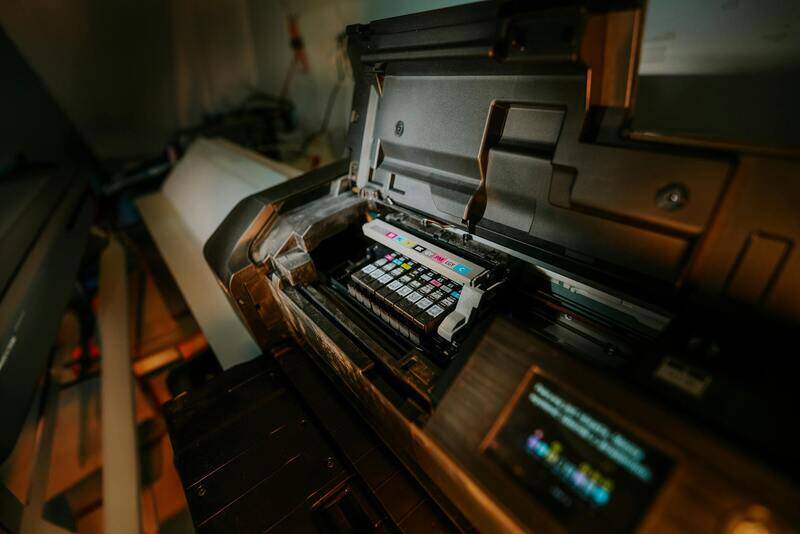
Design Complexity and Graphic Requirements
The intricacy of the banner’s design plays a vital role in determining costs. Simple text-based graphics or minimalistic layouts generally cost less, especially if produced with standard printing processes. Conversely, complex designs involving multiple colors, gradients, photos, or high-resolution images require advanced printing techniques and larger file sizes, which can increase production expenses. Color matching, special fonts, and detailed vector artwork might necessitate additional preparation or setup fees, especially if custom color calibration or proofing is involved.
Additional Services and Finishing Features
To enhance the functionality and lifespan of banners, several finishing options are available, each contributing to overall costs:
- Hemming and Grommets: These reinforce the edges and provide attachment points, ensuring durability and ease of installation.
- Pole Pockets: Allow banners to be mounted on poles seamlessly, especially useful for event banners or outdoor displays.
- Lamination and UV Coating: Protect against weather, UV rays, and fading, extending the banner’s lifespan but adding to production costs.
- Special Mounting Accessories: Includes hooks, eyelets, or double-sided tape, which cater to specific display needs and can influence overall expenses.
Prioritize finishing features based on the banner’s intended environment and longevity requirements to manage costs effectively.
Estimating the Average Cost Range in Singapore
The pricing for banner printing services in Singapore varies based on size, material, and complexity. As a general guideline, small to medium indoor banners (around 2 feet by 4 feet) might start from SGD 50 to SGD 150. Larger outdoor banners of 4 feet by 8 feet or more tend to range from SGD 150 to SGD 400, with premium materials or detailed designs pushing the price higher. Custom shapes, unique finishes, and high-resolution graphics could add to these baseline figures. It's advisable to seek detailed quotes from printers, specifying your needs to ensure accurate budget estimation.

Strategic Tips for Cost-Effective Banner Printing
Achieving the best value involves balancing quality with budget. Consider opting for standard materials and sizes that meet your core needs. Using vector graphics and limiting color palettes can reduce print setup costs. Prioritize essential finishing features, and explore bulk or repeat orders for potential discounts. Always request detailed quotes that itemize costs, enabling you to identify where savings can be made without compromising on the banner’s effectiveness. Communicating your budget and specific requirements clearly to printing providers promotes transparency and helps in choosing the most suitable options.
Sizes and Dimensions Pricing Variations
Understanding how banner dimensions influence printing costs is crucial for accurate budgeting. Standard sizes, such as 2x4 feet or 3x6 feet, benefit from economies of scale and often come at more affordable rates due to mass production efficiencies. When opting for these common dimensions, clients typically enjoy lower per-square-foot pricing and faster turnaround times. Conversely, custom sizes tailored to specific spatial requirements or branding needs can significantly impact overall expenses. Larger banners, such as those measuring 4x8 feet or bigger, tend to incur higher costs because they require more materials, longer printing times, and sometimes specialized handling. Additionally, banners with irregular or non-standard shapes—such as circular or bespoke cut-outs—demand additional cutting, shaping, and finishing processes, which add to the total cost. Careful consideration of the intended display environment and budget constraints can help determine the most suitable size, balancing visual impact with cost efficiency.

Design and Graphic Requirements and Their Effect on Cost
The intricacy and complexity of the design play a pivotal role in shaping the overall printing expenses. Simple designs featuring minimal colors and straightforward graphics tend to require less setup time, reducing printing costs. Conversely, detailed images with high-resolution graphics, multiple colors, and complex effects such as gradients or textures may necessitate advanced printing techniques like UV printing or dye sublimation, which can increase expenses. Additionally, the preparation of artwork files impacts costs—vector-based files facilitate quicker, cleaner prints with fewer adjustments, whereas raster images may require more pre-press work to ensure quality. When considering graphic requirements, opting for designs that minimize the use of costly special effects or large color palettes can provide substantial savings, especially for large batches or ongoing campaigns. To optimize services without sacrificing visual impact, clients should communicate their budget constraints upfront and collaborate with designers and printers to find the most cost-effective solutions.

Additional Services and Their Costs
Beyond basic printing, many providers offer supplementary services that can influence the total expense. These include options such as lamination, which enhances durability and visual appeal but adds to the cost; reinforced or grommeted edges for easier installation and increased wind resistance; hemming for a clean finish; and special finishes like matte or gloss coatings that can affect both aesthetics and price. Additionally, services like custom mounting, framing, or delivery may be available but will typically carry extra charges. If the banner requires special handling, such as weatherproofing for outdoor use or UV coating to prevent fading, these features will also contribute to overall costs. Clients should assess which of these enhancements are necessary and align their selections with budget considerations, requesting comprehensive quotes that clearly specify the costs associated with each additional service. Strategic choices here allow for customization of banners without undue financial strain.
Sizes and Dimensions Pricing Variations
One of the primary factors influencing the banner printing cost is the size and dimensions of the banner. Larger banners naturally require more raw materials and increased printing time, resulting in higher costs. Standard sizes such as 2x4 feet or 3x6 feet are often more economical due to the ease of manufacturing and material use efficiency. Custom sizes, particularly those exceeding traditional dimensions, can lead to substantial cost variations. For example, a banner measuring 4x8 feet or larger will incur additional charges based on the increased material and printing complexity. Companies must consider the intended display location and purpose when selecting dimensions. An outdoor event banner might need to be larger and more durable, thus influencing costs significantly. Conversely, smaller indoor banners or signage that serve specific promotional needs can be more budget-friendly. When requesting quotes, clients should specify precise dimensions to obtain accurate pricing estimates, avoiding hidden charges from last-minute size adjustments. Furthermore, the aspect ratio and shape also play roles in cost variations. Custom-cut banners with unique contours or shapes require additional cutting and finishing processes, which may increase expenses. Standard rectangular banners usually benefit from streamlined production processes, making them more cost-effective. Clients should work closely with printing providers to determine the optimal size that balances visual impact and budget considerations. Strategic sizing can help maximize advertising effectiveness while keeping expenses manageable.

Additional Services and Their Costs
Beyond basic banner printing, several supplementary services can influence the overall expense. These add-ons are often essential to enhance durability, visual appeal, and functionality, but they also come with associated costs.
- Lamination: Applying a lamination layer can significantly extend the lifespan of a banner, especially for outdoor use or long-term campaigns. Laminated banners are more resistant to weather conditions, scratches, and fading, but this protective layer adds to the printing cost. The expense varies depending on the type of lamination chosen, whether matte, gloss, or satin finish.
- Finishing and Edging: Finishing options such as hemming, eyelets, reinforced corners, or grommets improve the banner’s durability and ease of installation. Each finishing technique incurs additional charges, which depend on the complexity and number of finishing features requested. For instance, multiple eyelets around the banner’s perimeter increase both material costs and labor time.
- Mounting and Installation Solutions: Some clients opt for modular systems, stands, or special mounting hardware to display their banners effectively. These services are usually charged separately but are crucial for ensuring that the banner maintains its intended visual impact in various settings.
- Custom Finishes and Effects: Specialty printing effects, such as matte or gloss finishes on specific areas, metallic inks, or textured surfaces, are also available. Though they elevate the visual quality of the banner, they require additional setup and material costs, which should be discussed beforehand for accurate budgeting.
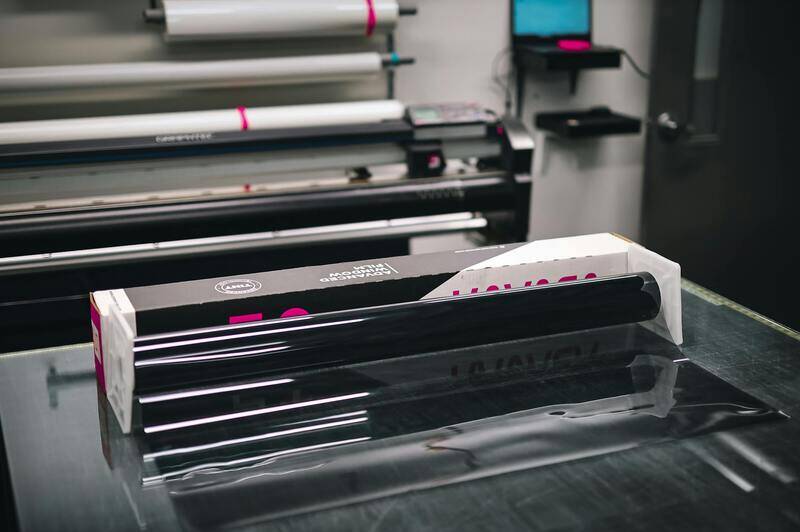
When planning a banner project, clients should list their desired supplementary services early in the quotation process. This allows printing providers to give precise estimates, avoiding unexpected expenses later on. Choosing appropriate finishing options based on the banner’s intended lifespan and display environment can balance quality needs with budget constraints. Prioritizing essential services ensures the final product meets expectations without unnecessary expenditure.
Overview of Banner Printing Cost
Understanding the cost structure of banner printing is essential for businesses and individuals aiming to maximize visual impact while maintaining budget efficiency. Banner printing costs are influenced by various factors, including material choice, size, design complexity, and additional finishing options. It is important to recognize that the expense associated with producing banners is not solely determined by dimensions but also by the quality demands and technical specifications of the project. Budgeting accurately requires a comprehensive view of these elements, along with knowledge of industry-standard pricing practices.
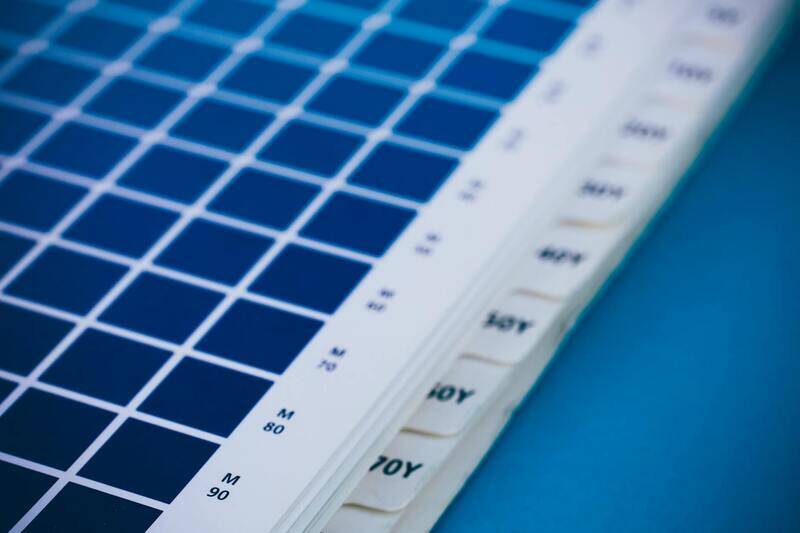
The base price typically includes the printing process itself, with service providers offering varying packages depending on the resolution, material, and finishing requested. Additional costs may accrue from special printing techniques or higher-grade materials that confer greater durability or visual appeal. By evaluating these factors carefully, clients can customize their banners to meet specific needs—whether for short-term advertising campaigns or long-term outdoor displays—without exceeding their financial limits.
Key Factors Affecting Banner Printing Prices
Several critical elements directly influence the final cost of banner printing. These include:
- Material Selection: The type of substrate used—such as vinyl, mesh, fabric, or canvas—has a significant impact on cost. Premium materials that are weather-resistant or textured tend to be more expensive but offer enhanced durability and aesthetic appeal.
- Size and Dimensions: Larger banners naturally require more material and labor, which elevates their price point. Pricing often varies based on standard sizes like 2x4 feet, 4x8 feet, or custom dimensions tailored to specific project requirements.
- Design Complexity: Intricate graphics, high-resolution images, or elaborate color schemes increase production time and the need for advanced printing techniques, thus raising the overall cost.
- Printing Technique: Options such as digital, eco-solvent, or UV printing offer different quality levels and durability traits, influencing price accordingly.
Common Materials Used for Banners and Cost Impact
The choice of material plays a pivotal role in determining the overall printing expense. Common options include:
- Vinyl: The most popular material for outdoor banners due to its durability and weather resistance. Cost varies depending on thickness and finish but generally offers an affordable balance between quality and price.
- Mesh Fabric: Designed for outdoor use with better breathability; slightly more expensive than standard vinyl but ideal for high-wind environments.
- Confirm fabric or cloth: Favored for indoor or premium event banners, providing a high-end look at a higher cost.
- Polyester or Fabric: Suitable for high-quality indoor banners, often costing more due to their texture and finish.
Sizes and Dimensions Pricing Variations
The dimensions of a banner significantly affect its overall cost. Standard size options facilitate predictable pricing, but bespoke dimensions can lead to variances based on material usage and complexity. Small banners, such as 2x4 feet, tend to be more economical, often falling within a lower price range. Conversely, large-scale banners suitable for outdoor advertising, such as 10x20 feet or larger, incur higher costs due to increased material consumption and labor. Custom sizes may also necessitate specific printing settings or additional seams, which can introduce additional charges.
Design and Graphic Requirements and Their Effect on Cost
The intricacies of the banner’s visual design influence production costs substantially. Simple text-based banners with minimal graphic elements tend to be more cost-effective. In contrast, banners featuring high-resolution images, complex logos, or advanced graphic effects require higher-quality print techniques and potentially extended design time, elevating the overall price. Clear communication of design specifications early in the process can help manage costs and avoid surprises, ensuring the final product aligns with the original vision while staying within budget.
Additional Services and Their Costs
Beyond basic printing, several supplementary services can enhance the durability, functionality, and aesthetic finesse of banners. These often include:
- Finishing Techniques: Eyelets, hemming, or reinforced edges provide added strength for outdoor environments but come with extra costs based on quantity and complexity.
- Mounting and Hardware: Rigid frames, stands, or pole pockets facilitate easier display and are usually charged separately.
- Special Effects: Matte, gloss, or textured finishes, metallic inks, or custom laminations contribute to visual appeal but significantly impact the overall budget.

When planning a banner project, it is advisable to discuss these services upfront with the printing provider. This approach ensures transparent pricing and helps tailor the project to budget constraints without compromising on quality or functionality.
Understanding Variations in Banner Printing Costs for Effective Budget Management
When planning a banner printing project, comprehending the various components that influence the overall cost is vital. It enables clients to make informed decisions, balancing quality, durability, and visual impact with their budget constraints. The pricing structure for banner printing encompasses a range of elements, from material selection and size to customization and added features, each contributing differently to the final expense.
Material Selection and Cost Implications
The choice of material is one of the primary determinants of banner printing cost. Common materials include vinyl, fabric, mesh, and tension fabric, each with distinct pricing tiers. Vinyl banners are typically the most economical option offering durability and water resistance, suitable for both indoor and outdoor applications. Fabric banners, often used for high-end displays, tend to fall on the higher end of the price spectrum due to their premium appearance and specialized printing techniques. Mesh banners, designed for outdoor environments where wind passage is necessary, usually incur costs comparable to vinyl but with added considerations for size and finishing. The quality and thickness of these materials directly influence the price, with thicker and more durable options translating into higher costs.
Size and Dimension Variations
The size of the banner plays a crucial role in determining the overall expense. Larger banners require more material, increased printing time, and often, specialized equipment to handle high-volume jobs, leading to proportional cost increases. Standard sizes such as 2x4 feet or 3x6 feet generally have fixed rates, while custom dimensions may attract additional charges due to the need for customized printing setups. For significant projects, bulk discounts or scale-based pricing may be available, making larger banners more economical per square foot compared to smaller sizes. It's essential to collaborate with printing providers to understand size-related pricing nuances and optimize costs without compromising visibility or impact.
Graphic Design and Customization Charges
Design complexity influences production costs significantly. Simple banners with basic text and minimal graphics tend to be more affordable and quicker to produce. Conversely, intricate designs, high-resolution images, or complex logos requiring advanced printing techniques such as UV or solvent printing can elevate the cost. Incorporating special effects like metallic inks, textured finishes, or custom laminations further adds expenses. Clear communication with designers about budget constraints and desired outcomes can streamline the process, ensuring that design choices align with financial considerations while maintaining aesthetic appeal.
Additional Services and Their Price Impact
Beyond the core printing process, supplementary services enhance the durability and functionality of banners but come with extra costs. Typical add-ons include:
- Finishing techniques such as hemming, reinforced edges, or eyelets, which improve outdoor lifespan and ease of installation
- Mounting hardware like poles, stands, or frame systems, which facilitate display but are charged separately
- Special effects such as matte or gloss finishes, textured surfaces, or metallic inks that add visual appeal and tactile dimension
Customizations and finishing options should be discussed upfront to obtain accurate quotes and avoid unexpected expenses. A well-planned approach allows for balancing quality enhancements with budget constraints, resulting in a professional-looking banner that meets both aesthetic and practical requirements.
Estimated Price Range for Banner Printing in Singapore
In Singapore, the cost for professional banner printing services varies based on the factors discussed, with typical price ranges as follows:
- Small-sized banners (around 2x4 feet): SGD $50 – SGD $150
- Medium-sized banners (around 3x6 feet): SGD $150 – SGD $350
- Larger or custom dimensions: SGD $350 and above
These estimates include basic printing and standard finishing options. Additional customizations, such as specialized material, intricate design, or premium finishes, will increase the price accordingly. Clients should request detailed quotations from multiple providers to compare costs and ensure value without sacrificing quality.