Understanding Banner Printer Pricing
Determining the cost of a banner printer involves examining multiple factors that influence its final price point. The selection of a suitable banner printer is driven not just by initial purchase price but also by the technology, features, and capabilities integrated into the machine. These elements collectively affect the overall value and long-term operational expenses, making it essential for buyers to grasp the core components that shape pricing.
At the heart of banner printer costs are the different types available in the market, each tailored to specific business needs, application scales, and production volumes. From entry-level models designed for occasional use to industrial-grade printers capable of high-volume, high-quality output, the price spectrum varies significantly. Understanding these core components allows buyers to align their investment with their operational requirements.
Technological advancements have also played a crucial role in influencing the pricing landscape. Features such as color accuracy, printing speed, resolution, and compatibility with various media types contribute to the complexity and cost of a banner printer. Additionally, innovative printing technologies like UV, solvent, latex, and eco-solvent ink systems each carry distinct price implications due to their production costs and operational efficiencies.
Furthermore, the inclusion of automation features, connectivity options, and ease of maintenance can drive the cost upward but offer increased productivity and reduced downtime. As printers become more sophisticated, their price reflects these advanced capabilities, which are vital for businesses seeking high-quality, consistent results.
In summary, the price of a banner printer is influenced by a blend of factors including type, technology, features, and scalability. Buyers should evaluate these elements carefully against their intended use to make informed decisions that balance upfront costs with long-term value and operational efficiency.

Types of Banner Printers and Their Price Ranges
Choosing the appropriate banner printer requires understanding the different types available on the market, as each model is designed to serve specific business needs and comes with its own price considerations. Broadly, banner printers can be categorized into eco-solvent, solvent, UV, and dye sublimation printers, with each type varying significantly in cost due to their technology, performance, and intended application.

Eco-Solvent Printers
Eco-solvent printers are popular among sign makers and visual display companies due to their ability to produce vibrant colors with minimal odor emissions. The price range for eco-solvent models generally starts from moderate to high, typically spanning from several thousand dollars for entry-level units to over $50,000 for large-format, high-capacity machines. These printers offer excellent durability and color quality, making them suitable for outdoor banners that require longevity.
Solvent Printers
Solvent printers are known for their robust ink systems and durable print outputs, especially suited for outdoor advertising. Their cost can range from around $10,000 for smaller formats to upwards of $100,000 for industrial-grade, high-speed models. The higher investment reflects their ability to handle high-volume production with excellent adhesion and weather-resistant properties.
UV Flatbed Printers
UV printing technology allows for printing on a variety of rigid and flexible surfaces, including thick banner substrates. The price spectrum for UV flatbed printers begins at approximately $40,000 and can exceed $200,000 based on size, resolution, and additional features like automation and multi-function capabilities. These printers are invaluable in environments where versatility and precision are paramount.
Dye Sublimation Printers
This category is specifically tailored for producing high-quality fabric banners and textile displays. The investment for dye sublimation printers generally ranges from $5,000 to $30,000. Cost factors include the printer’s speed, resolution, and compatibility with heat transfer media, aligning with businesses focused on fabric-based promotional materials.
Key Features Affecting Banner Printer Costs
- Print resolution and color depth – Higher precision and richer color reproduction often command higher prices.
- Print speed and production capacity – Faster printers with higher throughput usually have a premium price tag.
- Media compatibility and size capacity – Larger format capabilities and diverse media handling require more advanced engineering, influencing cost.
- Ink system and technology – Innovative technologies like UV curing or eco-solvent formulas add to manufacturing costs and, consequently, the retail price.
- Automation and connectivity options – Features such as automatic media feeding, multi-pass printing, and network integration can increase upfront investment but boost efficiency.

Additional Costs: Maintenance, Supplies, and Consumables
Beyond the initial purchase price, additional expenses impact the overall cost of owning a banner printer:
- Maintenance and Servicing: Regular upkeep, calibration, and occasional repairs are essential to ensure optimal performance and longevity. These costs vary based on printer complexity and usage frequency.
- Consumables and Supplies: Ink cartridges, printing media, and cleaning solutions constitute ongoing expenses. High-quality inks tend to be more costly but are necessary for achieving professional results.
- Replacement Parts: Components such as print heads and belts may require periodic replacement, adding to operational costs over the lifespan of the equipment.

Factors to Consider When Budgeting for a Banner Printer
Effective budgeting involves evaluating several critical factors:
- Anticipated production volume and size requirements – Higher capacity, larger formats, and faster speeds typically justify increased investment.
- Long-term operational costs – Consider energy consumption, ink efficiency, and maintenance contracts.
- Compatibility with current workflow – Ensuring that the printer integrates seamlessly with existing design and production processes can prevent costly adjustments.
- Expected lifespan and scalability – Investing in a machine with scalable features and durability supports future growth and technological upgrades.
- Post-purchase support and warranty options – Comprehensive support services can minimize downtime and unexpected expenses.
Cost Comparison Between New and Used Banner Printers
Purchasing a new banner printer guarantees access to the latest technology, full manufacturer warranty, and initial compatibility assurance. However, this comes at a premium, often with prices reflecting the advanced features and full support. Conversely, used or refurbished printers offer a lower entry point but may entail additional maintenance costs and limited warranties. When evaluating used units, it’s vital to assess their operational history, maintenance records, and current performance to ensure that they meet production demands.
Where to Find Banner Printer Pricing and Quotes
To obtain accurate and competitive pricing, engaging directly with reputable suppliers and authorized dealers is essential. Many companies provide detailed quotes tailored to your specific requirements, including optional features and service packages. It’s advisable to request multiple quotes to compare offerings and consider factors like included warranties, training, and after-sales support, which add value beyond the initial purchase price.
Tips for Buying a Banner Printer Within Your Budget
Effective acquisition strategies include:
- Defining clear operational goals and minimum requirements to avoid overspending on unnecessary features.
- Considering leasing options or financing plans that spread the upfront cost over time.
- Exploring refurbished or certified pre-owned machines from trusted sources.
- Negotiating with suppliers for bundled packages that include maintenance, training, and supplies.
- Assessing total cost of ownership to identify the best long-term investment rather than focusing solely on initial costs.
Key Features Affecting Banner Printer Costs
Understanding the various features of banner printers is essential when assessing their price points. Important considerations include print width, resolution, print speed, and the ink system. These attributes directly influence the overall investment required, as they determine the machine's quality, efficiency, and versatility.
Print Width
Print width defines the maximum width of the banners that a printer can produce. Larger print widths accommodate more expansive displays, reducing the need for seams and enhancing visual appeal. Typically, printers with wider capabilities are priced higher due to their mechanical complexity and larger print heads.
Resolution
Resolution, measured in dots per inch (DPI), determines the clarity and detail of the printed banners. Higher DPI settings offer sharper images and more vibrant color reproduction, but they often come with increased costs related to more precise printing mechanisms and higher-quality inks. Businesses prioritizing detailed visuals for professional displays should expect to invest more in high-resolution models.
Print Speed
Efficiency is key in large-scale banner production. Prince speed, typically measured in square meters per hour, influences how quickly orders can be completed. Faster printers tend to be more expensive, but they greatly enhance productivity, especially for businesses with high-volume output requirements.
Ink System
The type and complexity of ink delivery—such as standard, eco-solvent, UV, or latex—affect both the initial cost and ongoing expenses. Advanced ink systems can provide better color accuracy and durability but often involve higher purchase prices and maintenance costs. Ink cartridges, reservoirs, and the frequency of ink replacement also contribute to overall expenses.

Impact of Key Features on Overall Cost
When evaluating banner printers, aligning features with specific operational needs is crucial. High-resolution, wide-format printers with rapid throughput and advanced ink systems often represent a significant initial investment but can provide superior results and productivity gains. Conversely, models with modest specifications may fit budget constraints initially but could lead to higher costs over time due to limited versatility and additional maintenance requirements.
Understanding Banner Printer Pricing
When exploring options for banner printing equipment, comprehending the factors that influence pricing is essential. The state-of-the-art technology, brand reputation, and specific functionalities play a pivotal role in determining the cost of a banner printer. Many businesses seek a balance between investment and output quality, which can be achieved by assessing the core components and capabilities that align with operational demands.
Fundamentally, the cost of a banner printer is driven by the technology it employs. Wide-format printers that utilize advanced print heads and high-resolution capabilities tend to carry higher price tags due to their ability to produce sharp, vibrant images suitable for professional marketing and display applications. The size and maximum printable width directly impact pricing, with larger formats requiring more sophisticated and often more expensive hardware.
Additionally, the choice of ink delivery systems, whether eco-solvent, UV, latex, or solvent-based, influences ongoing expenses and initial investment. Eco-solvent and UV printers often are priced higher but offer superior durability and color vibrancy, making them ideal for outdoor banners that require longevity. The sophistication of the ink system also affects maintenance needs and consumable costs over time.
In terms of operational efficiency, features such as print speed, automation capabilities, and integration options can add to the initial cost. For high-volume banner production, investing in faster, automated models can significantly improve throughput and reduce labor costs, translating into a higher upfront expense but potential long-term savings.
When considering investment, it’s crucial to look beyond the initial purchase price. Evaluating the total cost of ownership—including maintenance, supplies, and potential upgrades—is essential for making informed decisions. High-quality printers may command a premium, but their durability, efficiency, and output quality often justify the expense over the long run.
Consulting industry data, reputable equipment suppliers, and detailed product specifications can help clarify the full pricing spectrum. By aligning operational goals with available features, businesses can identify models that deliver optimal value within their budget constraints.
Factors to Consider When Budgeting for a Banner Printer
When planning your investment in a banner printer, comprehensive evaluation of several critical factors ensures that the chosen equipment aligns with your business objectives and operational requirements. First and foremost, assess the expected volume of banner production. High-volume operations typically benefit from more robust, faster printers that can handle continuous output without compromising quality. Conversely, smaller businesses or occasional users might prioritize models with lower initial costs and manageable maintenance needs.
Space constraints within your workspace also influence the selection process. Larger, industrial-grade printers require ample room not just for installation but also for safe operation and maintenance. Ensuring your workspace can accommodate the printer’s dimensions helps avoid hidden costs associated with facility modifications.
Quality standards are another key consideration. High-end printers often feature advanced ink systems and precision components that produce vibrant colors and sharp details. While these models tend to be pricier upfront, their ability to produce professional-grade banners can justify the investment, especially for brands that rely heavily on visual impact.
Technical support and ease of maintenance should not be overlooked. Vendors that offer comprehensive after-sales service, warranties, and readily available spare parts can help minimize downtime. Choosing a model with user-friendly interfaces and automated features can streamline operations, reducing labor and training costs.
Finally, consider your budget in relation to these factors. Setting clear priorities—such as production volume, print quality, speed, and support—will guide you toward a model that provides the best value for your particular needs.
Understanding Banner Printer Pricing
Banner printer prices vary significantly depending on features, brand reputation, and intended usage. When evaluating the cost, it’s important to consider not just the initial investment but also long-term expenses associated with maintenance, supplies, and operational efficiency. Entry-level models are often priced lower and suited for small-scale applications or startups, but they may lack advanced capabilities necessary for high-volume production or detailed graphics. High-performance commercial-grade printers tend to command higher prices due to their enhanced robustness, faster speeds, and superior print quality. Factors such as ink technology, print resolution, and automation features can drive these differences in cost. It’s also worth noting that some suppliers offer financing or leasing options, which can help manage upfront costs and align expenditures with your business cash flow. A detailed understanding of the total cost of ownership ensures you can select a banner printer that fits your budget while meeting your operational needs effectively.

Types of Banner Printers and Their Price Ranges
Banner printers are typically categorized into three main types: small-format, large-format, and industrial printers. Each category caters to different scales of production and impact pricing structures accordingly.
- Small-Format Banner Printers: These compact models generally feature lower price points, often ranging from $2,000 to $10,000. Suitable for localized signage, events, or point-of-sale displays, they are ideal for startups and small businesses with limited space and volume needs. Despite their affordability, small-format printers usually possess a user-friendly interface and require minimal setup and maintenance.
- Large-Format Banner Printers: Designed for producing larger, high-resolution banners, these printers typically fall within a $10,000 to $50,000 price range. They offer a balance of speed, quality, and size, making them popular in commercial print shops and marketing agencies. Advanced features such as multi-directional printing and higher ink capacity contribute to their higher costs.
- Industrial Banner Printers: For high-volume production environments, industrial-grade printers can exceed $50,000, with some models reaching $100,000 or more. These machines are built for durability, speed, and consistent quality, often incorporating automation and advanced ink systems. They serve large-scale operations such as billboard printing or retail chain signage, where performance and longevity justify the investment.
Key Features Affecting Banner Printer Costs
Several features influence the pricing of banner printers, and understanding these can help in making a more informed selection:
- Print Resolution: Higher DPI (dots per inch) improves image clarity and detail, often associated with increased costs due to advanced print heads and precision engineering.
- Ink System: Latex, solvent, UV-curable, and dye-based inks differ in price and application, with high-end systems typically providing better durability and color fidelity, but at a premium.
- Print Speed: Faster machines with wider printing widths usually cost more but reduce production time, offering better ROI for high-volume operations.
- Automation and Ease of Use: Automated features such as media handling, color calibration, and maintenance routines can add to initial costs but streamline workflow and reduce labor expenses over time.
- Build Quality and Materials: Sturdier frames and components designed for longevity increase initial costs but lower long-term maintenance and replacement expenses.
Additional Costs: Maintenance, Supplies, and Consumables
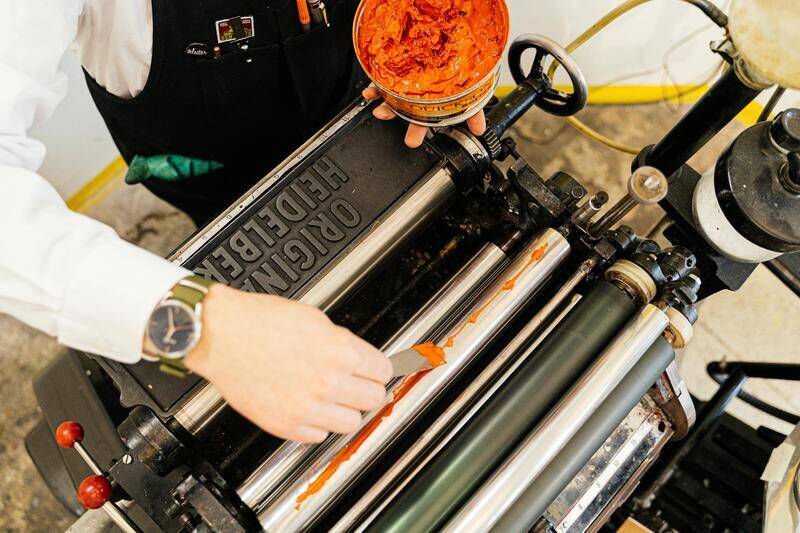
Beyond the upfront cost of purchasing a banner printer, operational expenses form a substantial part of the total expenditure. Regular maintenance ensures optimal performance and prolongs the machine’s lifespan, which may involve routine cleaning, replacement of wear parts, and calibration. Maintenance costs will vary based on printer complexity—industrial models generally require more technical service than smaller, simpler units.
Supplies and consumables are ongoing expenses critical to continuous operation. Ink costs represent a major portion of the total, with prices fluctuating based on ink type and volume. Latex and solvent inks tend to be more expensive but offer durability and a wider color gamut, whereas dye-based inks often cost less but provide shorter lifespan. Media such as banner vinyl, backdrops, and latex-compatible substrates also contribute to costs, especially when high-quality or specialty materials are used.
It's vital to factor in these recurring costs when budgeting, as they influence the overall return on investment and profitability of your banner printing activities. Proper inventory management and supplier negotiations can help control these expenses, maintaining cost-effectiveness without compromising quality.
Understanding Banner Printer Pricing
Accurately assessing the cost of a banner printer requires a comprehensive look into the various factors that influence pricing. Banner printer prices can vary significantly based on specifications, brand reputation, and the technological features integrated into the machine. It is essential to evaluate what you need from a printer—whether it’s high-volume production capability, color accuracy, or compatibility with diverse media—and match those needs with available options within your budget.

When comparing costs, consider not only the initial purchase price but also the total cost of ownership, which includes maintenance, consumables, and potential upgrades. Larger, industrial-grade printers tend to command higher prices but are designed for durability and high output efficiency. Conversely, entry-level models are more affordable upfront but may incur higher operational costs or require frequent replacement or upgrades over time. Understanding the pricing structure helps in making an informed decision that aligns with your business goals and financial limitations.
Types of Banner Printers and Their Price Ranges
Banner printers are available in a broad range of types, each suited for specific applications and budget considerations. Entry-level roll-to-roll printers generally start around a few thousand dollars, ideal for small-scale or occasional printing tasks. Mid-range models with enhanced features such as higher resolution, faster printing speeds, and greater media versatility typically fall within the $10,000 to $50,000 range. Industrial-grade printers used for continuous, high-volume production can exceed $100,000, reflecting their robustness, speed, and precision.
- Entry-Level Printers: $2,000–$8,000
- Mid-Range Printers: $10,000–$50,000
- High-End/Industrial Printers: $50,000–$150,000+
Understanding these categories helps you identify the most suitable options based on your producing capacity, quality requirements, and financial plan.
Key Features Affecting Banner Printer Costs
Several features dramatically influence the overall price of a banner printer. Precision and resolution, for example, are critical for high-quality, detailed images, pushing prices upward as these features require sophisticated print head technology and advanced control systems. Print speed is another cost determinant—faster machines suitable for bulk production carry higher price tags.

- Print Resolution: Higher resolutions lead to more detailed images but increase costs.
- Print Speed: Fast printing times are advantageous for large-scale operations but add to the initial investment.
- Media Compatibility: Support for various media types can raise the purchase price due to advanced feed and handling mechanisms.
- Software and Connectivity: Advanced color management and connectivity options add to the machine’s cost but significantly improve workflow efficiency.
Additional Costs: Maintenance, Supplies, and Consumables
Operational expenses such as consumables and ongoing maintenance represent a crucial component of total expenditure beyond the initial purchase. Regular upkeep ensures optimal performance and prevents costly downtimes. Maintenance may involve routine cleaning, calibration, and occasional repairs, with costs varying based on printer complexity—industrial models often demand specialized service professionals.
Consumables comprise inks and media, which constitute the ongoing costs associated with banner printing. Ink prices fluctuate depending on type, brand, and volume. Latex and solvent inks, though more expensive, offer superior durability and wide color gamuts, whereas dye-based inks are less costly but typically have a shorter lifespan. Media costs vary by material quality and size, with premium media like special vinyl or coated substrates commanding higher prices.
Factors to Consider When Budgeting for a Banner Printer
To develop a realistic budget, it is essential to incorporate various components beyond the sticker price. Consider the anticipated volume of printing, as higher output requires more robust machinery with increased capacity and durability. Also, evaluate your needs for features such as automation, media versatility, and resolution—each affecting overall costs.
- Expected Production Volume: Determine if your operations will be occasional or high-volume, which influences the suitable printer type.
- Media Types and Sizes: Compatibility with diverse media impacts the investment, especially if you plan to work with specialty materials.
- Operational Expenses: Budget for ongoing costs like ink, media, maintenance, repairs, and potential upgrades.
- Warranty and Support Services: Investing in machines with comprehensive service packages may increase initial costs but provides peace of mind and reduces downtime.
Cost Comparison Between New and Used Banner Printers
Purchasing a new banner printer guarantees access to the latest features, warranty coverage, and the assurance of a fully operational machine. However, the upfront cost can be substantial, particularly for high-quality industrial models. Used or refurbished printers offer a more economical alternative, often at a reduced price—sometimes up to 50% less than new equipment. Nevertheless, buying used requires careful inspection and verification of the machine’s condition and remaining lifespan.
Refurbished printers typically undergo thorough diagnostics, repairs, and testing to ensure performance standards are met. This option can significantly shorten the return on investment period and make high-capacity printers accessible to smaller businesses or startups. Nevertheless, always consider factors such as the age of the equipment, availability of replacement parts, and warranty or support options when making a decision.
Understanding Banner Printer Pricing
Determining the price of a banner printer involves analyzing multiple factors, including the printer’s specifications, brand reputation, and the features included. Prices can vary significantly depending on whether the device is intended for small business use, professional signage, or industrial applications. When examining banner printer costs, it's essential to distinguish between surface-level price points and the total cost of ownership, which encompasses maintenance, supplies, and operational expenses. Authentic pricing data can be obtained directly from reputable suppliers, industry catalogs, or official distributors, ensuring that each quote reflects current market standards and is tailored to your specific requirements.
Types of Banner Printers and Their Price Ranges
Banner printers can be broadly categorized into several types, each with varying price ranges based on complexity and performance capabilities:
- Desktop or Small-Format Printers: Suitable for small-scale or occasional use, these printers generally range from $2,000 to $8,000. They are designed for compact media sizes and typically feature lower operational costs.
- Mid-Range or Commercial Printers: These machines are ideal for small-to-medium enterprises, with prices spanning $8,000 to $25,000. They support larger media formats and offer higher speeds and resolution options.
- Large-Format or Industrial Banner Printers: For high-volume production, industrial models often start at $25,000 and can exceed $100,000. These printers provide fast throughput, high durability, and compatibility with various media types, making them suitable for commercial banners, event signage, and retail displays.

Key Features Affecting Banner Printer Costs
Several technical specifications influence the overall price of a banner printer, including:
- Print Resolution: Higher DPI (dots per inch) provides sharper images, often increasing cost due to advanced print heads and precision engineering.
- Print Speed: Faster printers suitable for mass production typically carry a premium, reflecting the increased engineering complexity and throughput capabilities.
- Media Compatibility: Support for a variety of media types and sizes, such as vinyl, fabric, and mesh, can elevate the initial investment.
- Color Capabilities: Printers with expanded color gamuts, color management features, and white ink options cost more, but they provide superior image quality and versatility.
- Operational Features: Automated media handling, integrated cutting, and advanced calibration options directly influence price, with premium models offering greater automation and ease of use.
Additional Costs: Maintenance, Supplies, and Consumables
Beyond the initial purchase price, owning a banner printer involves ongoing expenses that contribute significantly to the total cost of ownership. These include:
- Inks and Consumables: High-quality inks are essential for vibrant, durable banners. Specialty inks, such as white or metallic, usually come at a higher cost per cartridge or liter.
- Media Materials: Wide-ranging media types require appropriate substrates, which vary in price depending on quality and specifications.
- Maintenance and Repairs: Regular servicing extends equipment lifespan but incurs costs over time. Preventative maintenance packages may offer savings compared to reactive repairs.
- Replacement Parts and Upgrades: Components like print heads, rollers, or sensors may need periodic replacement, influencing long-term costs.
Factors to Consider When Budgeting for a Banner Printer
Effective budgeting requires evaluating your specific business needs against available financial resources. Key considerations include:
- Production Volume: High-volume operations justify investment in industrial models, whereas occasional use may require smaller, less costly machines.
- Quality Requirements: Superior image resolution and color fidelity often demand higher-priced equipment and consumables.
- Flexibility and Media Support: Compatibility with diverse media types and sizes can influence initial investment and future expansion plans.
- Long-Term Operating Costs: Analyzing ongoing expenses helps to avoid surprises during the ownership journey.
- Available Support and Warranty: Machines with comprehensive support packages may have higher upfront costs but reduce potential downtime and repair expenses.
Cost Comparison Between New and Used Banner Printers
Evaluating the cost implications of purchasing new versus used banner printers involves analyzing both immediate affordability and long-term value. New printers provide the advantage of the latest technology, full warranty coverage, and assured operational performance. Investment in new equipment can range from approximately $5,000 for entry-level models to over $100,000 for top-tier industrial solutions. Conversely, used banner printers often cost significantly less, with discounts reaching up to 50% of the original retail price, making them an appealing option for startups or businesses with constrained budgets. When considering used units, thorough inspections, validation of operational status, verification of maintenance history, and confirmation of spare parts availability are vital steps to ensure value retention and operational reliability.

Where to Find Banner Printer Pricing and Quotes
Reliable sourcing of banner printer pricing involves reaching out directly to official distributors, authorized resellers, and equipment manufacturers. Requesting personalized quotes based on your specific needs allows for accurate budgeting and facilitates comparisons across different models and vendors. Industry expos and trade shows serve as valuable opportunities to negotiate on-site pricing, explore multiple options simultaneously, and obtain detailed product demonstrations. Online platforms and community forums can also provide insights into current market prices, user experiences, and available financing options. Always ensure that any quote includes comprehensive details on warranties, service agreements, and after-sales support to make well-informed purchasing decisions that align with your operational goals and budget constraints.