Introduction to Custom Print Banners
Custom print banners serve as versatile tools for communication and visual impact across a multitude of contexts, from promotional campaigns to personal celebrations. These banners are tailored to meet specific requirements, allowing clients to express unique messages, branding elements, or decorative themes. Their adaptability makes them essential in diverse environments, including retail shops, conventions, outdoor events, conferences, and community gatherings. Custom banners are crafted with durability and visibility in mind, ensuring that messages are conveyed clearly and attractively, regardless of setting or duration of display.
The primary purpose of custom print banners is to enhance visibility and reinforce messaging in a targeted manner. Whether promoting a new product, announcing a grand opening, or commemorating a special event, these banners can be designed to capture attention and communicate effectively from a distance. They are often chosen for their bold visual appeal, durability against weather conditions, and ease of installation. As a result, they have become integral components of marketing strategies and event planning, offering an effective way to increase brand recognition and audience engagement.
In addition to commercial and promotional uses, custom banners also play a significant role in personal events such as weddings, birthdays, and festivals. They serve as decorative elements that set the tone and atmosphere, often customized with specific themes, colors, and messages to resonate with the occasion. The flexibility in design and material options enables individuals and organizations to create distinctive visual statements that leave lasting impressions.
Furthermore, advancements in printing technology have expanded the possibilities for customization, allowing for high-resolution graphics, intricate designs, and vibrant color schemes. This technological evolution ensures that custom print banners remain a cost-effective and impactful medium for visual communication, adaptable to different scales and settings with ease.

Overall, custom print banners combine design flexibility, durability, and strategic communication, making them an invaluable asset across various domains. Their ability to be personalized precisely according to specific needs ensures they remain a popular choice for impactful visual messaging, whether for business growth, event decoration, or personal expression.
Types of Banners and Materials
Choosing the appropriate material for custom print banners is essential to ensure durability, visual impact, and suitability for specific environments. The most common materials include vinyl, mesh, fabric, and paper, each serving different needs based on where and how the banner will be displayed.
Vinyl Banners
Vinyl banners are among the most versatile and durable options available. Made from PVC, they are resistant to weather, UV rays, and general wear and tear, making them ideal for outdoor use. Vinyl banners support vivid color printing and can be produced in large sizes without losing image quality. Their robustness makes them suitable for long-term campaigns, event signage, and storefront advertisements.

Mesh Banners
Designed with tiny perforations, mesh banners are intended for environments exposed to strong winds or where airflow is necessary. These banners reduce wind resistance while still allowing light and air to pass through, preventing tearing and damage. They are popular for large outdoor installations like stadiums, construction sites, and festival signage.
Fabric Banners
Fabric banners, typically made from polyester or polyester blend materials, offer a softer, more elegant look. They are often used for indoor events, exhibitions, and retail displays. Their ability to produce high-definition graphics with vibrant colors makes them suitable for premium branding efforts. Additionally, fabric banners tend to have a matte finish that minimizes glare under artificial lighting.
Paper and Other Materials
For short-term applications such as invitations, flyers, or indoor signage, paper banners can be a cost-effective solution. They are easy to produce and deliver quick turnaround times. However, their limited durability makes them less suitable for exterior use. Specialty materials like canvas or vinyl overlays are also available for customized projects needing unique textures or finishes.
Material Selection Tips
- Outdoor use: Vinyl or mesh, due to weather resistance.
- Indoor displays: Fabric or high-quality paper for visual appeal.
- Temporary events: Paper banners or lightweight materials for budget-friendly options.
- High-resolution graphics: Fabric or vinyl surfaces that support detailed printing.
Understanding the differences among these materials facilitates selecting the right banner for specific applications, ensuring the message remains impactful throughout the duration of the display. The choice of material directly influences not only the visual presentation but also the longevity and maintenance needs of the banner, ultimately impacting overall effectiveness and cost-efficiency.
Understanding the Printing Process for Custom Print Banners
When it comes to producing high-quality custom print banners, the printing process plays a crucial role in ensuring the final product meets both aesthetic and durability expectations. Advanced printing technologies, such as large-format digital printing, are the standard for creating vibrant, detailed images on various materials like vinyl, fabric, or mesh. These digital printers utilize wide-format inkjet technology capable of handling high-resolution graphics, enabling the reproduction of complex designs with crisp clarity and accurate color reproduction.
One of the core benefits of digital printing is its ability to support short runs and customized designs without the need for costly setup processes, making it ideal for personal and promotional banners. The process involves printing directly onto the chosen substrate, which ensures sharp detail and vibrant colors. Often, UV or solvent-based inks are used due to their adhesion properties and resistance to environmental factors, helping banners withstand outdoor conditions and UV exposure over time.

Another important aspect of the printing process involves color management and calibration. Industrial printers are equipped with sophisticated color profiles, ensuring that the hues on the banner match the intended design accurately. This precision is essential for branding purposes where color consistency and brand integrity are paramount.
For banners requiring special finishes, such as matte or gloss coatings, additional printing or lamination steps may be incorporated after the initial printing process. These coatings can enhance visual appeal, protect the print from scratches or UV damage, and reduce glare for indoor displays. Laminating also offers an extra layer of protection, extending the life of the banner, especially in high-traffic or harsh environmental conditions.
When selecting a printing provider, it’s essential to evaluate their equipment and experience in producing custom print banners. Reliable providers often employ pre-press checks to ensure file accuracy and color consistency before printing begins. They also adhere to strict quality control protocols during and after production to verify color accuracy, print quality, and material integrity.
Ensuring the proper handling and storage of printed banners post-production is equally crucial. Proper rolling, avoiding exposure to direct sunlight, and storing in a dry environment help maintain the print's vibrancy and structural stability over time. Additionally, understanding the turnaround times offered by printing services can help in planning and meeting event deadlines or campaign launches effectively.
Printing Techniques and Technologies
When selecting custom print banners, understanding the available printing methods is essential to achieve the desired visual quality and durability. Digital printing stands out as the most popular choice for short to medium runs, due to its rapid production times, high-resolution output, and cost-effectiveness. This method allows for vibrant color reproduction and precise detail, making it suitable for intricate designs and photographic imagery.
UV printing employs ultraviolet light to cure inks instantly on various substrates, including banner materials. This technique results in highly durable prints with excellent color retention and resistance to environmental factors such as UV rays, water, and abrasions. UV printing is especially advantageous for banners intended for outdoor use, where exposure to the elements could otherwise degrade visual quality quickly.
Large-format printing encompasses a range of high-capacity printing technologies designed to produce sizable banners with sharp resolution. This method is ideal for oversized banners that need to be attention-grabbing from distance. Large-format printers use specialized inks and substrates to ensure vibrant colors and longevity, making them a dependable choice for trade shows, outdoor advertising, and corporate events.
Each printing technique brings specific advantages aligned with different project requirements. Digital printing offers versatility for customized, multi-color designs with fast turnaround times. UV printing delivers superior durability suitable for exterior environments. Large-format printing excels in producing striking, large-scale visuals for maximum visibility. Partnering with experienced printing providers guarantees access to these advanced technologies, ensuring that your custom banners meet and surpass expectations.
Understanding the Different Printing Techniques for Custom Banners
When selecting a method for producing custom print banners, understanding the available printing techniques is crucial in ensuring the final product meets specific needs for durability, color accuracy, and visual impact. The dominant technologies in the realm of large-format printing include digital printing, UV printing, and large-format printing, each with distinct advantages tailored to particular applications.
Digital Printing
Digital printing is renowned for its versatility and efficiency, especially suited for projects requiring detailed, multi-color designs with a quick turnaround. This method employs advanced inkjet or LED printers that directly transfer digital images onto banner substrates. The process allows for high-resolution, vibrant color reproduction with excellent precision, making it ideal for custom banners featuring complex graphics, photographs, or intricate logos.
UV Printing
UV printing technology utilizes ultraviolet light to instantly cure inks onto various surfaces, including banner materials. This results in highly durable visual outputs with exceptional color retention and resistance to environmental factors such as UV rays, water, and abrasions. UV printing is especially advantageous for banners intended for outdoor use where exposure to elements could otherwise diminish visual quality rapidly. The ability to print directly on rigid or flexible substrates makes UV printing a versatile option for custom banners that demand longevity and weather resistance.
Large-Format Printing
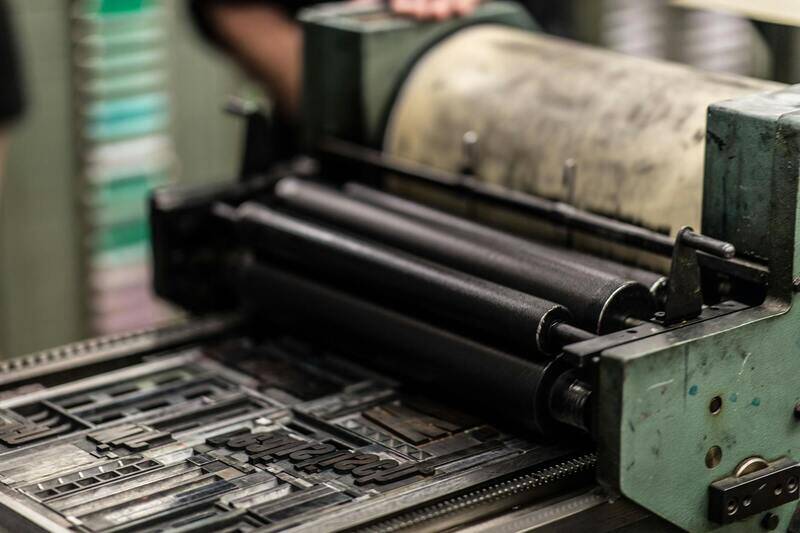
Specialized large-format printing technologies are designed to produce oversized banners with sharp resolution and vibrant color display from a distance. This method employs large-capacity printers capable of handling wide substrates, making it suitable for banners used in trade shows, outdoor events, or prominent display locations. The results are compelling visual impacts that attract attention from afar, ensuring maximum visibility for promotional messages or branding efforts.
Matching Technology with Project Requirements
Choosing the right printing technology hinges on understanding the primary purpose of your banners—whether they are for temporary indoor use, long-term outdoor display, or large-scale signage. For instance, digital printing offers quick customization for indoor events, while UV printing ensures durability for outdoor banners exposed to the elements. Large-format printing, on the other hand, prioritizes visual impact over size, ideal for making a significant impression in vast outdoor spaces.
Partnering with experienced printing service providers guarantees access to these advanced technologies, ensuring that your custom banners not only meet aesthetic goals but also withstand environmental challenges effectively.
Installation and Maintenance of Custom Print Banners
Proper installation is crucial to maximize the visual impact and longevity of custom print banners. Selecting the appropriate mounting method depends on the banner’s size, location, and the surface it will adhere to. Common mounting options include grommets, banner ties, bungee cords, or affixing via frames or poles. For outdoor banners exposed to environmental conditions, using reinforced grommets combined with rust-resistant hardware ensures secure attachment and reduces the risk of tearing or damage caused by wind or rain.
When installing banners:
- Ensure the surface is clean and free from debris to promote a secure attachment.
- Use appropriate tools, such as ladders or scaffolding, to reach high or hard-to-access locations safely.
- Double-check the tension across the banner to prevent sagging, which can impair visual readability and cause wear over time.
- Incorporate wind slits if the banner is large and installed in windy outdoor environments. These help reduce wind resistance and prevent tearing.
Maintenance Tips to Preserve Your Custom Banners
Caring for your banners extends their usable life and maintains their vibrant appearance. Regular inspection is key—check for signs of deterioration such as fading, tears, or hardware loosening. For outdoor banners, periodic cleaning can significantly enhance their durability and visual appeal. Use mild soap and water for cleaning, avoiding harsh chemicals that could degrade the material or ink.
When cleaning:
- Gently wipe or hose down the banner to remove dirt and debris.
- Allow the banner to dry completely before storage or reinstallation.
- Consider applying UV-protective sprays designed for vinyl or fabric banners to help resist fading from sun exposure.
If the banner suffers minor damage, such as small tears or loose grommets, prompt repairs can prevent further deterioration. For extensive damage or end-of-life banners, professional replacement ensures the ongoing effectiveness of your advertising efforts.
Storage Recommendations for Banners
When not in use, store banners in a cool, dry place away from direct sunlight to prevent material degradation. Roll banners carefully around cardboard tubes or cores, avoiding creases or folds that could lead to permanent damage. Use breathable covers or plastic bags to shield against dust and environmental contaminants during storage periods.
Implementing these installation and maintenance practices guarantees your custom print banners will consistently deliver maximum visibility and professional presentation while optimizing the investment you’ve made in your promotional materials.
Installation and Maintenance of Custom Print Banners
Proper installation and ongoing maintenance are essential to maximize the visual impact and longevity of your custom print banners. A well-installed banner not only ensures it appears professional but also withstands environmental elements, especially in outdoor settings. When mounting banners, selecting the appropriate hardware and techniques minimizes the risk of damage and optimizes display stability.
Best Practices for Banner Installation
- Use Quality Hardware: Grommets, hooks, bungee cords, or specialized banner stands should be durable and compatible with the banner material. Properly reinforced grommets prevent tearing and facilitate secure attachment.
- Choose the Correct Mounting Surface: Flat, clean surfaces like fences, walls, or dedicated stands provide the best foundation. Avoid mounting on uneven or abrasive surfaces that could damage the banner.
- Ensure Even Tension: Tensioning the banner correctly prevents sagging or wrinkles, maintaining a clean, professional appearance. Use tensioning tools or adjustable fixtures where applicable.
- Weather Considerations: For outdoor banners, consider wind and rain. Anchoring the banner securely and choosing weather-resistant hardware helps prevent damage during adverse conditions.
Maintenance Tips for Longevity
Regular upkeep extends the lifespan of your banners and preserves their visual appeal. Routine inspections are crucial—look for signs of fading, tearing, or hardware loosening. Addressing minor issues promptly prevents further deterioration and maintains the integrity of your display.
Cleaning outdoor banners typically involves gentle methods, such as rinsing with water and mild soap. Avoid harsh chemicals and abrasive scrubbing, which could degrade the material or ink. For indoor banners, dust removal can be achieved with a soft cloth or gentle vacuuming.
Applying UV-protective coatings or sprays can provide additional resistance against sun damage, particularly for outdoor banners subjected to prolonged exposure. When small damages occur, such as loose grommets or minor tears, professional repair is recommended to preserve the banner’s appearance and functionality.
Storage and Handling Recommendations
- Proper Storage: When not in use, store banners rolled around a sturdy core or tube, avoiding creases or folds that may cause strain during storage. Keep them in a cool, dry place away from direct sunlight to minimize material degradation.
- Protective Covering: Use breathable covers or plastic bags to shield banners from dust, moisture, and environmental contaminants. This practice helps in maintaining their quality during extended storage periods.
- Handling: Handle banners carefully to prevent tearing or scratching the printed surface. Always unroll and roll them gently, and avoid exposing the banners to sharp objects or excessive pulling.
Adhering to these installation and maintenance strategies ensures your custom print banners remain vibrant and professional-looking throughout their lifespan. Implementing proper procedures enhances visibility and reinforces your branding efforts, ultimately delivering the best return on your investment in these versatile marketing tools.
Variety of Printing Methods for Custom Banners
To ensure the durability, vibrancy, and overall quality of your custom print banners, selecting the appropriate printing technique is essential. Different methods cater to various project needs, budget considerations, and design complexities. Here are some of the most effective printing methods used in the industry today:
Digital Printing
Digital printing is widely favored for its precision, speed, and cost-effectiveness, especially for short to medium runs. It involves directly printing the digital design onto the banner material using large-format inkjet printers. This method supports high-resolution images and vibrant color reproduction, making it ideal for detailed graphics and photographic content. Digital printing is also flexible regarding sizes and allows for quick turnaround times, which is crucial for time-sensitive campaigns.
Screen Printing
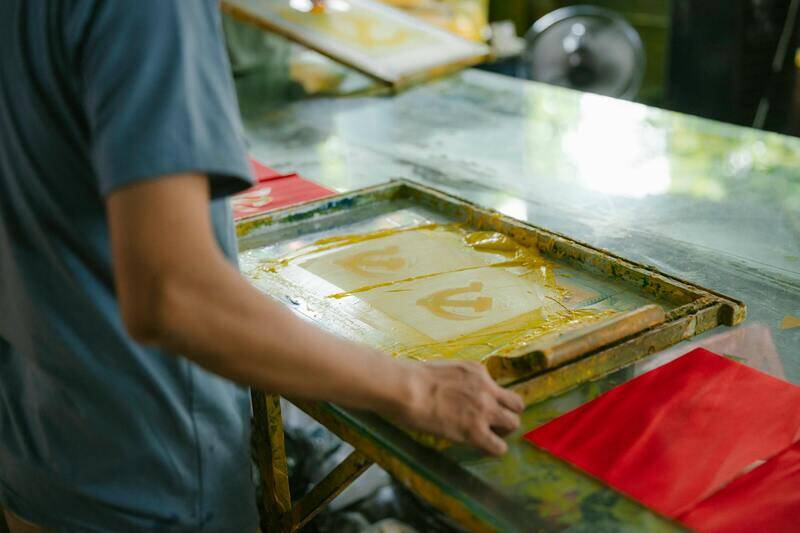
Screen printing employs a stencil-based process where ink is pushed through a mesh screen onto the banner material. This technique is most suitable for simple designs with limited color palettes. Its advantages include excellent durability and color vibrancy, making it a popular choice for banners that will be used outdoors or in high-traffic environments. However, it can be less cost-effective for complex images or small quantities due to the preparation time involved.
Sublimation Printing
Sublimation printing is a process where heat and pressure transfer dye-based inks onto specially coated materials, typically polyester fabrics. This method guarantees a high level of color fidelity and a seamless, all-over print. Sublimation is particularly effective for fabric banners used in trade shows and indoor displays because it produces a lightweight, wrinkle-resistant, and visually striking product.
UV Printing
UV printing involves the application of ultraviolet light to instantly cure the ink as it's printed onto rigid and flexible substrates. This technique allows for printing directly onto various materials including vinyl, foam boards, and acrylic. UV printing offers excellent adhesion, sharp detail, and resistance to scratches and weather conditions, making it suitable for both indoor and outdoor applications.

Eco-Friendly and Sustainable Printing Options
With increasing emphasis on environmental responsibility, many providers now incorporate eco-friendly inks and sustainable materials into their printing processes. These options include water-based, soy-based inks, and recyclable or biodegradable banner substrates, which help reduce environmental impact without compromising print quality. When selecting a provider, inquire about their commitment to sustainable practices and the availability of eco-conscious materials.
Matching Printing Methods to Banner Types
- Outdoor Banners: Prefer UV or screen printing due to their durability and resistance to elements.
- Indoor Banners: Digital or sublimation printing often suffice, providing high-resolution images suitable for indoor illumination and close viewing.
- Event Banners: Quick turnaround digital printing allows for cost-effective and timely production, especially for short runs.
Conclusion
Choosing the right printing technology hinges on understanding your specific needs, including the environment where the banner will be displayed, the desired visual impact, budget constraints, and turnaround time. Leading printing providers utilize these advanced methods to produce banners that not only meet high standards of visual appeal but also withstand the rigors of usage, ensuring your message remains impactful over time.