
Understanding Booklet Printing
Booklet printing is a specialized form of printing that transforms a series of pages into a compact, portable document, often folded and assembled in a specific order. This process is widely used for product catalogs, event programs, marketing brochures, educational materials, and company profiles. The format typically involves multiple pages that are printed on sheets of paper, then folded, nested, and bound together in a cohesive manner that allows for easy navigation and aesthetic appeal.
Booklet printing can be conducted in various formats, ranging from small pocket-sized brochures to large, multi-section catalogs. These formats are chosen based on the intended purpose, target audience, and distribution method. Common booklet sizes include A5, A4, and custom dimensions tailored to specific branding or organizational requirements.
One of the main advantages of professional booklet printing is the ability to produce high-quality, visually appealing materials that effectively communicate a message or brand identity. Unlike digital or DIY printing options, professional services ensure consistency in color accuracy, binding durability, and finish quality. Well-produced booklets can elevate brand perceptions, improve readability, and leave a lasting impression on recipients.
Types of Booklets and Formats
Booklet formats vary primarily based on page count, binding method, and folding style. Below are some of the most common types:
- Saddle-Stitched Booklets: Pages are folded and stitched through the fold line, suitable for booklets with up to 64 pages.
- Perfect Bound Booklets: Pages are glued along the spine, ideal for thicker catalogs exceeding 64 pages.
- French Fold Booklets: Single sheet folded in half twice, creating four pages per sheet, often used for flyers and small brochures.
- With Accordion or Z-Fold: Pages are folded in a zigzag pattern, allowing for expandable content displays.
The selection of format influences not only the aesthetic quality and durability but also the overall cost and production method.
Design Considerations for Booklet Printing
Design plays a vital role in the effectiveness of a printed booklet. To maximize impact, designers should focus on clear layout structures, cohesive color schemes, and legible typography. It is also important to account for bleed areas, margins, and fold lines during the design process to prevent content from being cut off or misplaced during trimming and binding.
High-resolution images and consistent branding elements contribute to a professional appearance. Using templates aligned with standard sizes ensures a smoother printing process and adherence to industry best practices.
Paper Types and Finishes
The choice of paper significantly affects the look, feel, and durability of the finished booklet. Common options include gloss, matte, and satin finishes, each offering different visual effects and tactile sensations.
- Gloss Finish: Provides vibrant color reproduction and a shiny surface, enhancing images.
- Matte Finish: Offers a subdued, non-reflective surface that reduces glare and lends an elegant touch.
- Satin Finish: Blends the qualities of gloss and matte, providing a smooth, semi-gloss surface.
Paper thickness is usually measured in GSM (grams per square meter), with options ranging from light 115 GSM papers suitable for back inserts, to heavy 250 GSM and above for covers and durable sections.

Printing Techniques and Materials
In addition to paper selection, printing technique impacts the final quality. Offset printing remains the most popular for high-volume, detailed booklet production due to its sharpness and color fidelity. Digital printing offers quick turnaround times and cost efficiency for smaller quantities or customized editions.
Some printing services also incorporate special materials such as transparent overlays, textured papers, or metallic inks to add distinctive elements, enhancing the overall appeal of the booklet.
Pricing and Quantity Considerations
The cost of booklet printing depends on several factors, including the number of pages, paper quality, quantity, and binding type. Generally, larger quantities lead to lower unit costs due to economies of scale. Short runs, in contrast, might come with higher per-unit expenses but offer flexibility for testing different designs or messages.
Understanding the balance between quality and budget is essential for optimizing investments in printed materials. Accurate quotes from printing providers consider all these variables and can help plan for the right production volume.
Choosing a Booklet Printing Service in Singapore
When selecting a printing partner, reliability, quality assurance, and turnaround times are critical. It is advisable to seek a service with a comprehensive portfolio, positive customer reviews, and transparent pricing. Additionally, confirm the availability of customization options, various finishing choices, and any additional services such as design assistance or mailing solutions.
Tips for Successful Booklet Printing
To ensure a smooth printing process:
- Prepare your artwork according to the provided specifications of the printing service, paying attention to resolution, bleed, and margin requirements.
- Request a physical proof or digital preview before full production to identify and correct any design issues.
- Choose appropriate paper and finish options that align with your budget and desired aesthetic.
- Plan your print quantity carefully, considering potential distribution and reordering needs.
- Communicate clearly with your printer to understand lead times and any additional costs for rush orders or special finishes.
Types of Booklets and Formats
Understanding the range of booklet formats available is crucial for selecting the right option tailored to specific needs. Different booklet types serve diverse purposes, from marketing collateral to informational brochures, each requiring particular binding and finishing techniques to optimize functionality and presentation.
Saddle-Stitched Booklets are among the most common formats, characterized by folded sheets stapled along the spine. This method is suitable for booklets with a page count typically ranging from 8 to 48 pages, offering a cost-effective solution for short to medium-length publications. Saddle stitching creates a compact, lightweight booklet ideal for brochures, event programs, or catalogs that require quick turnaround times.
Perfect Bound Booklets feature pages glued along the spine, resulting in a polished, hardcover-like finish. This format accommodates higher page counts, typically from 48 to several hundred pages, making it suitable for manuals, catalogs, and annual reports that demand durability and a premium appearance. The perfect binding allows for large, seamless spreads that enhance visual impact and readability.
Wire-Bound Booklets utilize wire or plastic combs or spiral rings to secure pages, providing flexibility for ease of use, especially in interactive or reference materials. This type is often selected for workbooks, presentation booklets, or instructional materials where pages need to lie flat or be turned easily for quick reference.
Choosing the appropriate format depends on factors like the intended use, budget, and aesthetic preferences. Each type offers distinct advantages, influencing the overall impact and usability of the final product.
From standard saddle-stitched pieces to durable perfect-bound publications, understanding these format distinctions helps in making informed decisions that align with your project objectives and target audience.

Design Considerations for Booklet Printing
Effective booklet design hinges on several critical elements that ensure clarity, visual appeal, and coherence throughout the publication. Careful attention to layout guides the reader seamlessly through the content, making information accessible and engaging. Consistent page margins, proper alignment, and appropriate font choices contribute significantly to a professional finish. When planning the layout, developers should consider how text, images, and graphics complement each other, avoiding clutter while maintaining visual interest.
Page order plays a vital role in storytelling and information flow. Using logical sequencing, such as chapter division, section headers, and subheadings, improves readability and allows the audience to navigate content effortlessly. Employing grids and templates helps to keep design elements aligned and organized, fostering a cohesive look across all pages. High-resolution images are fundamental to creating impactful visuals; pixelated or blurry images detract from the perceived quality of the final product. Therefore, selecting high-quality images and optimizing them for print is crucial to produce crisp, vibrant visuals that enhance the message.

Typography choices should match the tone and purpose of the booklet, balancing readability with aesthetic appeal. Use consistent font styles, sizes, and colors throughout the publication to uphold a unified visual identity. The inclusion of white space, margins, and padding prevents overcrowding and emphasizes key sections or images. Additionally, considering accessibility by choosing easy-to-read fonts and contrasting colors ensures a wider reach and inclusivity.
In summary, meticulous planning of each design component—layout, page sequencing, image quality, typography, and spacing—forms the backbone of successful booklet printing. These elements not only attract attention but also communicate professionalism and attention to detail, essential factors in producing a compelling print publication.
Printing Techniques and Materials
When it comes to booklet printing, selecting appropriate printing techniques and materials is essential to achieving the desired quality, durability, and visual appeal. The printing method influences the final texture, color fidelity, and overall finish of the booklet. Offset printing remains the most popular choice for high-volume runs due to its cost-effectiveness and consistent quality, especially when producing vibrant images and precise color matching. Digital printing offers a flexible, on-demand alternative suitable for short-run projects or customized editions, with quicker turnaround times and lower setup costs.
In addition to the printing technique, material selection plays a significant role in the booklet’s durability and aesthetic. Cover stock options range from lightweight cardstock to thick, laminated covers that withstand handling and environmental exposure. Inner pages are typically printed on various paper weights, with options such as matte or gloss finishes, each imparting a distinct look and feel. Matte paper provides a subdued, non-reflective surface ideal for text-heavy content, while gloss paper enhances visual contrast, making images pop vividly.

Additional surface treatments, including UV coating or lamination, can further enhance the booklet's durability and visual impact. UV coating adds a glossy, protective layer that resists scratching and fading, making it suitable for booklets intended for display or frequent handling. Laminating options provide reinforcement and environmental resistance, especially for outdoor or promotional materials.
Considerations for Optimal Results
- Assess the expected usage and handling to choose appropriate paper and coating options.
- Opt for high-quality, compatible materials to prevent issues such as smudging, ghosting, or color inaccuracies during printing.
- Work with your printer to select finishes that complement your design, whether emphasizing vibrancy or readability.
- Request sample swatches to compare different paper textures and finishes before finalizing your order.
By aligning your project requirements with the right printing processes and materials, you can produce a booklet that not only communicates your message effectively but also withstands the test of time.
Paper Types and Finishes
Choosing the appropriate paper type and finish plays a crucial role in the overall appearance, durability, and tactile experience of your booklet. Standard options include matte, gloss, and satin finishes, each offering distinct characteristics suited to specific design needs.
- Matte Finish: Provides a non-reflective surface that minimizes glare, making it ideal for detailed text and understated designs. Matte paper enhances readability and offers a sophisticated, muted aesthetic, making it suitable for catalogs, reports, and artistic projects.
- Gloss Finish: Offers a shiny surface that amplifies color vibrancy and sharpness, making images and graphics stand out vividly. This finish is often preferred for marketing materials, product showcases, and visual-heavy booklets that benefit from heightened visual impact.
- Satin or Satin-like Finish: Strikes a balance between matte and gloss, offering a smooth, soft sheen that provides a subtle glow without excessive reflectivity. It adds an element of elegance and is frequently chosen for corporate presentations or high-end promotional booklets.
In addition to paper type, surface treatments such as UV coating or lamination can enhance both the look and durability of the booklet. UV coating provides a high-gloss, protective layer that resists scratches and fading, making it perfect for display pieces. Lamination, available in gloss or matte options, adds reinforcement and environmental resistance, especially important for outdoor use or frequent handling.
When selecting paper and finishes, consider the intended use of the booklet. If it will be handled frequently or exposed to environmental elements, options like coated or laminated paper can extend its lifespan. Conversely, for projects emphasizing tactile quality and understated elegance, uncoated matte finishes may be preferable.
Working closely with a printing professional can help in choosing the right combination. Requesting sample swatches before finalizing your order allows for a tangible comparison of textures and finishes, ensuring the final product aligns with your vision and practical needs.
By carefully selecting your paper type and finish, you optimize the booklet's aesthetic appeal and longevity, effectively communicating your message while standing up to exposure and handling over time.
Understanding Booklet Printing
Booklet printing is a specialized process that involves producing compact, bound printed materials designed to convey information effectively. Its versatility allows it to serve various purposes, from marketing brochures and catalogs to event programs and instructional manuals. The essence of quality booklet printing lies in meticulous planning—considering the layout, paper selection, binding style, and finishing techniques—to ensure the final product meets both functional and aesthetic standards. Proper booklet printing not only enhances brand perception but also ensures that your message is communicated clearly, maintaining professionalism and readability throughout the document.
Types of Booklets and Formats
Booklets come in diverse formats tailored to different publishing needs and content scopes. Some common types include saddle-stitched booklets, perfect-bound brochures, and stapled catalogs. Saddle-stitch binding, where folded sheets are sewn through the crease, is ideal for booklets with fewer pages—up to about 48 pages. For larger documents, perfect binding offers a polished, durable finish suitable for extensive content, such as annual reports or detailed product catalogs. Additionally, fold-out and multi-fold formats can be integrated for special design effects or expanded visual storytelling.
Standard formats range from A4 and A5 sizes to custom dimensions. When selecting a format, consider the portability, ease of handling, and the visual impact of your design. Uniformity across projects and alignment with branding guidelines also enhance consistency, making your booklet more recognizable and professional.
Design Considerations for Booklet Printing
Design quality directly influences the effectiveness of your booklet. To ensure clarity and visual appeal, maintain a balanced integration of images, text, and whitespace. Use high-resolution images to prevent pixelation, especially for cover and feature pages. Consistent font styles, sizes, and colors help establish a cohesive appearance, making sure your message is easily readable. Incorporate margins and bleed areas in your layout to accommodate trimming and binding, avoiding content loss.
Moreover, logical structuring—such as clear headings, subheadings, and a table of contents—facilitates navigation. An intuitive flow of information guides readers effortlessly through your content, leaving a lasting impression. Remember to review proofs thoroughly before final printing to catch any inconsistencies or errors that could undermine the professional tone of your booklet.
Paper Types and Finishes
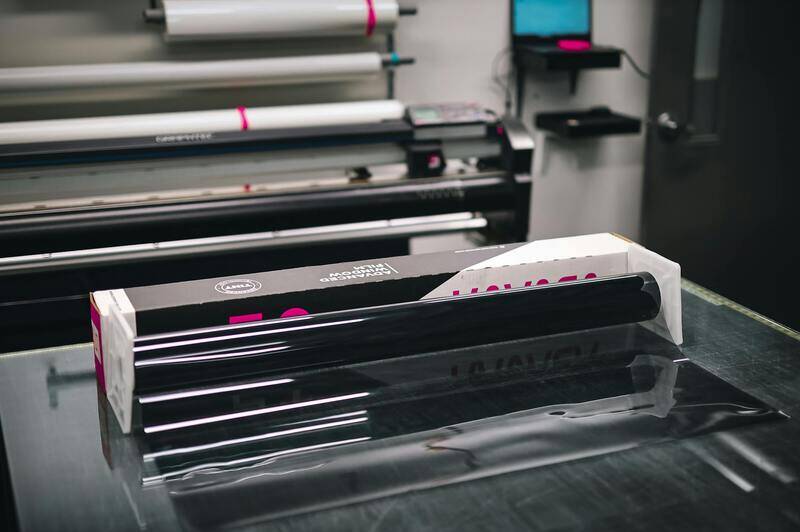
Choosing the right paper type and finish is crucial for achieving your desired aesthetic and durability. Coated papers, such as gloss or silk, offer smooth surfaces ideal for vibrant images and sharp text, making your booklet visually striking. Matte finishes provide a subdued, tactile feel, suitable for more understated or sophisticated designs. Uncoated papers are favored for their natural texture and ease of writing, perfect for manuals or workbooks.
Surface treatments like UV coating or lamination add protective layers to the printed surface. UV coating produces a high-gloss, reflective finish that accentuates colors and details, while lamination—available in matte or gloss—provides physical protection and can enhance the booklet’s resistance to scratches, moisture, and handling wear. These finishes are especially beneficial for booklets expected to be handled frequently or used in outdoor environments.
Working with a professional printer to select optimal paper and finishes ensures your booklet’s design achieves the right balance between aesthetics and longevity. Requesting sample swatches allows you to evaluate tactile and visual qualities beforehand, aiding in making informed decisions aligned with your project goals.
By aligning your paper choices and finishes with the intended use and design vision, you maximize both the visual impact and lifespan of your booklet. This careful selection process ensures your publication maintains its intended appearance and functionality over time, leaving a positive, lasting impression on your audience.
Pricing and Quantity Considerations
The overall cost of booklet printing is influenced by multiple factors, including print volume, paper specifications, binding method, and finishing options. Typically, higher quantities reduce the cost per unit due to economies of scale, making bulk orders more economical. Conversely, small runs may entail higher unit costs but allow for more customization or testing of different designs.
Paper choices significantly impact pricing; premium papers with special textures or finishes are more costly than standard options. Incorporating advanced binding techniques such as wire-o or spiral binding can also influence the final expenditure. Finishing details like embossing, foil stamping, or additional lamination add to the total cost but can elevate the perceived value of your booklet.
Careful planning and consultation with your printer help optimize your budget while achieving quality results.Assess your expected distribution and the longevity requirements of your booklet to select the best combination of features that aligns with your financial parameters.
Understanding Booklet Printing
Booklet printing is a specialized process that transforms your design concept into a professionally finished product, tailored to serve various purposes such as marketing, education, or corporate communication. This process involves multiple stages, from design and material selection to printing and finishing, all of which require careful planning to ensure the final product meets your expectations.
One fundamental aspect of booklet printing is choosing the appropriate printing method, which can include digital, offset, or hybrid techniques. Digital printing is suitable for short runs or quick turnarounds, offering cost-effective solutions with high customization. Offset printing, on the other hand, is ideal for larger quantities, providing superior quality and economies of scale. Hybrid methods combine the strengths of both, optimizing efficiency and quality for specific projects.
Types of Booklets and Formats
Booklets come in diverse formats to suit various content types and distribution needs. Common formats include saddle-stitched booklets, perfect-bound brochures, and wire-bound manuals. The choice depends on factors such as size, content length, and intended use. For instance, saddle-stitching involves folding sheets and stapling them along the spine, making it suitable for smaller booklets with fewer pages. Perfect binding uses adhesive to secure pages along the spine, lending a more polished appearance appropriate for thicker publications.

Standard Sizes and Aspect Ratios
Common booklet sizes include A4, A5, and custom dimensions tailored to specific branding or content requirements. Maintaining consistent aspect ratios ensures your design adapts well to different formats without distortion. The selection of size influences not only the aesthetic appeal but also printing costs and distribution logistics. Carefully consider your target audience and distribution channels when choosing an optimal booklet size.
Design Considerations for Booklet Printing
Design plays a vital role in the effectiveness of your booklet. Elements such as layout, typography, color schemes, and imagery must be optimized for print quality and readability. High-resolution images, vector graphics, and consistent color profiles ensure sharp visual outcomes. It is essential to work within the printing constraints to avoid issues like color shifts or bleed problems.
Furthermore, consider the sequence and flow of information; a logical arrangement enhances reader engagement. Margins, gutter space, and spine alignment should be carefully planned to prevent essential content from being cut off during binding. Incorporating white space strategically improves content clarity and visual hierarchy, guiding the reader through the material intuitively.
Template and Bleed Settings
Utilizing templates aligned with your chosen format helps streamline the design process and maintain consistency. Bleed settings, typically 3mm beyond the trim line, are crucial for preventing unprinted edges or white borders around images and backgrounds. Precise adherence to these parameters ensures a professional, seamless appearance post-trimming.
Paper Types and Finishes
The selection of paper significantly impacts the tactile quality, durability, and overall presentation of your booklet. Standard options include uncoated, gloss, and matte finishes, each offering distinct visual and tactile characteristics. For example, gloss paper enhances color vibrancy and image sharpness, making it suitable for photographic content. Matte paper, by contrast, minimizes glare and offers a sophisticated finish.
For added durability and aesthetic appeal, consider specialty papers such as textured, recycled, or linen finishes. These options can reinforce your brand identity and environmental commitments. Face coatings or lamination can provide additional protection against wear and moisture, extending your booklet's lifespan when in frequent use or outdoor environments.

Printing Techniques and Materials
Advanced printing techniques expand your creative options and can elevate the perceived value of your booklet. Offset printing remains the gold standard for high-quality, large-volume projects, delivering vibrant color reproduction and crisp lines. Digital printing offers flexibility for small quantities and rapid turnaround, with excellent quality for most application needs.
Additionally, incorporating special materials such as metallic inks, spot varnishes, or embossing can add dimension and sophistication. These techniques are particularly effective for promotional booklets or items aimed at high-end markets. The choice of substrates, combined with finishing options like UV coating or foil stamping, creates a tactile experience that reinforces your branding message and visual appeal.
Pricing and Quantity Considerations
The overall cost for booklet printing hinges on multiple factors, including page count, paper type, binding method, and finishing details. Higher quantities typically diminish individual unit costs due to economies of scale, making bulk orders financially advantageous. Conversely, small runs offer flexibility and faster turnaround times, suitable for testing different designs or limited distributions.
Premium paper choices and elaborate finishes, such as foil stamping or lamination, add to the production expenses. While these options may increase costs, they also significantly enhance the impression your booklet leaves on its audience. An effective strategy involves balancing desired quality and budget constraints, with careful consideration of your distribution scope and longevity needs.

Ensuring Quality and Durability of Your Booklet
Achieving a high-quality booklet extends beyond just selecting the right paper and design. It encompasses the entire process, including proper handling, storage, and presentation once printed. A professionally finished booklet should withstand handling without losing its visual appeal or structural integrity, especially if it will be circulated or retained over time.

Handling and Storage Tips
- Store booklets in a cool, dry environment away from direct sunlight to prevent fading and deterioration of inks and paper.
- Avoid stacking heavy objects on top of booklets to prevent warping or bending.
- Use protective covers or boxes for transport to minimize physical damage during distribution.
- Handle printed materials with clean hands to avoid smudges or stains, especially if gloss or matte coatings are used.
Considerations for Long-Term Preservation
When producing booklets intended for long-term use, selecting appropriate finishing options is crucial. UV coating and lamination can enhance the surface durability, providing resistance against scratches and environmental factors. Additionally, using archival-grade papers can prevent yellowing and degradation over time, ensuring your material remains in optimal condition for years to come.
Proper Finishing Techniques to Enhance Longevity
- Matte or gloss coating: Applied on the surface to protect against fingerprints and smudges while maintaining aesthetic appeal.
- Lamination: Adds a plastic film layer for enhanced durability, especially for cover pages or high-use booklets.
- Corner and edge reinforcement: Protective edging can prevent tearing or fraying, particularly for booklets subjected to frequent handling.
Choosing the Right Binding for Durability
The binding method greatly influences both the appearance and lifespan of your booklet. Saddle stitching is simple and suitable for thinner booklets, but for thicker or frequently handled publications, options like perfect binding or wire binding offer increased strength. These methods keep pages securely in place and withstand repeated opening and closing, ensuring your content remains intact and accessible.
Innovative Approaches to Enhance Booklet Appeal
Incorporating tactile elements such as embossed titles, textured coatings, or spot UV varnish can not only elevate aesthetic value but also contribute to the structural robustness of the booklet. Such features catch light and add a tactile dimension that engages the reader, creating a memorable impression.

Final Advice for Producing Maximum Impact
Careful planning during the production phase—such as selecting high-quality materials, incorporating protective finishes, and opting for durable binding—ensures your booklet remains attractive and functional throughout its lifecycle. Establishing a partnership with a reliable printing service that understands these needs can lead to a finished product that reflects your brand’s professionalism and attention to detail.
