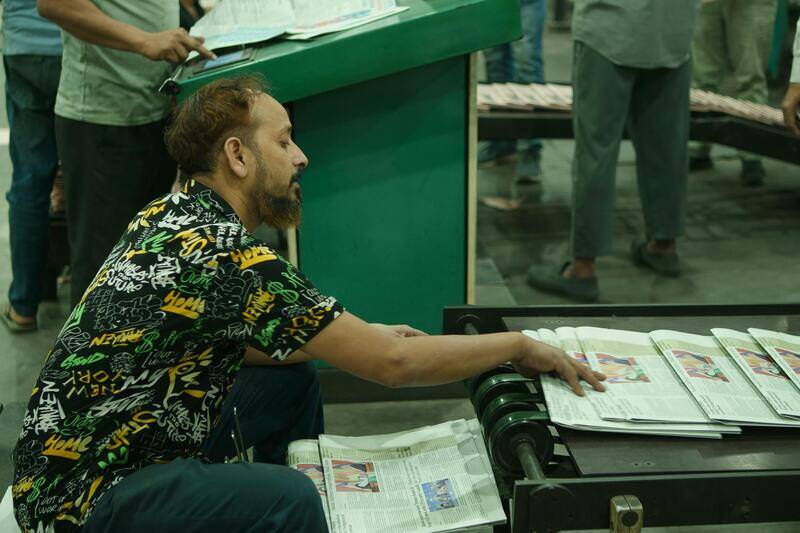
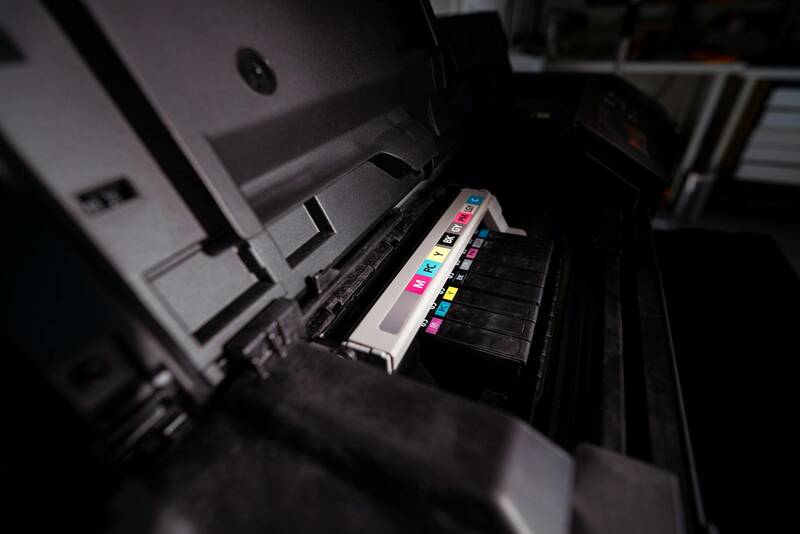
Overview of Color Booklet Printing
Color booklet printing is a versatile and impactful method for conveying information, promoting brands, and engaging audiences across various sectors. Whether used for marketing campaigns, educational resources, or corporate communications, color booklets serve as compelling tools to communicate messages with vibrancy and clarity. The appeal of high-quality color printing lies in its ability to attract attention, enhance readability, and leave a lasting impression. This form of printing allows for the incorporation of striking visuals, detailed graphics, and nuanced color schemes that can reinforce branding efforts or educational content effectively.
In the marketing realm, well-designed color booklets can showcase products and services in a manner that captures consumer interest. Educational institutions utilize color booklets to present information in a visually engaging way, facilitating better understanding and retention. Corporate entities often employ these printed materials for internal communications, investor presentations, or client proposals, where quality and professionalism are paramount. The emerging necessity for eye-catching, durable print materials has driven demand for advanced color booklet printing services that balance affordability with high standards of quality.

Utilizing professional color booklet printing offers numerous advantages, including enhanced brand recognition, the ability to incorporate complex designs, and improved visual appeal. High-resolution color imaging ensures detailed graphics and sharp text, making printed materials stand out. Moreover, the tactile quality of well-printed booklets supports a premium user experience, encouraging recipients to engage more deeply with the content. As businesses and organizations recognize the importance of visual communication, the demand for sophisticated, vibrant color booklet printing continues to grow.
Types of Booklet Printing Methods
Choosing the most suitable printing technique for color booklets is essential to achieving the desired quality, durability, and cost-effectiveness. Each method offers distinct advantages tailored to specific production needs, whether for small batch runs or large volume demands.
Digital Printing is a flexible, quick-turnaround option that utilizes digital files directly onto the printing medium. It excels in producing short runs of vibrant, high-quality color booklets with minimal setup time. Digital printing is ideal when customization or rapid prototyping is necessary, as changes can be made easily without additional costs. It also maintains excellent color fidelity, ensuring that intricate graphics and nuanced hues are reproduced accurately.
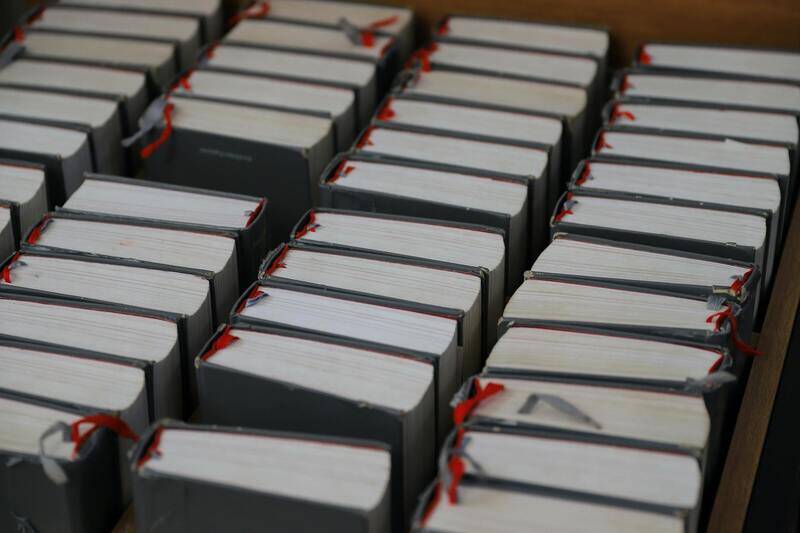
Offset Printing remains a preferred method for large-volume orders demanding consistent high quality. This process involves transferring ink from plates onto a rubber blanket, then onto the printing surface, which allows for precise color matching and sharp image reproduction. Offset printing offers cost advantages over digital printing for substantial runs, as the per-unit cost decreases significantly with higher quantities. Moreover, offset presses can incorporate special finishes and coatings, elevating the visual and tactile appeal of color booklets.
Flexographic Printing is traditionally used for packaging but also serves niche booklet applications requiring high-volume production with consistent quality. It uses flexible relief plates and is capable of printing on a variety of substrates, which makes it suitable for specialized or eco-friendly materials. Flexographic printing is advantageous for integrating bold colors and textured finishes into booklets intended for branding or promotional purposes.
Understanding the characteristics of each printing method ensures that the final product aligns with both aesthetic expectations and budget considerations. Selecting the appropriate technique depends on factors like volume, desired quality, turnaround time, and the nature of the design content.
Overview of Color Booklet Printing
Color booklet printing is a specialized process that transforms your design concepts into vibrant, professional-quality printed materials. This method plays a critical role in marketing campaigns, educational materials, product catalogs, and corporate handouts where visual impact is paramount. High-quality color reproduction is essential to showcase intricate designs, vivid imagery, and accurate brand colors, making color booklet printing a preferred choice for businesses seeking durability and visual appeal. The process involves various printing techniques, each suited for specific project requirements. Understanding these methods helps in selecting the right approach for your needs, ensuring efficiency, cost-effectiveness, and excellent output quality. Whether you need a small batch of promotional booklets or a large-scale catalog, the right color booklet printing technique guarantees that your message resonates with your audience through stunning visuals and crisp text.

Types of Booklet Printing Methods
Different printing methods offer distinct advantages depending on project scope, budget, and quality expectations. Here are some of the most common techniques used in color booklet production:
- Digital Printing: Digital color booklet printing provides rapid turnaround and high-resolution output suitable for short runs or customized projects. Its ability to produce vibrant, detailed images makes it ideal for small batches or on-demand printing. This method minimizes set-up time and simplifies revisions, allowing for quick adjustments to graphics or content without significant additional costs.
- Offset Printing: Offset remains a go-to solution for larger volumes demanding consistent high quality. The process involves transferring ink from metal plates to a rubber blanket and then onto paper, ensuring precise color matching and sharp image clarity. It allows for extensive color customization and can incorporate special finishes such as gloss or matte coatings, enhancing the overall tactile and visual experience. Cost per unit decreases significantly as order volume increases, making offset suitable for bulk production.
- Flexographic Printing: Traditionally used in packaging, flexography has applications in niche booklet projects requiring high-volume runs and eco-friendly substrates. Its ability to print on various materials and produce lively, bold colors makes it useful for promotional booklets that need durability and textured finishes. This method is particularly advantageous when incorporating high-impact visuals into environmentally conscious materials.
Choosing the Right Method
When selecting a printing method, consider factors such as the desired volume, budget constraints, color accuracy, turnaround time, and texture requirements. Digital printing offers speed and flexibility for smaller projects, while offset is preferable when uniformity and cost efficiency are prioritized for large quantities. Flexographic printing serves well in specialized cases, particularly when eco-friendly materials or textured effects are desired.

Paper and Binding Options for Color Booklet Printing
The choice of paper stock and binding method significantly influences the durability, visual appeal, and overall impression of a color booklet. High-quality paper stocks ensure vibrant color reproduction and resistance to wear, while appropriate binding enhances both functionality and aesthetic value.
Paper Stocks
- Matte Finish: Offers a non-reflective surface that reduces glare, ideal for presentations and manuals where readability is critical. It enhances color richness and minimizes fingerprints.
- Glossy Finish: Provides a shiny surface that accentuates vivid colors and sharp images, perfect for promotional material and photo-heavy booklets. However, it may show fingerprints and glare under strong lighting.
- Satin or Semigloss: Strikes a balance between matte and gloss, delivering vibrant colors with a softer sheen, suitable for a variety of booklet styles.
- Textured or Artistic Finishes: Includes linen, soft-touch coatings, or embossed textures that add tactile interest and elevate the perceived quality of the booklet.
Binding Styles
- Saddle Stitch: A common, cost-effective binding method where folded sheets are stitched along the spine. Suitable for booklets with fewer pages, providing a clean, flat appearance.
- Perfect Binding: Uses a strong glue to attach the pages at the spine, creating a professional look similar to paperback books. Ideal for larger booklets with a higher page count.
- Wire-O or Spiral Binding: Allows the booklet to lay flat when open, making it functional for manuals and catalogs. They add flexibility and a contemporary aesthetic.
- Hardcover Binding: Provides maximum durability and a premium feel, perfect for company portfolios or limited editions intended for long-term use.
Impact of Paper and Binding Choices
Selecting the appropriate paper and binding options requires a balance between budget, intended use, and visual impact. For instance, a promotional booklet with high-resolution images benefits from glossy, heavy-weight paper combined with perfect binding for a luxurious finish. Conversely, a quick-turnaround event program might utilize a lighter matte stock with saddle stitch binding for cost efficiency and simplicity.
Additional Considerations
Custom finishing options, such as spot UV coating, embossing, or foil stamping, can further enhance the tactile experience and visual appeal of color booklets. These finishing touches add a layer of sophistication, making the printed material stand out in competitive environments.
Paper and Binding Options
Choosing the right paper and binding for color booklet printing is crucial to achieving the desired visual impact and durability. The selection depends on the purpose of the booklet, budget constraints, and aesthetic preferences. Each combination offers different benefits to suit various needs.
Paper Types and Finishes
- Glossy Paper: Ideal for high-resolution images and vibrant color reproduction. It enhances visual appeal but may be prone to fingerprints and glare.
- Matte Paper: Reduces glare and offers a sophisticated, subdued finish. Suitable for text-heavy booklets or designs requiring a soft, muted appearance.
- Satin or Silk Finish: Balances glossiness with a smooth texture, providing a luxurious feel without excessive shine.
- Recycled Paper: Supports sustainability initiatives, suitable for eco-friendly branding, though it may have slightly less vibrant color output compared to virgin fiber papers.

Binding Styles and Their Applications
- Saddle Stitching: A cost-effective binding method where folded sheets are stitched along the spine. Suitable for booklets with fewer pages, providing a flat, clean appearance.
- Perfect Binding: Uses a strong adhesive to attach pages at the spine, producing a professional look similar to paperback books. Best for larger booklets or catalogs.
- Wire-O or Spiral Binding: Pages can lay flat when open, enhancing usability. Commonly used for manuals, guides, and reference materials requiring frequent handling.
- Hardcover Binding: Offers maximum durability and a premium appearance, perfect for corporate portfolios or limited edition print runs meant for long-term retention.
Each binding style complements specific design requirements and functional needs, enabling brands to tailor the physical presentation of their color booklets effectively.
Effectively integrating paper and binding options elevates the overall quality, creating a visually compelling and enduring printed product that resonates with target audiences.
Official Methods for Color Booklet Printing
When aiming to produce high-quality color booklets, it is essential to adhere to well-established and reputable printing methods. These techniques ensure consistency, vibrant color reproduction, and durability, meeting industry standards and professional expectations. Utilizing official methods also preserves the structural integrity of the printed materials, enhances visual appeal, and aligns with best practices for branding and communication.
Digital Printing
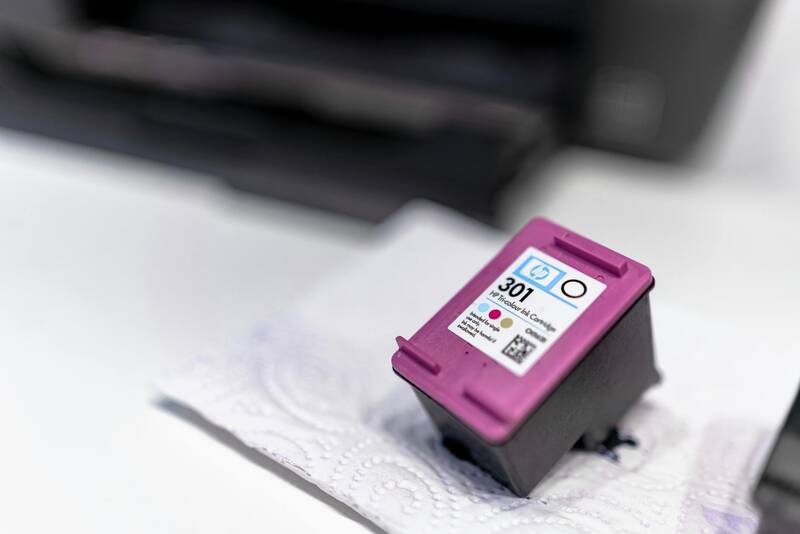
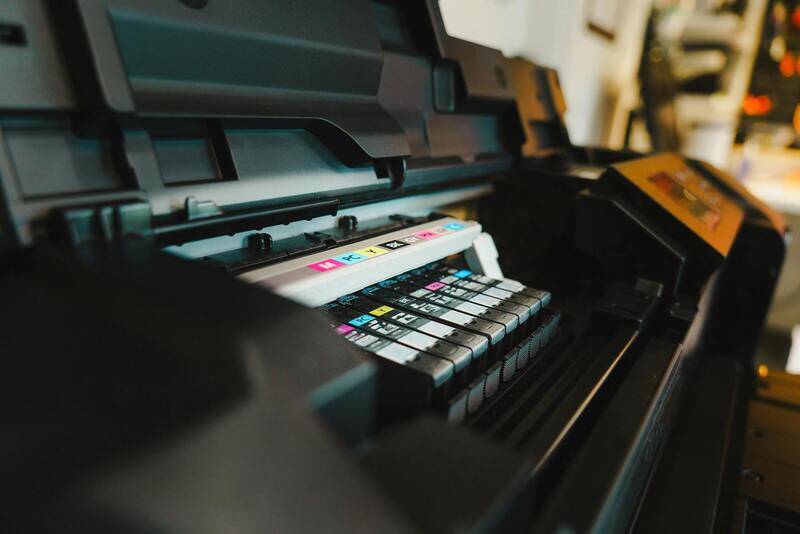
Digital printing is a preferred method for producing high-quality color booklets in smaller quantities or customize runs. It offers rapid turnaround times, cost-effectiveness for short print jobs, and excellent color accuracy. Modern digital presses utilize advanced toner or inkjet technology, allowing precise color matching and detailed images. This method is beneficial for projects requiring frequent updates or personalization, as it facilitates quick modifications without the need for extensive setup or plates.
Offset Printing
Offset printing remains the gold standard for large-volume color booklet production. It employs a lithographic process where ink is transferred from plates to rubber blankets and finally onto paper. Offset offers superior color fidelity, consistency across large print runs, and the ability to produce rich, vibrant images with complex color gradients. Although initial setup costs are higher, offset printing becomes cost-efficient for bulk orders, ensuring premium quality and sharp detail that can effectively showcase detailed graphics and photographs.
Flexographic and Screen Printing
For specialized applications, like embossed effects or textured finishes, flexographic or screen printing methods are used. These are less common for standard booklet printing but are valuable for incorporating unique tactile elements or specialty inks, such as metallic or varnish finishes, which can add a distinctive touch to your color booklets. Employing these methods requires adherence to precise technical standards to maintain print consistency and visual quality.
Legal and Industry Standards Compliance
Ensuring the use of legitimate printing processes involves partnering with certified printing vendors that adhere to industry standards for color management, color matching, and quality control. This includes compliance with ISO standards for color consistency and environmental protocols, which guarantee that the output matches your digital proofs and design files accurately. Proper certification and regular calibration of printing equipment are vital to maintain this alignment and to deliver trustworthy, high-grade results.
Color Management Systems
Implementing rigorous color management practices is central to legitimate color booklet printing. This involves calibrating printers, monitors, and proofing devices to ensure color accuracy from digital design to final print. Using standardized color profiles and color spaces such as ICC profiles allows for precise control over the printed colors, which is crucial for brand consistency and visual impact. Effective color management minimizes discrepancies and ensures that colors appear as intended across various materials and lighting conditions.
Quality Control Measures
Quality assurance is an ongoing process during official printing workflows. It includes prepress checks, proofing, and multiple inspection points throughout the print run. Proofing, whether digital or physical, provides an opportunity to verify color accuracy, image clarity, and layout precision before mass production. During the print run, inspectors monitor color consistency, registration, and binding quality. This meticulous attention to detail helps avoid costly reprints and guarantees that each booklet meets the high standards expected by discerning clients.
Color Booklet Printing: Ensuring Quality and Consistency
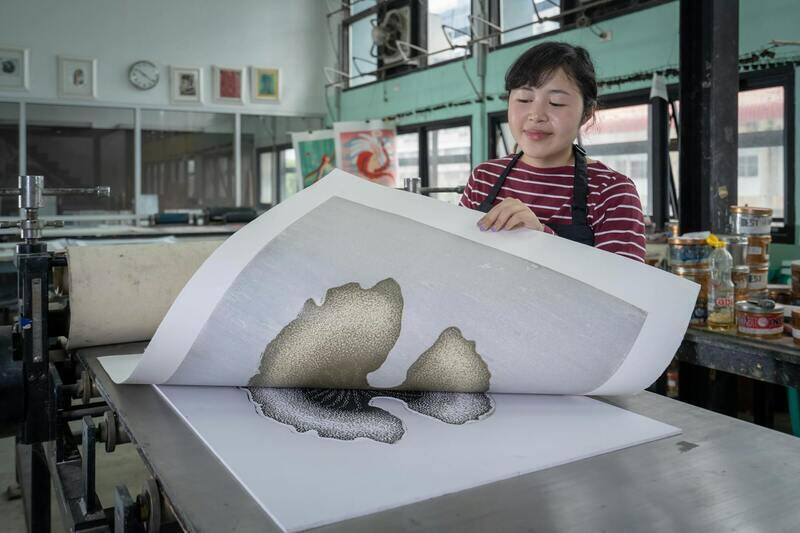
OfficiaI color booklet printing relies heavily on meticulous processes and adherence to industry standards to deliver vibrant, accurate, and durable printed materials. Achieving optimal results begins with the implementation of rigorous color management systems, which encompass a comprehensive calibration of printing equipment, monitors, and proofing devices. This calibration is essential to synchronize color output with design specifications, thereby maintaining consistency across production runs.
Using standardized color profiles such as ICC profiles is instrumental in controlling color reproduction. These profiles serve as technical references, ensuring that the digital design matches the printed output regardless of the printing method or material used. Such practices are integral to safeguarding brand integrity, particularly when color fidelity is a key component of visual communication.
Quality control measures form the backbone of legitimate color booklet printing. During the prepress phase, detailed checks for file correctness, color accuracy, and layout precision reduce errors before printing commences. Physical or digital proofs act as the final verification step, providing a tangible preview for approval. Regular inspection during the print run—monitoring color consistency, registration, and binding—helps detect and rectify issues early, minimizing waste and ensuring each booklet meets high-quality standards.
All these procedures contribute to a seamless workflow that guarantees the final product accurately reflects the design intent, with vibrant colors, sharp images, and reliable durability. By integrating these quality control measures, printing providers uphold the trustworthiness and professionalism expected in the industry.
Image Placeholder:
Ensuring Compliance and Best Practices in Color Booklet Printing
Use of Certified Printing Technologies
Adhering to industry standards when producing color booklets is essential to achieve consistent, high-quality results. Legitimate printing providers utilize certified equipment and processes that conform to recognized standards such as ISO 12647, which guides color management and process control. These standards ensure that the color reproduction in your booklets aligns precisely with the original designs, providing predictable and reliable outcomes for clients who rely heavily on vibrant color accuracy.
Standardized Color Profiles and Calibration Techniques
Employing standardized color profiles like ICC profiles is fundamental for consistent color output across various devices and media. These profiles serve as technical references that help synchronize colors from digital files to printed material. Responsible printers regularly calibrate their imaging devices and presses, making certain that the colors match the intended palette. This practice minimizes variations, maintains brand consistency, and fosters trust between the client and the printing service.
Prepress Verification and Proofing
Prior to mass production, thorough prepress checks are performed to verify color accuracy and layout precision. Digital proofs allow clients to review the final appearance of the booklet, particularly focusing on color fidelity, brightness, and contrast. Physical proofs, when available, provide a tangible preview, confirming that the print output will meet expectations. This step prevents costly reprints and ensures alignment before the full print run begins.
Continuous Quality Monitoring During Production
Throughout the printing process, ongoing inspections are crucial for maintaining color consistency. Operators monitor variables such as ink density, registration, and sheet alignment. Advanced color management software automates quality checks, flagging deviations that could compromise the final product. Consistent sample inspections ensure that each booklet produced adheres to the defined color parameters, reinforcing the production's legitimacy and high standards.
Documentation and Record-Keeping
Legitimate printing establishments document all calibration settings, color profiles, and quality checks conducted during production. This documentation serves as an audit trail that demonstrates adherence to best practices and provides reference points for future jobs. Transparency in production details not only ensures repeatability but also enhances customer confidence in the quality and reliability of the printed product.
Environmental and Ethical Printing Standards
Many responsible printers align their operations with environmental standards such as ISO 14001, which emphasize the responsible use of resources and waste reduction. Using eco-friendly inks and recyclable materials enhances sustainability and reduces environmental impact. Employing such practices portrays a commitment to ethical standards and supports clients' environmentally conscious branding efforts, fostering a trustworthy relationship.

Final Quality Assurance Before Delivery
Before dispatching finished booklets, a final comprehensive inspection guarantees that color calibration, binding, and overall presentation meet the set standards. High-resolution imaging tools aid in detecting any inconsistencies or defects. Proper packaging further safeguards the integrity of the product during transit, ensuring clients receive a flawless printed booklet that reflects the professionalism and adherence to industry best practices.