Understanding Business Booklet Printing
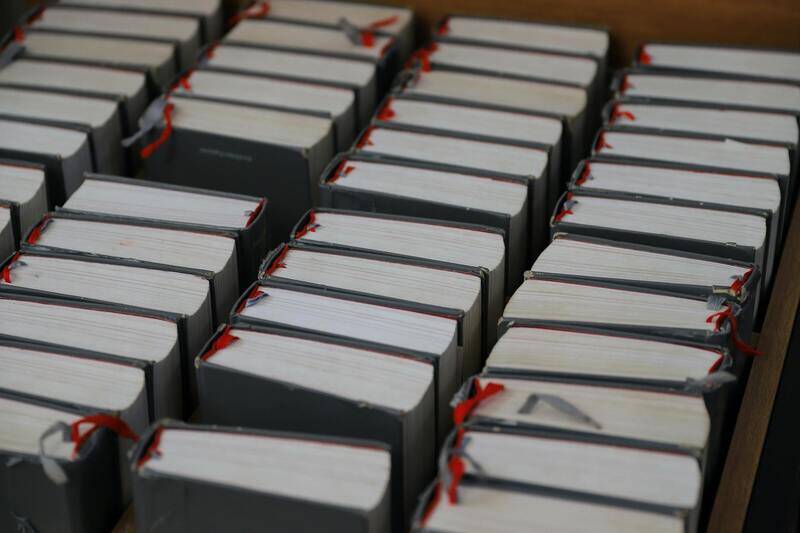
Business booklet printing is a specialized form of printed communication designed to present detailed information about a company's products, services, or brand story in a compact and professional format. These booklets serve as valuable marketing tools, available in various sizes and formats, and are typically utilized in corporate presentations, trade shows, client meetings, and distribution to prospective clients or partners. The main goal of business booklet printing is to effectively convey information in a visually appealing and easy-to-navigate manner, helping businesses establish credibility and build trust through high-quality printed materials.
Effective business booklets incorporate well-organized content, engaging visual elements, and a coherent layout strategy that aligns with the organization’s branding. They often include sections such as company overview, product descriptions, case studies, testimonials, and contact information, all designed to guide the reader through a logical flow of information. The paper qualities, binding types, and print techniques chosen directly influence the tactile experience, making the booklet not just a source of information but also a reflection of the brand’s professionalism and attention to detail.

In the competitive landscape of business, printed booklets bridge the gap between digital and tangible promotional materials, allowing companies to leave a lasting impression. When aligned with strategic marketing efforts, professionally printed booklets enhance brand visibility and contribute to lead generation. The process involves careful planning, from content creation and design development to choosing printing materials and finishing options, ensuring the final product aligns with the company's branding standards and communication goals.
Given the importance of presentation, many businesses opt for professional printing services that specialize in business booklet printing. Such services utilize advanced printing technologies to guarantee high-resolution output, color fidelity, and durable finishes, ensuring that the final product upholds the organization’s reputation and marketing standards. The printed booklet becomes a powerful tool to communicate key messages efficiently, encourage engagement, and support overall branding initiatives.
Types of Booklet Printing Materials and Formats
Choosing the right materials and formats is crucial to creating a professional business booklet that aligns with your brand identity and purpose. The selection of paper stock not only affects the aesthetic appeal but also impacts the durability and tactile experience of the final product.
Common paper stocks include glossy, matte, and silk finishes, each offering distinct visual effects and texture. Glossy finishes provide vibrant color reproduction and a shiny surface that enhances visual appeal, making them ideal for image-heavy booklets. Matte finishes, on the other hand, produce a muted, non-reflective surface that lends a sophisticated look and offers ease for readability, especially with extensive text. Silk finishes strike a balance between gloss and matte, providing a smooth touch with a subtle sheen that is both elegant and practical.
Size options for business booklets vary based on the content and distribution methods. Popular formats include the standard A4 and A5 sizes, which are convenient for handling and mailing, but tailored solutions like square or custom sizes can better reflect your brand’s uniqueness. The choice of size impacts paper usage, costs, and overall presentation, making it vital to select a format that complements your messaging and target audience needs.
Binding options further influence the professional appearance and functional durability of your booklet. Perfect binding offers a clean, magazine-like finish suitable for longer or multi-page booklets. Saddle stitching, which involves stapling along the spine, is cost-effective for shorter booklets and provides a flat, lay-flat design. For booklets with more extensive content, lay-flat binding or case binding may be appropriate, offering enhanced durability and a premium feel.

Overall, aligning material choices with the intended message, budget, and distribution method ensures your business booklet leaves a strong impression and maintains its integrity throughout handling and use.
Understanding Business Booklet Printing
Business booklet printing plays a crucial role in presenting your company's message in a professional and memorable manner. When selecting a printing method, it's essential to focus on official and proven approaches that guarantee quality and durability. Offset printing remains a *top choice* for large print runs, offering sharp image quality, consistent color matching, and cost-effectiveness for high-volume orders. This method involves creating plates for each color, ensuring each page is printed with high precision. Laser and digital printing are ideal for smaller quantities or quick turnarounds, providing flexibility and fast production without sacrificing detail. Digital printing, in particular, enables short-run projects with variable data options, allowing personalized content that can target specific segments.
Utilizing advanced printing techniques ensures that your brochures, catalogs, or informational booklets maintain a polished appearance. Embossing and debossing are detailed processes that add texture and depth, helping important elements stand out. Spot UV coating can be applied selectively to highlight certain areas, such as logos or headings, adding a glossy contrast against matte or uncoated backgrounds. These options contribute significantly to a professional visual impact while complying with industry standards.

Choosing the Right Printing Technique for Your Business Booklet
Different printing techniques serve various needs and project scopes. Offset printing is preferred for large quantities, offering high accuracy and cost-efficiency. It produces consistent color and detail, making it suitable for extensive marketing campaigns or corporate reports. Digital printing provides versatility and is best suited for customized short runs, where quick turnarounds and flexibility are priority. This method allows personalization, such as recipient names or tailored messages, which enhances engagement.
Spot UV and textured finishes, like embossing or letterpress, add tactile appeal that can elevate your booklet’s perceived value. These methods require specialized equipment and are often used for premium branding materials. When planning your project, assess the expected volume, timeline, and budget to select the appropriate printing process. Quality control during the printing phase and post-production checks are essential to ensure that the output aligns with your specifications.

Understanding Business Booklet Printing
Business booklet printing encompasses a range of specialized printing processes designed to produce professional, high-quality booklets that effectively communicate your message. Precise attention to detail, choice of materials, and adherence to industry standards are essential for creating print-ready materials that leave a lasting impression. Selecting the right printing solutions involves evaluating the scope of your project, the intended use, and the desired visual outcome. Whether compiling product information, corporate reports, or marketing brochures, the goal remains to present your content in an engaging, durable format that upholds your brand’s reputation.
Material Selection for Business Booklets
The choice of paper and finishing techniques plays a crucial role in the overall appearance and feel of your booklet. High-grade paper stocks such as coated, uncoated, or specialty finishes offer different tactile experiences and visual effects. Coated papers provide a glossy or matte finish that enhances color vibrancy and detail, ideal for images and graphics. Uncoated papers deliver a softer, more subdued presentation suitable for text-heavy materials. Specialty finishes like textured papers, linen, or recycled materials can further distinguish your booklet, emphasizing environmental consciousness or luxury appeal.
Formats and Binding Options
The format of your business booklet should align with your content and distribution strategy. Common formats include saddle-stitch binding, perfect binding, and wire-o binding. Saddle-stitching, where pages are folded and stapled along the spine, suits shorter booklets and catalogs. Perfect binding, which glues the pages to a spine, is more appropriate for longer documents such as comprehensive reports or catalogs. Wire-o binding allows for flat opening, ideal for manuals, presentations, or materials requiring frequent reference. Each binding type impacts durability, presentation quality, and cost-effectiveness.

Design Considerations for Effective Booklets
The design phase influences how your message resonates with your audience. Incorporate consistent branding elements such as logos, color schemes, and typography to reinforce brand recognition. Utilize high-resolution images and well-structured layouts to guide readers through your content smoothly. Pay attention to margins, whitespace, and hierarchy, ensuring that important information stands out. Incorporate visual aids like infographics, charts, and icons to simplify complex data and make your booklet more engaging. A balanced mix of text and visuals creates a professional final product that communicates your message effectively without overwhelming the reader.
Preparing Files for Print
Proper file preparation is essential to prevent costly errors and ensure the final product meets your expectations. Use high-resolution images (at least 300 DPI) and vector-based graphics for logos and icons. Embed fonts or convert them to outlines to prevent font substitution issues. Maintain consistent color profiles, ideally CMYK, to achieve color accuracy. Save your files in print-ready formats such as PDF/X-1a or PDF/X-4, which preserve layout and image quality. Proofread meticulously and review all elements for alignment, bleed, and safety margins. Conduct color checks and, if possible, request a printed proof to verify your design before full-scale production begins.
Printing Techniques and Technologies
In the realm of business booklet printing, employing advanced printing techniques is vital to achieving a professional and durable product. Conventional offset printing remains a trusted method for large-volume orders, offering consistent quality and cost efficiency. Digital printing, on the other hand, provides flexibility for smaller batches or personalized content, enabling quick turnarounds without sacrificing detail. Both techniques utilize precise color management systems to ensure your branding and visuals are reproduced accurately, maintaining the integrity of your design intentions.
Specialized finishing options enhance the tactile experience and visual appeal of your booklets. Techniques such as matte or gloss lamination not only boost aesthetic appeal but also protect the surface from wear. Spot UV coating can be applied selectively to highlight specific elements like logos or headings, creating a contrast that draws the reader’s attention. Embossing and debossing add a three-dimensional quality to covers or key sections, elevating the perceived value of your printed materials. These enhancements, combined with high-quality paper choices, ensure the final product exudes professionalism and aligns with your brand image.
Emerging printing technologies also foster innovation. Variable data printing allows for customization at an individual level, making each booklet uniquely tailored to its recipient. This technology is especially useful for targeted marketing campaigns, enabling personalized messages or graphics without extensive retooling. Additionally, digital presses equipped with new color management systems help achieve near-offset quality, ensuring vibrant images and sharp text regardless of order size.
Choosing the appropriate printing technique involves evaluating your project’s scope, timeline, and budget. Offset printing is ideal for large quantities demanding high fidelity and consistency, while digital printing offers flexibility for smaller runs and swift delivery. Understanding these methods enables strategic decision-making that enhances your booklet’s impact while optimizing costs and production schedules.
Understanding Business Booklet Printing
Business booklet printing stands as a fundamental component of corporate communication, offering an effective way to showcase your company's offerings, values, and achievements in a tangible format. The quality and presentation of your booklet directly influence how clients, stakeholders, and potential partners perceive your brand. Efficient printing processes, coupled with strategic material choices, help create impactful booklets that leave a lasting impression and facilitate clear, professional messaging.
Choosing the Right Printing Partner
Partnering with a reputable printing service provider ensures that your business booklet not only meets your expectations but also adheres to industry standards for quality and durability. A top-tier provider offers expertise in selecting suitable papers, finishes, and binding options that align with your brand image and communicative goals. Their experience in managing large or complex print runs guarantees consistency across multiple copies, while their knowledge of advanced printing techniques ensures vibrant, sharp imagery and text.
Material Quality and Eco-Friendly Options
Material selection plays a crucial role in the overall aesthetic and tactile appeal of your booklet. Premium papers with smooth finishes or textured surfaces can elevate the perceived value of your printed material. Additionally, environmentally conscious options, such as recyclable papers and soy-based inks, are increasingly popular among organizations seeking sustainable practices. These choices demonstrate corporate responsibility and can appeal to eco-minded audiences, enhancing your brand reputation.
Specifications and Customization Opportunities
Key specifications to consider include paper weight, finish, and binding style, all of which influence both the look and durability of the final product. Options like saddle stitching, perfect binding, or wire binding provide different functionalities and aesthetics tailored to your content volume and usage context. Customization extends beyond physical attributes, enabling you to incorporate special finishes like matte varnishes, gloss coatings, or soft-touch laminates that add a premium feel to your booklet.
Quality Control and Proofing Processes
Before proceeding with a full-scale print run, implementing a thorough proofing process is essential. This step allows for detailed inspection of layout accuracy, color fidelity, and overall presentation. Digital proofs or printed samples can be reviewed to identify and correct issues, preventing costly reprints and ensuring the final product aligns with your vision. A diligent quality control routine, from initial proof to final production, minimizes errors and guarantees a consistent, high-quality outcome.

Understanding Business Booklet Printing
Business booklet printing encompasses the process of creating professionally designed, high-quality printed materials aimed at marketing, informational dissemination, or branding purposes. This process involves selecting appropriate print methods, materials, and finishing options to produce a polished final product that effectively communicates your message. High-caliber booklet printing not only enhances your organization’s credibility but also provides a tangible, impactful way to engage your audience. The process begins with careful planning of content layout and design, ensuring that information is presented logically and attractively. From choosing suitable paper types and finishes to determining binding styles, every detail influences the overall perception of your brand. Employing strategic printing techniques, such as high-resolution digital or offset printing, ensures vibrant colors and sharp images that reflect your organization’s professionalism. In addition, understanding the nuances of different printing processes enables you to optimize cost-efficiency while maintaining quality standards. Whether producing product catalogs, event programs, or corporate profiles, selecting the right approach to booklet printing is fundamental in conveying your message convincingly to your target market. A well-executed booklet can serve as a powerful tool for brand storytelling, customer engagement, and establishing authority in your industry.
Types of Booklet Printing Materials and Formats
Choosing the appropriate materials and formats is critical for achieving the desired aesthetic and functional qualities of your business booklet. The selection spans a variety of paper stocks, finishes, and binding styles, each suited to specific purposes and budget considerations.
- Paper Types: Options range from standard uncoated papers to premium gloss or matte finishes. Recycled and eco-friendly papers are also available, aligning with sustainability goals while maintaining a professional appearance.
- Paper Weights: Heavier weights, such as 100# or 120# cover stocks, lend durability and a premium feel. Lighter interior pages, like 80# or 100# stocks, can be used without compromising quality.
- Finishes: Finishing options such as UV coating, soft-touch laminates, or aqueous coatings enhance visual appeal and provide extra protection against wear and tear.
- Booklet Formats: Standard formats include tri-fold, half-fold, z-fold, and more complex saddle-stitched or perfect-bound layouts. Custom sizes are also common to match specific branding or content requirements.

Design Considerations for Effective Booklets
Effective booklet design hinges on clarity, visual hierarchy, and aesthetic appeal. Strategic layout and typography help guide readers through the content seamlessly, ensuring key messages are highlighted. Incorporating high-quality images, infographics, and consistent branding elements enhances visual engagement. It’s important to leave sufficient white space to prevent clutter and improve readability. Color schemes should align with brand identity, with attention paid to contrast and complementary hues to evoke the desired emotional response.
In addition, incorporating interactive elements such as call-to-action buttons, QR codes, or contact information can prompt reader engagement and facilitate seamless communication channels. Consistency in font choices, heading styles, and spacing contributes to a cohesive look that reinforces your brand identity. Furthermore, considering the technical aspects of print production, including bleed areas and margins, ensures your design translates accurately onto the physical medium. Working closely with a professional printer or designer can help refine layouts for optimal results, ultimately producing a booklet that is both visually compelling and functionally effective.

Finalizing Your Business Booklet: Key Steps for a Polished Output
Once the design phase is complete and you've selected the appropriate printing technique, the focus shifts to ensuring that your business booklet meets high standards through rigorous quality assurance measures. This step is crucial in delivering a professional product that effectively communicates your brand message and leaves a lasting impression on your audience.
Thorough Pre-Press Checks
Before proceeding to the actual print run, conducting comprehensive pre-press inspections helps identify potential issues that could affect the final product. This includes reviewing color consistency, verifying image resolution, and ensuring that bleed areas and margins are correctly set. Adjustments at this stage can prevent costly reprints and ensure that all elements—text, images, and graphics—are aligned and positioned at optimal points.
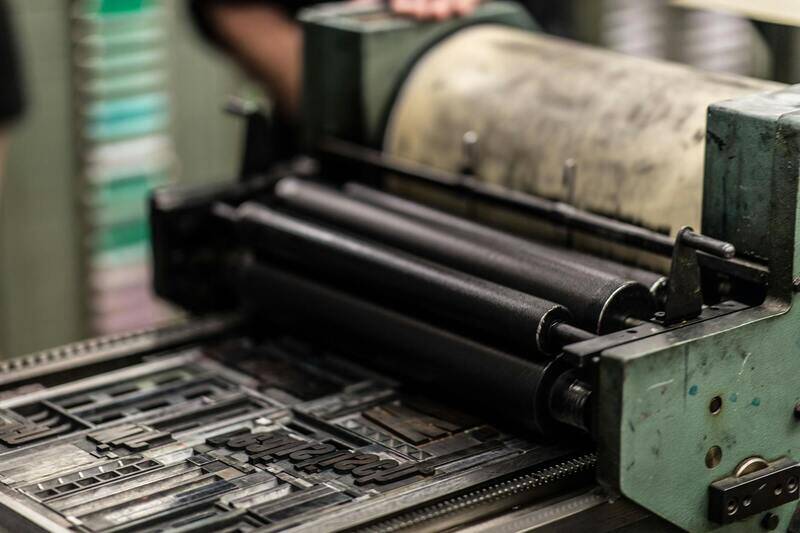
Sample Proofing and Client Approval
Producing sample prints or proofs serves as a tangible preview of the final product, allowing for critical evaluation of colors, layout, and overall appearance. Providing these proofs to stakeholders or clients for approval facilitates feedback and corrections before mass production. This step minimizes the risk of discrepancies and guarantees that the booklet aligns precisely with your expectations.
Final Quality Checks During and After Printing
During the print process, quality control measures involve monitoring color fidelity, ink coverage, and binding integrity. Post-printing inspections include examining each booklet for printing defects such as smudges, misalignments, or paper wrinkles. Ensuring the binding is secure and the pages are correctly assembled further enhances the professional presentation of your booklet.
Post-Production Finishing and Packaging
After printing and binding, consider applying finishing options that elevate the appearance and durability of your booklet, such as matte or gloss coatings, lamination, or spot UV. Proper packaging not only protects the booklets during transit but also presents your finished product in a manner that reflects your company's standards of quality.
Leveraging Professional Expertise
Partnering with experienced print providers ensures that each stage of production adheres to industry best practices. Their technical knowledge and attention to detail contribute significantly to achieving a result that aligns with your branding goals. They can also advise on advanced finishing techniques and environmentally friendly options that add value without compromising quality.