Overview of Print on Demand Booklets
Print on demand (POD) booklets have become an increasingly popular option for creators, educators, entrepreneurs, and businesses seeking a flexible, efficient solution for producing small to medium quantities of printed materials. Unlike traditional printing methods that require large minimum orders and extensive setup procedures, print on demand allows individuals and organizations to produce booklets as needed, without the risk of excess inventory. This approach not only reduces initial investment but also provides greater agility in managing content updates, seasonal offerings, and personalized projects.
At its core, print on demand booklets involve digital printing technology that starts the printing process only after an order is received. This process enables precise customization, rapid turnaround times, and a streamlined production cycle. The key features include high-quality output, cost-effectiveness for low-volume runs, and the ability to modify content effortlessly. This makes print on demand an ideal choice for various applications such as marketing brochures, event programs, training manuals, educational handouts, and artistic portfolios.
One of the significant advantages of print on demand services is the reduction in upfront costs. Entrepreneurs and content creators no longer need to invest heavily in large print runs that may not sell quickly. With print on demand, they can test different designs, topics, and formats, gaining insights into customer preferences before committing to larger quantities. Moreover, digital printing methods used in POD are capable of producing vibrant, durable, and professional-looking booklets that meet high standards of quality.

Another benefit is the scalability and flexibility offered by print on demand. Whether producing a handful of customized event programs or a series of educational handouts for different courses, this method adapts effortlessly to various project sizes. Plus, the digital files can be stored and reused efficiently, making it easier to update contents or create new editions with minimal effort and cost.
In summary, print on demand booklets are a versatile, cost-effective, and high-quality solution for a wide range of printing needs. They empower creators and organizations to produce professional materials on a need-to-have basis, reducing waste and streamlining the production process. As digital printing technology advances, the scope and quality of print on demand booklets continue to expand, offering even greater opportunities for customization, speed, and efficiency.
Choosing the Right Printing Equipment and Materials
When producing print on demand booklets, selecting appropriate printing equipment and materials is critical to achieving professional results and ensuring durability. Digital printing presses tailored for small to medium runs are the backbone of the process, providing precision, vibrant color reproduction, and high-resolution output. These advanced machines facilitate quick turnaround times and consistent quality, which are essential for maintaining a reputable product.
Material selection influences the overall look, feel, and longevity of the booklet. High-quality paper stocks are preferred to create a sturdy, professional finish. Consider options such as matte, gloss, or satin finishes depending on the intended aesthetic. For instance, gloss paper enhances vibrant images and is suitable for visually rich content, while matte offers a subdued, elegant appearance for text-heavy or artistic booklets.
Binding materials also contribute to the final presentation. Common choices include saddle-stitching for smaller booklets, perfect binding for more substantial projects, or even spiral binding for ease of use and reusability. The choice of binding should correspond with the booklet’s purpose, durability requirements, and overall design.
Advancements in digital printing technology have expanded options for eco-friendly and sustainable materials. Using recycled paper or soy-based inks can align products with environmentally conscious practices without compromising quality. It’s advisable to work with trusted suppliers who provide certifiable materials compatible with professional digital printers, to avoid issues such as smudging, misregistration, or color inconsistency.
Considerations for Material Specifications
- Paper weight: ranging from 70 lb to 120 lb for durability and quality.
- Finish options: matte, gloss, satin, or textured surfaces.
- Binding options: saddle-stitch, perfect bound, spiral, or comb bindings.
- Eco-friendly materials: recycled papers and non-toxic, sustainable inks.
Opting for premium materials ensures that the final product not only meets aesthetic expectations but also withstands handling and transportation, which enhances customer satisfaction and brand credibility.
Choosing the Right Printing Equipment and Materials
To produce high-quality print on demand booklets, selecting appropriate printing equipment and materials is crucial. Digital printing technology has revolutionized booklet production, providing flexibility, affordability, and the ability to customize at scale. When evaluating printers, it is essential to consider their capability to handle various paper stocks, finishing options, and color accuracy. Modern digital presses with high resolution and precise color management can reproduce detailed graphics and vibrant images that meet professional standards.
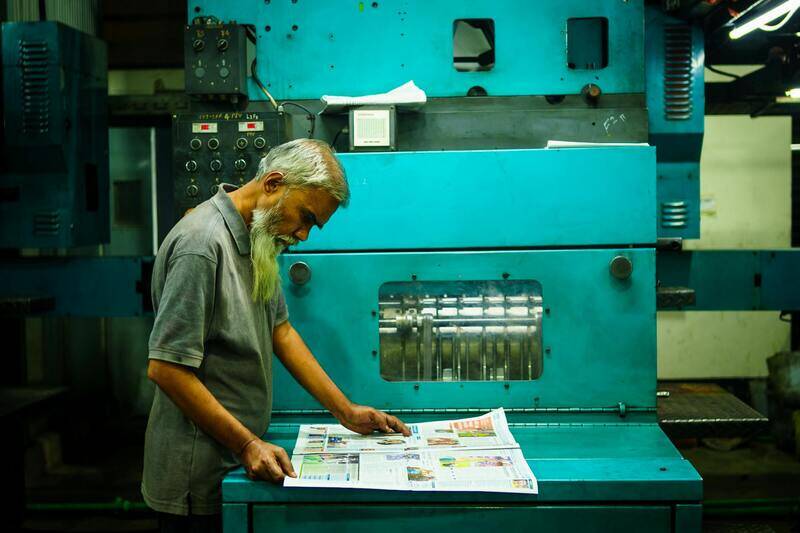
Choosing the right paper type complements the printer’s capabilities and impacts both aesthetics and durability. Paper stocks range from lightweight 70 lb to heavier 120 lb options, providing options for softcover or sturdier booklets. Finishing choices such as matte, gloss, or satin coatings help achieve the desired tactile feel and visual appeal, enhancing presentation and perceived value. Additionally, specialty finishes like textured surfaces or aqueous coatings can provide extra durability and a premium look. When considering environmentally conscious options, sustainable and recycled papers are increasingly available without sacrificing quality. Pair these with eco-friendly inks, such as soy-based or vegetable-based inks, which produce less environmental impact and offer vibrant color reproduction. Investing in quality materials and equipment ensures the final product aligns with branding standards and customer expectations.
Several factors influence the selection process:
- Printer Compatibility: Ensure the printer supports the chosen paper weight and finish.
- Print Resolution: Opt for printers capable of high-resolution output (at least 1200 dpi) for crisp text and images.
- Color Fidelity: Use equipment with advanced color management tools to maintain consistency across batches.
- Finishing Capabilities: Check whether the printer or associated finishing services can handle binding, cutting, or laminating requirements.
Working with suppliers who offer certified, high-quality materials and provide robust technical support can mitigate issues such as misregistration, ink smudging, or inconsistent output. Proper maintenance of printing equipment, combined with quality control checks at various production stages, guarantees a professional, polished booklet ready for distribution and sale.
Understanding the Role of Binding and Finishing
Binding and finishing options are integral to the overall look and functionality of your print on demand booklets. Saddle-stitching, perfect binding, spiral binding, or comb binding serve different purposes depending on the expected use, durability, and aesthetic preferences. For instance, saddle-stitching is cost-effective and suitable for catalogs or short booklets, while perfect binding imparts a more refined appearance for longer projects. Finishing touches such as lamination or embossing can further elevate the product, making it more resistant to wear or adding tactile dimension. These enhancements, combined with the careful selection of materials and equipment, help produce booklets that resonate with professional quality and customer satisfaction.
Understanding Off-Press Proofing and Sample Checks for Print on Demand Booklets
When producing print on demand booklets, the importance of off-press proofing cannot be overstated. This process involves creating a physical or digital sample that closely mimics the final product, allowing designers and clients to evaluate the accuracy of colors, layout, and overall quality before committing to a full batch. Unlike standard previews on a monitor, physical proofing provides a tactile sense of how the inks, paper, and finishing options will behave once printed at scale.
Efficient proofing involves selecting the right type of proof, which may include digital proofs, which are quick to produce but may lack the exact color fidelity of the final print, or hard proofs, which are printed using production-quality presses. Hard proofs, often referred to as press proofs, serve as a final check for color correctness, registration, and material textures. They enable decision-makers to make adjustments, whether it’s revising color tones, modifying layout, or confirming paper choices, before the full run is initiated.

Implementing a thorough proofing process significantly reduces costly reprints and ensures that the final print on demand booklets align with expectations. It is also essential to review any proof for issues with image resolution, text legibility, and color consistency. If discrepancies are found, adjustments need to be made either in the digital files or through calibration of printing equipment. Maintaining a detailed record of all proofing results guides future production batches, supporting continuous quality improvement.
Importance of Final Inspection and Quality Assurance
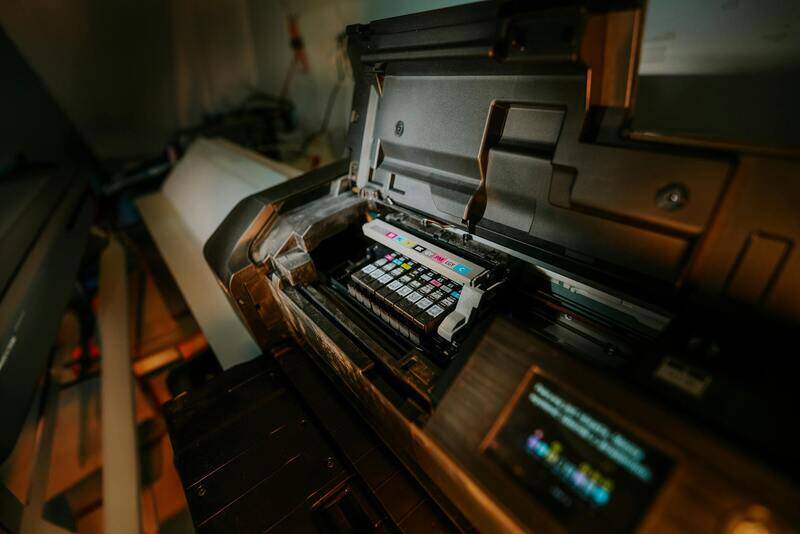
Once a proof has been approved, the final production phase should incorporate comprehensive quality checks. These inspections include verifying the accuracy of colors against the approved proof, checking for registration errors such as misalignments, and ensuring finishing effects like lamination or embossing are correctly applied. Consistent monitoring throughout the production process plays a vital role in delivering a uniform product batch.
Additionally, establishing a routine for spot checks during print runs helps identify potential issues promptly. This proactive approach allows for immediate corrections, minimizing waste and preventing flawed batches from reaching customers. Employing standardized quality assurance procedures not only maintains brand integrity but also enhances customer trust by reliably delivering well-crafted print on demand booklets.
Leveraging Feedback for Continuous Improvement
Effective use of customer and client feedback forms a cornerstone of ongoing refinement in print production. Collecting detailed comments on aspects such as color accuracy, paper quality, binding durability, and overall appearance provides insights into how well the finished product aligns with customer expectations. This information can guide adjustments in the pre-press, printing, or finishing phases, leading to enhanced outcomes over time.
Incorporating periodic review cycles into your production workflow ensures that any recurring issues are identified and addressed swiftly. For instance, if multiple batches exhibit slightly muted colors, it might indicate a need for calibration of the color management system or a review of the ink formulation. By maintaining an open line of communication with quality control teams and customers, you foster a culture of continuous improvement and reliability.
Understanding the Official Methods for Procuring Print on Demand Booklets
Partnering with Certified Printing Providers
To ensure high-quality outputs and reliable service, work exclusively with certified printing providers who specialize in print on demand booklets. These providers adhere to stringent standards that guarantee the accuracy of color reproduction, paper quality, and binding durability. By collaborating with reputable companies that have established verification processes, you can be confident that the final product consistently meets your specifications and customer expectations. When selecting a partner, check for certifications or industry accreditations that demonstrate their commitment to quality and professional standards.

Selecting Authorized Printing Facilities
Authorized printing facilities usually operate under official licensing agreements and adhere to industry standards designed to uphold quality and consistency. These facilities often utilize advanced machinery and environmentally responsible practices, ensuring that each batch of printed booklets meets the defined specifications. Confirming the authorization status of your printer not only helps maintain quality but also ensures you are working within legal frameworks that protect both your interests and those of your customers.
Utilizing Platform-Based Print on Demand Services
Many print on demand entrepreneurs leverage established online platforms that connect directly with certified print providers. These platforms typically handle the entire production process—from ordering to fulfillment—while maintaining strict standards for quality assurance. Utilizing validated online services streamlines the production chain, minimizes errors, and provides transparency regarding production status and delivery times. Confirming that your chosen platform collaborates with recognized, qualified printers ensures the legitimacy and quality of your printed booklets.
Benefits of Relying on Professionally Certified Methods
- Optimized print quality and color accuracy
- Consistent production outputs
- Reduced waste and reprints
- Enhanced brand reputation
- Legal and industry-standard compliance
Image Placeholder
Implementing Standardized Quality Protocols
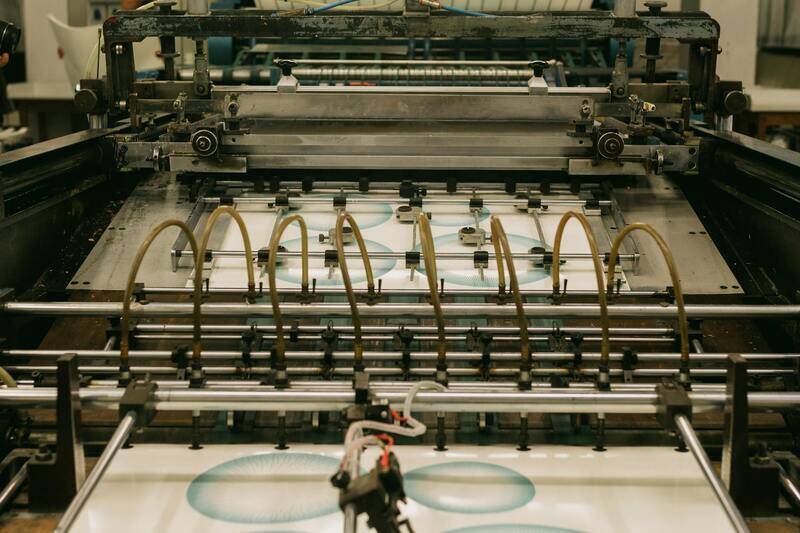
To maintain consistency across every batch, establish and enforce standardized quality control protocols. These protocols should include pre-press checks, calibration routines for printing equipment, and post-print inspections. Adopt detailed quality assurance checklists that cover aspects such as color fidelity, paper thickness, binding integrity, and finishing details. Consistently following these procedures not only ensures product uniformity but also reinforces professionalism in your print on demand operations.
Monitoring and Compliance
Regular monitoring of your printing partners’ processes is crucial. This involves periodic site visits, review of certification validity, and auditing their adherence to industry standards. Maintaining open communication channels facilitates swift resolution of any issues and signals your commitment to quality. Adhering to recognized methods fortifies your enterprise’s reputation and ensures your print on demand booklets consistently meet established standards.
Establishing Effective Ordering and Fulfillment Processes for Print on Demand Booklets
Implementing streamlined ordering and fulfillment procedures is critical to maintaining efficiency and customer satisfaction in the print on demand industry. A well-structured process ensures that clients receive their booklets promptly and in excellent condition, reinforcing trust and encouraging repeat business.
When setting up ordering systems, utilize a secure and user-friendly platform that allows clients to easily upload their design files, select preferred specifications such as size, paper quality, and binding options, and track their orders in real-time. Integration with inventory management software helps prevent overselling and delays, ensuring that production schedules align accurately with stock levels and customization requests.
Accurate order processing begins with meticulous review of submitted files to confirm adherence to technical standards—resolution, bleed, color profiles, and font embedding. Clear communication channels should be established to address any discrepancies or concerns before printing commences, minimizing reprints and wastage.

Fulfillment involves careful packing, labeling, and dispatching to ensure that the print on demand booklets reach customers in optimal condition. Employ protective packaging that safeguards against moisture, bending, or other transit damages. Multiple shipping options should be available to cater to different delivery timelines and budgetary considerations.
Tracking shipments with integrated logistics solutions provides transparency and updates to clients, reducing inquiries and enhancing overall service quality. Maintaining detailed records of each order, from print specifications to delivery confirmation, facilitates future audits, reporting, and process improvements.
Efficiency can be further improved by adopting automated workflows, which coordinate file processing, print scheduling, and dispatch notifications. Such systems minimize manual intervention, reduce errors, and ensure timely fulfillment of print on demand requests.
In addition to technological integration, establishing relationships with reliable courier services allows for flexible options such as expedited shipping or international delivery. Regular review of shipping partners' performance ensures adherence to service standards, ultimately benefiting customer experience.
Steps for Preparing Files for Print on Demand Booklets
Efficiently preparing files is fundamental to achieving consistent print quality and meeting customer expectations when producing print on demand booklets. The process begins with meticulous file organization, ensuring all elements such as text, images, and design components are properly aligned and formatted to meet specified dimensions. Maintaining a high-resolution, 300 DPI (dots per inch) standard for all visual assets is essential to avoid pixelation and ensure sharp reproduction of graphics and photos.
Color management plays a pivotal role in the file preparation process. Utilizing CMYK color mode rather than RGB guarantees color accuracy in printed materials, reflecting the visual intent of the designer. Incorporating bleed areas—usually 3mm around the document—prevents unwanted white borders after trimming, particularly important in booklet covers and full-page graphics.
Fonts should be embedded or outlined within the files to prevent substitution issues during printing. This step safeguards the typographic integrity of your booklet, ensuring all text appears as intended across different print runs. When working with multiple pages, using layered files or multi-page PDFs streamlines the process, allowing for consistent layout and easy revisions.

Pre-flight checks are indispensable prior to submitting files. These checks involve verifying correct resolution, color mode, embedded fonts, and absence of unintended layers or marks. Most printing service providers offer guidelines or software tools to assist with pre-flight inspections, minimizing errors and reprints.
Choosing the appropriate file format—typically PDF/X-1a or PDF/X-4—ensures compatibility with the printing equipment and facilitates smooth processing. Confirm that the file size is optimized to prevent long upload times without compromising quality. For complex booklet designs, consider flattening transparent elements to prevent rendering issues during printing.
Finally, maintaining a version control system helps track amendments and ensures that the latest, approved design files are used for production. Clear communication with the print provider regarding any special instructions or technical specifications is vital to fulfill the project requirements accurately and efficiently.
Finalizing Your Print on Demand Booklets for Optimal Quality
Achieving consistent print quality and ensuring customer satisfaction in your print on demand booklet ventures require meticulous attention to detail at each stage of the process. From the moment a customer's order is received to final delivery, maintaining rigorous quality control measures is essential for upholding your brand's reputation and fostering trust.
Implementing Stringent Quality Checks
Before proceeding with production, perform comprehensive pre-press inspections of your digital files. Verify that images are in the correct resolution (ideally 300 DPI for print), and confirm that color modes are set to CMYK to ensure color accuracy. Check that all fonts are correctly embedded or outlined, preventing unexpected substitutions or rendering issues during print. Additionally, scrutinize the files for any unwanted layers, transparent backgrounds, or artifacts that might compromise print clarity or consistency.

Utilize dedicated print preparation software or file inspection tools supplied by your printing service provider to automate many of these checks. These tools help identify resolution problems, color discrepancies, or missing assets, enabling corrections before submission. Adopting a standardized file naming convention and version control system further reduces errors, ensuring the latest approved files are used for every print run.
Monitoring and Maintaining Print Consistency
Establish a routine quality control protocol for each batch, including visual inspections of printed booklets. Look for binding integrity, color consistency, and overall finishing quality. When possible, request print samples before large orders to assess adherence to your specifications. Continuous feedback allows you to fine-tune your files and printing instructions, leading to improved results over time.
Handling Customer Feedback Effectively
Encourage and monitor customer feedback regarding your print on demand booklets. Address any concerns promptly by investigating potential issues such as color variations, print clarity, or binding problems. Constructive responses demonstrate your commitment to quality and customer satisfaction, fostering long-term loyalty. Offering free reprints or discounts on future orders can also reinforce positive relationships and showcase your dedication to excellence.
Building Strong Client Relationships
Transparent communication and consistent quality delivery are cornerstones of lasting client partnerships. Keep clients informed about production timelines, quality assurance processes, and potential constraints. Providing detailed product descriptions, sample images, and customization options can enhance their shopping experience, leading to increased trust and repeat business.
Utilizing Feedback for Continuous Improvement
Regularly analyze customer reviews and operational metrics to identify recurring issues or opportunities for refinement. Incorporate innovations in print technology and materials to elevate your product offerings. Staying current with industry standards and printing trends ensures your print on demand booklets remain competitive and in line with client expectations.