Understanding Color Printing and Its Benefits
Color printing has become an integral part of modern visual communication across numerous industries. Unlike monochrome printing, which replicates images and text solely in shades of black, white, and gray, color printing introduces a broad spectrum of hues to produce vibrant and accurate visuals. This capability enhances the impact and clarity of printed materials, making them more engaging and effective for their intended audience.
One of the primary advantages of color printing is its ability to convey detailed information visually. Complex charts, graphs, and illustrations are more comprehensible and visually appealing when rendered in full color. This not only aids in reader comprehension but also captures attention more effectively than single-color prints. For marketing, branding, and promotional materials, color enhances recognition, reinforcing brand identity and fostering emotional connections with viewers.
Color printing is particularly valuable in industries such as advertising, packaging, photography, fashion, and education, where visual appeal is paramount. In retail environments, high-quality color prints help showcase products accurately, influencing purchasing decisions. Similarly, in the publishing industry, colorful illustrations and photographs enrich the reader’s experience, transforming ordinary print into compelling visual stories.

Moreover, color printing allows for precise branding and customization. Businesses can produce marketing collateral that aligns perfectly with their brand colors, creating consistency across all printed materials. This precision in color representation helps maintain brand integrity and ensures that the visual messaging resonates as intended.
From personalized greeting cards to large-format banners, the scope of color printing applications is vast, showcasing its vital role in delivering visually appealing and impactful printed content. The adoption of advanced color printing technologies continues to evolve, providing even more sophisticated options to meet the growing demands of quality, speed, and customization in the print industry.
In industries where image quality and visual detail are crucial, understanding the benefits of color printing is essential for making informed choices that maximize the value and effectiveness of printed materials.
Types of Color Printing Technologies
Implementing effective color printing requires an understanding of the available printing technologies, each designed to meet specific needs and produce distinct results. The primary methods include inkjet, laser, and offset printing, each with its unique advantages suited to different applications.
Inkjet Printing
Inkjet printing is renowned for its ability to produce high-quality images with rich color accuracy and fine detail. This technology works by propelling tiny droplets of liquid ink directly onto substrates, making it ideal for short-run projects, custom pieces, and prototypes. Its versatility allows for printing on various materials, from paper and fabric to plastics, delivering vibrant visuals that are essential for marketing materials, photographic reproductions, and personalized products.

Laser Printing
Laser printing employs a xerographic technology that uses a laser beam to produce precise images on paper via static electricity. It is highly efficient for producing large volumes of vibrant color prints with sharp lines and consistent quality. This method is commonly used in office environments for professional-quality brochures, reports, and mailing materials. The speed and cost-effectiveness of laser printers make them suitable for high-demand settings, especially when durability and quick turnaround are priorities.

Offset Printing
Offset printing remains a cornerstone for producing high-volume, high-quality color print jobs. This process involves transferring ink from a plate onto a rubber blanket, then onto the printing surface. Its ability to reproduce precise colors and maintain consistency across long runs makes it ideal for commercial projects such as magazines, packaging, and promotional materials. Offset printing offers excellent color fidelity, especially when used with standardized color profiles, ensuring consistent branding across batches.
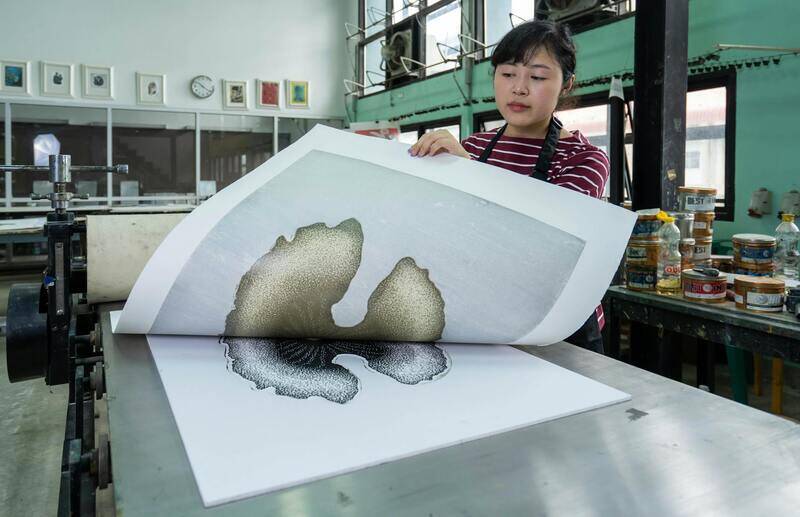
Each of these printing methods plays a crucial role in the production of vibrant, detailed, and accurate color prints. Selecting the appropriate technology depends on factors such as volume, budget, material type, and desired quality, emphasizing the importance of aligning the printing method with specific project needs for optimal results.
Choosing the Right Color Profiles and Materials
Efficient color printing begins with selecting optimal color profiles and materials tailored to the specific project requirements. Color profiles are standardized sets of data that govern how colors are displayed and printed, ensuring consistency and accuracy across various devices and media. Employing the correct profiles during the design and printing process helps prevent color shifts and guarantees that the final output matches the intended design.
Common color profiles used in professional printing include Adobe RGB, sRGB, and CMYK profiles. CMYK (Cyan, Magenta, Yellow, Key/Black) is especially critical for printing, as it aligns with the color process used in most commercial printers. Utilizing the precise CMYK profile compatible with the printer and substrates helps maintain color fidelity from digital file to printed piece.
In addition to digital color management, material selection significantly impacts the vibrancy and durability of color prints. Various paper types, such as gloss, matte, and satin finishes, influence how colors appear. Gloss paper enhances brightness and vibrancy, making colors pop, while matte paper offers a softer, subdued look that reduces glare and enhances readability. Specialty materials like textured substrates or transparent films can add unique visual effects but require adjustments in color profiles and printing parameters to achieve the desired results.
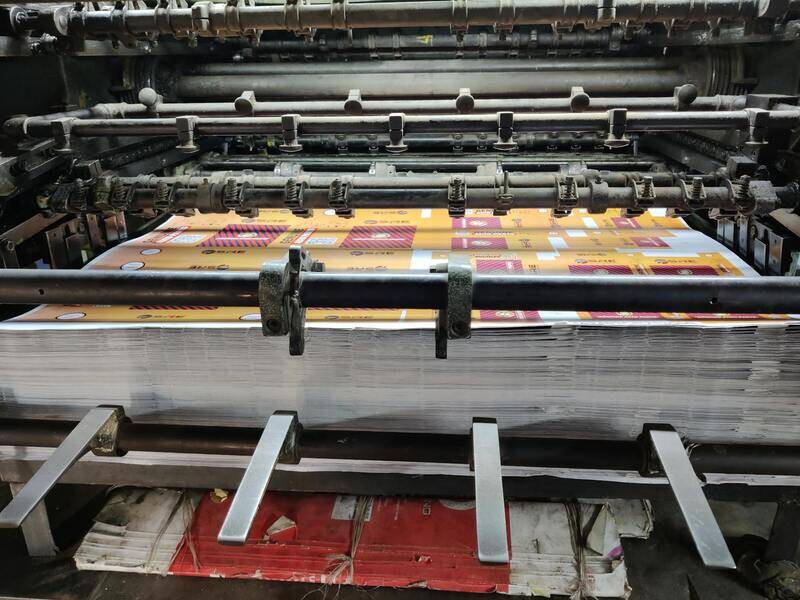

Another critical aspect involves testing and calibrating materials prior to large runs. Conducting test prints on chosen stocks helps identify how colors reproduce and allows adjustments to the color management system. This process minimizes the risk of color mismatches, especially when dealing with complex color schemes or branding requirements.
Design Considerations for Color Printing
Effective design planning is essential to leverage the strengths of color printing technologies. Designers should consider color contrast, saturation, and the overall aesthetic to produce impactful visuals. Incorporating elements like color gradients, photographs, and detailed illustrations benefits from high-resolution images and a clear understanding of printing limitations.
When preparing digital files, using appropriate color modes, such as CMYK, is imperative. Files prepared in RGB may display vibrancy on screen but can result in dull colors once printed. Therefore, converting to CMYK and embedding the correct profiles ensures color accuracy and consistency.
Additionally, designers should reserve ample bleed areas, avoid too fine details that may not print clearly, and select color palettes suited for printing to maintain visual integrity. Understanding how simple adjustments in design elements influence color reproduction can lead to more vibrant, professional results.
Choosing the Right Color Profiles and Materials
Selecting the appropriate color profiles is a fundamental step in achieving precise color reproduction in professional printing projects. Color profiles serve as standardized references that translate digital colors into printable outputs, ensuring consistency across different devices and materials. When preparing files for color printing, using the correct CMYK profiles aligned with the specific printing equipment and substrates helps maintain the integrity of the intended design.
Equally important is the choice of printing substrates. High-quality paper stocks and other materials such as plastics or textiles can significantly impact color vibrancy and durability. Heavier weight papers with smooth surfaces tend to yield more vivid and sharp images, whereas textured or recycled papers may introduce subtle color shifts. Understanding the properties of each material allows designers and printers to match the material with the desired aesthetic and functional requirements of the project.
Inks used in color printing also play a vital role. Opting for premium inks that offer wide color gamuts enhances the richness of hues and improves the longevity of printed materials. Some projects benefit from specialized inks, such as metallics or fluorescents, which add unique effects but require compatible substrates to realize their full potential.

Understanding Color Printing and Its Benefits
Color printing significantly enhances the visual impact of marketing materials, packaging, and promotional items. Its ability to reproduce a broad spectrum of hues allows businesses and designers to create compelling, attention-grabbing visuals that convey brand identity effectively. The vibrancy and depth that color printing offers make products stand out in competitive markets, elevating consumer engagement and interest.
Another notable advantage of color printing is its versatility. Whether producing detailed product catalogs, vibrant posters, or customized business cards, color printing ensures that every image and graphic is rendered with clarity and richness. It also facilitates accurate brand representation by maintaining consistent color schemes across different media, which is crucial for brand recognition and trust.
Furthermore, advanced color printing techniques contribute to sustainability efforts. Modern printers use inks and substrates that are environmentally friendly, reducing waste and minimizing harmful emissions. Beyond aesthetics and environmental benefits, color printing also improves readability and information retention, especially in informational brochures, instructional manuals, and safety signage, where clarity is paramount.
Investing in high-quality color printing results in durable, professional-grade materials that withstand the rigors of handling and environmental exposure. This durability enhances the longevity of promotional items and ensures that the visual message remains impactful over time. Whether for small batch customization or large-volume production, understanding the underlying technology behind color printing helps businesses optimize their printing strategies for maximum effect and efficiency.

Types of Color Printing Technologies
Choosing the appropriate color printing technology can significantly influence the quality, cost, and efficiency of the final product. There are several established methods, each suited to different project requirements:
- Offset Lithography: Ideal for large-volume printing, offset lithography provides exceptional color accuracy, crisp detail, and cost efficiency at scale. This process involves transferring ink from plates onto a rubber blanket, which then presses onto the substrate, ensuring consistency across multiple copies.
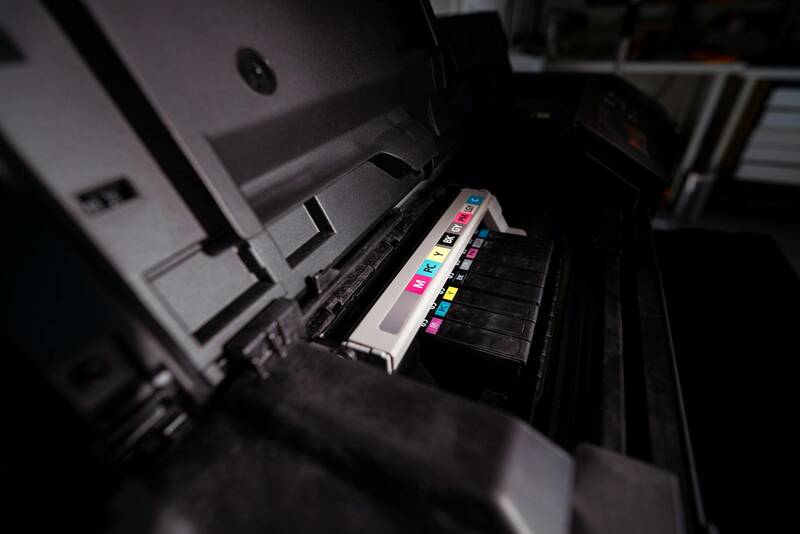
- Digital Printing: Suitable for small to medium runs, digital printing offers quick turnaround times and the flexibility to customize each piece. It employs digital files directly feeding the printer, eliminating the need for plates, and allows for vibrant coloration suitable for low-to-mid volume projects.
- Flexography: Often used for packaging and labels, flexography uses flexible relief plates and fast-drying inks, making it ideal for on-demand printing on a variety of substrates, including plastics and metals, with rich color reproduction.
- Gravure (Rotogravure): This method is optimal for long-run printing and provides high-quality, detailed images with a wide color gamut. Gravure employs engraved cylinders and is often used for high-volume magazines, packaging, and gift wraps.
- Screen Printing: Best suited for specialty applications like textiles, ceramics, and promotional items, screen printing involves forcing ink through a mesh screen to create vibrant, opaque colors on various surfaces.
Choosing the Right Technology
Evaluating project requirements—including budget, quantity, material, and color fidelity—helps determine the optimal printing technology. For instance, offset remains the choice for high-volume commercial printing demanding consistent results, while digital presses excel in short runs with quick turnaround times and personalized elements. Flexography and gravure are preferred for specific packaging applications, while screen printing's versatility makes it suitable for unique surfaces and specialty inks.
Becoming familiar with the capabilities and limitations of each method ensures that you select the most effective technology for your specific project, enabling vibrant, precise, and durable color reproduction.
Understanding Color Printing and Its Benefits
Color printing elevates visual communication, allowing designs to come alive with vibrant hues and intricate details. This process enhances branding, marketing materials, and product packaging by providing an eye-catching and professional appearance. The ability to reproduce rich, accurate colors consistently across various substrates ensures that businesses can maintain brand integrity and appeal. With advancements in color printing technology, the scope of possibilities expands, enabling customization, short-run production, and quick turnaround times. These benefits translate into increased engagement, elevated product value, and a competitive edge in crowded markets.
Types of Color Printing Technologies
Several official methods facilitate high-quality color reproduction, each suited to different project needs, volume requirements, and material compatibilities. Understanding these technologies helps in selecting the best approach for your specific application.
Offset Lithography
Widely regarded for its ability to produce precise color output in large quantities, offset lithography uses metal plates and rubber blankets to transfer ink onto substrates. It excels in high-volume commercial printing, delivering consistent color fidelity and sharp detail. This method is ideal for magazines, brochures, and packaging where color accuracy and consistency are critical.
Digital Printing
Digital color printing involves electrostatic or inkjet-based machinery that directly prints onto the chosen media. Its flexibility makes it perfect for short runs, personalized printing, and quick turnarounds. Digital printers support a wide range of media types, including specialty materials, and enable on-demand color printing with minimized setup costs.
Flexography
Used predominantly in packaging, flexographic printing employs flexible relief plates to print directly onto substrates such as plastics, paper, and foil. It supports rapid production of vibrant, high-quality colors, especially for labels, wrappers, and flexible packaging.
Gravure (Rotogravure)
Ideal for long-run printing, gravure uses engraved cylinders to produce detailed, high-volume color images with a broad color gamut. This technique offers exceptional color consistency and is commonly used for magazines, premium packaging, and gift wraps.
Screen Printing
Screen printing is versatile for specialty applications involving textiles, ceramics, and promotional items. Its ability to create opaque, vibrant colors on diverse surfaces makes it a preferred choice for custom apparel, banners, and decorative printing.

Color Management and Calibration
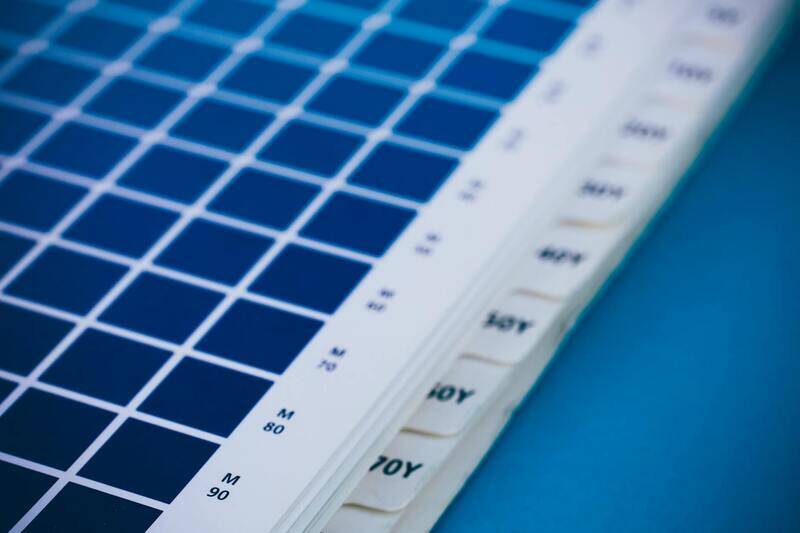
Effective color management guarantees that the hues you see on the screen match the printed output. Calibration procedures involve setting up devices and systems to produce consistent results regardless of batch or medium. This process starts with profiling your display devices to ensure accurate color representation and extends to calibrating printers with standardized color profiles. By implementing systematic calibration routines, print operators can minimize color discrepancies, achieve predictability, and uphold brand standards throughout production runs.
Color Profiling and Standards
- Utilize industry-standard color profiles such as ICC profiles tailored for specific printers and media.
- Implement workflows that incorporate pre-press color checks to verify settings before printing commences.
- Regularly calibrate equipment to prevent color drifts caused by environmental factors or equipment aging.
Monitoring and Quality Assurance
Continuous monitoring during the printing process involves using spectrophotometers and colorimeters to measure color accuracy. These tools quantify color deviations and enable immediate adjustments, ensuring each print maintains the desired quality. Maintaining detailed records of calibration and production parameters supports ongoing quality assurance and meets strict compliance standards.
Choosing the Right Color Profiles and Materials
Selecting appropriate color profiles and substrates is fundamental to achieving optimal printed outcomes. Manufacturers provide standardized profiles that align with specific media types, such as coated or uncoated papers, plastics, or textiles. Using the correct profile ensures color consistency and vibrancy. The choice of material impacts color absorption, gloss, and durability; thus, understanding the interaction between ink, substrate, and environment is vital for high-fidelity printing.
Material Compatibility
- Coated papers are suitable for vibrant, sharp images with high contrast.
- Uncoated papers tend to produce softer, more subdued tones, ideal for certain artistic applications.
- Polymer-based substrates support durable, weather-resistant color reproduction, essential for outdoor signage and promotional items.
- Textile materials benefit from specialized inks that adhere well and maintain vibrancy after washing.
Environmental Considerations
Eco-friendly materials and inks are increasingly preferred in color printing, offering benefits such as reduced VOC emissions and sustainable sourcing. Choosing certified papers and biodegradable inks can enhance your brand image and align with sustainable practices while maintaining color quality.
Maintenance and Quality Control in Color Printing
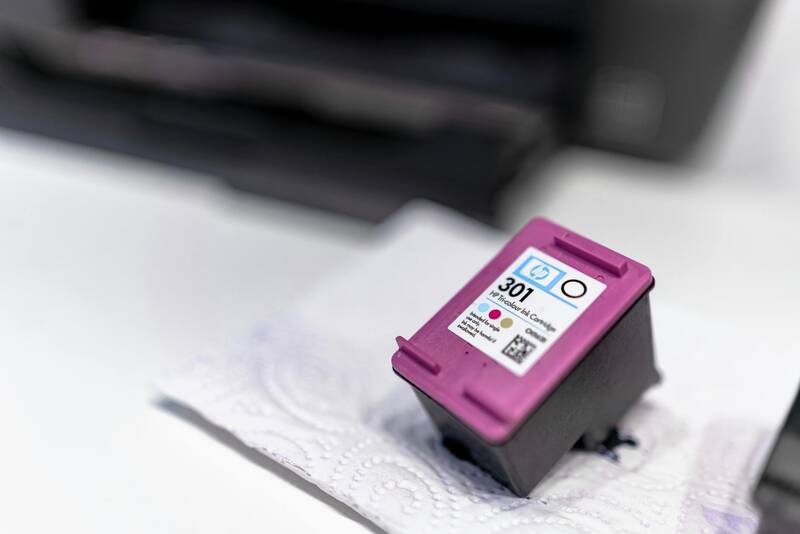
Consistent maintenance and rigorous quality control procedures are essential to achieving high-quality color printing results that meet professional standards. Proper upkeep of printing equipment not only extends the lifespan of printers but also ensures that color fidelity, sharpness, and detail are preserved across each print batch. Routine cleaning of print heads and nozzles prevents clogs that can distort colors or cause streaks, while regular calibration aligns the printer’s output with color profiles, securing accurate reproduction.
In addition to mechanical maintenance, implementing detailed quality control protocols helps identify and correct issues early in the production process. Visual inspections should be conducted at various stages to confirm color consistency, image sharpness, and substrate adhesion. Color measurement tools, such as spectrophotometers, can be integrated into quality checks to quantitatively assess color accuracy against target profiles, facilitating objective adjustments where necessary.
Batch tracking and documentation are crucial for maintaining standards—recording calibration dates, ink lot numbers, and substrate types aids in traceability and continuous improvement. Investing in staff training ensures operators are familiar with the latest troubleshooting techniques and maintenance procedures, fostering an environment where quality consciousness is embedded into everyday workflows.

Furthermore, utilizing software solutions for automated color management and printer diagnostics can streamline quality control processes. These tools monitor printer performance in real-time, alerting operators to potential issues before they affect final output. Combining preventative maintenance with strategic quality checks creates a robust system that consistently delivers vibrant, accurate color reproduction, critical for branding, marketing, and artistic applications.
Ensuring Consistent, High-Quality Color Output in Printing in Color
One of the most critical factors in achieving superior results in color printing is rigorous maintenance of the printing equipment. Proper calibration, routine cleaning, and adherence to manufacturer guidelines are essential to maintain color consistency and prevent color shifts caused by ink buildup or mechanical wear. Investing in professional calibration tools, such as spectrophotometers, allows technicians to measure and adjust color output accurately, ensuring each batch maintains the same vibrant and precise tones.

Effective Color Management Processes
Implementing a comprehensive color management protocol involves several key steps. First, selecting appropriate industry-standard color profiles that match your printer, inks, and media ensures predictable color reproduction. These profiles act as reference points, guiding the printing process to achieve accurate color based on the original digital file. Using color management software integrated with your workflow helps automate adjustments, reducing discrepancies and enhancing repeatability.
Color Proofing and Verification
Before proceeding with large batches, conducting test prints—also known as proofing—serves as a quality assurance step. This process compares the printed outcome against digital proofs, enabling adjustments in color profiles and printer settings if necessary. High-quality color measurement instruments can quantify variations, guiding precise tweaks to attain the desired output.
Material Selection for Reliable Color Reproduction
The choice of substrates significantly influences the vibrancy and accuracy of printed colors. Consistent quality media, compatible with your printer and inks, help maintain uniformity across print runs. Coated papers, synthetic media, or specialty surfaces are designed to enhance color depth, gloss, and durability, making them excellent options for projects demanding vivid imagery. Using the same batch of media throughout a production run minimizes variability and ensures the final result aligns with your expectations.
Environmental Conditions and Their Impact
Maintaining optimal environmental conditions within your printing workspace is crucial. Temperature fluctuations, humidity levels, and dust can all affect ink adhesion, drying times, and color fidelity. Stabilizing these factors creates a controlled environment, reducing the likelihood of color inconsistencies and material defects that compromise quality.
Standards and Documentation for Quality Assurance
Adopting standardized procedures for documenting calibration data, ink lots, media batches, and print settings fosters accountability and traceability. This practice enables quick identification of potential issues, facilitates consistent reproduction of colors over time, and supports troubleshooting efforts. Maintaining detailed logs also helps in evaluating process improvements and verifying compliance with quality benchmarks.
Training and Skill Development for Operators
Continuously educating printing staff on best practices in color management, equipment maintenance, and troubleshooting ensures a high level of expertise within your team. Well-trained operators are better equipped to detect issues early, perform precise adjustments, and maintain the integrity of color reproduction during every stage of the printing process.