Overview of Colour Printing Services
Colour printing services encompass a wide array of printing solutions that produce vibrant, high-quality images and text in multiple hues. These services are vital across numerous industries, including marketing, packaging, publishing, and personal branding. They enable businesses and individuals to effectively communicate their messages, showcase their products, and create visually appealing materials that capture attention and leave lasting impressions.
The importance of colour printing lies in its ability to accurately reproduce brand colors, produce detailed graphics, and deliver compelling visual content. From business cards and marketing brochures to large-format banners and photographic reproductions, colour printing adds a layer of professionalism and appeal that is unattainable with monochrome or black-and-white printing.
The range of offerings from colour printing service providers typically includes digital printing, offset printing, large format printing, and specialty printing options such as metallic, textured, or matte finishes. Each type caters to different needs, volume requirements, and quality standards, ensuring clients can find the ideal solution for their specific projects.
Understanding the capabilities and importance of these services helps clients make informed decisions that align with their branding strategies, visual standards, and budget constraints. Whether it’s producing a small batch of business cards or large-scale promotional displays, professional colour printing offers precision and vibrancy that elevate the perceived value of the final product.
Types of Colour Printing Techniques
Various printing techniques are employed within colour printing services to meet specific requirements for quality, speed, and cost. These include:
- Digital Printing: Ideal for short runs and rapid turnaround times. It allows for quick customization and is commonly used for personalized marketing materials and small batches.
- Offset Printing: Suitable for high-volume projects requiring consistent color quality. It offers economical per-unit cost at larger quantities and superior color fidelity.
- Large Format Printing: Designed for banners, posters, and signage. It produces large, vibrant images with high resolution, suitable for outdoor and indoor display.
- Specialty Printing: Incorporates finishes such as gloss, matte, metallic, or textured effects to create distinctive visual and tactile experiences.
Choosing the appropriate technique depends on project specifications, budget, and desired outcome. A professional printing provider can advise on the most suitable method to meet your goals efficiently.
Factors to Consider When Choosing a Colour Printing Service
Selecting the right colour printing partner involves evaluating several critical aspects. These include:
- Print Quality: Look for providers with state-of-the-art equipment and a reputation for high-resolution, consistent color reproduction.
- Color Accuracy: Ensure the provider has rigorous color management standards to guarantee the final print matches your original design intent.
- Turnaround Time: Confirm their ability to meet deadlines without compromising quality, especially for time-sensitive projects.
- Material Options: A wide selection of paper stocks, finishes, and bindings increases creative flexibility.
- Pricing Structure: Transparent pricing with detailed quotes helps in budget planning and prevents unforeseen costs.
- Customer Service and Support: Reliable communication and assistance throughout the printing process ensure smoother project execution.
By prioritizing these factors, clients can forge effective collaborations with their chosen service providers, resulting in the production of high-quality, visually impactful printed materials.
Common Applications of Colour Printing
Colour printing services find relevance in an array of practical applications that demand vivid and accurate color reproduction. Some key examples include:
- Marketing Collateral: Brochures, flyers, posters, and banners designed to attract and inform potential customers.
- Business Stationery: Business cards, letterheads, and envelopes that reinforce brand identity visually.
- Product Packaging: Packaging designs that showcase product features and appeal to consumers in retail environments.
- Event Materials: Invitations, place cards, and signage for conferences, weddings, or corporate events.
- Photographic Reproductions: High-quality prints for art galleries, photography portfolios, or personal collections.
Each application benefits from the richness and clarity that professional colour printing provides, ultimately enhancing the effectiveness of visual communication.
Overview of Colour Printing Services
Colour printing services encompass a broad spectrum of capabilities designed to transform digital designs into tangible, vibrant printed materials. These services include various techniques that cater to different project needs, from small-scale business cards to large-scale banners. The primary goal of colour printing is to ensure that the printed output accurately reflects the intended hue, contrast, and saturation of the digital design, providing a striking visual impact. Reliable providers invest in advanced printing technology and high-quality materials to ensure consistent colour reproduction across all types of projects, whether for marketing materials, packaging, or personal use.

When selecting a colour printing service, it is crucial to consider factors such as the range of available printing techniques, the quality of materials used, and the level of customization offered. A proficient service provider offers a comprehensive consultation process, helping clients choose the most suitable options based on their specific project requirements. From selection of paper stocks and finishes to advanced colour management systems, every detail influences the final output’s effectiveness and aesthetic appeal.
Varieties of Colour Printing Techniques
To meet diverse client needs, colour printing services employ several specialized techniques. The primary methods include digital printing, offset printing, and large-format printing, each with unique strengths and ideal applications.
Digital Colour Printing
This method uses high-precision inkjet or laser printers to produce quick, cost-effective, and high-quality prints. Its versatility makes it suitable for small to medium runs, personalized prints, and rapid turnarounds. Digital printing allows for enhanced customization, including variable data printing, which is invaluable for targeted marketing campaigns or personalized items like invitations and business cards.
Offset Colour Printing
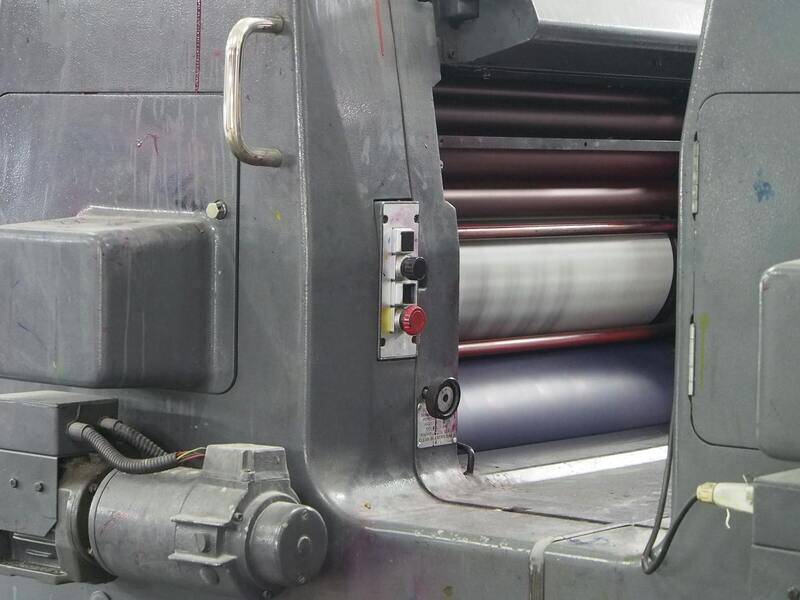
Offset printing involves transferring ink from a plate to a rubber blanket, then onto the printing surface. This traditional technique is recognized for its ability to produce consistent, high-volume prints with superior colour accuracy and sharpness. Offset is often preferred for mass production of brochures, books, and packaging materials where colour fidelity and economical per-unit costs are essential.
Large-Format Colour Printing
Designed for printing large visuals, such as banners, posters, and signage, this technique utilizes wide-format printers capable of handling oversized media. It is ideal for outdoor advertising and event displays, offering durable, vibrant prints that withstand environmental elements. The technology supports a wide range of materials, including vinyl, fabric, and film.

The choice among these methods depends on project scope, budget, and desired quality. A professional colour printing provider will assess these factors thoroughly to recommend the best approach, ensuring optimal visual impact and cost efficiency.
Factors to Consider When Choosing a Colour Printing Service
Selecting a reliable colour printing service requires careful evaluation of multiple critical factors to ensure your prints meet the desired standards and project expectations. Authentic service providers will prioritize consistent quality, precise colour reproduction, and prompt delivery, which are all vital for professional results.
- Print Quality and Colour Fidelity: The core of any colour printing project hinges on the quality of output. A reputable provider maintains strict quality control protocols, utilizing high-grade inks and advanced printing technology to produce vivid, true-to-life colours. Consistency across different batches is essential, especially for brand materials where uniformity reinforces professionalism.
- Turnaround Time: Deadlines are often tight, making the provider’s ability to deliver within specified timeframes crucial. Leading companies streamline their processes and invest in efficient workflows to ensure timely completion without compromising quality.
- Cost and Pricing Transparency: Transparent pricing structures help prevent unforeseen expenses that could inflate your project budget. Look for detailed quotes that break down costs for materials, production, and finishing options, allowing you to compare services effectively.
- Customization and Flexibility: A top-tier printing service should offer a variety of customization options, including different paper types, finishes, and printing techniques. Flexibility ensures that your specific design needs are met without compromise.
- Environmental Practices: An increasing number of professional print providers adopt eco-friendly practices, such as using sustainable inks, recycled materials, and energy-efficient equipment. These initiatives not only support environmental sustainability but also enhance your brand’s reputation.
- Customer Support and Consultation: Reliable providers offer expert guidance throughout the process, from material selection to finishing touches. Good communication and support facilitate a smoother production experience and higher-quality results.

Focusing on these key aspects helps ensure that your investment in colour printing yields vibrant, accurate, and durable visual outputs that effectively communicate your brand or message. A thorough review of potential providers, including sample work and client testimonials, can further aid in making a confident decision, aligning your project requirements with the most suitable service provider.
Enhanced Methods and Standards in Colour Printing
To achieve optimal results in colour printing, professionals utilize an array of precise and consistent methods that ensure vibrant, true-to-design outputs. These techniques rely on established standards and high-quality equipment to maintain colour fidelity across various products. Precision in colour reproduction begins with meticulous calibration of printers, monitors, and colour profiles, ensuring that digital designs translate accurately to physical prints. High-end printing machines incorporate advanced colour management systems, enabling consistent reproduction of shades and tones in every batch.
Furthermore, colour printing often involves standardized colour matching systems such as Pantone Matching System (PMS), which provide a universal palette that guarantees colour consistency. By using standardized swatches, designers and printers communicate more effectively, reducing discrepancies and the need for costly reprints. Digital colour proofing enables clients to review samples on screen identical to the final print, allowing adjustments before production begins, thereby saving time and resources.

They also incorporate high-quality inks that deliver a broader colour gamut, resulting in more vivid and accurate hues. These inks are formulated to produce sharp details and smooth gradients, crucial for high-resolution print materials such as marketing collateral, packaging labels, and corporate branding high-stakes outputs. For large-scale productions, quality assurance protocols include continuous monitoring and testing throughout the printing process, guaranteeing each batch aligns with the expected colour specifications.
Advanced Colour Printing Technologies
Several sophisticated printing methods are employed to meet diverse market needs:
- Offset Printing: Primarily used for high-volume jobs, offset printing provides excellent colour consistency, sharp images, and a wide range of paper options. It’s ideal for producing large quantities of business cards, flyers, and posters with colour-rich visuals.
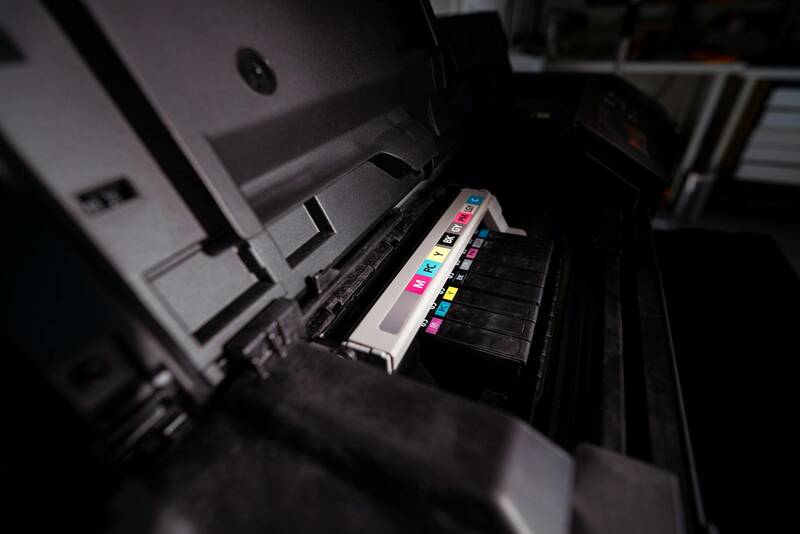
- Digital Printing: Perfect for short runs and personalized projects, digital printing offers rapid turnaround times and cost-effective production. This method facilitates quick adjustments to designs and colour profiles, ensuring fast delivery without sacrificing colour accuracy.
- Flexography: Often utilized in packaging, flexography allows for vibrant, high-speed printing on flexible materials, with precise colour reproduction suitable for labels and wrappers.
- UV Printing: Employing ultraviolet light to instantly cure inks, UV printing produces vivid, durable images on a variety of surfaces, including plastics and metals, with exceptional colour fidelity.
Ensuring Sustainability in Colour Printing
Modern colour printing services actively incorporate environmentally responsible practices. These include using eco-friendly inks, such as soy-based or vegetable-based inks, which reduce volatile organic compounds (VOCs) emissions. Additionally, many providers opt for recycled and sustainably sourced paper materials, aligning with sustainability standards and reducing waste. Energy-efficient equipment and recycling initiatives further minimize the environmental footprint of printing operations. These measures not only support ecological preservation but also resonate positively with consumers and brand values, reinforcing a corporate commitment to sustainability.
Integrating Colour Printing into Your Production Workflow
Effective collaboration with a colour printing provider involves establishing clear communication channels, detailed specifications, and realistic timelines. Sharing comprehensive files with embedded colour profiles and specifications prevents misinterpretation and ensures the final output aligns with the original design intent. Regular sample reviews and iterative feedback help refine the process and resolve any discrepancies early. By maintaining open dialogue and understanding the technical nuances of colour reproduction, clients can streamline the production workflow to achieve consistent, high-quality results that meet their branding and marketing standards.
Factors Influencing the Cost of Colour Printing Services
Pricing for colour printing services varies depending on multiple key elements, each influencing the overall investment required for a project. Understanding these factors helps clients budget effectively and choose the most suitable options for their needs.
Print Volume and Project Scope
One of the most significant determinants of cost is the volume of prints needed. Larger quantities typically benefit from economies of scale, reducing the per-unit price. Conversely, small runs or customized, one-off prints may incur higher costs due to setup fees and machine calibration. Clearly defining the scope of the project allows providers to offer accurate estimates and alternative solutions aligned with budget constraints.
Material Selection and Quality
The choice of paper stock and finish can substantially impact cost. Premium materials such as glossy or matte coated papers, textured stocks, or recycled environmentally friendly options often command higher prices. The thickness, weight, and speciality features like embossing or lamination further drive up expenses, but they also contribute to a more refined, durable output that aligns with branding strategies.
Colour Complexity and Graphic Detail
More intricate designs with numerous colours, gradients, or photographic images may require advanced printing techniques and longer setup times, influencing the overall price. High-fidelity colour match and consistency across batches also necessitate specific calibration and colour management processes, adding to project costs but ensuring a professional appearance.
Finishing and Post-Processing
Additional finishing touches such as gloss or matte lamination, UV coating, die-cutting, or folding can enhance the final product’s aesthetic appeal. These processes, while increasing costs, are essential for creating high-impact marketing materials or premium stationery items. Evaluating the importance of each finishing option helps optimize the budget without compromising quality.
Turnaround Time and Delivery
Urgent projects often entail additional charges due to overtime work or expedited shipping. Planning ahead and requesting standard timelines can result in significant savings. Moreover, select printing services that integrate efficient logistics and delivery options to minimize associated costs and ensure timely receipt of your prints.
Branding and Customization Requirements
Highly personalized or branded materials, including custom colours, logos, or unique die-cut shapes, necessitate specialized setups and proofing processes. These customization needs, while sometimes more costly, reinforce brand identity and contribute to a cohesive professional image.

Quality Control and Color Consistency in Colour Printing
Maintaining high standards of quality control is essential in colour printing to achieve precise colour accuracy and uniformity across print runs. Colour consistency ensures that your branding elements, photographs, and graphics appear exactly as intended, regardless of batch differences or print volumes. This requires rigorous calibration of printers, use of standardized colour management systems, and regular monitoring during production. Investing in advanced proofing technology can also help preview how colours will appear on the final product, reducing the risk of costly reprints and delays.

By working with a reputable colour printing service that prioritizes these aspects, clients can expect high-fidelity colour reproduction essential for professional branding and marketing materials. Regularly reviewing proofs and communicating specific colour requirements upfront ensures that the final printed pieces meet your expectations. Additionally, understanding the limitations and capabilities of different printing technologies allows for better planning, especially when working with complex colour gradients, metallic inks, or spot colours.
Advancements in Colour Printing Technology
Recent innovations have significantly enhanced colour printing capabilities. Digital presses equipped with advanced colour management tools deliver superior accuracy, faster turnaround times, and the ability to handle shorter print runs cost-effectively. Wide-format printers now offer vibrant, high-resolution images suitable for banners, posters, and large signage, which require accurate reproduction of intricate colour details. Furthermore, the development of eco-friendly inks and sustainable substrates offers environmentally conscious choices without compromising quality or colour fidelity.
These technological improvements streamline workflow, minimize waste, and enhance the overall quality of printed materials. Choosing a service provider that continually invests in the latest printing solutions ensures your projects benefit from these advancements, delivering professional, eye-catching results that align perfectly with your brand identity.
Conclusion
Understanding the critical aspects of quality control, technological advancements, and colour management allows businesses to make informed decisions when selecting colour printing services. It ensures that the printed materials not only look visually appealing but also convey the intended message with clarity and vibrancy. Partnering with experienced professionals committed to excellence will lead to a seamless printing experience, optimal results, and strong brand representation across all printed media.
Additional Strategies for Ensuring High-Quality Colour Printing Results
Achieving optimal colour fidelity and print quality extends beyond choosing the right technology or materials. It involves a combination of meticulous preparation, ongoing communication with your printing service, and adherence to best practices throughout the production process. Several steps can help guarantee that your final printed materials meet precise expectations for colour, clarity, and durability.
Preparation of Digital Files
Before submitting files to a colour printing service, it is vital to ensure they are correctly prepared and formatted. This includes working in the appropriate color space, typically CMYK, which aligns with the printing process. Embedded colour profiles should be embedded within the files to facilitate accurate colour reproduction. High-resolution images are essential for sharp, detailed output, particularly when printing at larger scales or for detailed graphics.
Proper file organization—such as clearly labeled layers and including bleed margins—reduces the likelihood of errors during the printing process. It is also advisable to provide a soft proof or sample to preview how colours will appear post-print, allowing any necessary adjustments before final production.
Collaborating with the Printing Service
Open communication with your chosen provider can significantly impact the quality of the finished product. Discuss your specific colour requirements, intended use, and expected outcomes upfront. A professional printer will offer guidance on optimal file preparation, material selection, and finishing options that align with your project's goals.
Periodic checks during the print process—such as reviewing proof samples—help ensure that colours are accurately rendered and any discrepancies are addressed promptly. This collaborative approach minimizes reprints and ensures that the final output faithfully represents your design vision.
Implementing Finishing Techniques for Enhanced Colour Preservation
Post-print finishing techniques such as lamination, UV coatings, and varnishes can protect printed materials from environmental damage and enhance colour vibrancy. These coatings not only improve longevity but also provide a desirable gloss or matte finish that complements your design aesthetic.
- Lamination: Adds a protective layer that resists scratches, moisture, and UV damage.
- UV Coating: Provides a high-gloss finish that boosts colour luminosity and depth.
- Varnishing: Offers subtle enhancement, used selectively for emphasis or to add texture.
Maintaining Consistency Across Print Runs
For campaigns or ongoing branding efforts, consistency in colour reproduction is crucial. Establishing standardized colour profiles and maintaining detailed records of process parameters across print runs assists in achieving uniform results. Working with a reliable provider who consistently applies quality control measures ensures your printed materials reflect your desired colours and branding standards, regardless of volume or timing.
Ensuring Colour Fidelity in Professional Colour Printing Services
Achieving accurate and vibrant colours in print materials is a complex process that hinges on multiple technical and procedural factors. When engaging colour printing services, it is vital to understand the methodologies and standards that guarantee precise colour reproduction. Providers employ systematic calibration procedures, such as device profiling and colour management workflows, that align digital file colours with the final printed output. These processes involve using standardized colour profiles—like ICC profiles—to manage how colours are rendered across different devices, ensuring consistency regardless of the print volume or medium.
One of the principal elements in maintaining colour fidelity is the use of proofing techniques. High-quality digital proofs or hard copy proofs allow clients to preview the colours before the full production run. These proofs are created using the same colour management settings that will be used for the final prints, providing a reliable preview of how the colours will appear once printed. This step significantly reduces the risk of discrepancies and allows for adjustments to be made proactively.
Critical Factors for Ensuring High-Quality Colour Outputs
- Material Selection: Choice of paper stock and finishes, such as gloss or matte, can influence colour vibrancy and accuracy. High-quality printing substrates preserve colour depth and prevent dulling over time.
- Ink Quality and Compatibility: Superior ink formulations and proper ink-to-substrate compatibility enhance colour stability during and after printing. UV or solvent-based inks are often preferred for their durability and vividness.
- Environmental Conditions: Temperature and humidity should be controlled within the printing environment. Fluctuations can affect ink absorption and drying times, resulting in inconsistent colour outputs.
- Regular Calibration and Maintenance: Continuous calibration of printers and periodic maintenance of hardware components prevent drifts in colour output. This includes updating colour profiles and replacing worn-out parts to maintain colour uniformity.
Techniques to Improve Colour Consistency Across Printing Batches
Implementing standardized colour profiles across production runs is essential. Documenting the specific parameters used—such as ink settings, paper batch numbers, and environmental conditions—helps in reproducing the same colours over time. Additionally, some providers utilize inline spectrophotometers to measure and verify colour accuracy during printing. This real-time monitoring facilitates immediate adjustments, preventing colour deviation and ensuring uniformity in large orders or ongoing campaigns.
Additional Measures for Perfecting Colour Outcomes
- Custom Colour Matching: Use of colour dictionaries or swatch books to ensure precise matching with brand colours or specific design palettes.
- Training and Expertise: Collaborating with experienced print technicians who understand the intricacies of colour science can make a significant difference in achieving desired results.
- Post-Print Finishing: Applying protective coatings, such as gloss or matte varnish, not only enhances aesthetic appeal but also preserves colour vibrancy over time.
Ultimately, the combination of advanced technology, rigorous quality control procedures, and skilled craftsmanship is essential in producing colour prints that meet professional standards. When selecting a colour printing service, clients should inquire about these practices and ensure that the provider has a comprehensive approach to maintaining colour integrity throughout the entire printing process.