Overview of Colour Printing Services in Singapore
Singapore’s vibrant business landscape and dynamic creative industry have fueled a robust demand for high-quality colour printing services. These services cater to a wide range of applications, from marketing collateral, business cards, and brochures to packaging solutions, posters, and personalized stationery. The importance of accurate colour reproduction, crisp images, and consistent finishes has made colour printing an essential component for companies seeking effective visual communication and branding. Reliable print providers in Singapore offer comprehensive solutions that leverage the latest technology to meet diverse client needs. Whether for short-run promotional materials or large-scale branded campaigns, colour printing in Singapore is characterized by its precision, efficiency, and dedication to quality.

Commonly, businesses utilize colour printing for marketing materials that require impactful visual appeal. Educational institutions print colourful handouts and diagrams, while retail businesses print promotional posters and packaging with vibrant hues to attract attention. These services also extend to personalized items such as customised cards and event invitations, where colour depth and detail heighten the perceived value. As the digital printing segment continues to evolve, more sophisticated techniques are being integrated, allowing for greater flexibility in designs, shorter turnaround times, and superior colour fidelity. The industry's expansion is supported by a highly skilled workforce, a well-established supply chain for materials, and adherence to strict quality standards, ensuring consistent results for clients across all sectors.
Materials and Substrates for Colour Printing
Choosing the appropriate materials and substrates is a crucial step in ensuring the vibrancy and durability of colour printing projects. The selection varies depending on the intended use, desired finish, and environmental conditions the printed material will face. Common substrates include paper, cardstock, vinyl, fabric, plastic, and specialty materials such as transparent films or textured surfaces.
Paper remains the most frequently used substrate for colour printing, with options spanning from standard gloss, matte, satin, and silk finishes to more specialized options like textured or recycled papers. Each type of paper interacts differently with inks, affecting colour richness and print sharpness. For instance, gloss paper enhances colour vibrancy and image sharpness, making it ideal for marketing materials, brochures, and posters. Conversely, matte paper provides a softer look with reduced glare, suitable for business stationery or high-end invitations.
Cardstocks offer a thicker, more durable surface, perfect for business cards, presentation folders, and packaging components. When printing on rigid or waterproof materials such as vinyl or plastic, UV-resistant inks and advanced printing techniques ensure that the colours remain vivid and resistant to fading or water damage. Similarly, textiles and fabrics are produced using specialised dye or pigment-based printing methods, commonly used for promotional apparel or fabric banners.
In addition to standard substrates, there is increasing demand for eco-friendly printing options such as recycled paper, biodegradable films, and environmentally safe inks. These choices help businesses align with sustainable practices while maintaining high-quality colour output.
Factors Affecting Print Quality and Colour Accuracy
- Type of substrate: Different materials absorb inks differently, which impacts colour vibrancy and sharpness.
- Inks used: Pigment-based inks generally offer better colour retention and resistance to fading compared to dye-based inks.
- Printing technology: Digital, offset, or large-format printers have unique capabilities and limitations that influence final output.
- Color management: Proper calibration of equipment and use of color profiles are essential for consistent and accurate results.
- Environmental conditions: Factors such as humidity and temperature can affect ink drying and adhesion, altering the final appearance.
Ensuring the optimal combination of substrates, inks, and printing techniques, coupled with strict quality control, results in vibrant, precise colour reproduction that meets the diverse needs of Singapore’s dynamic commercial landscape.
Materials and Substrates for Colour Printing
Choosing the right materials and substrates plays a crucial role in achieving superior colour fidelity and durability in printing projects across Singapore. The selection hinges on the intended application, desired aesthetics, and environmental considerations. Various options are available, each offering distinct advantages that influence the final visual effect and longevity of the print.

Common Materials Employed in Colour Printing
- Photographic and Presentation Paper: Widely used for high-resolution brochures, posters, and displays, this paper provides a smooth surface ideal for detailed and vibrant colour reproduction.
- Vinyl and Banner Films: These materials are chosen for outdoor advertising due to their weather resistance and colour retention capabilities.
- Textile and Fabric: Printing on fabrics, especially for promotional apparel or fabric banners, employs dye or pigment-based methods ensuring high-quality colour output with excellent washability.
- Recycled and Eco-friendly Materials: Increasingly, sustainable printing options include recycled papers and biodegradable films, aligning with greener practices without compromising visual quality.
Impact of Material Choice on Print Output
The substrate’s surface texture, absorption rate, and moisture content contribute to how inks adhere and appear post-printing. Glossy surfaces tend to enhance colour brightness and contrast, whereas matte finishes offer subdued tones and glare reduction. For fabrics and textiles, the choice of dye versus pigment ink determines colour longevity and wash resistance.
Considerations for Material Compatibility and Cost
In selecting substrates, balancing quality with cost efficiency is vital. Premium materials often provide richer colours and greater durability but come at a higher expense. Conversely, economy options may suffice for short-term campaigns or indoor displays. Understanding the specific requirements of each project ensures optimal material utilization, aligning with both budget considerations and high standards of colour fidelity.
Factors Affecting Print Quality and Colour Accuracy
Achieving high-quality colour printing in Singapore hinges on several critical factors that work together to deliver precise and vibrant outputs. The calibration of printers is fundamental; regular calibration ensures that colours are reproduced accurately, matching digital design files and maintaining consistency across multiple print runs. Misaligned calibration can lead to colour shifts, dull tones, or mismatched hues, undermining the visual impact of promotional materials or branding assets.
Printer settings also play a significant role. Adjustments related to resolution, ink density, and print mode influence the sharpness, colour saturation, and overall fidelity of the finished product. For instance, selecting a higher resolution setting can produce more detailed images, but may increase printing time and ink consumption. Fine-tuning these parameters allows for optimal balance between quality and efficiency.
Material quality, including paper, vinyl, or fabric substrates, impacts how inks adhere and how colours appear post-printing. Premium materials with smooth, non-porous surfaces usually result in brighter, more accurate colours. Conversely, rough or textured surfaces may cause colour unevenness or less vibrant results, necessitating adjustments in ink formulation or printing techniques.
Ink selection is equally crucial. Pigment-based inks tend to have better longevity and resistance to fading, especially for outdoor applications, whereas dye-based inks often produce brighter colours initially but are less resistant over time. Compatibility between ink type and substrate material is vital; mismatched combinations can lead to colour bleeding or diminished resolution.
Environmental factors such as ambient temperature and humidity during the printing process can also influence outcomes. Maintaining stable conditions helps prevent issues like ink inconsistency or paper warping, which can impair colour accuracy. Skilled operators monitor these variables continuously to uphold strict quality standards.
In the context of colour printing in Singapore, leveraging professional services equipped with industrial-grade printers and comprehensive quality control protocols ensures the delivery of consistent, precise colours. This attention to detail facilitates the production of marketing and corporate materials that leave a lasting visual impression, aligning with brand standards and aesthetic expectations.
Overview of Colour Printing Services in Singapore
Singapore presents a robust landscape for colour printing, supported by a range of professional service providers equipped with advanced technology to meet diverse client needs. These services span from printing marketing collateral, banners, and signage to customised corporate branding materials. Given the competitive market, providers invest heavily in precision printing equipment that can produce vibrant, consistent colours with high resolution. This ensures that businesses and individuals can achieve eye-catching visual outputs that reinforce their branding and communication strategies. Moreover, colour printing firms in Singapore often adhere to strict quality control measures, employing calibrated printers and colour management systems that guarantee accuracy and repeatability across large batches or high-volume orders.

Types of Colour Printing Techniques Used
Printing facilities in Singapore utilize a variety of techniques tailored to specific project requirements, production volumes, and substrate types. Among these, digital colour printing is the most prevalent due to its versatility, fast turnaround times, and cost-effectiveness for small to medium runs. It employs high-definition inkjet or laser printers capable of reproducing a broad spectrum of colours with excellent detail. Offset printing is also widely used, particularly for large-scale commercial jobs, offering superior colour consistency and sharpness. This method involves transferring ink from plates onto a rubber blanket before printing onto the substrate, enabling efficient reproduction of precise colours at high volume.
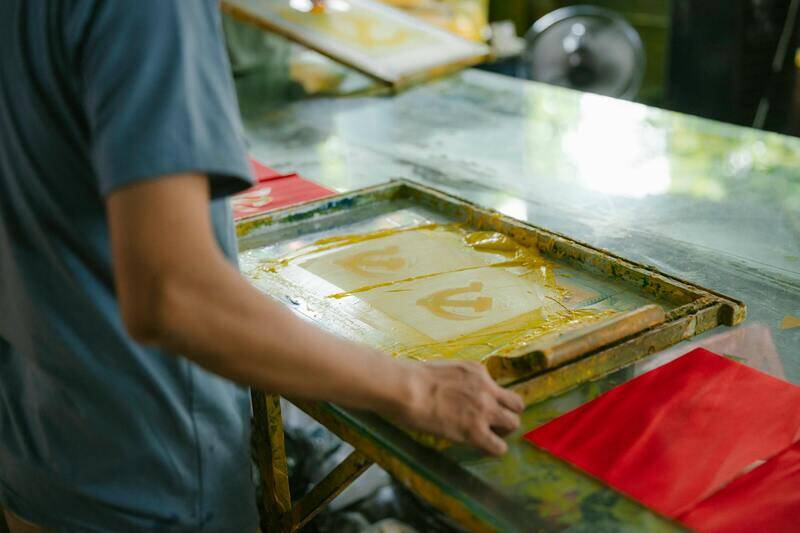
Other techniques include lithography, flexography, and screen printing. Lithography is often chosen for high-volume printing on a variety of materials, including packaging and labels. Flexography excels in printing on uneven or textured surfaces such as plastic bags and corrugated cardboard, using flexible plates. Screen printing remains effective for producing vibrant colours on textiles, signage, and promotional items. Each method requires specific expertise and equipment, ensuring optimal colour fidelity and durability based on the application.
Materials and Substrates for Colour Printing
The choice of materials significantly influences the final output quality in colour printing projects. Common substrates include various paper stocks—premium art papers, coated, uncoated, and recycled options—each offering different textures, finishes, and colour absorption properties. Coated papers are preferred for photo-quality prints since they provide a smooth surface that enhances colour vibrancy and sharpness. For outdoor or long-lasting applications, materials like vinyl, canvas, or synthetic papers are selected for their durability and resistance to weathering.
Specialty substrates such as transparent films, fabric textiles, and adhesive-backed materials expand possibilities for custom designs and specialised marketing needs. The surface treatment of substrates also impacts ink adherence and colour accuracy; thus, professional printers meticulously match ink types and printing techniques to the chosen substrate. This precision ensures that colours are vivid, consistent, and resistant to fading over time.

Factors Affecting Print Quality and Colour Accuracy
Achieving consistent, high-quality colour output hinges on multiple factors. Calibration of equipment is paramount—printers must be regularly maintained and calibrated to match colour profiles, ensuring that digital colour representations translate accurately onto physical substrates. Skilled operators adjust settings according to the specific material, environmental conditions, and desired outcome, employing colour management tools like ICC profiles and spectrophotometers.
Ink properties are also crucial; pigment-based inks provide superior colour brilliance and longevity, especially for outdoor displays, while dye-based inks tend to produce more vibrant initial colours. Compatibility between ink and substrate minimizes issues such as bleeding, smudging, or uneven tonality. Environmental conditions, including temperature and humidity, influence ink drying times and adhesion, so controlled environments are maintained within professional printing facilities.
Paper quality, surface smoothness, and coating also play vital roles. Smooth, coated substrates facilitate better ink absorption, resulting in sharper images and more accurate colours. Textured or rough surfaces may diffuse ink during application, leading to less vibrant and uneven results. Advanced digital and offset printers integrate colour management software to monitor and correct colour deviations in real-time, ensuring each print run meets precise standards.
Materials and Substrates for Colour Printing
When selecting materials for colour printing in Singapore, the choice of substrate significantly influences the vibrancy, durability, and overall quality of the print. Common substrates include various types of paper, cardstock, vinyl, canvas, and specialty films, each tailored to different applications and environmental conditions.
High-quality papers with smooth, coated surfaces are preferred for producing sharp, precise images with bright colours. These coatings facilitate even ink absorption and enhance colour brilliance, making them ideal for marketing materials, art reproductions, and high-end displays. Conversely, uncoated papers tend to absorb more ink, potentially dulling the final appearance but offering a more textured aesthetic, suitable for certain artistic projects or rustic designs.

Vinyl and other adhesive-backed materials are frequently used for outdoor signage and banners due to their weather-resistant properties. Canvas substrates are popular for reproducing photographic artwork and large-format prints where texture can add depth and appeal. Specialty films with augmented coatings are also available for use in holographic or metallic printing, providing unique visual effects that elevate branding efforts.
The compatibility between ink types and substrates is crucial; pigment-based inks are often preferred for outdoor applications because they adhere well to various materials and resist fading over time. Proper substrate selection, combined with optimal surface treatment—such as pre-coating or priming—ensures the colours remain vivid and true to the original design even under challenging environmental conditions.
Factors Affecting Print Quality and Colour Accuracy
Achieving consistent, high-quality colour output hinges on multiple factors. Calibration of equipment is paramount—printers must be regularly maintained and calibrated to match colour profiles, ensuring that digital colour representations translate accurately onto physical substrates. Skilled operators adjust settings according to the specific material, environmental conditions, and desired outcome, employing colour management tools like ICC profiles and spectrophotometers.
Ink properties are also crucial; pigment-based inks provide superior colour brilliance and longevity, especially for outdoor displays, while dye-based inks tend to produce more vibrant initial colours. Compatibility between ink and substrate minimizes issues such as bleeding, smudging, or uneven tonality. Environmental conditions, including temperature and humidity, influence ink drying times and adhesion, so controlled environments are maintained within professional printing facilities.
Paper quality, surface smoothness, and coating also play vital roles. Smooth, coated substrates facilitate better ink absorption, resulting in sharper images and more accurate colours. Textured or rough surfaces may diffuse ink during application, leading to less vibrant and uneven results. Advanced digital and offset printers integrate colour management software to monitor and correct colour deviations in real-time, ensuring each print run meets precise standards.
Choosing a Colour Printing Service in Singapore
When selecting a colour printing service in Singapore, it’s essential to consider a provider’s experience and portfolio to gauge their capability for handling different types of projects. Reviewing customer feedback and testimonials provides insights into their reliability and quality standards. Turnaround times are crucial, especially for time-sensitive marketing campaigns or event materials. Moreover, transparent pricing models and detailed quotations help in evaluating value without compromising on quality.
Opting for a service with advanced equipment and a dedicated team of professionals ensures that your colour printing projects achieve the desired vibrancy and precision. Many established providers also offer sample prints or colour proofs, enabling clients to verify colour accuracy prior to the full production run. Ultimately, selecting a reputable printing partner with comprehensive quality controls ensures consistent results and satisfaction in your colour printing initiatives.
Environmental Considerations and Eco-Friendly Options in Colour Printing Singapore
As the demand for vibrant, high-quality colour printing continues to grow, there is an increasing emphasis on sustainable practices and environmentally friendly materials within Singapore’s printing industry. Many printing providers now prioritize eco-conscious solutions that not only deliver excellent colour fidelity but also minimize environmental impact.
Eco-friendly colour printing incorporates several sustainable practices, including the use of recycled materials, biodegradable inks, and water-based dyes. These innovations help reduce volatile organic compound (VOC) emissions, which are often associated with traditional solvent-based inks, and lower the carbon footprint of printing processes. Companies committed to sustainability often invest in energy-efficient machinery and adopt waste reduction strategies, such as precise digital printing methods that produce minimal excess material.

Further, Singapore’s colour printing providers frequently source environmentally certified papers and materials, aligning with global standards for sustainable forestry and responsible resource management. This commitment ensures that clients can achieve vibrant, high-quality prints while supporting ecological sustainability.
Many printers also offer environmentally friendly options for coatings and finishes, such as water-based varnishes and soy-based inks, which enhance the durability of printed materials without compromising eco integrity. By selecting these options, companies can produce marketing collaterals, packaging, and promotional materials that reflect a responsible brand image and resonate with eco-conscious consumers.
Advantages of Choosing Eco-Friendly Colour Printing
- Corporate Responsibility: Demonstrates commitment to environmental sustainability, enhancing brand reputation.
- Health and Safety: Reduces exposure to harmful chemicals for staff and consumers.
- Regulatory Compliance: Meets local and international environmental standards.
- Market Differentiation: Appeals to consumers who prioritize eco-friendly products and services.
- Cost Savings: Long-term savings from waste reduction and energy-efficient processes.
Ultimately, integrating eco-conscious practices into colour printing ensures that businesses in Singapore can achieve vibrant visual results without compromising environmental integrity. By partnering with printers committed to sustainability, companies can effectively communicate their eco-values while maintaining high standards of print quality and colour accuracy.
Enhancing Colour Longevity and Maintenance in Singapore's Printing Industry
Ensuring the longevity of vibrant colours in printed materials is a critical aspect for many businesses aiming to preserve the visual impact of their printed assets over time. In Singapore, several proven methods and best practices are employed to maintain colour integrity, extend the durability of printed outputs, and meet high standards of visual excellence.
Application of Protective Coatings and Finishes
One of the most effective strategies for safeguarding colour quality involves the use of specialised coatings and finishes. Manufacturers often recommend applying UV coatings, matte or gloss laminations, and aqueous or polymer varnishes to printed materials. These coatings serve multiple purposes, including protecting against environmental factors such as moisture, UV exposure, and physical abrasion, all of which can degrade colour vibrancy over time.
UV coatings, in particular, are highly valued for their ability to resist fading and cracking, ensuring printed images retain their sharpness and colour intensity even after prolonged exposure to sunlight or handling. Similarly, lamination adds an extra physical barrier that minimizes scuffing, fingerprints, and surface damage, helping maintain the original colour fidelity of the print.

Proper Storage and Handling Procedures
Maintaining optimal storage conditions is equally important in preserving print quality over time. Printed materials should be stored away from direct sunlight, excessive heat, humidity, and fluctuating temperatures. Using appropriate containers and resistant storage environments prevents colour fading and material degradation.
- Store in cool, dry, and dark environments.
- Avoid exposure to cigarette smoke, pollutants, and chemical vapors.
- Handle printed items with clean gloves to prevent oils and dirt transfer.
- Use proper shelving and support to prevent bending or strains that could damage the print surfaces.
Regular Maintenance and Inspection
Implementing routine inspections and maintenance schedules for printed assets—especially those used frequently or displayed publicly—helps identify early signs of deterioration. This proactive approach allows for timely interventions, such as re-laminating or resealing, to restore colour vibrancy and prolong material life.
Choosing High-Quality Printing Materials
Investing in premium substrates and inks is fundamental for colour retention. In Singapore, reputable printers typically source archival-quality paper, durable plastics, and fade-resistant inks that are designed to sustain colour brilliance under various environmental conditions. These materials often meet international standards for longevity and resistance against fading.

Adoption of Colour Management Systems
Utilising advanced colour management workflows and calibration techniques allows for precise colour reproduction and consistency across printing runs. Colour management software and hardware ensure that the colours specified during design are faithfully reproduced, reducing waste and reprints associated with colour mismatches, thus preserving the intended visual impact.
Environmental and Regulatory Considerations in Maintenance Practices
In Singapore, adherence to environmental standards and the use of eco-friendly maintenance products are increasingly emphasized. This includes selecting biodegradable cleaning solutions and non-toxic coatings to minimize environmental impact while maintaining optimal print quality and durability.
By integrating these comprehensive approaches—protective coatings, proper handling, superior materials, and advanced colour management—businesses can significantly enhance the endurance of their printed colours and sustain the visual appeal of their marketing, packaging, and informational materials for years to come.