Understanding Poster Printing
Poster printing is a dedicated process that transforms digital designs into large-scale visual displays, providing a powerful medium for communication, marketing, education, and art presentation. It involves the precise reproduction of images, text, and graphics onto a physical medium, resulting in vibrant, large-format visuals that can attract attention and convey messages effectively. Commonly utilized across various fields such as advertising campaigns, academic conferences, art exhibitions, and promotional events, posters serve as impactful tools to capture interest and deliver information succinctly.
The process begins with creating a compelling design that resonates with the target audience and aligns with the purpose of the poster. Once the design phase is finalized, selecting the appropriate printing technique and material is essential to ensure durability, quality, and visual clarity. Modern poster printing integrates advanced digital technologies that enable high-resolution output, vibrant color reproduction, and customization options tailored to specific requirements.
Poster printing is not merely about enlarging an image; it demands meticulous preparation, understanding of material properties, and an eye for detail to produce a professional-grade product. These printed posters are widely used for promotional displays, event signage, educational visuals, and artistic showcases. Their impact relies heavily on high-quality printing processes that preserve detail and color fidelity while offering options for finishing and framing that enhance overall presentation.
Overall, investing in a well-printed poster involves thorough planning, from initial design to choosing the appropriate printing methods and materials. This ensures that the final product not only meets aesthetic expectations but also withstands environmental conditions, making it suitable for both indoor and outdoor use.

Understanding the intricacies of poster printing prepares you to make informed decisions throughout the process. From selecting suitable dimensions to preparing files correctly, each step plays a vital role in the outcome’s quality. As a flexible and powerful communication tool, posters can effectively elevate branding efforts, support marketing campaigns, or highlight artistic creations, emphasizing the importance of choosing an experienced printing service like justprintcard.net for optimal results.
Understanding Poster Printing
Achieving a visually striking poster print depends significantly on careful selection of materials, printing techniques, and finishing treatments. When preparing to create a poster, it is essential to understand the characteristics of various substrates available for large-format printing. Common options include durable paper, vinyl, fabric (such as canvas or banner material), and specialty options like backlit films. Each material offers distinct advantages: for instance, vinyl provides water and UV resistance suitable for outdoor displays, while canvas lends an artistic, textured look ideal for gallery or interior decor.
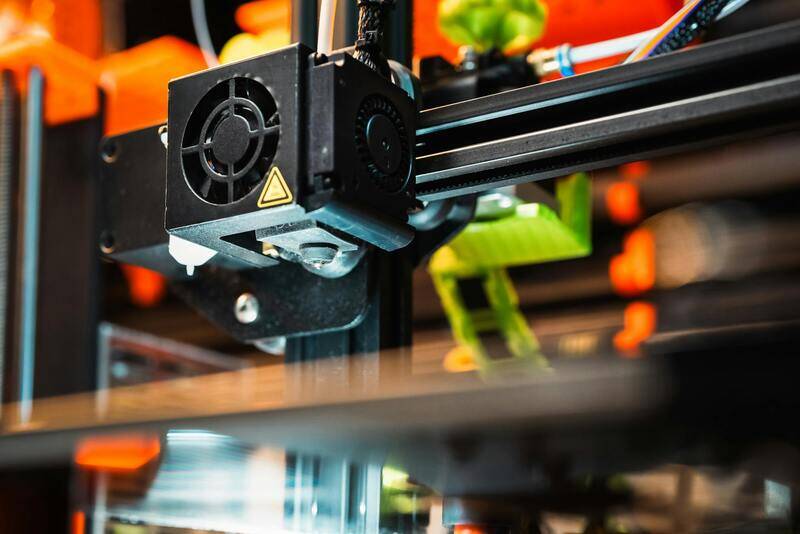
Printing technologies such as inkjet and laser printing dominate the poster production landscape. Inkjet printers are renowned for their ability to produce vibrant colors with high precision, making them suitable for photographic images and artwork. Conversely, large-format laser printers excel in producing sharp text and graphics efficiently, often used for promotional signage and event displays. The choice of printing technology influences not only the quality but also the cost and turnaround time for posters.
Finishing options further elevate the presentation of your poster print. Lamination offers protection against environmental elements, UV damage, and handling, helping preserve the poster's quality over time. Matte, gloss, or satin finishes can be applied depending on the desired visual effect. Additionally, mounting options like framing, mounting on foam board, or lamination can enhance durability and ease of display. These finishing touches contribute to creating a professional and polished appearance that effectively captures attention and communicates intent.
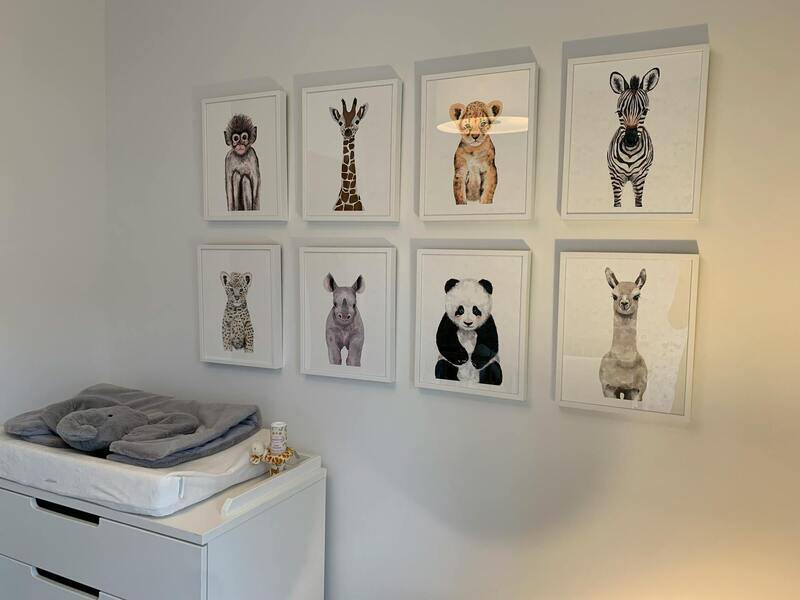
Environmental considerations also play a crucial role in the materials and inks used in poster printing. Consumers increasingly seek sustainable options such as eco-friendly inks and recyclable substrates. When choosing a printing provider, inquire about their commitment to environmental practices to ensure your poster not only looks great but also aligns with responsible production standards.
Ultimately, the choice of printing materials and processes should align with your specific needs—whether for indoor displays, outdoor signage, or artistic exhibitions. A knowledgeable printer will guide you through selecting the best options based on durability, appearance, budget, and environmental impact, ensuring your poster meets the highest standards of excellence.
Optimal File Preparation for High-Quality Poster Prints
Preparing your digital files accurately is crucial to achieving a vibrant and professional-looking poster print. Begin by creating your design in a high-resolution format, ideally at 300 dpi (dots per inch), to ensure clarity and detail upon enlarging the image. Use vector graphics for text and logos whenever possible, as these can be scaled without loss of quality, preserving crispness and sharpness in larger formats.
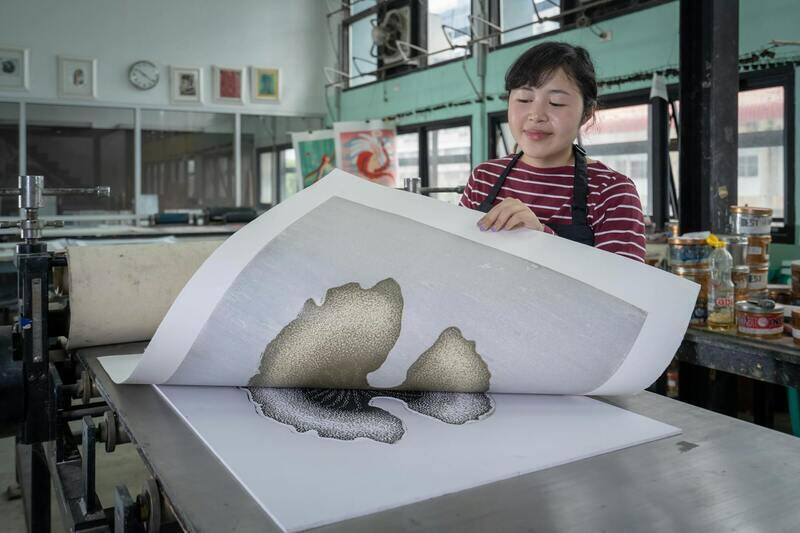
It's important to consider the color profiles you employ; converting your design to the CMYK color mode aligns it with the standard printing process, resulting in color accuracy and consistency. Additionally, double-check all text for spelling errors, font consistency, and proper placement to avoid mishaps during the printing process.
Use design software that supports bleed and margin settings—typically 0.125 inches (3 mm)—to prevent unwanted white borders or cropping issues. Save your final artwork in widely accepted file formats such as PDF, TIFF, or high-quality JPEG, ensuring that all fonts are embedded or outlined to avoid font substitution problems.
Before submitting, verify the dimensions align precisely with your selected poster size. Missing or incorrect specifications can lead to pixelation or undesirable cropping. Communicate any specific requirements to your printing provider, such as special finishes or mounting preferences, to streamline the production process.
Key Considerations in Choosing Printing Materials and Finishes
Material selection plays a pivotal role in the durability, appearance, and overall presentation of your poster. For indoor displays, lightweight paper or cardstock may suffice, but outdoor applications demand weather-resistant materials like vinyl or coated substrates. The choice of finish further influences the aesthetic and protective qualities of the final product.
- Matte finish: Reduces glare for easy viewing and a subdued, professional look.
- Gloss finish: Enhances colors and details, making images pop—ideal for vibrant posters.
- Satin finish: Offers a balanced sheen, combining elements of matte and gloss for a sophisticated appearance.

Additionally, consider mounting options such as foam board backing for rigidity, framing for elegance, or lamination for protection against environmental factors. These selections should reflect the intended display location, longevity requirements, and aesthetic preferences. An experienced printer can advise on compatible combinations that enhance your poster’s visual appeal and resilience, ensuring your print maintains its quality over time.
Understanding Poster Printing
When embarking on the process of making a poster print, grasping the fundamentals of poster printing technology is essential. Poster printing involves translating digital designs into large-format physical displays, which requires specialized equipment and techniques to maintain visual quality and accuracy. The core process includes high-resolution digital file preparation, selection of suitable printing hardware, and the application of appropriate inks and substrates to achieve the desired aesthetic and durability.
Digital printing is the most prevalent method for poster production, particularly due to its flexibility and ability to produce vibrant, detailed images. Large-format printers utilize advanced inkjet technology, capable of reproducing a broad spectrum of colors and fine details that elevate the visual impact of your poster. Proper color management and calibration during printing are crucial to ensure that the output closely aligns with your original design intentions.
Beyond digital printing, there are also screen printing and lithography options, though these are typically reserved for high-volume orders or specialty projects. For most personal or professional poster needs, modern digital large-format printers are favored for their efficiency and high quality. Understanding the parameters of these methods—such as maximum printable dimensions, ink longevity, and material compatibility—helps in making informed decisions that complement your design and display goals.

It is also necessary to recognize the importance of selecting the right printing process based on the poster’s application. For instance, outdoor displays demand weather-resistant inks and substrates, while indoor posters may prioritize vivid color reproduction and fine detail. Collaborating with a reliable printing provider can clarify these technical aspects and guide you towards the most effective solution for your specific needs.
Understanding the intricacies of poster printing technology enables you to anticipate potential challenges and optimize your project from the outset, ensuring a professional-quality result that effectively conveys your message or artistic vision.
Ensuring Your Files Are Optimized for Poster Printing
Proper preparation of your digital files is essential to achieving a high-quality poster print that accurately reflects your design intentions. To begin, ensure that your design is created at the appropriate resolution; typically, a minimum of 300 dots per inch (dpi) at the final print size guarantees crisp, clear details without pixelation. Using vector-based graphics for logos, text, and illustrations allows for scalable images that retain sharpness regardless of size, which is critical when enlarging for poster formats.
Color management is another crucial aspect when preparing files. Working in a color space such as CMYK, which mimics professional print output, helps in predicting how colors will appear on the physical poster. Soft-proofing your design on calibrated monitors provides a visual approximation of the final product, allowing for color adjustments to ensure vibrancy and consistency. It's advisable to communicate with your printing service to understand their specific color profiles and file requirements, minimizing any unexpected deviations in hue or tone.
When organizing your design layers, keep elements clearly labeled and structured to facilitate smooth printing processes. Flatten or rasterize any complex effects or transparency that might not translate well during printing. Additionally, incorporate bleed and trim marks into your design to accommodate cutting tolerances and ensure that your poster content extends seamlessly to the edges without unwanted borders or white margins.

Confirm that your file format conforms to the printer's specifications, with PDF being a common, reliable choice. PDFs preserve layout, fonts, and embedded images, reducing the risk of errors during production. When exporting your file, select high-quality settings that retain resolution and color accuracy, and avoid compression artifacts that can diminish image clarity.
Lastly, reviewing your final proof thoroughly before submission is vital. Many printers provide a digital or physical proof for approval, allowing you to verify that all elements—colors, layout, and text—are accurate. This step helps you catch any discrepancies early, saving time and costs associated with reprints or adjustments. By dedicating attention to these details, you ensure that your poster print will meet your expectations and stand out effectively in its environment.
Choosing the Right Printing Method for Your Poster
Selecting the optimal printing technology is vital to achieve the desired quality and durability for your poster. The most common methods include digital printing, large-format printing, and offset printing, each suited to different needs and project scopes.
Digital Printing
Digital printing stands out for its speed, flexibility, and ability to produce high-resolution images with vibrant colors. It is ideal for small to medium runs, personalized posters, or versions requiring frequent updates. The process involves directly transferring digital files onto the chosen material, making it suitable for detailed graphics and photographic images. Modern digital presses can handle a wide variety of materials, including glossy, matte, or satin finishes, ensuring versatility for your design preferences.
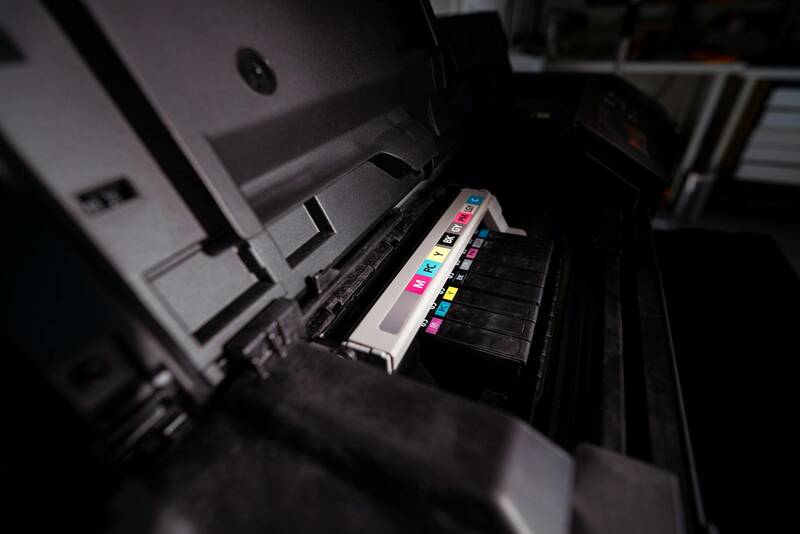
Large-Format Printing
Tailored specifically for posters, banners, and signage, large-format printing allows for high-quality output at impressive dimensions. This method employs wide-format printers capable of printing on rolls of various materials, from vinyl to canvas. It is particularly effective for creating eye-catching, oversized posters that demand vivid visuals and fine detail. Given its capacity for larger sizes, you can produce impactful displays for exhibitions, events, or retail environments with this technology.
Offset Printing
Offset printing, while traditionally associated with mass production of printed materials, can also be used for high-volume poster printing with consistent quality. This technique involves transferring ink from a plate onto a rubber blanket before printing onto the substrate, ensuring sharp images and precise color matching. Offset is suitable for projects requiring a large number of posters, especially when color fidelity and cost efficiency at scale are priorities. However, it involves longer setup times and higher initial costs, making it less ideal for small or one-off prints.
Matching Techniques to Project Needs
- High-quality photographic posters: Digital printing provides sharp detail and vibrant colors.
- Event banners or large displays: Large-format printing ensures size and impact.
- Bulk print runs for marketing campaigns: Offset printing offers cost-effective, uniform results at scale.
Material Compatibility with Printing Technologies
Different printers accommodate various substrates, influencing your choice based on durability, appearance, and environmental conditions. Digital and large-format printers often handle lightweight materials like paper, vinyl, or fabric, while offset presses are compatible with heavier, coated stocks. Confirming material compatibility before proceeding ensures your poster maintains integrity and visual appeal over time.
Understanding Poster Printing
Once the design and dimensions are finalized, selecting the appropriate printing technique becomes a crucial consideration. The method chosen impacts the final quality, durability, and overall cost of the poster. Each printing technology offers distinct advantages tailored to different project requirements.

Digital printing, for example, is renowned for its ability to produce highly detailed images with vivid color accuracy, making it ideal for posters that feature complex graphics or photographic content. Its quick turnaround times and suitability for small to medium runs provide flexibility for diverse projects.
Offset printing, while often associated with commercial printing, extends to poster projects that demand large-volume runs. It delivers exceptional color consistency and sharp images, especially beneficial when reproducing brand-specific colors or intricate artwork. Although setup costs are higher and turnaround times longer, offset ensures uniformity across all prints, which is particularly advantageous for marketing campaigns or events requiring multiple copies.
Large-format or wide-format printing is optimized for posters and banners that need to make an immediate visual impact. These printers handle oversized substrates seamlessly, maintaining high quality and vibrant color across broad surfaces. They are widely used for event banners, promotional displays, and signage requiring bold graphics at sizable dimensions.
Material compatibility significantly influences the effectiveness of the chosen printing method. Digital and large-format printers typically accommodate lightweight substrates like paper, vinyl, or fabrics. Offset presses, on the other hand, often work best with heavier, coated stocks that enhance color vibrancy and durability. Ensuring the selected printing technology aligns with the material used preserves the poster’s integrity over time, especially in demanding environments.
In the process of making a poster print, understanding these differences enables you to optimize quality and cost-efficiency based on your specific needs. Whether you require a handful of high-detail photographic posters or hundreds of promotional banners, matching the printing method to your project scope and material preferences ensures the best results.
Effective Display and Preservation Strategies for Your Poster Print
Once your poster print is complete, the next step involves ensuring it is presented in a way that maximizes visibility and maintains its visual impact over time. Proper display techniques are essential for both aesthetic appeal and preservation, especially if the poster is intended for long-term use or frequent viewing.
Optimal Mounting Techniques
Choosing the right mounting method can significantly enhance the presentation of your poster. For lightweight posters, repositionable adhesives or poster strips are suitable options that allow for damage-free installation and easy removal. For more durable presentations, framing is a preferred method, offering physical protection and a professional appearance. Frames with UV-protective glass or acrylic help shield colors from fading caused by light exposure.

Positioning for Maximum Impact
Placement plays a crucial role in visual effectiveness. Posters should be positioned at eye level, with ample lighting that highlights the artwork without causing glare. Strategic placement ensures that viewers can appreciate detail and color vibrancy. Consider the viewing environment, avoiding locations with high humidity, direct sunlight, or temperature fluctuations that could compromise material integrity and print quality.
Maintenance and Preservation
To prolong the lifespan of your poster print, routine maintenance is recommended. Dust it regularly using a soft, dry cloth to prevent dirt buildup, which can degrade the surface over time. If displayed outdoors or in challenging environments, additional protective measures such as sealed glazing or weather-resistant frames can help mitigate environmental damage.
Storage Considerations
If your posters are not on display, proper storage is vital. Store rolled posters in acid-free tubes or flat in archival-quality folders to prevent creases, tears, and color degradation. Maintaining a climate-controlled environment with stable temperature and humidity levels minimizes the risk of warping or fading.
Enhancing Visual Appeal with Lighting
Lighting is an often overlooked element that influences how your poster is perceived. Use strategically placed illumination, such as track or spotlights, to emphasize key areas and create a focal point. Avoid direct sunlight, which can accelerate fading, and opt for LED lighting that produces minimal heat and ultraviolet radiation.
Incorporating Signage and Additional Graphics
Complement your poster with informative signage or mounting accessories such as stands or clips that enhance visibility while maintaining a clean, professional look. This approach can be especially effective in retail, exhibition, or event settings where conveying information clearly is essential.

By implementing these strategies, you ensure your poster print continues to captivate audience attention and retains its high-quality appearance over time. Proper display and preservation practices not only protect your investment but also amplify the impact of your visual communication efforts, whether for marketing, decoration, or informational purposes.