Types of Large Posters from Photos
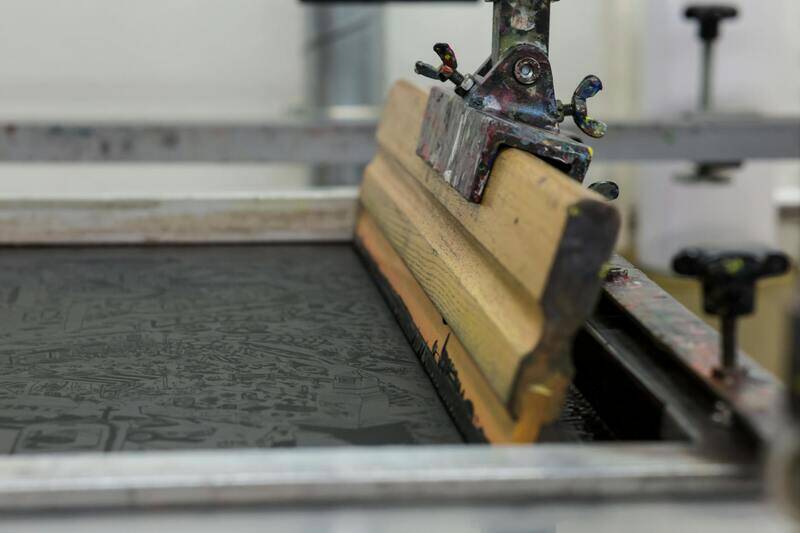
Creating large posters from photographs offers a wide array of options to suit different aesthetic preferences and display environments. Among the most popular formats are the standard poster prints, which typically come on durable paper with a matte or glossy finish, providing vibrant color reproduction and sharp detail. Canvas prints are another favored choice, giving images a textured, artistic feel that elevates the photograph to the level of fine art. Gloss finishes on posters enhance color vibrancy and contrast, making images pop, especially in well-lit spaces. Alongside these, matte finishes are preferred for reducing glare in brightly illuminated areas, ensuring the poster remains easily viewable from various angles.
Choosing Photos Suitable for Large Posters
The selection of an appropriate photograph is crucial when producing a large poster. High-quality, well-composed images with strong focal points tend to translate better on larger scales. It’s essential to select photos with a clear subject, balanced composition, and good exposure. Photos with excessive noise, blurriness, or pixelation may diminish in quality when enlarged. Consider the content as well—images that evoke emotion or tell a compelling story tend to resonate more effectively in large formats. Properly framing and cropping the image before printing will ensure key elements remain prominent and undistorted during resizing.
Importance of Image Resolution and Quality
Optimum image resolution is a cornerstone of producing impressive large posters. A standard guideline for high-quality prints is a resolution of at least 300 dots per inch (DPI) at the final output size. For instance, if the poster measures 48 inches by 36 inches, the image’s resolution should ideally be 14,400 by 10,800 pixels. Lower resolutions can lead to pixelation or a blurry appearance, significantly affecting the visual impact. Ensuring the camera settings, lens quality, and image processing techniques are aligned with these resolution standards will produce the best results. Always verify the original image quality and consider professional editing to enhance details and color accuracy prior to printing.
Design Considerations for Large Photo Posters
Designing for large-scale posters requires careful attention to composition and color dynamics. When enlarging a photograph, elements situated near the edges may experience distortion if not properly cropped, so framing the image to maintain focal clarity is essential. Contrasts and saturation levels might need adjustment to prevent images from appearing flat or dull once printed. Incorporate borders or framing elements if appropriate, and ensure that text or additional graphics complement rather than overwhelm the photograph. A balanced design will maximize visual appeal and ensure the poster remains captivating at a distance or close inspection.
Printing Methods and Materials
Several printing methods are available for producing large posters from photographs, each with specific advantages. Inkjet printing remains the most common choice, offering high resolution and color fidelity. It’s compatible with various materials, including paper, canvas, and film. Latex printing provides eco-friendly alternatives with quick-drying inks, suitable for both indoor and outdoor displays. UV printing ensures durability and resistance to fading, making it ideal for long-term installations. The selection of material—whether standard poster paper, canvas, or specialty substrates—depends on the intended use, budget, and desired aesthetic effect.
Size, Dimensions, and Aspect Ratios
The size of a large poster from photos should be determined based on the available space and viewing distance. Common large poster dimensions include 24x36 inches, 36x48 inches, and even larger formats like 48x72 inches. Understanding aspect ratios is critical to avoid distortion; adhering to the original photo’s aspect ratio ensures proportional scaling. If the desired poster size differs from the original image's aspect ratio, cropping or adding borders can be used to preserve the visual integrity. Measuring the installation area precisely before finalizing the dimensions will facilitate a flawless display and optimal visual impact.
Cost Factors and Budget Planning
Cost considerations for large photo posters encompass printing expenses, material choices, and finishing options. High-resolution printing on premium materials typically commands higher prices, but it ensures quality and longevity. The complexity of design work, such as retouching or custom framing, can further influence the budget. Planning ahead, comparing different printing providers, and understanding the scope of additional services—like mounting or lamination—will aid in developing a comprehensive budget. Balancing quality expectations with available resources is vital to achieving a striking visual result without overspending.
Installation and Maintenance of Large Photo Posters
Proper installation techniques are essential to ensure the stability and aesthetic appeal of large photo posters. Using appropriate hardware, such as heavy-duty frames, mounting strips, or adhesive solutions suited for the chosen material, will prevent warping or sagging over time. It’s important to handle posters carefully during installation to avoid damage. Regular cleaning with a soft, dry cloth can maintain clarity and vibrancy; never use harsh chemicals or abrasives. For outdoor displays, UV-protective coatings and waterproof materials can extend the lifespan, while indoor posters may require periodic repositioning or resizing to accommodate changing decor themes.
Choosing Photos Suitable for Large Posters
Selecting the right photographs is a critical step in producing impactful large posters from photos. To ensure that images translate well at a larger scale, consider the composition, subject matter, and overall visual clarity. The primary focus should be on images that possess a strong focal point, balanced composition, and vibrant colors that can maintain their appeal when expanded.
High-quality images with sufficient detail prevent pixelation and blurriness in the final print. Avoid images with busy backgrounds or excessive noise, as these can detract from the main subject and compromise visual coherence. Instead, opt for photographs where the primary elements are clear and well-defined.
Additionally, images that are shot with good lighting conditions often reproduce better in larger formats. Natural light or professionally lit scenes tend to have more balanced exposure and color accuracy, reducing the need for extensive editing before printing.
Creative considerations also play a part. For posters intended to evoke emotion or convey a specific message, choose images that evoke strong feelings through composition, color palette, and subject matter. Iconic landmarks, breathtaking landscapes, and detailed close-ups are popular choices for large posters due to their inherent visual impact.
Importance of Image Resolution and Quality
Achieving a crisp and vivid appearance in large posters hinges on the resolution of the original image. As the size of the poster increases, the pixel density must be high enough to maintain sharpness and detail.
For high-quality large posters, a minimum resolution of 300 DPI is recommended at the final print size. This ensures that the image retains clarity and richness, even when viewed up close. Images with lower resolutions risk appearing pixelated or blurry once enlarged, which diminishes visual impact and perceived professionalism.
Beyond resolution, other quality factors include color accuracy, contrast, and sharpness. High-resolution images often have a broader color gamut and finer detail, enabling the printer to reproduce colors faithfully and capture subtle nuances in the photograph.
In cases where high-resolution images are not readily available, image editing tools can upscale images. However, this process is limited and must be handled carefully to avoid loss of detail or introduction of artifacts. Whenever possible, starting with the highest quality source images is the best approach.
Design Considerations for Large Photo Posters
When planning the layout for a large poster, consider how the image's composition interacts with the final dimensions. Critical elements should be placed in areas that avoid cropping or distortion during the printing process.
Using negative space effectively can enhance the overall aesthetic, allowing the main subject to stand out and provide visual breathing room. Additionally, incorporating text or branding elements should be carefully balanced with the photographic content to maintain harmony.
Color grading or filters can be applied to ensure vibrancy matches the desired mood, especially when printing on different materials. Opt for clean, uncluttered designs that highlight the image's strengths and communicate the intended message clearly.
Finally, mock-ups or scaled-down proofs can be beneficial to visualize how the final large poster will look. This step helps in adjusting composition and ensuring key elements remain visually impactful at the intended size.
Types of Large Posters from Photos
Creating large posters from photos involves choosing the appropriate printing method and material to achieve the desired visual impact and durability. There are several common types of large posters, each suited to different applications and aesthetic preferences.
Giclée Prints
Giclée printing is a high-quality digital printing process that uses archival inks and fine art papers. This method is ideal for creating large posters with exceptional color fidelity and detail. It is often used for photographic art, posters for exhibitions, or high-end commercial displays. Giclée posters are renowned for their longevity, resisting fading over time, and providing a professional finish.
Vinyl Banners
Vinyl banners are versatile and durable, suitable for outdoor installations or temporary displays. They can be produced in enormous sizes with vibrant colors, making them popular for advertising campaigns, event signage, or promotional displays. Their weather-resistant nature ensures they retain appearance and structural integrity even under harsh environmental conditions.
Canvas Prints
Canvas prints lend a fine-art feel to large posters, adding texture and depth to the photographic image. They are frequently used for decorative purposes in homes, galleries, or corporate offices. The natural fiber of canvas enhances the visual appeal and makes it suitable for framing, giving a sophisticated, gallery-like presentation.
Film Photo Paper or Glossy Prints
Traditional photographic paper, especially glossy or semi-glossy finishes, is also used for large posters, especially when a highly detailed and color-rich image is desired. This method emphasizes clarity and color accuracy, making the images vibrant and eye-catching. It is more appropriate for indoor displays due to its sensitivity to environmental factors like moisture and UV exposure.
Aluminum Prints
For a sleek, modern aesthetic, aluminum prints provide a reflective, high-gloss surface that enhances the photograph's vibrancy. They are highly durable and resistant to scratches and weathering, making them suitable for outdoor or high-traffic indoor areas.
Choosing Photos Suitable for Large Posters
When selecting photographs for large-scale printing, the key consideration is the resolution. High-resolution images ensure that detail remains sharp and clear when enlarged, preventing pixelation or blurring. Aside from resolution, the quality of the image—sharpness, contrast, and color accuracy—directly influences the final result. Images with a strong focal point, balanced composition, and appropriate lighting tend to work best for large posters, as they can convey the intended message vividly and effectively.
Image Resolution and Quality

The resolution of an image is measured in pixels per inch (PPI). For large posters, a minimum of 150 PPI at the final print size is recommended to ensure crisp detail. Lower resolutions run the risk of appearing pixelated or blurry once printed at large dimensions. To achieve optimal quality, start with digital images of at least 300 DPI, especially if you plan to print in sizes exceeding 24 inches in width.
Additionally, color fidelity and tonal range contribute to how vibrant and life-like the poster appears. High-quality images captured with good lighting conditions and proper camera settings provide a solid foundation. When the source images are not sufficiently detailed, careful editing and upscaling techniques can be utilized, but these are limited and may not substitute for high-resolution originals.
Design Considerations for Large Photo Posters
The visual layout plays a crucial role in the overall effectiveness of a large poster. Elements such as cropping, composition, and use of negative space should be carefully planned to avoid distortions and to highlight the main subject. For instance, cropping should be done thoughtfully to ensure critical details are not lost, especially when the final print is significantly larger than the original image.
Using negative space effectively helps in directing viewers' attention to the focal points while maintaining visual balance. Incorporating text, branding, or additional graphical elements should complement the background photograph without overwhelming it. Color grading or filters can be applied selectively to enhance vibrance, mood, and consistency, particularly when working across different material surfaces or lighting conditions during printing.
Pre-visualizing the final product through digital mock-ups or proofs can assist in identifying potential issues before printing. This step enables adjustment in composition, contrast, or color balance to ensure that the large poster communicates the intended message powerfully and remains visually impactful at scale.
Types of Large Posters from Photos
Creating large posters from photographs involves various formats and materials, each suited to different display environments and purposes. Common types include canvas prints, vinyl banners, backlit posters, metal prints, and traditional paper posters. Canvas prints, often chosen for their artistic texture and durability, are ideal for indoor displays and can be stretched over frames for a polished look. Vinyl banners are weather-resistant, making them perfect for outdoor advertising or event signage. Backlit posters incorporate translucent materials designed to be illuminated from behind, enhancing visual impact in dimly lit spaces. Metal prints offer a modern aesthetic with high durability, making them suitable for corporate environments or outdoor displays. Traditional paper posters are a versatile option, frequently used for temporary advertisements or posters that require quick customization.
Choosing Photos Suitable for Large Posters
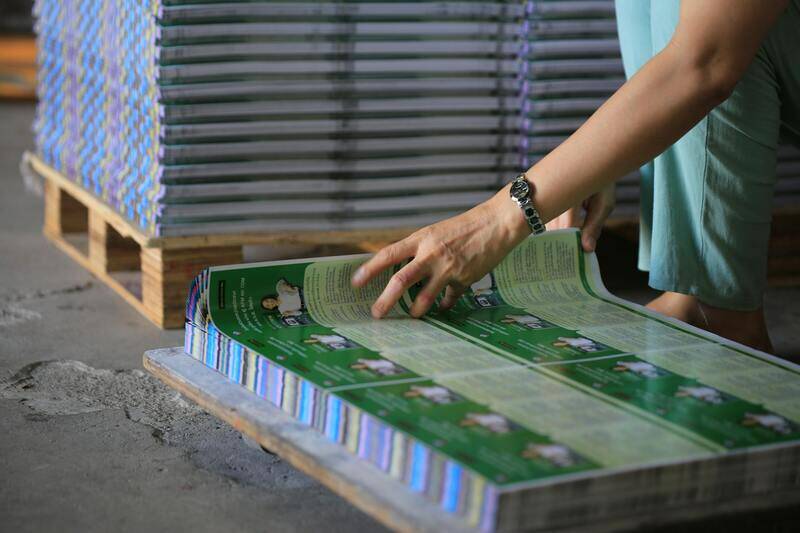
Selecting the right photograph is essential for achieving a visually compelling large poster. Images with clear focal points, vibrant colors, and sufficient detail translate well into larger formats. Photographs captured with professional-grade cameras tend to have the necessary fidelity, but high-quality images from smartphones can also suffice if they meet resolution requirements. When selecting images, consider the overall composition, balance, and the story you want to tell—these elements influence the poster's effectiveness. Additionally, images should have a strong contrast and distinct elements that remain recognizable even at expanded sizes. Opt for photos with minimal noise or grain, as these can become more prominent in large-scale prints. Eye-catching visuals with universal appeal or striking visuals aligned with branding strategies tend to generate the greatest impact in large formats.
Importance of Image Resolution and Quality
High-resolution images are critical for producing crisp, detailed large posters that retain visual integrity when enlarged. As a rule, images intended for poster printing should have a resolution of at least 150-300 DPI (dots per inch) at the final printed size. When working with photos from digital cameras, many images are captured with resolutions that comfortably exceed this range. Conversely, lower-resolution images require upscaling, which can introduce artifacts such as blurriness or pixelation. Advanced upscaling algorithms, often found in professional editing software, can mitigate some quality loss but cannot fully replicate the detail of an original high-resolution shot. Therefore, whenever possible, sourcing images with the highest available resolution is advisable. This ensures the final product maintains clarity and vibrancy, especially under close viewing conditions or when detailed elements are present in the design.
Design Considerations for Large Photo Posters
Effective layout and design are fundamental in translating a good photograph into a compelling large poster. Consider the aspect ratio of your image in relation to the desired poster size—distortions can occur if not properly managed. Cropping should enhance the composition by removing unnecessary elements while emphasizing focal points. Utilizing negative space strategically can help highlight key areas and create a balanced visual flow. When incorporating text or branding, ensure these elements do not overshadow the image; they should complement rather than compete. Color adjustments, such as enhancing vibrancy or applying filters, can help align the poster's mood with its intended environment. Digital mock-ups or proofs allow for pre-release evaluation, enabling adjustments in contrast, saturation, or layout to optimize impact before committing to print. This pre-visualization step helps ensure the final product is visually engaging and communicates the intended message effectively at scale.
Types of Large Posters from Photos
Creating large posters from your photographs opens up a variety of options tailored to different aesthetic and functional preferences. The most traditional type involves photographic prints on various materials, offering a realistic and vivid display of the original image. These can be mounted on foam boards, canvas, or rigid posters for a more durable presentation. Popular choices include:
- Glossy finish posters – emphasizing vibrant colors and sharp details, ideal for showcasing fine imagery and landscapes.
- Matte finish posters – reducing glare and providing a softer, elegant look, perfect for art or black-and-white photography.
- Canvas prints – offering a textured, artistic feel that mimics traditional paintings, suitable for images that benefit from an artistic touch.
- Wood or metal mounting – providing a contemporary, durable option for high-impact visual displays in commercial or residential spaces.
Beyond standard prints, custom options like acrylic mounted posters or digital canvas wraps allow for a more sophisticated presentation. Acrylic-mounted posters offer a sleek, reflective surface that enhances color depth, while canvas wraps create a gallery-like atmosphere, ideal for personal collections or high-end commercial displays.
Choosing Photos Suitable for Large Posters
Selecting the right photograph is a critical step for achieving a striking large poster. The ideal image should possess strong composition principles, such as a clear focal point, balanced exposure, and minimal noise or blur. High-contrast images with vivid colors tend to translate well at larger scales and command visual attention. When dealing with landscapes, cityscapes, or portraits, clarity of detail ensures the subject remains recognizable and impactful, even from considerable viewing distances.
- Ensure the photo has sufficient detail—fine textures and intricate elements survive larger formats without becoming blurry or pixelated.
- Avoid images with excessive noise or compression artifacts, which become more noticeable when enlarged.
- Think about the viewing environment — images with bold colors and clear subjects are more suited for public or large indoor spaces.
- Consider the emotional or aesthetic message the poster should convey; select images that resonate with the intended audience or setting.
Importance of Image Resolution and Quality
For large posters, image resolution plays a vital role in maintaining visual sharpness and clarity. Generally, printing at a resolution of at least 150-300 dots per inch (dpi) is recommended, depending on the viewing distance. An image with insufficient resolution—often measured in pixels—will produce a blurry or pixelated outcome upon enlargement, detracting from the poster’s visual appeal. To ensure optimal results, source high-resolution files, preferably in RAW or TIFF formats, which preserve detail and color fidelity.
Using images captured with professional-grade cameras ensures the resolution is adequate for large-format printing. If the original image is of lower resolution, it can sometimes be digitally enhanced through sophisticated software, but this process has limitations and may not fully replicate native detail. When preparing images for enlargement, always verify their pixel dimensions align with the target poster size, considering the desired dpi.
Design Considerations for Large Photo Posters
Effective design strategies are essential to maximize visual impact when translating images into large-scale prints. Maintaining correct aspect ratios ensures the image remains proportionate without distortion during resizing. Cropping should be thoughtfully executed to exclude distracting elements while emphasizing the main subject or scenic feature. Utilizing negative space around focal points guides the viewer’s eye and prevents cluttered compositions.
When adding textual elements or branding, balance is key. Text should be proportionate and placed to complement rather than overpower the image. Color adjustments, such as enhancing saturation or applying filters, help achieve the desired mood and ensure the poster stands out in its environment. Mock-up proofs are invaluable for previewing the final product, allowing for adjustments before committing to full-scale printing. This step reduces surprises and guarantees the print aligns perfectly with expectations.
Types of Large Posters from Photos
Creating large posters from photographs involves choosing the appropriate printing style that best fits the intended aesthetic and usage. One common type is the traditional photographic print, where high-resolution images are printed directly onto durable materials such as glossy or matte paper, offering sharp detail and vibrant color reproduction. Another prominent option is canvas prints, which provide a textured, artistic feel akin to a classic painting, suitable for interior decor or gallery displays.
Moreover, fabric posters, often made from polyester or other lightweight materials, are gaining popularity due to their flexibility, ease of transport, and resistance to creases. Vinyl banners and mesh posters come into play for outdoor or large-scale advertising, providing weather-resistant options that maintain visual clarity even under challenging environmental conditions.
Customized Options for Unique Visual Impact
- Metal prints, offering a sleek, modern aesthetic with exceptional durability and vibrant color retention.
- Mixed media displays that combine photographic images with textured elements or overlays for added depth and tactile appeal.
- Split or multi-panel posters, where a single large image is divided across several sections to create a panoramic or eye-catching visual impact when displayed together.
Each of these options allows for tailored visual effects, aligning with the specific demands of personal or commercial projects. Selecting the right type depends on factors such as location, environmental exposure, desired image longevity, and budgetary considerations.
Types of Large Posters from Photos
When selecting a method for creating large posters from photos, the choice of printing technology and material significantly influences the final appearance and durability of the poster. The most common types include:
- Paper Prints: High-quality photographic paper with various finishes such as glossy, matte, or satin. These are ideal for indoor displays where sharp details and vibrant colors are desirable.
- Canvas Prints: Printed onto stretched canvas, these posters exude a tactile, artistic vibe akin to traditional paintings, making them suitable for interior decor, art galleries, or personalized wall art.
- Vinyl Banners and Mesh Posters: Designed for outdoor environments, these materials are weather-resistant and flexible, suitable for large-scale advertising, event backdrops, or outdoor displays.
- Metal Prints: Garbed with a sleek, modern look, metal prints offer enhanced durability and vivid color retention, perfect for contemporary environments or statement pieces.
- Fabric Posters: Lightweight and easy to transport, fabric posters resist creases and are frequently used for trade shows, exhibitions, or temporary displays.
- Split or Multi-Panel Posters: These involve dividing a single image across several panels, creating impressive panoramic effects for large wall spaces or dramatic visual storytelling.
Design Considerations for Large Photo Posters
Designing for large-scale prints involves meticulous attention to composition, color balance, and image placement. Considerations include:
- Ensuring important visual elements are centralized or aligned to avoid cropping issues during printing.
- Using a clean, uncluttered layout that highlights the main subject without overcrowding the space.
- Incorporating borders or framing elements to enhance visual focus and make installation easier.
- Choosing contrasting colors and high contrast areas to make details pop from a distance.
- Refraining from overloading the design with fine details that could become indistinct when enlarged.
In addition to aesthetics, the technical compatibility of your design with the chosen material is critical. Avoid compression artifacts, ensure proper color profiles, and keep in mind the print resolution needed to maintain clarity when scaled to large dimensions.
Printing Methods and Materials
Several printing technologies are typically employed in producing large photo posters:
- UV Printing: Utilizes ultraviolet light to cure ink instantly, resulting in vivid color and enhanced durability. Suitable for metal, plastic, or rigid substrates.
- Solvent/Eco-Solvent Printing: Offers vibrant colors and weather resistance, often used for outdoor banners and large murals.
- Latex Printing: An environmentally friendly option that provides flexibility, excellent color gamut, and durability.
- Giclée Printing: A high-resolution inkjet process ideal for artistic reproductions on canvas or fine art papers, capturing intricate details and subtle color nuances.
The choice of material—be it paper, canvas, vinyl, or metal—depends on the intended display environment, longevity requirements, and budget considerations. Each material offers unique advantages that influence the visual impact and maintenance of the poster over time.
Official Methods to Obtain Large Posters from Photos
Securing large posters from photos through legitimate means involves a range of established avenues that maintain quality, authenticity, and dependability. Direct commissioning from professional printing services ensures that the image is reproduced accurately in size, resolution, and color fidelity. These companies utilize precision printing technologies, such as UV or latex printing, suitable for large-format applications, and employ high-grade materials to guarantee durability and visual impact.
Often, photographers or artists offer their work for reproduction directly, allowing for a personalized approach and ensuring that the images used are properly licensed. Collaborating through authorized distributors or licensing agencies provides access to a broad portfolio of high-resolution images, with clear rights for large-format printing. Acquiring images from licensed stock photo repositories ensures the content is authorized for commercial use, enabling the creation of large posters without concern over copyright constraints.
Ensuring that the image files have the appropriate resolution and are obtained from trusted sources prevents issues related to image quality, which is critical for large-format displays. When working with professional printers, technical specifications such as DPI (dots per inch) and color profiles are meticulously adhered to, guaranteeing an impressive final product that matches intended artistic vision and fidelity.
Utilizing Authorized Licensing and Subscription Services
- Stock Image Platforms: Platforms offering stock images with licensing options specifically for large-format printing provide a reliable choice, ensuring all rights are clear for commercial projects and large-scale reproduction.
- Official Artist or Photographer Direct Sales: Purchasing or licensing images directly from creators guarantees authenticity, and often includes specific instructions or permissions for resizing and printing large posters.
- Subscription Services and Libraries: Subscribing to services that provide access to high-resolution art collections simplifies obtaining images legally and efficiently, with various options tailored to different project needs.
Consulting Professional Printing Experts
Engaging with reputable printing companies that specialize in large-format posters ensures that the entire process—from image preparation to final production—is handled according to industry standards. Many of these businesses offer consultation services to help select appropriate images, formats, and materials, thereby guaranteeing that the final product meets both aesthetic and technical expectations.
Benefits of Using Certified Methods
- Access to high-quality, high-resolution images suitable for large-scale printing.
- Clear understanding of usage rights, avoiding potential intellectual property issues.
- Consistent color reproduction that accurately reflects the original image.
- Use of advanced printing technologies and premium materials for lasting quality.
By prioritizing official procedures and legitimate sources, consumers and businesses ensure their large posters from photos not only achieve impressive visual impact but also uphold the standards of quality and legality necessary for professional display and distribution.