Overview of Card Printing
Card printing is a specialized process that involves producing various types of cards for multiple applications. These range from identification badges and membership cards to promotional materials and gift cards. The significance of professionally printed cards extends beyond their basic function, contributing to brand identity, security, and personal or corporate presentation.
The process of card printing involves precise steps, from design creation to final production, ensuring that each card meets specific standards of quality and durability. For businesses and individuals, high-quality printed cards serve as tangible assets that facilitate access control, customer engagement, and data management.
In an era where visual appeal and security are paramount, the importance of reliable card printing services becomes clear. They enable organizations to produce cards that are not only functional but also visually compelling, equipped with features like custom logos, holograms, or embedded chips. This combination of utility and aesthetics enhances the overall value of the cards.
With advancements in printing technology, the scope and quality of card printing have significantly expanded, making it accessible to a broader audience. Whether for corporate identification, event access, or personal use, effective card printing solutions provide a seamless way to produce professional, durable, and personalized cards.

Materials and Card Stocks
Choosing the right material is fundamental to achieving durable and visually appealing cards. The most common material used is PVC (polyvinyl chloride), which offers excellent durability, flexibility, and resistance to wear and tear. PVC cards are suitable for ID badges, membership cards, and loyalty cards, ensuring a long lifespan even with frequent handling.
In addition to standard PVC, there are other options such as composite cards, which combine PVC with layers of polyester or other plastics to enhance strength and rigidity. This type is ideal for high-security applications where enhanced durability is required.
Specialized materials like PETG are also employed, known for their resistance to harsh environmental conditions and impact. For eco-conscious applications, biodegradable or recycled plastics are increasingly being utilized, aligning with sustainable practices.
Card stocks with different finishes—matte, gloss, or satin—affect the visual texture and tactile feel, contributing significantly to the card's overall aesthetic and professional look. Matte finishes tend to hide fingerprints and surface imperfections, while gloss finishes offer high shine and vibrant color reproduction.
Additional features such as magnetic stripes or embedded chips require specific substrates capable of supporting these components without compromising structural integrity. The selection of material must accommodate these functionalities, ensuring seamless integration during the printing process.

Printing Techniques and Technologies
High-quality card printing relies heavily on the technology used during production. Inkjet and laser printing are common, each suited for different volumes and purposes. Inkjet printers excel at detailed, full-color images and are often used for short runs or customized cards.
Digital offset printing, however, is ideal for larger quantities, providing sharp images and consistent quality across batches. This method applies ink directly to the card surface, allowing for precise color matching and high-resolution outputs.
Another advanced technique is dye sublimation printing, which involves transferring dye-based inks onto the card surface through heat. This process produces vibrant, durable images with excellent color fidelity, making it popular for photo ID cards and promotional materials.
Embossing and foil stamping are finishing techniques used to add tactile elements and metallic accents, respectively. These methods elevate the visual appeal and can include raised text, logos, or decorative borders.
Emerging technologies such as RFID and smart chip embedding are integrating electronic functionalities into cards. These innovations require specialized printing equipment capable of accommodating additional components, thereby expanding the functional scope of printed cards.

Design Considerations for Card Printing
Effective card design hinges on balancing visual appeal with functionality. An organized layout, clear branding, and easily readable text are fundamental elements. High-resolution graphics and consistent color schemes enhance the professional look of the card.
Incorporating security features such as watermarks, holograms, microtexts, and UV elements can protect against counterfeiting while adding an extra layer of authenticity. Placement of these features should be strategic to prevent easy duplication.
The use of contrast, appropriate font choices, and spacing ensures readability and aesthetic harmony. It is also crucial to consider the card's intended environmental conditions—cards that will be exposed to harsh weather or frequent handling should have designs that mitigate surface damage.
Design software like Adobe Illustrator, Photoshop, or specialized card design programs facilitate the creation of precise templates that align with the printing process, ensuring that all elements are correctly positioned and scaled.

Overview of Card Printing
Card printing encompasses a diverse array of techniques and processes designed to produce high-quality, durable, and visually appealing cards. This domain demands precise execution to ensure that each card fulfills its intended purpose, whether for identification, access control, membership, or branding. The process begins with selecting the appropriate materials and printing technology, followed by meticulous design and finishing steps. Understanding the core principles of card printing helps in choosing effective solutions that cater to specific needs, ensuring the final product is both functional and aesthetically compelling.

Modern card printing combines advanced hardware with innovative software, allowing for the production of complex and highly secure cards. These implementations involve the integration of various printing techniques such as dye sublimation, digital printing, offset printing, and thermal transfer. Each method offers distinct advantages in terms of print quality, speed, and cost-effectiveness. When selecting a suitable process, considerations include the volume of cards needed, level of personalization, security features required, and the desired longevity of the final product.
With the proliferation of digital technologies, printing systems now incorporate capabilities for embedded smart features. Incorporating electronic components like RFID tags or microchips into cards has become standard in many sectors, necessitating specialized printing setups capable of embedding these components seamlessly within printed surfaces. Such innovations significantly expand the functionality of printed cards, transforming them from simple identification tokens into dynamic communication or transaction devices.
Types of Cards Commonly Printed
- Identification Cards: Used by organizations for employee or student identification, often incorporating security features like holograms or microtext.
- Membership and Loyalty Cards: Designed for customer engagement, featuring customized branding and multiple security layers to prevent fraud.
- Access Control Cards: Utilized in security systems for entrance management, frequently embedded with RFID or smart chip technology for contactless entry.
- Gift and Reward Cards: Prefabricated or personalized, often with distinctive branding elements and tamper-resistant features.
- Financial Cards: Credit, debit, or prepaid cards that adhere to compliance standards and embed multiple security features for safe transactions.
Each card type requires tailored printing methods and materials to optimize performance, durability, and visual appeal. For example, financial cards demand high-security features and adherence to standards set by payment networks, while membership cards prioritize branding and customer engagement elements. The complexity of these designs underscores the importance of partnering with professional printing providers experienced in producing a wide array of card types within industry specifications.
Insights into Card Printing Techniques
To guarantee that each card meets its intended purpose, selecting the appropriate printing technique is essential. Digital printing has become increasingly popular due to its ability to produce high-resolution images rapidly and cost-effectively, making it ideal for small batch runs or personalized designs. Offset printing, on the other hand, excels in mass production scenarios, offering superior color fidelity and detailed image reproduction, which is crucial for high-volume projects requiring consistent quality.

Thermal printing methods, including dye-sublimation and direct thermal printing, are also prevalent, especially in producing identification and access control cards. These methods offer durability and quick processing times. Moreover, emerging technologies like UV printing and laser engraving are pushing the boundaries of card customization, enabling intricate designs, embedded security features, and durable finishes that withstand daily wear.
Emerging Technologies and their Impact on Card Printing
Innovations such as RFID embedding and holographic overlays are integrated during the printing process to enhance security and functionality. RFID technology allows for contactless transactions and access control, while holographic elements serve as anti-counterfeiting measures. Advances in UV printing facilitate high-precision, vibrant designs on various card materials, expanding creative possibilities and security options.
Optimizing Printing Methods for Specific Card Types
- Identification and Access Control Cards: Often printed using direct thermal or digital printing combined with laser engraving for personalized data and security features.
- Financial and Membership Cards: Require offset printing for detailed artwork and multi-layer security features, including embedded chips or holograms.
- Gift and Reward Cards: Utilize digital or offset printing with customized branding elements to enhance visual appeal and brand recognition.

Matching the appropriate printing technology to the specific card type ensures not only aesthetic appeal but also functional performance, durability, and security. Partnering with experienced providers who utilize state-of-the-art equipment allows for tailored solutions that meet the diverse needs of clients across various industries.
Materials and Card Stocks
Choosing the right material and cardstock for card printing is fundamental to creating durable, high-quality cards that meet functional and aesthetic demands. Standard options include PVC and composite materials, which are favored for their robustness and flexibility. PVC (polyvinyl chloride) is the most prevalent due to its affordability, ease of processing, and resistance to wear and tear. Its smooth surface provides excellent print quality, making it ideal for identification, membership, and loyalty cards. Additionally, PVC can be enhanced with various finishes, such as matte or gloss, to achieve distinct visual effects.
Composite cards combine PVC with other materials like polyester or PET, which offer increased strength, flexibility, and resistance to bending or cracking. These are particularly suitable for cards subjected to frequent handling or outdoor environments.

For specialized purposes, alternative materials such as PET, Teslin, or biodegradable options can be used to cater to specific environmental policies or branding initiatives. Some cards incorporate embedded electronic components, which require substrates with conductive properties or integrated layers.
Considerations for Material Selection
- Durability: How well the card withstands daily handling and environmental factors like moisture, UV exposure, and bending.
- Cost-effectiveness: Balancing quality with budget constraints for large volume productions.
- Compatibility with Printing Technologies: Ensuring the selected material supports the specific printing process, such as UV printing, offset, or digital printing.
- Security Features: Materials that can incorporate advanced security elements like holograms, embedded chips, or embedded security fibers.
Advancements in materials science continue to expand options available for card printing, offering manufacturers and clients greater flexibility in designing cards that are both functional and visually appealing.
Materials and Card Stocks
When selecting the appropriate materials for card printing, understanding the properties of various card stocks is crucial for achieving the desired durability, appearance, and functionality. PVC (Polyvinyl Chloride) remains the most popular choice due to its robustness, flexibility, and affordability. It provides a stable platform for printing vibrant graphics and supports a wide range of security features, making it suitable for identification cards, membership cards, and payment cards.
Composite materials, which combine PVC with other substances like polyester or PET (Polyethylene Terephthalate), offer enhanced strength and resistance to environmental stressors. These cards tend to be more flexible and less prone to cracking or bending, making them ideal for cards exposed to frequent handling or outdoor conditions. The added durability ensures that the cards maintain their appearance and functionality over extended periods.

In the realm of specialty materials, options such as Teslin, PETG, and biodegradable substrates are increasingly gaining attention. Teslin, for example, offers excellent printability combined with strong durability, making it suitable for high-security or environmentally conscious applications. Biodegradable card stocks support eco-friendly initiatives and appeal to organizations aiming to reduce their environmental footprint.
Additionally, some cards are embedded with electronic components like chips or security fibers, necessitating substrates with specific conductive or layered properties. Such materials allow for the integration of advanced security and interactive features that enhance the card's functionality and protect against counterfeiting.
Considerations for Material Selection
- Durability: The ability of the material to withstand daily handling, environmental exposure, and physical stress.
- Cost-Effectiveness: Balancing the production costs with quality requirements, especially for large-volume orders.
- Compatibility with Printing Technologies: Ensuring the chosen material supports the printing methods used, such as digital, offset, or UV printing.
- Security Features: Materials that support the incorporation of holograms, embedded chips, or security fibers to enhance card integrity.
Advances in materials science have broadened the horizon of possibilities in card manufacturing, allowing for customization in strength, appearance, and embedded functionalities. Each choice of material contributes to the overall performance and visual appeal of the final product, aligning with specific project goals and operational requirements.
Additional Image
Choosing a Card Printing Service Provider
When selecting a suitable provider for card printing, it is essential to focus on key factors that ensure the production of high-quality, durable cards with precise customization. Reputable service providers employ advanced printing technologies and uphold strict quality control standards to meet client specifications effectively. Clients should evaluate a provider’s experience in handling various card types, from simple membership cards to complex security-embedded identification solutions.
Turnaround time is another critical aspect, particularly for projects with tight deadlines. An efficient printing partner maintains clear communication channels and offers reliable delivery schedules. Pricing structures should align with project budgets without compromising the safety and visual standards of the final product. Transparent quotations and detailed service agreements help in establishing trust and clarity from the outset.
Moreover, providers offering a broad range of customization options—such as different card stocks, finishes, and security features—are preferable. Expertise in integrating unique design elements, complex holographic overlays, or embedded electronic components further distinguishes a reliable printer. It is also advantageous if the chosen service has experience with environmentally conscious materials and sustainable printing practices, aligning with corporate social responsibility goals.

Maintaining the Quality and Longevity of Printed Cards
Proper maintenance and understanding of the factors influencing the longevity of printed cards are vital to preserving their appearance and functionality over time. Several protective measures can be employed during and after the printing process to enhance durability, such as applying protective overlays or UV coatings to safeguard against scratches and wear. Regular cleaning of contacts or embedded chips is necessary if security features are integrated.
Environmental conditions also play a significant role in card preservation. Store cards away from excessive heat, humidity, and direct sunlight to prevent fading, warping, or degradation. Using protective sleeves or cardholders further extends the lifespan, especially for cards frequently handled or exposed to challenging environments.
Understanding the limitations of different materials and finishes allows for better decision-making regarding their appropriate use. For example, high-gloss finishes offer vibrant visuals but may be prone to showing scratches, whereas matte finishes can hide minor imperfections and provide a more resistant surface. By choosing suitable protective coatings and storage conditions, organizations can ensure their cards remain functional and visually appealing throughout their intended lifespan.
Effective Methods for High-Quality Card Printing
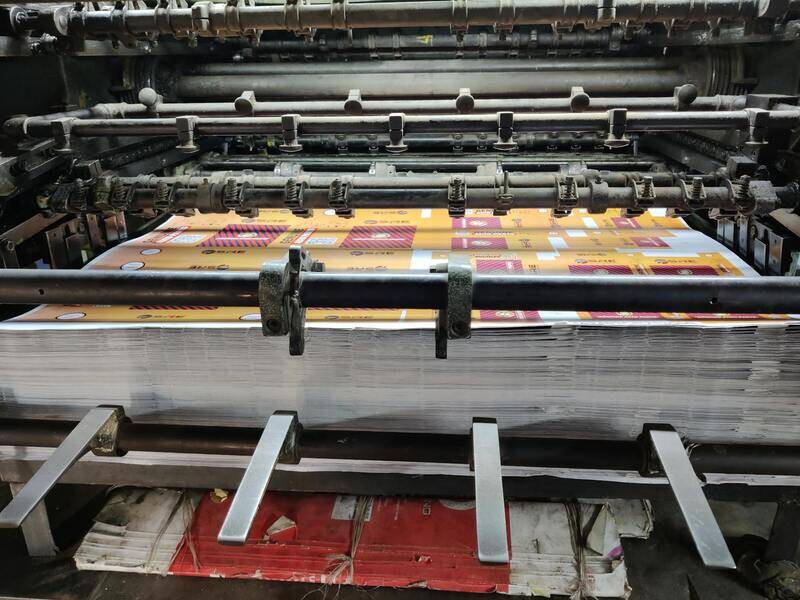
Executing flawless card printing requires meticulous adherence to standardized, reputable techniques that guarantee clarity, durability, and an appealing finish. The process begins with selecting the appropriate printing method suited to your card type and desired output. For instance, digital printing offers quick turnaround times and excellent photo reproduction, making it ideal for small batches and customization. Offset printing, on the other hand, excels in producing large volumes with high precision and consistent color matching, suitable for enterprise-grade ID cards or membership cards.
Proper Card Dimensions and Layout
Adherence to standardized dimensions—commonly ID-1 or CR80 size—ensures compatibility with card readers and wallet pockets. Precise layout and bleed margins prevent important design elements from being cut off. Consider incorporating safety zones and alignments during the design phase to maintain visual integrity after trimming, especially for cards with intricate graphics or embedded features.
Color Management and Image Resolution
Utilizing high-resolution images (minimum 300dpi) guarantees sharp image reproduction. Color management tools help maintain color consistency across batches, especially when printing large volumes. Incorporating Pantone color matching can also ensure brand accuracy, which is crucial for corporate branding and identity.
Advanced Printing Technologies for Unique Features
Emerging printing technologies enable embedding security features and special effects directly into the card surface. Techniques such as holographic overlays, microtext, and UV-sensitive inks enhance both security and aesthetic appeal. Thermochromic and magnetic stripe embedding further expand functionality, making your cards more versatile and tamper-resistant.
Environmental and Handling Considerations During Printing
Maintaining optimal environmental conditions—temperature, humidity, and dust control—during printing sessions ensures high fidelity results. Proper handling of materials, avoiding fingerprints or scratches on the surface before the finish, contributes to a clean final product. Regular calibration and maintenance of printing equipment are essential to sustain consistent quality across production runs.
Post-Printing Verification and Quality Checks
Each batch should undergo thorough quality control processes, including visual inspections for color accuracy, registration, and surface flaws. Functional tests such as card bend tests or scratch resistance evaluations verify durability. Incorporating RFID or magnetic stripe testing ensures embedded features are operational. Establishing standard operating procedures for quality assurance significantly minimizes errors, reduces waste, and boosts customer satisfaction.

Summary
Implementing legitimate, regulated card printing methods encompasses appropriate material selection, precise design, application of advanced printing technology, and rigorous quality control. These steps collectively ensure the production of visually appealing, durable, and secure cards tailored to diverse organizational needs. Maintaining a consistent approach, embracing technological innovations, and adhering to industry standards pave the way for delivering excellent card printing services.