Overview of Custom Card Printing Services
Custom card printing services offer a specialized approach to producing high-quality, personalized cards that serve a variety of personal, professional, and commercial purposes. These services cater to clients seeking distinctive, tailored designs for a wide range of applications, including business cards, greeting cards, invitations, loyalty cards, and event-specific cards. With the evolution of printing technology and design software, custom card printing has become more accessible and versatile, enabling clients to create unique items that accurately reflect their brand identity or personal style.
Businesses frequently leverage custom card printing to enhance branding efforts by producing professional business cards that leave a lasting impression on clients and partners. Entrepreneurs and organizations also utilize greeting cards and invitations for corporate events, celebrations, and promotional campaigns, fostering stronger customer relationships and community engagement. Meanwhile, individuals may opt for personalized greeting or invitation cards for personal milestones, such as weddings, birthdays, or other special occasions.

Beyond their aesthetic appeal, custom cards often feature unique textures, finishes, and materials that elevate their perceived value. The flexibility of customization allows for extensive options in terms of size, shape, and embellishments, ensuring that each card aligns precisely with the intended purpose and brand identity. Because of their bespoke nature, these cards are often used as premium marketing tools, gift items, or keepsakes, making them an essential component of strategic visual communication and personal expression.
Types of Cards Available for Custom Printing
When selecting a custom card printing service, understanding the variety of card types and materials is essential to achieve optimal results that meet both aesthetic and functional requirements. The most common options include standard paper and cardstock, but specialty materials are increasingly popular for creating unique, premium-quality cards.
Standard paper cards typically range from lightweight options suitable for mass mailing to heavier, more durable stocks that convey a sense of quality. Cardstock, in particular, is favored for business cards, greeting cards, and invitations due to its thickness and sturdiness, which add a tangible sense of professionalism and durability.
Beyond basic paper, specialty materials such as textured paper, linen-finish, or matte and gloss coatings provide sensory richness and visual appeal. These materials can incorporate unique tactile experiences, like embossed or debossed patterns, further enhancing the perceived value of the cards. For high-end branding, materials like metallic or foil-stamped papers create an eye-catching appearance that immediately captures attention.
For distinctive applications, some services offer eco-friendly options, such as recycled papers, plant-based materials, and biodegradable finishes. These choices appeal to clients aiming to align their printed collateral with environmentally conscious values. Additionally, some printing services offer flexible options for custom shapes, die-cut designs, or cards with rounded or specialty edges, enabling a truly bespoke product that stands apart from traditional rectangular formats.

Design Options and Customization Features
Customization is at the heart of bespoke card printing. Clients can choose from a wide array of design features to tailor their cards precisely to their needs. This includes selecting the size, shape, and orientation—be it standard rectangular, square, rounded corners, or entirely custom die-cut shapes. Fine details like embossing, debossing, foil stamping, and spot UV coatings can accentuate specific elements, adding a layer of sophistication and tactile interest.
Color precision is vital for ensuring brand consistency. Most professional services utilize advanced color management systems and CMYK or Pantone matching to produce accurate, vibrant hues. Additionally, options such as gradient effects, textured backgrounds, and bespoke illustrations allow for a personalized artistic touch that aligns perfectly with branding guidelines or personal preferences.
Incorporating finishing touches like matte, gloss, or satin coatings can influence the final appearance and durability of the card. These finishes protect the design and enhance visual impact, making the print stand out even more. Custom inserts, double-sided printing, and the inclusion of relevant graphics or logos further contribute to creating a card that not only functions effectively but also leaves a lasting impression.

Printing Techniques Used in Custom Card Production
Innovation in printing technology offers a multitude of techniques that cater to diverse design needs and material selections. Offset printing remains a popular choice for large-volume orders due to its cost efficiency and high quality output. It ensures consistent color reproduction and sharp detail across extensive runs.
Digital printing, on the other hand, excels in short runs or highly personalized cards, providing quick turnaround times and cost-effective solutions for small quantities. Digital methods also accommodate variable data printing, enabling unique personalization on each card without additional setup costs.
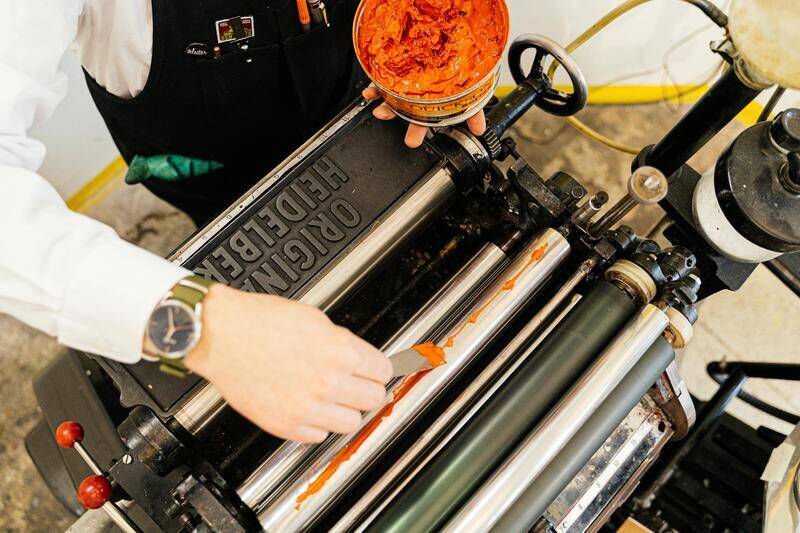
Specialty printing techniques such as letterpress, foil stamping, UV coating, and embossing add tactile and visual dimension to cards. Letterpress delivers a vintage yet refined aesthetic through deep impression, while foil stamping introduces metallic accents that catch the eye. UV coating enhances glossiness and durability, and embossing creates raised elements that invite touch and elevate design impact.
Choosing the appropriate printing technique depends on the desired aesthetic, budget, and volume. Professional service providers employ a combination of these methods to optimize quality and achieve tailored effects that reinforce the brand or personal message embedded within the card.

Types of Cards Available for Custom Printing
When selecting a custom card printing service, understanding the variety of cards offered is essential to achieving the desired aesthetic and functional goals. The most common types include business cards, greeting cards, loyalty cards, invitation cards, and special occasion cards, each tailored to specific needs and occasions. Each type can be further customized with unique shapes, sizes, finishes, and design elements to ensure they stand out and effectively communicate your message.

Business Cards
Business cards remain a cornerstone of professional branding, offering an immediate connection point. Customization options include thick card stocks, rounded or die-cut shapes, matte or gloss finishes, embossing, foil accents, and spot UV coatings. These enhancements help create memorable cards that reflect a brand’s identity and leave a lasting impression.
Greeting and Invitation Cards
These cards are ideal for special occasions such as weddings, birthdays, corporate events, or holidays. They often feature elaborate designs, embossing, foil stamping, and layered textures. High-quality paper stocks and finishes such as soft-touch matte or glossy coatings enable personalization that aligns perfectly with event themes.
Loyalty and Membership Cards
Designed for repeated use, these cards focus heavily on durability and security features like QR codes, magnetic stripes, or embedded chips. Custom printing allows integration of vibrant branding and security elements in a variety of shapes, with options for matte or gloss finishes, tactile textures, and clear label areas for barcodes or serial numbers.
Specialty Cards
Custom shapes, textured finishes, metallic accents, and innovative materials are often used to craft specialty cards that serve niche purposes or promotional campaigns. Examples include gift cards, event passes, or promotional giveaways, where standout features are achieved through advanced printing techniques and material selections.

Customization Features to Elevate Card Design
- Material Choices: Various paper stocks, plastics, and textured surfaces.
- Shape and Size Variations: Standard, rounded corners, die-cut, or custom shapes.
- Finishes: Matte, gloss, soft-touch matte, or velvet.
- Printing Techniques: Offset, digital, letterpress, foil stamping, embossing, UV coating.
- Additional Effects: Spot UV, lamination, laminated layers, holographic effects.
- Personalization: Variable data printing, custom graphics, and branding elements.
Each of these options can be combined to produce a cohesive and visually compelling card that captures the intended message and aesthetic. Professional printing services leverage their expertise and advanced equipment to ensure each customization element integrates seamlessly, resulting in a product that aligns with specific brand guidelines or personal preferences.
Printing Techniques Used in Custom Card Production
Implementing the right printing technique is crucial for achieving the desired quality, durability, and visual impact of custom cards. Various methods have been developed to cater to diverse design complexities and production volumes, each with unique advantages and applications.
Digital Printing
Digital printing is a versatile method often preferred for short runs or highly personalized cards. It allows for quick turnaround times and precise replication of complex designs, including variable data such as names or serial numbers. This technique is ideal for bespoke projects needing frequent updates, such as event passes or promotional cards with unique identifiers.
Offset Printing
Offset printing remains a popular choice for high-volume production of premium quality cards. It provides sharp color accuracy and consistent results across extensive runs. Offset processes are especially suited for designs incorporating multiple colors and detailed artwork, making it a preferred option for corporate branding cards, loyalty programs, or gift cards requiring a refined aesthetic.
Letterpress Printing
This classic technique involves pressing inked elements onto a textured surface, creating a tactile, embossed effect that adds depth and sophistication to the design. Letterpress is often used for business cards or bespoke invitation cards, where the tactile experience enhances the perceived value of the product.
Foil Stamping and Hot Foil Printing
Foil stamping introduces metallic or pigmented foils onto the surface of the card, producing eye-catching embellishments. This method is frequently used to highlight logos, borders, or text, imparting a luxurious or high-end appearance suitable for premium branding and corporate gift cards.
UV Coating and Specialty Effects
UV coating provides a glossy, reflective finish that enhances colors and offers extra protection against scratches and wear. Combined with other effects such as holographic layers or spot UV, it elevates the visual appeal and durability of custom cards, making them stand out in competitive environments.

The selection of a suitable printing technique depends on factors such as budget, desired aesthetic, production volume, and functional requirements. Professional print providers offer expertise in matching the right method to each project, ensuring that the final product meets both visual and operational expectations.
Factors to Consider When Choosing a Printing Service
Opting for a professional custom card printing service involves evaluating several key factors to ensure your needs are met effectively. The first consideration is the quality of the materials and printing process used. Top-tier printers utilize high-grade cardstock, advanced printing techniques, and environmentally friendly inks, resulting in durable, vibrant, and sophisticated cards. The clarity of printing, color fidelity, and the precision of finishes like embossing or foil stamping are crucial markers of quality.
Another important aspect is the turnaround time offered by the service provider. Reliable printers can deliver your order within a timeframe that aligns with your project deadlines, minimizing delays. It’s beneficial to inquire about their production capacity and readiness to handle rush orders if needed.
- Pricing Structure: Understanding how pricing is formulated helps in budget planning. Be aware of setup fees, per-unit costs, and any additional charges for special finishes or custom features.
- Material Options: The variety of cardstock types, textures, and finishes available can significantly impact the final look and feel of your cards. High-quality materials contribute to a professional presentation and increased durability.
- Customer Support and Service: Effective communication channels and responsiveness are essential. A skilled customer service team can assist in selecting options, troubleshooting issues, and providing guidance throughout the printing process.
- Portfolio and Client Testimonials: Reviewing previous work and feedback from other clients offers insight into their expertise and reliability. Portfolio samples demonstrate the range of capabilities and the quality standards maintained.
By carefully assessing these aspects, you can select a custom card printing service that aligns with your project’s specifications and standards, ensuring a seamless and satisfactory experience from design to delivery.

Factors to Consider When Choosing a Printing Service
When selecting a custom card printing provider, several critical aspects ensure your project’s success and satisfaction. These elements help you evaluate whether a service aligns with your specific needs, budget, and timeline.
Print Quality and Consistency
High-quality output is fundamental. Request samples or view portfolios to assess the clarity of images, sharpness of text, and richness of colors. Consistency across batches indicates reliable calibration of printers and quality control measures, reducing the risk of variations in your final products.
Range of Customization Options
A versatile service should offer a broad spectrum of design elements and finishing options. This includes various cardstock types, textures, die-cutting capabilities, embossing, foil stamping, and matte or gloss finishes. The ability to tailor these features ensures your cards reflect your brand or personal style precisely.
Turnaround Time and Production Capacity
Timely delivery is essential. Confirm the provider’s typical turnaround timelines and whether they can accommodate rush orders without compromising quality. Understanding their production capacity also gives insight into their ability to handle larger or complex projects efficiently.
Pricing and Transparency
Transparent pricing structures, including setup fees, unit costs, and potential charges for special finishes, facilitate accurate budgeting. Comparing these details across multiple providers can help you identify the best value without sacrificing quality.
Customer Support and Communication
Effective communication channels support a smooth process. Responsive customer service can answer questions about design options, troubleshoot issues, and guide you through the ordering stages. Personalized assistance often results in a more satisfying end product.
Order Flexibility and Minimum Quantities
Check if the service accommodates your desired order quantities, especially for small batch or one-off projects. Flexibility in minimum order requirements saves costs and aligns with your project scope, whether you need a handful of cards or thousands.
Quality Assurance and Review Process
Understand the steps involved in verifying your designs before production. Some companies offer proof approvals, physical or digital, ensuring your orders meet expectations. Quality control measures throughout the printing process help maintain high standards.
Sustainable Practices
Incorporating environmentally responsible procedures and materials is increasingly important. Look for providers using eco-friendly inks, recycled papers, and energy-efficient processes that support sustainability efforts.
By considering these factors, you ensure that the chosen printing service not only delivers visually appealing and durable cards but also provides a seamless experience from design to delivery, aligning with your project goals and standards.
Factors to Consider When Choosing a Printing Service
When selecting a professional custom card printing service, several key aspects should be evaluated to ensure the final product aligns with your expectations and requirements. Assessing these factors helps in making an informed decision that balances quality, cost, and service reliability.
Print Quality and Material Selection
High-quality printing and durable materials are fundamental to producing professional and long-lasting cards. Reputable service providers use premium cardstock and sophisticated printing technologies such as offset or digital printing, which ensure sharp images, vivid colors, and clean details. It's also valuable to inquire about the range of materials available, including matte, gloss, or textured finishes, to match the aesthetic of your brand or personal style.
Design Support and Customization Capabilities
Reliable custom card printing companies offer comprehensive design assistance, whether through in-house design teams or easy-to-use online design tools. Customization options should include options for sizing, shape, corner styles, and special finishes. Advanced features such as embossed elements, spot UV coatings, or foil stamping can significantly enhance the appearance, so selecting a provider with diverse finishing capabilities is advisable.
Order Turnaround Time and Delivery Options
Timely delivery is crucial, especially for projects with strict deadlines. Reputable services provide transparent estimates of production and delivery times, often supported by tracking options throughout the process. Flexibility in rush orders and reliable courier partnerships ensure your cards arrive promptly and in optimal condition.
Pricing Transparency and Value
A trustworthy printing service clearly articulates its pricing structure, including costs per unit, setup fees, and any additional charges for special finishes. Comparing quotes among various providers can highlight the best combination of affordability and quality. Keep in mind that the lowest price may not always offer the desired durability or customization options; balancing cost with quality is essential.
Customer Service and Support
Responsive communication channels and dedicated customer support contribute to a smooth printing experience. The ability to discuss design ideas, clarify specifications, and resolve issues promptly reflects a service provider’s professionalism. Additionally, reviewing customer testimonials or feedback can provide insight into their prior performance and satisfaction levels.

Thoroughly evaluating these aspects ensures that your choice of custom card printing service aligns with your project requirements, producing cards that are visually appealing, durable, and delivered on time. Prioritize providers that demonstrate transparency, quality assurance, and strong communication to foster a positive collaboration throughout the production process.
Comprehensive Quality Checks and Finalization in Custom Card Printing
Achieving high standards in custom card printing necessitates meticulous quality checks before the final delivery. A reputable printing service employs rigorous inspection protocols at every stage of production to ensure that each card meets the predetermined specifications. This includes verifying color accuracy against the digital design files, checking for print defects such as smudges or misalignments, and safeguarding the integrity of special finishes or embossing. These quality control measures are crucial to delivering a product that aligns with client expectations and business branding standards.

Once the quality assurance process is complete, the service provider proceeds with finalizing the order for shipping. This involves securely packaging the cards to prevent damage during transit, often using sturdy boxes, bubble wrap, or custom packaging tailored to the card’s material and finish. Proper packaging not only preserves the condition of the cards but also reinforces the professional image of the company. Many providers include options for tracking shipments, which allows clients to monitor their order as it moves towards delivery, reducing uncertainty and providing peace of mind.
Additional Services Enhancing Custom Card Quality
- Proofing and Sample Approvals: Prior to mass production, most providers offer digital or physical proofs. These samples enable clients to review the design, color fidelity, and finish options, facilitating necessary adjustments and avoiding costly errors.
- Color Management: Advanced printing techniques employ color management systems to ensure that printed colors match digital designs. This precision is vital for maintaining brand consistency, especially with logo colors and specific branding elements.
- Material Testing: Some providers perform durability tests on different card stocks and finishes, ensuring the chosen materials withstand handling and environmental factors without compromising visual appeal.
The seamless integration of these finalization processes underscores the professionalism of the printing service, emphasizing their commitment to quality and client satisfaction. When selecting a provider, it is beneficial to inquire about their quality assurance protocols and certifications, which serve as indicators of their adherence to industry standards and best practices.
Custom Card Printing: Ensuring Longevity and Functional Excellence
Beyond initial aesthetics, the durability of custom printed cards is essential, particularly for items such as loyalty cards, business cards, or event passes that require frequent handling. High-quality inks, protective coatings, and robust materials extend the lifespan of the cards, maintaining their visual integrity and tactile appeal over time. Services that incorporate UV coatings or lamination provide enhanced resistance to scratches, fading, and moisture.
Furthermore, many advanced printing companies offer additional functionalities, including embedding holograms, QR codes, or RFID chips. These features not only add visual security elements but also facilitate integrated digital interactions, enhancing the utility and security of the cards in various applications.
Ensuring Customer Satisfaction and Repeating Business
Good communication during the final stages of production is crucial. Clients should receive updates on the progress and have the opportunity to review proofs or sample images before completion. Post-delivery, feedback mechanisms allow customers to evaluate the process and product quality, fostering continuous improvement for the service provider. A dependable provider encourages repeat business by consistently delivering on quality, timelines, and customer support, establishing trust and long-term partnerships.