Overview of Business Cards in Singapore
Business cards are an essential component of professional networking and corporate communication in Singapore. They serve as tangible representations of an individual’s or organization’s brand, facilitating seamless exchanges of contact information during meetings, conferences, and industry events. In Singapore’s highly competitive business landscape, the quality and presentation of a business card can significantly influence first impressions and future collaborations.
In the local business environment, the exchange of business cards often transcends mere etiquette; it symbolizes respect, professionalism, and attention to detail. When engaging in formal meetings or networking events, presenting a well-designed business card is considered a courteous gesture that underscores your commitment to professionalism. Conversely, the absence or poor quality of a business card can convey a lack of preparedness or seriousness about one’s business dealings.
Singapore’s multicultural society also impacts business card practices. With diverse cultural norms, especially among Chinese, Malay, Indian, and Western business communities, understanding local etiquette is vital. For instance, it is customary to accept business cards with both hands and take a moment to review the card respectfully before storing it carefully. Such practices foster trust and demonstrate cultural awareness, which can be advantageous in building strong business relationships.
Furthermore, the Singaporean business community often prefers concise and professionally designed cards that reflect clarity and elegance while maintaining a level of practicality. Common practices include including essential contact details such as name, title, company logo, phone number, email address, and physical address. Additionally, incorporating bilingual or multilingual texts is sometimes advantageous, especially when dealing with diverse clientele or international partners.
The significance of a business card in the Singaporean context extends beyond its functional role. It is also viewed as a reflection of personal and corporate identity, making the choice of design, material, and distribution methods highly strategic. Entrepreneurs and corporate representatives alike recognize the importance of having high-quality, visually appealing cards that align with their branding objectives.

In summary, business cards in Singapore are much more than contact identifiers—they are an integral part of professional etiquette and relationship building. As Singapore continues to position itself as a global business hub, the emphasis on well-crafted, thoughtfully designed business cards remains a key element in establishing credibility and fostering long-term partnerships across various industries.
Types of Business Cards Available
In Singapore, the variety of business cards caters to a wide spectrum of professional needs and branding strategies. Standard business cards remain the most common choice, designed to offer essential contact details with a clean and professional appearance. These cards are typically printed on durable cardstock, ensuring longevity and a premium tactile experience.
For businesses seeking to project a more luxurious image, premium business cards are prevalent. These often feature thicker materials, embossing, foil stamping, or textured finishes to create visual and tactile distinction. Such embellishments highlight attention to detail and reflect a company's commitment to quality.
Eco-friendly options are gaining traction among environmentally conscious firms and entrepreneurs. These cards utilize recycled paper or sustainable materials, often with minimalist designs that emphasize simplicity. Incorporating eco-friendly business cards demonstrates a company's commitment to sustainable practices and corporate responsibility.
Digital business cards have emerged as a modern alternative, especially favored by tech-savvy professionals and startups. These cards are stored electronically, allowing for quick sharing through QR codes, NFC technology, or mobile apps. Digital cards eliminate physical contact, enhance convenience, and are easily updateable without additional printing costs.
Design Principles for Effective Business Cards
An impactful business card must balance visual appeal with informative clarity. In Singapore's competitive business landscape, adhering to fundamental design principles is essential to creating cards that resonate and leave a lasting impression.
- Simplicity: Avoid clutter by focusing on core information such as name, title, and contact details. Use ample white space to facilitate readability.
- Brand Consistency: Ensure the design aligns with your company's branding elements—colors, logos, and fonts—to reinforce brand recognition.
- Legibility: Choose font sizes and styles that are easy to read, even at a glance. Avoid decorative fonts that compromise clarity.
- Contrast: Use contrasting colors for text and background to improve visibility, especially for critical information like contact details.
- Unique Elements: Incorporate subtle design features—such as embossed logos or spot UV finishes—that enhance tactile appeal without overwhelming the overall look.
Materials and Finishes for Business Cards
The choice of materials and finishes significantly impacts the perceived value of a business card. Singaporean companies often opt for high-quality substrates such as matte, gloss, or textured papers to match their brand image.
Matte finishes offer a sophisticated, understated look while minimizing fingerprints and glare, suitable for professional services. Gloss finishes enhance color vibrancy, making logos and images pop, ideal for industries like design or advertising. Textured options, including linen or embossed patterns, add a tactile dimension that can leave a memorable impression.
Additional finishes, such as foil stamping or spot UV coating, elevate the card’s aesthetic appeal and highlight specific design elements. Edge painting and rounded corners are minor modifications that contribute to durability and a unique visual profile.
Design Principles for Effective Business Cards
Creating an impactful business card in Singapore requires careful attention to design principles that ensure clarity, professionalism, and memorability. A well-designed card balances aesthetic appeal with practical readability. Key elements include the strategic use of layout, color schemes, typography, and branding techniques.
Layout is fundamental; it should guide the recipient’s eye naturally from the company logo to the contact details. A clutter-free design with ample white space prevents information overload and enhances readability. Positioning the most crucial information, such as your name, title, and contact numbers, prominently allows recipients to grasp essential details instantly.
Color choices play a vital role in establishing brand identity and visual hierarchy. A harmonious palette that aligns with your brand’s colors helps reinforce recognition while ensuring that text contrasts sufficiently from the background. For example, dark text on a light background or vice versa ensures easy legibility at a glance.
The selection of fonts is equally important; professional, clean fonts like sans-serif types promote readability. Avoid overly decorative or complex fonts that might impair clarity, especially in smaller sizes. Consistent typography throughout the card reinforces brand coherence and helps convey a polished image.
Branding techniques such as incorporating logo placement, using recurring visual motifs, or subtle patterns can make your card distinctive without overwhelming the overall design. Incorporating tactile elements like embossed logos or textured backgrounds can further elevate the physical presence of your business card, leaving a lasting impression.
Effective business cards also accommodate the specific cultural context of Singapore’s business environment. They often reflect a balance of modern minimalism with traditional elements, which resonates well across diverse industries and professional settings. By adhering to these design principles, your business card becomes a powerful tool for networking and brand reinforcement, ensuring your contact information is not only shared but remembered.
Materials and Finishes for Business Cards
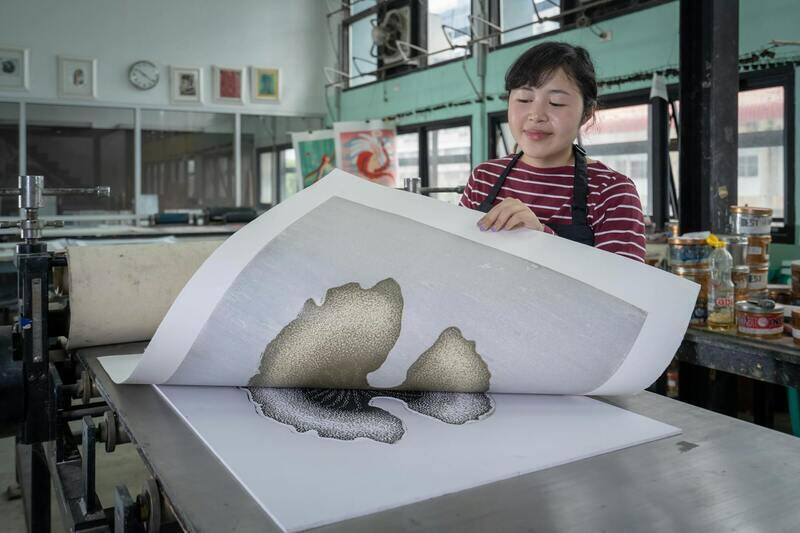
Choosing the right materials and finishes is crucial to creating a memorable and durable business card. The material impacts not only the feel and appearance but also how well the card withstands daily handling. Common options include high-quality cardstock, which provides a sturdy base and a professional impression. For a more luxurious feel, thick, layered cards or specialty materials such as plastic or metal can be utilized, adding a unique tactile component.
When considering finishes, options like matte and gloss coatings are popular for different reasons. Matte finishes offer a sophisticated look with subdued glare, ideal for minimalist and elegant designs. They also help reduce fingerprints and smudges, maintaining a clean appearance over time. Conversely, gloss finishes provide vibrant color reproduction and a shiny surface that makes design elements pop, useful for imagery-heavy or colorful cards.

Textured finishes, such as linen or soft-touch coatings, add an extra layer of sophistication and tactile interest. Textured surfaces can evoke a sense of quality and attention to detail, improving the overall perception of your brand. Soft-touch coatings offer a velvety feel that enhances tactile engagement, making the card more memorable.
Additional finishing options, including spot UV coating, foil stamping, or embossed elements, can further elevate the card's presentation. Spot UV involves applying a shiny coating to specific areas, creating contrast and visual interest. Foil stamping can add metallic accents that evoke luxury, while embossed details lend depth and dimension to the design.
Ultimately, selecting the appropriate combination of material and finish depends on your brand image, the industry you operate in, and the impression you wish to leave. Working with reputable printing providers in Singapore ensures that these specifications are executed precisely, maintaining quality consistency and achieving the desired aesthetic effect.
Legal and Cultural Considerations
When producing and distributing business cards in Singapore, understanding the local customs and formalities enhances the professional image your cards convey. While no explicit regulatory restrictions govern the content of business cards, it is important to respect cultural sensitivities and adhere to established standards of professionalism.
Proper representation includes using accurate contact details, avoiding ambiguous abbreviations, and ensuring that your design aligns with Singapore’s business etiquette. Including full names, official titles, and clear contact methods shows transparency and facilitates trust. For companies operating in specific sectors, such as finance or healthcare, additional information or certifications may be advisable to include, reinforcing credibility.
The language used on business cards should resonate with the target audience. English remains the dominant language in Singapore's business environment, but including bilingual elements—such as Malay, Mandarin, or Tamil—can demonstrate cultural respect and inclusivity, especially when engaging with diverse clientele.
In terms of cultural considerations, the presentation and design of business cards should reflect local preferences. Minimalist and elegant styles are highly appreciated, often emphasizing quality over quantity. Bright colors or overly ornate designs might be viewed as less professional, depending on your industry. Maintaining a balance between creativity and professionalism helps to leave a positive impression.

Networking events are common avenues for exchanging business cards. When presenting or receiving cards, a respectful approach—such as holding the card with both hands and taking a moment to review it—reflects good etiquette and fosters mutual respect. Sending a follow-up message referencing the exchanged card can further solidify the relationship.
Legally, it is vital to ensure that any claims or certifications featured on your card are truthful. Misrepresentation, whether in business credentials or affiliations, can damage reputation and credibility. Maintaining transparency and adhering to professional norms aligns with best practices for responsible communication.
Legal and Cultural Considerations
When creating and distributing business cards in Singapore, understanding the importance of adhering to certain standards and respecting local customs can significantly impact your professional relationships. While the design and content of your business card should reflect your brand identity, it is equally crucial that the information displayed is accurate and conforms to accepted standards. Ensuring that all claims, titles, and certifications are verifiable and up-to-date helps maintain your credibility across diverse cultural contexts.
In Singapore's multicultural environment, sensitivity to local traditions enhances the relevance and reception of your business cards. Incorporating elements such as bilingual text or culturally respectful symbols can demonstrate your commitment to inclusivity and cultural awareness. However, avoid overloading your card with excessive information or ornate embellishments, as this can detract from professionalism. Instead, aim for clarity and simplicity that resonate well within the local business sphere.

Distribution etiquette also plays a vital role in fostering positive interactions. When exchanging business cards, use both hands to present your card with the text facing the recipient. This gesture signifies respect and attentiveness, which are valued in Singaporean professional settings. Take a moment to review the received card thoughtfully without rushing, signaling genuine interest and courtesy.
Follow-up communication after exchanging cards can reinforce initial impressions. Sending a brief message referencing the conversation or shared interests added during the exchange can establish a foundation for future collaborations. Be mindful of privacy and avoid sharing sensitive information unless explicitly agreed upon, ensuring trust remains intact.
From a legal standpoint, it is advisable to avoid including any false or unverifiable information on your business cards. Claims about awards, certifications, or affiliations should be factually accurate and preferably verifiable through official channels. Misrepresentation, even unintentionally, can influence perceptions negatively and may complicate subsequent professional dealings.
Furthermore, understanding local customs around business card etiquette contributes to building respectful relationships. For example, some industries value formal attire and conservative card designs, while others may be more receptive to creative and vibrant visuals. Tailoring your cards to suit your industry and target audience can optimize their effectiveness in forging meaningful connections.
Overall, integrating cultural awareness with responsible communication practices ensures that your business cards serve as a reliable reflection of your professional identity. When combined with adherence to transparency standards, this approach fosters sustainable relationships and enhances your reputation within Singapore’s diverse business landscape.
Legal and Cultural Considerations
When preparing business cards in Singapore, it is crucial to be attentive to local cultural norms and naming conventions to ensure your cards resonate appropriately with local audiences. Familiarity with Singapore’s multicultural landscape—including Chinese, Malay, Indian, and Eurasian communities—can enhance the relevance and respectfulness of your business card design.
Most Singaporeans and business professionals prefer to see their names and titles presented in a manner that honors their cultural identity. For instance, some may prefer their surname before their given name, especially among Chinese communities, while others may include honorific titles that mirror their social or professional standing.
Language considerations are also vital. English remains the lingua franca of Singapore’s business scene; however, incorporating bilingual designs, such as English alongside Chinese, Malay, or Tamil, can demonstrate cultural awareness and inclusivity. This approach not only shows respect but also broadens your engagement potential within diverse client bases.
Design elements should be culturally sensitive, avoiding symbols or imagery that may inadvertently offend or misrepresent. For example, using auspicious colors like red and gold can be favorable in Chinese contexts, symbolizing prosperity and good luck. Conversely, neutral or subdued tones are often appreciated in more conservative industries or among senior professionals.

Respect for local customs extends to the manner of card exchange itself. When handing over your business card, use both hands and present it with a slight bow or nod, especially in formal situations. Receiving a card should be done with care, taking a moment to examine it before setting it aside respectfully. This etiquette underscores your professionalism and respect for local customs.
In addition to aesthetic considerations, ensure your business card contacts are accurate and up-to-date, reflecting your current position, company, and contact details. Including your business email, phone number, and official website enhances accessibility for potential clients or partners who wish to follow up or verify your credentials.
By aligning your business card design with Singapore’s cultural nuances and naming conventions, you effectively strengthen trust and rapport, laying a solid foundation for lasting professional relationships. This cultural attunement demonstrates your commitment to respectful and meaningful engagement within Singapore’s vibrant business environment.
Legal and Cultural Considerations in Business Card Usage
In Singapore, the exchange of business cards is more than a simple exchange of contact details; it embodies professionalism, respect, and cultural awareness. Ensuring that your business cards align with local customs and social norms can significantly enhance your professional relationships and foster trust in your business dealings.
Respect for Local Customs and Etiquette
When presenting your business card, use both hands to offer it to your counterpart, especially in formal situations or when interacting with senior professionals. Slight bowing or nodding while handing over the card demonstrates humility and respect. Similarly, upon receiving a card, take a moment to examine it carefully before storing it respectfully, such as in a cardholder or wallet, instead of immediately pocketing it. This gesture affirms your appreciation for the contact and reflects cultural awareness.
Design and Content Considerations
Business cards should reflect professionalism, clarity, and accuracy. Incorporate your official titles, company name, and current contact information, including local phone numbers and email addresses. Using a professional design that aligns with local aesthetic preferences—such as subtle color schemes or culturally relevant motifs—can leave a positive impression. Additionally, including both English and Mandarin Chinese, if applicable, demonstrates cultural sensitivity and broadens accessibility.
Color and Symbolism
Certain colors carry specific connotations within Singapore's multicultural environment. Red and gold are often associated with prosperity and good luck, making them popular choices for business card design, especially for industries valuing auspicious symbols. Neutral tones like navy or grey convey professionalism and conservatism, suitable for more formal or traditional business sectors. Avoid overly bright or clashing colors that can distract or seem unprofessional.

Localization of Content
Armed with knowledge of Singapore’s cultural nuances, adapting your business card content can better support your business objectives. This includes using local language scripts, such as Mandarin or Malay if relevant, and adhering to naming conventions. For instance, displaying your name and company in the format customary in Singapore can facilitate smoother recognition and rapport-building.
Official and Ethical Methods for Business Card Distribution
To maximize the effectiveness of your business cards, focus on legitimate, respectful methods of distribution:
- Networking Events: Hand out your business card during introductions or when the conversation naturally concludes, ensuring a respectful exchange.
- Meetings: Present your card at the beginning or end of a meeting, preferably after initial rapport has been established.
- Social Gatherings: Use informal settings to share contact information, maintaining a friendly and professional demeanour.
Always tailor your approach based on the context, ensuring not to overwhelm or appear overly aggressive in your sharing. Respect the other person’s cues and cultural preferences, which will foster mutual trust and respect.