Understanding Business Brochure Printing
Business brochure printing remains a fundamental element of marketing communication within Singapore’s competitive business landscape. Crafted effectively, a brochure functions as a tangible gateway for potential clients and partners to understand a company's offerings, values, and unique selling propositions. Its role extends beyond mere presentation; it acts as a strategic tool that builds brand awareness, fosters customer trust, and supports sales initiatives. In a market saturated with digital advertisements, professionally printed brochures provide a tactile experience that can leave a lasting impression, especially when designed with clarity and professionalism.
When businesses invest in print collateral like brochures, they are making a deliberate choice to communicate directly with their target audience in a manner that can be easily shared and retained. A well-printed brochure often serves multiple purposes:
- Introducing new products or services with detailed descriptions and visuals
- Highlighting company milestones, credentials, and testimonials
- Promoting upcoming events or special offers
- Serving as a leave-behind after meetings and exhibitions
In Singapore’s bustling commercial environment, where consumer attention is highly valued, the strategic use of business brochures can significantly impact a company's outreach efforts. Utilizing official, reputable printing methods ensures that your message is delivered with high quality, ensuring the material reflects the professionalism and credibility of your brand. Whether produced for local networking events, trade shows, or corporate gifting, business brochures are a versatile marketing asset that underscores your company's commitment to quality and detail.
Types of Business Brochures
Choosing the appropriate brochure format is fundamental to effectively convey your message and match your marketing objectives. Different formats serve specific functions and can enhance the readability, visual appeal, and overall impact of your printed materials. Here are some of the most common types of business brochures and suitable applications:
- Bi-Fold Brochures: Comprising two panels folded in half, bi-fold brochures offer a simple, clean layout ideal for presenting concise information, product descriptions, and images. They are perfect for introductory material, event invitations, or basic service summaries.
- Tri-Fold Brochures: With three panels folded inward, tri-folds are versatile and highly popular for their ability to organize content neatly. They are well-suited for detailed product catalogs, menus, or step-by-step guides.
- Booklet Brochures: These multi-page formats provide ample space for extensive information, case studies, or detailed event descriptions. Booklets give a professional look and are often used for annual reports, comprehensive service offerings, or training materials.
- Z-Fold Brochures: Similar to tri-folds but with a distinctive zigzag fold, Z-folds allow for creative, segmented sections, making them effective for segmented marketing campaigns or interactive presentations.

Design Principles for Effective Brochures
Design plays a pivotal role in ensuring your printed brochure attracts attention and communicates your message clearly. The key principles include:
- Clarity and Simplicity: Use concise language and avoid clutter. Clear headings, bullet points, and ample whitespace make content digestible.
- Visual Hierarchy: Highlight crucial information using size, color, and placement, guiding the reader's eye through the material naturally.
- Consistent Branding: Incorporate brand elements such as logos, color schemes, and typography to reinforce brand recognition and professionalism.
- High-Quality Imagery: Use professional photographs and graphics that reflect your brand’s quality, and ensure they are optimized for print to prevent pixelation.
- Engaging Call-to-Action (CTA): Clear, compelling CTAs guide recipients towards the desired response, whether making an inquiry, visiting a website, or attending an event.

Choosing the Right Paper and Finish
The tactile quality of your brochure can influence perceptions of your brand. Selecting the appropriate paper stock and finish enhances durability, visual impact, and overall perception:
- Paper Weight: Heavier papers (e.g., 250-1300gsm) lend a premium feel, suitable for high-end brands or important presentations. Lighter stocks are more economical and suitable for mass distribution.
- Finish Options: Matte finishes provide a sophisticated, glare-free surface ideal for readability and understated elegance. Glossy finishes enhance color vibrancy and are eye-catching but may be prone to fingerprints. Satin finishes offer a balanced option between matte and gloss.
- Special Coatings: UV coatings or soft-touch finishes can add a luxurious tactile experience, elevating your brochure's perceived quality.
Printing Technologies and Methods
Implementing official and reputable printing methods ensures the quality, accuracy, and consistency of your brochures. Notable printing techniques include:
- Offset Printing: Ideal for large-volume print runs, offset printing offers high-quality images, sharp details, and color consistency. It is cost-effective for bulk orders.
- Digital Printing: Suitable for short runs, quick turnaround, and personalized versions. Digital printing allows for easier updates and variations without significant setup costs.
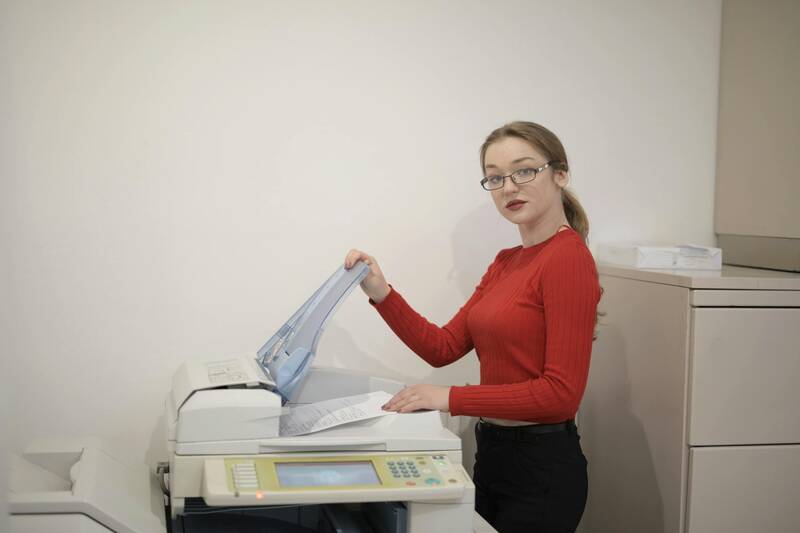
- Laser and Inkjet Printing: Often used for in-house or small-scale jobs, these methods are less suitable for large quantities but are useful for prototypes or quick proofs.

Understanding Business Brochure Printing
Effective business brochure printing requires a comprehensive understanding of the diverse options available to create a product that aligns with your brand identity and communication goals. The selection process involves carefully considering various aspects such as paper types, finishing options, and printing technologies. Each element plays a critical role in shaping the quality, durability, and visual appeal of the final brochure.
Paper Stock Selection
Choosing the appropriate paper stock is fundamental for producing a professional brochure. Heavierweights like 300-350gsm lend a premium feel, making them ideal for high-end brands, formal presentations, or important client communications. These thicker stocks not only enhance the tactile experience but also provide robustness that prevents creasing or tearing.
On the other hand, lighter paper stocks ranging from 90-170gsm are more economical and better suited for mass distribution or promotional materials intended for wide dissemination. These lighter papers reduce production costs while still maintaining sufficient quality for informational sheets or less formal uses.

Finish Options and Textural Effects
The finish applied to your brochure's surface can significantly influence its visual appeal and tactile experience. Matte finishes are preferred for a sophisticated look, providing a glare-free surface that enhances readability and lends an understated elegance. They are particularly suitable for text-heavy brochures, corporate reports, and minimalistic designs.
Glossy finishes, by contrast, amplify color vibrancy and make images appear more striking, ideal for product catalogs, marketing flyers, or artwork reproductions. The glossy coating also offers some protection against smudges and fingerprints, though it shows marks more readily than matte finishes.
Satin finishes strike a balance between matte and glossy options, offering a smooth sheen that enhances colors without excessive glare. This versatile finish is commonly chosen for versatile marketing materials where a subtle shine is desired.
Adding Special Coatings for Enhanced Appeal
Special coatings such as UV coatings or soft-touch finishes can elevate your brochure's perceived quality. UV coatings provide a durable, glossy surface that resists scratches and fingerprints, perfect for luxurious or high-visibility brochures. Soft-touch finishes offer a velvety texture that invites tactile interaction, creating a memorable impression for premium branding or exclusive products.
Choosing the Right Printing Technology
Implementing reputable printing methods ensures consistent quality and precise color reproduction. Offset printing remains the standard for large-volume projects, delivering sharp images and reliable color consistency at a lower per-unit cost with increased quantities. It is suitable for bulk orders requiring detailed, professional results.
Digital printing is the preferred choice for short-run jobs, personalized brochures, or projects needing quick turnaround times. It offers flexibility for updates and variations without the need for extensive setup, making it highly adaptable for small batches or prototypes.
In-house methods such as laser and inkjet printing are better suited for internal proofs, quick edits, or small-scale distributions. While these methods may not match the quality and efficiency of offset or digital printing for large runs, they provide valuable options for on-demand printing.
Optimizing Your Business Brochure Printing for Maximum Impact
When preparing for business brochure printing, selecting the most suitable printing method is crucial to achieving the desired quality, durability, and visual appeal. The choice of printing technology directly affects the brochure's appearance, tactile qualities, and cost efficiency. A comprehensive understanding of different printing techniques allows businesses to make informed decisions aligned with their branding standards and budget requirements.
Offset Printing
Offset printing stands out as the go-to method for large-scale brochure production. Its ability to deliver exceptional color fidelity, sharp details, and consistent results across extensive runs makes it ideal for corporate marketing campaigns, product launches, and trade shows. The initial setup involves creating printing plates, which makes it less economical for small quantities, but the per-unit cost decreases significantly as volume increases. This method is especially advantageous when the goal is to maintain brand consistency and produce high-end marketing materials that reflect professionalism.
Digital Printing
For projects requiring shorter runs or rapid turnaround, digital printing provides an excellent alternative. This technology eliminates the need for physical plates, enabling quick setup and flexible customization options. Digital printing excels in producing personalized brochures with variable data — such as names, addresses, or tailored messaging — which enhances the relevance and engagement of your marketing material. Its ability to adapt quickly to design changes makes it an indispensable tool for limited editions, prototypes, or test campaigns.
In-House Printing Methods
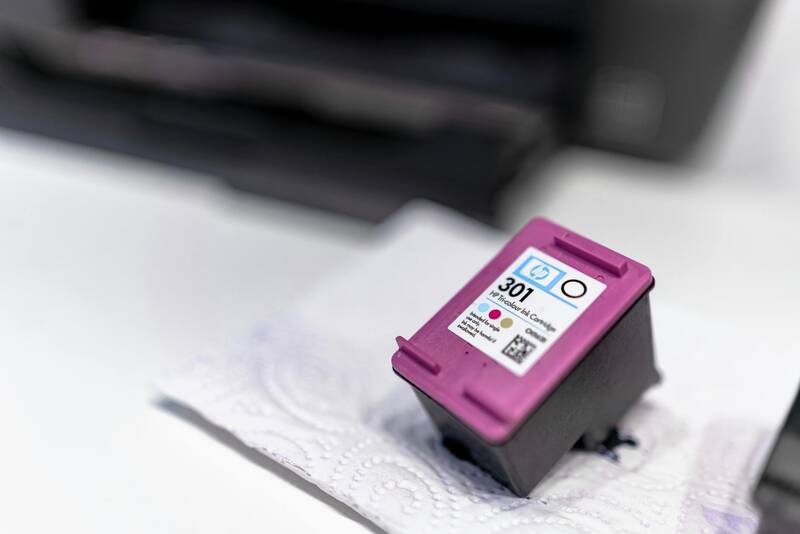
Laser and inkjet printers available in office settings serve well for internal proofs, draft versions, or small batch distributions. While not suitable for large-scale production due to limitations in print quality and speed, in-house printing provides immediate results and the convenience to correct or update content without incurring additional costs or delays.
Choosing the Appropriate Method
- Large volume, high-quality requirements: Offset printing
- Short runs, quick turnaround, customization: Digital printing
- Internal proofs or small-scale use: In-house laser or inkjet printing
Ultimately, selecting the right printing technology involves considering the quantity, timeline, budget, and the specific quality attributes desired for your business brochure. Partnering with a professional printing provider experienced in these methods ensures that you maximize your investment, achieving a brochure that effectively communicates your brand message and leaves a lasting impact on your audience.

Ensuring Accurate Color Reproduction and Quality Control
Maintaining color accuracy is essential in business brochure printing, as brand consistency relies heavily on precise color matching across various promotional materials. Professional printing services employ advanced color management systems that ensure the vibrancy and consistency of your brand colors, whether using CMYK or Pantone color matching. It’s equally important to implement rigorous quality control processes, which include proofing stages, color calibration, and quality checks before the final print run. This ensures that every brochure leaving the printer meets your standards and effectively communicates your brand identity.
Mastering Finishing Techniques for a Professional Look
The finishing processes applied to your business brochures significantly influence their tactile appeal and visual impact. Matte, gloss, and satin finishes are popular choices, each imparting a distinct look and feel. Matte finishes offer a sophisticated, understated appearance, reducing glare for easy reading. Glossy finishes enhance vibrant colors, making images and logos pop. Satin finishes strike a balance between the two, providing a subtle sheen that adds elegance without excessive reflection. Additionally, techniques like UV coating, lamination, embossing, and foil stamping can add depth and texture, further elevating the perceived value of your printed brochure.
For instance, using spot UV coating on specific elements like your logo can create a striking contrast against a matte background, drawing attention precisely where you want it. Embossing or debossing adds a tactile dimension that makes your brochure memorable and engaging, ideal for highlighting key messages or branding elements.
Effective Folding and Binding Options
The way a brochure folds and binds influences both its functionality and aesthetic appeal. Common folding styles include bi-fold, tri-fold, Z-fold, and gate fold, each serving different purposes depending on your content and layout. For detailed information or step-by-step designs, professional printers can advise on the most suitable folding style that complements your design and enhances readability.
Binding options like saddle stitching, perfect binding, or spiral binding offer durability and a polished finish, especially for multi-page brochures. The choice of binding is often dictated by the brochure's size, thickness, and intended use. Proper folding and binding not only improve presentation but also facilitate easy handling, increasing the likelihood of your brochure being retained and reviewed by your target audience.
Leveraging Innovative Features for Competitive Advantage
To stand out in a crowded marketplace, consider integrating innovative features into your business brochure. Elements such as perforated coupons, pull-out cards, or augmented reality (AR) markers can turn a static brochure into an interactive experience. These features encourage recipient engagement, providing a tangible or digital extension of your marketing efforts.
Eco-friendly options are also gaining traction, with sustainable paper stocks and environmentally conscious finishes that appeal to eco-minded consumers. When choosing features, weigh their functional benefits against production costs to ensure they enhance your messaging without overly inflating your budget.
Partnering with Experienced Printing Professionals
Expertise in business brochure printing translates into more than just high-quality output; it encompasses understanding your branding needs, recommending suitable printing techniques, and delivering on deadlines. Reputable printing providers conduct thorough consultations, offer samples, and assist with design optimization to maximize the impact of your brochures. They also provide comprehensive support throughout the ordering process, from proofing to final delivery, ensuring your vision materializes flawlessly.
Investing in professional advice and service guarantees that your final product aligns with your marketing goals, helping you craft compelling business brochures that resonate with your audience and reinforce your brand’s authority.
Understanding Business Brochure Printing
Business brochure printing requires careful attention to detail to produce marketing collateral that effectively communicates your company's message. The process involves selecting appropriate materials, design elements, and printing techniques that align with your brand identity and target audience. Using official and reputable printing methods ensures consistency, clarity, and quality, which are crucial for establishing credibility and a professional image. High-quality business brochures serve as tangible representations of your brand, providing potential clients and partners with valuable information about your products, services, and values.

Types of Business Brochures
There are several standard types of business brochures, each suited to specific marketing goals and presentation styles. These include bi-fold, tri-fold, z-fold, gate-fold, and booklet brochures. Selecting the appropriate type involves considering the amount of information to be conveyed and the visual layout that best showcases your offerings. Official printing methods adhere to industry standards, ensuring crisp images, accurate color reproduction, and durable finishes that reinforce your brand's professionalism.
Bi-Fold Brochures
- Compact and easy to handle, ideal for quick overviews.
- Offers four panels for organizing content hierarchically.
Tri-Fold Brochures
- Most common, providing six distinct sections for detailed messaging.
- Flexible layout suitable for various industries.
Other Variations
- Z-fold and gate-fold provide more elaborate presentations.
- Booklet brochures deliver comprehensive information in a durable format.
Design Principles for Effective Brochures
The efficacy of your business brochure largely depends on well-executed design principles. Clarity and simplicity should be prioritized to communicate your core message without overwhelming the recipient. Use high-resolution images and legible typography, and ensure that your branding elements, such as logos and color schemes, are consistent throughout. Strong visual hierarchy guides the reader's eye naturally through the content, emphasizing key points and calls to action. By adhering to these design principles, delivered through professional printing services, you guarantee a polished final product that enhances your brand recognition and leaves a memorable impression on your audience.
Consistency in Branding
Maintain visual consistency across all marketing materials by using standardized colors, fonts, and logo placement. This cohesiveness builds brand familiarity and trust.
Whitespace Utilization
Strategic use of whitespace improves readability and directs attention to essential information, preventing clutter.
Choosing a Printing Service in Singapore
Selecting an official printing provider in Singapore involves evaluating several criteria to ensure quality and reliability. Look for companies with a proven track record, extensive portfolio, and positive client feedback. Verify their adherence to industry standards and their capacity to offer a range of printing options, from paper stocks to finishes. Local providers often understand regional preferences and can deliver faster turnaround times, which is advantageous for time-sensitive campaigns. Consulting with experienced printing experts allows you to explore customization options, ensuring your business brochures meet both aesthetic and functional expectations, ultimately reinforcing your brand’s authority and professionalism.
Official and Reliable Methods for Business Brochure Printing
Engaging in business brochure printing requires adherence to established methods and standards that ensure the final product is both professional and effective. Working with reputable printing companies that utilize industry-approved practices guarantees high-quality results that accurately reflect your brand image. Such vendors employ precise color calibration processes, ensuring color consistency across batches, and follow strict quality controls during production to prevent defects like misalignment or color bleed. Following official guidelines for layout, bleed, and margin settings helps avoid costly reprints and delays. Additionally, certified printing facilities adhere to safety and environmental protocols, using environmentally friendly inks and sustainable paper sources that align with corporate social responsibility initiatives. By choosing printing methods that comply with recognized standards, businesses not only achieve superior visual appeal but also foster trust with clients and partners. This legitimacy further enhances your brand's reputation, reinforcing confidence in your products and services.
For organizations aiming to uphold their commitment to quality and professionalism, partnering with licensed printing providers who follow official industry practices is crucial. These providers often possess certifications from recognized standards organizations, ensuring their adherence to safety, quality, and environmental protocols. They also maintain detailed records for quality assurance purposes, allowing for traceability and accountability in every print run. When selecting a printing partner, verify their compliance by requesting documentation or certifications reflecting their adherence to industry standards. This due diligence guarantees that your business brochures are produced through methods validated by credible authorities, giving you peace of mind that your marketing materials are both effective and ethically manufactured.
Ensuring Confidentiality and Data Security
Particularly when printing sensitive or proprietary information, it is essential to work with vendors who uphold stringent confidentiality protocols. Reputable printing companies often sign non-disclosure agreements and employ secure data handling practices to protect your intellectual property. Using official channels and verified vendors safeguards your proprietary designs, client information, and strategic content from unauthorized access or misuse. This commitment to data security not only preserves your confidentiality but also contributes to a trustworthy business relationship, essential for long-term partnerships. Confirming a printing company's adherence to confidentiality standards is an integral part of choosing official printing services, ensuring your communication remains private and protected throughout the production process.
Leveraging Certified Printing Equipment
Utilizing certified printing equipment that complies with industry standards results in high-resolution outputs, precise color matching, and durable finishes. Offset presses, digital printers, and finishing equipment certified by industry associations produce consistent results, reducing waste and rework. These machines are regularly maintained and calibrated to meet strict quality criteria, delivering sharp details and vibrant colors that accurately represent your designs. When sourcing business brochure printing, inquire about the certification and maintenance records of the printers used. Confirming their use of certified equipment underscores the professionalism and reliability of their services, ensuring your brochures reflect the high standards expected within your industry. Features like advanced color management systems, accredited finishing tools, and quality control checks contribute to a seamless printing process that aligns with reputable industry practices.
Business Brochure Printing: Ensuring Authenticity and Quality
When it comes to producing business brochures, utilizing legitimate and official printing methods is paramount to guarantee both quality and security. Professional printing companies employ stringent procedures and verified technologies that adhere to industry standards, ensuring the final product precisely matches your vision and organizational branding. These methods include the use of certified printing equipment, high-quality materials, and transparent operational protocols that preserve your confidential content throughout the process.

Opting for officially recognized printing services involves evaluating their equipment, certifications, and operational procedures. Certified printing facilities operate with state-of-the-art digital and offset presses, audit trails, and quality assurance measures that validate their adherence to established industry benchmarks. This commitment to standards ensures your brochures are produced with precision, consistency, and durability, reflecting your brand professionalism and attention to detail.
Authentic Methods in Business Brochure Production
- Use of Certified Printing Equipment: Reputable providers invest in properly maintained, certified printing machinery such as offset presses, digital printers, and finishing tools approved by national or industry-specific standards organizations. Regular calibration and maintenance are essential for consistent output quality.
- Quality Materials: Genuine printing services source their paper, inks, and finishes from trusted suppliers. This guarantees the color fidelity, texture, and longevity of your brochures, which is critical for making a lasting impression.
- Transparency and Documentation: Reputable companies provide detailed documentation about their process, quality checks, and material sourcing. This transparency reinforces their legitimacy and your confidence in their services.
- Adherence to Confidentiality Protocols: Confidentiality agreements and secure handling procedures protect your proprietary information. Confirming this aspect is a sign of working with authorized providers committed to ethical standards.
Verifying the Right Printing Partner
Choosing an official printing service begins with assessing their certifications and industry accreditations. Some key indicators include memberships in recognized industry associations, compliance with national safety and quality protocols, and positive client testimonials emphasizing their professionalism and transparency. Requesting examples of previous work and detailed quotations can further validate their legitimacy and suitability for your project.
Furthermore, reliable print providers enable detailed discussions on their production workflow, lead times, and post-printing services such as finishing, binding, and delivery options. These aspects are essential for ensuring your brochures arrive on time and meet your quality expectations, reinforcing the importance of engaging with authorized, reputable providers.
Ensuring Security and Data Integrity
Official printing services employ robust data handling procedures and digital security measures to protect your content during the entire printing process. This safeguarding ensures your business information remains private and prevents unauthorized access or misuse, a vital consideration when printing sensitive or proprietary materials. Verifying that your chosen provider follows these practices guarantees your trust and maintains the integrity of your brand communications.

Final Verification and Collaboration
Establishing a collaborative relationship with a verified printer involves ongoing communication and clear contractual agreements. These should outline proofing procedures, quality control checkpoints, and outline responsibilities for each stage of production. Confirming these details ensures that the printing process adheres strictly to your specifications and that the final product aligns with your branding and messaging goals.
By focusing on official channels and reputable providers, your business brochure printing will benefit from high standards, security, and professional output. This foundation allows your marketing collateral to effectively represent your brand, attract clients, and foster trust within your industry.
Related Tags: