Overview of Folded Brochures
Folded brochures are versatile printed materials widely utilized for marketing, informational, and promotional purposes across various industries. These printed pieces are characterized by their multiple panels, which are created by folding a single sheet of paper or cardstock into a compact, organized format. The primary goal is to convey detailed information in an engaging and organized manner while maintaining a professional appearance. Standard sizes include bi-fold, tri-fold, and Z-fold, each offering distinct options for content layout and design flexibility.
One of the key features that makes folded brochures a preferred choice for businesses is their capacity to combine visual elements with textual information seamlessly. Their structure allows for sections such as an introduction, detailed features, benefits, and calls to action, all within a single printed piece. This format not only enhances the aesthetic appeal but also guides the reader through a logical flow of information, maximizing engagement and retention.
Folded brochures are commonly employed in diverse contexts, including product marketing, event promotions, service listings, and corporate communications. They serve as a tangible representation of a brand's identity, showcasing logos, imagery, and key messages. When designed effectively, these brochures can leave a memorable impression, foster brand recognition, and generate leads. Their portability and ease of distribution make them a strategic asset in both direct mail campaigns and in-store displays.
Optimal use of folded brochures involves understanding their structural options and aligning design elements with specific marketing objectives. From informative catalog-style brochures to visually driven promotional pieces, this format offers a practical solution for delivering comprehensive messaging efficiently and professionally.
Types of Folded Brochure Styles
Understanding the various styles of folded brochures is essential for selecting the most effective layout for your marketing goals. Different folding patterns serve distinct purposes by enhancing the visual hierarchy and conveying information in a structured manner. Common styles include bi-fold, tri-fold, Z-fold, and gate fold, among others, each offering unique advantages in presentation and usability.
Bi-fold Brochure
The bi-fold brochure is created by folding a single sheet of paper in half, resulting in two equal panels. This style is straightforward, cost-effective, and ideal for straightforward messaging or introductory content. It provides ample space for images on the outer panels and detailed information inside, making it suitable for event invitations, real estate listings, or service overviews.

Tri-fold Brochure
Perhaps the most popular choice for marketers, the tri-fold brochure involves folding a sheet into three panels, creating six sections that can be used to segment information logically. The classic accordion fold allows for an organized flow, from an engaging cover page to detailed content within. It’s frequently employed in product catalogs, menus, and informational pamphlets.
Z-fold Brochure
The Z-fold features three panels that unfold in a zigzag pattern, offering a dynamic presentation style. It allows for sequential storytelling and is effective for narratives that benefit from a step-by-step reveal. This style is popular in promotional campaigns, manuals, and creative portfolios.
Gate Fold Brochure
Gate fold brochures consist of two end panels that open outward like gates, revealing a larger central panel. This approach adds a sense of grandeur and focus, perfect for high-end product promotions, special event invitations, or luxury branding. The gate fold creates a striking visual that captures attention immediately.
Other Style Variations
- Double Parallel Fold: Two parallel folds creating four panels, suitable for detailed product descriptions.
- Roll Fold: Panels are rolled inward for a compact shape, ideal for mailers and pocket-sized guides.
- Accordion Fold: Similar to tri-folds but with multiple parallel folds, allowing for extended storytelling or detailed step guides.

Choosing the appropriate folded brochure style hinges on understanding your content needs, target audience, and the desired visual impact. Each fold type offers distinct functions, whether emphasizing simplicity, segmentation, or dramatic presentation. When combined with strategic design and high-quality printing, these formats can significantly boost your marketing effectiveness.
Design Considerations for Folded Brochures
Creating an effective folded brochure requires meticulous attention to design elements that enhance readability, visual appeal, and overall impact. A well-balanced layout ensures that each panel guides the reader seamlessly through the content, whether highlighting key features, presenting detailed information, or creating a compelling call-to-action.
Color schemes should align with brand identity and evoke the desired emotional response. Contrasting colors can help emphasize specific sections or products, while neutral backgrounds provide clarity and sophistication. Typography choices should prioritize legibility; selecting clean, professional fonts ensures that text remains accessible across all panels. Varying font sizes and weights can establish a hierarchy, guiding the reader’s eye naturally from headers to detailed descriptions.
Utilization of space is critical within folded brochure design. Each panel must be carefully planned to avoid overcrowding, allowing for whitespace that enhances focus and readability. Incorporating visual elements such as images, icons, or infographics can break up text-heavy sections and reinforce messaging. Consistency in design language across all panels creates a cohesive look, reinforcing brand recognition and professional appearance.

Materials and Paper Options
The choice of materials and paper types significantly influences the tactile experience and durability of folded brochures. Premium paper stocks, such as coated matte or gloss finishes, enhance color vibrancy and provide a sleek appearance. Heavier weight papers, like 150 lb or 170 lb cardstock, impart a sturdy feel that signifies quality and value. For brochures subjected to frequent handling or outdoor exposure, weather-resistant options like waterproof or tear-resistant papers are advisable.
Uncoated papers are ideal for brochures that require writing or stamping, offering a natural texture and improved adhesion for additional finishes. Recycled paper options provide eco-friendly alternatives, aligning with sustainable branding initiatives. Texture enhancements such as linen or canvas finishes can add a tactile dimension, making the brochure more memorable and engaging for recipients.

Printing Techniques and Quality Factors
The printing process plays a vital role in achieving sharp images, true-to-color reproductions, and overall professional appearance. Offset printing remains the standard for high-volume runs, offering consistency and cost-efficiency. Digital printing provides flexibility for smaller quantities, with quick turnaround times and the ability to incorporate variable data for personalized marketing campaigns.
High-resolution graphics, typically at 300 dpi or above, ensure crisp visuals that do not appear pixelated once printed. Color calibration and management are essential to match the intended palette precisely, especially when reproducing brand colors and logos. Finishing techniques like UV coating or embossing can add a premium touch, emphasizing specific design elements and increasing durability.
Alignment accuracy and precision folding are critical stages in production. Proper die-cutting templates and folding methods help prevent misalignments and ensure that each panel folds seamlessly without damaging the print. Attention to detail in these areas results in a polished, professional product that enhances your brand image.
Materials and Paper Options
Choosing the appropriate paper stock is essential for creating folded brochures that are both visually appealing and durable. The selection of the right material influences the overall impression of the brochure, as well as its longevity and functionality. Standard options include glossy, matte, and satin finishes, each offering distinct visual and tactile properties that can enhance the brochure’s design intent.
For brochures subject to frequent handling, such as trade show giveaways or informational handouts, thicker papers like 14pt or 16pt cardstock provide added sturdiness. These heavier stocks resist creases and tears, maintaining their professional appearance over time. For a more luxurious feel, silk or soft-touch coatings are favored, imparting a premium texture that encourages recipients to interact with the material longer.
Specialty papers, including textured or recycled options, are also available to align with specific branding or environmental values. Textured finishes such as linen, canvas, or laid paper offer a tactile dimension that can elevate the perceived quality of the brochure. Eco-conscious brands may opt for FSC-certified papers or papers made from recycled fibers to reinforce their commitment to sustainability.
The choice of paper weight and finish plays a crucial role in how the folded brochure will handle, fold, and unfold. Thinner papers are suitable for lightweight, cost-effective distributions, while thicker, more rigid stocks are ideal for durable marketing collateral that endures handling in busy environments. Additionally, the surface treatment impacts how inks, dyes, and finishes adhere, influencing the vibrancy of colors and the sharpness of details.
Materials and Paper Options
Choosing the appropriate material and paper stock is essential for producing a folded brochure that not only captures attention but also withstands handling over time. The selection process involves considering factors such as durability, tactile appeal, and environmental impact. Standard options include a variety of paper weights, from lightweight 80 lb cover stocks suitable for cost-effective distribution to premium 130 lb or higher stocks designed for a more substantial feel.
In addition to weight, finishes such as matte, gloss, satin, or soft-touch coatings influence both the look and feel of the final product. Matte finishes provide a subdued, sophisticated appearance that minimizes glare, making text easier to read and images more inviting. Gloss finishes, on the other hand, enhance color vibrancy and sharpness, making photographs and graphics pop. Satin finishes offer a balance between the two, adding a subtle sheen that lifts visual elements without excessive reflectivity.
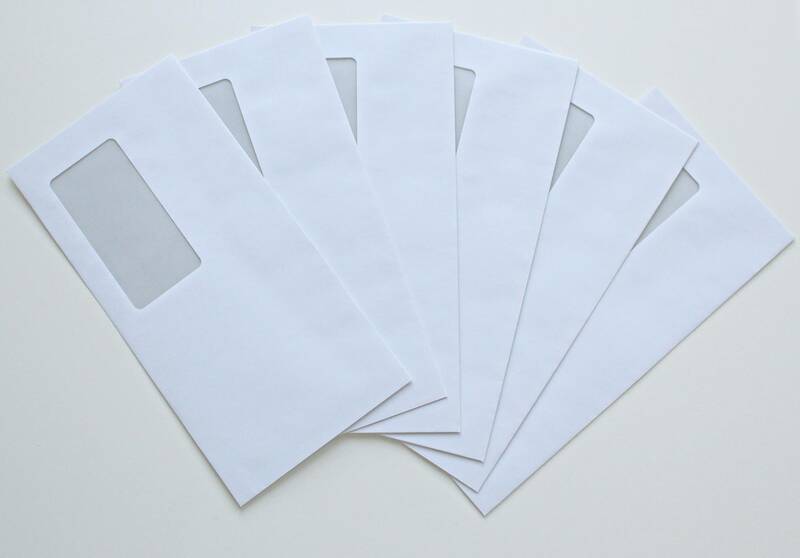
For environmentally conscious campaigns, options such as recycled paper or papers certified by forestry standards organizations (e.g., FSC) are increasingly popular. These materials demonstrate a commitment to sustainability without compromising quality. Textured options like linen, laid, or canvas papers add a tactile dimension that can elevate the perceived value of the brochure and encourage interaction.
Custom coatings and specialty finishes, including aqueous or UV coatings, can further enhance durability and resistance to smudges or moisture. When selecting a paper stock, consider the brochure's intended use and distribution environment; thicker stocks provide better protection and durability, which is ideal for high-traffic locations or direct mail campaigns. Conversely, thinner papers offer lightweight options suitable for mass mailing or handouts.

Understanding how different materials and finishes interact with inks and print techniques is crucial for achieving vibrant colors and crisp details. Proper selection of materials not only enhances visual impact but also ensures that the folded brochure maintains its integrity through handling, folding, and unfolding processes. This meticulous approach to material choice supports a professional appearance that aligns with brand standards, leaving a lasting impression on recipients.
Overview of Folded Brochures
Folded brochures serve as an efficient and versatile tool for communication, blending compactness with the capacity to hold detailed information. By organizing content within multiple panels, they facilitate a logical flow of information that guides the reader seamlessly from one section to the next. The folding structure enhances visual appeal, making the brochure not just informative but also engaging. These printed marketing materials are ideal for a variety of applications, including product catalogs, event programs, service menus, and promotional campaigns, providing a professional appearance that underscores brand credibility.

The versatility of folded brochures stems from their customizable formats and strategic layouts. Their capacity to incorporate multiple panels allows marketers to segment information into digestible parts, making complex services or product features easier for potential clients to understand. Additionally, their compact folded format makes them easy to distribute—whether through direct mail, handouts at events, or display stands—maximizing reach without occupying excessive space.
Types of Folded Brochure Styles
- Bi-Fold: Dividing the brochure into two equal panels, creating a classic 'letter-fold' appearance. It provides four panels for content and is suitable for straightforward, impactful messaging.
- Tri-Fold: Dividing into three equal sections, this style is the most common. It offers six panels, ideal for organized storytelling or step-by-step processes.
- Z-Fold: Similar to tri-fold but with panels that fold in a zigzag, making it visually distinctive and easy to handle.
- Double Parallel Fold: Two parallel folds create multiple panels, offering ample space for detailed information while maintaining a compact profile.
- Gate Fold: Features two end panels that open outward like gates, revealing a large interior space for bold imagery or detailed content.
- Roll Fold: Several panels folded in a roll-like sequence, perfect for interactive and eye-catching designs.

Design Considerations for Folded Brochures
Optimizing the impact of folded brochures begins with thoughtful design. When crafting these materials, consider the flow of information to ensure a coherent narrative that guides the viewer naturally from cover to interior panels. Strong visual hierarchy—achieved through size, color, and typography—helps emphasize key messages and calls to action. Adequate margins and bleed areas ensure content remains unobstructed and free from accidental cut-offs during trimming.
The folded structure introduces natural division points; arrangements must account for the way panels unfold, ensuring that visuals and text are aligned aesthetically and functionally. Incorporating high-resolution images, icons, and infographics can enhance comprehension and retention. Use consistent branding elements—logos, color schemes, and fonts—to reinforce identity and recognition across all panels.
Materials and Paper Options
The choice of materials directly influences the tactile experience, durability, and overall look of your folded brochure. Paper options vary from lightweight, cost-effective stocks to premium, heavyweight papers designed to make a lasting impression. Standard options include coated gloss or matte finishes, which provide a smooth surface suitable for vibrant color reproduction and detailed graphics. Textured options like linen, laid, or canvas papers add tactile depth that can elevate perceived quality and brand prestige.
For environmentally conscious campaigns, recycled papers and papers certified by forestry standards organizations—such as FSC—are accessible options, demonstrating a commitment to sustainability without compromising visual and structural quality. Specialty finishes, including aqueous or UV coatings, can enhance durability and resistance to smudges, moisture, and handling, ensuring the brochure maintains its polished appearance over time.
Printing Techniques and Quality Factors
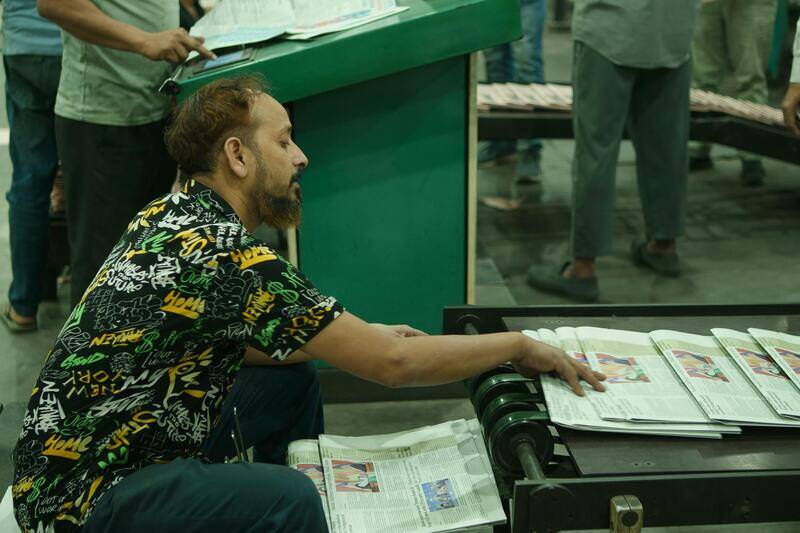
The effectiveness of a folded brochure depends heavily on the precision of printing techniques and the quality of production. Offset printing remains the standard for high-volume runs, providing sharp images, vibrant colors, and consistent results. For smaller quantities or rapid turnaround, digital printing offers flexibility and quick execution without sacrificing quality.
Color management is vital for ensuring brand consistency; high-quality color calibration can produce rich, accurate hues that make visuals pop and text stand out. Achieving crisp details, especially in fine typography or intricate graphics, necessitates the use of high-resolution files and precise registration. Proper paper handling, along with correct folding techniques, prevents misalignment, creases, or damage during production.
Special attention should be paid to the finishing process—whether it involves scoring and folding for precise creases or applying coatings for durability. The choice of binding or finishing methods impacts the overall functionality and aesthetic, keeping in mind the brochure’s handling environment. When selecting a printing partner, verifying their experience with folded materials and their ability to maintain consistent quality is crucial for delivering a professional product that fulfills marketing objectives.
Choosing a Printing Service for Folded Brochures
When selecting a printing partner for your folded brochures, meticulous consideration of their expertise, equipment, and quality standards is essential. A reputable service provider should demonstrate a thorough understanding of various folding techniques, paper handling procedures, and color management protocols. Such knowledge ensures that your final product aligns with your promotional goals and maintains professional standards throughout the production process.
Assessing Experience and Capabilities
Industry experience is a key indicator of a printer’s ability to handle complex folding patterns and deliver high-quality results consistently. It’s advisable to review portfolios, request samples, and inquire about their familiarity with different materials and finishes. A seasoned printer will have the technical know-how to manage delicate folds, prevent misalignments, and execute detailed designs without compromising the integrity of your brochure.
Evaluating Equipment and Technology
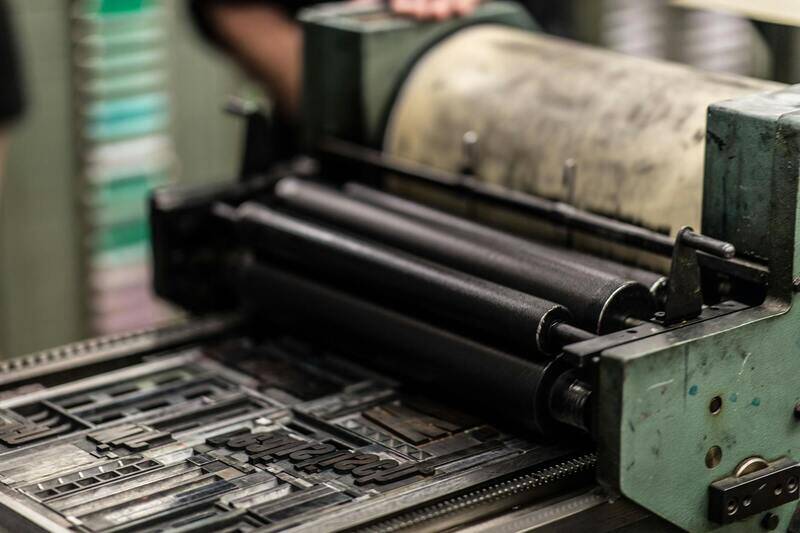
State-of-the-art equipment plays a significant role in achieving precise cuts, folds, and color calibration. Look for facilities that utilize advanced offset or digital presses equipped with high-resolution capabilities and sophisticated folding machinery. Such technology reduces the likelihood of errors, ensures vibrant color reproduction, and enhances overall finish quality. Compatibility with varied paper stocks and finishing options also indicates versatility in accommodating your specific needs.
Color Fidelity and Consistency
High-quality folded brochures demand accurate color reproduction to reflect your branding accurately. A trusted printing service should employ rigorous color management practices, including calibration of printing devices and adherence to industry standards. Consistent color matching across multiple print runs guarantees a cohesive visual identity, reinforcing brand recognition and consumer trust.
Quality Control Processes
Robust quality control is vital at every stage—from pre-press preparation to final inspection. An ideal printer implements systematic checks to identify potential issues such as misregistration, uneven folds, or color inconsistencies. Final proofs, whether digital or physical, should be reviewed meticulously to confirm that the output aligns with the approved design. This diligence minimizes errors and reduces the need for costly reprints.
Flexibility and Turnaround Times
Effective communication and flexible scheduling are crucial for meeting tight deadlines without compromising quality. A reliable printing partner should offer clear timelines, accommodate specific project requirements, and provide options for expedited services if necessary. Transparency in the production process enables you to plan your campaign effectively and ensures your brochures reach your audience promptly.
Customer Support and After-Sales Service
Good customer service reflects the printer’s commitment to client satisfaction. This includes providing detailed quotes, offering guidance on design and paper choices, and addressing concerns during production. Post-printing support such as storage, distribution, or reprints adds value to the overall service experience. A dedicated support team helps navigate challenges, ensuring your folded brochures meet expectations and serve their marketing purpose effectively.

Additional Methods for Ensuring Proper Folded Brochure Production
Implementing Quality Control Measures
When producing folded brochures, adherence to precise quality control steps is vital to ensure consistent results. This begins with detailed pre-press preparations, such as verifying that digital files are correctly formatted, color profiles are calibrated, and bleed areas are properly set to prevent cut-off issues.
During the printing process, regular inspections of print runs can identify deviations early, reducing waste and rework. Using test prints or small batch runs allows for adjustments before full-scale production. This iterative approach helps catch potential problems related to color accuracy, registration, or paper handling, thereby maintaining the integrity of the final product.
Engaging Skilled Professional Printers
Partnering with experienced printing professionals who specialize in folded brochure production enhances outcomes significantly. These experts possess advanced knowledge of printing hardware, paper handling, and finishing techniques and can advise on optimal design and material choices to fit your marketing objectives.
Professional printers also utilize sophisticated calibration protocols, high-resolution digital imaging, and precision die-cutting equipment that ensure sharp folds and clean creases. Their expertise minimizes errors and guarantees that each brochure aligns with industry standards, ultimately delivering a high-impact marketing tool.
Utilizing Advanced Printing Technology
The adoption of cutting-edge printing technology, such as digital presses with high color fidelity and advanced folding machinery, plays a crucial role in the production of top-quality folded brochures. Techniques like UV coating or aqueous finishes can be employed to enhance durability and appearance, ensuring the brochures withstand handling and environmental factors.
Precision die-cutting tools precisely shape folds and cut lines, resulting in clean, symmetric folds that contribute to a professional presentation. Incorporating automated quality checks during printing and finishing processes further reduces the margin for error, delivering consistent, high-caliber folded brochures suitable for diverse marketing campaigns.