Understanding Printing Service Banners
Printing service banners are large-scale promotional tools designed to capture attention and communicate key messages to target audiences effectively. These banners serve as versatile marketing assets, often displayed in high-traffic locations, events, trade shows, or storefronts. Their primary purpose is to enhance brand visibility, promote special offers, or inform viewers about products and services in a visually compelling manner.
In terms of function, printing service banners are frequently utilized for advertising campaigns due to their impactful visual presence. They can be customized to suit specific branding goals, incorporating company logos, slogans, imagery, and other graphic elements that reinforce brand identity. This adaptability makes banners invaluable in creating memorable impressions and reinforcing marketing messages.
Beyond promotional use, banners also play a critical role during community events, corporate celebrations, product launches, and trade exhibitions. Their flexibility in size and design allows businesses of all scales to leverage their visual impact cost-effectively. Whether used as temporary displays or long-term signage, printing service banners are vital components of comprehensive marketing and branding strategies.
High-quality banners not only serve as eye-catching advertisements but also contribute to building credibility and professionalism for a brand. The importance of selecting the right printing techniques, materials, and design elements cannot be overstated, as these factors directly influence the effectiveness and durability of the banners.

Types of Banners and Materials Used
When selecting an appropriate printing service banner, understanding the variety of materials available is critical to achieving optimal results. Different banner types serve specific purposes, environments, and durations, making material choice a key factor in the overall effectiveness of the signage.
Vinyl Banners
Vinyl banners are among the most popular and versatile options. Crafted from durable PVC fabric, they provide excellent weather resistance, making them suitable for both indoor and outdoor use. Their flexibility allows for large-format printing and vibrant color reproduction, ensuring the message stands out even from a distance. Vinyl banners are favored for long-term campaigns, outdoor signage, and event displays due to their resilience against wind, rain, and UV exposure.
Fabric Banners
Fabric banners are known for their elegant appearance and smooth surface, which enhances the vibrancy of printed graphics. Typically made from polyester or nylon, they are ideal for indoor environments such as trade shows, exhibitions, and retail displays. Their lightweight nature simplifies transport and installation, while their high-quality finish lends a professional touch to the branding effort. Fabric banners often feature retractable or tensioned displays, adding to their versatility.
Mesh Banners
Mesh banners incorporate tiny perforations within the material, allowing wind to pass through without compromising visual impact. They are well-suited for large outdoor installations such as building wraps and scaffold covers. Their inherent breathability reduces wind load, minimizing the risk of damage. Mesh banners maintain high visibility despite challenging weather conditions, making them excellent for temporary advertising during outdoor events or construction projects.
Other Material Options
- Canvas: Ideal for artistic displays and murals, offering a textured finish.
- Polyethylene: Cost-effective for short-term promotions in outdoor settings.
- Reflective Materials: Designed for nighttime visibility and safety signage.
Matching the right material to your banner’s purpose ensures not only aesthetic appeal but also duration and performance under various conditions. Each option comes with specific advantages regarding cost, lifespan, and visual quality, helping businesses make informed decisions tailored to their campaign needs.
Key Considerations for Material Selection
- Intended environment (indoor vs. outdoor)
- Duration of display
- Weather conditions (rain, wind, sun exposure)
- Transport and installation logistics
- Budget constraints
By understanding these core distinctions, businesses can optimize their visual impact while ensuring the longevity and effectiveness of their banners, ultimately maximizing return on investment and audience engagement.
Understanding Printing Service Banners
When selecting a printing service banner, it is essential to grasp the core aspects that influence its quality, durability, and overall visual appeal. Printing service banners serve as a powerful tool for businesses, events, and organizations to communicate messages effectively within targeted environments. These banners are produced through specialized printing processes that ensure vibrant colors, sharp graphics, and consistent quality, making certain that your message stands out and endures over the intended display period.
High-quality printing methods encompass various technologies, each suited to different banner types and materials. Wide-format digital printing is frequently employed for large banners, providing crisp detail and brilliant ink application. Techniques such as UV printing, solvent, eco-solvent, and latex printing each bring distinct advantages, including resistance to weather conditions, color longevity, and environmental considerations. Understanding the fundamental differences and strengths of these methods allows for precise matching of the printing process to the banner's purpose and placement.

It is vital to choose a printing service that employs industry-standard technologies and adheres to high-quality production protocols. Such providers utilize cutting-edge equipment and premium inks to guarantee consistency, vivid hues, and high-resolution outputs. They also follow rigorous quality assurance processes, including color calibration and material testing, helping clients achieve a professional finish that aligns with branding and marketing objectives.
Another key factor is compatibility with various banner materials. For instance, digital printing can be adapted to different substrates like vinyl, fabric, and mesh, each requiring specific handling and ink absorption properties. A reputable printing service understands how to optimize settings for each material type, ensuring optimal ink adhesion, color accuracy, and fade resistance.
Furthermore, the efficiency and environmental impact of printing techniques are increasingly important considerations. Eco-friendly methods utilize low volatile organic compounds (VOCs) and sustainable inks, contributing to safer workplaces and a reduced ecological footprint. Selecting a service that emphasizes sustainable practices not only supports environmental responsibility but also often results in high-quality, long-lasting banners that withstand outdoor conditions.

Ultimately, the proper choice of printing technology directly impacts the visual coherence, lifespan, and resistance of your banners. Collaborating with experienced professionals who align their printing capabilities with your specific requirements ensures a successful promotion, whether it's for short-term events or long-term branding campaigns.
Understanding Printing Service Banners
Printing service banners serve as versatile tools for marketing, event promotion, and wayfinding, offering a high-impact visual presence that attracts attention from afar. Their effectiveness hinges on multiple factors including material choice, printing technology, and craftsmanship. The selection of printing methods plays a crucial role in ensuring vibrant colors, durability, and clarity. Attention to detail during the printing process results in banners that retain their visual appeal over time and under varying environmental conditions.
For businesses and organizations, investing in high-quality printing services guarantees that banners will meet specific needs—whether emphasizing brand visibility at trade shows or providing directional guidance at large outdoor events. The expertise of professional printing providers in managing color consistency, material compatibility, and finishing techniques directly influences the overall impact of the final product.

Types of Banners and Materials Used
Understanding the various types of banners and their compatible materials is essential for selecting the appropriate printing service. Each material offers distinct advantages tailored to specific usage scenarios:
- Vinyl Banners: Durable and weather-resistant, ideal for outdoor advertising. Vinyl can withstand rain, wind, and sun exposure, maintaining color vibrancy over extended periods.
- Fabric Banners: Produces high-end, elegant visuals suitable for indoor events or retail displays. Fabric banners tend to have a softer appearance and can be more easily folded or stored.
- Mesh Banners: Incorporate small perforations that allow wind passage, reducing strain on the banner structure, making them suitable for large outdoor displays in windy areas.
- Eco-friendly Materials: Incorporate sustainable substrates and inks for environmentally conscious projects. These materials promote greener printing practices without compromising quality.
The selection of the right material depends on exposure conditions, installation requirements, and budget considerations. Experienced printing providers are well-equipped to advise on material compatibility, ensuring the output meets both aesthetic and practical specifications.

Design Considerations for Banners
Effective banner design combines visual impact with clarity, ensuring key messages are communicated swiftly and effectively. High-resolution graphics and bold typography are crucial for capturing attention from a distance. Additionally, color schemes should align with branding standards while enhancing visibility against various backgrounds.
Design considerations include:
- Clear, concise messaging that can be read quickly
- Use of contrasting colors for better visibility
- Resizable elements that retain clarity at large sizes
- Incorporation of logos and branding elements for consistency
- Strategic placement of call-to-action statements
All these elements work together to maximize the banner's promotional impact while maintaining aesthetic appeal. Collaborating with professional designers and printers ensures that the technical aspects of banner production—such as bleed, resolution, and material handling—are meticulously managed for optimal results.
Compliance with Official Standards for Printing Service Banners
Adhering to recognized official standards is fundamental when producing printing service banners to ensure safety, durability, and consistency in quality. These standards encompass a range of criteria including material specifications, color accuracy, and printing processes. Maintaining compliance not only guarantees that banners meet high-quality benchmarks but also minimizes the risk of printing errors and ensures the final product performs satisfactorily in diverse environmental conditions.
One of the primary considerations in meeting official guidelines involves selecting approved materials that are manufactured and tested to meet industry specifications. This includes choosing substrates that align with recognized safety and environmental standards, such as PVC-free or recyclable options, particularly for outdoor banners exposed to weather. These materials are designed to withstand exposure elements like UV rays, wind, and rain, preserving their visual integrity over time.
Color accuracy is another critical aspect managed through adherence to standardized color profiles, such as the Pantone Matching System. This ensures that the colors used in the banners precisely match brand requirements and visual expectations, regardless of the printing batch or equipment used. Maintaining consistent color reproduction is essential for reinforcing brand identity and ensuring visual consistency across multiple campaigns.

The printing process itself must follow established procedures that comply with industry regulations. This encompasses the calibration of equipment, use of certified inks, and adherence to environmental and safety protocols. Certifications such as ISO or local regulatory compliance attest to the printer’s commitment to quality and safety in their operations. These certifications often require regular audits and inspections, providing clients with assurance that their banners are produced under strict quality control measures.
Moreover, the finished banners should meet specific size, resolution, and installation standards to ensure they are both visually impactful and safe for display. This includes clear guidelines on installing banners to prevent hazards and ensure stability, especially for large or outdoor installations. Using official measures also helps in avoiding issues related to unauthorized or substandard materials, which could compromise safety or visual effectiveness.
Engaging a printing service that adheres to these official standards provides peace of mind that the banners are produced responsibly, reliably, and with high-quality materials. It ensures durability in diverse conditions, maintains visual accuracy, and fosters trust through compliance with recognized industry benchmarks.
Factors Affecting Banner Pricing
Understanding the cost structure of printing service banners involves multiple key components that influence the final price. These include the size and complexity of the banner, the choice of materials, the printing technology employed, and additional finishing options. Each factor plays a crucial role in determining the overall investment, ensuring that clients receive a product that aligns with their specific needs and expectations.
Size and Design Complexity
The dimensions of the banner significantly impact its cost. Larger banners require more materials and extended printing time, which naturally increases expenses. Furthermore, intricate designs with detailed graphics, multiple colors, or custom effects demand higher attention to detail during the printing process, often involving additional calibration or specialized equipment. This complexity necessitates meticulous craftsmanship, which is reflected in the pricing structure.
Material Quality and Type
The selection of banner materials is pivotal, not only for durability and visual appeal but also for cost considerations. Standard options such as vinyl or polyester offer affordability, whereas premium materials like mesh, fabric, or weather-resistant substrates usually come at a higher price point. These materials are chosen based on the banner’s intended location—indoor versus outdoor, temporary versus long-term display—and help meet specific safety and visibility standards.
Printing Technologies
Advancements in printing techniques have vastly expanded the possibilities for customization and quality. Traditional methods, such as solvent and eco-solvent printing, provide vibrant colors and durability, while digital or latex printing allows for high-resolution images with fast turnaround times. The choice of technology impacts not just the quality but also the cost, as high-end machinery and certified inks are involved in delivering professional results that adhere to industry standards.
Finishing and Additional Features
Post-printing enhancements such as lamination, hemming, grommets, or reinforced edges add to the overall expenditure. These features enhance the durability, ease of installation, and aesthetic appeal of the banners. Choosing appropriate finishing options depends on the banner’s purpose—whether it needs to withstand harsh weather conditions or require easy portability. These enhancements provide long-term value despite increasing initial costs.
Volume and Turnaround Time
Bulk orders often benefit from volume discounts, reducing the per-unit cost. Conversely, urgent or rush orders might incur additional fees due to expedited production and delivery processes. Understanding these aspects allows clients to plan their budget effectively, balancing urgency against cost savings.
Ultimately, transparency from the printing service regarding these factors enables informed decision-making. Clients are encouraged to communicate their specific needs and budget constraints clearly, ensuring that the final product meets both safety standards and visual expectations without unforeseen expenses.
Understanding Printing Service Banners
When selecting a printing service banner, it is essential to comprehend the underlying factors that influence the quality, durability, and overall effectiveness of the printed material. Printing banners serve as a vital communication tool for events, promotions, and branding efforts, making the choice of printing service critical to achieving the desired visual impact. The process involves various steps, including material selection, digital file preparation, and the actual printing methodology, all geared towards producing a visually appealing and long-lasting banner.
Types of Banners and Materials Used
The diversity of banner types accommodates a range of applications, from temporary advertising to durable outdoor displays. Common types include mesh banners, vinyl banners, fabric banners, and paper backdrops. Each material offers different benefits; for instance, vinyl is highly durable and weather-resistant, making it suitable for outdoor use, whereas fabric banners are preferred for indoor settings due to their vibrant appearance and ease of handling. The choice of material is influenced by the intended use, environmental conditions, and the desired lifespan of the banner.
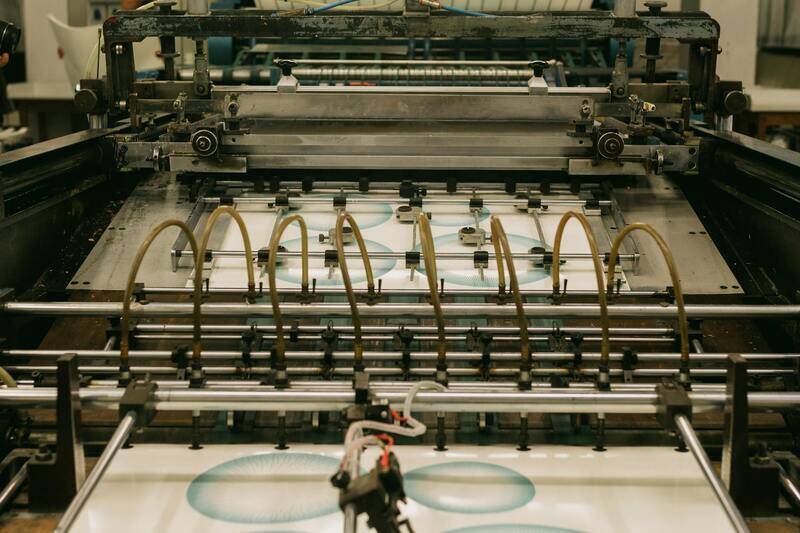
Specialized inks and finishes are often used in conjunction with selected materials to enhance color vibrancy, resistance to UV rays, and longevity. It is crucial to work with a printing service provider that uses high-quality, certified inks compatible with the chosen media, further ensuring the banner’s performance over time.
Design Considerations for Banners
Effective banner design hinges on clarity, visual hierarchy, and readability. Designers must optimize the use of space, incorporating bold typography, striking imagery, and a clear call-to-action. Color choices should complement the branding and attract attention from a distance. Additionally, incorporating appropriate margins, bleed areas, and resolution settings guarantees that final prints maintain sharpness and alignment without unexpected cropping or blurriness.
A well-prepared digital file, ideally in high-resolution formats like PDF or TIFF, preserves image quality during printing. Ensuring that the text and logos are correctly vectorized or embedded guarantees crisp edges and precise reproduction in the final product.
Printing Technologies and Techniques
Modern printing of banners predominantly relies on large-format digital printing, which offers high precision, fast production times, and the ability to print on various materials. Technologies such as UV-curable, solvent, and latex printing are prevalent in producing vibrant, durable banners)
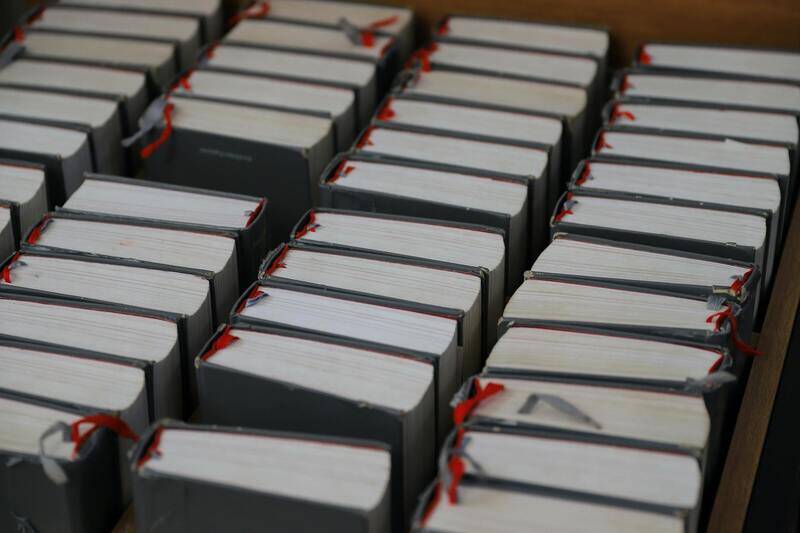
- UV Printing: Utilizes ultraviolet light to instantly cure inks, resulting in vibrant colors and excellent adhesion on different substrates.
- Solvent Printing: Uses solvent-based inks to create weather-resistant banners suitable for outdoor environments.
- Latex Printing: Employs water-based inks that are eco-friendly, flexible, and durable, ideal for a range of banner applications.
Each technique offers specific advantages in terms of color vibrancy, environmental impact, and material compatibility. The choice of method hinges on the banner’s intended use and budget, with professional printing services able to advise on the most suitable technology for each project.
Factors Affecting Banner Pricing
Several key components influence the final cost of a printing service banner, including size, material choice, printing technique, and desired finishing features. Larger banners naturally incur higher expenses due to increased material and ink consumption. Premium materials and advanced printing methods also elevate costs, reflecting the quality and performance expectations. Finishing options such as lamination, grommets, hemming, or reinforced edges further impact the price but significantly extend the banner’s lifespan and ease of installation.
Volume discounts are common, with bulk orders reducing the unit price, whereas expedited orders for quick turnarounds involve additional charges. Transparent communication with the printing provider regarding these factors enables precise budgeting and ensures the final product aligns with both financial constraints and quality standards.
Choosing the Right Printing Service Provider
When selecting a printing service specializing in banners, assessing their expertise, equipment quality, and industry reputation is vital. Proven experience in handling various materials and sizes indicates reliable service. A professional provider should offer comprehensive consultations to recommend optimal materials, finishes, and printing techniques tailored to your specific needs.
Moreover, reviewing samples of previous work, understanding their turnaround times, and confirming adherence to safety and industry standards are crucial steps. Transparent pricing, detailed project proposals, and responsive customer support further exemplify a reputable provider capable of delivering high-quality banners that meet expectations.
Ensuring Proper Maintenance and Longevity of Your Printing Service Banner
To maximize the lifespan and visual appeal of your printed banner, proper maintenance practices are essential. While selecting high-quality printing technology and durable materials contributes significantly to durability, ongoing care and appropriate handling are crucial for maintaining a professional appearance over time.
Strategies for Extending Banner Durability
- Regular Cleaning: Gently wipe the banner surface with a soft, damp cloth to remove dust and dirt. Avoid abrasive cleaners or harsh chemicals that could damage the printed surface or compromise the material integrity.
- Avoiding Exposure to Harsh Elements: When possible, position banners in sheltered areas to minimize exposure to direct sunlight, heavy rain, or strong winds. Prolonged weather exposure can cause fading, tearing, or material degradation.
- Use of Protective Coatings: Some banners benefit from lamination or application of UV-resistant coatings, which provide an extra layer of protection against environmental factors, UV rays, and scratches. These finishes help preserve vibrant colors and structural integrity.
- Proper Installation: Secure banners with appropriate hardware such as grommets, tension systems, or hemming. Using the right mounting techniques prevents undue stress at attachment points, reducing the likelihood of tears or fraying.
- Handling with Care: When moving or reinstalling banners, handle them carefully to avoid creasing or tearing. Folding should be minimized, and when necessary, done along designated fold lines to prevent damage to the print area.
Long-term Storage Tips
If you need to store banners for extended periods, ensure they are clean, rolled carefully (preferably with the printed side inward), and stored in a dry, cool environment. Avoid stacking heavy objects on stored banners to prevent distortions or creases that could be difficult to remove later.
Final Considerations
Investing in high-quality printing and materials is only part of ensuring your banner remains effective over time. Routine maintenance, careful handling, and strategic positioning play vital roles in preserving the visual impact and structural integrity. Consulting with your printing service about recommended care procedures can provide further insights tailored to your specific banner type and material.
Related Tags: