Understanding Pull Up Banners
Pull up banners are a highly effective visual marketing solution commonly used in trade shows, exhibitions, retail displays, and corporate events. Crafted to be portable, they offer a quick setup and dismantling process, making them a popular choice for businesses seeking a convenient yet impactful advertising medium. Typically consisting of a printed graphic mounted on a retractable stand, pull up banners combine vibrant visuals with sturdy structural support, ensuring consistent visibility and brand recognition.
These banners serve multiple purposes, such as promoting product launches, showcasing special offers, or strengthening brand identity. Their versatile nature allows for frequent updates or replacements, enabling businesses to adapt their messaging in real-time without significant hassle. Whether for indoor or outdoor use, pull up banners are designed to draw attention with bold visuals and clear messaging, making them an invaluable asset for any marketing strategy.
Aside from their functional benefits, pull up banners are praised for their ease of transportation and storage. The retractable mechanism means they can roll up into a compact base, fitting into carry cases that facilitate mobility to various venues. Their lightweight design minimizes setup time, allowing staff to focus on engagement rather than assembly complexities. Overall, a professionally designed pull up banner not only enhances visibility but also conveys a polished, trustworthy image to potential clients and partners.
Design Considerations for Pull Up Banners
Effective design is crucial to maximize the impact of pull up banners. A well-crafted banner balances visual appeal with clear messaging, ensuring that viewers can quickly grasp the intended information. Key factors include eye-catching graphics, legible typography, and strategic placement of branding elements. The use of high-resolution images and contrasting colors enhances visibility, especially from a distance.
Designers should consider the viewing environment—indoor or outdoor—when selecting materials and finishing options. Incorporating bold headlines, minimal text, and compelling visuals typically results in a more engaging display. Additionally, incorporating a call-to-action, such as contact details or QR codes, can facilitate immediate interaction from potential customers.
Creating a cohesive visual theme that aligns with existing branding improves recognizability and reinforces brand identity. Professional layout and precise color management are essential to produce a polished, high-quality appearance. Collaborating with experienced printing providers ensures that digital designs are accurately translated onto physical banners, maintaining vibrancy and crispness.

Understanding Pull Up Banners
Pull up banners are a versatile and impactful marketing tool used extensively across various events, trade shows, and retail environments. Their primary function is to attract attention quickly and deliver key messages in a visually appealing manner. Designed for ease of setup and portability, these banners can be effortlessly moved and repositioned, making them ideal for settings that demand flexibility. When structured correctly, pull up banners can significantly enhance brand visibility and ensure that promotional content remains front and center.
The core advantage of pull up banners lies in their ability to combine high-impact visuals with succinct messaging, effectively capturing the attention of passersby. The sturdy base and retractable mechanism facilitate quick deployment and storage, optimizing operational efficiency. With diverse design options and customization features, businesses can create banners that align with their visual identity and campaign goals. The combination of practicality and aesthetic appeal makes pull up banners a preferred choice for organizations seeking a reliable promotional display.
Design Considerations for Pull Up Banners
Achieving maximum engagement starts with thoughtful design. The layout should prioritize clarity and simplicity, ensuring that the viewer’s eye is directed to the most important elements. Strategic use of bold headlines and high-quality imagery attracts immediate attention, while minimal text ensures quick comprehension. Contrast is vital; employing contrasting colors enhances legibility and visual impact, especially from a distance.
Visual hierarchy guides viewers naturally through the information, emphasizing key messages such as offers, brand names, or call-to-action prompts. Incorporating branding elements like logos and color schemes maintains consistency with other marketing collateral, reinforcing brand recognition. Proper spacing prevents clutter, enabling each element to stand out effectively. Additionally, considering the environment—whether indoor or outdoor—affects material choices to withstand weather conditions or indoor lighting.
Materials and Printing Techniques
The selection of materials and printing methods directly influences the durability and appearance of pull up banners. Common materials include vinyl, fabric, and polyester, each offering distinct benefits. Vinyl provides resistance to tears and moisture, making it suitable for outdoor applications, while fabric options can deliver a more sophisticated look for indoor displays.
Printing techniques such as UV printing, dye sublimation, and solvent printing ensure high-resolution, vibrant output. UV printing produces crisp images with excellent color fidelity and resistance to fading, making it ideal for long-term use. Dye sublimation is preferred for fabric banners due to its ability to produce seamless, photographic-quality images. Utilizing advanced printing technologies helps maintain color accuracy and sharpness, resulting in a professional finish.
Size and Structural Options
Pull up banners are available in various sizes, typically ranging from 24 inches to 36 inches in width and up to 84 inches in height. Standard sizes suit most indoor settings, providing a balance between visibility and portability. Custom dimensions can be requested to meet specific spatial requirements or to accommodate unique design layouts.
The structural framework usually consists of an aluminum or lightweight metal base, a retractable pole, and a top rail that secures the banner graphic. Some options include locking mechanisms for added stability or adjustable height features. For outdoor use, reinforced bases or additional support accessories may be necessary to withstand wind and other environmental factors. When selecting a size, consider the viewing distance and the environment’s lighting conditions to ensure optimal visibility.
Pricing and Cost Factors
Cost considerations for pull up banners vary based on dimensions, material choices, and the complexity of design. Entry-level banners with standard sizes and basic designs tend to be more affordable, suitable for short-term campaigns or internal events. Premium materials and custom sizes naturally elevate the price, reflecting their durability and tailored appearance.
Additional services such as graphic design, waterproof coatings, or special finishes also impact overall costs. Batch printing discounts may be available for bulk orders, providing cost-effective solutions for ongoing marketing initiatives. It’s essential to evaluate the intended usage duration, environmental conditions, and branding needs to determine the most appropriate investment level for your banners.
Maintenance and Longevity
Proper maintenance extends the lifespan of pull up banners considerably. Regular cleaning with a soft, damp cloth prevents dust and dirt buildup without damaging the graphic surface. Avoid using abrasive cleaners or solvents that could cause color fading or material degradation.
Storing banners properly when not in use involves retracting the graphic into the base to protect it from creases and environmental elements. For outdoor environments, ensure that banners are securely anchored and stored during adverse weather conditions to prevent damage. Routine inspections for tears or loose components help preserve the visual appeal and structural integrity over time.
Best Practices for Usage and Placement
Optimal placement of pull up banners maximizes their effectiveness. Position banners at eye level and in high-traffic areas where they are likely to be noticed. Avoid obstructing the view with other displays or furniture, ensuring clear sightlines for passersby. Additionally, strategic spacing between multiple banners can create a cohesive visual experience, guiding visitors through your exhibition or venue.
During events, consider anchoring banners securely to prevent toppling caused by wind or accidental contact. Consistent lighting highlights reading areas, increasing engagement. Regularly updating banners to reflect current campaigns or promotions maintains freshness and relevance, ensuring continued viewer interest.
Choosing a Printing Service in Singapore
When selecting a printing provider, prioritize those experienced with large-format printing and custom display solutions. Reputable companies possess the necessary technology and expertise to translate your digital designs into vibrant, durable physical banners. Quality assurance processes, such as proofing and color calibration, ensure that your final product aligns with your brand standards.
Services that offer various material options, customization features, and comprehensive consultation support can help you achieve the best results. Prompt turnaround times and reliable delivery are essential for meeting event deadlines. In Singapore, numerous specialized printing firms provide end-to-end solutions that cater to diverse marketing needs, allowing you to select a partner that complements your strategic objectives.
Understanding Pull Up Banners
Pull up banners, also known as roll-up banners, are portable advertising tools designed to attract attention and communicate key messages effectively in various settings such as trade shows, retail spaces, conferences, and corporate events. Their popularity stems from their ease of setup, reusability, and capacity to deliver impactful visual communication without requiring complex installation processes. Structurally, these banners consist of a retractable graphic printed on durable materials integrated into a sturdy aluminum base, which allows the banner to be rolled up when not in use and easily extended during display. These banners serve as visual anchors in high-traffic zones, guiding potential customers or visitors towards specific products, services, or informational points. The portability factor enables quick setup and breakdown, making them an ideal solution for businesses that participate in multiple events or need a flexible promotional method. To maximize effectiveness, it is essential to understand the different components that contribute to a pull up banner's performance, including the quality of materials, the printing process, and overall structural design. Typically, pull up banners are designed for repeated use, which necessitates durable construction and high-quality print finishes. Their lightweight yet sturdy frames allow for easy transportation and quick assembly without tools. Furthermore, the ability to customize graphics in vibrant colors, combined with high-resolution printing, ensures that branding and promotional messages remain sharp and visually appealing even after multiple uses. When selecting a pull up banner, factors such as material strength, print quality, and ease of setup are crucial considerations to ensure the investment delivers long-term value and impactful promotional results.
Design Considerations for Pull Up Banners
Effective pull up banner design hinges on clarity, visual hierarchy, and branding consistency. Given the size constraints, designing with bold, easily legible fonts and striking imagery ensures that your message captures attention even from a distance. Color schemes should align with your brand identity while maximizing contrast for visibility in various lighting conditions. Critical elements to consider include the placement of your logo, the key message or call-to-action, and supporting images or graphics. Avoid cluttering the design; instead, adopt a clean layout with sufficient whitespace to allow important information to stand out. Incorporating your brand colors and styles not only enhances recognition but also maintains visual consistency across your marketing materials. For digital file preparation, use vector formats such as PDF or AI to maintain image quality during large-format printing. Ensure that resolution settings are appropriate (generally 300 dpi for print) to avoid pixelation. Additionally, consider the location where the banner will be displayed: outdoor banners need weather-resistant materials, while indoor banners can utilize lighter, more flexible fabrics. Professional assistance in the design process can optimize your visual impact, ensuring that your pull up banner achieves maximum engagement and reinforces your overall marketing strategy.
Materials Suitable for Pull Up Banner Printing
Choosing the right materials is essential for ensuring the durability, visual appeal, and suitability of your pull up banners for various environments. Typically, options include vinyl, fabric, and mesh materials, each offering distinct advantages depending on the intended use.
- Vinyl:** A popular choice for its durability and weather resistance, vinyl banners are ideal for outdoor displays. They can withstand harsh environmental conditions such as rain, wind, and sunlight while maintaining vibrant color integrity.
- Fabric:** Offering a softer, high-quality appearance, fabric banners are preferred for indoor applications. They provide excellent print quality with smooth finishes and enhanced color vibrancy, making them suitable for trade shows, retail displays, and corporate events.
- Mesh:** Designed with small perforations, mesh materials are suitable for high wind areas, allowing airflow through the banner. This reduces wind resistance and potential damage, making mesh banners a reliable option for outdoor promotions in windy locations.
Printing Techniques for Pull Up Banners
The quality of the print on your pull up banner significantly affects its visual impact. Various printing techniques are available to achieve high-resolution, crisp images and text.
- Sublimation Printing: Ideal for fabric banners, sublimation printing produces vibrant, long-lasting images by transferring dye onto the fabric fibers. This method ensures color accuracy and resistance to fading over time.
- UV Printing: UV printing applies ultraviolet light to cure ink instantly on rigid or flexible substrates. It offers excellent detail, durability, and resistance to scratches and weather elements, making it suitable for both indoor and outdoor banners.
- UV-LED Printing: A more eco-friendly variant of UV printing, UV-LED technology offers energy efficiency, faster curing times, and high-quality images suitable for premium banners.
Ensuring High-Quality Output
To achieve optimal results, it’s crucial to prepare digital files correctly. Use vector-based formats such as AI or PDF to preserve image sharpness and scalability. Resolution should be set at a minimum of 300 dpi for large-format printing, preventing pixelation and ensuring crisp graphics.
Color management is equally important. Use color profiles compatible with the printing process to maintain accurate reproductions of your brand colors. Providing print-ready files with appropriate bleed and margin markings helps facilitate seamless production, minimizing the risk of errors or cropping issues.
Understanding Pull Up Banners
Pull up banners, also known as roll-up banners, are versatile marketing tools used to attract attention at events, trade shows, retail spaces, and conferences. Their portability, ease of setup, and professional appearance make them a popular choice for brands aiming to make a strong visual impact with minimal effort.
Constructed typically from lightweight aluminum frames supporting a printed graphic, these banners are designed for quick assembly and disassembly. The banners themselves are usually printed on durable materials that can withstand transportation and rough handling, ensuring longevity across multiple uses. The core advantage of pull up banners lies in their ability to be prominently displayed in various environments, providing clear visibility for brand messaging and promotional content.
Choosing the right pull up banner involves understanding several key factors, including print quality, material durability, and suitable size. The printing process used impacts the vibrancy and clarity of images and text on the banner, making it crucial to select a reputable printing provider that offers advanced printing techniques for superior results. When optimized correctly, pull up banners serve as an effective advertising medium that enhances brand visibility and draws in potential customers.
Design Considerations for Pull Up Banners
Effective design is central to maximizing the impact of a pull up banner. It’s essential to create visuals that are clear, concise, and aligned with branding guidelines. High-resolution graphics and legible fonts are non-negotiable to ensure messages are easily understood from a distance.
Design elements should be balanced to prevent clutter; ample negative space enhances readability. Bold headlines, eye-catching images, and strategic placement of logos help reinforce brand recognition. Additionally, the use of contrasting colors ensures text stands out against backgrounds, providing visual clarity even in busy environments.
- Use high-resolution images (minimum 300 dpi) for sharp details
- Limit text to key messages; avoid overcrowding
- Incorporate branding elements consistently
- Maintain color harmony for visual appeal
- Include a clear call-to-action (CTA)
Materials and Printing Techniques
The choice of materials and printing methods directly influences the durability, appearance, and overall quality of pull up banners. Different printing techniques cater to distinct material types, each suited for specific indoor or outdoor applications.
Common printing approaches include:
- Sublimation Printing: Perfect for fabric banners, this method transfers dye onto textiles, resulting in vibrant and fade-resistant images that are ideal for long-term use.
- UV Printing: Utilizes ultraviolet light to instantly cure ink on rigid surfaces like PVC and acrylic, providing high detail, weather resistance, and ease of cleaning.
- UV-LED Printing: An eco-friendly variation that offers quick curing times, excellent color accuracy, and energy efficiency, making it suitable for premium banner production.
Material options often include vinyl, fabric, and rigid substrates, each offering varying degrees of flexibility and durability. Vinyl is a popular choice for outdoor banners due to its weather resistance, while fabric materials provide a sleek, non-reflective surface ideal for indoor displays.
Size and Structural Options
Pull up banners are available in various sizes, typically ranging from 33 inches to 36 inches in width, with heights varying from 80 inches to 120 inches. Larger formats provide more space for imagery and messages but require sturdy materials and frame structures. Custom dimensions can be designed to fit specific spatial requirements, ensuring optimal visibility and impact.
Structural options include single- or double-sided banners, offering flexibility in display orientation. Double-sided banners allow for messages to be visible from multiple directions, enhancing engagement at busy venues. Frame choices such as standard, adjustable, or curved bases can also influence portability and stability, aligning with campaign needs.
When selecting size and structural options, consider the environment of placement, the viewing distance, and the kind of event or space. Proper balance ensures the banner commands attention without overwhelming the surrounding space, offering a professional and cohesive appearance.
Proper Handling and Maintenance of Pull Up Banners
To preserve the visual quality and structural integrity of pull up banners, proper handling and maintenance are essential. Regular care not only prolongs the lifespan of the banner but also ensures that it continues to make a strong impression during displays. When handling a pull up banner, always use clean hands to prevent transfer of oils and dirt onto sensitive surfaces. Avoid pulling or tugging on the banner fabric or frame, as this may cause tears or misalignments. When transporting, carefully detach the banner from its base and roll it smoothly, avoiding sharp creases that can weaken the material over time.
Cleaning should be done with gentle, non-abrasive solutions. For light dirt or smudges, use a soft, damp cloth with mild soap and lukewarm water. Refrain from using harsh chemicals or solvents, which could damage the printing or fabric. For stubborn stains, consult with a professional printing service to determine safe cleaning methods that do not compromise the banner’s print quality. Periodic inspections are also recommended to identify any signs of wear, such as fraying edges, loose stitching, or frame damage. Prompt repairs help maintain a professional appearance and avoid unexpected failures during events.
Storage is another critical aspect of banner maintenance. When not in use, retract the banner into its base, ensuring it is fully dry before storage to prevent mold or mildew growth. Store in a cool, dry, and dust-free environment, preferably in a protective bag or container that shields against physical damage. Avoid exposure to direct sunlight for extended periods, as UV rays can fade the printed graphics and weaken materials. Implementing these care guidelines will ensure your pull up banners remain vibrant, functional, and visually impactful over repeated deployments.
Details on Printing Methods for Pull Up Banners
Securely producing high-quality pull up banners hinges on selecting the right printing method. Each method offers distinct advantages, influencing the overall durability, visual clarity, and cost-effectiveness of the final product. The primary official printing techniques preferred for professional pull up banners include dye sublimation, solvent printing, UV printing, and eco-solvent printing, each tailored to meet specific requirements.
Official Printing Techniques for Pull Up Banners
- Dye Sublimation Printing: This method involves translating dye-based inks onto special coated materials through heat, resulting in vibrant colors and sharp details. Dye sublimation is highly resistant to fading and offers excellent color depth, making it ideal for banners that require long-term outdoor or indoor display. It produces seamless, edge-to-edge graphics without visible borders, ensuring a polished appearance.
- Solvent Printing: Solvent printers utilize solvent-based inks that penetrate the material, providing excellent weather resistance and durability. This printing technique excels in producing banners intended for permanent outdoor use, where exposure to moisture, sunlight, and abrasion are factors. The process also results in vibrant, high-resolution images with a resilient finish.
- UV Printing: UV printing employs ultraviolet light to dry inks instantly as they are laid onto substrates. It allows for direct printing onto rigid and flexible materials, offering precise and vibrant results. UV printing is particularly suited for banners requiring detailed graphics, metallic effects, or specialty finishes, and provides a durable, scratch-resistant surface.
- Eco-Solvent Printing: Using environmentally friendly solvent inks, this technique combines durability with eco-consciousness. Eco-solvent banners demonstrate resistance to water, UV rays, and scratches, making them suitable for both indoor and outdoor environments. The process ensures consistent color output and high image quality at competitive costs.
Choosing the Appropriate Printing Method
Deciding on an official printing method depends on various factors including intended use, budget, environmental exposure, and required print quality. For instance, dye sublimation is best for long-lasting indoor banners with vivid visuals, whereas solvent and eco-solvent options are suitable for outdoor banners that need resilience against weather conditions. Consulting with a professional printing service guarantees the optimal method is selected based on specific project needs, ensuring both visual appeal and longevity.
Importance of Authentic Printing Practices
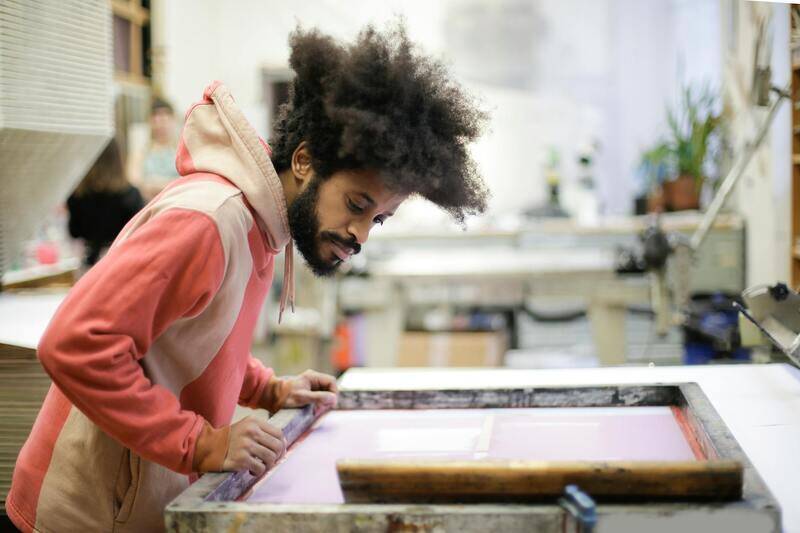
Utilizing official and recognized printing techniques not only guarantees the quality and durability of pull up banners but also aligns with industry standards for safety and environmental compliance. Professional printing services adhere to strict protocols that prevent issues such as ink bleeding, uneven print, or fabric weakening over time. This commitment to quality ensures the banners serve their promotional purpose effectively, maintaining crisp visuals and structural integrity throughout their lifespan.
Understanding Pull Up Banners
Pull up banners are a highly effective visual marketing tool designed to attract attention at events, trade shows, and retail locations. They feature a retractable mechanism that allows for quick setup and tear-down, making them a convenient choice for temporary displays. The core components include a sturdy base, a telescopic pole, and a printed graphic panel showcasing promotional messages, branding elements, or product images. The design and construction of these banners ensure portability, durability, and ease of use, which effectively communicate your message to your target audience in various settings.
Design Considerations for Pull Up Banners
Creating an impactful pull up banner begins with strategic design choices. High-resolution visuals and clear typography are essential to ensure readability from a distance. Light yet vibrant color schemes help your banners stand out without appearing overwhelming. Incorporate your branding elements consistently, including logos, color palettes, and fonts to reinforce brand recognition. The visual hierarchy should prioritize key messages or calls to action, guiding viewers’ attention seamlessly across the banner.
Furthermore, the layout needs to accommodate the dimensions of the banner while maintaining balance and alignment. Leave sufficient margins around the edges to prevent important visuals or texts from being cut off during printing. Opt for minimalistic designs when possible; cluttered graphics can diminish impact and make your message harder to grasp quickly. Professional designing tools and consultation with experienced graphic designers often lead to more polished, effective outcomes.
Materials and Printing Techniques
Ensuring the quality and durability of pull up banners depends heavily on the materials used and the printing techniques employed. Common materials include vinyl, fabric, and synthetic textiles, each offering distinct advantages such as weather resistance, tear resistance, and ease of cleaning. Vinyl remains the most popular choice owing to its robustness and flexibility in outdoor environments, while fabric banners provide a premium look suited for indoor displays.
Printing techniques should align with the material and intended use. UV printing offers high-quality, fade-resistant images with vibrant colors, suitable for long-term indoor displays. Eco-solvent printing, renowned for its durability and environmental friendliness, is ideal for outdoor banners exposed to weather elements. Dye sublimation printing produces vivid, long-lasting images on fabric materials, maintaining color consistency over time.
Size and Structural Options
Pull up banners come in various sizes, typically ranging from 600mm to 1200mm in width and 2000mm to 2500mm in height. Selecting the right size depends on the available space and the visibility you need to achieve. Larger banners attract more attention but require stronger bases and support structures to maintain stability.
Structural options include single or double-sided banners, with some models featuring adjustable height mechanisms for versatility. The base types vary from simple plastic feet to weighted metal bases, ensuring stability in different environments. Consider the environment where the banner will be placed—indoor spaces might require lighter models, while outdoor settings demand sturdier structures to withstand wind and weather.
Pricing and Cost Factors
The cost of pull up banners is influenced by several factors: size, material quality, printing technique, and finishing options. Larger banners and those printed on premium materials naturally incur higher costs. Additionally, intricate designs with multiple colors or special coatings can influence pricing. Basic models with standard materials and printing methods are generally more affordable, making them suitable for budgets-conscious campaigns.
However, investing in higher-quality materials and advanced printing techniques can lead to longer-lasting banners with crisp visuals, providing better return on investment. Shipping and customization options, such as custom shapes or additional protective coatings, also factor into the overall expenditure. Comparing quotes from reputable printers ensures you obtain a fair price aligned with your quality expectations and project scope.
Maintenance and Longevity
Proper care extends the lifespan of pull up banners and maintains their visual appeal. Regularly dusting and wiping the banner with a damp cloth prevents dirt accumulation and preserves color vibrancy. Avoid exposing banners to harsh chemicals or abrasive materials, as these can damage the printed surface or fabric.
When not in use, retract the banner fully into the base to prevent damage to the graphics and structure. Storing banners in cool, dry places avoids warping or mold growth, especially for fabric materials. Reusing banners in multiple campaigns is feasible if they are well-maintained; however, occasional touch-ups or replacements of printed graphics might be necessary if signs of wear and tear appear over time.
Best Practices for Usage and Placement
Optimal placement of pull up banners involves strategic positioning to maximize visibility and impact. Place banners at eye level or along natural sightlines in high-traffic areas such as entrances, aisle ends, or near product displays. Ensure that the banners do not obstruct pathways or other essential signage, maintaining a clean and welcoming environment.
Consistent lighting enhances visibility; consider positioning banners under well-lit areas or using additional lighting options if necessary. Their portability allows for frequent repositioning, so monitor crowd flow and adjust placement for maximum effect during different events or times of day. Additionally, secure banners against strong winds when used outdoors to prevent tipping or damage, and always remove or lower banners at the end of events to prevent unnecessary wear.