Comprehensive Guide to Booklet Printing Companies
Types of Booklet Printing Services Offered
Booklet printing encompasses a wide range of options tailored to meet diverse business and personal needs. Reputable booklet printing companies provide various formats, sizes, and binding styles to ensure the final product aligns with the intended purpose. Standard booklet sizes often include A4, A5, and custom dimensions to fit specific content requirements. The choice of paper is equally vital; options range from glossy and matte finishes to thicker cardstock or recycled paper, contributing to the booklet's durability and aesthetic appeal.
Binding styles are equally versatile, with saddle stitching being the most common for small to medium booklets, offering a cost-effective solution suitable for page counts typically under 64 pages. For thicker publications, perfect binding provides a sleek, professional look similar to paperback books. Additionally, spiral binding and stapled binding are available to suit different functional needs, such as ease of use or printable surface area.
Factors to Consider When Selecting a Booklet Printing Company
Choosing the right booklet printing partner involves evaluating several key aspects. First, assess the range of services offered, such as different finishes, binding types, and customization options. Consistent quality is paramount; review samples and customer testimonials to gauge craftsmanship. Turnaround times and flexibility in delivery scheduling also matter, especially for projects with strict deadlines.
Proximity and communication play a pivotal role. A company with clear channels for ongoing support ensures any design adjustments or inquiries are efficiently managed. Cost transparency, including detailed quotes without hidden charges, is essential for budget planning. Additionally, consider their experience in handling specific types of projects, from promotional brochures to detailed manuals.
Common Printing Techniques and Finishes
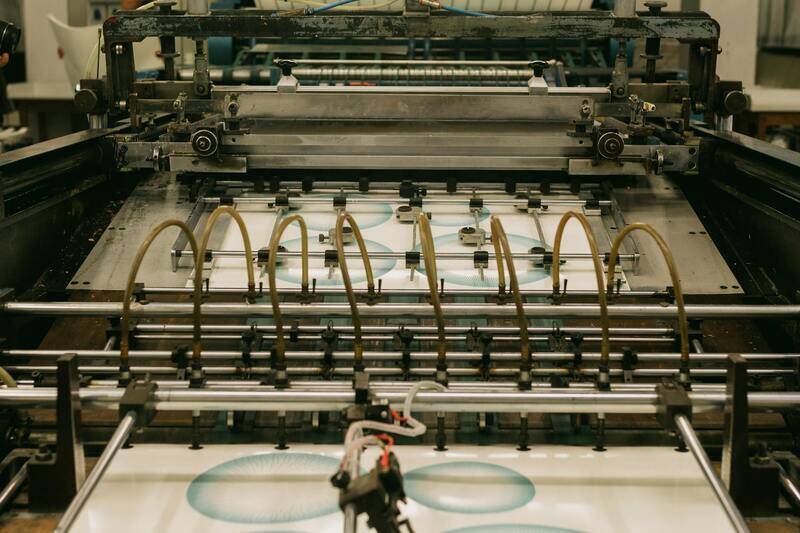
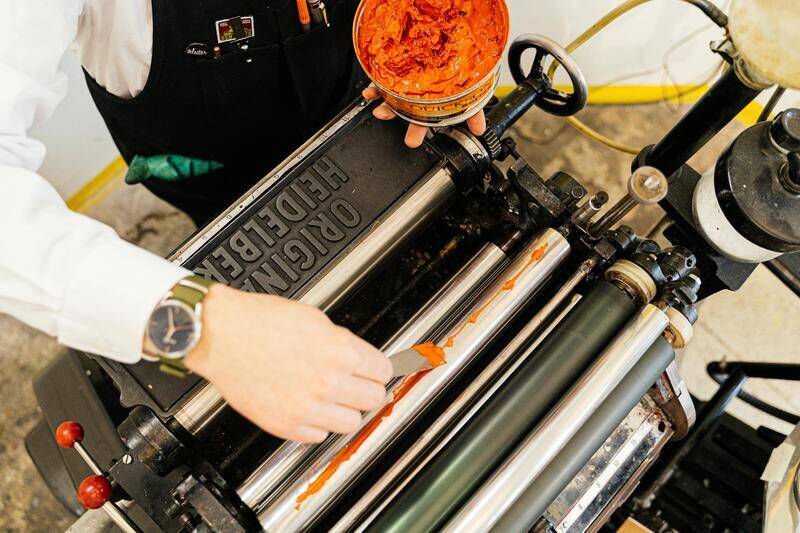
Printing techniques significantly influence the visual quality and longevity of booklets. Offset printing is widely preferred for high-volume projects due to its cost efficiency and vibrant output. Digital printing, on the other hand, is ideal for short runs, offering quick turnaround times and customization flexibility.
Finish options such as matte, gloss, or UV coating enhance the cover’s durability and aesthetic appeal. Embossing, foil stamping, and spot UV are specialty finishes that add texture and visual interest to specific areas of the booklet. These techniques create a compelling tactile experience, making the printed materials more engaging and professional-looking.
Pricing and Cost Factors
Pricing for booklet printing varies depending on specifications such as quantity, size, paper quality, binding method, and finishing options. Bulk orders typically receive discounted rates, making large print runs more economical per unit. Express or expedited services often incur higher costs due to rushed production schedules.
Additional charges may apply for unique features like variable data printing, custom die cuts, or special finishes. Reliable printing companies provide transparent price quotes that detail all expenses, allowing clients to balance quality and budget effectively. Understanding these factors helps ensure the project aligns with financial expectations while achieving the desired professional appearance.
Turnaround Time and Delivery Options
Efficient turnaround times are critical for projects with tight schedules. Top-tier booklet printing companies often offer standard and expedited options, with production times ranging from a few days to several weeks based on project complexity. Many printers also provide tracking and flexible delivery methods, including courier or bulk shipping directly to client locations.
To avoid delays, clients should confirm lead times during the planning phase and communicate any urgent deadlines early on. A streamlined process, from file submission to delivery, ensures that the booklets arrive intact, on time, and ready for distribution or presentation.
Design and Customization Support
Effective booklet printing companies offer design services or provide guidelines to assist clients in preparing print-ready files. Customization options may include unique cover designs, internal layout adjustments, and personalized elements such as QR codes or variable data inserts. This support ensures that every booklet reflects the intended branding and messaging.
Some firms also provide templates, online design tools, or consultations with graphic professionals to optimize layouts for print quality. A collaborative approach guarantees that the finished product not only looks appealing but also meets all technical specifications for flawless printing.
Quality Assurance and Sample Requests
Quality control is an integral part of professional booklet printing. Reputable companies often offer the option to request samples or proofs before the full print run. This process allows clients to verify color accuracy, paper quality, and binding integrity. Conducting a thorough review minimizes the risk of costly reprints and ensures the final product meets expectations.
Effective quality assurance protocols involve strict inspection at various stages, from file preparation to final packaging. Clients should inquire about the company's procedures for maintaining high standards consistently across different projects.
Environmental and Sustainability Practices
Many booklet printing providers now prioritize eco-friendly processes, including the use of recycled paper, soy-based inks, and energy-efficient printing techniques. Sustainability practices not only reduce environmental impact but also appeal to clients committed to social responsibility. Choosing a printer with environmentally conscious policies can enhance brand reputation and align with corporate sustainability goals.
Transparency about their eco-friendly initiatives and certifications reassures clients of the company's commitment to responsible printing. This consideration is increasingly important as consumers and organizations seek sustainable solutions for printed materials.
Types of Booklet Printing Services Offered
When selecting a booklet printing company, it is essential to understand the variety of printing options available to suit different project requirements. Reputable printing providers like justprintcard.net offer a comprehensive range of services designed to meet diverse needs, whether for corporate marketing, educational materials, or event programs.
One of the most common services is digital booklet printing, which is ideal for small to medium runs with quick turnaround times. This method utilizes digital printing technology, allowing for high-quality outputs with minimal setup costs. It is particularly suited for customized or short-term projects where flexibility and speed are paramount.
Offset printing, on the other hand, remains the preferred choice for large-volume orders. This process involves creating plates for each color and transferring ink onto the paper. Offset printing typically offers superior color accuracy, consistency, and the ability to produce large quantities efficiently, making it a cost-effective option for extensive distributions.
Specialized finishing options also enhance the appearance and durability of the finished products. These include laminations, embossing, foil stamping, and UV coatings, which can add a touch of professionalism and visual appeal. For instance, gloss or matte lamination not only improves the tactile experience but also protects the booklet from wear and tear, extending its lifespan.
Variable data printing is another innovative service offered by leading booklet printing companies. This technique allows for personalization of each copy within a print run—such as customized names, addresses, or images—making it especially useful for direct mail campaigns or personalized event programs.
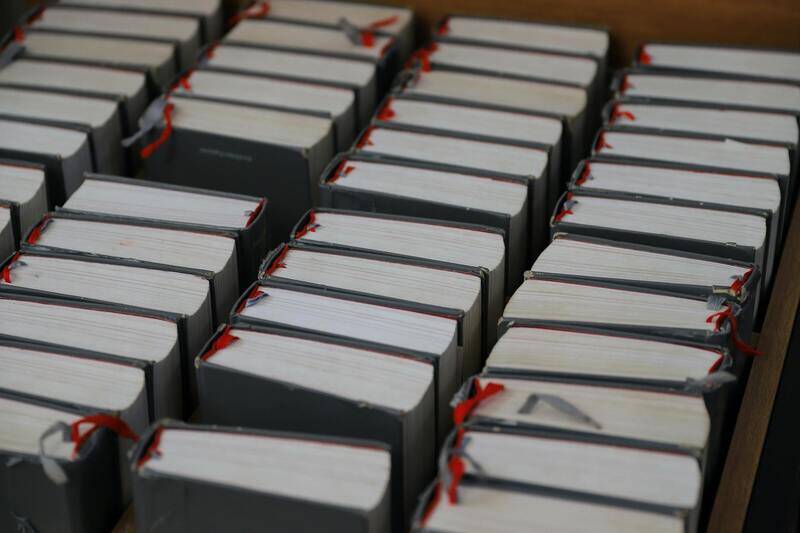
Bindery and finishing services further expand the utility and aesthetics of printed booklets. Options include saddle-stitching, perfect binding, spiral binding, and wire-o binding. Each method provides different benefits in terms of durability, ease of use, and visual presentation, allowing clients to match the binding style to the thematic and functional needs of the booklet.

Custom sizes and folds also offer flexibility to accommodate unique design concepts. Whether it's a standard A4 or a custom dimension, professional printing companies can produce booklets in alternative formats with special folds such as tri-folds, z-folds, or gate folds, enhancing the interactive experience for readers.
Incorporating eco-friendly printing options is increasingly important for many clients. Companies like justprintcard.net provide environmentally conscious choices—including recycled paper, vegetable-based inks, and energy-efficient processes—allowing clients to produce sustainable materials without compromising quality.
Ultimately, understanding the full scope of booklet printing services available helps clients make informed decisions tailored to their project's needs. From basic digital copies to intricately finished large-scale prints, professional printers offer solutions that combine quality, efficiency, and customization to support a broad spectrum of applications.
Types of Booklet Printing Services Offered
Booklet printing companies provide a comprehensive range of services designed to meet diverse project requirements. Standard options often include digital and offset printing, each suited for specific production volumes and quality demands. Digital printing is ideal for short runs, quick turnarounds, and highly personalized content, offering cost-effective solutions without sacrificing clarity. Offset printing, on the other hand, excels in producing large quantities with high-image fidelity and consistency, making it suitable for extensive marketing campaigns or large-scale distributions.
Beyond basic printing methods, many companies offer specialized services such as large-format printing for oversized booklets, and high-resolution color printing for vibrant visuals. These options help clients achieve an impactful visual presentation aligned with their branding. Additional services often encompass a variety of binding techniques—including saddle stitching for simple pamphlets, perfect binding for more polished, book-like finishes, spiral binding for ease of use, and wire-o binding for professional, durable results. Finishing touches such as embossing, foil stamping, and lamination are also available to elevate the tactile and visual appeal of the final product.

Custom specifications extend to size and folds, providing flexibility to cater to unique design visions. Booklets can be produced in standard dimensions like A4, or tailored to specific sizes, with options for creative folds such as tri-folds, Z-folds, or gate folds that add an interactive element and increase engagement. Eco-friendly printing options are increasingly popular, with many companies incorporating recycled papers, vegetable-based inks, and energy-efficient production methods to meet sustainability goals without compromising quality.
Factors to Consider When Selecting a Booklet Printing Company
Choosing the right partner for booklet printing involves evaluating multiple key factors. First, assess the range of services offered—does the company support your preferred printing method, binding options, and finishing techniques? Compatibility with your project’s scope and specifications is crucial for seamless execution. Turnaround times can vary significantly among providers; ensure the company can meet your deadlines without sacrificing quality.
Next, examine their previous work and client testimonials to gauge consistency and reliability. Request samples to evaluate the print quality, color accuracy, and finishing finesse, ensuring they align with your standards. Consider the company's ability to support customization—this encompasses not only size and format but also special features like embossing or foil stamping that add value and uniqueness to your booklet.
Another important aspect is the company's commitment to sustainability. An eco-conscious printer can provide options such as recycled paper, soy-based inks, and environmentally friendly processes, helping your project adhere to green practices. Additionally, customer support during the design and planning phase is vital—responsive communication and professional guidance can streamline the process and prevent costly errors.
Finally, review pricing models to ensure transparency and alignment with your budget, keeping in mind that the lowest cost may not always reflect the best value. Opt for a provider that offers detailed quotes and flexible payment or shipping options to optimize your project management.
Common Printing Techniques and Finishes
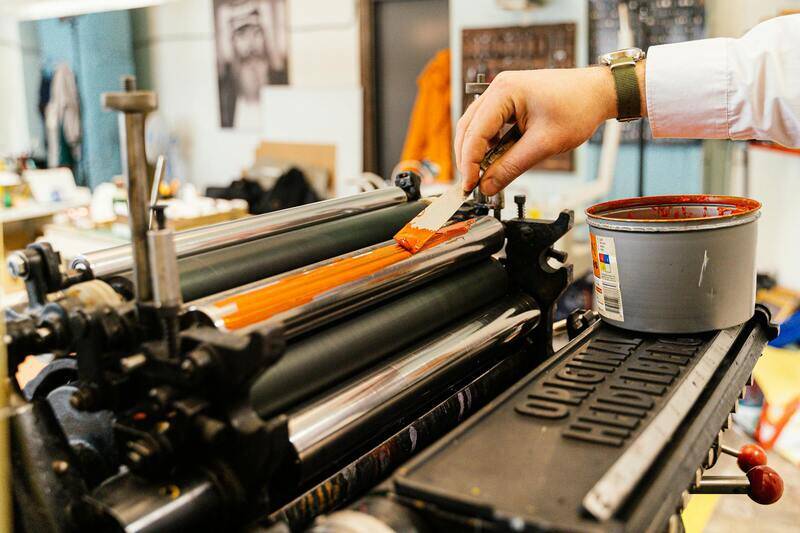
Choosing the appropriate printing technique is essential for achieving the desired visual impact and durability of your booklet. Different methods like digital, offset, or letterpress printing cater to various project sizes, color fidelity, and budget considerations. For instance, digital printing offers quick turnaround and cost-effectiveness for small runs, while offset printing excels in producing high-quality images in large quantities with consistent color accuracy. Understanding these technical distinctions allows you to align your project needs with the most suitable printing method.
Enhanced Finishing Options for a Professional Touch
Finishing techniques play a vital role in elevating the aesthetic appeal and tactile experience of your booklet. Standard finishes include matte, gloss, and satin coatings, each providing distinct visual effects and protection against wear and tear. For projects requiring an extra level of sophistication, specialty finishes such as spot UV coating highlight specific areas like logos or headings, creating contrast and visual interest.
Embossing and debossing introduce texture by raising or recessing elements on the cover or pages, delivering a premium feel. Foil stamping adds metallic accents that lend a luxurious sheen, ideal for branding or special editions. These finishes not only enhance visual appeal but also impact durability, making your booklet more resistant to handling and environmental factors.

Optimizing Booklet Quality with Proper Techniques
To achieve the best results, it is crucial to collaborate with a printing provider that understands the nuances of each technique and can advise on the most appropriate finishes based on your design and purpose. Always request samples or proofs that include these finishes to evaluate their effect before proceeding with large-scale printing. Properly applied techniques not only boost visual impact but also increase the lifespan of your printed material, ensuring your message remains impactful over time.
Types of Booklet Printing Services Offered
Booklet printing companies provide a diverse array of services tailored to meet various marketing, informational, or organizational needs. The most common types include digital, offset, and large-format printing, each suited to specific project sizes, timelines, and quality requirements.
Digital booklet printing offers quick turnaround times and the flexibility to produce small print runs efficiently. It is ideal for projects needing rapid deployment or frequent updates. Offset printing, on the other hand, is preferred for larger quantities due to its cost-effectiveness and high-quality output. It excels in producing vibrant colors, sharp images, and consistent results across numerous copies.
Additionally, some providers offer specialty services such as saddle stitching, perfect binding, and spiral binding to enhance presentation and durability. Customization options include various paper stocks, binding styles, and finishing techniques, allowing for tailored solutions that align with specific branding or aesthetic objectives.
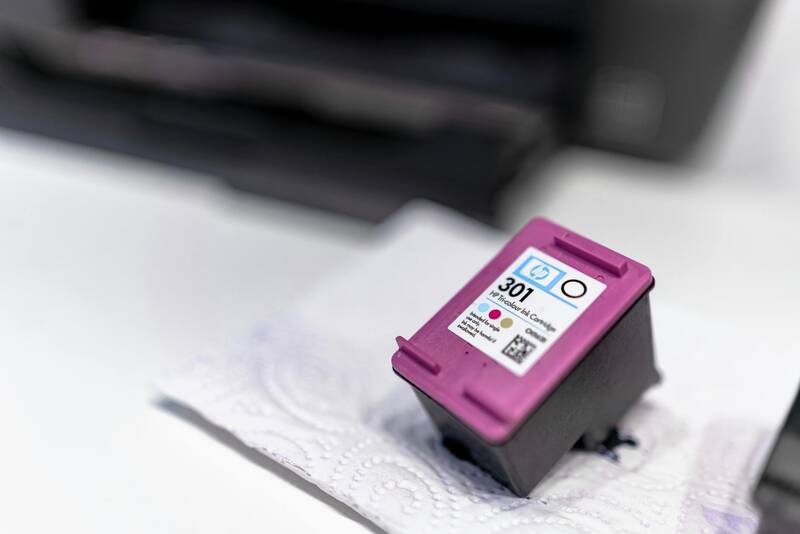
Moreover, advanced digital presses can accommodate variable data printing, enabling personalized content within each booklet—beneficial for targeted marketing campaigns or personalized corporate communications. The availability of digital and offset options ensures companies can choose the most appropriate method based on their project scope and budget, guaranteeing a high-quality, cost-effective product.
Factors to Consider When Selecting a Booklet Printing Company
Choosing the right partner involves evaluating several key factors that impact the final product's quality, cost, and timeliness. First, assess the company's experience in producing booklets with similar specifications to your project. A seasoned provider will have the technical expertise to handle complex designs, paper selections, and finishing techniques.
Next, review the company's reputation for quality assurance. Request examples of past work or detailed samples that demonstrate their capability to meet high standards. It is also important to verify their ability to adhere to your deadlines, especially if your project has tight schedule constraints.
Effective communication plays a crucial role in successful booklet production. The company should offer comprehensive pre-press services, including assistance with design adjustments, proofing, and color management to ensure the final product aligns with your vision. Transparency in pricing and clear policies on revisions and delivery schedules are essential to avoid unexpected costs or delays.

Finally, consider the company’s sustainability practices, such as the use of eco-friendly inks and recycled paper. This not only reflects corporate responsibility but can also appeal to environmentally conscious consumers and stakeholders.
Common Printing Techniques and Finishes
Implementing the right printing techniques and finishes enhances both the visual appeal and tactile experience of your booklet. Standard methods include digital and offset printing, with offset being favored for large runs thanks to its high image quality and cost efficiency.
Finishes such as matte, gloss, and satin coatings play a vital role in protecting printed materials and sharpening their aesthetic impact. Matte finishes provide a subdued, sophisticated look, reducing glare and fingerprints, which is suitable for content-rich booklets. Gloss coatings impart a vibrant, reflective surface that highlights images and colors, ideal for promotional materials or photo-heavy projects. Satin finishes offer a balanced sheen, combining smoothness with durability for versatile applications.

Specialty finishes such as spot UV coating, embossing, and foil stamping can significantly boost the visual and tactile quality. Spot UV coating accentuates specific elements like logos or headings with a glossy highlight, creating contrast and drawing attention. Embossing and debossing introduce textured layers—raised or recessed—adding sophistication and an element of tactile engagement.
Foil stamping adds metallic accents that exude luxury, commonly used for branding or celebratory editions. Combining these techniques allows for a customized, high-end finish that aligns with your branding and project objectives. It is advisable to work with a printer experienced in these specialty processes and to request samples of finishes to ensure alignment with your desired outcome.
Pricing and Cost Factors
Pricing in booklet printing is influenced by several variables, including quantity, paper type, binding method, and chosen finishes. Small print runs tend to have higher per-unit costs, especially for intricate finishes or specialty papers. Conversely, larger quantities benefit from economies of scale, reducing the overall cost per booklet.
Design complexity and color requirements also impact costs. Full-color, high-resolution images demand more ink and processing time compared to simpler designs. Additionally, specialty finishes and paper stocks with unique textures or weights can add to expenses but often justify the investment through enhanced perceived value and durability.
Requesting detailed quotes upfront, with itemized costs for each component, helps in comparing options and establishing clear budgets. It is advantageous to inquire about bulk discounts, rush order fees, and any additional charges for custom finishes or binding options.
Types of Booklet Printing Services Offered
When selecting a booklet printing company, understanding the variety of services available is essential for achieving your desired quality and functionality. Most reputable printers offer a range of options tailored to different needs, including saddle-stitched booklets, perfect-bound brochures, wire-o binding, and spiral binding. Saddle-stitching remains one of the most cost-effective methods for small to medium runs, providing a clean, professional appearance suitable for brochures, event programs, or presentations. Perfect binding, often associated with magazine quality, is ideal for thicker booklets or catalogs that require a seamless spine for a polished look.
In addition to binding varieties, many companies extend specialized finishing services such as embossing, foil stamping, UV coating, and matte or gloss varnishes. These enhancements can elevate the perceived value of your booklet, making it more attractive to your target audience. For projects that demand durability and a premium feel, options like heavy cardstock covers, linen textures, or waterproof coatings are also available. Furthermore, digital and offset printing methods can be employed based on project size—digital for short runs and quick turnarounds, offset for large quantities requiring high-quality color consistency.

Factors to Consider When Selecting a Booklet Printing Company
Choosing the right provider involves evaluating several key elements beyond just pricing. A company's experience in handling diverse printing projects can impact the quality of final output. It’s crucial to verify their technological capabilities, such as the availability of advanced presses and finishing equipment, to ensure they can accommodate your specific requirements.
Customer reviews and portfolio samples provide insight into their consistency in producing high-caliber materials. Clear communication is also vital; the provider should be transparent about timelines, available options, and potential constraints. Additionally, assessing their capacity for customization—such as tailored paper stocks, unique binding options, or specialty finishes—ensures your project aligns with branding and presentation standards.
Another consideration involves the company's adherence to quality standards and their ability to deliver on specifications. A reputable booklet printing partner should offer detailed proofs and be willing to accommodate revisions before proceeding with mass production. Sustainability practices, such as sourcing eco-friendly materials or employing environmentally conscious manufacturing processes, are increasingly important in selecting responsible printing partners.
Common Printing Techniques and Finishes
To enhance the visual appeal and tactile experience of your booklets, various printing techniques and finishes are available. Embossing and debossing create textured patterns that add depth and sophistication to covers and specific pages. Foil stamping introduces metallic accents that highlight logos, titles, or decorative elements, often conveying a sense of luxury or celebration.
UV coating and varnishes offer a glossy or matte finish, protecting the printed surface while influencing the aesthetic. Spot glossing can be applied selectively to emphasize certain areas within the design. Specialty papers, such as linen, canvas, or textured cardstock, can further enrich the tactile quality and overall durability of your booklet, making it stand out from standard printed materials.
Combining these techniques can produce a customized, high-end presentation that aligns with branding goals and project identity. It is advisable to review samples or request test prints to visualize how different finishes will appear and feel, ensuring your final product meets expectations.

Pricing and Cost Factors
The cost of booklet printing varies based on multiple criteria, including paper type, quantity, binding method, size, and finishing options. Small print runs generally entail higher per-unit costs due to setup fees and fixed expenses; however, larger batches benefit from economy of scale, reducing the overall price. For instance, choosing heavier or specialty papers often increases material expenses but can significantly enhance the tactile and visual appeal.
Design complexity is another significant factor—full-color pages with high-resolution images demand more ink and processing time, impacting costs. Intricate finishes like foil stamping, embossing, or UV coatings also add to expenses but provide distinctive branding opportunities. Additionally, binding choices such as wire-o or perfect binding influence the overall cost structure.
To manage budgeting effectively, request detailed quotes that itemize each element, including the cover, interior pages, finishing, and binding. Investigating bulk discounts, rush order premiums, and additional charges for custom finishes allows for well-informed decision-making. Remember that investing in quality materials and finishes can yield better durability and a higher perceived value, often leading to more impactful communication with your audience.
Types of Booklet Printing Services Offered
Booklet printing companies provide a diverse range of services tailored to meet various marketing, informational, and branding needs. Understanding the breadth of options available ensures that clients can select the most suitable method for their project. Commonly offered services include saddle-stitched booklets, perfect-bound booklets, wire-o binding, spiral binding, and saddle-stitch options, each providing distinct aesthetic and functional qualities.
Saddle-stitching remains one of the most economical and versatile choices for shorter booklets or brochures, offering a clean, professional appearance suitable for catalogs, event programs, or informational pamphlets. Perfect binding is ideal for larger booklets, such as manuals or brochures, providing a sleek, polished look with a glued spine that accommodates higher page counts. Wire-o and spiral bindings are favored for their durability and lay-flat capabilities, making them well-suited for manuals, workbooks, or presentation booklets that require frequent handling.
Advanced printing companies also offer specialty services such as foil stamping, embossing, UV coatings, and spot varnishing, which can elevate the tactile and visual appeal of printed booklets. These finishes not only reinforce branding but also enhance the perceived quality of the final product. Furthermore, options for custom sizes, paper stocks, and fold techniques offer additional flexibility to align with unique branding or design requirements.
Factors to Consider When Selecting a Booklet Printing Company
Choosing the right printing partner involves assessing several critical factors beyond just price. It is essential to evaluate a company's portfolio to ensure they have experience with similar projects and possess the necessary technical capabilities. Quality standards are paramount; reviewing sample works or requestingsamples can provide insight into the consistency and craftsmanship of their output.
Turnaround time is crucial, especially for projects with strict deadlines. Companies that offer flexible scheduling or expedited services can help meet tight timelines without compromising quality. Additionally, a reliable printer should have a transparent pricing structure, providing detailed quotes that specify costs for paper choices, finishes, binding, and any supplementary services.
Customer service quality also plays a significant role. Responsive communication, willingness to provide consultation, and support throughout the design and production process ensure your vision is accurately realized. Sustainability practices and the use of eco-friendly materials are increasingly important in selecting a partner committed to environmentally responsible printing.
Common Printing Techniques and Finishes
To make your booklet stand out, various printing techniques and finishing options can be employed. Offset printing provides high-quality, cost-effective results for larger runs, producing vibrant colors and sharp details. Digital printing, on the other hand, is ideal for small batch projects with quick turnarounds or variable data requirements.
Special finishes add a distinctive touch. Spot UV coating can highlight particular areas with a glossy texture, while matte finishes lend an understated elegance. Embossing and debossing create tactile effects, accentuating logos or design elements. Foil stamping introduces metallic accents, enhancing branding elements and visual interest.
Folding techniques such as Z-folds, tri-folds, and gate folds allow creative presentation styles, maximizing space and engagement. These techniques, combined with a curated selection of durable, textured, or specialty papers, enable customization that aligns with your brand’s identity and purpose.

Types of Booklet Printing Services Offered
Booklet printing companies provide a diverse array of services tailored to meet various design, size, and production needs. Typically, clients can choose from basic saddle-stitched booklets, perfect-bound options for a more polished aesthetic, or wire-bound versions for enhanced durability. Customizable formats, such as small pocket-sized booklets or large, presentation-style documents, ensure your printed materials align with your brand’s goals.
Offset printing remains a preferred method for large-volume productions, offering vibrant colors and consistent quality at a lower cost per unit. Digital printing, however, allows for flexible, short-run projects with quick turnaround times, ideal for limited editions or highly personalized content. Flexo and large-format printing are also available for specialty applications, such as outdoor signage or presentation boards that integrate seamlessly with booklet projects.

Companies also frequently offer finishing and binding services that enhance overall presentation. Options include saddle stitching, perfect binding, spiral binding, and comb binding, each adding a unique style and durability level. Specialized binding methods, such as lay-flat binding, are perfect for brochures or catalogs that require easy page viewing without damage.
Factors to Consider When Selecting a Booklet Printing Company
- Production Capacity and Experience
- Range of Printing Techniques and Finishes
- Turnaround Times and Delivery Options
- Pricing Structures and Volume Discounts
- Customer Support and Design Assistance
- Environmental Practices and Material Choices
Evaluating these aspects ensures a seamless printing process and a final product that aligns with your expectations. This includes reviewing samples, requesting detailed quotations, and understanding the company's workflow management. A reliable partner will also be transparent about their capacity to handle urgent projects and manage complex customization requirements.
Common Printing Techniques and Finishes
To elevate your booklet design, various printing techniques and finishing touches are available. Offset printing is renowned for its ability to produce high-quality images with rich color depth, making it suitable for large print runs. Digital printing offers a cost-effective and flexible alternative for smaller quantities, enabling quick adjustments and customization.
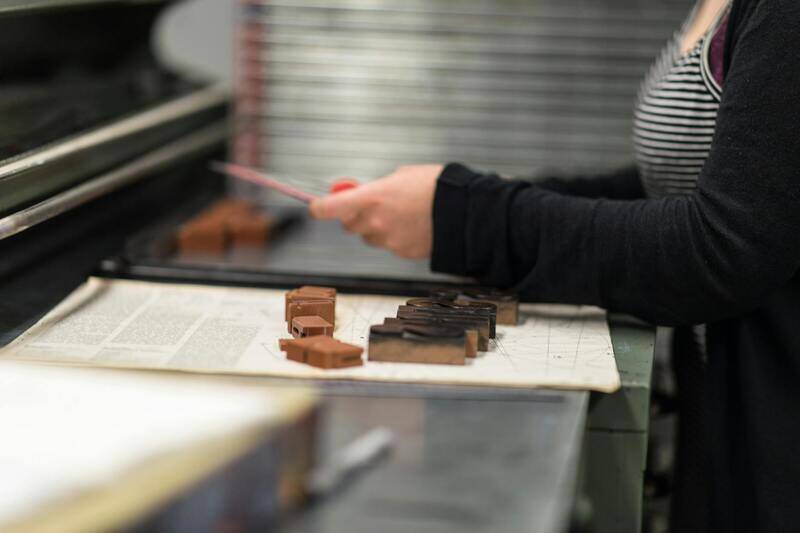
Finishing options such as spot UV coating, matte, and gloss finishes contribute to a tactile and visual appeal, emphasizing specific design elements. Embossing and debossing add an elegant, textured effect, which can make logos or key information gloss or stand out. Foil stamping introduces metallic accents, perfect for adding a touch of luxury or brand prominence.
Folding styles, including Z-folds, tri-folds, and gate folds, optimize space utilization and engagement, allowing creative presentation layouts. Combining these choices with premium, textured, or recycled papers enables customization that enhances brand perception and ensures durability.
Pricing and Cost Factors
Understanding the cost structure of booklet printing involves considering several key factors. The volume of copies significantly impacts unit price, with larger quantities typically reducing overall costs. Materials and paper quality also influence pricing, with premium or specialty papers increasing expenses. The complexity of design, choice of finishing techniques, and binding methods further contribute to the final cost.
- Quantity of Booklets Ordered
- Type and Quality of Paper
- Printing Technique (offset vs digital)
- Custom Finishing and Binding Options
- Design Complexity and Number of Pages
Requesting detailed quotes from multiple providers allows for a fair comparison, ensuring competitive pricing without compromising quality. Some companies offer discounts for bulk orders or repeat business, providing additional cost savings.
Turnaround Time and Delivery Options
Timely delivery is critical, especially for promotional or event-specific projects. Most booklet printing companies provide standard production times that range from a few days to several weeks, depending on the project's scope and complexity. Rush options are often available for expedited needs, although they may incur additional charges.
- Standard Turnaround Times
- Rush or Expedited Printing Services
- Shipping and Delivery Methods
- Tracking and Customer Notifications
Flexibility in delivery options ensures your printed materials arrive on schedule, whether through local courier, freight shipping, or international logistics. Clear communication regarding timelines minimizes surprises and helps coordinate your campaign or event planning.
Design and Customization Support
Many booklet printing companies offer professional design assistance to help you translate your ideas into print-ready files. From layout optimization to color matching and formatting, these services ensure your vision is accurately realized. Some providers have in-house graphic designers, while others connect clients with trusted freelancers or agencies.
- Design Consultation and Support
- Template and Layout Services
- Color Management and Proofing
- Pre-press Adjustments and File Review
Advanced customization options, including personalized content or variable data printing, enable targeted marketing that resonates with specific audiences. These capabilities are particularly useful for invitations, catalogs, or event programs that require unique information on each copy.
Quality Assurance and Sample Requests
Prior to mass production, requesting samples allows you to evaluate the quality of printing, paper, and finishing techniques firsthand. Reliable companies have quality assurance protocols that include color accuracy checks, print inspections, and consistency evaluations throughout the production process.
- Sample Printing and Evaluation
- During Production Quality Checks
- Final Inspection and Approval Processes
- Customer Feedback and Revisions
Engaging in this process minimizes the risk of errors and ensures your final product meets your standards. It also provides an opportunity to assess the company's capability to handle your project scope and specific design preferences effectively.