Overview of Express Card Printing
Express card printing has become an essential service for individuals and businesses seeking high-quality cards with rapid turnaround times. This process involves the immediate production of various types of cards, including identification cards, membership cards, gift cards, and corporate access cards, catering to needs that demand quick delivery without compromising on quality. The primary advantage of opti…
Materials and Printing Technologies Used
When it comes to express card printing, selecting the right materials and employing advanced printing technologies are crucial to achieve durable, professional results within tight timeframes. High-quality PVC (polyvinyl chloride) remains the standard material due to its robustness, flexibility, and cost-effectiveness, making it ideal for ID cards, membership cards, and gift cards. For applications requiring enhanced durability, some providers offer composite or holographic materials that provide additional security features and aesthetic appeal.
Modern printing involves a blend of various technologies, each suited to different types of cards and customization needs. Direct-to-card (DTC) printing is the most common method, where the design is printed directly onto the surface of the PVC card using thermal or dye-sublimation printers. This method allows for vibrant color reproduction, high resolution, and quick turnaround—perfect for express services.

Laser engraving technology is also widely used, especially for cards requiring increased security or permanence. It involves etching the design into the material itself, creating a highly secure, tamper-proof card. While laser engraving might take a bit more time than DTC printing, many service providers streamline this process to fit within express timelines, particularly for ID cards used for access control.
In addition, overlay and lamination options are available to bolster the card's lifespan against wear and tear. UV coating can be applied for added gloss and protection, ensuring that the printed design remains vibrant over extended periods.
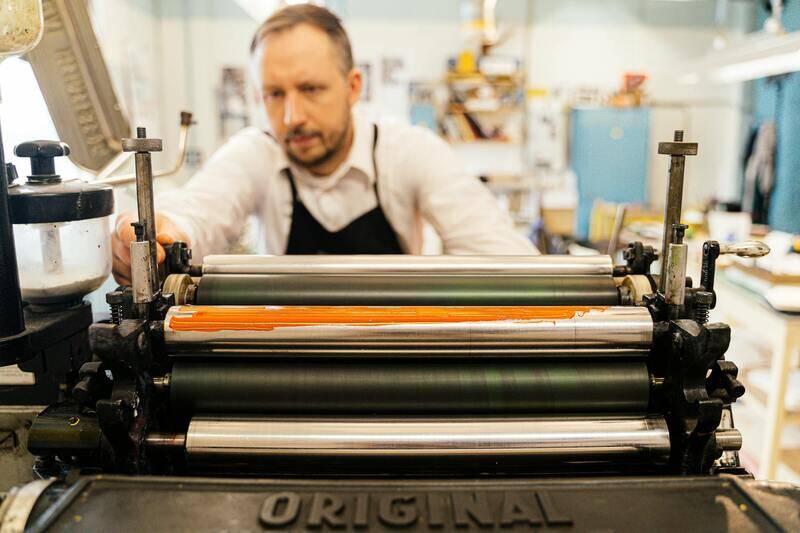
Choosing the appropriate combination of material and printing technology depends on the specific application, security requirements, and aesthetic preferences of each client. Reputable printing service providers leverage the latest equipment and quality materials to guarantee fast, reliable, and attractive card production, even under tight deadlines.
Overview of Express Card Printing
Express card printing serves as a crucial component for organizations and individuals seeking rapid, high-quality card production. This process ensures that essential identification, access, or membership cards are produced efficiently without compromising on quality or durability. By employing advanced printing technologies, providers can meet tight deadlines while maintaining design integrity. Whether for employee ID badges, membership cards, or promotional items, the emphasis on speed and precision makes express card printing a reliable solution for diverse needs.
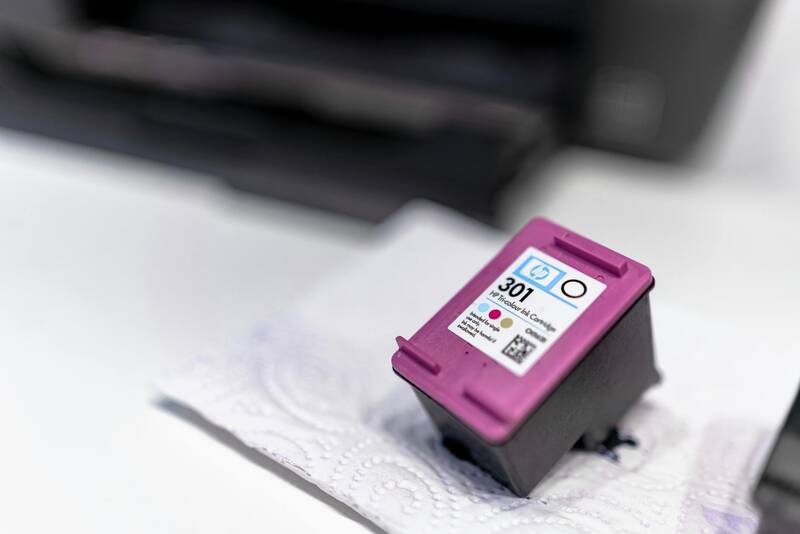
Modern methods such as direct-to-card (DTC) printing allow for quick, vibrant, and detailed designs to be applied directly onto card surfaces. This process utilizes thermal transfer or dye-sublimation printers capable of producing full-color images rapidly. The advantages of this technique include sharp resolution, color fidelity, and minimal setup time. It is particularly well-suited for applications requiring large volumes on short notice.
Types of Cards Available for Printing
Express card printing accommodates a wide variety of card types, each tailored towards specific functions and security levels:
- Identification (ID) Cards: Used by employees, students, or members for access control.
- Membership Cards: For gyms, clubs, or organizations seeking to establish branding and loyalty.
- Access Cards: Contactless or magnetic stripe cards for secure entry points.
- Gift and Promotional Cards: Custom-branded cards for marketing campaigns and customer engagement.
Aligning the card type with the printing method ensures the final product effectively meets its intended purpose, combining aesthetic appeal with functional security features.
Advanced Security Options
To enhance security, providers often incorporate laser engraving on certain cards, creating permanent markings resistant to tampering. Additionally, overlay layers and lamination techniques can be employed to extend the lifespan of printed cards. UV protective coatings safeguard against fading and wear, ensuring that the design remains vivid throughout the card's usage lifecycle.
Materials and Printing Technologies Used
A variety of materials are utilized in the production of express cards, each offering distinct benefits based on durability, cost, and application:
- PVC (Polyvinyl Chloride): The most common material, known for its flexibility, affordability, and ease of printing.
- PET (Polyethylene Terephthalate): Offers greater resistance to wear and higher thermal stability, suitable for cards exposed to harsh environments.
- Composite Materials: Combine PVC with other polymers to enhance strength and longevity, often used for high-security or frequently handled cards.
Printing technologies paired with these materials include UV printing for vibrant, high-resolution images, and digital printing for detailed, customizable graphics. Lamination and overlay films further protect printed surfaces, enhancing durability and appearance.
Design Considerations for Custom Express Cards
Designing authentic and visually appealing cards requires thoughtful consideration of layout, security features, and branding elements. Key points include:
- Incorporating clear visuals and logos to reinforce brand identity.
- Utilizing contrast and color schemes that improve readability and aesthetics.
- Embedding security holograms, barcodes, or QR codes for enhanced tracking and access control.
- Choosing durable finishes that withstand frequent handling and environmental exposure.
Collaboration with professional designers and printing specialists ensures that the final product aligns with organizational requirements and security standards.
Turnaround Time and Cost Factors
When selecting an express card printing service, understanding the factors that influence turnaround time and costs is critical to meeting your organizational needs while managing budgets effectively. Professional providers typically offer a range of options that balance quality, speed, and affordability.
Turnaround times for express card printing can vary based on the complexity of the design, the type of materials used, and the volume of cards ordered. Many reputable printing companies, such as justprintcard.net, provide options for same-day or next-day processing for standard orders, ensuring that urgent requirements are met without compromising quality.
Cost considerations are equally important. Price points depend on the type of card (PVC, PET, or composite), the number of features integrated (such as holograms, barcodes, or magnetic strips), and the finishing options like lamination or overlay films. Bulk orders often benefit from discounted rates, reducing overall costs for large-scale projects.
Additional factors impacting costs include the complexity of the design, especially when incorporating custom graphics or security features that require specialized printing techniques. It is advisable to request detailed quotes and turnaround estimates from providers to compare options effectively.
Choosing a reputable service with transparent pricing and clear turnaround policies can prevent surprises and ensure smooth project execution. For organizations with ongoing needs, establishing a relationship with a dedicated account manager can streamline future orders, reducing both costs and processing times.
Additionally, some providers offer supplementary services such as design consultation, proofing, and quality checks before final production, which can further enhance the overall value and ensure the final product aligns with organizational standards.
Detailed Insights into the Express Card Printing Process
Official Channels for Express Card Printing
Securing high-quality, reliable express card printing services requires engagement with established and reputable providers. To ensure consistent results and adherence to quality standards, organizations often turn to professional printing firms that specialize in card manufacturing. These providers utilize sophisticated equipment and adhere to strict quality control protocols to deliver durable, visually appealing cards that meet specific requirements.
Many local and international printing companies offer dedicated express services for card printing, allowing clients to benefit from expedited turnaround times. These companies typically maintain up-to-date technology, including high-resolution digital presses, direct-to-card printing, and advanced lamination techniques. Establishing a direct relationship with such providers can facilitate streamlined communication, faster processing, and more accurate fulfillment of customized orders.

Key Elements of a Legitimate Card Printing Process
Legitimate card printing processes emphasize the use of certified materials and strict adherence to organizational specifications. This includes verifying the quality of the card substrates—such as PVC, PET, or composite materials—that are selected based on durability and appearance. Additionally, professional printers implement rigorous quality assurance procedures, including color calibration, verification of security features, and inspection of finishing touches.
Secure handling and data protection are integral to this process, especially when printing personalized information or sensitive data. Reputable providers often incorporate encrypted workflows, secure storage, and confidentiality agreements to safeguard client information throughout the production cycle.
Ensuring Authenticity and Quality in Your Printed Cards
Authentic printing involves an exact replication of design elements and precise application of security features. This can include holograms, embedded chips, magnetic strips, and intricate barcodes—all of which require specialized equipment and expertise. The utilization of official printing methods guarantees that these features are seamlessly integrated and resistant to tampering.
Moreover, quality control measures encompass visual inspections, functionality testing (for embedded features), and durability assessments. These steps help confirm that each card not only looks professional but also performs reliably under everyday use.
Additional Measures to Validate a Printing Service
- Request samples of previous work to assess printing quality and design accuracy.
- Inquire about the materials used, including their specifications for longevity and security.
- Review the provider's quality assurance protocols and certification standards.
- Confirm the confidentiality measures for handling sensitive or personal data.
- Establish clear communication channels to handle revisions and approvals efficiently.
By prioritizing these official procedures, organizations can achieve a seamless process from design conception to final delivery, ensuring their cards meet professional standards and strategic objectives.
Overview of Express Card Printing
Express card printing offers rapid production services tailored to meet urgent identification, access, or branding needs. By utilizing advanced printing technologies and high-quality materials, professional service providers can deliver custom-designed cards within extremely short timeframes without compromising quality. This process is ideal for organizations seeking prompt issuance of employee badges, event passes, or membership cards while maintaining comprehensive customization options. The emphasis on precision and security during printing ensures that each card is durable, visually appealing, and resistant to tampering or deterioration over time.

Opting for expedited card printing involves collaboration with vendors equipped with state-of-the-art digital presses, thermal transfer printers, and holographic application machinery. These technologies facilitate high-resolution image reproduction, vibrant color accuracy, and the integration of complex security features within tight deadlines. The process adheres to strict standards that uphold design integrity and functional reliability, making it suitable for a diverse range of applications from corporate environments to event management.
Types of Cards Available for Printing
Within the realm of express card printing, a variety of card types can be produced, each serving different operational or promotional purposes:
- ID Cards: Used for employee identification, access control, and visitor management.
- Membership Cards: Customers or members receive personalized cards for loyalty programs or exclusive access.
- Temporary Cards: Short-term passes issued during events, conferences, or training sessions.
- Gift and Prepaid Cards: Used in retail settings, these cards facilitate prepaid transactions and marketing campaigns.
- Promotional Cards: Customized cards designed to boost brand awareness or distribute special offers.
Each card type is crafted with tailored features, such as magnetic strips, QR codes, embedded chips, or holographic overlays, to enhance functionality and security. The choice of material and printing method hinges upon the card’s intended use, longevity requirements, and security considerations.
Materials and Printing Technologies Used
High-quality materials form the foundation of durable and reliable cards. Common options include PVC, PET, and composite substrates, which offer resistance to bending, scratching, and environmental exposure. The selected material impacts the card’s lifespan and appearance, especially under frequent handling or adverse conditions.
Printing technologies employed in express card production comprise:
- Thermal Printing: Perfect for short runs and rapid production, thermal transfer and direct thermal printing deliver sharp images and text efficiently.
- Digital Printing: Suitable for complex designs with multiple colors, gradients, and security features. Digital presses enable high-resolution output with quick turnaround times.
- Embossing and Foil Printing: Adds tactile and visual elements that enhance security and aesthetic appeal.
- Security Features Integration: Incorporates holograms, microtext, UV inks, and embedded chips during the printing process, ensuring comprehensive protection against counterfeiting.

Design Considerations for Custom Express Cards
Creating effective designs for express printed cards involves a strategic focus on both aesthetics and functionality. Design elements should align with branding guidelines, ensuring consistency in color schemes, logos, and messaging. Incorporating security features—such as holographic overlays, microtext, and barcodes—requires careful positioning to maintain visual clarity and scanability.
Key design considerations include:
- Layout and Size: Standard dimensions facilitate compatibility with card readers and holders.
- Color Scheme: Vibrant and contrasting colors enhance visibility, while muted tones can be used for elegant branding.
- Security Elements: Placement of security features should balance design beauty with anti-counterfeiting measures.
- Text and Fonts: Clear, legible fonts facilitate easy identification and access control.
- Imagery: High-resolution images or logos reinforce brand identity and professionalism.
Achieving a harmonious balance between visual appeal and security integration is critical for effective custom express cards. Providing detailed design files and specifications to the printing partner ensures timely production and accurate output.
Understanding the Materials and Printing Technologies Used
When it comes to producing high-quality express cards, the choice of materials and printing technology is pivotal. The use of premium substrates ensures durability and an upscale appearance, while advanced printing techniques guarantee precision and security features.
Polycarbonate and PVC are the most common materials employed in professional card printing. Polycarbonate offers enhanced strength and resistance to wear, making it suitable for cards with extended use. PVC, on the other hand, provides flexibility and cost-efficiency for standard requirements. Both materials can incorporate various security features directly during the printing process, such as holographic overlays or embedded microchips.
Modern printing technologies used in express card production include UV printing, which adds vibrant, high-resolution images with durable inks that resist fading; dye sublimation, ideal for creating full-color, photo-quality images with seamless color blending; and offset printing, which is suitable for large runs with consistent quality. Embossing and lamination are also frequently integrated to enhance tactile features and protect the card surface from scratches and environmental damage.

Using secure and specialized inks—such as UV inks that are resistant to scratching and fading—further enhances the longevity of the card’s aesthetic aspects. Embedded chips and holograms are embedded during the printing process, ensuring seamless security and functionality integration, which is crucial for applications requiring reliable identification and anti-fraud measures.
Design Considerations for Custom Express Cards
Creating a compelling and secure design for express printed cards requires meticulous attention to detail. The layout must balance branding elements and security features while maintaining user-friendliness. A well-planned design safeguards the card’s visual integrity and usability.
- Layout and Size: Adhering to standard dimensions ensures compatibility with card readers and holders. A consistent size simplifies handling and enhances brand professionalism.
- Color Scheme: Color choices should reflect brand identity. Vibrant colors increase visibility, while subdued tones exude elegance. Contrast plays a vital role in readability and security feature visibility.
- Security Elements: Strategic placement of holograms, microtext, UV elements, and barcodes helps prevent tampering and counterfeiting. These features should be integrated in a way that does not compromise design aesthetics.
- Text and Fonts: Clear, legible fonts facilitate quick identification and access control. Font sizes and styles should align with the overall design theme and readability standards.
- Imagery: High-resolution logos, photos, or other graphics reinforce branding. Placement should complement security features without obfuscating necessary details.
A seamless integration of security and aesthetics ensures that custom express cards serve their purpose efficiently and professionally. Providing detailed design templates and specifications to the printing provider minimizes errors and speeds up production.

Ensuring Proper Use and Handling of Printed Express Cards
Once your custom express cards have been professionally printed, maintaining their integrity and functionality is essential for effective utility and security. Proper use and handling help ensure that the cards continue to serve their purpose reliably and retain their visual appeal over time.
Guidelines for Handling Express Cards
- Avoid Physical Damage: Keep cards away from sharp objects, excessive bending, or heavy impacts that can cause scratches, cracks, or warping. Handling with care preserves the card’s physical structure and security features.
- Store Properly: When not in use, store cards in protective sleeves or holders that prevent dust, moisture, and exposure to direct sunlight. Proper storage minimizes the risk of image fading and deterioration of security elements.
- Limit Exposure to Liquids: Keep cards dry at all times. Exposure to liquids can damage printed images and security features such as holograms or microtext, compromising their effectiveness and appearance.
- Use Appropriately: Handle with clean hands to prevent oil or dirt transfer. Using the card only for its intended purpose avoids unnecessary wear and tear.
- Regular Inspection: Periodically check the cards for signs of damage or fading. Early detection of issues allows for timely replacement, maintaining security and presentation standards.
Proper Storage Solutions
To prolong the lifespan of your express cards, invest in robust storage options such as RFID-safe sleeves or laminated holders that protect against physical and electromagnetic interference. Segregate cards based on usage frequency to avoid unnecessary handling. For organizations with a large volume of cards, dedicated storage cabinets with compartments improve organization and quick access, reducing mishandling risks.
Maintenance Strategies for Long-Term Preservation
- Cleaning: Use gentle, non-abrasive cloths to clean surface dirt. Avoid harsh chemicals that could damage printed graphics or security features.
- Environmental Control: Store cards in a controlled environment where temperature and humidity are maintained at optimal levels to prevent warping, bleeding, or fading.
- Security Measures: When handling sensitive or high-security cards, utilize gloves or other protective equipment to prevent fingerprints or oils from compromising surface quality or security features.