Overview of Document Printing Services
Document printing services are essential resources that cater to the diverse printing needs of individuals, businesses, and organizations across Singapore. These services encompass the production of various printed materials, including business reports, marketing collateral, legal documents, educational materials, and personal projects. As a critical component of daily operations and personal pursuits, professional printing providers ensure that high-quality, accurate, and timely prints are accessible to their clients. Their role extends beyond basic printing, offering specialized solutions such as large-format printing, color management, binding, and finishing options to meet specific requirements. In Singapore, where business activity is vibrant and diverse, reliable document printing services facilitate seamless communication, branding, and documentation workflows, supporting both routine and complex projects with efficiency and precision. With the increasing reliance on printed materials for official and promotional purposes, these services play a vital role in maintaining professionalism and fostering clear communication within various sectors.

Understanding the scope and availability of document printing services provides valuable insight into how individuals and organizations can effectively utilize these solutions. Whether it's a small-scale personal print job or a large corporate printing requirement, selecting the appropriate provider and services ensures optimal results. The growing demand for advanced printing technologies and environmentally friendly practices has also shaped the industry, leading to innovations that offer both quality and sustainability. As the market evolves, keeping abreast of the latest offerings and best practices becomes essential for achieving the desired print outcomes efficiently and cost-effectively.
Types of Printing Options Available
Document printing services offer a wide array of options tailored to meet specific needs and preferences. The most common types include:
- Digital Printing: Ideal for short to medium runs, digital printing offers quick turnaround times and excellent quality, with options for customization and variable data printing.
- Offset Printing: Suitable for high-volume print jobs, offset printing delivers consistent high-quality images and cost-effective solutions for large batches, making it a preferred choice for brochures, catalogs, and formal reports.
- Large-Format Printing: Designed for banners, posters, and signage, large-format printing accommodates oversized materials with high resolution and vibrant colors.
- Specialty Printing: This includes options such as embossed, foil-stamped, or textured printing, adding a unique tactile element to printed materials.
Additional services like binding, laminating, and finishing further enhance the final product, providing a polished and professional appearance essential for impactful presentations and documents.
Choosing the Right Printing Provider
When selecting a document printing service, several factors come into play:
- Reputation and Experience: Look for providers with established track records in delivering quality results and reliable services.
- Range of Services: Ensure the provider offers the specific printing techniques and finishing options you require.
- Turnaround Times: Confirm their ability to meet your deadlines without compromising quality.
- Customer Support: Responsive and professional customer service can make the process smoother and resolve issues efficiently.
- Pricing Transparency: Clear and competitive pricing structures help manage budgets and avoid hidden costs.

Comparing different providers based on these aspects ensures you select a printing partner capable of fulfilling your unique needs with consistent quality and professionalism. A reputable service should also maintain transparent communication and provide guidance on the best printing options for your project, ensuring a smooth and satisfactory experience.
Overview of document printing services
Document printing services encompass a broad range of professional solutions designed to produce high-quality printed materials that meet diverse business and personal needs. These services include standard printing for reports, proposals, and official documents, as well as specialized options that cater to branding and marketing efforts. Modern printing providers utilize advanced technology to ensure sharp text, vivid colors, and durable finishes, whether through digital or offset printing processes.
One of the crucial aspects of professional document printing is precision. High-resolution printing ensures that detailed images, intricate graphics, and fine text are reproduced with clarity, enhancing the overall presentation. Additionally, the use of premium materials and innovative ink formulations contributes to the durability and visual appeal of printed documents. It is common for providers to offer a variety of finishing options, such as binding, laminating, and foil stamping, which add a professional touch and elevate the perceived value of printed materials.

Many printing services also incorporate customization options, allowing clients to tailor the final product to their specific requirements. From embossed logos to textured covers, these finishing touches can significantly impact the impression that your printed materials create. Furthermore, digital printing's flexibility facilitates short-run productions, enabling organizations to produce smaller quantities with quick turnaround times without sacrificing quality.
Incorporating additional finishing options
Finishings like binding—spiral, perfect, or saddle-stitch—are crucial for creating professional portfolios, manuals, or proposals that need to lie flat for easy reading or handling. Lamination offers protection from wear and tear, especially for frequently handled documents, while specialty coatings can add gloss or matte effects to enhance visual appeal. Foil stamping and embossing are popular for branding purposes, adding tactile and visual elements to reinforce brand identity and make key sections stand out.
Professional printing services often collaborate closely with their clients to recommend suitable finishing techniques based on the project’s purpose and budget. This collaborative approach helps achieve a cohesive and impactful final product, whether it's a corporate report, marketing brochure, or academic thesis. Ensuring meticulous attention to detail throughout the printing process guarantees a polished and cohesive look that truly resonates with the intended audience.
Custom print solutions for unique needs
For specialized projects, providers may offer custom solutions such as textured or specialty paper, eco-friendly inks, and unique die-cut shapes. These options provide additional ways to differentiate your printed materials, creating tactile experiences that engage recipients and reinforce your message. The adaptation to various formats, including wide-format printing for banners or posters, extends the possibilities beyond standard sheet-fed options.
Choosing a reputable printing provider requires careful consideration of their expertise in these diverse techniques, their ability to handle custom requests, and their commitment to quality assurance. A reliable full-service provider not only ensures consistent output but also offers guidance on selecting the appropriate materials and finishes to optimize the impact of your printed documents.
Investing in quality for impactful results
Whether producing corporate reports, promotional materials, or special occasion prints, the quality of your printed documents reflects on your brand or message. High-quality printing enhances professionalism, builds trust, and ensures that your materials make a memorable impression. By leveraging advanced printing technologies and finishing options, organizations can achieve sophisticated, durable, and visually compelling printed products that stand out in competitive environments.
Overview of document printing services
Document printing services encompass a comprehensive range of solutions designed to produce high-quality printed materials for various personal, commercial, and organizational needs. These services include everything from basic black-and-white copying to complex, full-color printing with custom finishes, formats, and embellishments. A key advantage of professional printing providers is their ability to handle both simple and sophisticated projects efficiently, ensuring that each document meets specific standards of quality, durability, and visual appeal. Whether producing business reports, marketing collateral, legal documents, or personalized stationery, reputable print service providers utilize advanced technologies to deliver precise, consistent results. They support clients through every stage of the process, from initial file preparation to the final delivery, underscoring their commitment to craftsmanship and customer satisfaction.
Types of printing options available
Within the scope of document printing services, a variety of printing options ensure that clients can find solutions tailored to their project requirements and budget constraints. The most common types include:
- Digital Printing: Ideal for short to medium runs, digital printing offers quick turnaround times and cost-effective solutions for projects such as business reports, brochures, and presentation materials. It provides sharp, vibrant images and flexible customization options, making it suitable for personalized prints and on-demand needs.
- Offset Printing: Best suited for large-volume printing, offset printing delivers high quality with consistent color accuracy and detail. This method is frequently chosen for producing catalogs, large batches of manuals, or multi-page documents with uniform appearance and precision.
- Wide-Format Printing: Designed for large-scale projects such as banners, posters, and signage, wide-format printing utilizes specialized equipment capable of handling oversized media while maintaining clarity and color vibrancy.
- Specialty Printing: For projects requiring unique finishes or textures, specialty printing options include textured papers, metallic inks, embossing, foil stamping, and die-cut shapes. These techniques add tactile and visual interest, elevating the perceived value of printed materials.
Choosing the appropriate printing method depends upon factors like project scope, desired finish, turnaround time, and budget. Consulting with experienced service providers can help determine the best fit while ensuring the final product aligns with strategic objectives.
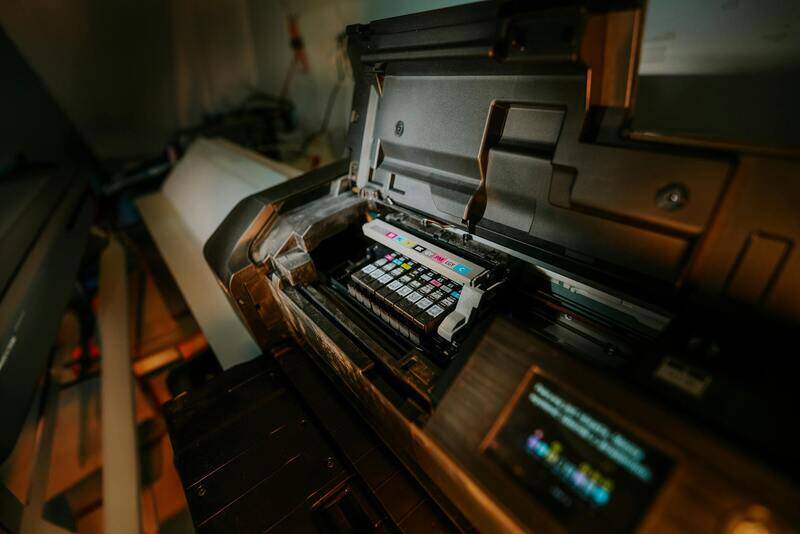
Selection of advanced printing techniques for diverse document needs
For organizations and individuals seeking to enhance their printed materials, the choice of printing techniques plays a crucial role in achieving the desired aesthetic and functional outcomes. Advanced printing methods such as digital, offset, wide-format, and specialty printing cater to a wide range of needs, ensuring versatility and precision in document production.
Digital Printing for Customization and Quick Turnaround
Digital printing has revolutionized the way businesses approach short-run and personalized printing projects. Its ability to produce high-quality images with rapid production times makes it ideal for creating customized reports, event programs, and marketing materials with variable data. This method allows for on-demand printing, reducing waste and inventory costs, and empowering clients to implement last-minute changes efficiently.
Offset Printing for High-Volume, Consistent Quality
Offset printing remains the preferred choice for large-scale print jobs that demand uniformity and superior color fidelity. This technique involves transferring ink from a metal plate onto a rubber blanket before printing onto paper, ensuring crisp details and consistent color throughout lengthy runs. It is often utilized for corporate branding materials, catalogs, and high-volume brochures where maintaining quality across thousands of copies is essential.
Wide-Format Printing for Large-Scale Visuals
Specialized for oversized print projects, wide-format printing supports banners, posters, and point-of-sale displays. Utilizing large-format printers capable of handling various substrate materials, this method delivers vibrant visuals that attract attention in retail, event, and outdoor settings. Advanced color management and media handling techniques deliver clarity and durability in impactful visual communications.
Specialty Printing for Unique Finishes and Textures
Incorporating innovative finishing options, specialty printing elevates printed materials beyond ordinary expectations. Techniques include metallic and pearlescent inks, textured papers, embossing, foil stamping, and die-cut shaping. These elements add tactile richness and visual intrigue, making materials suitable for luxury branding, awards, packaging, and limited-edition print runs where premium quality is paramount.

By leveraging these advanced printing techniques, organizations can produce documents that stand out, communicate their message more effectively, and reflect a high standard of professionalism. Carefully selecting the appropriate method aligns with project goals, budget considerations, and desired visual impact, ultimately elevating the overall quality of printed materials.
Ensuring Proper File Preparation for Optimal Printing Results
To achieve high-quality outputs from your document printing services, meticulous preparation of your digital files is essential. Proper file preparation minimizes reprints, reduces delays, and ensures the final product aligns with your expectations.
- Preferred File Formats: PDF files remain the industry standard for print projects due to their ability to preserve layout, fonts, and images consistently. Additionally, high-resolution TIFF and JPEG formats are suitable for image-heavy documents, but it is crucial that these images are at least 300 dpi to prevent pixelation.
- Resolution and Image Quality: Ensuring images and graphics are at a suitable resolution is vital. Low-resolution images can appear blurry or pixelated once printed, undermining the professional appearance of your documents. Always verify that images are created at 300 dpi or higher for sharp, clear visuals.
- Color Settings and Profiling: Files should be prepared using the CMYK color mode rather than RGB. CMYK accurately represents the inks used in printing, leading to color consistency between digital proofing and the final print. Incorporate color profiles such as ISO-coated V2 to match standard printing conditions.
- Bleed and Margin Considerations: For documents with images or designs extending to the edges, include a bleed area of at least 0.125 inches. This prevents unwanted white borders after trimming. Maintain safe margins within the document layout to avoid cropping essential text or graphics.
- Submission Methods: Most professional printers accept files via secure online portals, email, or cloud storage. Ensure that files are compressed correctly to reduce upload times while maintaining quality. Confirm submission deadlines and specify any special instructions regarding finishing options or binding preferences.

Turnaround Times and Delivery Options
Understanding the typical turnaround times for document printing and available delivery options helps plan your project effectively. Standard print jobs often take between 24 to 72 hours from order processing to completion, depending on the complexity and volume. Many providers offer expedited services for urgent projects, ensuring quicker delivery without compromising quality.
Delivery options include local courier services, nationwide shipping, or in-store pickup when available. Tracking your order provides further peace of mind, allowing you to monitor progress from production to final delivery. Some printing providers also offer flexible scheduling, enabling you to specify delivery dates aligned with your project timelines.
Sustainable Practices in Document Printing
Environmental responsibility is increasingly integrated into professional printing operations. Reputable printing services adopt sustainable practices by utilizing eco-friendly inks, recycled or responsibly sourced paper, and energy-efficient equipment. These measures reduce the environmental footprint while maintaining high-quality standards. Additionally, digital proofing options minimize paper waste during the approval process, further emphasizing eco-consciousness.

Emerging Trends Shaping the Future of Document Printing
The landscape of document printing continues to evolve, driven by technological innovations and shifting demands. Digital printing technologies now allow for higher personalization, variable data printing, and shorter print runs with quick turnaround times. The integration of augmented reality (AR) with print materials presents new avenues for interactivity, engagement, and experiential marketing. Furthermore, advancements in eco-friendly inks and materials are making sustainable printing more accessible and cost-effective.
Overview of document printing services
Document printing services encompass a broad range of professional solutions tailored to meet the diverse needs of businesses, educational institutions, and individuals. These services ensure that high-quality printed materials are produced efficiently, reliably, and in accordance with specific project requirements. From essential business reports and legal documents to marketing collateral and personal projects, document printing specialists utilize advanced technologies to deliver crisp, professional results. The core focus remains on precision, consistency, and confidentiality, making these services indispensable for those requiring accurate reproduction of text and images on a consistent basis. Leveraging reputable providers, clients can be assured that their sensitive documents are handled securely, and the finished products align perfectly with their branding standards and quality expectations.

Types of printing options available
Document printing services offer a variety of options designed to cater to different preferences and project specifications. These include:
- Digital Printing: Ideal for short to medium print runs, digital printing provides quick turnaround times, cost-effectiveness, and options for on-demand printing. It is suitable for projects requiring personalized or variable data printing.
- Offset Printing: Preferred for large volume orders, offset printing guarantees superior quality, consistency, and vibrant color reproduction. It involves creating plates for each color, making it cost-efficient for high-volume productions.
- Large Format Printing: Used for banners, posters, and signage, large format printing supports wide-format media to produce impactful visual materials for promotional purposes.
- Bindery and Finishing: Beyond printing, many services include binding, lamination, folding, and other finishing techniques that enhance the overall presentation and durability of printed documents.

Choosing the right printing provider
Selecting an appropriate printing partner involves assessing several critical factors to ensure quality results and seamless service delivery. Key considerations include:
- Reputation and Experience: Experience in handling diverse printing projects and a track record of satisfied clients demonstrate a provider’s reliability.
- Technology and Equipment: Advanced printing machinery and digital infrastructure enable higher quality output and greater efficiency.
- Turnaround Times: Fast and flexible production schedules cater to urgent needs or tight deadlines.
- Customer Support: Effective communication, transparent pricing, and responsive support are vital for addressing queries and ensuring project specifications are met.
- Sustainable Practices: An environmentally conscious provider uses eco-friendly inks, recycled materials, and energy-efficient processes, aligning with sustainability goals.
Cost factors and pricing structures
Understanding the pricing framework for document printing helps in budgeting and evaluating different service providers. Cost factors typically include:
- Print Volume: Larger quantities often benefit from economies of scale, reducing the per-unit cost.
- Material Choices: Higher-quality paper, specialty finishes, or custom sizes influence pricing.
- Color vs. Black and White: Color printing generally costs more due to the use of multiple inks and advanced color management.
- Finishing and Bindery: Additional processes like lamination, folding, or binding add to the overall expense.
- Delivery and Turnaround: Express services or complex logistics can increase costs but offer quicker results.

File preparation and submission tips
Ensuring that digital files are correctly prepared enhances print quality and minimizes errors. Best practices include:
- Use High-Resolution Files: Files should be minimum 300 dpi for clear, sharp images and text.
- Optimize Color Settings: Convert colors to CMYK for accurate color reproduction in print.
- Embed Fonts and Graphics: To prevent font substitutions or layout issues, embed all fonts and linked images within the file.
- Check Bleeds and Margins: Incorporate standard bleed areas (usually 3mm) and safe margins to prevent unwanted cropping.
- File Formats: PDF is universally preferred, ensuring compatibility and preserving design integrity.
Submitting files through designated channels, such as secure online uploads or physical media, ensures smooth processing. Confirm file specifications with the printing provider beforehand to avoid delays or compromises in output quality.
Environmental considerations and sustainable printing
As organizations and individuals become increasingly aware of their environmental impact, the adoption of eco-friendly printing practices has gained prominence in the realm of document printing services. Utilizing recycled paper reduces the demand for virgin pulp, helping to conserve natural resources and decrease deforestation. Recycled paper often goes through a process that minimizes chemical usage, contributing to better air and water quality during production.
Beyond paper sourcing, the selection of sustainable inks plays a crucial role. Soy-based or vegetable-based inks tend to produce fewer volatile organic compounds (VOCs) compared to traditional petroleum-based inks. These inks are not only more environmentally friendly but also offer vibrant colors and sharp print quality.

Many printing providers incorporate energy-efficient machinery and adopt environmentally conscious workflow practices, such as reducing waste and recycling paper scraps. Some also participate in certification programs that recognize their commitment to sustainability, which can help clients align their printing needs with their corporate social responsibility goals.
Choosing printers that emphasize sustainability not only supports environmental preservation but often results in a brand image that resonates positively with clients and stakeholders. When selecting a document printing service, inquire about their use of recycled materials, environmentally friendly inks, and waste management procedures to ensure your printing practices align with eco-conscious values.
Additional Considerations for Secure Document Printing
When selecting a document printing service, ensuring the security and confidentiality of sensitive information is essential. Reputable providers implement various measures to protect your data throughout the printing process, which is particularly important for legal, financial, or personal documents. These measures include secure file transfer protocols, encrypted storage, and restricted access to printing facilities.
Many providers also adopt on-demand printing models that minimize document storage time, reducing exposure to data breaches. Additionally, physical security protocols such as monitored printing areas, secure disposal of waste paper containing sensitive information, and staff background checks contribute to maintaining confidentiality.

For organizations with strict compliance requirements, it is advisable to work with printing services that offer recording and audit trails of printing activities. This transparency ensures accountability and enables tracking of who printed what, when, and where. Such practices are vital for legal compliance and maintaining trust with clients and stakeholders.
Enhancing Efficiency Through Automated Printing Systems
Automated printing solutions are transforming how businesses handle large-volume documents, offering increased efficiency and consistency. These systems can integrate with enterprise software and document management platforms, enabling seamless workflow automation. Features such as job scheduling, batch processing, and automatic reprinting reduce manual intervention and minimize errors.
Implementing secure print release stations is another advancement that combines efficiency with security. Users release print jobs only after verifying their identity, which helps prevent unauthorized access and ensure that sensitive materials are not left unattended in output trays.
Leveraging Cloud Printing Technology
Cloud-based printing services offer flexibility, allowing users to submit documents from remote locations and print across multiple devices. This technology supports remote work and multi-site operations while maintaining control over printing activities. Cloud solutions often include user authentication and activity logs, which enhance security and facilitate cost management.

By adopting these advanced functionalities, organizations can streamline their printing infrastructure, reduce waste, and maintain high standards of document security and operational efficiency. Collaborating with a provider that offers these modern solutions ensures your printing processes are both reliable and aligned with best practices for secure document management.