Types of Print Services Available
Understanding the range of print services accessible to businesses and individuals is essential for selecting the right solutions to meet specific needs. The printing industry offers a diverse array of methods, each suited to different kinds of projects, quantities, and material requirements. From small-scale digital printing to high-volume offset printing, the options are extensive and designed to ensure quality, efficiency, and flexibility.

Among the most common print services are digital printing, offset printing, large-format printing, and specialized printing techniques. Digital printing is renowned for its speed and cost-effectiveness for short runs and personalized items. Offset printing, on the other hand, excels in producing high-quality, high-volume prints and is ideal for corporate materials, magazines, and catalogs.
Large-format printing caters to banners, signage, and posters, providing vibrant visuals on extensive surfaces. Specialized printing encompasses options like foil stamping, embossing, and printing on unique materials such as textiles or plastics. These methods enable businesses to create distinctive marketing collateral, promotional products, and custom packaging.
The choice of print service depends on factors such as project scope, desired quality, material, and budget constraints. For instance, digital printing offers quick turnaround times and excellent image quality for small to medium runs, making it suitable for quick-turn jobs and prototypes. Offset printing is better suited for large batch orders where consistent color and detail are paramount. Large-format options facilitate eye-catching displays, crucial for retail and event environments.
Varieties of Print Services and Their Applications
- Digital Printing: Ideal for short runs, customized products, and rapid turnaround times. Examples include business cards, flyers, and photo prints.
- Offset Printing: Cost-efficient for large quantities, offering sharp images and color fidelity. Common in brochure production, catalogs, and magazines.
- Large-Format Printing: Suitable for banners, posters, window graphics, and trade show displays that require high impact visual presentation.
- Specialized Printing: Includes foil stamping, embossing, spot UV, and printing on various substrates, used for luxury packaging, awards, and promotional items.
These diverse options provide flexibility and precision, enabling creators and organizations to craft print materials that align perfectly with their branding and communication goals. The ability to select from a broad spectrum of printing techniques ensures that projects can be tailored to exact specifications, resulting in professional, high-quality output.
Common Printing Techniques and Technologies
Understanding the core printing methods is essential to select the appropriate service for specific project needs. Each technique employs distinct processes and offers particular advantages, making them suitable for different applications within the print industry.
Offset Printing
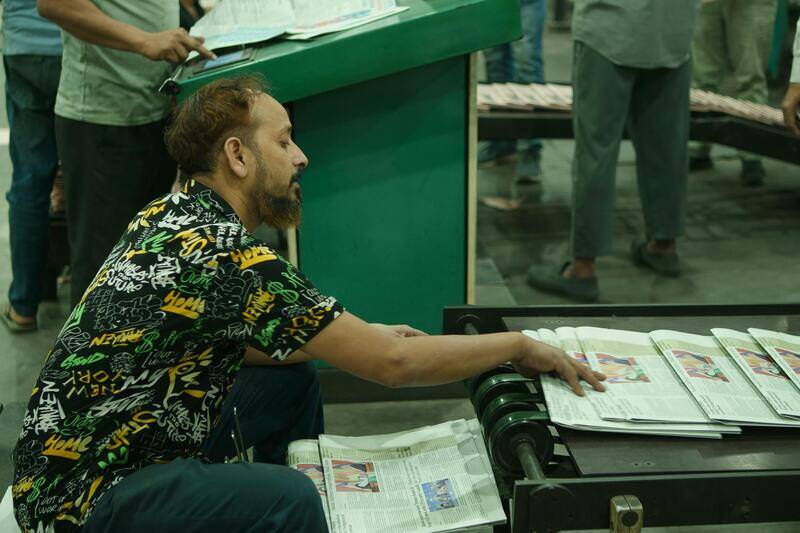
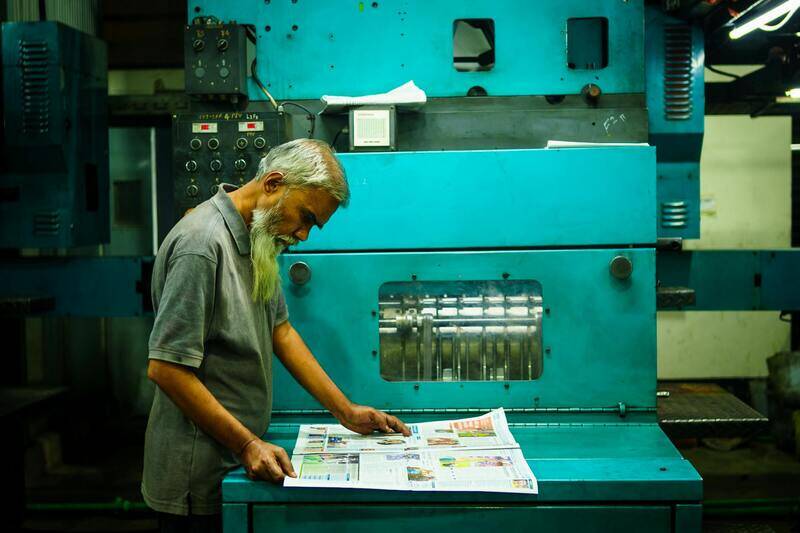
Offset printing, also known as lithography, involves transferring ink from a plate to a rubber blanket before printing onto the final substrate. This method excels in producing high-quality images with sharp detail and consistent color accuracy across large runs. Its setup process is more involved, but the per-unit cost decreases significantly with volume, making it ideal for printing brochures, newspapers, magazines, and catalogs. Offset printing supports a variety of substrates, such as coated and uncoated papers, providing versatility for diverse project requirements.
Digital Printing
Digital printing uses electronic files directly transferred to the printing device, eliminating the need for printing plates. This method facilitates fast turnaround times and cost-effective small to medium print runs. It is particularly advantageous for projects requiring customization, variable data, or rapid prototyping. Popular applications include business cards, flyers, postcards, and personalized marketing materials. The absence of setup costs allows for greater flexibility and shorter lead times, enabling businesses to respond swiftly to changing marketing needs.

Large-Format Printing
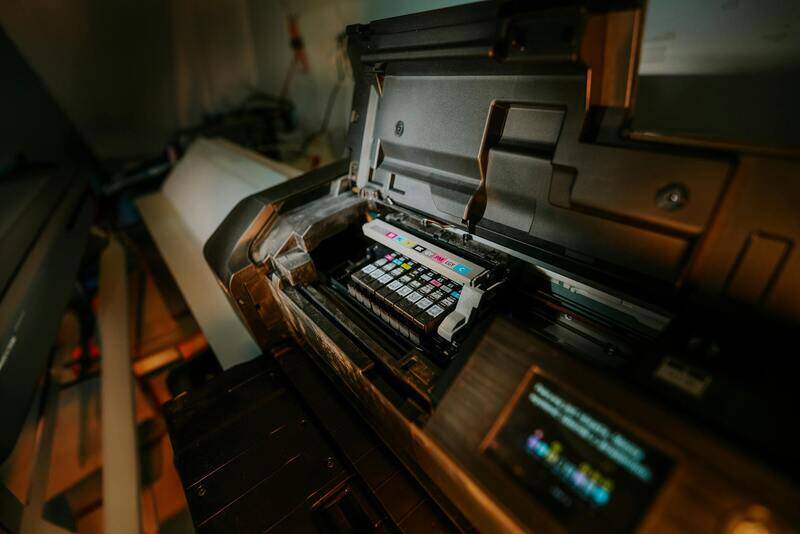
This technique specializes in producing oversized prints meant to capture attention in retail, event, and advertising environments. Utilizing wide-format printers, this technology accommodates banners, posters, trade show displays, and window graphics. It employs various ink types like UV, solvent, or eco-solvent inks to ensure durability and vibrancy. High-resolution output and color accuracy are critical, especially when creating visual displays that serve as primary communication tools for brands seeking maximum impact.
Specialized Printing Techniques
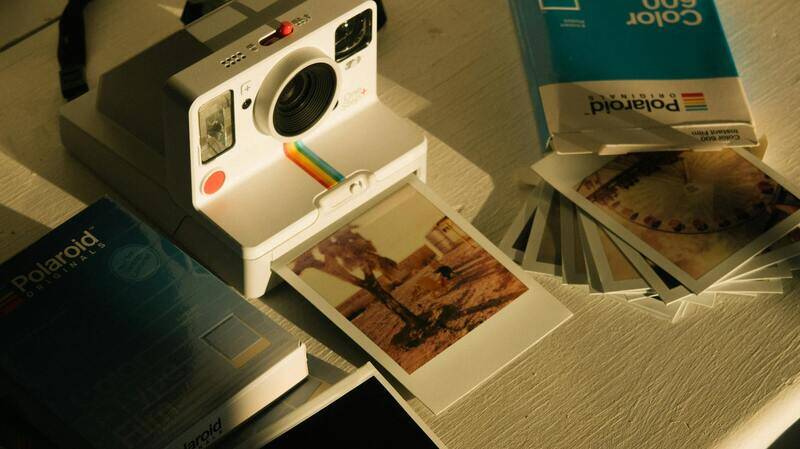
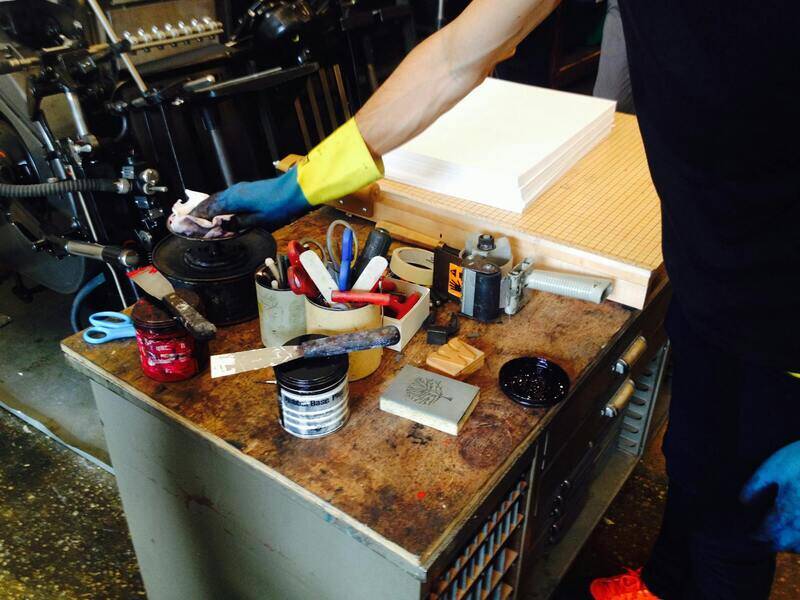
Beyond standard methods, specialized printing encompasses advanced processes such as foil stamping, embossing, spot UV coating, and printing on unconventional substrates. These techniques add tactile and visual effects that elevate the perceived quality and uniqueness of printed materials. They are often utilized in luxury packaging, awards, premium labels, and promotional items where detail and sophistication are essential. Employing these methods requires equipment and expertise tailored to specific substrates and design complexities, ensuring the final product meets high standards of craftsmanship.
Each of these printing techniques plays a vital role in the industry, enabling providers to deliver outputs that meet precise needs across various sectors. By choosing the right technology, clients can achieve optimal results in terms of durability, visual appeal, and cost-effectiveness.
Types of Print Services Available
When selecting a print service provider, understanding the variety of print options they offer is crucial for ensuring your specific needs are met. The most common types include digital printing, offset printing, large-format printing, and specialty printing. Each method caters to different project requirements, quantities, and material types, enabling tailored solutions for diverse business objectives and creative visions.
Digital printing is highly versatile and ideal for short to medium print runs. It supports quick turnaround times and allows for easy customization, making it suitable for marketing materials, business cards, and personalized items. Offset printing excels in producing high-volume projects with consistent color quality, such as catalogs, brochures, and magazines. Large-format printing is indispensable for creating banners, posters, and signage designed to attract attention in retail and event settings. Meanwhile, specialty printing techniques expand the creative possibilities, enabling effects such as embossing or foil stamping to add value and sophistication to premium products.

Each type is chosen based on project goals, material considerations, and budget constraints. Reputable print providers typically offer guidance on selecting the most suitable method to maximize impact, quality, and efficiency, ensuring that the final product aligns seamlessly with brand messaging and operational needs.
Common Printing Techniques and Technologies
Beyond basic printing methods, advanced techniques enable the production of visually striking and tactilely engaging materials. Digital presses utilize high-resolution inkjet or laser systems to deliver precise and vibrant prints, suitable for both small runs and customized jobs. Offset presses employ a classic planographic process with metal plates, ideal for consistent high-volume output with intricate color accuracy.
Large-format printers accommodate oversized media such as vinyls and fabric, which are essential for impactful signage. They often use UV, solvent, or eco-solvent inks that provide durability and vivid color retention even in outdoor environments. For high-end finishes, specialty processes like foil stamping, embossing, spot UV coating, and printing on unconventional substrates—including acrylic, wood, or fabric—are employed to create unique textures and visual effects. These advanced techniques enhance branding efforts, lend a premium feel to packaging, and enable customization at a detailed level.

Incorporating innovative technologies allows print providers to meet growing demands for personalized, eco-friendly, and high-end manufacturing. This enables brands to differentiate themselves in competitive markets, creating memorable impressions through precision and creativity in print productions.
Factors to Consider When Choosing a Print Service Provider
Selecting the right print service provider requires careful evaluation of several critical factors to ensure that your project requirements are met with precision and professionalism. A reputable provider will not only deliver high-quality results but also provide consistent service that aligns with your brand standards and operational goals. Here are essential considerations to keep in mind:
- Quality of Output: Examine samples of previous work to assess color accuracy, resolution, and material consistency. High-quality outputs often reflect the provider’s investment in state-of-the-art equipment and skilled personnel.
- Range of Printing Options: Confirm that the provider offers the specific printing techniques suited to your needs, such as digital printing for quick turnaround, offset for large quantities, or specialty finishes for premium pieces.
- Turnaround Time: Understand the typical lead times for your desired print projects. Reliable providers maintain transparency about delivery schedules and have contingency plans for rush orders.
- Pricing Transparency: Look for detailed quotes that clearly itemize costs, including setup fees, print runs, finishing, and delivery. Avoid providers with hidden charges or vague estimates.
- Environmental Practices: Consider providers that utilize eco-friendly materials and sustainable printing processes. This not only aligns with corporate responsibility goals but also appeals to environmentally conscious consumers.
- Customer Support and Communication: Effective communication ensures that your specifications are accurately interpreted and executed. A dedicated account manager can streamline the process from conception to completion.
- Technical Capabilities and Equipment: Advanced machinery and techniques enable diverse print applications, from vibrant digital posters to textured embossed labels. Ensure your provider stays updated with the latest printing technology.
Additionally, reviewing previous client feedback and case studies can provide insights into the provider’s reliability and expertise in handling projects similar to yours. A comprehensive evaluation based on these factors will help secure a partnership with a print service provider capable of delivering consistent, high-quality results that effectively support your branding and marketing objectives.
Customization and Finishing Services
When selecting a print service provider, the range of customization and finishing options can significantly elevate the final product, aligning it more closely with your brand identity and project goals. These services not only enhance the aesthetic appeal of printed materials but also improve their durability and functionality, making them more effective for marketing, branding, and informational purposes.
Popular Customization Options
- Binding Styles: Choices include saddle stitching, perfect binding, spiral binding, and Japanese binding, each suited for different types of materials such as catalogs, booklets, or brochures.
- Lamination: Applying a plastic film over printed surfaces provides additional protection against wear, moisture, and fingerprints while offering a glossy or matte finish that enhances visual impact.
- Embossing and Debossing: These techniques create raised or recessed designs on paper, adding tactile dimension to logos, patterns, or text, ideal for business cards, packaging, and luxury print items.
- Foil Stamping: Utilizes metallic or pigmented foil to produce shiny, eye-catching accents on printed materials, perfect for accolades, branding elements, or decorative details.
- Cutouts and Die-Cutting: Precise shapes and patterns can be cut into printed sheets, enabling creative visuals and unique formats that stand out.
Additional Finishing Touches
- Varnishing: Applying spot or flood varnish adds gloss or matte effects selectively, emphasizing specific areas of your print materials.
- UV Coating: A high-gloss finish that enhances vibrancy and protects against scratches, often used for premium marketing collateral.
- Pocket Folders & Inserts: Custom inserts or pockets can be added to organize brochures, business cards, and other promotional materials within folders, providing a professional presentation.
- Specialty Papers and Textures: Choosing textured, recycled, or uniquely coated papers can differentiate your print products while aligning with sustainability goals or design preferences.
Impact on Brand Perception
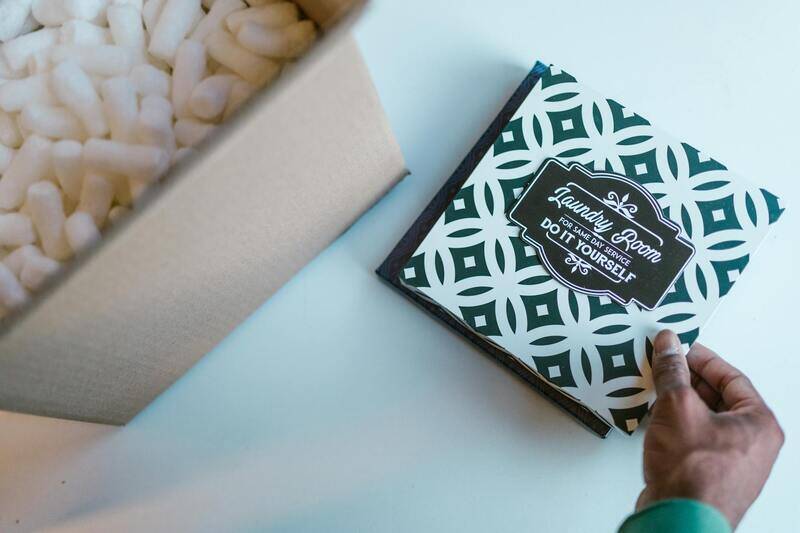
Thoughtful customization and finishing options reflect attention to detail and a commitment to quality, which can significantly influence customer perception. These enhancements make printed materials more memorable, functional, and aligned with your overall branding strategy. When choosing a print service provider, ensure they offer a comprehensive suite of finishing services and have experience executing complex customizations to guarantee the desired results. A provider with advanced finishing capabilities can transform standard prints into premium, durable products that leave a lasting impression on your audience.
Types of Print Services Available
Print service providers offer a diverse range of options tailored to meet various business and personal needs. Common offerings include digital printing, offset printing, large-format printing, and specialized techniques such as letterpress or screen printing. Digital printing excels in short runs with quick turnaround times, making it ideal for small batches of marketing materials, business cards, or customized items. Offset printing, on the other hand, is suitable for producing large quantities with high color fidelity and sharp imagery, often used for brochures, catalogs, and high-volume campaigns.
Large-format printing is essential for banners, posters, trade show displays, and signage. It allows for vibrant, oversized visuals that capture attention from afar. Specialized print services extend to textured printing, foil stamping, embossing, and die-cutting, enabling the creation of unique, tactile, and visually striking materials. Each process serves specific purposes, whether for branding, promotional campaigns, or detailed art reproductions. When selecting a printing partner, understanding the scope of available services ensures optimal results aligned with project goals.

Common Printing Techniques and Technologies
Modern print service providers utilize advanced technologies to produce high-quality materials efficiently. Digital printing is driven by inkjet and laser printers, allowing for customization and on-demand printing with minimal setup. Offset lithography involves the transfer of ink from plates to rubber blankets and then to paper, offering consistent high-volume output with precise color management. Large-format printers use solvent, eco-solvent, or UV ink technologies to produce eye-catching displays and signage.
Innovations such as hybrid printing combine multiple techniques to optimize quality and cost-effectiveness. Variable data printing enables personalized marketing materials by integrating different images or messages within each piece. UV printing uses ultraviolet light to instantly cure inks on various substrates, including plastics and metals, expanding the range of printable materials beyond traditional paper. Understanding these technologies helps in selecting the most suitable method for specific design requirements and desired finishes.
Factors to Consider When Choosing a Print Service Provider
Choosing the right print partner involves evaluating several crucial aspects to ensure your project’s success. Reliability in delivering on time, consistent quality, and clear communication are fundamental. Look for providers with a broad portfolio of services and the capacity to handle both small and large volume jobs. Reviewing customer testimonials and requesting samples of previous work can provide insight into their craftsmanship and attention to detail.
Technical expertise and experience in handling specific print formats or finishes are also essential. A well-equipped facility with up-to-date machinery minimizes the risk of errors and delays. Environmental practices and the ability to accommodate custom requests, such as specialty papers or unique finishing options, should also influence your decision. Transparency regarding pricing and turnaround times fosters trust and helps in setting realistic expectations for project delivery.
Affordable and High-Quality Printing Options
Several strategies can help balance cost efficiency with top-tier quality when selecting print services. Opting for digital printing for short runs reduces setup fees and accelerates turnaround times, making it a budget-friendly choice without sacrificing clarity or color accuracy. Bulk purchasing of standard sizes and materials can further decrease per-piece costs for larger orders.
Maintaining open communication with your chosen provider allows you to explore budget-friendly options like alternative paper stocks or simplified finishes that suit your financial constraints. Additionally, leveraging online quoting tools and bulk discounts can optimize your investment. High-quality printing doesn’t necessarily demand premium pricing; it depends on the provider’s processes, materials, and commitment to excellence. Always request proofs or samples before full production to ensure the final product meets your expectations while adhering to your budget.

Customization and Finishing Services
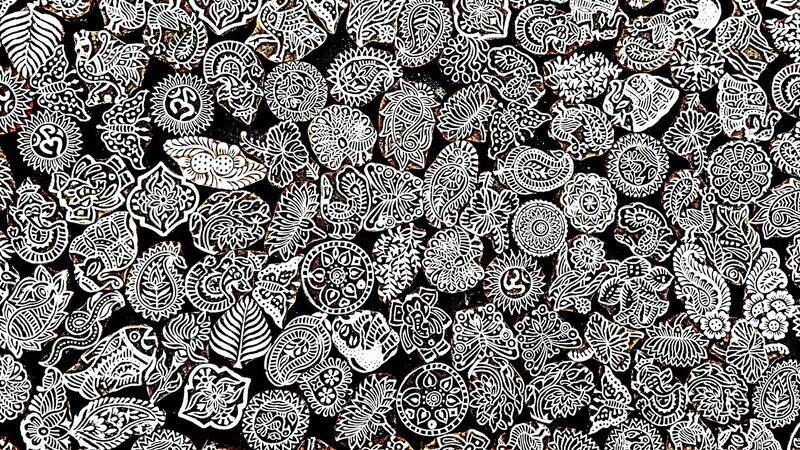
Enhancing your printed materials through customization and finishing options can significantly elevate their appearance and functionality. Custom shapes, die-cut edges, and embossing lend a distinctive tactile element that captures attention and reinforces branding. Finishing services like lamination, spot UV coating, or matte varnish add not just aesthetic appeal but also durability, protecting your materials from wear and smudges.
Specialty papers, including textured, recycled, or metallic options, can align with environmental goals or create a luxurious feel. Additional customizations such as perforations for tear-off sections, layered effects, or fold types further personalize your project. When selecting a print service provider, verify their capacity for executing these finishing techniques at a high standard and adhering to your conceptual vision. Properly finished print pieces stand out, communicate quality, and leave a lasting impression on your audience.
Types of Print Services Available
When selecting a print service provider, understanding the spectrum of available services is crucial for achieving optimal results for your project. Various print types cater to different needs, from marketing collateral to personalized items, ensuring flexibility and precision in your branding efforts.
- Digital Printing: Ideal for short runs and quick turnaround times, digital printing offers high-quality output with minimal setup. It is suitable for personalized marketing materials, business cards, and flyers where customization and speed are priorities.
- Offset Printing: This traditional method is preferred for large volume prints, providing consistent color quality and cost efficiency at scale. Offset printing is often used for brochures, catalogs, and other high-volume print projects requiring vivid color fidelity.
- Flexography: Commonly used for packaging materials,Labels, and glossy plastic items, flexography delivers flexible, high-speed printing on a variety of substrates.
- Screen Printing: Best suited for printing on textiles, apparel, and promotional merchandise, offering vibrant colors and durability for brand apparel and accessories.
- Large Format Printing: This service caters to banners, wall graphics, posters, and trade show displays, delivering large and high-impact visuals perfect for promotional events and spatial branding.
Additional specialized printing options include foil stamping, embossing, and UV printing, each adding unique tactile and visual effects that enhance the overall aesthetic of your printed materials.
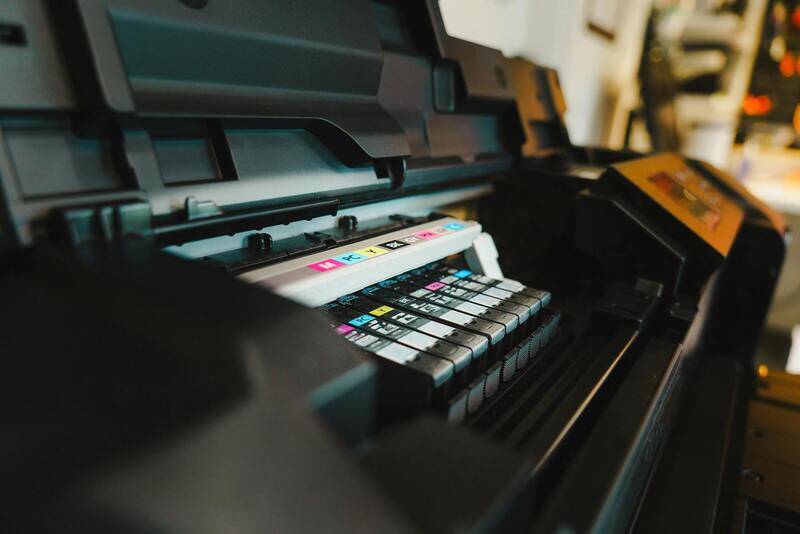
Common Printing Techniques and Technologies
Understanding the core techniques behind printing technologies helps in selecting the right method for your project’s specific requirements. High-quality outcomes depend on choosing the appropriate printing process tailored to materials, design complexity, and quantity.
- Digital Printing: Utilizes inkjet or laser printers to produce detailed images directly from digital files. It supports variable data printing, ideal for personalized marketing pieces.
- Offset Lithography: Uses plates and rubber blankets to transfer ink onto paper, providing exceptional color consistency and sharp detail for large quantities.
- Inkjet Printing: Applies ink directly onto substrates, suitable for high-resolution images, banners, and photographic prints, especially on wide-format printers.
- Screen Printing: Employs a mesh screen to transfer ink, offering vibrant colors and durability for fabric and specialty materials.
- Hybrid Techniques: Combine elements of digital and offset or screen printing to optimize cost, quality, and speed depending on project requirements.
Emerging innovations include eco-friendly inks, UV-cured printing for instant drying, and digital hybrid presses that combine multiple techniques, expanding creative and production possibilities.

Factors to Consider When Choosing a Print Service Provider
Selecting an appropriate provider requires an evaluation of several key criteria that influence the overall success of your printing projects. An experienced, reliable service ensures that your printed materials meet your quality standards and project deadlines.
- Reputation and Portfolio: Review past work samples and client reviews to gauge consistency in quality, attention to detail, and creative versatility.
- Capabilities and Equipment: Ensure the provider has up-to-date printing technology and the ability to handle your specific project complexity, whether digital, offset, or specialty printing.
- Quality Control Processes: Check for rigorous quality assurance measures, including color calibration, proofing options, and material testing to guarantee final output aligns with expectations.
- Customer Support and Communication: Reliable communication channels and knowledgeable staff facilitate smooth project management from design to delivery.
- Turnaround Times and Flexibility: Confirm their capacity to meet your timeline, especially if urgent or large-scale projects are involved.
Additional considerations include the ability to provide eco-friendly options, customization capabilities, and pricing transparency, which collectively contribute to a seamless printing experience.
Types of Print Services Available
Print service providers, such as JustPrintCard, offer a diverse array of options tailored to meet various business and personal needs. Common types include digital printing, offset printing, large format printing, and specialty printing techniques. Digital printing excels in short runs and fast turnaround times, making it ideal for on-demand projects like business cards, flyers, and promotional materials. Offset printing, on the other hand, is preferred for high-volume runs with superior quality and consistency, suitable for brochures, catalogs, and posters. Large format printing is essential for banners, posters, and signage, providing impressive visibility with high-resolution output. Specialty printing includes techniques like foil stamping, embossing, and UV coating, adding unique textures and finishes to enhance branding impact.
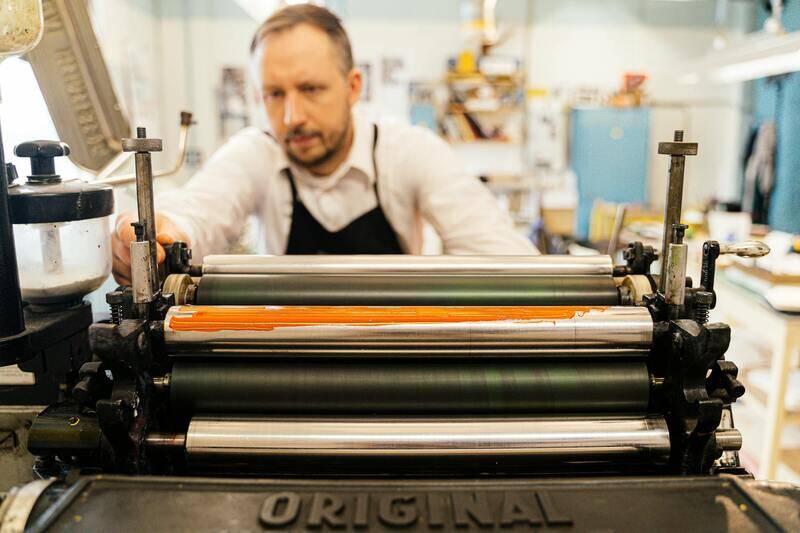
Common Printing Techniques and Technologies
Many print service providers utilize advanced printing techniques and technologies to ensure quality and efficiency. Digital presses incorporate high-speed inkjet or laser technologies capable of producing vibrant, precise images with minimal setup costs. Offset presses leverage lithography, transferring ink from plates to paper, which is ideal for large-volume, high-quality prints. Large-format printers use solvent or latex inks, delivering durable and vivid graphics suitable for outdoor displays. Emerging technologies like 3D printing and hybrid printing methods are expanding creative horizons.
Factors to Consider When Choosing a Print Service Provider
- Quality Assurance: Look for providers with rigorous quality control measures, including color calibration and proofing options.
- Technology and Capabilities: Ensure the provider’s equipment aligns with your project requirements, whether digital, offset, or specialty printing.
- Reputation and Experience: Review portfolios and customer feedback to gauge reliability and craftsmanship.
- Customer Service: A responsive team that communicates effectively throughout the project lifecycle is crucial.
- Turnaround Time: Confirm their capacity to meet deadlines, especially for urgent projects.
- Sustainability Practices: Ask about eco-friendly processes and materials used.
Affordable and High-Quality Printing Options
Cost-efficiency does not have to compromise quality. Reputable print services such as JustPrintCard offer competitive pricing structures, including volume discounts and package deals, ensuring clients can optimize their budgets. Using the latest digital printing technology enables quicker production times and lower setup costs, especially beneficial for small to medium-sized orders. Bulk printing options can further reduce per-unit costs, making them suitable for large campaigns or inventory needs. When evaluating affordability, consider not only price but also the quality of materials, print resolution, and finishing options, which collectively contribute to the perceived value of your printed materials.

Customization and Finishing Services
Customization options enable tailoring printed materials to align perfectly with your brand identity or personal preferences. Modern print providers offer a wide range of finishing services such as lamination, die-cutting, embossing, and foiling, creating tactile and visual enhancements that elevate the final product. Rounded corners, UV coating, matte or glossy finishes, and custom folds are popular choices to make business cards, posters, or packaging stand out. These finishing touches not only improve aesthetics but also enhance durability and functionality, making your printed assets more effective for promotional and branding purposes.
Environmental Sustainability in Print Services
Eco-conscious printing practices are increasingly vital in today's market. Leading providers prioritize sustainability by utilizing recyclable and responsibly sourced paper stocks, vegetable-based inks, and eco-friendly toners. They adopt energy-efficient equipment and waste reduction strategies to minimize environmental impact. Digital printing techniques contribute by reducing excess inventory and waste, while waterless offset printing eliminates the need for chemical dampening solutions. Choosing a service provider committed to green practices demonstrates social responsibility and aligns with the values of environmentally aware clients, fostering trust and loyalty.
Pricing Structures and Turnaround Times
Transparent pricing models typically involve upfront quotes based on project specifications, including quantities, materials, finishes, and size. Many providers also offer tiered pricing, with discounts for larger orders. Turnaround times depend on the complexity of the job and the selected printing technology. Digital jobs can often be completed within a few hours or days, whereas offset printing may require additional lead time for plate production. Rush services are available with premium charges, but it’s crucial to confirm lead times and ensure capacity for quick turnaround without compromising quality. Balancing affordability with timely delivery involves evaluating both initial costs and potential costs associated with delays or reprints.
Related Tags: