Introduction to Banner Printing
Banner printing has established itself as a versatile and impactful method of visual communication across multiple industries. From retail marketing campaigns and promotional events to corporate branding and public displays, banners serve as a prominent medium to attract attention, convey messages clearly, and enhance brand visibility. The significance of banner printing lies in its ability to produce large-scale visual elements that can be easily recognizable from afar, making them an essential component of both local and national marketing strategies.
In the contemporary digital age, the role of printed banners extends beyond mere advertisement. They facilitate community engagement, support event organization, and reinforce branding consistency across diverse platforms. The durability and adaptability of banners allow businesses and organizations to tailor their messages to specific audiences, locations, and occasions with ease.
In practical terms, banner printing involves transferring custom designs onto large sheets of fabric, vinyl, or other suitable materials using advanced printing technology. This process ensures high-resolution graphics, vibrant colors, and durability suitable for long-term or short-term display needs. Due to its effectiveness and cost-efficiency, banner printing has become an integral part of marketing campaigns, trade shows, and storefront enhancements, making it a powerful tool for establishing a compelling visual presence in any environment.
Applications of Banner Printing
- Retail Promotions: Eye-catching window displays and promotional signs to attract shoppers.
- Event Marketing: Banners for conferences, festivals, and social gatherings to create immersive environments.
- Outdoor Advertising: Long-lasting promotional displays along roadsides, stadiums, and urban spaces.
- Corporate Identity: Signage for branding, exhibitions, and internal communications.
- Public Notices and Announcements: Informative banners for community events and awareness campaigns.
The broad spectrum of applications highlights the importance of banner printing in delivering targeted messages efficiently and with visual impact. Choosing the right design, materials, and printing technology can significantly elevate the effectiveness of these communications, making banner printing an indispensable aspect of modern marketing and branding efforts.
Types of Banners and Printing Technologies
Understanding the diverse types of banners and the printing technologies employed is essential for selecting the most effective solution tailored to specific promotional needs. Each banner type serves distinct purposes, optimized through advanced printing methods to ensure quality, durability, and visual appeal.
Common Types of Banners
- Mesh Banners: Characterized by a perforated design that allows wind passage, making them ideal for outdoor environments where exposure to the elements is significant. Mesh banners are lightweight yet durable, suitable for large-scale outdoor advertising and stadium signage.
- Vinyl Banners: Made from durable vinyl material capable of withstanding harsh weather conditions. These banners are versatile for both indoor and outdoor uses, including storefront signage, event banners, and promotional displays.
- Fabric Banners: Known for their high-end finish and vibrant color reproduction, fabric banners are often used for indoor events, exhibitions, and retail environments. They provide a premium appearance with options for retractable banner stands.
- Roll-up Banners: Portable and lightweight, rolling-up banners are popular for trade shows, presentations, and quick setups. They feature printed graphics on fabric or vinyl mounted on retractable frames for easy transport and assembly.
- Backlit Banners: Specially printed on translucent materials to be illuminated from behind, making them ideal for indoor displays where lighting enhances visual impact.
Printing Methods in Banner Production
The choice of printing technology significantly influences the quality, color fidelity, and longevity of banners. The most prevalent techniques include:
- Digital Printing: Offers high-resolution output with quick turnaround times, suitable for both short and long runs. Digital printing is versatile and capable of reproducing complex designs with vibrant colors.
- UV Printing: Utilizes ultraviolet light to cure inks instantly on various materials, resulting in prints that are highly resistant to scratches, chemicals, and weather conditions. UV printing is ideal for outdoor banners requiring high durability.
- Screen Printing: A traditional method involving ink pressed through a mesh screen. It is cost-effective for large quantities, especially for banners with limited color palettes, ensuring bright and consistent colors.
- Latex Printing: Eco-friendly and flexible, latex printing produces banners that are soft to the touch, with excellent color mixing capabilities and weather resistance, suitable for large-format outdoor banners.
Matching Banner Types with Printing Technologies
Choosing the right combination depends on the specific display environment, durability requirements, and design complexity. For instance, mesh banners paired with UV printing offer resilience against outdoor elements, while fabric banners are often printed through dye-sublimation for vibrant indoor displays. Carefully assessing these aspects ensures the visual message is delivered effectively and maintains its integrity over time.

Understanding the Printing Process and Ensuring Quality
Achieving high-quality banner printing hinges on meticulous control throughout the entire production process. From the initial design to the final inspection, each step plays a critical role in delivering a polished, durable product suitable for various display environments.
Modern banner printing employs advanced digital and traditional techniques, yet the core principles of quality assurance remain consistent. This includes the calibration of printing equipment, selection of appropriate inks, and adherence to industry standards for color accuracy and resolution.
Initial stages involve a detailed review of the digital file to verify that images and text meet specified resolution requirements, usually at least 300 dpi for large-format printing. Higher resolution ensures sharp details and crisp visuals, especially when viewed from close distances.
Color fidelity is maintained through the use of color profiles and calibration tools. This guarantees that the colors produced on the banner match the original design intent, which is essential for branding and marketing consistency. Specialist software also helps simulate how colors will look in print, allowing adjustments before production begins.
During the printing process, automated systems monitor ink flow, tension levels, and registration accuracy to prevent common issues such as misalignment or color discrepancies. These controls help ensure each banner produced adheres to strict quality standards, reducing waste and rework.
Post-printing, banners undergo thorough inspection to identify and rectify any imperfections. This includes checking for ink smudges, color inconsistencies, or surface defects. Surfaces are also examined for proper adhesion of ink, especially on textured or specialty materials.
Advanced finishing techniques such as lamination, hemming, or grommet installation further enhance durability. Lamination provides added protection against UV exposure, scratches, and moisture, which is vital for outdoor banners exposed to environmental elements.
Maintaining the quality of printed banners over time involves appropriate handling, storage, and installation practices. Proper care prevents damage from environmental stressors and prolongs the visual appeal of the display.
Incorporating these comprehensive quality assurance measures guarantees that each banner not only meets client expectations but also withstands the rigors of its intended display environment, whether indoors or outdoors.
Materials Used in Banner Printing
Choosing the right material is fundamental to achieving a high-quality banner that meets specific needs. Common banner materials include vinyl, fabric, mesh, and polymer-based substrates, each offering unique advantages suited to different environments and durations of display.
Vinyl: Vinyl remains the most popular choice for its versatility, durability, and cost-effectiveness. It performs well in outdoor conditions, resisting water, UV rays, and tears. Its smooth surface supports vibrant color reproduction, making it ideal for promotional, event, and signage banners that require longevity.
Fabric: Fabric banners, often made from polyester or blend fabrics, provide a premium appearance with a softer, matte finish. These are frequently used in indoor settings, exhibitions, and high-end retail displays. Fabric banners are lightweight and can be tensioned for a sleek look, but they tend to be less resistant to environmental factors like moisture and wind.
Mesh: Mesh banners are designed with perforations that allow wind to pass through, reducing the strain on mounting points especially for large-scale outdoor installations. They are ideal in areas prone to strong winds, such as stadiums or building facades, offering high visibility without compromising durability.
Polymer-based substrates: Some banners utilize advanced polymers that provide enhanced flexibility, tear resistance, and weatherproofing. These are suitable for harsh environments or long-term outdoor use, particularly when budget constraints limit material choices.

The material selection also hinges on factors like printing technology compatibility, expected exposure, and installation method. For outdoor banners, UV-stable inks on durable substrates extend the lifespan, maintaining color vibrancy over time. Indoor banners may prioritize aesthetic qualities over weather resistance, allowing for lighter, more refined materials.
It’s imperative to evaluate environmental risks, such as exposure to sunlight, moisture, and physical abrasion, when selecting a banner material. Proper material choice not only enhances visual appeal but also ensures that the banner remains functional and attractive throughout its intended usage period.
Cost considerations, installation requirements, and the anticipated duration of display collectively influence the optimal material choice. Collaborating with a reputable printing provider can assist in determining the most suitable options to balance budget, durability, and visual impact, ensuring a banner that effectively serves its purpose in any setting.
Printable Media and Customization Options
Choosing the appropriate printable media is essential to achieving a high-impact banner that aligns with branding goals and durability requirements. Options range from standard vinyl to premium fabric, each offering distinct advantages in terms of visual appeal and resilience.
- Vinyl Banners: The most common choice, vinyl banners, provide excellent durability for outdoor settings. They resist weather elements such as rain and UV rays, especially when printed with UV-stable inks. Their versatility allows for easy customization in sizes and finishes, including matte or gloss surfaces.
- Fabric Banners: Typically made from polyester or nylon, fabric banners offer a sophisticated appearance with vibrant color reproduction. These are often used indoors for events or retail displays, giving a softer, more upscale presentation. The printing process utilizes dye sublimation or direct-to-fabric methods for sharp images and longevity.
- Mesh Banners: Ideal for installations where wind passage is needed, mesh banners are composed of woven synthetic fibers. Polymer-based inks are used to ensure the color remains vivid despite exposure to environmental elements. Mesh banners are characterized by their ability to withstand high winds without tearing, making them suitable for expansive outdoor advertising.
- Polymer-Based Substrates: Advanced polymers can be integrated into banner materials to enhance flexibility, tear resistance, and weatherproofing. These substrates are especially suitable for harsh outdoor conditions or long-term installations where durability is a priority.
Customization and Finishing Techniques
Beyond material selection, customization plays a key role in making banners stand out. Several finishing options can enhance appearance, durability, and ease of installation.
- Grommets and Eyelets: Reinforced metal or plastic eyelets are placed at strategic points to facilitate secure installation on various surfaces. The placement and number of grommets can be tailored to the banner's dimensions and hanging method.
- Hem and Sewn Edges: Adding hems or sewn edges provides additional strength and prevents fraying over time. This is particularly important for large or frequently handled banners.
- Pole Pockets: Inserts at the top and bottom edges allow for easy mounting on poles or extendable frames, ensuring a taut, professional appearance.
- Special Finishes: Options such as matte or gloss lamination not only enhance visual appeal but also add a layer of protection against scratches and UV rays.
These attributes enable customization to meet specific project requirements, whether for temporary event displays or long-term outdoor advertising campaigns.

Proper Maintenance and Information on Banner Printing
Maintaining the Longevity of Printed Banners
Effective maintenance practices are essential for extending the lifespan of printed banners, especially those used in outdoor environments. Regular cleaning with mild soap and water helps preserve the vibrant colors and prevents the buildup of dirt, grime, and pollutants that can deteriorate the material over time. When cleaning, avoid abrasive materials or harsh chemicals, as they can damage the surface and compromise the print quality.
Additionally, inspecting banners periodically for signs of wear and tear, such as rips, fraying edges, or loose grommets, allows for timely repairs. Reinforcing edges through sewing or adding extra grommets can prevent further damage, especially in locations exposed to high wind or frequent handling. From a storage perspective, rolling banners instead of folding them reduces creases and stress points that might weaken the material. Store banners in a cool, dry, and shaded area to prevent UV damage and material degradation.
Proper Installation Techniques
Secure installation is vital to maintaining banner integrity and ensuring maximum visibility. Use appropriate hardware such as grommets, poles, or brackets designed for the banner material and the display environment. When hanging banners, ensure the surface is clean and free of debris to avoid abrasion. Tautness is key; a loose banner can flutter excessively, leading to premature wear, while an overly tight banner could stress the material and attachments.
For outdoor banners, consider wind-resistant fixtures and additional reinforcement points. Using bungee cords or tension poles can help absorb shocks caused by wind gusts. It is also advisable to avoid prolonged exposure to direct sunlight without UV protective coatings or laminations, as this can cause fading and material weakening. In areas prone to rain or humidity, ensure the banner is properly secured and consider using waterproof or weather-resistant materials.
Long-term Considerations
During the planning phase, it is important to factor in the banner's intended duration of use and environmental conditions. High-quality digital printing combined with weather-resistant materials can withstand various elements, reducing the need for frequent replacements. When banners are no longer in use, proper disposal or recycling methods should be employed to minimize environmental impact, especially for large quantities of vinyl or plastic-based materials.
Visual Reference for Banner Printing Maintenance
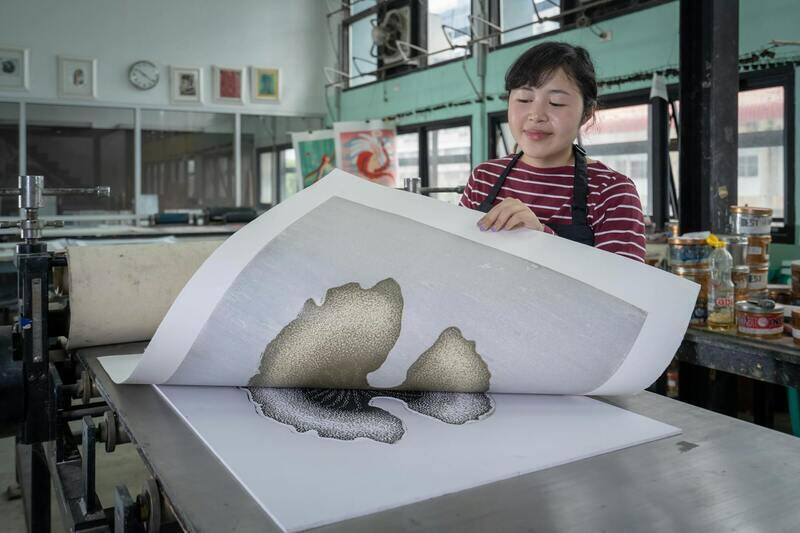
Environmental and Cost Considerations
Choosing the appropriate banner printing method involves a careful assessment of environmental impact and budget constraints. Modern digital printing technologies have made it possible to produce high-quality banners with minimized ecological footprints by utilizing eco-friendly inks and sustainable materials. Water-based inks and UV-curable inks are increasingly preferred for their reduced volatile organic compound (VOC) emissions, helping companies align with eco-conscious standards while maintaining vibrant color output.
Material selection significantly influences both cost and environmental footprint. Recyclable substrates such as biodegradable fabrics and recyclable vinyl options are becoming more prevalent in the industry. These materials not only reduce waste but also facilitate easier disposal or recycling after the banner’s lifecycle ends, contributing to environmentally responsible practices.
From a financial standpoint, cost-effective options are available for various project scales. Small businesses might opt for economical PVC banners for temporary displays, whereas large-scale or long-term outdoor advertising campaigns may justify investment in premium weather-resistant fabrics that last longer and maintain visual appeal over extended periods. Bulk printing often offers pricing advantages, making large orders more affordable per unit.
Budget planning must also incorporate installation and maintenance costs. For instance, high-quality banners with reinforced seams or UV coatings may have a higher initial expense but can reduce the frequency of replacements, ultimately leading to savings. Similarly, choosing durable hardware and easy-to-maintain banners can contribute to lower overall expenses throughout the campaign.

Incorporating digital printing technologies that optimize ink usage and minimize waste aligns with broader sustainability goals. Producing banners with precise design and color management software also reduces misprints and material wastage, further controlling costs. It’s essential to evaluate the entire lifecycle of the banner, from production through disposal, to ensure environmental considerations are integrated with financial planning.
Careful selection of materials and printing technologies not only benefits the environment but also ensures that the campaign remains within budget, delivers exceptional visual impact, and achieves long-term value. As the industry advances, emerging eco-friendly options and innovative cost-saving techniques continue to reshape how banners are produced, used, and disposed of, fostering a more sustainable approach to outdoor advertising and promotional displays.
Advanced Methods for Banner Printing and Compliance
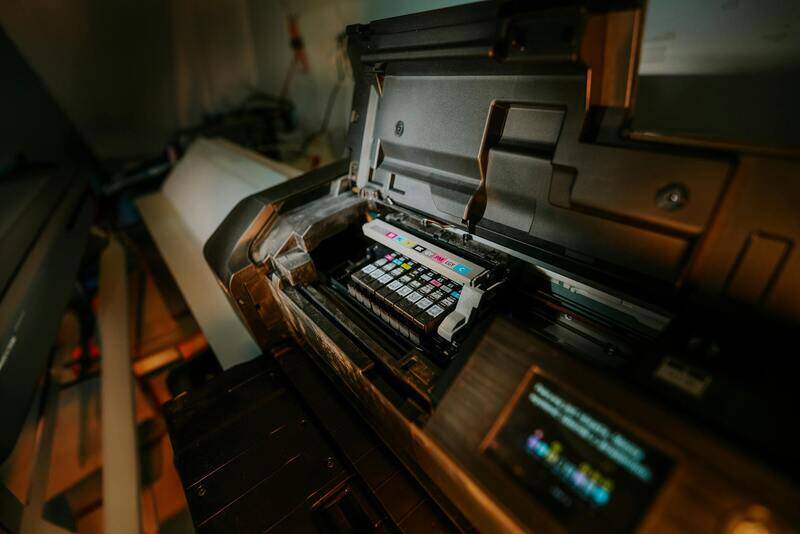
To maximize the effectiveness of banner campaigns and ensure durability, adherence to proven, official banner printing methods is essential. These methods utilize reputable printing solutions that guarantee high-quality output, color consistency, and long-lasting imagery. Staff training and adherence to manufacturer guidelines are critical components in maintaining the integrity of the printing process. Employing professional-grade printers, such as large-format digital printers equipped with solvent or UV inks, ensures sharp, vibrant images that withstand environmental stresses. These systems are optimized for efficiency and produce minimal waste, aligning with sustainable practices.
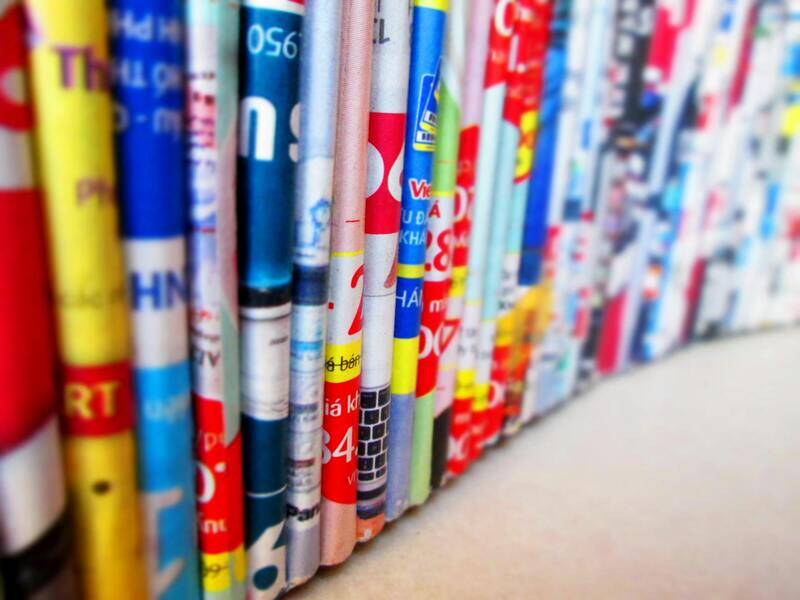
Proper maintenance of printing equipment, including regular calibration and cleaning, is vital to uphold high standards of print fidelity. Using certified inks and materials sourced from trusted suppliers enhances both color accuracy and longevity. Implementing quality control protocols through color management systems and proofing stages minimizes errors and reprints, thereby saving costs and reducing material waste.
Legal and Ethical Standards in Banner Production
Respecting intellectual property rights and advertising regulations is fundamental when creating banners for commercial use. This involves verifying that all images, logos, and texts are properly licensed or authorized for commercial display. Ensuring transparency about promotional claims, avoiding misleading content, and adhering to local advertising standards preserve brand reputation and prevent disputes.
- Use licensed images, graphics, and fonts from legitimate sources.
- Include appropriate disclosures for promotional offers or sponsorships.
- Follow local guidelines regarding size, placement, and content restrictions.
Installation and Post-Production Care
The correct installation of banners is crucial for performance and visual impact. Official installation hardware, such as heavy-duty grommets and high-strength fastening systems, ensures stability, especially in outdoor environments. Skilled installation teams follow safety protocols to prevent damage and facilitate secure mounting on various surfaces, whether walls, poles, or free-standing frames.
Post-installation, routine maintenance extends the lifespan of banners. This includes periodic cleaning with appropriate materials, inspecting for tears or fading, and promptly repairing any damages to prevent further deterioration. Storage of banners in controlled conditions when not in use helps maintain quality for future use, significantly reducing replacement costs and waste.

Environmental Responsibility and Cost-Effective Strategies
Employing environmentally conscious approaches in banner printing involves selecting eco-friendly inks and recyclable substrates that do not compromise quality. Digital printing technologies that optimize ink consumption and reduce waste are increasingly popular among industry professionals. By utilizing biodegradable materials or those with minimal environmental impact, companies fulfill sustainability commitments while maintaining excellent visual standards.
Cost efficiency is achieved through bulk purchasing of materials, negotiating favorable deals with suppliers, and leveraging economies of scale in printing. Additionally, choosing versatile, reusable banners and hardware reduces the need for frequent replacements. Advanced printing software can limit errors, improve color matching, and streamline workflows, all contributing to lower overall expenditures without sacrificing quality.
Legal and Ethical Methods in Banner Production
Utilizing legitimate and responsible procedures throughout the banner creation process not only ensures compliance but also fosters trustworthiness. Relying on certified materials, adhering to intellectual property laws, and maintaining transparency in promotional content are essential practices. Establishing partnerships with reputable suppliers guarantees access to quality materials and supports sustainable industry standards.
Implementing these responsible methods safeguards brand integrity, assures clients and stakeholders of the campaign’s authenticity, and aligns with best practices for advertising ethics. Staying informed about relevant regulations and continuously updating production protocols ensures ongoing compliance and professional excellence.