Understanding Photo Print Banners
Photo print banners serve as powerful visual tools that combine vibrant imagery with large-scale display, making them ideal for both commercial promotions and personal celebrations. Crafted from high-quality materials, these banners are designed to withstand various environmental conditions while maintaining the clarity and color fidelity of the printed images. They are widely used across different contexts—ranging from grand advertising campaigns in urban landscapes to dedicated displays at weddings, birthdays, and community events. Their versatility in size and customization options allows for tailored solutions that precisely meet the needs of the client, ensuring maximum impact in any setting.
Typically, photo print banners are offered in a variety of sizes, from compact dimensions suitable for indoor displays to enormous formats that adorn building facades. The primary advantage of choosing a photo print banner lies in its ability to accurately reproduce photographs and graphics, thanks to advanced printing technologies and top-tier materials. As a result, these banners become visually striking, capturing attention quickly and conveying messages effectively. When selecting a photo print banner, considerations include the purpose of display, expected viewing distance, and environmental factors such as exposure to weather, which influence the choice of material and print durability.
Beyond their aesthetic appeal, photo print banners facilitate branding efforts, event promotions, and personal milestones. Their large format and customizable features make them ideal for creating an immersive visual experience that attracts attention and leaves a lasting impression. When effectively designed and produced, photo print banners offer an excellent return on investment by maximizing visibility and engagement in crowded environments.
Types of Materials Used for Photo Print Banners
Selecting the right material is essential for achieving the desired durability and display quality of photo print banners. Common materials include vinyl, mesh, fabric, and canvas, each offering unique benefits suited to specific applications.
- Vinyl: The most popular choice, vinyl banners are durable, weather-resistant, and capable of producing vibrant colors. They are suitable for outdoor advertising and long-term displays.
- Mesh: Equipped with tiny holes to allow wind passage, mesh banners reduce wind load, making them ideal for large outdoor installations in windy environments.
- Fabric: Often made from polyester or other textiles, fabric banners provide a softer appearance with a professional finish, frequently used indoors and for high-end displays.
- Canvas: Known for its premium quality and classic aesthetic, canvas banners are primarily used for artistic or decorative purposes, though they can also be printed for promotional use.
In addition to material choice, surface coating options such as gloss, matte, or satin finishes influence the overall appearance, durability, and ease of maintenance of the banners. The selection process involves assessing environmental exposure, desired lifespan, and aesthetic preferences to ensure the banner meets the specific requirements of the project.
Design Considerations for Photo Print Banners
Creating an effective photo print banner involves meticulous design planning to ensure the message is conveyed clearly and visually appeals to the target audience. High-resolution images are fundamental, as they guarantee sharp and vibrant prints that grab attention even at a distance. When selecting images, consider contrast, color balance, and focal points to enhance visual impact.
The layout and typography should complement the imagery without overwhelming it. Using bold, legible fonts is essential for readability, especially for banners viewed from afar. It is advisable to keep text minimal and focused, emphasizing key messages or calls-to-action. Consistent color schemes that align with branding guidelines reinforce brand recognition and maintain professionalism.
During the design process, understanding the viewing environment influences layout choices. For outdoor banners, designs should be bold and simple, with large fonts and high-contrast elements to ensure visibility in various lighting conditions. Conversely, indoor banners can incorporate more detailed graphics and nuanced color palettes for a sophisticated appearance.
Incorporating whitespace effectively prevents clutter, making the overall design more eye-catching and easier to comprehend. When preparing digital files for printing, confirm that images are in the correct resolution—typically 300 dpi—to avoid pixelation or blurriness. The file format should be compatible with printing requirements, commonly PDF, TIFF, or high-quality JPEG files.
Furthermore, aligning the design with the banner's purpose—whether promotional, informational, or decorative—guides the choice of imagery and text placement. Working closely with graphic designers or printing professionals ensures that the design remains practical for production and maximizes visual effectiveness.
Materials Suitable for High-Quality Photo Print Banners
When selecting the material for a photo print banner, it’s essential to consider the environment where the banner will be displayed and the desired longevity of the print. The most common materials include vinyl, mesh, fabric, and eco-solvent banners, each offering distinct advantages for specific applications.

Vinyl Banners are the industry standard for outdoor displays, thanks to their durability and weather resistance. They can withstand ultraviolet rays, rain, and wind, making them ideal for long-term outdoor advertising. These banners typically feature a smooth surface that enhances the vibrancy and clarity of high-resolution images, ensuring your photographs remain crisp and eye-catching over time.
Mesh Banners are particularly suitable for areas exposed to high wind conditions. Their porous design allows wind to pass through, reducing strain on the banner and maintaining visual clarity. Mesh banners still offer excellent image quality, making them suitable for large-scale photo displays in outdoor environments.
Fabric Banners lend a sophisticated, soft appearance, perfect for indoor settings or events requiring a modern aesthetic. They tend to produce vibrant colors with a matte finish that reduces glare, thus showcasing photographic details delicately. Additionally, fabric banners are lightweight and easy to install, suitable for indoor exhibitions or retail displays.
Eco-solvent Banners are printed with environmentally friendly inks and are known for their high resolution and color accuracy. They are versatile and can be used both indoors and outdoors, offering a balance of durability and image quality. The inks used in eco-solvent printing provide long-lasting color vibrancy and resist fading over time.
Choosing the right material involves evaluating the specific requirements of your project, including exposure to elements, budget constraints, and aesthetic preferences. High-resolution images should always be printed on compatible materials that support sharp detail and vibrant color reproduction, guaranteeing an impactful visual experience for viewers.
Implementing Proper Printing Techniques for Optimal Results
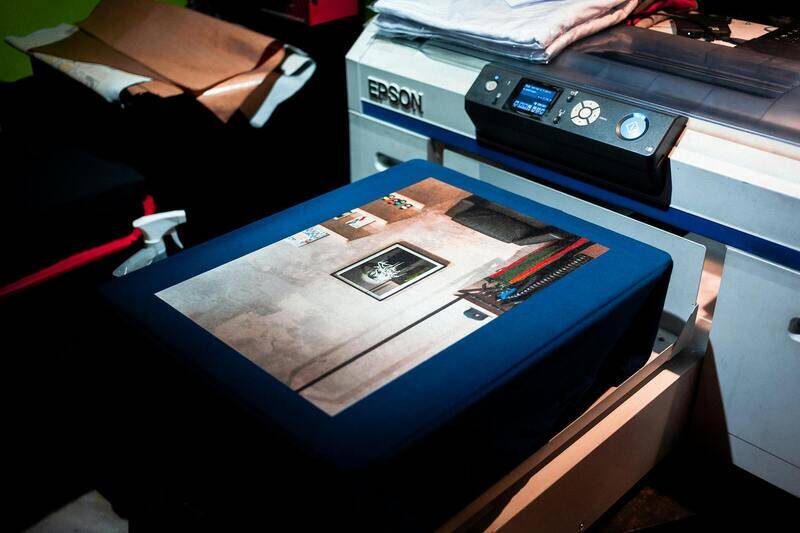
Choosing the right printing technique is fundamental to achieving vibrant, durable, and professional-quality photo print banners. Digital printing is the most prevalent method utilized for banner creation due to its versatility and ability to produce high-resolution images swiftly. This process involves directly transferring digital images onto banner materials using large-format inkjet printers, enabling detailed reproductions with vivid colors. Digital printing facilitates quick turnaround times and supports customization, making it ideal for on-demand orders or last-minute promotional events.
UV printing offers another advanced option, especially advantageous for banners that require enhanced durability and resistance to environmental elements. This technique employs ultraviolet light to instantly cure the inks onto various surfaces, resulting in a highly durable and fade-resistant image. UV printing is particularly effective for banners used in outdoor settings, as it ensures the visual integrity remains intact over extended periods.
Dye-sublimation, although traditionally associated with fabric-based banners, yields exceptionally vivid colors and seamless image quality. This method involves turning dye-based inks into gas under heat and pressure, which then penetrates the substrate surface. Photo print banners produced via dye-sublimation are notable for their vibrant color depth and resistance to cracking or peeling, making them suitable for premium presentation environments.

Each of these techniques has specific advantages that should align with your project’s requirements, whether it’s outdoor durability, color richness, or quick production timelines. A professional printing service can guide you through selecting the appropriate method based on your design complexity, material choice, and intended display environment. Ensuring compatibility of your image files, such as resolution and color mode, with the chosen printing technique is crucial to achieving the best possible output for your photo print banner.
Understanding Photo Print Banners
Photo print banners serve as a dynamic visual communication tool, combining high-quality imagery with durable materials ideal for both indoor and outdoor displays. They are widely utilized across various sectors, including retail, events, corporate branding, and personal celebrations, to attract attention and convey messages effectively. The ability to produce large, vibrant images makes photo print banners an excellent choice for marketing campaigns and promotional activities. To maximize their impact, selecting a professional printing provider with expertise in producing crisp, color-rich banners is essential. These banners are crafted to ensure that every detail of the photo is rendered with clarity, maintaining a high level of visual appeal over time.

The comprehensive process involves several crucial steps, from material selection to printing techniques, each influencing the final quality of the banner. Ensuring that the design aligns with the intended size and environment helps in creating an engaging visual. Additionally, professional printing services often offer consultation to advise on optimal formats, resolution, and finishing options, which enhance the banner’s durability and aesthetic appeal. When executed correctly, photo print banners serve as a powerful marketing medium capable of capturing audience attention and reinforcing brand messaging effectively.
Types of Materials Used for Photo Print Banners
The choice of material significantly affects the lifespan, appearance, and usability of a photo print banner. Common options include PVC vinyl, fabric, and mesh fabrics, each offering unique benefits suitable for specific settings. PVC vinyl is the most versatile, providing excellent durability and weather resistance, making it ideal for outdoor displays. Fabric banners, often made from polyester or cotton blends, yield a sleek appearance with rich color reproduction, perfect for indoor exhibitions or events. Mesh banners contain small holes that allow wind to pass through, reducing strain and making them suitable for outdoor use in windy conditions.
Durability and environmental resistance are key considerations when selecting the material. For outdoor use, UV-resistant vinyl or weatherproof fabric options are recommended to prevent fading and damage caused by exposure to sunlight, rain, and wind. Indoor banners can afford to utilize lighter fabrics with finer finishes to enhance visual richness and detail. Additionally, finishing options such as grommets, hems, or pole pockets can improve the ease of installation and the overall presentation of the banner. A meticulous approach to material selection ensures the banner maintains its impact over the desired display period, whether for short-term promotions or long-term installations.
Design Considerations for Photo Print Banners
Effective design is essential for creating impactful photo print banners that communicate your message clearly. High-resolution images are a prerequisite, with recommended resolutions typically exceeding 150 DPI at the final print size to preserve sharpness and detail. Color management is equally important, requiring the use of appropriate color modes and calibration to ensure accurate reproduction of hues and shades.
- Contrast and readability: Use contrasting colors between text and background to enhance readability from a distance.
- Minimal text: Keep words concise and legible, emphasizing key messages or branding.
- Focal points: Highlight the main visual elements to guide viewers’ attention effectively.
- Brand consistency: Incorporate logos, color schemes, and stylistic elements that reflect your branding identity.
Layout balance and negative space contribute to an uncluttered presentation, making the banner more engaging. Importantly, ensuring the design accommodates the banner's dimensions maintains visual coherence and avoids distortion. Collaborating with graphic designers or professional printing services can significantly enhance the final output, ensuring your photo print banner resonates with your target audience and achieves your visual communication objectives.
Understanding Photo Print Banners
Photo print banners serve as powerful visual communication tools that combine high-resolution imagery with durable materials to create eye-catching displays. These banners are widely used for promotional events, brand advertising, corporate signage, and special occasions. The essence of an effective photo print banner lies in the quality of the printed images and the materials utilized, ensuring that visual impact is maintained regardless of indoor or outdoor settings. High-quality photo print banners can be customized to fit a wide range of sizes and styles, allowing businesses and individuals to communicate their messages with clarity and professionalism.
Types of Materials Used for Photo Print Banners
The selection of materials plays a crucial role in the durability and visual clarity of a photo print banner. Various options are available, each suited to specific environments and display durations:
- Mesh Banners: Ideal for outdoor use where wind passage is necessary. Mesh banners feature small holes that allow air to pass through, preventing wind damage while still displaying high-quality images.
- PVC Vinyl Banners: The most common choice for both indoor and outdoor applications, PVC banners offer robustness and excellent print quality. They are resistant to weather conditions and long-lasting, making them suitable for extended displays.
- Fabric Banners: Made from polyester or polyester blends, fabric banners provide a premium look with vibrant color reproduction. They are lightweight and suitable for indoor settings or temporary outdoor events.
- Polyester or Canvas: These materials are used for high-end displays where fine detail and texture are prioritized. They offer an elegant appearance and are often used in art reproductions or corporate branding.

Design Considerations for Photo Print Banners
An impactful photo print banner begins with thoughtful design. High-resolution imagery is essential; typically, images should be at least 150 DPI at the final print size to preserve sharpness. Proper color management ensures hues and shades are faithfully reproduced, requiring calibrated monitors and color profiles defined for specific printing processes.
Effective design also involves strategic layout planning:
- Contrast and Readability: Use contrasting colors for text and background to enhance visibility from a distance. Consider larger fonts for key messages to improve legibility.
- Minimal Text: Keep messaging concise, focusing on essential information or branding elements to avoid clutter and maintain viewer focus.
- Focal Points: Highlight primary visual elements that attract attention immediately, guiding viewers’ eyes through the banner smoothly.
- Brand Consistency: Incorporate logos, consistent color schemes, and stylistic elements aligned with your brand identity for coherence.
- Layout Balance and Negative Space: Adequate negative space enhances overall aesthetics and reduces visual fatigue, making the banner more engaging and easier to interpret.
Working with graphic designers or printing professionals can significantly enhance the final product. They can help ensure that the design aligns with technical specifications, translating your visual concepts into high-quality printed banners that resonate with your target audience.
Printing Techniques for Photo Banners
There are several printing techniques prevalent in producing photo print banners, each offering distinct advantages concerning image quality, color fidelity, and production speed:
- Solvent and Eco-Solvent Printing: This method uses solvent-based inks that adhere well to outdoor materials, producing vibrant colors with excellent durability against weather elements. Eco-solvent printing minimizes environmental impact while maintaining high image quality.
- Latex Printing: Known for its flexibility, latex printing provides excellent color accuracy and quick curing times. It is suitable for various materials and offers eco-friendly options.
- UV Printing: UV curing inks are used for direct printing onto rigid or flexible surfaces, resulting in sharp, detailed images with a glossy finish. UV printing excels in producing high-definition banners with vivid colors.
- Dye Sublimation: Although more common in fabric banners, dye sublimation offers rich color depth and long-lasting images ideal for fabric materials, especially when vibrant photographic detail is necessary.
Size and Dimension Options
Photo print banners are available in a variety of sizes, catering to different display environments and purposes. Common dimensions range from small tabletop-sized banners to large-scale backdrops exceeding hundreds of feet in width. Standard sizes include 24" x 36", 48" x 96", and 10' x 20', among others. Custom sizes are also frequently requested to fit specific spaces or design requirements.
Choosing the right dimensions involves considering the viewing distance, placement location, and overall visual impact intended. For instance, banners meant for outdoor billboards or event backdrops require larger dimensions for optimal visibility from afar. Conversely, indoor banners for point-of-sale displays or signage may be smaller but still crafted meticulously to draw attention effectively.
Ensuring proper aspect ratios is critical during design and production to avoid image distortion. With the availability of advanced printing equipment, achieving high-resolution output at large sizes without loss of clarity is seamless, reinforcing the importance of precise measurement and professional handling.
Understanding Photo Print Banners
Photo print banners serve as impactful visual communication tools that combine high-resolution photographic images with durable materials, making them suitable for various advertising, promotional, and decorative purposes. Designed to grab attention, these banners are commonly utilized in outdoor advertising, trade shows, events, and retail displays. Their capacity to display vibrant, detailed imagery allows brands and individuals to convey messages, showcase artwork, or promote products with impressive clarity and visual appeal. The key to a successful photo print banner lies in selecting appropriate materials, employing the right printing techniques, and ensuring proper design and installation, which together maximize the banner’s effectiveness and lifespan.
Types of Materials Used for Photo Print Banners
Choosing the right material is fundamental to achieving optimal print quality and durability for photo banners. Common materials include:
- PVC Vinyl: This versatile material offers excellent durability, water resistance, and flexibility. Its smooth surface ensures vibrant color reproduction, making it ideal for outdoor and high-traffic indoor environments.
- Mesh Fabric: Incorporating small holes for breathability, mesh banners are suited for windy outdoor conditions. They allow air flow while maintaining a clear display of photographic images.
- polyester fabric: Known for its refined finish and ability to produce high-resolution images, fabric banners provide a sophisticated look suitable for indoor displays and special events. They often have a soft feel and can be printed with dye sublimation for long-lasting, vivid images.
- Lexan or Polycarbonate: Used mainly for rigid applications, these materials allow for larger, frame-mounted photo displays with high impact.
Selection of material hinges on environmental considerations, installation requirements, and desired visual qualities. Optimizing material choice enhances the overall effectiveness and lifespan of the photo print banner, ensuring the imagery remains striking over time.
Design Considerations for Photo Print Banners
Effective banner design balances visual appeal with clarity. When preparing artwork for a photo print banner, attention should be given to:
- Image Resolution: High-resolution images are essential to prevent pixelation, especially on larger banners. A minimum of 150 dpi at full size is recommended to ensure sharpness and detail.
- Color Accuracy: Color profiles should be managed carefully, especially when printing with specific inks, to maintain consistency between the digital design and the final output. Using CMYK color mode aligns the design with printing standards.
- Background and Contrast: A clear visual hierarchy and contrast make key elements stand out. Simple backgrounds often work best to highlight photographic details.
- Typography and Text Placement: If text is included, it should be legible from a distance, with appropriate font sizes and styles that complement the imagery.
- Aspect Ratio and Composition: Maintaining proper aspect ratios avoids distortion. Composition should focus on focal points that draw viewers’ attention immediately.
Printing Techniques for Photo Banners
Advances in print technology have expanded the possibilities for producing stunning photo banners. Principal techniques include:
- UV Printing: This method uses ultraviolet light to dry ink instantly on rigid or flexible substrates, producing vibrant, highly detailed images with excellent color depth and resistance to fading.
- Dye Sublimation: Typically used on fabric materials, dye sublimation infuses ink into the fabric fibers, resulting in vivid, long-lasting images with color richness and minimal cracking or peeling.
- UV-LED Printing: A variation of UV printing that offers energy-efficient and environmentally friendly options while delivering high-quality, detailed images suitable for outdoor exposure.
Size and Dimension Options
Photo print banners come in an array of sizes to suit diverse display needs. Standard dimensions typically include 24" x 36", 48" x 96", and 10' x 20'. Customized dimensions are prevalent, especially for specific locations or visual impacts. When selecting size, consider the viewing distance and environment. Larger banners are effective from afar, such as billboards or outdoor event backdrops, while smaller banners work well for indoor applications like POS displays or interior decor. Maintaining accurate aspect ratios during the design process ensures images do not distort, preserving their visual integrity regardless of size. Advanced printing equipment enables high-resolution outputs even for large-format banners, ensuring clarity and detail are retained at any scale.
Care, Maintenance, and Installation of Photo Print Banners
Proper care and maintenance of photo print banners are crucial to preserve their visual quality and extend their lifespan. Regular cleaning with gentle, non-abrasive materials ensures that dirt, dust, and pollutants do not accumulate, which can diminish the banner’s vibrancy over time. Use a soft cloth or sponge dampened with water or a mild detergent, avoiding harsh chemicals that might damage the ink or material. For outdoor banners exposed to environmental elements, periodic inspections are recommended to check for any signs of wear, fading, or tears.
When it comes to installation, selecting the appropriate hardware and techniques ensures the banner stays securely in place while maintaining its visual appeal. For lightweight banners, grommets along the edges provide convenient points for hanging with hooks or bungee cords, suitable for both indoor and outdoor displays. Heavier banners or those displayed in high-wind areas may require reinforced mounting systems, such as tension cables or framing structures, to prevent sagging or damage. It is advisable to avoid pinning or stapling directly through the material, as this can cause tears or distortions that compromise the image quality.
Preventative Measures for Longevity
- Position banners away from direct sunlight when possible to minimize UV exposure that accelerates fading.
- Utilize protective coatings or laminates for outdoor banners to add resistance against water, dirt, and UV rays.
- Ensure proper tension during mounting to prevent warping or sagging, which can distort the visual elements.
- Schedule regular inspections to identify and address minor damages before they escalate, preserving the overall aesthetic and structural integrity.
Storage Tips for Off-Duty Banners
If storage is necessary, clean the banner thoroughly and roll it with the printing side inward onto a core tube. Store in a cool, dry environment away from direct sunlight and humidity, which can cause warping or mold growth. Avoid folding the banner, as creases may be difficult to remove and could impact the appearance upon reinstallation.
Proper upkeep and installation practices are essential for maximizing the visibility, clarity, and lifespan of a photo print banner, ensuring it remains an effective visual tool for branding, advertising, or decoration for years to come.
Related Tags: