Overview of Banner Printing in Singapore
Banner printing has become an essential component of marketing and promotional strategies across various industries in Singapore. This visible and versatile advertising method offers businesses an effective way to attract attention, communicate messages, and increase brand visibility in both indoor and outdoor environments. With Singapore's bustling commercial landscape, companies often leverage high-quality banners to stand out among competitors, whether for grand openings, sales promotions, events, or brand awareness campaigns.
The demand for banner printing services in Singapore continues to grow due to the city's vibrant economy and diverse business sectors, including retail, hospitality, real estate, and entertainment. The bustling streets, busy malls, and public events serve as ideal platforms for banner displays, making them a popular choice for marketers and business owners aiming for maximum visibility.

In addition to advertising, banners are also utilized for informational purposes, directional guidance, and decorative displays. The ability to produce large-format designs with vivid colors and durable materials makes banner printing an attractive and practical solution for many promotional campaigns. Whether for temporary events or permanent signage, the convenience and visual impact of banners make them a preferred medium for local businesses and organizations alike.
As the industry advances, Singapore's banner printing providers incorporate innovative printing techniques, a broad range of materials, and customized design options to meet the evolving needs of their clients. This adaptability, coupled with competitive pricing and quick turnaround times, sustains the popularity of banner printing as a trusted marketing method across the city-state.
Types of Banners Available
In Singapore, a wide variety of banner types are accessible to meet diverse business and event requirements. Each type offers unique advantages suited to different settings, lighting conditions, and longevity needs.
- Vinyl Banners: The most common choice, vinyl banners are prized for their durability, weather resistance, and vibrant color output. They are ideal for outdoor advertising, such as storefront promotions, event backdrops, or roadside displays. Vinyl banners can be produced in large sizes and are easily rollable for transportation and storage.
- Fabric Banners: Made from polyester or nylon, fabric banners provide a sophisticated look with a matte finish that minimizes glare. They are often used indoors for exhibitions, trade shows, and retail displays. Fabric banners can be washed and stored easily, making them suitable for reusable indoor advertising.
- Mesh Banners: Featuring a perforated design, mesh banners allow wind to pass through, reducing tension and damage during outdoor use. Their visibility is high even in windy conditions, making them perfect for large facade displays, construction site advertisements, or sports events.
- Retractable Banners: These portable, stand-up banners are designed with a retractable mechanism that makes setup and packing simple. Frequently employed at trade fairs, conferences, and promotional roadshows, retractable banners are effective for conveying messages dynamically and conveniently.

Design Considerations for Banners
Effective banner design hinges on clarity, visual impact, and message retention. When creating a banner for production, several key elements should be prioritized:
- Clear Messaging: The main message or call-to-action should be immediately apparent. Use concise language coupled with bold typography to draw attention from afar.
- High-Resolution Graphics: Incorporate images and logos at high resolution to prevent pixelation, ensuring they remain sharp when scaled to large formats.
- Color Contrast: Select contrasting colors to enhance readability and visual appeal. Consider the environment where the banner will be displayed to ensure visibility under varying lighting conditions.
- Balanced Layout: Maintain a clean and organized layout. Avoid clutter by leaving sufficient white space, allowing key elements to stand out prominently.
- Inclusion of Branding: Consistent use of brand colors, fonts, and logos enhances brand recognition and credibility.
Professional designers often collaborate with clients to develop designs that align with branding strategies while optimizing visual impact and readability for large-scale display.
Materials and Printing Techniques
Choosing the right materials and printing techniques is crucial to producing banners that are durable, visually striking, and tailored to specific display environments in Singapore. The primary materials used in banner printing include vinyl, mesh, fabric, and canvas, each offering distinct benefits suited for different applications.
- Vinyl Banners: The most common choice for both indoor and outdoor use, vinyl banners are resistant to weather elements such as rain and UV rays. They provide excellent durability and color vibrancy, making them ideal for long-term outdoor advertising campaigns.
- Mesh Banners: Designed with tiny perforations, mesh banners allow wind to pass through, reducing strain on the structure, which is especially useful for large-format banners installed in high-wind areas.
- Fabric Banners: Typically made from polyester or polyester blends, fabric banners offer a sophisticated look with rich color saturation. They are preferred for indoor events, exhibitions, and retail displays due to their elegant finish.
- Canvas Banners: Often used for artistic or promotional purposes, canvas banners provide a textured, premium appearance. They are more suited for short-term indoor use and special displays.
Printing techniques further influence banner quality and fidelity. Common methods include digital printing, solvent printing, UV printing, and eco-solvent printing, with digital printing being the most versatile and widely used for large formats in Singapore. This method provides high-resolution output with precise color matching, enabling detailed images and sharp text.
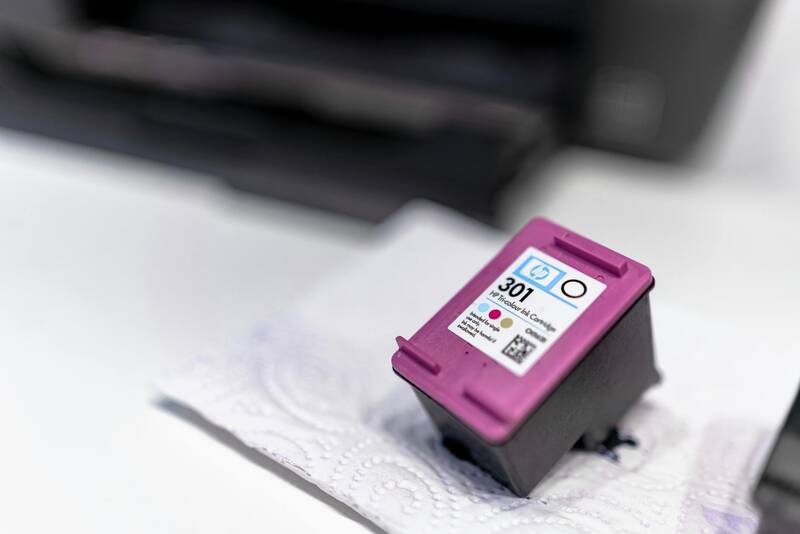
For outdoor banners, solvent and UV printing are preferred due to their resistance to environmental wear and tear. UV printing, in particular, cures instantly under ultraviolet light, resulting in vibrant colors that last longer without fading. In addition to material choice and printing techniques, finishing options such as hemming, grommets, pole pockets, and adhesive strips play a vital role in the banner’s lifespan and ease of installation. Proper finishing ensures banners withstand outdoor conditions and are easily mounted or repositioned as needed.

Understanding these materials and techniques allows businesses to optimize their banner investments by selecting solutions that align with their visibility goals, environmental conditions, and budget considerations, ensuring impactful promotional displays that stand the test of time.
Materials and Printing Techniques
When producing banners in Singapore, selecting the appropriate materials and printing techniques is crucial to ensure durability, visual appeal, and performance. The most common materials include vinyl, PVC, mesh fabric, and fabric textiles, each suited for different environments and purposes.
Vinyl banners are popular for their durability and versatility, capable of withstanding outdoor weather conditions while maintaining vibrant visuals. PVC banners are sturdy and resistant to tearing, making them ideal for long-term outdoor advertising. Mesh materials are designed with small openings, enabling wind passage, which minimizes wind load and tearing risks, particularly suitable for large outdoor displays in areas with strong breezes.
Fabric banners, often made from polyester or satin, deliver a premium look and are commonly used for indoor displays, trade shows, and event backdrops. They offer sharp image reproduction and a sophisticated finish but are less resistant to outdoor elements unless treated with special coatings.

In terms of printing methods, digital printing is the dominant choice due to its precision, speed, and ability to produce high-resolution images with complex color gradients. UV printing is notable for its immediate curing process, ensuring vibrant colors with a glossy or matte finish that resists scratching and weathering. Solvent and eco-solvent printing techniques are favored for outdoor banners because of their superior resistance to UV exposure, moisture, and other environmental factors.
Each printing technique affects the longevity and visual quality of the banner. For outdoor settings, solvent-based processes excel at maintaining color vibrancy over time, while UV printing provides excellent detail and a durable surface that withstands harsh weather. Choosing the right combination of material and printing technique depends heavily on the intended display environment, budget, and duration of use.
Factors Influencing Banner Pricing
Understanding the factors that affect the cost of banner printing in Singapore is essential for effective budget planning and selecting the right service provider. Several key elements contribute to overall pricing, each impacting the final expenditure based on specific project requirements.
Size and Dimensions
The physical size of the banner is one of the primary determinants of cost. Larger banners require more materials and longer printing times, which naturally increase expenses. Custom dimensions tailored to specific locations or event spaces can also influence pricing, especially if non-standard sizes are requested that demand special handling or cutting procedures.
Material Selection
The choice of material significantly impacts costs. Economical options like vinyl or standard mesh are generally more affordable, making them suitable for short-term outdoor advertising. Premium materials such as fabric or laminated vinyl may incur higher costs but offer enhanced visual appeal, durability, and weather resistance, justifying their premium pricing in suitable contexts.
Design Complexity
- Simple designs with minimal color usage tend to be less costly.
- Complex graphics, high-resolution images, and intricate logos require more advanced printing techniques and longer production times, increasing overall costs.
- Large quantities can benefit from bulk discounts, reducing the unit price.
Print Quality and Finishing
High-definition prints with detailed color accuracy, along with specialized finishing options like lamination or hemming, can add to the overall price. These enhancements not only improve aesthetic appeal but also extend the lifespan of the banner, particularly crucial for outdoor displays exposed to the elements.
Durability and Environmental Resistance
Banners designed for long-term outdoor use demand weather-resistant materials and UV or solvent-based printing techniques. These features elevate costs but ensure consistent quality and appearance over extended periods, saving costs associated with frequent replacements or repairs.

Considering these factors when planning your banner printing project can help optimize expenditures while achieving your desired visual impact. Selecting a provider with transparent pricing and a detailed quote process ensures your project stays within budget without compromising on quality and effectiveness.
Factors Influencing Banner Pricing in Singapore
When investing in banner printing in Singapore, understanding the key factors that influence costs enables more accurate budgeting and ensures the selection of appropriate solutions for specific needs. A comprehensive evaluation of these factors helps businesses and individuals alike to maximize value and achieve optimal visual impact.
Design Complexity and Details
Design intricacy plays a significant role in determining banner printing expenses. Simple, minimalistic designs generally incur lower costs due to reduced printing time and less use of colors. Conversely, banners featuring detailed graphics, high-resolution imagery, or complex logos demand sophisticated printing techniques, such as high-definition UV or solvent printing, which often come with higher charges. Additionally, the number of colors used impacts cost; full-color, photo-dense banners tend to be more expensive compared to monochrome or limited-color designs.
Size and Scale of Banners
The physical dimensions of a banner directly affect material usage, printing time, and handling requirements. Larger banners, while offering greater visibility, require more raw material and advanced large-format printers capable of accommodating wider formats. These factors contribute to a proportional increase in overall costs. It is crucial to plan the size in alignment with intended viewing distances and placement to ensure cost-effective results.
Material Selection and Quality
The choice of materials significantly influences both the cost and durability of banners. Standard vinyl banners are cost-effective for short-term use and indoor applications, whereas premium materials such as mesh vinyl, fabric, or weather-resistant substrates are necessary for outdoor use, especially in Singapore’s humid and rainy climate. These materials, combined with weatherproof coatings, provide enhanced durability and UV resistance, but at a higher price point. Selecting the right material hinges on the banner's intended lifespan and environmental conditions.
Printing Techniques and Finishing Options
Advanced printing methods like solvent or eco-solvent printing offer vibrant color reproduction, weather resistance, and longevity, justifying higher costs for outdoor banners. Additionally, finishing touches like hemming, grommet placement, lamination, or reinforcements can extend banner lifespan and improve aesthetics. Laminated and reinforced options, although more costly initially, reduce maintenance and replacement costs over time.

Order Quantity and Bulk Discounts
Bulk printing of banners often qualifies for volume discounts, significantly reducing unit costs. Planning for multiple banners or larger campaigns allows businesses to benefit from economies of scale, making extensive promotional efforts more cost-efficient. Coordinating designs and delivery timelines can optimize overall project expenses while maintaining consistent quality across all units.
Environmental and Durability Considerations
Choosing banners designed for outdoor environments involves investing in UV-protected inks and weatherproof materials. Singapore’s climate, characterized by high humidity and substantial rainfall, necessitates durable solutions that resist fading, tearing, and water damage. While these specialized materials and techniques entail higher initial costs, they ensure sustained visual impact and reduce the frequency and expense of replacements.
Legal and Regulatory Considerations for Banner Printing in Singapore
When selecting a banner printing service in Singapore, it is crucial to adhere to established regulations governing outdoor advertising and public displays. Ensuring compliance with these guidelines not only prevents potential fines or penalties but also maintains the professionalism and credibility of your promotional materials.
Advertising standards set by local authorities often specify dimensions, placement locations, and content restrictions for banners. These parameters help regulate visual clutter in public spaces, ensuring that signage aligns with urban aesthetics and safety standards. It is recommended to verify that your intended banner design does not obstruct traffic signals, windows, or emergency access points.
For businesses, obtaining necessary permits before installation is a vital step. This process typically involves submitting detailed banner designs, specifying installation sites, and providing proof of compliance with safety measures. Working with a reputable printing company familiar with local permit procedures can streamline this process, ensuring your banners are installed legally and ethically.
In addition to permits, content regulations must be carefully considered. Avoid displaying offensive, misleading, or copyrighted material. All promotional content should be accurate, respectful, and conform to guidelines established by the Singapore Advertising Standards Authority. Respect for intellectual property rights is essential, and companies should utilize licensed images, logos, and trademarks in their banners to prevent legal complications.
Post-installation, banners must be maintained according to safety procedures. Regular inspections ensure they remain securely fastened, undamaged, and appropriately positioned. Any deterioration or hazards related to banners should be addressed promptly to prevent accidents or violations of safety codes.
Ensuring Proper Installation and Maintenance of Banners in Singapore
When deploying banners in Singapore, the focus extends beyond initial design and printing to their ongoing management and adherence to local standards. Proper installation practices and routine maintenance are critical to ensure safety, effectiveness, and compliance with established codes.
Best Practices for Banner Installation
- Use Appropriate Mounting Hardware: Employ durable, weather-resistant fixtures such as high-quality ropes, eye bolts, and brackets specifically designed for outdoor use. This ensures banners remain secure during adverse weather conditions, including heavy rain and strong winds.
- Select Suitable Locations: Position banners in areas with good visibility and sufficient space for secure fastening. Avoid locations where banners could obstruct pedestrian pathways, traffic signals, or emergency exits, aligning with safety considerations and urban aesthetics.
- Follow Height and Distance Regulations: Maintain appropriate clearance from the ground and other structures. This helps prevent accidents and ensures the banner is clearly visible to the target audience without causing obstruction or distraction.
- Engage Skilled Installation Teams: It is advisable to work with experienced professionals familiar with Singapore’s local regulations and installation standards. Their expertise minimizes risks related to improper mounting and ensures compliance with safety protocols.
Routine Maintenance and Inspection
Regular inspection of printed banners helps in early detection of damage or wear, which might compromise their stability and appearance. Maintenance considerations include:
- Periodic Checks: Conduct routine inspections to verify that banners are securely fastened, free from tears, fading, or mildew. These checks should be scheduled more frequently during seasons with extreme weather changes.
- Cleaning Procedures: Use appropriate cleaning methods suitable for the material to maintain vibrant colors and prevent deterioration. Avoid abrasive cleaners that could damage the print or fabric.
- Timely Repairs: Address any issues promptly, such as replacing torn sections or tightening loose fixtures, to prevent potential hazards or further damage.
- Monitoring for Environmental Impact: Keep an eye on environmental effects like wind load or pollution that could accelerate material degradation, especially in high-traffic urban areas.
Disposal and Reuse of Banners
Environmental responsibility is an important aspect of banner management. When banners reach the end of their lifespan, proper disposal is necessary. Reuse options, such as repurposing banners for other promotional events or recycling materials, contribute toward sustainable business practices.