Overview of Color Printing
Color printing has become an integral part of the printing industry, revolutionizing how images, graphics, and text are visually communicated. At its core, color printing involves reproducing images in multiple hues, achieving a vibrant and accurate representation of the original design. This process enhances visual appeal and ensures that branding, advertising, and informational materials resonate effectively with target audiences.
In Singapore and beyond, the importance of color printing extends across diverse sectors, including marketing, packaging, publishing, and corporate communications. Businesses leverage the power of color to attract attention, convey professionalism, and reinforce brand identity. From high-quality promotional brochures to product packaging, color printing services cater to a wide range of applications that demand vivid, true-to-life images.

The evolution of color printing technology has significantly enhanced production speed and print quality, making it affordable and accessible for companies and individuals alike. As a result, color printing has become a fundamental element in modern visual communication strategies, empowering brands to stand out in competitive markets while providing consumers with engaging and memorable materials.
Color printing's adaptability allows for its application across various printing mediums, including digital printing, offset printing, and large-format printing. This versatility ensures that projects can be tailored to specific needs, whether producing small batches or large volume orders, all while maintaining high color accuracy and vibrant output.

Understanding the fundamentals of color printing is essential for achieving optimal results. From selecting the right printing method to managing colors effectively, businesses and designers can maximize the impact of their printed materials. As digital media continues to grow, the role of high-quality color printing remains vital in providing tangible, visually captivating content that complements online communication efforts.
Types of Color Printing Technologies
Understanding the different methods of color printing is essential for choosing the most effective strategy for your specific project. Each printing technology offers unique benefits, suited to various production requirements, budgets, and quality expectations. The primary types include offset printing, digital printing, and flexography, each serving different purposes within the realm of color reproduction.
Offset Printing
Offset printing remains a popular choice for high-volume color printing due to its superior image quality and cost efficiency at large quantities. In this method, the image is transferred from a metal plate to a rubber blanket and then onto the printing surface. Offset printing is renowned for its ability to reproduce detailed images with consistent color fidelity, making it ideal for producing brochures, magazines, and packaging materials where high print quality is paramount. The process involves meticulous setup, including color calibration and plate preparation, which ensures that each print run maintains uniformity.
Digital Printing
Digital color printing offers a streamlined approach suitable for short runs and customized jobs. Unlike offset printing, digital presses transfer digital files directly onto the printing medium, eliminating the need for plates or extensive setup. This method allows for quick turnaround times and facilitates variable data printing, such as personalized marketing materials. Digital printers use advanced inkjet or laser technology to produce vibrant, detailed images with impressive precision. It is an excellent solution for projects that require rapid production, frequent updates, or test prints to refine design elements.
Flexography
Flexography is a versatile rapid-printing technique often used for packaging, labels, and flexible materials. It employs flexible rubber or photopolymer plates that are mounted on rotating cylinders. Flexography excels in printing on non-porous surfaces such as plastic, foil, and other packaging substrates, providing bright and durable color output. This method is characterized by high-speed capabilities and excellent ink adhesion, making it ideal for large-scale production runs in the food, beverage, and retail sectors.
Choosing the Right Technology
Selection among these color printing methods hinges on factors such as volume, turnaround time, material requirements, and desired print quality. Offset printing suits large batches with high-quality standards, while digital printing accommodates short, customized projects efficiently. Flexography is best suited for flexible packaging applications that demand vibrant, durable colors. Evaluating these options carefully ensures that your printed materials meet the desired standards while optimizing production costs.

Summary
Every color printing technology has unique strengths that align with different project needs. Offset printing offers high-quality output for large runs, digital printing provides flexibility and speed for shorter projects, and flexography delivers durability for packaging applications. Considering these factors carefully can lead to successful, vibrant print outcomes that effectively communicate your brand message and engage your audience.
Color Management and Calibration
Achieving precise and consistent color output in printing requires rigorous color management and calibration processes. Effective color management begins with the utilization of standardized color profiles, which act as the blueprint for translating digital colors into print. These profiles, often embedded within design software, ensure that the colors displayed on a monitor closely match the final print. Implementing color management workflows involves calibrating both monitors and printers regularly to maintain accuracy, a step essential for brand consistency across various printed materials.

Advanced color management tools also enable the correction of color deviations that may occur due to differences in paper type, ink absorption, and printer performance. Calibration involves using colorimeters or spectrophotometers, which measure discrepancies between expected and actual output, allowing for adjustments that align the printer's color reproduction to the desired standards. This process is crucial for projects demanding exact color consistency, such as corporate branding, product packaging, and marketing collateral.
Materials and Inks Used in Color Printing
The choice of materials and inks significantly influences color quality, durability, and overall visual impact. High-quality printing substrates, including coated and premium uncoated papers, provide a smooth surface that enhances ink adhesion and color vibrancy. Specialized inks—such as UV inks, metallics, and translucent shades—expand creative possibilities and help achieve specific visual effects.
- Paper Types: Glossy, matte, silk, and textured papers each offer unique finishes that interact differently with printing inks.
- Inks: CMYK-based inks are standard for color printing, but additional components like spot colors or metallic pigments are often employed for special effects and brand consistency.
- Environmental Considerations: Many printers now opt for eco-friendly inks, including soy-based and water-based variants, to minimize environmental impact without compromising color quality.

Design Considerations for Color Printing
Designing for color printing requires an understanding of several key factors to optimize visual appeal and efficacy. Colors should be selected based on the purpose of the piece, target audience, and the psychology of color. Incorporating high-resolution images and vector graphics ensures clarity and sharpness in the final print. When preparing files, designers should use the CMYK color mode to simulate how colors will appear after printing, reducing unexpected color shifts.
- Color Harmony: Use complementary color schemes and contrast to enhance readability and visual interest.
- White Space: Adequate spacing allows colors to breathe and prevents overcrowding.
- Resolution: Maintain high-resolution files (300 DPI or higher) to prevent pixelation and preserve detail.
- Bleed and Margins: Include ample bleed areas to avoid unprinted edges and ensure seamless cuts.

Materials and Inks Used in Color Printing
Choosing the right materials and inks is essential for achieving optimal color vibrancy, durability, and overall quality in printed projects. Various substrates, such as different types of paper, plastics, and specialty materials, influence how colors appear and how well they withstand environmental factors. High-quality paper options like coated gloss, matte, or silk finishes can enhance color depth and sharpness, while plastics are favored for durability and weather resistance in outdoor applications.
Inks are the core components that deliver the vivid hues seen in color printing. Standard four-color process inks—cyan, magenta, yellow, and black (CMYK)—are most common, enabling a broad spectrum of printable colors. However, specialized inks such as spot colors (pre-mixed inks for precise color matching) and metallic or fluorescent inks are often incorporated to meet specific design requirements. These enrich the visual appeal and help in maintaining brand consistency across various printed assets.

Environmental considerations are increasingly influencing material choices. Eco-friendly inks, including soy-based, water-based, or vegetable-oil inks, are popular for reducing environmental impact. These alternatives often provide comparable vibrancy and stability while aligning with sustainability goals. Selecting the right combination of substrate and ink depends on the intended use, exposure conditions, and desired longevity of the print.
Design Considerations for Color Printing
Designing for color printing involves a strategic approach to ensure the final product captures attention and communicates effectively. Color selection should be aligned with the brand message and the psychological impact of hues. Using high-resolution images and vector graphics ensures that detail and sharpness are preserved after printing. Carefully preparing files in CMYK mode allows designers to anticipate and mitigate color discrepancies that can occur during the conversion process.
- Color Harmony: Employ complementary and contrasting colors to create visual interest and guide viewer attention.
- White Space: Adequate spacing prevents overcrowding, making the primary colors and messages stand out.
- Resolution: Maintain a minimum of 300 DPI to ensure crisp images and clear text without pixelation.
- Bleed and Margins: Incorporate sufficient bleed zones and margin allowances to facilitate trimming without losing key design elements.
By paying close attention to these elements, designers can guarantee that their printed materials uphold the vibrant color accuracy and professionalism that reflect well on their brand or message.
Official Methodology for Achieving Accurate Color Printing
Ensuring precise color reproduction in print products requires strict adherence to established procedures that guarantee consistency and fidelity across various pressing conditions and substrates. The cornerstone of this process involves utilizing calibrated color management workflows, which include the creation and application of ICC profiles tailored specifically for each device and substrate combination. These profiles facilitate the translation of digital colors into printer instructions that preserve the original intent of the design.
Calibration begins with the use of standardized test charts and color calibration targets, which are printed and then measured with spectrophotometers or colorimeters. The collected data helps in adjusting printer settings and creating calibration curves that compensate for device-specific color shifts. This regular calibration cycle ensures that print outputs remain aligned with digital designs, reducing discrepancies over time.
Implementing color-managed workflows also involves defining proper color profiles in the software and hardware used throughout the production process. From design software to RIP (Raster Image Processor) software, each component must be configured to operate within the same color space, typically CMYK or a calibrated RGB profile, depending on the printing method. Such uniformity minimizes color conversion errors and ensures that the colors on the final printed material match the digital specifications.
Furthermore, standard operating procedures include the validation of color output through print proofing and client approval stages, where color accuracy is scrutinized with specialized color measurement tools. These proofs serve as a reference point to verify alignment before proceeding with full-scale production, ultimately delivering high-quality, consistent color results that meet professional standards and client expectations.
Complementing these practices is the selection of appropriate color modes—primarily CMYK for most commercial printing—to optimize ink usage and color fidelity. Digital color matching systems, such as spectrophotometers integrated with color matching software, provide precise formulation of inks for achieving specific hues and shades. This meticulous approach is fundamental for projects requiring color accuracy, such as corporate branding, packaging, or detailed photographic reproductions.
By rigorously applying well-defined color management protocols, printing professionals can reliably produce vibrant, consistent, and high-fidelity color prints suitable for a broad range of commercial needs, reinforcing their reputation for quality and precision in color printing services.
Materials and Inks Used in Color Printing
Choosing the right materials and inks is fundamental to achieving high-quality color prints that are durable and visually appealing. The selection of substrates—such as paper, cardstock, polyester, or vinyl—depends on the specific application, whether it's for promotional banners, business cards, or packaging. These substrates vary in thickness, texture, and coatings, which can influence how inks adhere and the overall vibrancy of the finished product.
Inks used in color printing are equally critical. Pigment-based inks, known for their resistance to fading and water, are preferred for long-lasting outputs like outdoor signage and branded packaging. Dye-based inks, on the other hand, offer a broader color gamut and are often used for photographic reproductions where vibrant color saturation is desired.

The formulation of these inks involves a complex mixture of colorants, binders, and solvents optimized for the specific printing technology. For example, solvent inks are often used in wide-format printing due to their excellent adhesion and durability, while UV-curable inks provide high-definition results on non-porous surfaces with quick curing times under ultraviolet light.
printers also utilize enhanced features like eco-solvent inks that reduce environmental impact while maintaining color brilliance. Water-based inks are increasingly popular in digital printing environments due to their low VOC emissions and compatibility with a variety of substrates, making them suitable for eco-conscious campaigns.
Ensuring ink quality and compatibility with chosen materials is a crucial aspect for maintaining color consistency and longevity of printed items. Proper storage and handling of inks prevent degradation, which can affect color accuracy and print quality over time. Advanced techniques such as ink formulation and pretreatment of substrates further enhance color vibrancy and stability during printing and post-production processing.
Design Considerations for Color Printing
Effective color management begins at the design stage. Working with color profiles and adhering to specific color modes—particularly CMYK for print—ensures that the digital design translates accurately into the printed output. Design files should be created with high-resolution images and calibrated monitors to maintain color fidelity from digital to physical formats.
Color harmony and contrast are vital for creating visually compelling materials. Overly saturated or poorly matched colors can detract from the aesthetic appeal and brand consistency. Incorporating color guides and playing with color swatches during the design process can help achieve the desired visual impact.
Additionally, designers should consider the end-use of the printed material. For instance, materials intended for outdoor display require UV-resistant inks and coatings to preserve colors against weather exposure. When printing photographic reproductions, attention to subtle tonal gradations and skin tones increases the overall quality.
To optimize the final output, prepress checks—including proofing and color calibration—are indispensable. These steps confirm that colors will appear as intended upon printing, minimizing rework and waste. Moreover, adherence to standardized color management workflows guarantees consistency across multiple print runs, a critical component for large-scale branding projects and seasonal campaigns.
Color Printing Quality Control and Verification Methods
Achieving consistent and vibrant color output in printing processes requires rigorous quality control and verification measures. These practices are essential to ensure that the final printed product aligns with the original design intent, maintains uniformity across multiple prints, and meets client expectations.
Color Proofing and Softproofing Techniques
Before a large batch of printing begins, the utilization of color proofing methods is vital. Hard proofs involve producing a physical sample that closely mimics the final print, allowing designers and clients to review and approve colors, contrast, and overall appearance. Softproofing involves viewing digital proofs on calibrated monitors, which simulate printed colors to a certain extent. Combining these methods helps identify discrepancies early, reducing costly reprints.
Use of Standardized Color Profiles
Incorporating industry-standard color profiles like ICC profiles into the workflow ensures that colors are managed accurately throughout the production chain. Embedding color profiles into design files guarantees that printers interpret colors consistently, minimizing variations caused by hardware or software differences.
Calibration of Printing Equipment
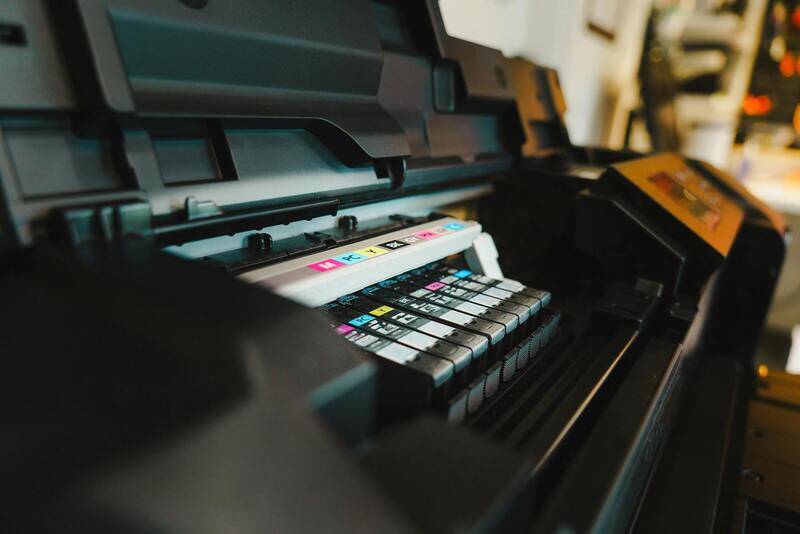
Regular calibration of printers and monitors is critical. Consistent calibration aligns the output of the device with color standards, ensuring that colors remain true over time. Calibration involves adjusting hardware components to standard specifications, often guided by test charts and color targets. This process should be conducted periodically, especially before critical print runs.
Color Measurement Instruments
Advanced color measurement tools, such as spectrophotometers and colorimeters, are indispensable for verifying color accuracy. These devices measure the spectral properties of printed colors, providing quantitative data that can be compared against target values. Using such instruments allows for precise adjustments in ink density and color balancing, ensuring output accuracy.
Monitoring and Documentation
Consistent monitoring of printing conditions—such as ink density, substrate quality, and environmental factors—contributes to stable color reproduction. Documenting calibration settings and measurement results creates a reference archive, facilitating troubleshooting and future process improvements.
Final Inspection and Quality Assurance Procedures
Post-print inspections involve checking samples for color consistency, registration accuracy, and defect detection. Establishing quality assurance protocols, including visual checks and measurement-based reviews, guarantees that each print batch adheres to predefined standards, thereby guaranteeing customer satisfaction.

Ensuring Long-Lasting Color Accuracy in Printing Products
Achieving consistent and vibrant color output in printed materials is a critical aspect of professional printing operations. To uphold color fidelity throughout the production process, practitioners rely on a combination of proven techniques and meticulous oversight. Accurate color reproduction involves not only the initial calibration but also ongoing management during and after printing, ensuring that colors precisely match design specifications and client expectations.
Methods for Verifying Color Consistency
Employing objective measurement tools is essential for maintaining high standards of color accuracy. Spectrophotometers and colorimeters allow operators to quantify the spectral properties of printed colors, providing objective data to compare against original color targets. These instruments can detect even slight deviations, enabling precise adjustments that uphold color fidelity across different batches and print runs.

Implementing Rigorous Calibration Protocols
Systematic calibration ensures that printing machines produce colors that consistently match the intended palette. This process involves adjusting hardware elements, such as the ink delivery system and printheads, based on data from color measurement tools. Regular calibration sessions, preferably before critical print jobs, minimize color drift caused by environmental factors, material variability, or hardware wear.
Continuous Monitoring and Quality Control
Monitoring involves tracking key parameters like ink density, paper or substrate quality, and environmental conditions such as temperature and humidity. Documenting these parameters creates a reliable record that can be referenced for troubleshooting and ongoing process refinement. Regular sampling and visual inspections complement measurement data, providing a comprehensive approach to quality assurance.
Sealing in Color Fidelity with Final Inspection Processes
Once printing is complete, thorough inspection processes are employed to verify that the output meets the required standards. Common practices include visual assessments coupled with measurement checks to ensure color consistency, proper registration, and absence of defects. Implementing standardized review protocols helps maintain high-quality outputs and satisfies customer expectations.
Visual Quality Checks
- Inspect for uniformity of colors across the print
- Assess registration accuracy and sharpness
- Detect and address any print defects such as smudges or color bleeding
Documentation and Feedback Loop
Recording inspection results and measurement data creates a feedback loop that informs future print runs. Continuous improvement depends on analyzing this data to identify trends and implement corrective actions promptly. This disciplined approach fosters consistency and maximizes the quality of large-volume or high-stakes printing projects.