Basics of Full Colour Printing
Full colour printing, often regarded as the standard in the printing industry, involves reproducing a wide spectrum of colours on various substrates to create vibrant, detailed images and designs. This process primarily relies on sophisticated colour models, printing techniques, and high-quality materials to achieve precise and consistent results across diverse applications.
Colour Models in Full Colour Printing
The most prevalent colour model used in full colour printing is the Cyan-Magenta-Yellow-Black (CMYK) model. This subtractive colour model blends four ink colours to produce a broad range of hues and shades. By layering and varying the intensity of these inks, printers can accurately reproduce complex images, photographs, and designs with depth and vibrancy. The CMYK process enables detailed colour matching and consistency, making it ideal for high-quality print jobs.
In addition to CMYK, some advanced printing methods incorporate additional colour inks, such as orange, green, or violet, to expand the printable colour gamut. This extension allows for even more accurate reproductions of specific colours, especially in branding and photographic prints.
Printing Methods
Several printing techniques facilitate full colour reproduction, each suited for specific applications and volume requirements:
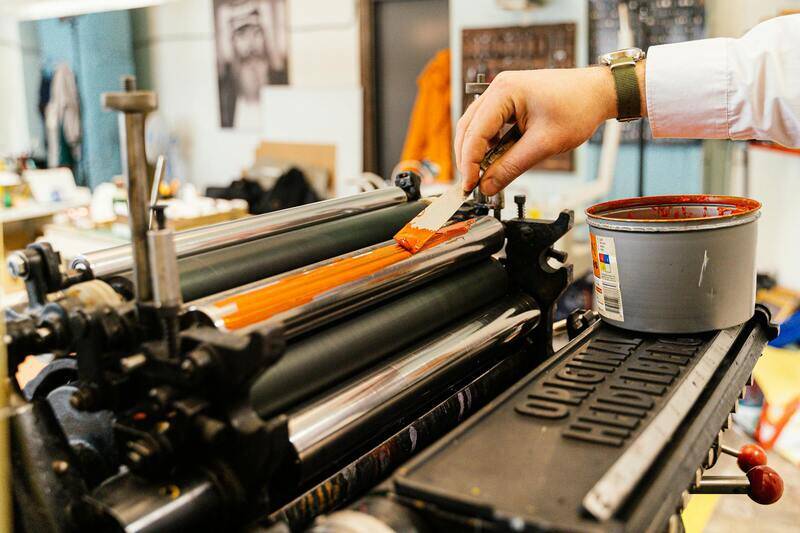
- Offset Printing: A widely used method that involves transferring ink from a plate onto a rubber blanket, then onto the printing substrate. Offset printing offers excellent colour accuracy, high resolution, and cost-efficiency for large print runs.
- Digital Printing: A more versatile method that directly applies ink onto the substrate using digital files. Ideal for short runs, customization, and quick turnarounds, digital printing ensures vibrant colours and sharp details.
- Flexography: Commonly used for packaging and labels, flexography employs flexible relief plates and fast-drying inks, allowing for consistent full colour prints on various materials.
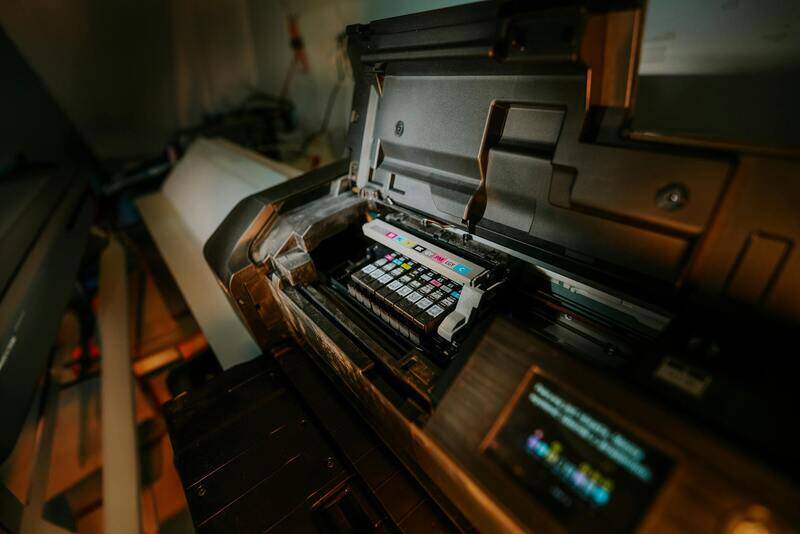
- Inkjet Printing: Utilized primarily for large-format prints and prototypes, inkjet printing deposits tiny ink droplets onto the substrate, providing impressive colour depth and detail.
Common Applications in the Printing Industry
Full colour printing finds extensive application across multiple sectors due to its ability to create visually striking output:
- Marketing materials, such as brochures, flyers, and posters
- Packaging and labels that require vibrant imagery
- Photographic printing for art and displays
- Business cards and stationery with intricate colour designs
- Event materials, including banners and backdrops
Mastery of full colour printing techniques ensures that these applications meet high standards of quality, enhancing visual appeal and brand recognition.
Types of Full Colour Printing Techniques
When selecting a full colour printing method, it's essential to understand the specific advantages and optimal use cases of each technique. Digital printing, offset printing, and large-format printing serve distinct purposes, ensuring that clients can choose the most suitable process for their projects based on volume, quality, and turnaround time.
Digital Printing
Digital printing stands out for its versatility and speed. It enables direct printing from digital files without the need for extensive setup, making it ideal for short runs, personalized prints, and prototypes. This method delivers vibrant colours, fine details, and quick turnaround times, which makes it popular for small batches of business cards, flyers, or promotional items. Digital printers today can produce results with near-photographic quality, and adjustments can be made easily between print jobs to accommodate design variations.

Offset Printing
Offset printing remains a preferred choice for large-volume projects that require consistent colour accuracy and high resolution. This process involves transferring ink from a metal plate onto a rubber blanket, which then applies the ink onto the substrate. Offset printing is highly efficient for producing brochures, magazines, and bulk stationery with precise colour matching and sharp image quality. Though initial setup can be more time-consuming and costly, its cost-effectiveness per unit makes it the go-to for extensive print runs where uniformity and quality are paramount.

Large-Format Printing
Specialized for banners, signage, and displays, large-format printing is designed to handle expansive substrates without compromising image quality. Utilizing wide-format inkjet printers, this technique deposits precise ink droplets onto surfaces such as vinyl, fabric, or paper, resulting in vibrant, detailed visuals suitable for outdoor advertising, exhibitions, and retail displays. The ability to produce enormous prints with impressive colour depth makes large-format printing an essential tool for impactful visual communication.

Overall, understanding the specific strengths of each full colour printing technique allows businesses to choose the most effective process based on their project needs, budget, and timelines. Whether it’s the quick customization of digital printing, the high-volume efficiency of offset methods, or the grand scale of large-format outputs, each technique plays a crucial role in delivering compelling visual communications tailored to diverse marketing and branding objectives.
Color Management in Full Colour Printing
Achieving vibrant, consistent colours across multiple print runs and substrates requires meticulous color management throughout the printing process. This involves the use of advanced color profiles and calibration tools that ensure each print faithfully reproduces the intended hues without unwanted shifts or discrepancies. Proper color management begins with accurate digital file preparation, where colors are standardized using industry-recognized color profiles, such as Adobe RGB or CMYK, compatible with the specific printing method employed.
Calibration of printers and monitor displays is equally vital. Regular calibration ensures that the monitors used for designing and proofs accurately reflect the printable colours, preventing surprises during the actual print execution. This process helps in minimizing colour variances caused by different devices, inks, or substrates, thereby maintaining brand consistency and visual integrity.
Incorporating color management software into the workflow aids in simulating how colours will appear on the final printed material. This predictive approach allows designers to make adjustments before the actual printing, reducing material waste and reprint costs. For large-scale production, employing colour measurement instruments like spectrophotometers allows for precise colour verification, ensuring the output meets the desired standards for accuracy and vibrancy.
Furthermore, understanding the impact of substrate characteristics on colour reproduction is key. Different materials, whether glossy paper, matte card, vinyl, or fabric, interact uniquely with ink, influencing brightness, contrast, and colour saturation. Selecting compatible inks and materials tailored to specific print projects enhances the overall visual quality, ensuring colours appear as intended regardless of the medium.

Materials and Substrates Used in Full Colour Printing
One of the key elements that influence the quality and effectiveness of full colour printing is the choice of materials and substrates. The versatility of full colour printing allows for a broad spectrum of surfaces, each offering unique benefits and considerations to achieve the desired visual impact.
Paper remains the most common substrate, available in a wide range of finishes such as matte, gloss, silk, and textured papers. Glossy papers tend to enhance colour vibrancy and contrast, making them ideal for promotional materials demanding eye-catching visuals. Matte papers, on the other hand, minimize glare and are better suited for documents requiring easy readability and high-quality reproductions.
Beyond traditional paper, plastics such as vinyl, PVC, and polyester are frequently utilized for durable signage, banners, and branded merchandise. These materials often require specialized inks that adhere well and resist environmental factors like moisture and UV exposure, ensuring longevity and consistent colour accuracy over time.

Textiles, including fabrics like polyester, cotton, and blends, are increasingly popular substrates for full colour printing in fashion, promotional textiles, and home decor. Textile printing necessitates the use of special inks and techniques, such as dye sublimation or direct-to-garment (DTG) printing, which help maintain vibrant colours even after multiple washes.
- Specialty papers: Fine art papers, transparent films, and sticker papers designed for specific visual effects.
- Flexible plastics: Suitable for outdoor signage, vehicle wraps, and point-of-sale displays.
- Fabrics and textiles: For apparel, upholstery, and textile-based promotional items.
The compatibility of these substrates with the chosen full colour printing process often hinges on proper pre-treatment, coating, or priming to enhance ink adhesion and colour fidelity. Selecting substrates with appropriate surface qualities ensures that colours are rendered accurately and that the final product maintains its integrity through handling and environmental exposure.
Materials and Substrates Used in Full Colour Printing
Selecting the right material or substrate is essential for achieving optimal results in full colour printing. The choice depends on the intended application, durability requirements, and the specific printing technique employed. Common substrates include paper, plastic, textiles, and specialized materials, each offering distinct advantages and considerations.

Traditional Printing Surfaces
Paper remains the most widely used substrate in full colour printing, particularly for brochures, posters, and business cards. The variety of paper types—such as coated, uncoated, and textured—allows for customization based on the desired finish and tactile experience. High-quality coating enhances ink adhesion and colour vibrancy, contributing to sharp, vivid images.
Plastic and Vinyl Materials
Durable plastics such as vinyl, PVC, and polyester expand the range of applications, from outdoor signage and banners to vehicle wraps. These materials are resistant to environmental elements like moisture and UV light, which helps maintain colour integrity over time. They often require specialized inks and surface treatments to ensure proper adhesion and long-lasting vibrant colours.
Textile and Fabric Substrates
Printing on textiles involves fabrics such as polyester, cotton, or blends, making it ideal for apparel, promotional clothing, and interior decor. Techniques like dye sublimation or direct-to-garment (DTG) printing are common in textile applications, utilizing inks that penetrate fibers to produce vibrant, durable colours that withstand repeated washing.
Specialty and Flexible Materials
Other substrates include specialty papers—such as fine art papers, transparent films, or sticker papers—and flexible plastics designed for outdoor signage, vehicle wraps, or POP displays. These materials often necessitate pre-treatment processes like priming or coating to ensure ink compatibility and colour fidelity.
Material Compatibility and Preparation
Ensuring high-quality results starts with selecting substrates compatible with the chosen printing process. Proper surface preparation—including cleaning, priming, or coating—enhances ink adhesion and colour accuracy. For example, glossy or coated surfaces are ideal for detailed images, while matte finishes can reduce glare and fingerprint marks.
Advanced substrate selection and preparation play a critical role in achieving consistent colour reproduction, durability, and visual impact of the final product. Whether printing on rigid materials like acrylic or flexible textiles, understanding the characteristics of each substrate ensures the lasting vibrancy and fidelity of full colour images.
Basics of Full Colour Printing
Full colour printing, often referred to as process printing, is a method that reproduces a broad spectrum of colours by combining the four primary inks: cyan, magenta, yellow, and black (CMYK). This technique allows for high-resolution images that showcase intricate details and vibrant hues, making it ideal for applications requiring complex and colourful visuals. The key to successful full colour printing lies in precise ink mixing and colour management, which ensures that the printed output accurately reflects the original design’s colour palette. The process involves layering multiple ink colours on a substrate to create seamless gradients, shadows, and rich colour depth. Proper calibration of printers and colour profiles plays a crucial role in maintaining colour consistency across different print runs. Whether used for marketing materials, brochures, or packaging, full colour printing enables brands to communicate more effectively through eye-catching visuals that attract and engage audiences.

Types of Full Colour Printing Techniques
Various techniques are employed in full colour printing, each suitable for different substrates and project requirements. The most common methods include:
- Offset Printing: Highly efficient for large quantities, offset printing transfers ink from a plate to a rubber blanket and then onto the substrate. It offers excellent colour accuracy and repeatability, making it a popular choice for mass production of brochures, magazines, and packaging materials.
- Digital Printing: Ideal for short runs and personalized prints, digital printing directly applies digital images onto substrates without the need for plates. This method provides quick turnaround times and is cost-effective for small quantities, with high-quality colour reproduction suitable for promotional items, posters, and business cards.
- Inkjet Printing: Used extensively for on-demand, small-batch productions, inkjet printers spray tiny droplets of ink directly onto the surface. This technique is versatile and capable of printing on a wide range of materials, including textiles, banners, and fine art papers.
- Sublimation Printing: This process involves turning dye-based inks into gas and embedding them into polyester fabrics or coated surfaces. Sublimation is renowned for producing vibrant, durable images that are resistant to fading, making it ideal for apparel, promotional products, and custom decor.
Color Management in Full Colour Printing
Effective color management is fundamental to achieving consistent, accurate colour reproduction across different printing platforms. This entails the use of colour profiles, calibration tools, and standardised workflows that ensure the colours on the digital file match those on the printed output. Before printing begins, a calibration chart or colour target is often employed to fine-tune the printer’s settings. Color management systems (CMS) utilize these profiles to control how colours are interpreted and reproduced, minimizing discrepancies caused by ink variations, substrate differences, or ambient conditions. The process involves converting colour data into device-specific instructions that optimize hue, saturation, and brightness. Regular maintenance of printers, along with the use of high-quality inks and substrates, further enhances colour fidelity. For designers and print operators, understanding the principles of colour management allows for predictable results and the ability to troubleshoot colour inconsistencies efficiently. This meticulous approach ensures that each print run maintains the integrity of original artwork and branding standards, which is critical in professional printing environments.

Materials and Substrates Used in Full Colour Printing
Choosing the appropriate materials and substrates is crucial to achieving high-quality full colour printing results. The substrate acts as the foundation for the printed image, influencing everything from colour vibrancy to durability. Common substrates for full colour printing include a wide range of papers, films, plastics, fabrics, and specialty materials tailored to specific applications.
Paper remains a versatile and widely used substrate, available in multiple finishes such as matte, gloss, and satin. Coated papers provide a smooth surface ideal for detailed, vibrant images, ensuring that colour reproduction remains sharp and vivid. Uncoated papers, meanwhile, offer a more textured feel suitable for certain artistic and marketing applications.
For durability and outdoor use, synthetic materials such as vinyl, polyester, and other plastic films are often selected. These substrates resist moisture, UV exposure, and wear, making them suitable for banners, vehicle wraps, and signage. Fabrics like canvas and polyester fabrics are frequently used in textile printing — especially for apparel, banners, and custom decor. Their porous nature can influence colour absorption, requiring specific inks optimized for fabric use.

Specialty substrates include transparent films for overlays or backlit displays, textured surfaces for unique artistic effects, and metal or wood sheets for high-end applications. Each material demands tailored printer settings and ink types to ensure compatibility and to achieve the desired colour accuracy and longevity.
Considerations When Selecting Materials
- Intended use: Outdoor signage requires weather-resistant substrates, while business cards benefit from coated paper for sharp images.
- Colour properties: Some materials enhance colour vibrancy while others may dull or distort hues.
- Durability requirements: Heavy-duty applications need substrates that withstand environmental stress.
- Cost factors: High-quality materials can increase production costs but often improve final outcomes.
Understanding the specific qualities and limitations of various substrates ensures projects meet both aesthetic and functional standards, maximizing the impact of the full colour printing process.
Ensuring Quality and Consistency in Full Colour Printing
Achieving high-quality results in full colour printing hinges on meticulous calibration and stringent quality control measures throughout the production process. Modern digital presses equipped with advanced colour management systems enable precise control over colour reproduction, ensuring consistency across multiple prints and batches. High-resolution printing capabilities also contribute to sharp image details, vibrant hues, and fine line work, which are essential for professional-grade outputs.

Implementing standardized colour profiles, such as those adhering to ISO standards, ensures that colours remain consistent regardless of the substrate or environment. Regular calibration of monitors and printers, along with the use of colour management software, helps prevent colour shifts and maintains fidelity between design files and final prints. Quality assurance should also include comprehensive proofing stages, allowing clients to review and approve sample images before mass production begins. This step mitigates risks of colour discrepancies and ensures that the final product meets specific expectations.
Factors Influencing Colour Accuracy in Full Colour Printing
- Substrate Compatibility: Certain materials can absorb inks differently, affecting colour vibrancy and consistency. Selecting compatible substrates and inks optimizes colour fidelity.
- Ink Quality and Type: High-quality, pigmented inks provide better colour richness and longevity. Specialty inks, such as metallic or fluorescent, expand creative options but require precise calibration.
- Printing Environment: Temperature and humidity levels impact ink drying and adhesion, influencing overall colour quality.
- Design Preparation: Proper colour separation, resolution settings, and file formats ensure that digital data translates accurately during printing.
- Operator Expertise: Skilled technicians can make necessary adjustments to settings, troubleshoot issues, and optimize output quality.
Maintaining Durability and Colour Longevity
Beyond achieving vibrant colours, durability considerations are crucial for certain applications, such as outdoor signage or branded vehicle wraps. UV-resistant and weatherproof inks extend the lifespan of prints under harsh environmental conditions. Laminating or coating printed materials adds an extra layer of protection, guarding against scratches, fading, and moisture damage. Proper storage and handling also play roles in maintaining print quality over time.
Evaluating Cost and Efficiency in Full Colour Printing
While investing in advanced printers and premium materials may increase upfront costs, the benefits include superior colour accuracy, increased durability, and reduced need for reprints. Efficient workflow management, including automation and quick turnaround capabilities, can help balance quality with productivity, enabling timely delivery without compromising standards.

Ultimately, the path to achieving exceptional full colour print results is rooted in aligning technology, materials, and professional expertise. This integrated approach guarantees that each print not only meets aesthetic aspirations but also performs reliably in its intended environment, reaffirming the value of investing in quality processes and tools for every project undertaken.