Factors Affecting Color Printout Cost
Understanding the various elements that influence the overall expense of color printing is essential for efficient budget management and optimal resource utilization. Several key factors play a pivotal role in determining the final cost, each contributing differently based on the specific printing needs and setup choices.
Printer Type and Technology
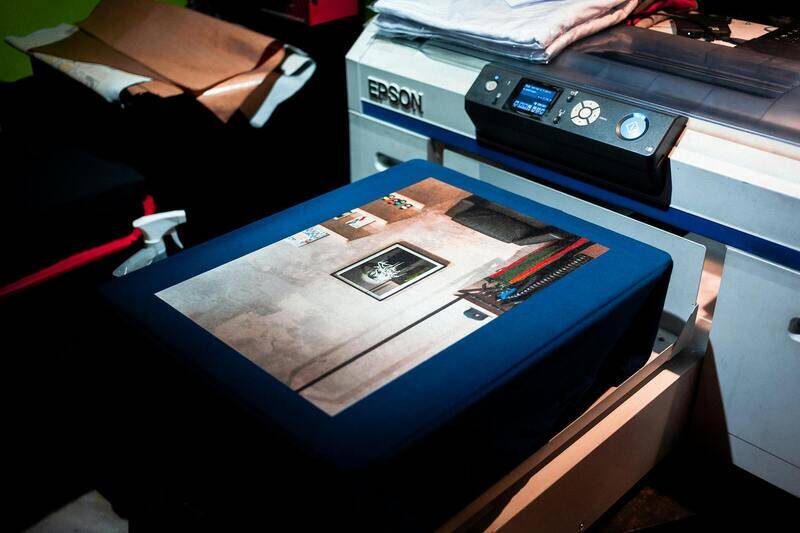
The type of printer utilized significantly affects cost structures. Inkjet printers, commonly used for small-volume and high-quality prints, tend to have lower initial costs but may incur higher ink expenses per page. Laser printers, especially monochrome or color laser models, offer faster printing speeds and lower per-page costs for high-volume printing, making them suitable for bulk jobs. Additionally, professional digital and offset printers provide varying levels of efficiency and cost-effectiveness based on output volume and quality requirements.
Ink Usage and Cartridge Efficiency
Color printouts demand substantial ink consumption, especially when dealing with high-resolution images or dense color compositions. The efficiency of ink cartridges, including their capacity and ink yield, directly influences the per-page cost. High-capacity cartridges, although more expensive upfront, often reduce the overall expense by delivering more prints before replacement. Moreover, the choice of brand and ink quality can impact both the longevity of the cartridges and the vibrancy of the color output.
Page Volume and Print Frequency
The volume of pages to be printed is a vital determinant of cost. Low-volume printing generally involves higher per-page expenses due to fixed costs like setup fees and cartridge costs. Conversely, larger print runs tend to benefit from economies of scale, reducing the overall cost per page. Frequent printing tasks also influence maintenance costs and ink consumption, affecting the total expenditure over time.
Additional Factors
- Complexity of the print job: Detailed images or graphics require more ink and higher-quality settings, increasing costs.
- Color accuracy and calibration: Ensuring true color reproduction may necessitate premium supplies and calibration tools.
- Printer maintenance and durability: Well-maintained printers operate more efficiently, preventing costly repairs and ink waste.
By carefully evaluating these factors, users can better estimate their color printout costs and choose the most appropriate equipment and supplies for their specific needs. An understanding of how each element interplays allows for more strategic planning, helping to optimize expenditure without compromising on output quality.
Cost of Color Ink and Toner
Understanding the costs associated with color ink and toner is essential for managing printing expenses efficiently. The price of ink cartridges varies significantly based on the printer model, brand, and the type of ink used. Genuine manufacturer cartridges typically offer high-quality output and reliability but tend to come with higher price tags, impacting the overall color printout cost. On the other hand, third-party or remanufactured cartridges can be more affordable but might compromise on color vibrancy or longevity.
Color ink cartridges are usually composed of separate colors—cyan, magenta, yellow, and black—each contributing to the overall color richness of printed images. The consumption rate of these cartridges depends on the complexity of the print job. For instance, printing highly detailed images or photographs consumes more ink, raising costs. It's important to note that the yield of cartridges, often measured in pages, can vary. High-yield cartridges, although initially more expensive, tend to reduce the per-page expense as they deliver more prints per cartridge.
Toner cartridges for laser printers follow similar cost dynamics, but their expense is often measured in cost per page rather than per cartridge. Laser toner cartridges generally provide higher page yields, making them more economical for large-volume printing, especially in professional environments. Opting for compatible or remanufactured toner can lower costs but requires careful selection to ensure quality and prevent potential damage to the printer.

Impact of Paper Quality and Size
One often overlooked factor influencing the overall cost of color printing is the choice of paper. Higher-quality paper, such as heavyweight or specialty coated options, tends to be more expensive but can significantly enhance print appearance and durability. When printing documents or images that require vibrant color fidelity, premium paper materials can deliver professional results, reducing the need for reprints due to poor quality or paper faults.
Additionally, paper size affects the quantity of prints per sheet, which directly impacts costs. Larger formats like A3 or tabloid-sized paper generally carry higher unit prices compared to standard A4 sheets. However, selecting the appropriate size for specific printing needs can optimize cost efficiency. For example, printing large graphics or detailed visuals on smaller paper may result in waste or compromised quality, indirectly increasing expenses.

Choosing Between Digital and Offset Printing
When evaluating print strategies, it is vital to understand the cost implications of digital versus offset printing methods. Digital printing, favored for its quick turnaround and suitability for small to medium batches, often involves higher per-unit costs but requires less setup time and material preparation. It is ideal for on-demand printing, customized projects, or short runs, allowing for cost-effective management of color printout expenses.
Offset printing, on the other hand, involves initial setup costs due to plate creation and registration but becomes more economical for large print volumes. The per-unit cost decreases significantly as the quantity increases, making offset printing advantageous for producing extensive marketing materials or catalogs with consistent color quality.

Cost-Saving Tips for Color Printing
Implementing strategic practices can reduce color printout costs without compromising on quality. Consider these effective tips:
- Optimize print settings: Use draft or economy modes, which consume less ink and toner while maintaining acceptable quality for internal or non-critical prints.
- Limit color use: Be selective about where full-color prints are necessary. For simple documents, black and white or minimal color can suffice.
- Pre-proof and proofread: Ensure files are correctly formatted and proofed to avoid costly reprints due to errors.
- Batch printing: Combine multiple small jobs into larger runs to maximize ink and paper efficiency.
- Utilize batch ordering of supplies: Purchase ink, toner, and paper in bulk, taking advantage of discounts and reducing overall procurement costs.
Applying these tactics can notably decrease ongoing expenses associated with color printing, especially for regular users or organizations with high-volume requirements.
Factors Affecting Color Printout Cost
Multiple elements influence the overall expense associated with color printing projects. Recognizing these factors allows for better planning and budgeting, ensuring optimal use of resources without compromising the desired quality. Key considerations include the type of printing technology employed, the quality and brand of consumables such as ink and toner, the complexity of the print design, and the specific characteristics of the printing materials like paper type and size.
Print Technology and Equipment
The choice between digital and offset printing significantly impacts costs. Digital printers typically have lower initial setup costs and are more suitable for short runs and urgent jobs, whereas offset printing involves higher setup expenses but becomes cost-effective for large-volume jobs owing to lower per-unit costs. The type of printer used—color laser versus inkjet—also influences maintenance expenses, speed, and the quality of the output, thereby affecting the overall cost structure.
Consumable Costs
Color ink and toner represent a substantial segment of printing expenses. High-yield cartridges with larger capacities tend to reduce the cost per page, making them more economical over time. However, the quality, brand, and precise formulation of consumables can cause fluctuations in pricing. Additionally, using compatible or remanufactured cartridges can offer savings, but it’s crucial to ensure their compatibility to avoid potential printing issues that might incur extra costs.
Design Complexity and Color Usage
The intricacy of the printed design directly correlates with consumable consumption. Highly detailed images or graphics with numerous color gradients require more ink and toner, elevating costs. Conversely, simpler designs with minimal color usage help contain expenses, especially when large quantities are involved. Smart design decisions—such as limiting color palette or using monochrome backgrounds—can significantly contribute to cost reductions.
Material Selection and Paper Characteristics

The type of paper selected influences both the initial expense and the overall cost-efficiency. Thicker, high-quality papers tend to be more costly but may reduce wastage by enhancing print fidelity and durability. Letter-sized sheets are generally less expensive to produce than larger formats like banners or posters. The quantity and quality of paper can be optimized based on project requirements to avoid unnecessary expenses.
Additional Impacts on Cost
- Print resolution settings can alter ink usage; higher resolutions produce sharper images but may consume more resources.
- Color calibration and maintenance of printing equipment ensure consistent output, preventing reprints and associated costs.
- Waste management, including factors like misprints or test prints, can add to the overall budget if not effectively controlled.
By thoroughly understanding these variables, users can make informed decisions to minimize expenses while maintaining desired quality standards. Strategic planning, including selecting appropriate printing methods, optimizing design elements, and choosing compatible consumables, plays a pivotal role in managing color printout costs effectively.
Factors Affecting Color Printout Cost
Understanding the various elements that influence the cost of color printouts is essential for optimizing printing budgets, especially for businesses and organizations that rely heavily on high-quality visual materials. Several key factors come into play, each contributing to the overall expense involved in producing color prints.
Print Volume and Frequency
The number of pages printed in color significantly impacts the unit cost. Higher volumes typically benefit from bulk discounts and reduced per-page expenses, making large-scale projects more economical when planned efficiently. Conversely, sporadic or small batch prints tend to incur higher costs per page due to setup and consumable expenses that are spread over a smaller quantity.
Color Complexity and Usage
Designs with complex color schemes, gradients, or high-resolution images consume more ink and toner, elevating overall costs. Utilizing a minimal palette or simplified color schemes can lead to substantial savings, especially in repetitive printing scenarios. Moreover, the necessity for precise color matching or calibration to reproduce brand standards can add additional layers of expense.
Printer Type and Technology
Different printing technologies—from traditional inkjet to high-end laser or commercial-grade presses—vary in cost-efficiency. Laser printers, for example, generally offer faster output and more cost-effective toner use for large jobs, whereas inkjet printers might be more suitable for smaller, photo-quality prints, albeit at a higher cost per image. The choice of equipment influences initial investment, maintenance, and consumable expenses.
Color Plate and Drum Longevity
In offset and some high-end digital printers, the wear and tear of components like color plates and imaging drums can incur additional costs. Regular maintenance, replacements, and calibration ensure consistency and quality but must be factored into the overall cost analysis.

Time and Workflow Efficiency
Operational efficiency, including print speed and ease of color management, can influence costs indirectly. Efficient workflows reduce turnaround times and minimize waste, ultimately saving resources. Proper scheduling and batching of color jobs ensure that equipment runs optimally, avoiding unnecessary reprints or delays.
Pricing Structures and Billing Methods
Color printout costs are typically structured around factors such as per-page charges, volume discounts, or project-based quotations. Understanding these billing mechanisms helps in planning and negotiating for better rates:
- Per-Page Pricing: A standard fee applied to each printed sheet or image, often varying based on color coverage and paper type.
- Volume Discounts: Reduced rates are provided when ordering large quantities, encouraging bulk printing for cost savings.
- Project-Based Pricing: Customized quotes based on specific requirements, including design complexity, paper quality, and finishing options.
Subscription and Contract Options
Some printing services offer subscription plans or contractual agreements that bundle volume commitments with discounted rates. Businesses should evaluate their long-term needs to determine if such arrangements provide value, especially for regular color printing requirements.
Additional Fees and Surcharges
Additional billing fees may include setup charges, color calibration services, and handling fees for special materials or finishes. It’s important to clarify these potential costs upfront to accurately forecast project budgets.
Cost of Color Ink and Toner
The expenses associated with color ink and toner are critical determinants of printout costs. Given the high cost of premium quality consumables, careful management is necessary to maximize value.
Pricing of Ink and Toner
Color ink and toner are usually sold in cartridges or bottles, with prices varying widely depending on brand, capacity, and compatibility. High-yield cartridges can offer a lower cost per page, making them advantageous for frequent printing. Conversely, refilling or remanufacturing cartridges can be less expensive but may pose risks related to quality and warranty adherence.
Consumable Lifespan and Efficiency
Effective maintenance of printers and proper usage techniques prolong consumable life and ensure optimal ink or toner utilization. Regular calibration, cleaning, and usage of recommended media help prevent wastage due to misprints or color inconsistencies, thus controlling costs over the long term.
Alternative and Compatibility Options
Using compatible or remanufactured cartridges can significantly reduce expenses. However, compatibility and quality assurance must be assessed to avoid issues with print quality or damage to the equipment, which can otherwise lead to increased repair or replacement costs.

Monitoring and Managing Ink Usage
Many software solutions enable real-time tracking of ink and toner levels, providing early warnings for replacements. Implementing such systems helps in planning purchases ahead of depletion, preventing urgent or emergency orders that often carry additional charges.
Impact of Paper Quality and Size
The choice of paper and print size influences both direct material costs and overall printing efficiency. Larger formats and premium papers tend to increase expenses but may be justified by project requirements for durability and presentation quality.
Paper Material Costs
High-quality, specialty, or textured papers come at a premium compared to standard options. For critical presentations or marketing materials, investing in these materials enhances visual impact but requires budgeting for the higher costs involved.
Size and Format Considerations
Printing on larger media like posters or banners naturally involves higher costs due to increased material consumption. Strategic sizing and layout optimization can help reduce waste, especially when printing in bulk.
Paper Handling and Waste Management
Careful planning of layout and margins minimizes excess trim and wasted material. Additionally, selecting the correct paper weight reduces the likelihood of jams or misfeeds, contributing to smoother workflows and cost control.
Factors Affecting Color Printout Cost
Understanding the various components that influence the cost of color printing is essential for individuals and businesses aiming to optimize their printing budgets. The primary elements include the type of printer used, the quality and type of ink or toner, paper specifications, and the overall printing volume. Each of these factors can significantly alter the total expenditure, particularly when producing large quantities or high-quality materials.
For instance, high-resolution printers with advanced color capabilities generally consume more ink, elevating per-page costs. Additionally, printers equipped with specialized features like duplex or borderless printing may incur higher maintenance or operational expenses. Analyzing these features against project needs helps in selecting the most cost-effective solution.
On the material front, the choice of consumables—be it ink cartridges or toner—directly correlates with the cost of color printouts. Premium inks that offer vivid colors and durability tend to be more expensive but are worthwhile for professional presentations and marketing materials. Conversely, standard inks or toners may suffice for internal documents where visual impact is less critical.
Paper choices also play a vital role. Thicker or textured papers enhance the finished product but come at a higher cost, especially for specialty finishes or environmentally friendly options. Paper size and format further influence overall expenses, with larger sheets naturally demanding more material and increasing costs proportionally. Proper planning and layout optimization can mitigate waste, which translates into significant savings over time.

Pricing Structures and Billing Methods
Color printout pricing models vary depending on the service provider and the printing method employed. Common billing structures include cost-per-page, package-based pricing, or project-based estimates. Per-page pricing, often seen in retail or in-house settings, involves a fixed rate for each printed sheet, which may vary based on color complexity, paper type, or print size.
In professional print shops or commercial services, tiered pricing or volume discounts are typical. These approaches reward larger print runs with reduced per-unit costs, making bulk printing financially advantageous. Some providers may offer subscription plans for regular customers, providing predictable expenses and potential savings.
Billing methods also encompass additional charges for services like color calibration, special finishing, or expedited delivery. Understanding the breakdown of these costs aids in accurate project budgeting and decision-making, ensuring that quality requirements are met without exceeding financial constraints.
Cost of Color Ink and Toner
The most significant recurring expense in color printing is the consumable ink or toner. The cost varies based on the brand, cartridge capacity, and color composition. High-quality, proprietary cartridges tend to deliver consistent color accuracy and longevity but often have a higher upfront cost. Some printers use separate cartridges for each color, which allows targeted replacement but may add complexity to cost planning.
Alternative options such as refilled or remanufactured cartridges can reduce expenses yet may carry risks related to print quality and device warranty. It is essential to evaluate these options carefully, considering both the financial savings and potential impact on device longevity.
For large-volume printing, external bulk purchasing of ink or toner supplies can significantly decrease the cost per page. Engaging with suppliers capable of offering competitive pricing and reliable delivery is crucial for maintaining cost efficiency.
Impact of Paper Quality and Size
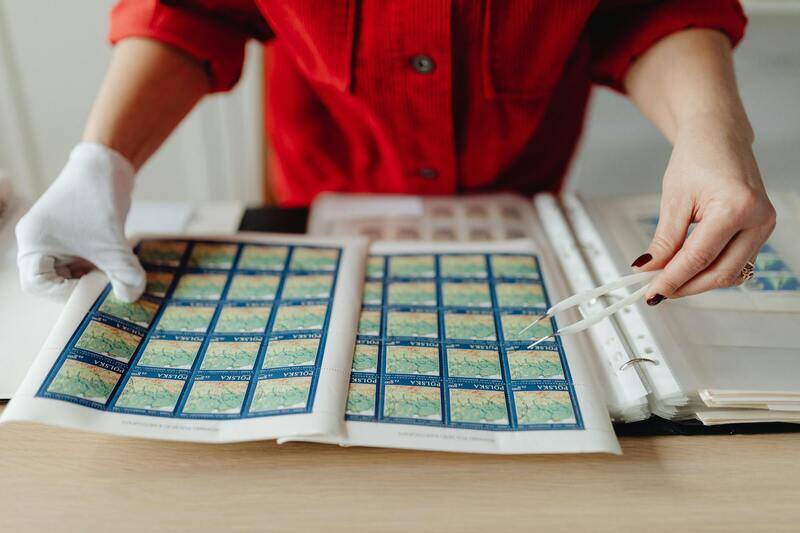
The selection of paper quality influences both initial material costs and overall printing performance. Standard office supplies typically include lightweight, uncoated papers suitable for everyday internal documents. However, projects requiring enhanced presentation or durability benefit from higher-grade papers with specialized finishes, textures, or thicknesses.
Premium papers often carry a premium price tag but can elevate the perceived quality of marketing materials, photographs, or official correspondence. The size of the paper directly affects costs; larger sheets such as A2 or A1 formats are more expensive due to increased material consumption. Additionally, larger formats may require more sophisticated handling or specialized printers, adding to the overall expenditure.
To balance aesthetic ambitions with budget constraints, it is advisable to plan layout and design meticulously, ensuring minimal waste. Proper alignment and cutting strategies also help optimize paper use, reducing unnecessary expenses and material wastage.

Choosing Between Digital and Offset Printing
Deciding on the most suitable printing method is a critical factor in managing color printout costs. Digital printing offers advantages for short runs and quick turnaround times, with lower setup costs and minimal waste. This method is ideal for projects with variable data or small to medium quantities, providing flexible options without sacrificing quality.
Offset printing, though involving higher initial setup expenses due to plate creation, becomes more cost-effective in large-volume production runs. It delivers consistent color accuracy and higher speed for bulk Orders, which can significantly reduce the per-unit cost over time. The choice between digital and offset should be based on the scale of the project, color fidelity requirements, and timeline constraints.
In many cases, combining both approaches—digital for prototypes or short runs and offset for large quantities—can optimize costs while maintaining output standards. Analyzing project specifications and consulting with printing professionals ensures that the selected method aligns with budget goals and quality expectations.
Factors Affecting Color Printout Cost
Understanding the elements that influence the total cost of color printing is essential for effective budget management. Key factors include the complexity of the design, the number of colors used, and the total volume of prints required. Intricate designs with multiple colors and detailed graphics typically demand more ink and higher printing time, thereby increasing expenses. Additionally, the type of equipment employed can significantly impact costs; high-end commercial printers often deliver faster, more precise results but at a premium price. Variations in hardware maintenance and operational efficiency can also play roles in overall expenses.

Another important consideration is color management. Achieving consistent, vibrant hues often requires calibration and color profiling, which may add to the cost. Materials such as special inks or toners, especially those used for high-quality or specialty color effects, can also significantly contribute to the total expense.
Pricing Structures and Billing Methods
Color printout costs are typically structured through various billing models. Options include:
- Per-page Pricing: Charges are calculated based on an individual page, with rates varying depending on the page's complexity and color content.
- Bulk or Volume Discounts: Larger print quantities often benefit from reduced per-unit costs, incentivizing bulk orders.
- Project-based Pricing: Custom quotes designed for specific jobs that consider the scope, design intricacies, and material requirements.
It’s important to compare these models to identify the most economical approach for your project volume and specific needs. Negotiating pricing and understanding minimum order requirements can further optimize overall expenses.
Cost of Color Ink and Toner
Inks and toners are primary consumables impacting printout costs. Premium color toners, used in high-quality or commercial settings, tend to be more expensive but offer superior color fidelity and longevity. Standard inks are more budget-friendly but might compromise on vibrancy or durability. Color-intensive projects, such as marketing brochures or artwork reproductions, require a greater volume of ink, raising the overall cost.

Maintenance of printing hardware also influences ink usage. Proper calibration and routine servicing ensure optimal ink consumption, avoiding waste due to misalignments or faulty components. Some printers allow for bulk purchasing of inks and toners, which can significantly reduce per-unit costs and lead to long-term savings.
Impact of Paper Quality and Size
The choice of paper impacts not only the visual quality but also the cost. High-quality, thick, or specialty papers designed for color printing enhance the vibrancy and durability of the output but come at a higher price. Conversely, standard papers are more economical but may not meet the criteria for professional presentations or archival purposes.
- Paper Size: Larger formats such as A3 or tabloid-sized sheets cost more than standard A4 or letter-sized sheets, both in material and handling requirements.
- Paper Thickness and Finish: Glossy, matte, or textured papers are priced differently, with premium finishes adding to costs.
Optimizing paper selection based on project needs can lead to substantial savings. For instance, opting for cost-effective paper for drafts or preliminary prints and reserving premium stock for finalized materials maximizes resource utilization.
Choosing Between Digital and Offset Printing
The decision to utilize digital or offset printing influences overall cost parameters. Digital printing offers advantages like lower setup costs and rapid turnaround times, making it suitable for small to medium runs with quick delivery demands. The per-page cost remains relatively stable, and adjustments can be made easily for varying quantities or design changes.
Offset printing, while incurring higher initial expenses due to plate creation and setup, becomes more financially viable for large-volume projects. Its ability to produce consistent, high-quality color reproductions at lower per-unit costs makes it ideal for extensive campaigns or bulk orders. Additionally, offset presses can handle larger sheets and more complex color applications efficiently.
By evaluating project scope and timeline constraints, businesses and individuals can select the most cost-effective printing approach, ensuring quality without exceeding budget limits.
Cost-Saving Tips for Color Printing
Effective cost control in color printing hinges on strategic planning and operational efficiency. Here are some practical tips to manage expenses:
- Optimize Print Layouts: Designing multi-up layouts on a single sheet reduces the number of prints required and minimizes waste. Proper nesting and trimming strategies further enhance material utilization.
- Select Appropriate Printer Settings: Using draft or economy modes for internal or proof prints can save ink and toner, reserving high-quality settings for final outputs.
- Limit Color Usage: Simplifying color schemes and reducing the number of colors can significantly cut ink costs. Consider using spot colors only when necessary.
- Utilize Bulk Ink Purchases: Buying inks and toners in larger quantities generally reduces costs per unit, providing savings in the long run.
- Choose Cost-Effective Paper: Balancing quality with affordability ensures excellent results without overspending. Reconsider the necessity of premium paper for draft versions.
- Plan with Volume in Mind: Grouping print jobs and planning larger batches can leverage volume discounts and streamline workflows.
Implementing these practices allows for efficient resource management and better alignment of quality expectations with budget constraints, ultimately leading to more cost-effective color printing processes.
Factors Affecting Color Printout Cost
Understanding the various elements that influence the total cost of color printouts is essential for efficient budgeting and decision-making. Several factors come into play, including the complexity of the images, the type of printer used, and the specific printing requirements.
Variation in Ink and Toner Consumption
Color-rich images, photographs, and detailed graphics demand higher ink and toner usage, significantly impacting overall expenses. The density of color application, particularly in areas with solid fills, can cause increased consumption, leading to elevated costs. Conversely, simpler designs with minimal color will naturally be less expensive to produce.
Printer Technology and Speed
High-end professional printers generally offer faster output speeds and more precise color management, but often come with higher initial costs and maintenance expenses. Inkjet printers, suitable for small batches or detailed color work, may incur higher per-page costs, especially when printing in high resolution. Laser printers tend to be more cost-effective for bulk printing, but their color cartridges can be expensive, depending on the model.
Color Management and Calibration
Accurate color reproduction requires meticulous calibration and profile adjustments. Professional printing setups that incorporate color management software may incur additional costs, but they ensure consistent, high-quality results. Poor calibration can lead to wasted prints due to reprints or adjustments, indirectly increasing the total expense.
Type of Paper and Surface Finish
The choice of paper significantly impacts printout costs. Thicker, high-quality coated papers absorb ink differently and often necessitate specific settings on printers, influencing ink usage and overall costs. Specialty finishes, such as gloss or matte coatings, may require compatible media and additional application processes, adding to expenses.
Order Volume and Batch Size
Batch size plays a crucial role in printing costs. Larger runs typically benefit from economies of scale, reducing the cost per unit. Small quantities might incur higher costs due to setup fees and lower production efficiencies. Strategically planning print orders can help balance quality, turnaround time, and expenditure effectively.

Impact of Maintenance and Replacement Costs
Regular maintenance of printing equipment, including replacing worn-out parts and ensuring proper calibration, may introduce additional overheads over time. The lifespan of ink cartridges and toner consumables also affects ongoing expenses, particularly in high-volume settings that require frequent replacements.
Summary
Effective management of color printout costs entails considering these influencing factors and evaluating their impact in the context of specific project requirements. By assessing the complexity of designs, printer capabilities, media choices, and order sizes, organizations can develop more accurate cost estimates and optimize their printing workflows for greater financial efficiency.