Overview of Multi Colour Printing
Multi colour printing is an advanced printing technique that allows for the reproduction of images and designs in multiple colours with high precision and vibrancy. Unlike single colour printing, which utilises only one ink or toner, multi colour printing employs a combination of several inks to achieve a broad spectrum of hues, shades, and gradients. This process is fundamental in industries where detailed, colorful visuals are crucial, such as marketing materials, packaging, and artistic reproductions.
The core principle of multi colour printing involves layering different ink shades onto a substrate, typically paper or other printable materials. The process often begins with initial colour separations where each colour component of an artwork is isolated and processed separately. These separated layers are then printed in precise registration, ensuring that each colour aligns perfectly to produce a sharp, vivid final image. This meticulous alignment distinguishes high-quality multi colour outputs from simpler, single colour impressions.
In comparison to single colour printing, multi colour approaches offer significantly enhanced visual impact and detail. The ability to reproduce complex colour blends and subtle tonal variations makes it the preferred method for projects demanding richness and depth in visual presentation. Furthermore, the technological evolution in ink formulations, printing presses, and colour management tools has refined the accuracy and consistency of multi colour printing, making it a reliable choice for diverse commercial and artistic applications.
Understanding the basic principles involves recognizing the multiple stages of the process:
- Colour separation: Dividing the original image into individual colour channels.
- Plate creation: Generating printing plates for each colour used.
- Registration: Precise alignment of each colour layer during printing.
- Printing: Sequential application of inks to build the final multi coloured image.
Advanced digital techniques and high-resolution screens have further enhanced the capacity for complex, multi layered colour outputs, making this approach suitable for high-end commercial printing and detailed artwork reproduction. Ultimately, multi colour printing not only boosts aesthetic appeal but also communicates branding and messaging with greater clarity and vibrancy, making it a vital tool across multiple industries.
Types of Multi Colour Printing Techniques
Understanding the different methods of multi colour printing is essential for selecting the most suitable approach for specific projects. Each technique offers unique advantages in terms of detail, speed, cost, and substrate compatibility. Familiarity with these methods enables businesses and designers to optimize visual impact while maintaining operational efficiency.
Offset Multi Colour Printing
Offset lithography remains one of the most popular methods for high-volume multi colour printing. This process involves transferring ink from a plate to a rubber blanket, then onto the printing substrate. Its ability to reproduce fine details and consistent colour quality makes it ideal for printing large runs of brochures, packaging, posters, and business cards. The process supports intricate colour separations and provides excellent registration accuracy across multiple colour layers.

Digital Multi Colour Printing
Digital multi colour printing offers a flexible, fast alternative to traditional methods. Using advanced inkjet or electrophotographic technology, this process can produce vibrant, high-resolution images without the need for printing plates. It is especially advantageous for short-run projects or custom prints requiring quick turnaround times. Digital printing excels at reproducing complex colour gradients and subtle tonal differences, making it suitable for personalized marketing materials and limited edition artwork.
Flexography
Primarily used in packaging and label printing, flexography employs flexible relief plates to transfer inks onto a variety of substrates, including plastics, metals, and foils. Its ability to print on uneven or textured surfaces, combined with vibrant colour reproduction, makes flexography an optimal choice for multi colour packaging, banners, and flexible labels. Advances in photopolymer plates have enhanced registration precision and reduced setup times, boosting overall efficiency.
Screen Printing
Known for its bold, opaque colours, screen printing uses mesh screens to transfer ink onto substrates. It is highly versatile and effective for printing on irregular or thick surfaces such as textiles, plastics, glass, and promotional items. Multi colour screen printing involves using separate screens for each colour, aligned meticulously to ensure accurate registration. This technique is particularly popular for creating vibrant promotional merchandise, apparel, and specialty labels.

Choosing the Right Technique
- Project Volume: Offset is optimal for large quantities, while digital suits short runs.
- Substrate Compatibility: Flexography and screen printing accommodate various surfaces, including non-paper materials.
- Colour Complexity: Digital technology excels at reproducing detailed colour blends and gradients.
- Budget Constraints: Digital printing generally requires less initial investment, making it cost-effective for small batches.
Understanding the specific requirements of a project enables informed decisions, ensuring that the chosen multi colour printing method aligns with both artistic and business objectives.
Color Management and Matching in Multi Colour Printing
Achieving consistent and vibrant multi colour prints begins with meticulous color management and precise matching techniques. These practices are essential to ensure the final output accurately reflects the desired design, especially when dealing with complex multi-colour images, gradients, or brand-specific colour palettes. A comprehensive approach includes the use of advanced color separation processes, calibration of printing equipment, and continuous color calibration throughout production runs.
Color Separation Techniques
Color separation involves dividing a multi colour image into individual colour layers, each representing a specific ink colour used in printing. This process is crucial for maintaining colour fidelity, especially when reproducing intricate designs. High-quality separations utilize spectral data or Pantone matching systems to identify exact colours and minimize deviations during the print process. Accurate separations lead to cleaner registration and more precise colour reproduction across the final product.
Calibration and Profiling
Calibration of printers ensures that the machine's output aligns with colour standards. This involves regularly adjusting colour profiles of devices using calibration tools, such as spectrophotometers, to measure output and correct discrepancies. Profile management ensures consistency between different print runs and across various substrates, which is vital for maintaining brand colours or specific visual effects. Furthermore, implementing standardized color management workflows facilitates predictable results regardless of production scale or location.
Color Matching Protocols
Effective color matching involves comparing print samples against a reference standard, using tools like colorimeters or visual matching techniques. It is important to consider lighting conditions, substrate variability, and ink properties during this process. Maintaining a controlled environment minimizes external factors that could influence perception. For projects with strict colour requirements, custom colour correction may be necessary to adapt digital designs for optimal printed results. This iterative process ensures the final output aligns with client expectations and design specifications.
Ensuring Consistency Throughout Production
Multi colour printing demands rigorous quality control measures, including regular sampling and real-time monitoring. Automated inspection systems can detect registration errors, colour shifts, or contamination during production, enabling immediate adjustments. Proper documentation of colour recipes and machine settings supports repeatability in future jobs. Employing a robust quality assurance protocol reduces waste, enhances efficiency, and guarantees that every batch meets the desired colour standards.
Materials and Substrates Suitable for Multi Colour Printing
Choosing the right materials and substrates is essential for achieving optimal results in multi colour printing. The compatibility of substrates with specific inks and printing techniques directly influences the vibrancy, durability, and overall quality of the finished product. Different substrates respond uniquely to multi colour printing processes, so selecting appropriate materials ensures consistent and high-quality outputs that meet project specifications.
Paper and Cardboard
High-quality coated and uncoated papers are widely used in multi colour printing, particularly for marketing collateral, business cards, and packaging. Coated papers, such as gloss and matte finishes, provide a smooth surface that enhances colour vibrancy and clarity. Uncoated papers may be suitable for more subdued, textured effects but may require specific ink types to ensure colour fidelity. Cardboard and kraft materials are also prevalent, especially for retail packaging, where durability and colour richness are critical.
Plastics and Synthetic Materials
Flexible plastics like polypropylene, polyester, and polystyrene are frequently employed in multi colour printing, especially for product labels, packaging, and promotional items. These materials are receptive to UV and solvent-based inks, which offer excellent adhesion and resistance to smudging and environmental factors. For rigid plastics, surface pretreatment—such as corona or plasma treatment—can be necessary to improve ink adhesion and colour quality.
Textiles and Fabrics
Textile printing benefits greatly from multi colour techniques, especially in fashion, home textiles, and promotional apparel. Natural fabrics like cotton and linen are compatible with dye sublimation, direct-to-garment, and screen printing methods, offering vibrant and durable colours. Synthetic fabrics, such as polyester, respond well to heat transfer and sublimation printing, producing bright and washable designs. Proper pre-treatment and ink selection are crucial for achieving precise colour matching and washfastness.
Other Substrates and Considerations
Additional materials such as metal, glass, wood, and ceramic surfaces can be employed in multi colour printing, especially for decorative or customized products. These surfaces often require specialized inks and surface preparation to improve adhesion, colour vibrancy, and longevity. Surface contaminants, porosity, and texture vary across materials and influence the printing process, requiring tailored solutions for each project.

Understanding the specific properties and compatibility of each substrate allows designers and printers to select the most suitable materials, ensuring durable, vibrant, and precise multi colour print outcomes that align with project goals and branding standards.
Overview of Multi Colour Printing
Multi colour printing stands as a cornerstone in the world of graphic reproduction, offering the ability to create complex, vibrant visuals that can elevate brand identity and product appeal. This process involves printing with two or more colours, enabling the reproduction of detailed images, gradients, and realistic colour effects that single-colour methods cannot achieve. Its significance lies in the capacity to faithfully render intricate designs with high fidelity and visual impact, making it indispensable across various industries. From packaging and promotional materials to fine art and textiles, multi colour printing provides unmatched versatility and precision. Employing multiple layers of ink or toner, each carefully aligned, the technique can reproduce subtle colour variations and deep hues, aligning perfectly with the demands of modern branding and aesthetic standards.
Types of Multi Colour Printing Techniques
- Offset Printing: Widely used for large print runs, offset printing involves transferring ink from a plate to a rubber blanket and then onto the printing surface. It excels in colour accuracy, consistency, and high-quality reproduction of multi colour images, especially on paper and cardboard substrates.
- Digital Printing: Ideal for shorter runs and customization, digital multi colour printing employs inkjet or electrophotographic technology to directly print complex images onto various materials. It offers rapid turnaround times and easy alterations without the need for plates.
- Screen Printing: Particularly suitable for textiles, plastics, and other materials, this method involves pushing ink through a mesh screen with stencils. Multiple screens are used for different colours, making it a flexible choice for vibrant designs on diverse substrates.
- Flexography: Common in packaging, flexography utilizes flexible relief plates to print on a wide range of materials including plastics, laminates, and metallic foils. It supports high-speed production of multi colour labels and packaging designs.
- Gravure Printing: Used predominantly for high-volume, premium quality printing, gravure involves engraving a pattern onto a cylinder, which transfers ink precisely. It’s ideal for detailed images and consistent multi colour reproduction in contexts like magazine publishing and packaging.
Color Management and Matching in Multi Colour Printing
Achieving accurate colour reproduction across multiple hues necessitates meticulous color management protocols. This begins with selecting a precise colour gamut that can encompass the desired shades. Colour profiles and standardized calibration tools ensure consistency between digital designs and printed outputs, reducing discrepancies and enhancing reliability. In multi colour printing, the registration process—aligning each colour layer perfectly—is critical; even slight misalignments can distort image quality. Advanced alignment technologies, such as automatic registration systems, help maintain sharpness and clarity in intricate designs.
Color matching also relies heavily on selecting the correct inks and substrates. Vibrant, stable inks with high pigment concentration are preferred for achieving rich colours, while properly prepared substrates facilitate ink adhesion and durability. In complex projects, colour matching systems and spectrophotometers allow for precise measurement of the printed result against the digital colour scheme, enabling adjustments prior to full production. This proactive approach minimizes wastage and ensures branded colours are consistent across different print batches, preserving visual integrity and customer trust.

Color Management and Matching in Multi Colour Printing
Achieving precise colour accuracy in multi colour printing is essential for maintaining brand consistency and visual appeal, especially when handling complex designs that require a harmonious blend of multiple hues. The process begins with meticulous colour management protocols designed to ensure that digital colour specifications are faithfully reproduced on physical substrates. This involves selecting a comprehensive colour gamut that can encompass the full spectrum of desired shades, often facilitated by international colour profiles such as ISO standards or ICC profiles tailored for specific printing conditions.
To support consistent output, printers employ standardized calibration tools and colour measurement devices, such as spectrophotometers, which provide quantitative data on the colour accuracy of printed materials. These tools allow operators to tweak ink formulations, adjust colour workflows, and verify that each batch matches the original design specifications. Accurate calibration between digital files and printed results minimizes colour discrepancies and enhances predictability across production runs.
Registration precision is another cornerstone of effective multi colour printing. Misalignment of colour layers can result in blurred images or unsightly colour fringes, undermining the quality of the final product. Automated registration systems equipped with optical sensors detect and correct misalignments down to fractions of a millimeter, ensuring that each colour layer aligns perfectly to create sharp, vibrant images with crisp edges. These advanced systems are especially beneficial when printing intricate patterns or fine text, where even minor registration errors can be glaringly obvious.
In addition to hardware, the choice of inks plays a critical role in colour matching. Vibrant, high-pigment inks with excellent lightfastness ensure bold, stable colours that resist fading over time. Proper substrate preparation, such as surface cleaning and priming, promotes better ink adhesion, resulting in more durable and vibrant finished prints.
Colour matching systems, such as spectral measurement devices, provide an empirical basis for assessing the accuracy of printed colours against digital standards. These measurements inform necessary adjustments before full-scale production, reducing material waste and preventing costly reprints. Implementing these protocols consistently ensures that branded colours remain uniform across different production batches, solidifying brand identity and strengthening customer trust.
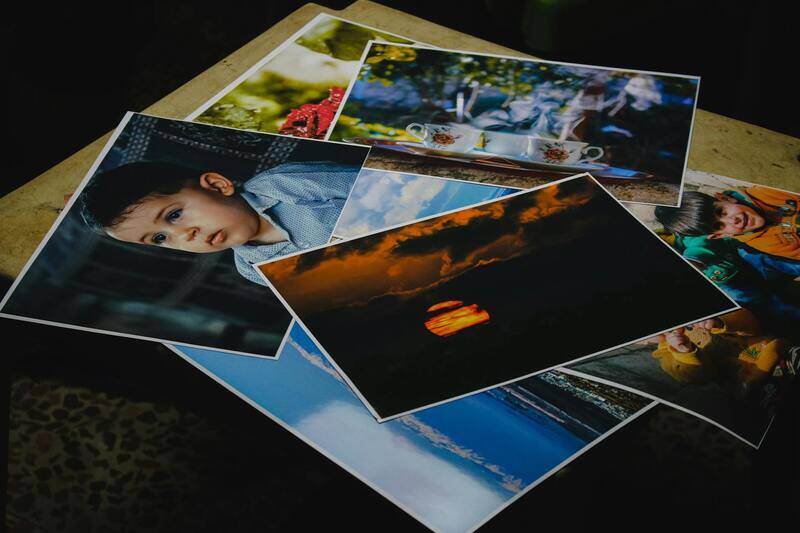
Overall, integrating effective colour management and matching techniques into multi colour printing workflows guarantees high-quality, consistent outputs. These practices contribute significantly to brand integrity, customer satisfaction, and operational efficiency by minimizing waste and rework, and maintaining the visual impact of multi hue designs in various applications.
Cost Factors and Efficiency in Multi Colour Printing
Understanding the true cost of multi colour printing involves evaluating several interconnected elements that influence both budget and productivity. While high-quality, vibrant images may seem desirable, they also require careful consideration of cost-impact factors such as ink expenses, press setup times, and substrate usage. Industries aiming to optimize budgets often seek a balance between achieving desired visual outcomes and maintaining operational efficiency.
One of the primary cost considerations is the number of colour plates or screens used during the print job. Each additional colour necessitates a separate setup and alignment process, potentially increasing labor and equipment costs. This is particularly relevant in traditional flexographic and screen printing methods, where physical plates or screens are created for each colour. Modern digital multi colour printing technologies have mitigated some of these costs through automation and rapid setup features, but initial equipment investments remain significant.
Material costs, including the substrates and inks, also play a crucial role. Selecting substrates compatible with multi colour printing ensures optimal ink adhesion and vibrancy, reducing waste and reprint cycles. High-quality, coated papers or stocks often facilitate better colour reproduction and durability, although they may carry higher procurement costs. Conversely, more economical substrates may compromise colour accuracy, necessitating additional passes or coatings, which can escalate expenses.

Automation and Workflow Optimization
Deploying automated colour registration and management tools significantly enhances efficiency. Modern presses equipped with automated registration capabilities reduce setup time and minimize errors, which in turn diminishes material waste and rework rates. Implementing colour management systems, such as spectrophotometers and colorimeters, ensures that each colour layer aligns perfectly, providing consistent outputs with fewer adjustments. This precision decreases the need for manual re-calibration and iterative printing, saving both time and money.
Batch size is another vital factor impacting cost efficiency. Smaller runs typically incur higher per-unit costs due to setup and fixed expenses. For large volume projects, the initial setup costs are amortized over a greater number of items, lowering the overall unit cost. Therefore, carefully planning production runs to match demand can lead to substantial savings, especially when combined with high-speed digital multi colour printing solutions.
Supply Chain and Material Procurement
Establishing reliable supply chains for quality inks and substrates can safeguard against delays and price fluctuations. Bulk purchasing of compatible materials not only reduces costs but also ensures consistency in colour and product quality across large productions. Additionally, sourcing environmentally friendly inks and sustainable substrates can align with corporate responsibility initiatives, although these options may sometimes entail premium pricing.

Environmental Impact and Cost Savings
Adopting sustainable practices, such as utilizing eco-friendly inks and recycling waste materials, can lead to long-term cost savings. These approaches reduce the environmental footprint of printing operations and often comply with regional regulations, avoiding penalties or additional charges. Additionally, implementing energy-efficient equipment and printing workflows contributes to lower utility costs and enhances overall operational sustainability.
By integrating thoughtful planning, technological advancements, and sustainable strategies, businesses can achieve a balance between high-quality multi colour printing and operational cost-effectiveness. This ensures competitive pricing, consistent product excellence, and adherence to eco-conscious principles—delivering value not just to customers but also to the environment.
Advanced Techniques in Multi Colour Printing and Innovation
Harnessing the latest advancements in multi colour printing unlocks a realm of possibilities for businesses seeking to elevate their visual communication. Cutting-edge digital printing solutions now incorporate sophisticated colour management systems that ensure precise registration and consistent hues across complex multi-layered runs. These innovations enable the reproduction of intricate designs with vibrant, true-to-color results that meet high standards of quality.
One notable development is the integration of hybrid printing technology, merging traditional offset methods with digital processes. This approach combines the high-volume efficiency of offset with the flexibility of digital, allowing for shorter runs with multi colour complexity while reducing waste and turnaround times. Additionally, advancements in ink formulations, such as water-based or soy-based inks, contribute to sustainability efforts without compromising on vibrancy or durability.
Emerging techniques like UV-curable multi colour printing have gained prominence for their ability to produce highly detailed images on diverse substrates, including plastics, metals, and specialty papers. This method provides resilience against environmental factors, making it ideal for outdoor signage, packaging, and promotional items. Furthermore, the use of variable data printing—a method that individualizes each print—enhances personalised marketing campaigns by combining multi colour visuals with targeted messaging.