Introduction to Colour Posters
Colour posters serve as a powerful visual communication tool widely utilized across multiple industries, including marketing, events, education, and business promotions. These vibrant visual displays are crafted to attract attention, convey messages clearly, and evoke emotional responses through the strategic use of color and design. In the realm of marketing, colour posters are essential for brand recognition, product launches, and promotional campaigns. They also play a vital role in event organization, providing eye-catching signage and informational displays that guide attendees and generate excitement.
The effectiveness of a colour poster hinges on several critical elements such as compelling graphics, appropriate color schemes, and high-quality printing. When designed thoughtfully, they can enhance visibility and create a lasting impression on viewers. With the advent of digital printing technologies, producing high-quality colour posters has become more accessible and customizable, enabling businesses and individuals to create tailored promotional materials efficiently.
Colour posters are versatile and available in various formats tailored to different needs. From large-format promotional displays to smaller informational posters, they are adaptable to indoor and outdoor environments. Common applications include storefront advertisements, event banners, academic posters, and visual aids for presentations. Their vibrant compositions can communicate complex ideas succinctly, making them an essential element of effective visual marketing strategies.
A crucial aspect of successful colour posters involves selecting the right printing method and materials, which directly impact durability, visual appeal, and overall cost. Proper design principles must be followed to ensure readability, visual hierarchy, and aesthetic balance, all of which contribute to engaging and professional results. As demand for high-quality colour posters continues to grow, understanding the fundamentals of effective creation and production remains essential for businesses and individuals seeking to maximize impact and return on investment.
This comprehensive overview provides a foundation for exploring the key elements involved in creating compelling and visually appealing colour posters that meet various professional objectives and industry standards.

Choosing the Right Printing Materials
Selection of appropriate printing materials is fundamental to the quality, durability, and visual impact of colour posters. The choice largely depends on the intended use, environment, and budget considerations. High-quality paper stocks such as gloss, matte, or satin finishes are frequently employed because they enhance colour vibrancy and contrast, making visuals more striking. For outdoor applications, materials like weather-resistant vinyl or coroplast are preferable, as they withstand exposure to the elements without fading or deterioration.
- Paper Types: Glossy papers provide a shiny finish that accentuates colours and details, ideal for displays and promotional posters. Matte papers reduce glare and are suitable for indoor environments, particularly where readability and minimal reflection are priorities. Satin finishes offer a balanced sheen, providing both vibrancy and reduced glare.
- Vinyl and Plastic Substrates: Durable and weatherproof, these materials are designed for outdoor advertising where longevity and resistance to elements are critical. They hold colours well over time, ensuring vibrant visuals even under direct sunlight or rain.
- Backings and Mounting Options: For larger displays, mounting substrates like foam board orterylene can facilitate easier installation and transport, while also supporting the visual quality of the poster itself.

Beyond the choice of substrates, consider the type of ink used in printing. Solvent or UV inks are common for outdoor displays, offering resistance against fading and weathering. Conversely, aqueous inks are suitable for indoor posters, producing sharp images with rich colours. The combination of the right material and ink ensures that the poster’s visual impact is maintained over its lifespan while aligning with budget and operational requirements.
Understanding these options allows for making informed decisions tailored to specific project needs, ultimately resulting in eye-catching, durable, and cost-effective colour posters that effectively communicate your message and enhance brand visibility.
Official Methods for Producing Colour Posters
Creating high-quality colour posters involves a meticulous process that adheres to industry standards and uses validated methods. When aiming for vibrant, durable outputs, selecting the appropriate printing techniques and materials is crucial. Professional printing facilities utilize advanced digital or offset printing machines that are calibrated for color accuracy and consistency. These devices are equipped with sophisticated color management systems ensuring that the colours seen on the digital screen match the printed result as closely as possible.
To achieve the desired vibrancy, reputable printers employ high-quality inks specially formulated for poster production. These include solvent-based, UV-curable, or water-based inks, each chosen based on the poster's intended environment—indoor or outdoor. Solvent and UV inks are renowned for their resistance to weathering and fading, making them suitable for outdoor advertising. Meanwhile, aqueous inks are preferred for indoor posters due to their sharp image reproduction and rich colour output.
Material selection plays a significant role in the integrity of the finished product. Standard substrates include coated and uncoated papers, vinyl, and fabric options. Each material has specific properties that influence colour vibrancy, durability, and ease of installation. For instance, coated papers reflect light more evenly, resulting in more vivid colours, whereas vinyl provides weather resistance and longevity when exposed to harsh conditions.
Manufacturers performing colour poster production follow a series of official steps:
- Prepress Preparation: Ensuring that digital files are correctly formatted, color profiles are standardized, and proofs are approved to match the intended output.
- Color Calibration: Regular calibration of printers and monitors maintains consistent colour quality during production.
- Material Testing: Samples are tested for colour accuracy and durability to ensure compliance with project specifications.
- Production Execution: The printing process is monitored for colour fidelity, registration, and overall quality control.
- Finishing and Inspection: Post-printing processes like trimming, lamination, or mounting are carried out, followed by a final quality check to uphold standards.

Adherence to these official methods guarantees that the final product delivers the expected visual impact and longevity, reinforcing the importance of working with experienced printing professionals who follow recognized standards. This approach not only produces high-quality promotional materials but also optimizes budget efficiency by reducing reprints and ensuring consistent results across large batches.
Color Management and Accuracy
Achieving precise colour reproduction in posters hinges on meticulous color management throughout the printing process. This involves utilizing advanced software tools to profile and calibrate colour output, ensuring that the digital design matches the physical product. Color management systems help standardize colour spaces such as sRGB or Adobe RGB, aligning on-screen colours with those on the printed material. Implementing consistent colour profiles across devices — from monitors to printers — prevents colour discrepancies, steadily improving the reliability of colour fidelity. Furthermore, during the prepress stage, professionals employ colour calibration tools for printers and monitors. Regular calibration minimizes drifts in colour output over time, which is especially critical when producing large volumes or batch runs of posters. It ensures that each print maintains the original colour intent, supporting accurate branding, vivid imagery, and consistent visual communication. Incorporating colour management not only enhances aesthetic appeal but also maintains brand integrity. When colours are rendered correctly, it reinforces the intended emotional impact and ensures that the poster’s message resonates clearly with the target audience. Engaging experienced print providers who follow structured color control protocols helps guarantee the posters’ colours meet high standards of consistency and quality.

Common Sizes and Formats of Colour Posters
Standard poster dimensions vary to accommodate different display environments and purposes. Common sizes include poster dimensions such as 24x36 inches, 18x24 inches, and 11x17 inches. These sizes are widely used because they offer a balance between visibility and ease of installation, fitting comfortably in retail, event, or promotional settings. Besides standard formats, custom sizes are frequently commissioned to meet specific spatial or branding requirements. For example, larger, mural-sized posters are employed in outdoor advertising, while smaller formats suit indoor displays or promotional handouts. Posters can also be formatted in various orientations—portrait or landscape—depending on the visual composition. Additionally, formats like split posters or multi-panel displays are designed for creative or strategic purposes. Innovative formats, such as double-sided posters or those integrating special cut-outs, allow for creative flexibility and impact. When selecting poster sizes and formats, it is essential to consider the viewing distance, display location, and the nature of the message to ensure maximum effectiveness.
Cost Factors and Turnaround Times
The cost of producing colour posters is influenced by numerous factors including size, material selection, print run volume, and finishing options. Larger posters or those involving specialty materials such as vinyl or laminated surfaces generally incur higher expenses due to increased material use and processing complexity. Intricate designs requiring high-resolution printing also add to the production costs. Bulk printing economies can significantly reduce unit costs, making large-scale campaigns more cost-effective. However, initial setup costs, especially for offset printing, must be considered when planning short runs. Turnaround times for poster production depend primarily on the complexity of the job, material availability, and the chosen printing method. Digital printing typically offers quicker turnaround, accommodating urgent projects with a high degree of flexibility. In contrast, offset printing, while more economical for large quantities, requires more extensive preparation time. Planning ahead, providing accurate digital files, and selecting suitable substrates can facilitate faster delivery. Established printing professionals outline clear timelines, helping clients to align production schedules with campaign deadlines, ensuring timely deployment of promotional materials.
Advanced Techniques in Colour Poster Printing
When producing colour posters that leave a lasting impression, employing sophisticated printing techniques can elevate the visual impact and ensure consistent quality. Each method carries specific advantages depending on design complexity, material choice, and production volume, enabling businesses and artists to tailor their approach for optimal results.
High-Resolution Digital Printing
This method is ideal for projects that require vibrant colours, sharp details, and quick turnaround times. Digital printers can handle a variety of substrates with ease, making them suitable for short runs or custom projects. The use of inkjet or LED-UV printing technology allows for precise colour reproduction, capturing the nuanced shades and gradients essential in professional posters. Moreover, digital printing offers the flexibility to incorporate variable data, such as personalised messages, which can significantly enhance marketing campaigns.
Offset Printing for Large-Scale Posters
Offset lithography remains a preferred choice for high-volume production of colour posters that demand consistent colour accuracy and exceptional detail. This process involves transferring ink from a plate to a rubber blanket before printing onto the substrate, enabling vibrant colour fidelity and sharp image reproduction. Although offset printing requires higher initial setup costs, it becomes more cost-effective for larger quantities, making it suitable for extensive promotional campaigns. Additionally, with advancements in heatset and coldset offset processes, the production of large-format posters with complex colour schemes has become more accessible.
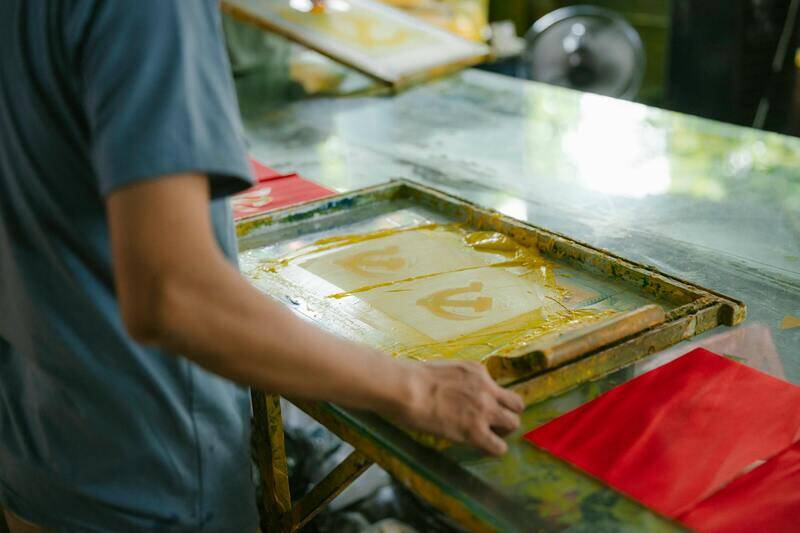
Screen Printing
Screen printing offers a tactile texture and vibrant colour saturation, particularly effective for bold designs and limited colour palettes. It involves creating stencils on mesh screens, through which ink is pressed onto the substrate. This technique is especially suitable for posters printed on flexible or textured materials, such as fabric or vinyl, adding an extra dimension to the visual presentation. While it may not deliver the fine detail of digital or offset methods, its durability and brightness make it an excellent choice for outdoor or promotional posters requiring longevity.
Specialty Printing Techniques
Beyond standard methods, the industry offers a range of specialty techniques that can further enhance the visual appeal of colour posters:
- UV Coating: Adds a glossy or matte finish, providing protection against scratches and enhancing colour vibrancy.
- Foil Stamping: Adds metallic accents, elevating the perceived value of the poster.
- Die-Cutting: Custom shapes and intricate cut-outs add dimensional interest and improve visual engagement.
- Embedding Embossing and Debossing: Creates tactile effects that catch light or create shadows, making your posters stand out.
Optimizing Colour Poster Quality
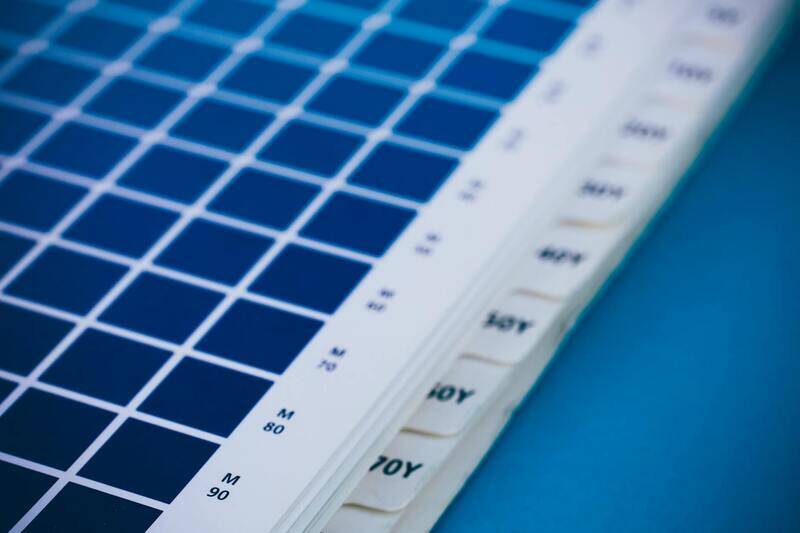
To achieve the best results, it is essential to communicate detailed design specifications clearly with the printing provider. This includes specifying colour matching standards, resolution requirements, and finishing preferences. Utilizing colour management tools like calibrated monitors and colour profiles ensures that digital files accurately translate into physical prints. When working with vibrant colours, particularly branded palettes or Pantone colours, providing swatch references helps maintain consistency across batches. Conducting test prints or proofs allows for adjustments before full production, minimizing errors and costly reprints.
Optimal Strategies for Creating Impactful Colour Posters
Selecting the Appropriate Printing Process
Securing the desired vibrancy and clarity in colour posters hinges on choosing the correct printing process. Offset printing is widely recognized for its high-quality colour reproduction, making it suitable for large-volume projects requiring precise colour matching. Digital printing offers a quick turnaround and is cost-effective for small runs or prototypes, with enhanced capabilities in producing photos with rich detail. Screen printing, while traditionally associated with limited colour palettes, remains effective for bold, simple designs that need durable inks, especially for outdoor use. Each method has its specific strengths, and selecting the right one aligns directly with the intended use, quantity, and visual complexity of the poster.
Color Calibration and Consistency
Achieving uniformity in colour posters involves meticulous calibration of digital files and printing equipment. Utilizing high-resolution images and colour profiles, such as ICC profiles compatible with your printer and monitor, ensures the digital design accurately reflects the final printed piece. Regular calibration of monitors prevents digital deviations in colour, while calibrated printers produce consistent results across different print runs. Incorporating spot colours, such as Pantone shades, can further enhance colour accuracy, particularly for branding materials where colour consistency is paramount. Communicating exact specifications, including preferred colour standards and swatch references, with the printing provider is essential to maintain brand integrity and visual fidelity.
Implementing Quality Control Procedures
Before mass production, it is crucial to review a proof of the poster, preferably a high-quality sample that closely resembles the final product. This allows for verifying colour accuracy, detail sharpness, and overall visual impact. Adjustments can be made at this stage to address any discrepancies, reducing material waste and production delays. During the printing process, ongoing inspection ensures that inks are properly applied, and colours match the specified standards. Post-printing, assessing the finished posters for colour consistency, colour fade, or variances in surface finish helps maintain quality control and guarantees a visually compelling outcome.
Advanced Techniques for Enhanced Visuals
To elevate the appearance of colour posters, several specialty printing techniques can be employed. These methods include UV coating, which imparts a glossy or matte finish that amplifies colours and protects the poster from environmental damage. Foil stamping introduces metallic accents, adding a touch of sophistication and visual contrast. Die-cutting allows for custom shapes and cut-outs, transforming standard rectangular posters into eye-catching pieces. Embossing and debossing create tactile effects that enhance visual depth and light play, making the poster more engaging. Integrating these techniques requires precise planning during design and coordination with the printer to ensure proper execution and alignment with the overall visual strategy.
Advanced Techniques for Enhanced Visuals
To elevate the visual impact of colour posters, incorporating specialty printing techniques can dramatically enhance their appeal and durability. UV coating, for instance, provides either a glossy or matte finish that intensifies colour vibrancy and offers superior surface protection against scratches and environmental wear. This technique not only augments the aesthetic appeal but also extends the lifespan of the poster, making it suitable for high-traffic areas or outdoor settings.
Foil stamping introduces metallic accents, which create stunning visual contrast and lend an element of luxury to the design. Whether used for text, logos, or decorative elements, foil stamping draws attention and elevates the overall perception of quality. It is particularly effective for branding purposes and promotional posters aiming to leave a memorable impression.
Die-cutting transforms traditional rectangular posters into unique shapes or features cut-outs that can serve functional or decorative purposes. This technique allows for eye-catching designs that stand out in crowded visual environments, making posters more engaging and memorable. Embossing and debossing add tactile dimension, playing with light and shadow to give depth to specific elements like logos or text. When carefully coordinated with the design, these techniques create a multisensory experience for viewers, making the poster not only visually striking but also physically appealing.
Implementing these advanced methods requires collaboration with experienced printing professionals who understand the nuances of each process. Proper planning during the design phase ensures that elements such as metallic finishes, cut-outs, or embossed features align precisely with the visual strategy. Additionally, careful coordination with the printer helps maintain colour accuracy and overall quality, ensuring that the final product meets aesthetic and functional expectations.
Utilizing specialty printing techniques not only enriches the visual presentation of colour posters but also significantly increases their visual and physical durability, making them effective tools for both marketing and decorative purposes. These methods allow for the creation of memorable, high-impact visuals that can withstand various environmental conditions while maintaining their vibrant, engaging appearance.
Secure Handling and Proper Maintenance of Colour Posters
Ensuring the longevity and visual integrity of colour posters requires careful handling and maintenance practices, especially when they are intended for long-term display. Proper storage techniques prevent damage such as warping, scratches, or fading, preserving the vibrant color palette and sharp details that define high-quality posters.
Optimal Storage Conditions
- Temperature Control: Store posters in environments with stable, moderate temperatures to prevent warping or deterioration of paper and ink.
- Humidity Regulation: Maintain consistent humidity levels to avoid issues such as mold, curling, or ink smudging. Ideally, keep humidity below 60%.
- Flat Storage: Store posters flat in acid-free sleeves or folders, avoiding folds or creases that can damage edges and compromise appearance.
- Protection from Light: Keep stored posters away from direct sunlight or strong artificial lighting, which can cause fading over time.
Handling Tips for Displayed Posters
- Use Clean Hands or Gloves: Handle posters with clean, dry hands or cotton gloves to prevent transferring oils or dirt that can degrade the surface.
- Avoid Touching the Surface: Minimize contact with the printed surface to prevent smudges, fingerprints, or smearing of the inks.
- Proper Mounting: When displaying posters, use appropriate mounting techniques such as framing or adhesive mounts designed for paper materials to prevent damage and facilitate easy replacement.
Cleaning and Maintenance
Regular cleaning of the display area helps in maintaining the vibrancy of the posters. Dust the surface gently with a soft, dry cloth or a feather duster. Avoid the use of liquid cleaners, which can seep into the paper or ink layers, causing deterioration or discoloration.
Ensuring External Environmental Protection
For outdoor displays, consider additional protective measures such as weather-resistant framing, UV-protective glass, or lamination. These enhancements shield the poster from environmental factors like rain, sunlight, and pollution, significantly extending their visual impact period.

Replacement and Upkeep Schedule
Periodic review of displayed posters ensures they retain optimal visual quality. Replace or restore posters showing signs of fading, damage, or excessive wear to keep your display compelling and professional. Establishing a maintenance schedule based on location, exposure, and material type can help manage this process systematically.