Overview of Large Format Printing
Large format printing encompasses a specialized segment of digital printing that involves producing images and graphics on substrates exceeding the dimensions typical of standard printing. Often characterized by widths that extend to 60 inches or more, this printing method is essential for creating impactful visual displays that demand high visibility and detailed imagery. It plays a crucial role across a multitude of industries, including advertising, retail, architecture, and event planning, where large-scale visuals markedly enhance communication and brand presence. Its ability to produce vivid, high-resolution graphics on vast surfaces makes it an invaluable asset for creating banners, murals, posters, and vehicle wraps.

Understanding the dimensions involved is key when considering large format printing. Typical formats range from 24 inches wide to over 160 inches, with common sizes being 36 inches, 54 inches, and 60 inches. These dimensions allow for substantial artistic freedom and commercial utility, enabling the creation of elements that are legible from a distance and capable of transforming spaces and perceptions. The significance of large format printing is evident in its ability to produce detailed, durable, and eye-catching graphics that serve both functional and aesthetic purposes.
Industrial sectors leverage large format printing to convert ideas into tangible visuals that communicate messages effectively. For instance, in retail, it helps in developing store branding and promotional displays; in architecture, it facilitates detailed blueprints and site plans; in the event industry, it provides custom backdrops and signage that elevate the ambiance. As a result, professionals depend on high-quality large format prints to make a lasting impression while accommodating the expansive scale requirements of their projects.

Given its broad versatility, expertise in large format printing requires an understanding of suitable materials, advanced printing technologies, and precise color management. These factors collectively determine the final output's clarity, durability, and overall visual impact. Whether on vinyl, fabric, paper, or other substrates, large format printing remains a dynamic solution tailored to meet the detailed specifications and high standards demanded by today's visual communication needs.
Types of Large Format Printing Technologies
Choosing the appropriate printing technology is crucial for achieving optimal results in large format printing projects. Each method offers distinct advantages and is suited for specific applications, depending on factors such as substrate type, durability requirements, color fidelity, and environmental considerations.
Inkjet Printing
Inkjet technology is the most prevalent in large format printing due to its versatility and high-quality output. It employs tiny nozzles that spray droplets of liquid ink directly onto the substrate, allowing for detailed and vibrant images. This method is particularly effective for indoor signage, posters, and fine art reproductions. Advances in ink formulations, including UV-curable and solvent inks, have expanded inkjet’s applicability, providing options that cater to both eco-friendliness and outdoor durability.

Solvent and Eco-Solvent Printing
Solvent printing uses solvent-based inks that are absorbed into substrates like vinyl and banner fabric. These inks are known for their excellent resistance to weathering and UV light, making them ideal for outdoor signage. Eco-solvent variants have lower volatile organic compound (VOC) emissions, aligning with environmentally conscious practices without compromising durability.
UV Printing
UV printing technology employs ultraviolet light to instantly cure ink as it is applied to the surface. This process allows for printing on a wide range of substrates, including plastics, metals, wood, and glass. UV printing offers high resolution, vibrant color matching, and excellent adhesion, making it suitable for customized interior decor, promotional items, and specialty displays.
Dye Sublimation
Dye sublimation is a heat transfer process primarily used for fabric-based applications like textiles, banners, and soft signage. The dye sublimation inks turn into gas under heat and binds seamlessly with polyester fibers, producing vivid and durable images. This method excels in producing items such as fabric banners, clothing, and soft wall coverings.
Comparison of Printing Technologies
- Inkjet: Flexible, high resolution, suitable for indoor/outdoor use with appropriate inks.
- Solvent/Eco-solvent: Durable outdoor signage, weather-resistant, suitable for large banners and wraps.
- UV: Versatile substrate compatibility, ideal for rigid and delicate surfaces, quick curing.
- Dye Sublimation: Soft textiles and fabric applications, vibrant, long-lasting colors.
When selecting the ideal technology, considering the intended use, environmental exposure, and substrate compatibility is essential for achieving superior quality and longevity in large format prints.
Overview of Large Format Printing
Large format printing stands as a pivotal component in the realm of visual communication, offering the ability to produce impactful, high-quality images on a grand scale. This process involves creating prints that typically surpass standard dimensions, making it ideal for banners, signage, wall murals, trade show displays, and promotional materials. Its capacity to produce detailed, vibrant visuals on a variety of substrates enables businesses and designers to craft visually compelling presentations that captivate audiences and effectively convey messages. The significance of large format printing lies not only in its scale but also in its precision, durability, and adaptability, which collectively contribute to powerful marketing and branding efforts across diverse industries.

Advancements in printing technology have transformed large format printing from a basic sign-making method into a complex craft capable of producing signs, murals, vehicle wraps, and displays with exceptional clarity and color fidelity. It helps brands stand out in competitive environments, enhances visibility, and supports comprehensive marketing campaigns. By utilizing specialized equipment and inks, large format printing ensures consistency and longevity, making it possible to maintain vibrant, sharp visuals even in outdoor conditions or high-traffic areas. As demand for personalized and immersive visual experiences grows, the importance of large format printing continues to rise, reinforcing its role in both commercial and artistic sectors.
Types of Large Format Printing Technologies
The diversity of large format printing is reflected in its various technological approaches, each tailored to specific applications and substrates. The choice of technology significantly impacts print quality, durability, and cost-efficiency, which makes understanding the distinctions crucial for selecting the right method for each project.
Inkjet Printing
Inkjet technology remains the most popular choice for large format applications due to its versatility and high resolution output. This method involves propelling tiny droplets of ink directly onto substrates such as vinyl, paper, or fabric. Modern inkjet printers can achieve micro-detailing and excellent color accuracy, suitable for indoor and outdoor signage when paired with appropriate inks. Variations include solvent, eco-solvent, aqueous, and UV inks, each optimized for specific requirements like weather resistance or quick curing.
Solvent and Eco-solvent Printing
This technology uses solvent-based inks that penetrate substrates deeply, resulting in robust, weather-resistant prints suitable for outdoor environments. Eco-solvent variants offer environmentally friendly options with reduced volatile organic compounds (VOCs), aligning with sustainability goals while maintaining durability for banners, vehicle wraps, and large advertisements.
UV Printing
UV printing employs ultraviolet light to cure inks instantly upon contact with the substrate. This process allows for printing on rigid surfaces like plastics, glass, and metal, as well as flexible materials. UV printing produces sharp images with vibrant colors, making it ideal for customized decor, signage, and specialty displays that require high detail and durability.
Dye Sublimation
Primarily used for fabric-based applications, dye sublimation involves heat transfer to infuse dyes directly into fibers, creating stunning, durable images on textiles. It is especially favored for soft signage, apparel, and accessories where vivid colors and longevity are paramount.
Comparison of Printing Technologies
- Inkjet: Flexible, high resolution; ideal for indoor/outdoor graphics with suitable inks.
- Solvent/Eco-solvent: Weather-resistant, durable outdoor signage, banners, vehicle wraps.
- UV: Versatile for rigid and soft surfaces, quick curing, detailed imagery.
- Dye Sublimation: Soft textiles, vibrant, long-lasting colors.
Selecting the appropriate technology involves evaluating the substrate type, environmental exposure, and desired longevity, ensuring the final product meets both visual and functional expectations.
Design Considerations for Large Scale Prints
In large format printing, meticulous planning and attention to design details are essential for achieving high-quality results that meet the project’s visual and functional objectives. Proper resolution is critical; generally, a minimum of 150 dpi at the actual size is recommended to ensure crisp, clear images without pixelation. Designers should create files in the correct dimensions, considering bleed areas and safe margins, to avoid any unintended cropping or loss of essential visual elements.
Color management plays a pivotal role in large scale printing. Utilizing color profiles that match the printing device ensures color consistency and vibrancy throughout the production process. Color calibration of monitors and printers must be maintained regularly, especially for projects requiring precise color accuracy, such as branding or promotional displays.
File preparation involves choosing suitable formats that support high resolution and color depth, such as TIFF or PDF files. Vector graphics are preferred for logos and illustrations, as they can scale seamlessly without loss of quality. Raster images should be high-resolution, and it’s advisable to embed fonts and include all linked assets to prevent rendering issues during printing.
Another critical consideration is the format’s layering and transparency. Flattening layers appropriately ensures compatibility across different printing platforms and prevents unexpected visual changes. It’s also important to review the file for any artifacts or errors that could compromise the final output. Communication with the printing service should outline specifications clearly, including substrate type, color palette preferences, and any special finishing requirements.

Lighting and viewing distance should influence design choices; for instance, highly detailed images are best viewed from close proximity, whereas bold, simple designs often perform better for outdoor signage visible from a distance. Simplifying complex images and maintaining high contrast helps ensure readability and visual impact at large scales.
In addition to technical specifications, adhering to accessibility standards—such as avoiding overly intricate fonts or color combinations that hinder visibility—is equally important. Collaborating with experienced designers and print technicians can bridge the gap between creative visions and technical execution, resulting in a seamless production process.
Applications and Uses of Large Format Printing
Large format printing occupies a pivotal role across diverse industries, driven by its ability to produce eye-catching visuals that command attention and convey messages effectively at a grand scale. In the realm of advertising, businesses leverage large signage, banners, and billboards to reach broad audiences, creating brand visibility that is both impactful and memorable. These massive displays are essential during promotional campaigns, product launches, and events where capturing the audience's focus swiftly and effectively can determine overall campaign success.
Indoor and outdoor signage forms another major application. Retail stores rely on large window decals, posters, and point-of-sale displays to attract customers and communicate special offers or new product lines. Similarly, public transportation hubs use large-format visuals on platforms and vehicles to relay information and enhance navigation for travelers.

Interior decor is increasingly embracing large format printing as a versatile solution for customized wall coverings, murals, and photographic displays. Hotels, restaurants, and corporate offices utilize branded murals or artistic installations to establish ambiance, reinforce branding, or showcase artwork, transforming spaces into visually compelling environments.
Event installations and exhibitions also benefit from large format printing. From stage backdrops and trade show displays to custom event signage, these large visuals enhance the aesthetic appeal and communication of specific themes, making events more engaging and professional.
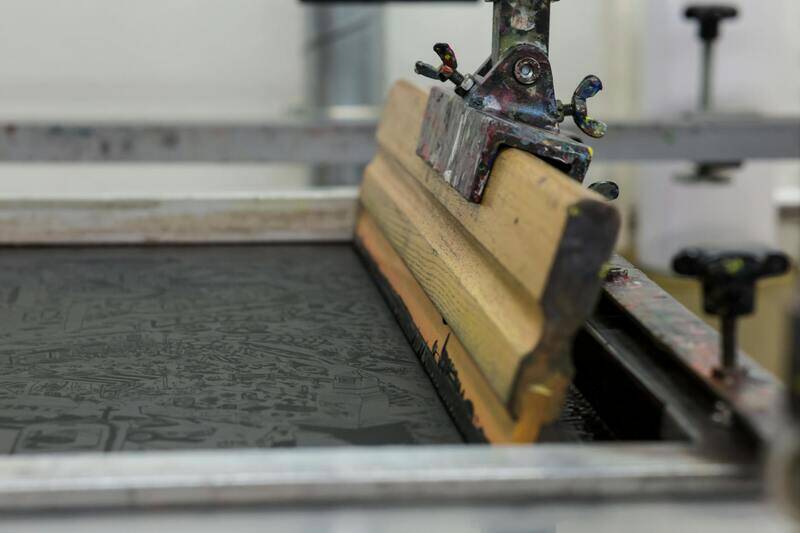
In addition to commercial use, large format printing plays a significant role in the real estate sector. Developers and agents utilize expansive visual presentations like property boards and panoramic views to attract potential buyers, providing a comprehensive view of the properties in a visual format that’s accessible from a distance.
The versatility of large format printing is further exemplified by its use in specialized fields such as architectural and engineering displays, where detailed blueprints and schematic drawings are printed in large scales to facilitate analysis and presentation. This application underscores the need for precision and clarity, as detailed schematics must be reproduced accurately for effective use.
Overall, the diverse applications of large format printing underscore its importance as a dynamic communication tool. Whether in advertising, interior design, events, or real estate, its capacity to produce high-impact visuals at scale makes it indispensable for conveying messages with clarity and aesthetic appeal.
Benefits and Limitations of Large Format Printing
Large format printing offers a multitude of benefits that make it a preferred choice for businesses and designers seeking high-impact visual solutions. One of its primary advantages is the ability to create vivid, eye-catching displays that command attention in any environment. The expansive size allows for the presentation of detailed imagery and bold graphics, which significantly enhance brand visibility and message retention.
Furthermore, large format printing provides remarkable customization options. From selecting specific materials to tailoring finishes and inks, clients can achieve exactly the look and feel they desire, ensuring that the final product aligns perfectly with branding or aesthetic goals. The flexibility of design, coupled with the capability to produce bespoke sizes, makes large format printing a versatile tool for various projects.

In addition to its visual dominance, large format printing is known for its durability and longevity, especially when utilizing appropriate materials and finishes. It can withstand environmental factors such as sunlight, moisture, and temperature variations, which is essential for outdoor advertising campaigns or installations intended for prolonged display periods. This resilience ensures that visuals remain impactful without frequent replacements or repairs.
Nevertheless, large format printing does face certain limitations. The costs associated with high-quality printing equipment, specialized materials, and inks can be substantial, making it a significant investment for some organizations. Production times may also be longer compared to smaller prints, particularly for complex or highly detailed projects, potentially affecting turnaround schedules. Additionally, constraints related to material choices can limit the types of surfaces onto which images can be transferred, especially when aiming for specific textures or finishes.
The size of the prints can pose logistical challenges, including transportation and installation. Handling large banners, wallpapers, or signage requires careful planning to prevent damage and ensure proper mounting. Moreover, maintaining color accuracy and consistency across large prints can be complex, demanding precise calibration of printing equipment and color management protocols.
Operational Considerations and Quality Control
Ensuring the highest quality in large format printing involves meticulous calibration of printers, quality checks throughout the production process, and the utilization of premium materials. Outsourcing to reputable printing service providers who employ advanced technology and skilled technicians can mitigate many of these challenges. It is essential to clearly communicate specifications and expectations to guarantee that the final output meets the intended standards and visual impact.
When selecting a large format printing solution, assessing the specific project requirements, including material compatibility, environmental durability, and timeline, is crucial. A comprehensive understanding of the capabilities and limitations of available printing methods allows for strategic decision-making, optimizing both visual effect and cost-efficiency.
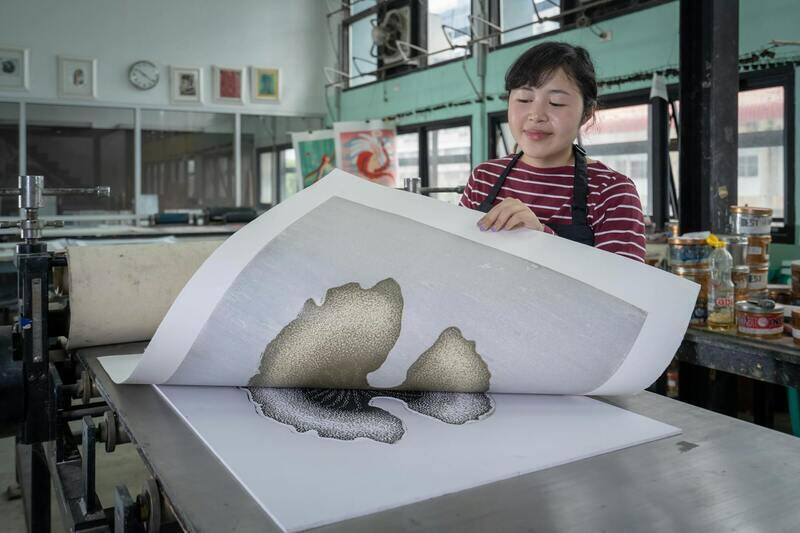
Considerations for Ensuring Precise and Consistent Large Format Prints
Achieving high-quality results in large format printing entails more than just selecting the appropriate technology; it requires a strategic approach to process management and material handling. One of the pivotal aspects is maintaining precise color fidelity across expansive surfaces. This involves regular calibration of printing equipment to ensure color consistency and accuracy, especially when reproducing brand colors or detailed imagery. Color management protocols, including the use of standardized color profiles and colorimeters, are essential for achieving uniformity throughout production runs.
Another critical factor is controlling environmental conditions within the printing and finishing areas. Humidity, temperature, and dust levels can significantly influence print quality, particularly on porous or textured materials. Proper climate control ensures inks dry evenly and adhere correctly, preventing issues such as smudging, peeling, or color shift.

Pre-press preparation is equally vital. Accurate digital file preparation, including high-resolution images, proper scaling, and color calibration, minimizes errors during the printing process. Ensuring that the design meets the resolution requirements for large format output avoids pixelation and loss of detail. Using vector graphics for logos and typography can further enhance sharpness and clarity.
During printing, consistent monitoring of equipment operation is imperative. This includes checking ink levels, print head alignment, and substrate feed accuracy. Many professional printers are equipped with automated systems that alert operators to potential issues, reducing waste and rework.
For projects involving large banners, murals, or signage, meticulous finishing processes such as trimming, lamination, and mounting are essential for optimal presentation and durability. Proper handling during these stages prevents damage like scratches, tears, or creases.
It is recommended to collaborate with experienced technicians who understand the nuances of large format printing. Their expertise enables proactive troubleshooting and ensures that each production phase aligns with the desired visual and structural standards. Investing in ongoing training and equipment maintenance further minimizes errors, ensuring the integrity of expansive prints.
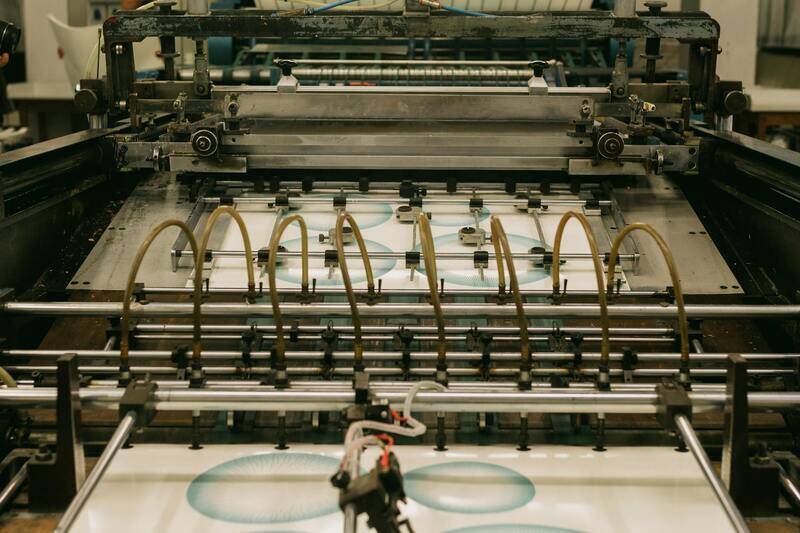
Ensuring Compliance with Proper Methods in Large Format Printing
High-quality large format printing relies on employing scientifically supported and methodically proven techniques that guarantee consistent results. These methods focus on maintaining color accuracy, sharpness, and durability, all while optimizing efficiency and minimizing waste. By adhering to industry best practices, professionals ensure that each project meets exact expectations and withstands the rigors of display, transportation, and long-term use.
Precise Digital File Preparation
Effective large format printing begins with meticulous digital file preparation. Utilizing high-resolution images ensures that enlargements retain clarity without pixelation or blurriness. Files should be scaled correctly to match the intended print dimensions, and color calibration should be standardized across devices to achieve uniformity between the digital design and the final output. Vector graphics, such as logos and textual elements, should be employed whenever possible for their scalability and crispness, ensuring the design remains sharp across various sizes.
Color Management and Calibration
Color consistency is fundamental in large format printing. Implementing color management workflows involves using calibrated monitors, color profiles, and standardized printing processes. This practice ensures that the hues seen during design are accurately reproduced in the final print. Regular calibration of printers and monitors minimizes discrepancies and upholds a high standard of color fidelity, essential for branding and visual impact.
Material Selection and Handling

Legitimate printing methods depend heavily on selecting appropriate substrates, such as vinyl, fabric, mesh, canvas, or specialty films. The choice of material should align with the intended use, whether for outdoor signage, indoor displays, or fine art. Proper storage and handling of these materials prevent damage, warping, or contamination, which could otherwise compromise the print quality.
Monitoring and Quality Assurance During Printing
Real-time monitoring of the printing process is essential. Automated systems in professional printers provide alerts for issues like ink levels, print head alignment, and substrate feeding anomalies. Frequent checks during output help detect and rectify errors promptly, reducing material waste and ensuring fidelity to the original design. Post-print inspection involves examining color consistency, image sharpness, and surface conditions, rectifying any deviations before final finishing steps.
Efficient Finishing and Application Techniques
Proper finishing processes, including trimming, lamination, and mounting, are vital for enhancing the appearance and extending the longevity of large format prints. Skilled handling during these stages ensures that prints are free from scratches, tears, or creases. For applications such as banners or murals, secure mounting techniques contribute to stability and visual integrity, especially in outdoor or high-traffic environments.
Training and Ongoing Maintenance
Maintaining high standards in large format printing also involves continuous education for operators and diligent maintenance of equipment. Training ensures familiarity with evolving technologies and materials, fostering consistency and troubleshooting proficiency. Regular calibration and servicing of printers prevent mechanical faults and maintain color accuracy, supporting the production of impeccable large-format graphics.
Quality Control and Inspection Protocols
Implementing systematic quality control checkpoints throughout the entire workflow verifies that each stage adheres to predefined specifications. This includes evaluating digital files, inspecting printed outputs during and after production, and assessing the final product's structural and aesthetic qualities. Such rigorous oversight ensures that only prints meeting the highest standards reach the client, fostering trust and satisfaction.
Conclusion
Adhering to curated, tried-and-true methods in large format printing underscores professionalism and enhances output quality. Establishing clear protocols for digital preparation, color management, material handling, printing supervision, and finishing processes creates an environment where exceptional large-scale prints are consistently achieved. These legitimate practices form the backbone of sustainable, high-standard large format printing operations that serve diverse commercial and artistic needs effectively.