Understanding Large Format Photo Paper
Large format photo paper is a specialized material designed for high-quality, wide-scale printing applications. Its primary characteristic is its ability to accommodate images that are significantly larger than standard print sizes, making it ideal for creating impactful visual displays such as banners, murals, fine art reproductions, and promotional signage. This type of paper is distinguished by its substantial width, often exceeding 24 inches, and its capacity to hold vibrant, detailed images without sacrificing clarity or color accuracy.
One of the defining features of large format photo paper is its surface finish. Options range from matte and satin to gloss and semi-gloss, each offering different aesthetic effects and levels of reflection. The surface texture can influence how colors appear and how light interacts with the printed image, affecting the overall visual impact. Additionally, these papers are engineered to support wide-format printing technologies, including inkjet and solvent-based printers, to ensure optimal color reproduction and durability.

In practical terms, large format photo paper is essential in sectors like interior design, advertising, fine art printing, and event branding. Its characteristics allow for expansive, eye-catching displays that communicate messages effectively and enhance visual aesthetics. Properly selected and handled, this type of paper ensures longevity and maintains print integrity, making it a valuable resource within professional printing services.
Types of Large Format Photo Paper
Large format photo papers come in diverse types tailored to specific applications and desired finishes. Common categories include:
- Glossy: Provides vibrant color reproduction with a shiny surface, ideal for photographic displays requiring high contrast and sharpness.
- Matte: Offers a non-reflective surface, reducing glare and fingerprints, suitable for gallery displays and art reproductions.
- Satin or Semi-Gloss: Balances the benefits of gloss and matte, delivering vibrant colors with reduced glare.
- Canvas-Style: Mimics the texture of canvas, intended for artistic applications and personalized wall art.
Material Composition and Quality
The quality of large format photo paper depends largely on its base material and coating. Most high-end papers are made from archival-quality substances that resist fading, environmental damage, and deterioration over time. Coatings enhance ink adhesion and color vibrancy, ensuring a broad color gamut and sharp details. The thickness and weight of the paper also influence its durability and ease of handling, particularly in large-scale applications where robust support is necessary.
Choosing the Right Photo Paper for Your Project
Selection hinges on the intended display environment, desired aesthetic, and the type of printing technology being employed. For indoor displays or fine art reproductions, matte or fine art papers often deliver the most refined results. For outdoor signage or promotional banners, high-gloss or semi-gloss options offer increased vibrancy and weather resistance. It's important to consider compatibility with your printer's specifications to achieve consistent results and avoid printing issues.
Printing Techniques and Compatibility
Most large format photo papers are compatible with professional inkjet printers. They support a variety of ink types, including dye-based and pigment-based inks, each offering different benefits in terms of color richness, fade resistance, and durability. Proper profiling and calibration of your printing equipment are essential to optimize color accuracy and minimize wastage. Understanding the specifications of your chosen paper ensures that your printing process remains efficient and produces consistently high-quality results.
Storage and Handling of Large Format Photo Paper
Handling large format photo paper requires careful consideration to keep its surface pristine and prevent damage. Storage should occur in a cool, dry environment away from direct sunlight, with papers kept flat or rolled loosely to prevent creases and warping. Handling with clean gloves minimizes the risk of smudges and fingerprints. Proper storage ensures that the paper maintains its optimal condition until use, safeguarding the investment and ensuring impeccable print quality.
Cost Factors and Supply Sources
The pricing of large format photo paper varies based on material quality, surface finish, and supplier. High-grade, archival-quality papers tend to cost more but provide greater longevity and reproduction fidelity. Bulk purchasing from reputable supply sources can earn discounts and ensure consistency across projects. It is advisable to select suppliers that offer genuine products designed for professional printing needs, avoiding subpar alternatives that could compromise print results.
Applications and Best Practices
Large format photo paper serves a broad range of applications where visual impact and durability are priorities. Examples include gallery exhibitions, commercial signage, interior decoration, and outdoor advertising. When working with large format photo paper, best practices involve meticulous handling, precise color profiling, and appropriate environmental controls during printing and storage. This attention to detail ensures that every print project achieves its intended visual and technical standards.
Understanding Large Format Photo Paper
Large format photo paper is a specialized medium designed to accommodate high-resolution, expansive prints that demand clarity, color accuracy, and durability. Crafted from high-quality materials and available in various finishes, large format photo paper supports a broad spectrum of professional and artistic applications, including fine art reproductions, promotional displays, and large-scale photographic exhibitions.
The manufacturing process of large format photo paper focuses on ensuring uniform surface texture and color vibrancy. The selection of paper weight and surface coating directly influences printing results, with heavier papers offering enhanced rigidity and longevity. These papers are manufactured with meticulous attention to archival qualities, resistance to fading, and compatibility with different printing technologies, such as inkjet or solvent printing.

In professional contexts, choosing the right large format photo paper involves understanding specific project requirements. A glossy finish, for example, accentuates colors and sharpness, making it ideal for commercial photography and fine art galleries. Matte papers, on the other hand, reduce glare and are preferred for framing or viewing in well-lit environments. Satin or semi-gloss papers offer a balanced approach, combining visual appeal with reduced reflections. Additionally, specialty papers featuring textured surfaces or unique finishes are increasingly popular for creating distinctive visual effects that stand out.
When selecting large format photo paper, it is crucial to consider the intended display environment, longevity expectations, and the compatibility with chosen printing equipment. Proper understanding of these factors ensures that the printed images not only meet aesthetic standards but also withstand exposure to environmental elements over time, preserving their visual integrity.
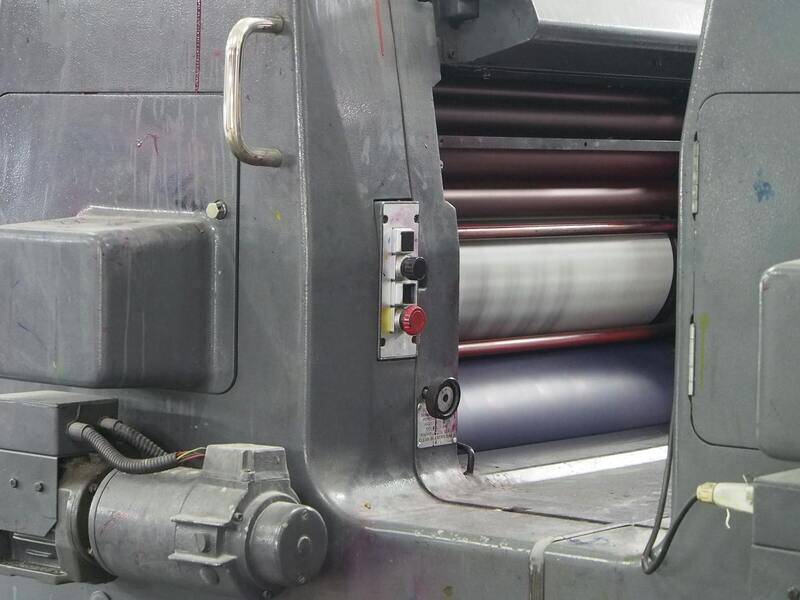
The material composition of large format photo paper often includes a base made from cellulose, polyesters, or coated papers, each offering different advantages in terms of strength, flexibility, and surface quality. Advances in coating technology optimize ink adhesion and color vibrancy, ensuring high-resolution prints with precise detail reproduction. Thicker coated papers are preferred for outdoor or high-traffic displays, providing additional resistance to handling and environmental factors.
In terms of quality standards, reputable suppliers often provide papers with certified archival features, including resistance to UV exposure and chemical degradation. These attributes are essential for projects that require long-term preservation without significant deterioration. When considering durability, the choice of material and coating can make a significant impact on the lifespan and visual stability of large format photographs.
Understanding Large Format Photo Paper
Large format photo paper serves as the foundational medium for creating visually impactful images that are often displayed in galleries, exhibitions, or advertising spaces. This specialized print material is designed to accommodate high-resolution images, ensuring that details are sharp, colors are vibrant, and the overall presentation maintains clarity regardless of size. The choice of large format photo paper intrigues both professional photographers and artists by offering a wide range of options that enhance artistic expression and visual storytelling.

Fundamentally, understanding the core features of large format photo paper involves recognizing its material composition, surface finishes, and compatibility with various printing technologies. These attributes directly influence the final aesthetic appeal, finish durability, and longevity of prints, making informed selection paramount for achieving the desired impact.
Material Composition and Surface Finishes
Large format photo papers typically comprise a base material—such as cellulose, polyester, or synthetic coated papers—that provides structural stability. The surface finish on these papers can vary significantly, including glossy, matte, satin, or luster coatings. Each finish offers unique benefits: a glossy surface enhances color vibrancy and contrast, while matte finishes reduce glare, making images suitable for viewing under different lighting conditions.
Advances in coating technology have led to the development of specialty layers that improve ink adhesion and image sharpness. These coatings are engineered to resist environmental factors like UV exposure, moisture, and handling, ensuring that photographs retain their visual integrity over time.
Factors Influencing Image Quality and Longevity
- Ink Compatibility: The type of ink used in the printing process—whether dye or pigment-based—must be compatible with the paper's coating to prevent bleeding and to maintain color accuracy.
- Surface Texture: Smooth surfaces provide high detail resolution, ideal for fine art reproductions, while textured surfaces can add artistic depth but may obscure fine details.
- Archival Properties: Certified archival papers incorporate treatments that resist fading, chemical degradation, and UV damage, essential for projects requiring long-term display or preservation.
- Environmental Resistance: Thicker, coated papers with protective layers offer enhanced durability against handling, moisture, and outdoor exposure, making them suitable for diverse display settings.
Moreover, selecting the appropriate large format photo paper aligns with the printing equipment and ink technology, ensuring optimal results in terms of clarity, color fidelity, and durability. This comprehensive understanding allows professionals to produce prints that not only impress visually but also stand the test of time, underscoring the importance of choosing the right substrate for each project.
Understanding Large Format Photo Paper
Large format photo paper serves as the foundational medium for creating high-impact visual displays, fine art reproductions, and professional photographic prints. Its size and quality make it ideal for projects requiring expansive visual presentations, such as gallery exhibitions, commercial advertising, or detailed architectural renderings. When selecting large format photo paper, it's vital to consider the paper's ability to support high-resolution images without sacrificing color vibrancy or sharpness.
The extensive surface area of large format media provides opportunities for intricate detail and vibrant color reproduction. The thickness and weight of the paper contribute to its rigidity and ease of handling, which are important for mounting and framing. Additionally, the performance of this dedicated medium under various environmental conditions impacts the longevity and visual integrity of the final print. These characteristics make understanding the nuances of large format photo paper essential for achieving desired outcomes in professional printing projects.
A key aspect of large format photo paper is its compatibility with diverse printing technologies. Wide-format printers, such as inkjet and solvent-based systems, are designed specifically to work with media that can handle large-scale applications and sustain high-quality ink adhesion. Choosing the right type of paper enhances ink absorption and minimizes issues like bleeding, smudging, or reduced color fidelity. The characteristics of the substrate directly influence the detail, color accuracy, and overall visual impact of the final product.
Furthermore, selecting appropriate large format photo paper involves evaluating environmental factors and display conditions. Waterproof or weather-resistant options are essential for outdoor displays to resist moisture and UV damage. For indoor displays, conservation-grade papers provide additional protection against environmental degradation, ensuring the image remains crisp and vibrant over extended periods. This comprehensive understanding of the properties and capabilities of large format photo paper enables professionals to make informed decisions tailored to their specific visualization needs.
Another factor to consider is the importance of surface finish in large format photo paper. Matte finishes reduce glare and enhance color depth, making them suitable for gallery exhibits where viewers may encounter varying lighting conditions. Glossy finishes, on the other hand, provide a vibrant, reflective surface that emphasizes bright colors and sharp details—ideal for commercial displays or promotional materials. Satin and semi-gloss finishes strike a balance, offering some glare reduction while maintaining a luminous appearance.
Pick the right type of large format photo paper depends on your project’s unique demands. For instance, fine art reproductions benefit from textured surfaces that add artistic depth, while photographic portraits may require smooth surfaces for maximum clarity. Durability, environmental resistance, and print longevity are crucial parameters that influence the selection process, ensuring that the completed project withstands handling, time, and environmental exposure.
Understanding Large Format Photo Paper
Large format photo paper is specially designed to produce high-resolution, vivid images on expansive surfaces, making it ideal for banners, murals, fine art reproductions, and trade show displays. Its ability to showcase intricate details and vibrant colors in a substantial size makes it a preferred choice among photographers, designers, and artists who aim for impactful visual presentations. The key to utilizing large format photo paper effectively lies in understanding its specific properties, range, and application methods. This knowledge ensures that consumers and professionals can select materials that align with their project requirements, whether for temporary exhibitions or enduring installations.
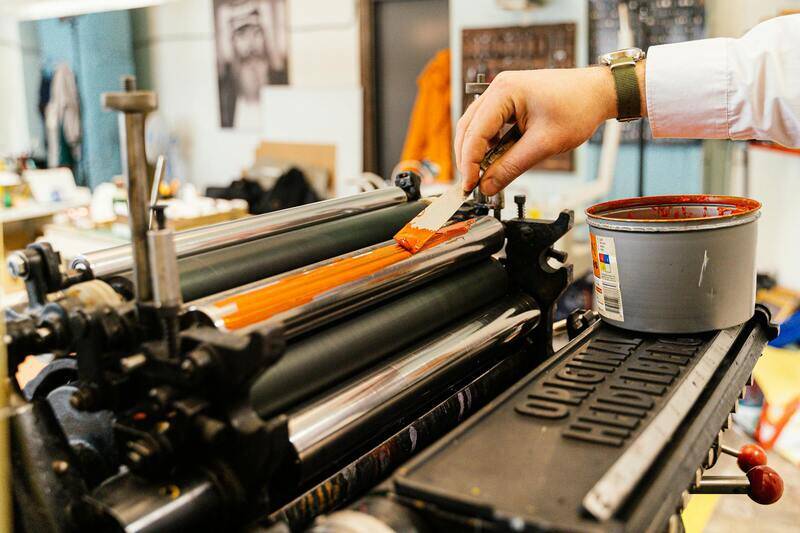
When considering large format photo paper, factors such as surface texture, material composition, and durability are paramount. A high-quality large format photo paper not only enhances the visual impact but also maintains the integrity of the image over time. It’s essential to select a paper type that matches your printing technology and the environmental conditions where the final display will be located. Proper understanding of these elements allows individuals and businesses to achieve the desired aesthetic effect while preserving the longevity of their printed images.
Types of Large Format Photo Paper
Depending on the intended use and artistic requirements, several types of large format photo paper are available, each with unique features catering to different needs:
- Glossy Finish: Provides vibrant colors and sharp details with a reflective surface, ideal for displays where brightness and color pop are desired.
- Matte Finish: Offers non-reflective surface ideal for viewing conditions with varied lighting, reducing glare and emphasizing depth in color and detail.
- Semi-Gloss/Satin Finish: Strikes a balance between glossy and matte, combining vibrancy with glare reduction for versatile applications.
- Textured or Fine Art Paper: Features artistic surfaces such as watercolor or canvas textures, adding depth and artistic character to reproductions.

Material Composition and Quality
The core of premium large format photo paper lies in its material composition, which significantly influences print quality and durability. Most high-end papers are made from acid-free, lignin-free paper stock, ensuring long-term preservation. The coatings applied to these papers determine how well they handle ink absorption, color gamut, and environmental resistance. For instance, some papers feature a resin-coating or polymer layer that enhances resistance to moisture and UV light, reducing fading and deterioration over time. The molecular quality of the paper impacts color accuracy and sharpness, which is crucial for professional-grade prints where detail fidelity and color consistency are non-negotiable.
Choosing a paper with a high tensile strength and proper surface treatment ensures clients and artists can trust that their works will retain visual integrity after handling or exposure to environmental factors. When evaluating options, look for certified archival quality to guarantee your prints will withstand the test of time without significant deterioration or discoloration.
Choosing the Right Photo Paper for Your Project
Selecting the appropriate large format photo paper involves a careful analysis of project objectives, environmental exposure, and desired aesthetic effects. For outdoor displays or signs, opt for papers with enhanced UV resistance and waterproof coatings that protect against weathering. For gallery-quality reproductions or fine art prints, conservation-grade papers with acid-free, fade-resistant features become essential. Projects focusing on photographic realism often benefit from smooth, glossy finishes, which enhance detail clarity and color depth. Meanwhile, artistic works that prioritize texture and subtlety might lean toward matte or textured papers to add a tactile dimension to the visual experience.
In addition to aesthetic considerations, evaluate operational factors such as compatibility with your printing hardware, ink type, and post-processing capabilities. Ensuring the specified paper matches your equipment’s output can prevent issues like ink bleeding, color mismatch, or surface irregularities, thereby securing professional results on large-scale prints.

Proper Storage and Handling Techniques for Large Format Photo Paper
Maintaining the quality of large format photo paper begins long before the printing process. Proper storage conditions are critical to prevent warping, moisture absorption, and surface damage that can compromise print quality. Store unused sheets flat in a cool, dry environment with a stable temperature, ideally between 65-70°F, and relative humidity levels around 40-50%. Avoid stacking sheets directly on one another without appropriate separators, such as acid-free tissue paper or specialized stacking pads, to prevent scratches and surface marring. If rolls are used, keep them wound evenly to avoid distortions, and store horizontally on dedicated racks to maintain shape integrity.

Handling large format photo paper requires care to preserve its surface finish and prevent contamination. Always handle sheets with clean, dry hands or wear cotton gloves to prevent oils and dirt transfer. When transporting or installing prints, use sturdy carriers or protective covers to shield the surface from dust, fingerprints, and abrasions. During mounting, ensure the adhesive used is compatible with the paper's coating and does not cause buckling or discoloration over time.
Before printing, inspect the surface for dust or debris and gently clean with a soft, lint-free cloth if needed. Post-print handling should involve minimal contact to safeguard the inkjet or photographic surface from smudging or scratching. When framing or displaying, utilize UV-protective glass or acrylic to further shield the print from environmental stressors that might fade or degrade the image over time.
Best Practices for Storage and Handling
- Maintain consistent environmental conditions to prevent warping or moisture damage.
- Use acid-free tissue paper or protective sheets between stacked sheets.
- Handle with gloves or clean hands to avoid surface contamination.
- Store flat or on cylindrically supported racks to preserve shape.
- Use protective coverings when transporting large prints to minimize physical damage.
- Inspect surfaces regularly for dust, fingerprints, or smudges, and clean carefully if necessary.
- Implement proper mounting and framing methods to secure the print without damaging the surface or ink integrity.
Understanding Large Format Photo Paper
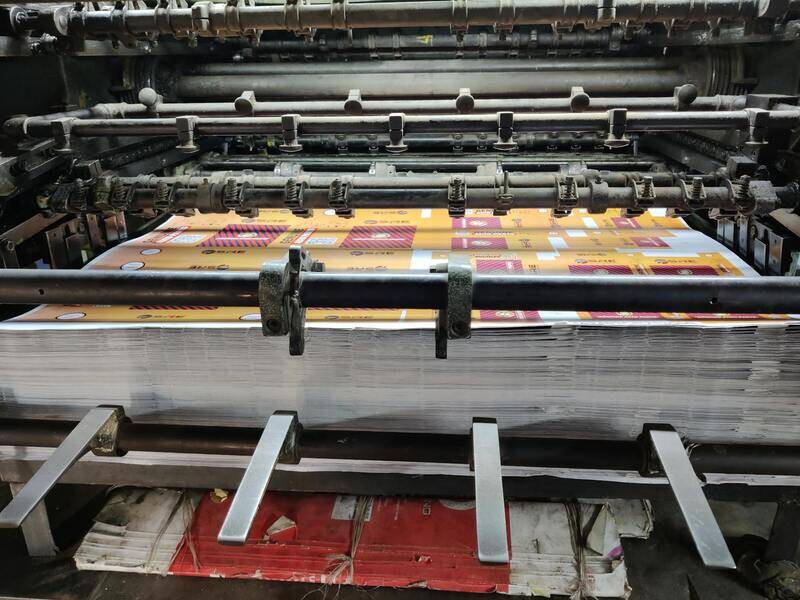
Large format photo paper serves as an essential material for professional photographers, artists, and print studios aiming to produce high-quality, sizable images with precision and durability. Its significant dimensions allow for impactful displays, from fine art prints to commercial banners, making it a preferred choice for projects requiring bold visual statements. Appreciating the specific characteristics of this media type involves understanding its surface finishes, resilience, and compatibility with various printing technologies. Such knowledge ensures that each print meets the desired aesthetic and longevity standards, fulfilling both creative vision and practical application needs.
Types of Large Format Photo Paper
There is a broad spectrum of large format photo paper options, each designed to cater to specific artistic and technical requirements:
- Glossy Finish: Offers vibrant color reproduction with a shiny surface that enhances details and contrast, ideal for photographs and commercial displays.
- Matte Finish: Provides a non-reflective surface that reduces glare, suitable for fine art prints and images requiring a softer, more subdued appearance.
- Lustre or Satin Finish: Blends the best of glossy and matte, producing a subtle sheen that enhances depth while minimizing fingerprints and reflections.
- Peerless or Specialty Coatings: Includes textured or metallic finishes designed for specific artistic effects and unique visual textures.
Each type offers distinct advantages in terms of visual presentation and handling, making selection dependent on the desired outcome and working environment.

Material Composition and Quality
The core material of large format photo papers generally consists of high-quality cellulose or polycationic substrates that provide a sturdy base for ink bonding. Coatings are applied either as layered emulsions or optical surfaces designed to optimize color fidelity, detail resolution, and ink adhesion. Superior papers boast archival-quality components that resist fading, discoloration, and physical deterioration over time.
Manufacturers often utilize proprietary coatings to improve water resistance, scratch resistance, and surface smoothness, making these papers suitable for prolonged display and handling without compromise to image integrity. The manufacturing process also influences dimensional stability, ensuring the sheet maintains its shape through various environmental conditions, critical for large prints that require precision mounting and framing.
Choosing the Right Photo Paper for Your Project
Selecting the proper large format photo paper hinges upon understanding the specific requirements of your project. Consider the following factors:
- Intended Display Environment: Indoor versus outdoor use and the level of environmental exposure influence the choice between standard, water-resistant, or laminated options.
- Desired Aesthetic: Decide if a glossy, matte, or satin finish best complements the artwork or photograph’s ambiance.
- Color Accuracy and Resolution: High-quality papers with fine emulsion layers support detailed, vibrant images suitable for gallery-quality prints.
- Durability and Longevity: For archival or long-term displays, opt for papers with enhanced fade resistance and physical robustness.
- Size and Format Compatibility: Ensure the sheet dimensions align with your printing equipment capabilities and project scale.
Working closely with suppliers or print professionals can also guide optimal material selection, ensuring the final output aligns with your artistic and technical expectations.
Understanding Large Format Photo Paper
Large format photo paper plays a crucial role in the creation of high-impact, detailed visual displays, whether for art galleries, commercial advertising, or personal projects. This specialized medium offers a broad surface area that allows for expansive and vivid imagery, making it ideal for reproducing photographs and artwork at a scale that retains fine details and color fidelity. The core of understanding this material lies in comprehending its material properties, how it interacts with various printing technologies, and the methods to maintain its quality over time.
Material Composition and Quality
Large format photo papers are crafted from a variety of materials tailored to specific aesthetic and functional needs. The most common options include:
- Photographic Paper Coatings: These papers are coated with emulsions that contain light-sensitive compounds, enabling photochemical development. They typically provide excellent detail resolution, rich color reproduction, and smooth gradation.
- Inkjet-Compatible Surfaces: Designed for inkjet printers, these papers feature specially formulated coatings that absorb ink quickly, preventing smudging and ensuring color accuracy. They include features like high D-Max for deep blacks and wide color gamut support.
- Material Base: The base material can be glossy, semi-gloss, matte, or satin, affecting the final appearance. The paper's thickness and weight vary, impacting durability and handling during processing and display.
Manufacturing processes influence dimensional stability and surface smoothness, which are vital for maintaining image clarity and preventing distortions in large prints. High-quality large format photo papers are engineered to withstand environmental factors, such as humidity and light exposure, without significant degradation, ensuring that vibrant images remain pristine over extended periods.

Choosing the Right Photo Paper for Your Project
Assembling the ideal print setup involves careful consideration of several factors that influence your project's outcome:
- Display Environment: Determine whether the print will be showcased indoors or outdoors. For outdoor displays, water-resistant and laminated options provide increased protection against environmental elements.
- Artistic Finish: Select a surface finish—glossy enhances vibrancy and contrast, matte reduces glare for easier viewing, and satin offers a balanced look with a slight sheen.
- Color Fidelity and Resolution: Use premium papers with high-resolution emulsions for detailed, true-to-life reproductions, especially vital for gallery or commercial displays.
- Durability and Longevity: For archival purposes, choose papers with enhanced fade resistance and physical robustness to preserve the integrity of the image over years.
- Project Size and Printer Compatibility: Ensure the paper dimensions meet your printer's capabilities and match the scale of your artwork or photograph.
Consultation with experienced suppliers can help align your material choices with both your artistic vision and technical needs, ensuring a seamless print process and a stunning final product.
Applications and Best Practices
Large format photo paper finds its application across diverse industries, each with tailored best practices to achieve optimal results:
- Fine Art Printing: Artists and galleries utilize these papers for museum-quality reproductions, emphasizing color accuracy and surface texture. Proper handling and storage are essential to avoid damage or fading over time.
- Commercial Advertising: High-resolution printing on durable, glossy or satin papers ensures eye-catching displays that withstand public exposure.
- Photography Exhibitions: Photographers print large-scale works that capture viewers’ attention; maintaining calibration between print and monitor ensures consistent color reproduction.
- Event Signage and Banners: Using sturdy, weather-resistant papers for outdoor signage guarantees longevity and visual impact.
To maximize print impact, it is vital to handle large format photo paper with care, store it in a controlled environment, and implement proper mounting techniques. Ensuring correct settings on your printer, including color profiles and resolution, will also contribute significantly to achieving a professional-quality finish.