Understanding Big Size Photo Prints
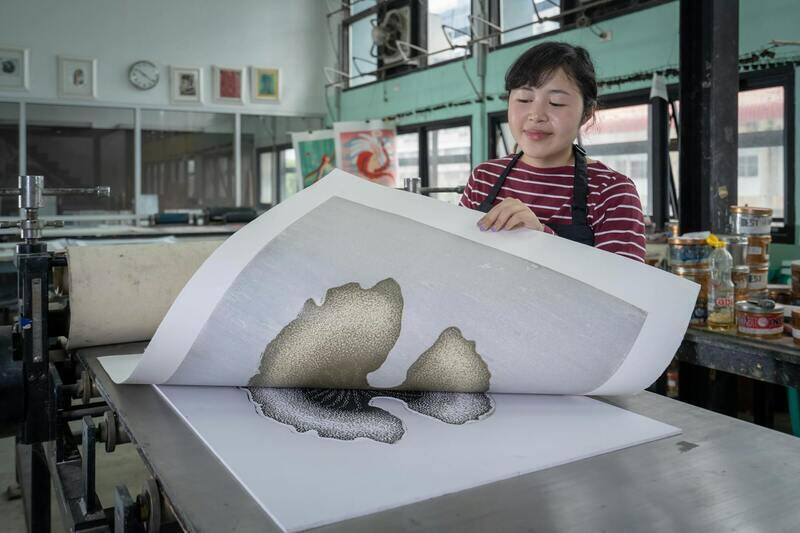
Big size photo prints refer to high-quality images enlarged to substantial dimensions, often exceeding standard photo sizes. These prints are characterized by their impressive scale and visual impact, making them ideal for various applications where impactful presentation is essential. Common applications include wall murals, gallery displays, promotional advertising, event backdrops, and decorative home or office accents. The primary benefit of large-format printing is the ability to create striking visual statements that captivate viewers from a distance and reveal fine details upon closer inspection.

When considering big size photo prints, several factors come into play that influence the final output quality and effectiveness. Image resolution is paramount; a high-resolution source image ensures clarity and sharpness when enlarged. Material selection also impacts durability and appearance, ranging from traditional paper to canvas, vinyl, fabric, and specialty substrates.
In addition to aesthetic appeal, large-scale prints serve functional roles across industries. For instance, in retail, they attract customer attention and communicate branding messages effectively. In events, they serve as backdrop visuals that enhance ambiance. Architects and interior designers often incorporate large-format photos to add depth and personality to commercial or residential spaces.
Creating a big size photo print involves meticulous preparation of the digital image to ensure it maintains quality during magnification. The printing process itself must be carefully managed to produce sharp, vivid, and durable results that withstand environmental factors like light, moisture, and handling. Therefore, selecting appropriate printing techniques and materials is essential for achieving the desired outcome and long-term satisfaction.
Choosing the Right Materials for Large-Format Printing
Deciding on suitable materials is essential for achieving outstanding results with big size photo prints. The choice varies based on the desired aesthetic, environmental conditions, and longevity requirements. Among the most common options are different types of papers, canvases, and specialty substrates designed specifically for large-scale application.
High-quality photo paper is renowned for its sharpness, color accuracy, and smooth finish, making it ideal for wall-mounted displays and gallery presentations. Opting for coated or matte finishes can reduce glare and reflections, thereby enhancing the viewing experience even in brightly lit environments. For outdoor applications or areas prone to moisture, weather-resistant materials such as vinyl banners or laminated prints are preferable due to their durability and resistance to environmental factors.

Canvas serves as an excellent choice for a textured, artistic presentation. Its ability to be stretched over frames and its inherent durability make it popular for both fine art and commercial displays. For indoor spaces that require a sophisticated aesthetic, fabric-based substrates can offer vibrant colors and a soft finish, adding an element of elegance to the environment.
Material selection also influences the printing method employed, as some substrates require specific techniques such as solvent, UV, or aqueous printing to optimize image quality and adhesion. Additionally, the finish—glossy, matte, or satin—affects how colors appear and how easily the print can be maintained over time. Glossy finishes pop with vibrancy and depth, while matte finishes provide a subdued, professional look with less glare.
Considering the long-term visual impact and environmental exposure, it’s vital to choose materials crafted with archival-grade components when longevity is a priority. Such materials ensure that the vibrant colors and crisp details remain intact for many years, retaining their visual appeal regardless of changes in lighting or surroundings. A trusted printing service can guide clients in selecting the optimal material for their specific project, balancing aesthetic preferences with practical considerations for durability.
Overall, the versatility of available substrates offers a wide spectrum of possibilities—from lightweight, removable vinyl for temporary displays to rugged, weatherproof outdoor banners. Proper material selection guarantees that big size photo prints not only captivate viewers at first glance but also sustain their visual impact over time.
Understanding Big Size Photo Prints
Creating impactful large format photo prints requires careful consideration of several technical aspects to ensure that the final product exceeds expectations. When producing big size photo prints, it is essential to start with a high-resolution image. A minimum of 150 DPI at the final print size is recommended, though higher resolutions yield sharper, more detailed images. Using images with sufficient pixel density prevents pixelation and preserves clarity, even when viewed up close. Ensuring the original photo is captured or sourced at high quality maximizes the potential for a stunning large print.
Another factor to consider is color accuracy. For vibrant, true-to-life colors, professional-grade files are advised, preferably in CMYK color mode, which aligns with printing standards. Adjustments to contrast, saturation, and brightness during the preparation of the image can also enhance visual impact once enlarged. Incorporating a margin or bleed area during design ensures edge-to-edge prints without compromising composition.
The choice of resolution, color settings, and proper cropping are integral steps that influence the outcome. Professional image editing software can facilitate fine-tuning, ensuring the image retains integrity at larger scales. When preparing files, it is vital to save in formats that preserve quality, such as TIFF or high-quality JPEG, to avoid compression artifacts.
Moreover, file size plays a role; large image files should be optimized for printing without sacrificing detail. Collaborating with a knowledgeable printing service can help determine optimal image dimensions and formats, aiding in achieving the best visual results for your big size photo prints.

Design Tips for Big Size Photos
Creating impactful large-scale photo prints involves not only selecting the right image but also optimizing its design elements to enhance visual appeal and longevity. When enlarging images for big size photo prints, consider simplifying complex backgrounds to prevent visual clutter and ensure the main subject remains prominent. High contrast and vivid color schemes tend to translate better at larger scales, ensuring the photograph maintains its vibrancy and clarity. Balancing composition is crucial; ample negative space around the subject can provide breathing room, making the print more striking and easier to integrate into various display environments.
Pay attention to cropping techniques, especially when adapting images to fit the dimensions of your chosen print size. Maintaining important visual elements within the safe zone minimizes the risk of key details being cut off. For images with text or graphics, choose fonts and design elements that are legible and appropriately scaled to avoid distortion or illegibility at large sizes. Incorporating a consistent color palette aligned with the viewing environment ensures that your big size photo print remains harmonious with its surroundings.
Another design consideration is the integration of framing or matting, which can add depth and a sophisticated finish to the final print. When designing the layout, consider how the image interacts with framing borders or padding spaces, especially for gallery-quality displays. This not only elevates the presentation but also provides better protection for the artwork over time.
Cost Factors and Budgeting for Big Photo Prints
Estimating the costs involved in large-format printing requires understanding the key components that influence pricing. Materials such as high-quality photo paper or canvas significantly impact the overall expense. The choice of printing technique, whether digital or traditional, also plays a role; digital methods typically offer faster turnaround and lower costs, while traditional techniques can provide richer textures for premium results.
Size is a primary determinant of cost, with larger prints requiring more material and longer setup times. Additional features like mounting, lamination, or framing can add to expenses but enhance durability and presentation. Budgeting effectively involves balancing desired quality levels with financial constraints, often achieved by consulting with experienced printing providers who can recommend suitable options based on your specific needs.

Furthermore, choosing a reputable printing service ensures that the final product aligns with your expectations, especially for significant investments like big size photo prints. Requesting sample images or viewing portfolio collections can provide insights into their craftsmanship, ensuring you receive a product that matches professional standards. Always inquire about the estimated turnaround time and additional services offered, such as delivery or installation assistance, to streamline your project and stay within your budget.
Understanding Big Size Photo Prints
Large-format photo printing is a specialized service that transforms high-resolution images into striking, wall-sized displays. Such prints serve as focal points in various environments, including homes, galleries, and commercial spaces. To achieve optimal results, it is essential to be aware of the elements that influence the final outcome, such as resolution, image quality, and print size. When planning for a big size photo print, consider the importance of starting with top-tier digital images that boast sufficient pixel density to prevent pixelation or loss of detail during enlargement.
Ensuring the clarity of your images is fundamental. Images that are too low in resolution can appear blurry or pixelated once scaled up to large dimensions. Ideally, a high-resolution image should have a minimum of 150 DPI (dots per inch) at the final print size to maintain sharpness. For instance, a 24x36 inch print benefits from a resolution of at least 3600x5400 pixels. Properly prepared images, with balanced exposure and color accuracy, will translate into vibrant, true-to-life reproductions on large formats.
Another critical aspect is color management. Accurate color profiles and calibration between your device and the printing process ensure the output matches expectations. Previewing how colors will translate through proofing options offered by printing providers can help mitigate surprises in the final product. Larger prints often command more attention to detail, so performing test prints of smaller sections of your image can provide insights into potential issues before committing to the full-scale print.

Choosing the Right Materials for Large-Format Printing
The choice of material significantly impacts the durability, appearance, and tactile feel of your big size photo print. Common options include glossy, matte, and satin photo papers, each offering different visual effects. Glossy finishes produce vibrant colors and sharp detail but can reflect light, making them less ideal for brightly lit environments. Matte surfaces reduce glare and are better suited for viewing at multiple angles, providing an elegant, subdued look.
Canvas is another popular material for large prints, offering a textured surface that mimics traditional art paintings. Canvas prints are often mounted on stretcher bars, giving a gallery-like presentation that complements artistic or photographic works. For outdoor or high-traffic locations, weather-resistant materials like vinyl or outdoor fabrics may be preferable to withstand environmental elements.
Furthermore, the thickness and weight of the material influence how the print is mounted or framed. Thicker, rigid substrates such as foam board or Dibond offer a sturdy base for large prints, simplifying hanging procedures and minimizing warping. Selecting the appropriate material depends on the intended display location, aesthetic preferences, and maintenance considerations.
Selecting Appropriate Printing Techniques
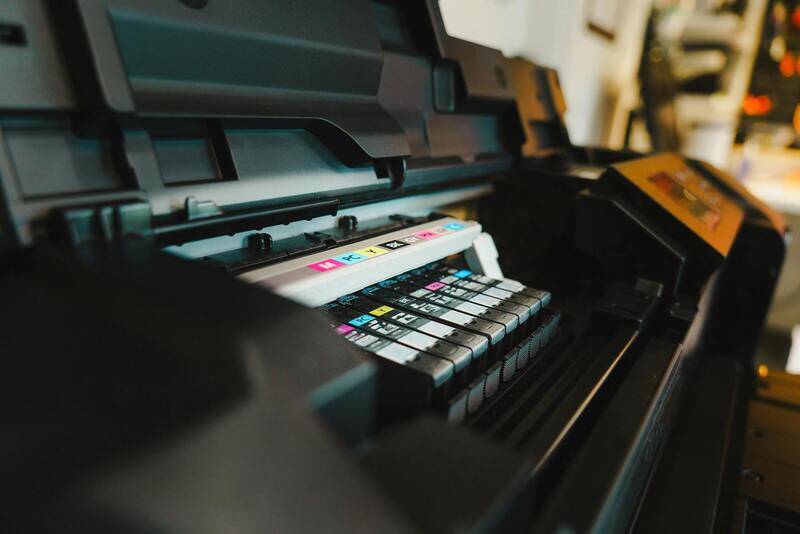
The printing technique used for big size photo prints affects the quality, texture, and color depth of the final product. Digital large-format printing, encompassing inkjet and dye-sublimation methods, is the most prevalent due to its versatility and high resolution capabilities. Inkjet printing, in particular, can produce detailed, vibrant images on various substrates, making it ideal for photographic reproductions.
Dye-sublimation printing is well-regarded for producing seamless, durable images with rich color gradations, often used for fabric or similar materials. The choice between these techniques should consider the type of material, desired finish, and long-term durability. For instance, inkjet printing excels on paper and canvas, while dye-sublimation is suitable for flexible substrates like fabrics.
Other specialized methods include UV printing, which involves curing ink with ultraviolet light for increased durability and weather resistance. When selecting a printing process, evaluate the color gamut, resolution, and compatibility with your chosen material to ensure the print meets your expectations for color accuracy and longevity.

Preparing Images for Large-Scale Printing
Preparation of your digital images is pivotal to achieving a high-quality big size photo print. The process begins with selecting images that possess sufficient resolution to prevent pixelation when enlarged. High resolution is not only about pixel count but also about avoiding artifacts such as noise or compression errors that can diminish print quality.
Use image editing software to resize your images to the final print dimensions while maintaining aspect ratio to prevent distortion. Sharpening images slightly can enhance clarity, but over-sharpening may result in unnatural edges. Color correction and adjustments for contrast, brightness, and saturation should be performed to ensure the image appears vibrant and well-balanced on the final print.
Active color profiles compatible with the printing process, such as Adobe RGB or sRGB, help in maintaining color consistency. Incorporate soft-proofing techniques within editing software to preview how your image will appear when printed on your chosen material. For complex images, consider consulting with professional editors or the printing provider to optimize image settings specifically for large-format reproduction.
Finally, saving your file in a format that preserves image quality, such as TIFF or a high-quality PDF, is essential. These formats retain all pixel and color information, ensuring your image remains pristine through the printing process. Equally important is sharing detailed instructions with your printer about desired finishes and any specific adjustments to meet your artistic vision.
Understanding Big Size Photo Prints
Big size photo prints serve as impactful visual displays that can dramatically transform any space, whether residential or commercial. Achieving a high-quality large-format print requires careful consideration of several technical and artistic factors. From choosing the right resolution to understanding how different materials interact with various printing techniques, each element contributes to the final aesthetic and durability of the print.
When considering large photo printing, it is crucial to start with high-resolution images that can withstand enlargement without loss of detail. Images captured with professional cameras or high-quality digital devices are ideal, as they contain sufficient pixel information to ensure clarity at larger sizes. Ensuring the image maintains proper aspect ratios during resizing prevents distortion, which could otherwise compromise the visual integrity of the composition. Professional editing software can assist in resizing and sharpening images, balancing enhancements without introducing artifacts or noise.
Color management also plays a vital role in producing vibrant, accurate prints. Utilizing color profiles such as Adobe RGB or sRGB enables better control over how colors are rendered, helping to achieve consistent results across different batches and materials. Soft-proofing techniques within editing programs allow previewing how colors will appear post-print, facilitating adjustments before the final output. When preparing an image for large format printing, it’s best practice to save the file in formats like TIFF or high-quality PDF, which preserve the maximum detail and color fidelity necessary for scaled-up reproductions.
Choosing the Right Materials for Large-Format Printing
The material selection will significantly influence the look, feel, and longevity of your big size photo print. Common options include gloss, matte, and luster finishes, each offering distinct visual effects and textured surfaces that impact color vibrancy and glare. Glossy materials enhance color depth and contrast but may reflect light, making them less suitable for brightly lit environments. Matte finishes offer a non-reflective surface, ideal for viewing in well-lit spaces and reducing fingerprints or smudges. Luster materials strike a balance, providing a subtle sheen with rich colors and reduced glare.
Durability is another critical consideration. For outdoor or high-traffic locations, weather-resistant materials like vinyl or laminated prints provide superior weatherproofing and UV protection, ensuring the image remains vibrant over time. Indoor displays might choose fine art papers or canvas, which impart texture and depth, adding a sophisticated touch to the presentation. Canvas prints are particularly popular for custom art pieces or photographic reproductions, as they lend an artistic and rustic aesthetic while offering some flexibility and stretchability.
Specialized substrates such as fabric, acrylic, or metal can also be used to create distinctive visual effects. Acrylic prints, for example, offer a sleek, modern appearance with high gloss and exceptional color clarity. Metal prints are highly resistant to environmental factors and water, making them ideal for both indoor and outdoor use.
Selecting Appropriate Printing Techniques
Several printing techniques are suited for producing big size photos, each with its own advantages based on the desired finish, durability, and budget. Large-format inkjet printing is the most common and versatile method, capable of utilizing a wide range of substrates and producing high-resolution, detailed images with vibrant colors. Pigment-based inks are preferred for their resistance to fading and environmental factors, ensuring longevity and color retention over time.
Solvent and Eco-solvent printing techniques are also prevalent, especially for outdoor applications, due to their exceptional weather resistance and adherence to diverse materials. These methods often produce prints with a glossy or semi-glossy finish, ideal for signage and large banners.
Latex printing has gained popularity as an environmentally friendly option—offering quick-drying, flexible, and durable prints suitable for indoor and outdoor displays. It supports a variety of media, including textured surfaces like fabric and wallpaper, expanding creative possibilities.
For fine art or photographic reproductions, giclée printing is considered the gold standard. It provides exceptional color accuracy, rich tonal ranges, and superior detail, making it ideal for custom art pieces or high-end gallery displays.
Preparing Images for Large-Scale Printing
Proper preparation of digital images is fundamental to achieving high-quality large format prints. Start by assessing your image resolution; ideally, images should have a resolution of at least 300 pixels per inch (dpi) at the final print size to ensure sharpness and clarity. When enlarging a photo, use specialized resizing algorithms within image editing software that minimize pixelation and preserve detail.
Color correction is essential; adjusting brightness, contrast, and saturation ensures the image appears vibrant and balanced once printed. Soft-proof your image in photo editing software, selecting the color profile that matches your intended material and printing process. This step helps identify potential color shifts or issues before production begins.
Sharpening images can enhance perceived detail; however, overly aggressive sharpening can introduce halos or unnatural edges. Instead, apply subtle sharpening after resizing and color adjustments. Consider performing final touch-ups such as removing dust spots, blemishes, or distracting elements to ensure the image is pristine.
Save your prepared image in the recommended high-quality format, such as TIFF or PDF, to prevent compression artifacts. Clearly communicate any specific instructions regarding finishes, borders, or mounting preferences to your printing provider to achieve the best results.
Understanding Big Size Photo Prints
Creating impactful large-format photos requires attention to several critical factors, from selecting the appropriate materials to choosing the right printing techniques. Knowing how to prepare and execute the process ensures that your big size photo print maintains its visual integrity and appeals to your desired aesthetic. Whether you aim to showcase a monumental landscape or a detailed family portrait, understanding the fundamentals of big photo printing sets the foundation for successful results.
Factors Influencing the Quality of Big Size Photo Prints
- Resolution and Image Quality: High resolution is pivotal when enlarging images. As a rule of thumb, ensure your digital files have a resolution of at least 300 pixels per inch (dpi) at the final print dimensions. This prevents pixelation and retains sharpness. For instance, a print size of 48 inches by 36 inches would ideally require an image with a minimum resolution of 14,400 x 10,800 pixels.
- Color Accuracy: Accurate color reproduction depends on proper calibration of screens and printers. Soft-proof your images to preview how colors will translate onto your chosen material, making necessary adjustments for saturation, brightness, and contrast.
- Material Selection: The material used influences not only the aesthetic but also the durability of the print. Common options include canvas, vinyl, and high-quality photo paper, each offering unique textures and longevity.
- Printing Technique: The method employed, whether dye sublimation, UV printing, or solvent-based printing, affects color vibrancy, resistance to environmental factors, and overall image sharpness.
Common Uses for Big Size Photo Prints
- Decorating expansive commercial or exhibition spaces
- Creating memorable murals for interiors or exteriors
- Showcasing large personal or family photographs in residential settings
- Designing promotional displays for marketing campaigns

Understanding Big Size Photo Prints
Big size photo prints serve as powerful visual statements, whether for commercial displays, art installations, or personal collections. When producing these large-scale images, attention to detail in resolution, material selection, and printing technique significantly influences the final result. The right choice can transform an ordinary photograph into a striking piece capable of captivating viewers across vast spaces. High-quality printing ensures that the image’s vibrancy, sharpness, and color accuracy are preserved, regardless of scale.
Key Elements in Big Size Photo Printing
- Resolution: Ensuring images are high-resolution (minimum 300 dpi at final size) is essential to prevent pixelation.
- Material: Options such as canvas, vinyl, or high-grade photo paper should be chosen based on desired aesthetic and environment.
- Technique: The printing process—dye sublimation, UV, or solvent—affects durability and visual quality.
Design Considerations for Large-Scale Prints
Designing for large format requires a focus on simplicity and clarity. Avoid cluttered compositions; instead, emphasize bold visuals and minimal text. Use high-contrast color schemes to enhance visibility from a distance. When incorporating text, select large, legible fonts that do not compromise the overall aesthetic. Additionally, maintain alignment and balance in your layout to ensure that the visual narrative remains impactful at any viewing distance.
Ensuring Accurate Color Representation
Color consistency is vital in large photo prints. Utilize calibrated monitors and printers to match colors precisely. Soft-proof your images before printing to anticipate how colors will look on your chosen material. Adjust saturation, brightness, and contrast as needed to achieve the intended effect, especially when working with vivid or subtle color palettes. Consistent lighting conditions during installation also help preserve color fidelity over time.
Material Options and Their Impact
- Canvas: Offers a textured, artistic look with good durability, suitable for both indoor and outdoor displays.
- Vinyl: Ideal for banners and murals due to its weather-resistant properties.
- Photo Paper: Provides exceptional image quality for indoor applications, with options including gloss, matte, or satin finishes.
Technical Methodology in Large-Format Printing
Choosing a suitable printing technique aligns with the material and environmental considerations. UV printing offers high durability and vividness, often used indoors or in sheltered outdoor areas. Dye sublimation is excellent for fabric-based prints, providing vibrant, long-lasting colors. Solvent-based printing performs well outdoors, resistant to fading and weather conditions. Professional print providers often employ the latest technology to ensure precise results, making it imperative to collaborate with experienced specialists.