Overview of Big Size Printing
Big size printing, also known as large-format printing, encompasses the production of images, graphics, and text on surfaces that exceed standard print dimensions. This form of printing is essential across multiple industries, from advertising and retail to architecture and event management. In Singapore, businesses leverage big size printing to create impactful visual communications that demand attention and communicate messages effectively from afar.
Typically, large-format printing includes banners, billboards, wall murals, trade show displays, vehicle wraps, and outdoor signage. The primary objective is to produce visually striking materials that can be viewed from a distance, making them ideal for brand promotion, directional signage, and promotional events. The versatility and scalability of big size printing allow brands to customize their messaging across various scales, ensuring consistency and high visibility across different settings.

Moreover, the scope of big size printing extends beyond just visual impact; it also involves considerations like material selection, durability, and installation logistics. Whether for temporary signage at exhibitions or permanent outdoor displays, the right large-format printing solution can significantly enhance visibility and brand recognition.
This segment of printing technology is continually evolving with innovations that offer higher resolution, faster production speeds, and greater environmental sustainability. As a result, businesses seeking compelling large-scale graphics are better equipped to achieve their marketing objectives efficiently and effectively in Singapore’s competitive landscape.
Types of Large-Format Printing Technologies
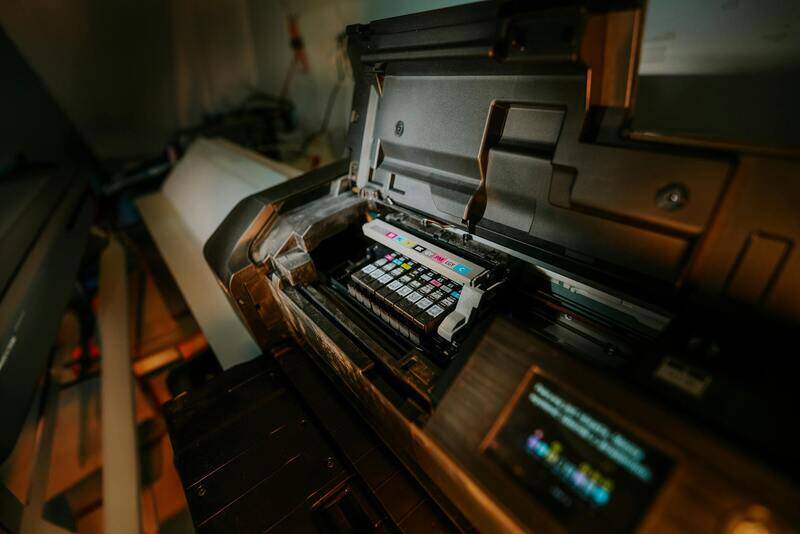
To achieve high-quality, vibrant large-format prints, various advanced printing technologies are employed, each suited to different applications and material types. Inkjet printing remains the most prevalent method, especially for high-resolution images requiring sharp detail and color accuracy. This technology uses tiny nozzles to spray droplets of ink directly onto substrates, enabling detailed graphics on various materials such as fabric, paper, vinyl, and mesh.
Solvent printing introduced a shift toward more durable, weather-resistant outputs. It utilizes solvent-based inks that penetrate the material’s surface, providing excellent adhesion and longevity, especially on outdoor signage. This method is favored for banners, vehicle wraps, and outdoor advertising that must withstand harsh environmental conditions.
Eco-solvent printing further refines this approach by using environmentally friendly solvents with lower volatile organic compounds (VOCs). It offers a balance of durability and reduced environmental impact, making it a preferred choice for businesses prioritizing sustainability. Eco-solvent printers are capable of producing vibrant, detailed images suitable for both indoor and outdoor applications.
Other emerging technologies include UV printing, which allows direct printing onto non-porous surfaces like acrylics and metals. This method cures the ink instantly with ultraviolet light, resulting in highly durable images with three-dimensional effects. UV printing is ideal for premium signage, displays, and custom interior decor.
The choice of technology impacts not only the visual quality but also factors like production speed, cost, and environmental footprint. With ongoing innovations, businesses can now access large-format printing solutions that combine high resolution, rapid turnaround, and eco-friendliness to meet diverse marketing needs.
Popular Materials for Big Size Printing
Choosing the appropriate substrate is a crucial step in ensuring the success and longevity of large-scale printing projects. The selection process depends on the intended application, environmental exposure, and desired aesthetic effect. Diverse materials are available for big size printing, each offering distinct advantages suited to various needs.
Vinyl
Vinyl is among the most common materials used in large-format printing due to its versatility, durability, and cost-effectiveness. It comes in various formulations, including calendared and cast vinyl, which differ in thickness, flexibility, and lifespan. Calendar vinyl is typically more affordable and suitable for short-term applications, while cast vinyl provides superior conformability and durability, ideal for vehicle wraps and outdoor signage. Vinyl substrates are resistant to water, UV rays, and tearing, making them an excellent choice for exterior displays.
Fabric
Fabric is increasingly favored for its high-quality appearance and ease of installation. Materials like polyester and cotton blends are used to produce banners, backdrops, and fabric wall coverings. Fabric provides a soft, matte finish that reduces glare, enhancing visual clarity, especially for indoor displays. It is also breathable, making it suitable for environments where air circulation is vital. Advanced dye-sublimation printing on fabric enables vibrant, detailed images with excellent color retention.

Wallpaper and Wall Coverings
Large-format printing on wallpaper is employed for interior design projects, branding environments, and art installations. These materials are available in textured and smooth finishes, allowing for creative flexibility. High-quality wallpaper substrates such as vinyl-coated paper or non-woven fabric ensure durability and ease of installation. Digital printing enables custom patterns and artwork, transforming spaces with personalized aesthetics.
Rigid Materials
Rigid substrates like foam boards, acrylics, aluminum composite panels, and PVC sheets are suitable for both indoor and outdoor applications that require sturdiness. These materials are often used for trade show displays, point-of-sale signage, museum exhibits, and architectural features. Printing directly onto rigid surfaces with UV or solvent-based techniques ensures the images are durable, scratch-resistant, and visually striking.
Considerations for Material Choice
- Environmental Exposure: Materials like vinyl and rigid plastics excel outdoors, resisting weathering and UV damage. Indoor projects may utilize fabric or wallpaper for aesthetic appeal.
- Longevity: For long-term installations, durable materials such as cast vinyl and rigid panels are recommended. Short-term projects can leverage more economical options.
- Visual Quality: The surface finish influences image sharpness and color vibrancy. Matte surfaces reduce glare, while gloss finishes enhance brightness.
- Installation Flexibility: Flexible substrates like vinyl and fabric are easier to apply to curved or complex surfaces, whereas rigid materials require precise handling and mounting options.
In-depth knowledge of material properties and application requirements guides the selection process, ensuring that print outputs are both visually appealing and resilient against environmental factors. Whether for outdoor advertising, interior decoration, or high-end displays, the right substrate makes a significant difference in achieving desired operational outcomes and maintaining visual integrity over time.
Details on Material Selection and Preparation for Big Size Printing
Choosing the appropriate material is a critical step in producing high-quality large-scale prints. Different projects demand specific substrates that can withstand environmental elements, meet aesthetic requirements, and offer durability over time. An understanding of material properties aids in making informed decisions that enhance the final output.
Key Material Options for Large-Format Printing
- Vinyl: Versatile and cost-effective, vinyl is suitable for indoor and outdoor applications. It offers flexibility, ease of installation, and resistance to weather conditions, making it a top choice for banners, vehicle wraps, and signage.
- Fabric: Often used for tension banners, backdrops, and event displays, fabric provides a refined finish with vibrant color reproduction. Its lightweight nature simplifies installation and allows for seamless large displays.
- Rigid Panels: Materials such as foam board, Dibond, acrylic, or PVC are ideal for wall-mounted displays, point-of-sale units, and decorative installations. They deliver crisp images with a premium appearance and excellent durability.
- Paper and Wallpaper: For interior decor or temporary promotions, high-quality printing on specialty paper or wallpaper offers aesthetic elegance and detailed imagery.
Preparation for Optimal Printing Outcomes
Proper preparation of digital files is essential to maximize resolution, color accuracy, and overall visual impact. High-resolution images ensure that details remain crisp when enlarged; generally, a DPI (dots per inch) of at least 150-300 is recommended for large-format prints. Color management involves calibrating monitors and using standardized color profiles, such as sRGB or Adobe RGB, to maintain consistency between digital files and printed results.
Design adjustments, including scaling, bleed settings, and safety margins, must be tailored to meet the specific dimensions and padding requirements. Vector graphics are preferred for logos and illustrations to prevent pixelation, while raster images should be of the highest quality available.
Considerations for Environmental Factors and Long-Term Durability
Materials selected for big size printing should align with intended environmental exposure. For outdoor signage, resistant materials like cast vinyl or coated rigid panels offer enhanced UV, moisture, and scratch resistance. Indoor displays may focus more on visual appeal, using matte or gloss finishes to suit lighting conditions.
Role of Professional Printing Services in Material Handling and Setup
Professional printing providers possess expertise in handling and preparing various substrates. They offer guidance on suitable materials based on project goals and environmental considerations and ensure proper tensioning, mounting, and finishing techniques. Proper handling minimizes distortions, wrinkles, or damage during installation, contributing to a polished, high-quality appearance.
Environmental and Durability Factors
When selecting materials for big size printing, it is essential to consider the environmental exposure and the longevity requirements of the final product. Outdoor signage, billboards, and building wraps are exposed to the elements and demand materials with superior resistance to UV rays, moisture, and physical wear. Cast vinyl films and rigid substrates coated with weatherproof finishes are preferred options in these scenarios, ensuring the printed graphics remain vibrant and intact over time. For indoor applications, aesthetic qualities such as matte or gloss finishes can be chosen to optimize lighting conditions and visual appeal without compromising durability.
Temperature fluctuations, wind, and pollution can impact outdoor displays, making it crucial to select materials that resist environmental stressors. Additionally, for structures in harsh climates or regions with frequent exposure to sunlight, UV-proof coatings and specialized inks can extend the lifespan of the printed materials significantly. Properly sealed and laminated prints further enhance resistance to scratches, fading, and moisture ingress, maintaining a professional appearance throughout their lifespan.
Understanding the interaction between materials and environmental factors allows for more accurate planning and execution. For instance, using perforated window vinyl provides both visual impact and airflow while resisting wind pressures and weather conditions. When outdoor visibility and branding are critical, selecting the appropriate substrate not only ensures visual consistency but also reduces the need for frequent replacements, ultimately optimizing ROI.
Long-term outdoor displays should also be maintained with periodic cleaning to remove dirt, dust, and pollutants that can accelerate deterioration. The application of protective clear coats or overlays can provide an additional layer of defense, preserving the vibrancy of colors and sharpness of images across its intended lifespan.
Choosing the Right Material for Specific Environments
- Cast Vinyl: Ideal for outdoor banners and vehicle wraps due to its high conformability and resistance to weathering.
- Rigid Panels (Aluminum, Foam Board): Suitable for long-term outdoor signage that requires structural integrity.
- Polypropylene and PVC Films: Versatile options for both indoor and outdoor applications with varying degrees of weather resistance.
- Laminates and Coatings: Used to shield prints from UV damage, scratches, and moisture, extending their durability.
Handling and Maintenance for Long-Lasting Results
Proper handling during transport and installation is crucial to prevent damage and ensure a seamless appearance. Professional print services employ specialized techniques to tension and mount large prints accurately, minimizing wrinkles and distortions. Regular maintenance, including cleaning with gentle, non-abrasive solutions, helps preserve the visual quality and extends the lifespan of large-scale prints. When necessary, protective overlays or lamination can shield the graphics from environmental wear and tear, maintaining their vibrant and sharp presentation over time.
Full-Scale Commercial and Event-Driven Big Size Printing
For businesses and organizations seeking to maximize their visibility, large size printing offers unparalleled opportunities to make a bold statement. From massive banners that span entire building facades to towering billboards that dominate cityscapes, this form of print delivers impactful messaging that captures attention from afar. Moreover, at bustling trade shows, expos, and festivals, oversized visuals serve as focal points that attract foot traffic and foster brand recognition.
In commercial scenarios, big size printing is often integrated into strategic advertising campaigns. These impactful visuals are designed to not only promote products or services but also to reinforce brand identity through consistent use of logos, color schemes, and messaging. The versatility of large-format printing allows for customization in dimensions, materials, and finishing options, which enables tailored solutions to meet specific spatial and aesthetic requirements.
Event organizers also leverage large prints for directional signage, stage backdrops, and promotional displays. These elements are critical for creating immersive atmospheres, guiding visitors effectively, and ensuring promotional messages resonate throughout the event venue. The durability and weather resistance of the printed materials further enhance their functionality, ensuring they stand up to various environmental conditions while maintaining visual integrity.

Additionally, innovative techniques such as double-sided banners and retractable displays expand the utility of big size printing, offering dynamic and versatile options suited for both short-term campaigns and long-term installations. These solutions are often complemented with advanced mounting and tensioning systems to ensure flawless presentation, even in challenging conditions.
Cost considerations are also pivotal when planning large-scale print projects. While initial investments can be significant, the high impact and extended lifespan of properly executed big size prints typically justify the expenditure. Careful planning, material selection, and adherence to professional standards during production and installation are essential to achieving a successful and durable outcome that delivers maximum return on investment.
Environmental and Durability Factors
When selecting materials and techniques for big size printing, it is essential to consider environmental exposure and long-term durability. Outdoor applications, such as billboard advertisements, building wraps, or outdoor event banners, demand materials that can withstand fluctuating weather conditions, including rain, sunlight, and wind. UV-resistant inks and weatherproof substrates not only preserve the vividness of the printed images but also extend the lifespan of the display. In indoor settings, factors like abrasion resistance and ease of maintenance become more prominent, ensuring the displays remain crisp and attractive over time.
Materials chosen for large format prints should also align with sustainability goals. Eco-friendly substrates made from recycled or biodegradable materials are increasingly preferred. These options reduce environmental impact without compromising quality or durability. Additionally, users should evaluate the printing process itself, opting for environmentally conscious inks and consumables that emit fewer volatile organic compounds (VOCs), contributing to healthier indoor environments.
Protective Coatings and Finishing Techniques
To further enhance durability, protective coatings are often applied post-printing. These coatings act as barriers against scratches, moisture, and UV damage, securing the visual integrity of the large print projects. Laminations, either gloss, matte, or satin, add another layer of protection while also influencing the aesthetic finish. Gloss laminates boost brightness and color vibrancy, suitable for eye-catching promotional signage; matte finishes diffuse light, reducing glare for readability in well-lit environments.

Handling and Maintenance
Proper handling during installation and routine maintenance significantly affects the longevity of big size prints. Skilled installation ensures that the prints remain taut and properly mounted, preventing sagging, curling, or damage caused by improper tensioning. Regular cleaning with suitable materials, avoiding abrasive substances, helps preserve the print’s appearance without causing surface abrasions.
In high-traffic or outdoor locations, routine inspections can catch early signs of wear, such as fading or minor tears, allowing for timely repairs or replacements. This proactive approach minimizes downtime and maintains the visual impact of the displayed content.
Cost Management and Investment
Balancing quality and budget is crucial when planning large-scale printing projects. Investing in durable materials and advanced printing technologies ensures the project achieves its intended lifespan and visual impact. While the initial costs might be higher, the extended durability and reduced maintenance expenses offer long-term savings. Furthermore, selecting versatile materials that perform well in multiple environments can optimize the overall expenditure, making big size printing a cost-effective advertising and signage option.
Comprehensive Guide to Big Size Printing Techniques and Best Practices
Understanding Precise Methods to Achieve Scaling Perfection
For large-scale printing projects, selecting the appropriate method is critical to ensure the final product aligns with design expectations and functional needs. Industry-standard methods include ultra-high-resolution digital printing, which utilizes advanced inkjet or solvent printers capable of producing detailed images with vibrant colors over expansive surfaces. This technology is ideal for producing banners, murals, and exhibition displays due to its ability to deliver sharp visuals and consistent quality across large formats.
Screen printing, although more traditional, offers advantages for certain applications requiring thick ink layers or special effects. Its suitability diminishes with increasing sizes due to complexity and cost but remains relevant for bulk production of repetitive designs on larger surfaces like fabric banners or textile-based signage. Additionally, UV flatbed printing provides a versatile approach where images are printed directly onto rigid substrates without the need for additional mounting, offering high durability and vivid color reproduction.
Implementing Effective Color Management and Scaling Protocols
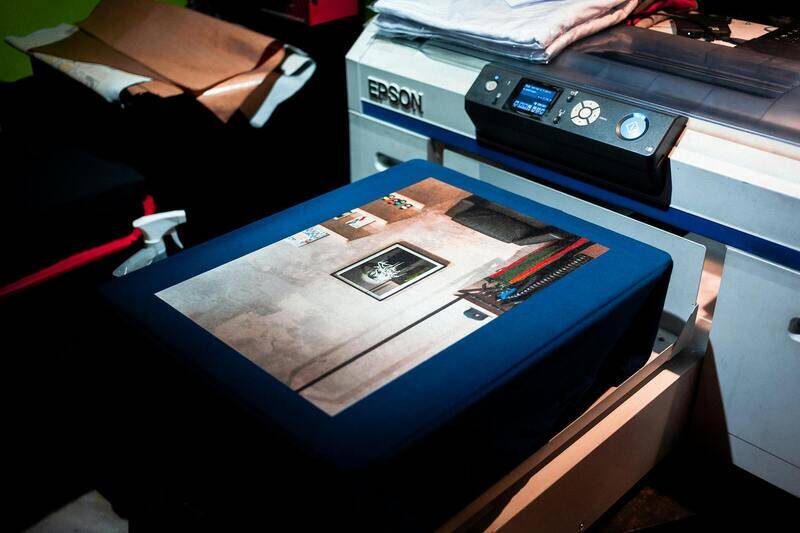
Achieving consistent color reproduction at large scales requires meticulous calibration of printers, color profiles, and materials. Color management systems are employed to ensure that the hues displayed on digital files are accurately translated onto physical substrates. This process involves profiling printers, monitoring ink density, and employing standardized color spaces such as CMYK or Pantone to facilitate matching colors precisely, even across different print jobs or batch productions.
Scaling graphics for large-format printing also involves considerations of resolution. Generally, a minimum of 150 dpi at final viewing distance is recommended to preserve image clarity without unnecessary ink coverage, which could increase costs and reduce production efficiency. Advanced software solutions enable seamless scaling of images, ensuring that resolution and quality are maintained to meet specified dimensions without distortion or pixelation.
Secure Handling and Maintenance for Longevity
Proper handling during transportation and installation plays a vital role in maintaining optimal print quality. Skilled technicians utilize specialized tools and techniques to avoid creases, tears, and surface abrasions. Once installed, routine maintenance, such as gentle cleaning with non-abrasive materials, helps preserve gloss, color vibrancy, and surface integrity.
For outdoor applications, protective coatings such as lamination or UV-resistant overlays are highly recommended. They act as barriers against environmental stressors like UV rays, moisture, and dirt, extending the lifespan of the print. Regular inspections enable early detection of fading, peeling, or surface damage, facilitating timely interventions that sustain aesthetic appeal and function.
Considerations for Cost Efficiency and Strategic Investment
Balancing initial investment with long-term benefits involves selecting high-quality materials and leveraging advanced printing technologies. Though premium substrates and equipment may entail higher upfront costs, they translate into longer service life and reduced maintenance expenses. This strategic approach ensures that large-format prints remain impactful over time.
Versatility in material choice, such as weather-resistant vinyl, fabric, or rigid panels, offers flexibility to adapt prints to various environments—indoor or outdoor—while optimizing overall expenditure. Exploring multiple options allows businesses to tailor their investments based on specific project requirements, ultimately maximizing ROI and enhancing brand visibility through durable, high-quality large-scale graphics.