Understanding Big Print Sizes
Big print sizes refer to printed materials that significantly exceed standard dimensions, often measuring several feet in width and height. These large-scale prints are essential for impactful visual displays, outdoor advertising, banners, signages, trade show backdrops, and murals. The defining characteristic of these prints is their size, which allows for visibility from considerable distances and offers a commanding presence in public and private spaces.
The importance of big print sizes extends across multiple industries and application domains. In commercial advertising, large prints draw attention and communicate messages effectively in bustling environments such as city centers, shopping malls, and transportation hubs. For event environments, such as conferences or exhibitions, oversized prints serve to guide attendees and promote brands with panoramic visuals. Additionally, in interior decor or art installations, big prints provide immersive experiences that leave lasting impressions.

Achieving optimal results with big print sizes involves understanding various technical aspects, including resolution requirements, material selection, and finishing techniques. Proper planning ensures that the visual impact is preserved without compromising clarity or quality. As such, selecting the appropriate dimensions for your project is a critical step toward effective communication and aesthetic appeal.
When considering big print sizes, manufacturers and designers must balance visual impact with practical constraints such as installation space, viewing distance, and budget. The objective is to produce a print that maintains high fidelity and vibrant color reproduction, regardless of its size. This involves using advanced printing technologies capable of handling large formats while ensuring consistent color accuracy and sharpness across the entire surface.
In summary, big print sizes are a vital component of visual communication strategies across numerous sectors. They transform simple messages into bold statements that command attention and convey messages powerfully. Understanding the criteria that define and influence large-format printing is fundamental for producing successful and impactful print projects.
Choosing the Right Big Print Size
Determining the optimal dimensions for a large print project requires a comprehensive understanding of the intended viewing environment and the message's purpose. The size should enhance visibility without overwhelming the space or causing distortion. To select appropriately, factors such as the viewing distance, available installation space, and the type of content to be displayed must be carefully considered.
For instance, outdoor banners intended to be viewed from afar benefit from larger dimensions, often exceeding 10 feet in width or height, to maximize impact. Conversely, indoor posters or signage viewed at close quarters should be proportioned to maintain readability and sharpness. A common guideline involves evaluating the typical viewing distance and adjusting the print size so that the text and visuals are legible from that point without requiring viewers to approach closely.
Furthermore, the resolution quality of the digital artwork plays a pivotal role. High-resolution images with ample pixel density ensure that, regardless of size, the print remains clear and visually appealing. Crafting a balanced design that considers the natural flow of the space, the focal points, and the overall branding message helps in selecting a size that aligns with both aesthetic and functional goals.

Printing Technologies Supporting Large Sizes
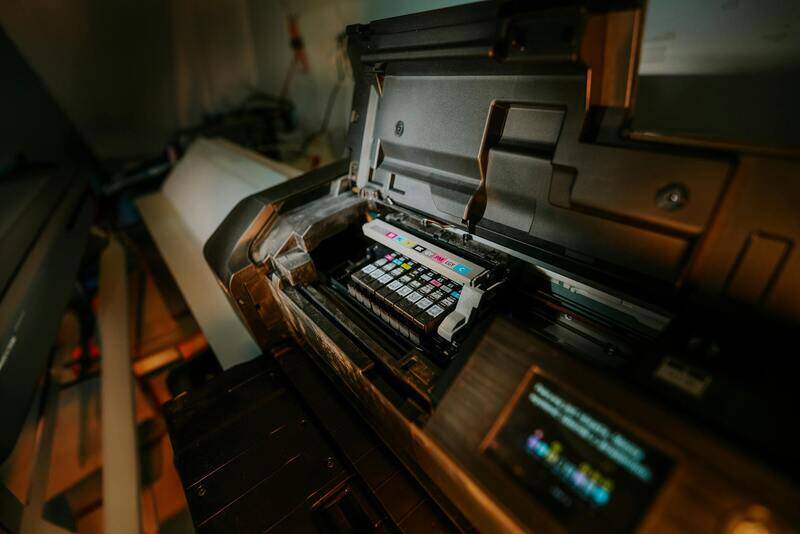
Advancements in printing technology have revolutionized the production of big print sizes, enabling high-quality outputs that meet diverse project requirements. Wide-format printers utilizing solvent, UV, latex, or aqueous ink systems are capable of rendering vibrant, durable images across expansive surfaces.
UV printing technology, in particular, supports large-format production by allowing direct printing onto rigid or flexible substrates with excellent color fidelity and environmental resistance. Latex printers are also popular for their eco-friendly ink systems and ability to produce flexible prints with sharp details and vibrant colors. These technologies ensure consistent quality, even at extreme sizes, without compromising detail or color accuracy.
Parallel to hardware developments, high-resolution digital file processing and color management software enhance output precision. Proper calibration and profiling of printers, combined with advanced software, guarantee that large prints display true-to-original colors, sharp text, and detailed images across the entire surface area.

Materials and Finishing Options for Big Prints
Material selection for large prints significantly influences their durability, appearance, and suitability for specific environments. Common substrates include vinyl, canvas, fabric, paper, and rigid materials such as acrylic or aluminum panels. Each material offers unique benefits: vinyl is weather-resistant and ideal for outdoor banners, while canvas provides a premium, textured look suitable for art reproductions and interior decor.
Finishing options enhance the longevity and visual appeal of big prints. Laminating provides added protection against scratches, UV rays, and moisture, extending the lifespan of outdoor banners. Grommet installation, Pole pockets, or hemming facilitate easier mounting and handling, offering structural stability and a clean presentation.
Additionally, matte, gloss, or satin finishes can be applied to influence the visual texture and light reflection, allowing customizations based on client preferences or environmental lighting. Thermally bonded or sewn reinforcements are recommended for extra durability in large-scale, high-traffic displays.

Design Considerations for Big Prints
Designing for large print sizes demands careful attention to visual hierarchy, color accuracy, and readability. Since details can diminish or become pixelated at larger scales, high-resolution artwork with scalable vectors for logos and text is ideal. Ensuring sufficient contrast between text and background enhances visibility from a distance.
Furthermore, simplifying complex images, avoiding overly intricate patterns, and prioritizing bold, clear messaging improve overall effectiveness. Consideration should also be given to the placement of key visual elements to avoid distortion when the print is viewed from different angles. Consistent margin and bleed settings are essential to prevent unintended cropping during production.
Color consistency across large runs or multiple copies should be maintained with proper proofing and calibration processes. This meticulous approach guarantees uniformity, a vital aspect of professional-grade large-format printing.
Choosing the Right Big Print Size
Determining the optimal size for large prints involves multiple key considerations to ensure that the visual communication is effective and impactful. The intended viewing distance is paramount; larger sizes are generally necessary for audiences perceiving from afar, such as in outdoor signage or stadium displays. Conversely, for indoor environments where viewers are closer, slightly smaller or medium-large prints can achieve clarity without overwhelming the space.
Assess the purpose of the print—whether it is meant to attract attention from a distance, serve as an informational display, or create a visual focal point within a space. The nature of the content also influences size; bold graphics and minimal text are better suited for larger formats, while detailed images or complex information may require a more balanced approach to avoid pixelation or loss of detail.
Available space within the environment plays a crucial role as well. Large prints should complement the architectural elements and not impede movement or visibility. This necessitates precise measurement and planning to integrate the graphic seamlessly into the environment while maximizing its visual influence.
When selecting dimensions, it's also beneficial to consider the proximity of the audience. For instance, indoor banners might be effective at a few feet away, requiring moderate scaling, whereas outdoor posters viewed from hundreds of meters demand significantly larger sizes. Advanced tools and templates can assist in calculating the ideal dimensions, ensuring the print commands attention without surpassing spatial constraints.
Factors Influencing Large Print Dimensions
- Viewing distance and audience location
- Intended message clarity and readability
- Available environmental space
- Content type: image-only versus text-heavy
- Architectural and spatial harmony
Careful evaluation of these parameters ensures that your large print size aligns with operational goals and aesthetic standards. Proper planning not only enhances visual impact but also optimizes the use of resources, avoiding unnecessary expense or disproportionate graphics that may diminish overall effectiveness.

Understanding Big Print Sizes
Creating large print displays involves a nuanced understanding of dimensions that optimize visibility, impact, and audience engagement. The process begins with assessing the space where the print will be installed. Interior and exterior environments pose different requirements, influencing the final size chosen. For instance, wall graphics in spacious lobbies may require dimensions that fill the entire wall to command attention, while smaller retail displays might benefit from more moderate sizing that balances visibility without overwhelming the space.
One critical aspect in determining suitable big print sizes is the expected viewing distance. The farther away viewers will be from the graphic, the larger the print needs to be to maintain clarity and readability. A billboard viewed from a highway must be significantly larger than a poster seen from a few meters in a retail store. Accurate measurements and careful calculations are essential to ensure the graphic remains impactful without being unnecessarily oversized, which could lead to resource wastage. Advanced design tools and templates can assist in these calculations, factoring in resolution thresholds to prevent pixelation at large scales.
The content type also influences size. Image-centric graphics, such as photographs or artwork, demand higher resolution to preserve detail when enlarged. Conversely, bold typography or minimalistic designs can be scaled more flexibly, provided the font size and line weight are appropriate for distant viewing. Architectural harmony and spatial considerations must also be evaluated; oversized prints should complement their environment, not clash with structural elements or reduce navigation pathways.

Effective planning involves considering the entire visual and spatial context, including surrounding elements, lighting conditions, and the movement of viewers. This ensures that the graphic not only captures attention but also integrates seamlessly into the environment, maximizing its visual influence. Whether designing for branding, wayfinding, or promotional purposes, attention to print size ensures that each project communicates its message clearly and professionally.
Understanding Big Print Sizes
When creating large print visuals, it is critical to determine the appropriate dimensions that will maximize visual impact while maintaining clarity and readability. The key factors influencing print size include the viewing distance, the complexity of the graphic, and the intended environment. For example, a billboard designed for high-speed road viewing must be substantially larger than indoor banners intended for close-up inspection. With the proper calibration, large prints can serve as dominant visual anchors that attract attention from afar increasingly, the size should be proportional to the viewer's typical distance and the visual message's importance.
Effective measurement begins by establishing the viewing distance—general industry guidelines recommend that the letter height should be approximately 1/1000 of the viewing distance for optimal readability. An outdoor advertisement meant to be seen from hundreds of meters away will require larger dimensions than a print viewed within a few meters. To accurately plan, designers often use digital modeling tools to simulate how graphics will appear at scale, ensuring sharpness, legibility, and visual harmony. Calibrating resolution is equally essential; large prints must be produced with sufficient pixels per inch (PPI) to prevent pixelation or blurriness. Typically, 150 to 300 PPI at final size suffices, depending on viewing distance and print material.

Common Applications of Large Prints
- Billboards and outdoor signage that require high visibility from afar.
- Event banners and backdrops designed to draw attention in crowded environments.
- Retail store displays and window graphics that engage passersby and promote products or services.
- Architectural and interior murals enhancing design aesthetics.
- Vehicle wraps used for mobile advertising that demand precise, large-scale printing.
The versatility of large prints allows them to serve diverse purposes across various sectors. Selecting the appropriate size for each application enhances their effectiveness, ensuring that the graphic remains legible and visually appealing regardless of the viewing context. Proper sizing also helps optimize material usage, reduce costs, and streamline installation processes. When aligned with the environment and audience characteristics, big prints become powerful tools for branding, wayfinding, or visual storytelling.
Choosing the Right Big Print Size
To select the optimal dimensions, consider factors such as the physical space, intended message, and viewer interaction. Start by analyzing the environment—whether the graphic will be placed outdoors or indoors—and identifying the typical viewing distance. For outdoor signage, sizes often range from 4 feet by 8 feet to over 20 feet in width, ensuring visibility from long distances. Indoor graphics, such as murals or promotional posters, tend to be smaller but still need to be sufficiently large to capture attention from across the room.
Designers should also assess the content type; high-resolution photographs or detailed artwork demand larger sizes to preserve clarity, while bold typography and minimalistic designs can be scaled down without loss of impact. It is vital to balance size with the physical constraints of installation points and structural support. Scaling too large may lead to logistical challenges, while undersized graphics risk not achieving the desired prominence. Collaborative planning that considers environmental factors, viewer placement, and content complexity is essential for making informed size decisions.

Printing Technologies Supporting Large Sizes
Advancements in printing technology have enabled high-quality large-format printing with efficiency and precision. Wide-format printers, such as solvent, UV, and latex printers, can produce dimensions exceeding 16 feet in width comfortably. Each technology offers specific benefits; solvent and UV printers typically yield durable outdoor graphics with vibrant color fidelity, while latex printers emphasize environmental sustainability and versatility. Understanding the capabilities and limitations of these systems is crucial when planning big print projects.
Digital printing at large scales requires specialized equipment capable of handling extensive media rolls without compromising detail. This process often involves tiling or paneling large prints to facilitate transportation and installation, ensuring seamless visual continuity. Modern printing solutions also incorporate advanced color management systems, allowing for consistent color reproduction across multiple panels or sections, which is vital for maintaining visual integrity in expansive graphics.
Additionally, finishing options such as laminating or coating enhance durability, UV resistance, and overall appearance. The choice of material and finishing method depends on the application environment—outdoor signs necessitate weather-resistant coatings, while indoor graphics may focus on aesthetic enhancements such as matte or gloss finishes. With the right combination of technology and materials, large prints can achieve professional quality, longevity, and striking visual impact.
Understanding Big Print Sizes
When considering large-format printing, it is essential to have a clear understanding of what constitutes a 'big print.' Typically, these are graphics, banners, posters, or signs that extend beyond the typical dimensions used for standard printing. The scale of big prints can range from several feet to entire billboards. These dimensions are achievable through specialized printing technologies designed to handle extensive media and high-resolution output. Knowing the parameters of your project, such as the required width, height, and intended viewing distance, will guide you toward the appropriate size options.

The size of a print directly influences its visual impact and effectiveness. Larger prints are particularly effective in outdoor advertising, event backdrops, and architectural signage where visibility from a distance is critical. It is important to evaluate the space where the print will be displayed and consider how the dimensions will integrate with surroundings to achieve the desired effect. Off-the-shelf large prints are often customizable, allowing for flexibility in dimensions while maintaining high-quality resolution and color fidelity.
Common Applications of Large Prints
Big print sizes are employed across various industries and settings, including:
- Outdoor advertising: Billboards, transit posters, and building wraps designed to attract attention from afar.
- Event graphics: Backdrops, stage banners, and signage that create immersive environments.
- Retail displays: Point-of-sale banners and window graphics that enhance advertising efforts.
- Architectural signage: Wayfinding signs and building identifiers integrated into urban landscapes.
- Interior decor: Wall murals and large-format artwork for commercial and residential interiors with spatial limitations.
The diversity of applications emphasizes the importance of selecting the appropriate dimensions for each purpose, factoring in viewing distance, lighting conditions, and material suitability.
Choosing the Right Big Print Size
Determining the most suitable dimensions for a large print involves balancing visibility, aesthetic appeal, and practicality. To optimize your investment:
- Assess the viewing distance: Larger sizes are generally necessary when the audience is expected to view the print from a distance. For example, billboards are designed to be seen from hundreds of meters away, necessitating proportionally larger dimensions.
- Consider the environment: Outdoor settings require more durable materials and finishes that can withstand weather elements, influencing size and format choices.
- Account for installation space: Ensure the selected size fits within the physical constraints of the installation area without compromising visual impact.
- Optimize resolution: Larger sizes require high-resolution images to maintain clarity and detail, especially when viewed up close.
- Match the purpose: The intent of the print—whether to inform, advertise, or decorate—will guide size selection to maximize effectiveness.
Printing Technologies Supporting Large Sizes
Modern large-format printing relies on advanced technologies capable of producing high-quality, big print sizes efficiently. Key equipment includes:
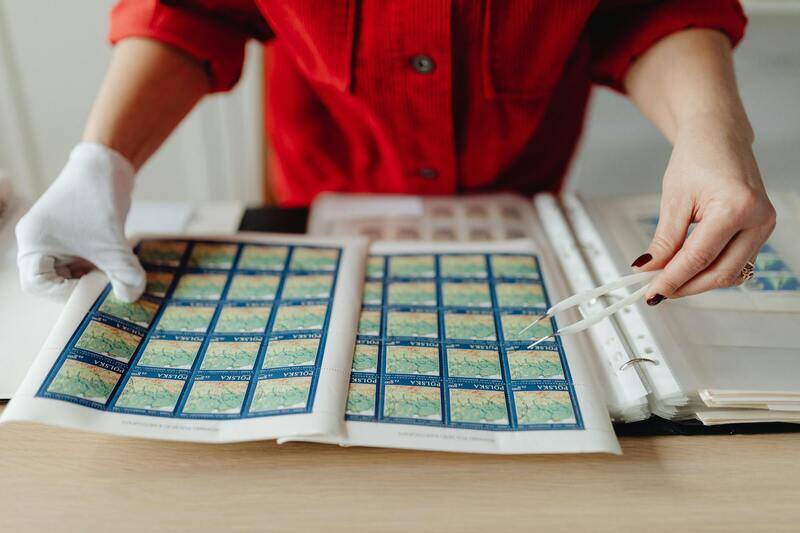
- Solvent printers: Known for outdoor durability and rich color reproduction, ideal for banners and billboards.
- UV printers: Capable of printing directly on rigid and curved surfaces, offering versatility in materials and sizes.
- Latex printers: Environmentally friendly with flexibility for indoor and outdoor uses, supporting high-volume production.
These printing systems support media roll widths exceeding 16 feet, enabling expansive graphics without seams or tile patterns. Their ability to produce detailed images at large scales makes them indispensable for professional large-format printing projects.
Materials and Finishing Options for Big Prints
Choosing the right materials is crucial for achieving durability, appearance, and functionality. Common options include:
- Vinyl: Flexible, weather-resistant, suitable for outdoor banners, vehicle wraps, and wall coverings.
- Fabric: Lightweight and high-quality for indoor displays like trade show backdrops and wall murals.
- Paper: Suitable for temporary indoor signage, exhibits, and displays.
- Rigid substrates: Materials such as foam board, Dibond, and acrylic for signage that requires rigidity and a premium look.
Finishing techniques enhance the lifespan and visual appeal of large prints. Options include lamination, which adds UV protection and weather resistance, and gloss or matte coatings for aesthetic preferences. Mounting and framing further support installation stability and visual presentation, especially for high-profile displays.
Understanding Big Print Sizes
Big print sizes refer to large-scale graphics and signage created to maximize visibility and impact, often reaching dimensions that go beyond standard print formats. These sizes are essential for capturing attention in expansive spaces, whether for advertising, informational displays, or artistic installations. The process of selecting an appropriate size involves considering the viewing distance, the environment where the print will be displayed, and the purpose of the signage. Larger prints require specialized printing equipment capable of handling wide media formats and producing high-resolution images that retain clarity at scale. The ability to produce big prints that are both detailed and durable hinges on selecting the proper printing technology, materials, and finishing techniques, ensuring the final product effectively communicates the intended message while standing up to environmental conditions.

Common Applications of Large Prints
Large prints are indispensable across various industries and settings, providing visually compelling solutions for different needs. In marketing, expansive banners and billboards serve to broadcast campaigns to broad audiences, often in outdoor environments where visibility from afar is crucial. Retail spaces utilize large posters and window graphics to attract foot traffic and promote sales. Event organizers rely on big prints for backdrop displays, signage, and directional guides that facilitate navigation and brand presence. In the realm of art and exhibitions, large-format prints enable artists to showcase their work dramatically, transforming gallery spaces and public areas. Additionally, architectural signage, traffic displays, and stadium advertising all depend on high-quality large prints to ensure messages are seen clearly from a distance, supporting both functional communication and aesthetic goals.
Choosing the Right Big Print Size
Selecting an optimal size for your large print involves a strategic evaluation of several factors. Key considerations include the intended viewing distance—larger sizes are often necessary for visibility from greater distances. The environment's lighting conditions, whether outdoor or indoor, influence size decisions as well. For outdoor signage subjected to variable weather, robustness in size and material is vital, often translating to larger, more durable prints that can withstand elements. The available space for installation also guides the dimension choices; oversized prints must fit comfortably within designated areas without causing confusion or clutter. The messaging complexity and the level of detail required further shape the size selection—more intricate graphics might demand slightly smaller sizes to retain clarity, whereas bold, simple visuals can be scaled up significantly without losing impact.
Printing Technologies Supporting Large Sizes
Producing big print sizes demands advanced printing technologies designed to accommodate wide formats and high-resolution output. Wide-format inkjet printers, such as solvent, UV, latex, and eco-solvent models, are frequently employed due to their ability to handle media widths exceeding 16 feet. These printers excel at producing seamless images over large areas, ensuring high fidelity and color accuracy. UV printing technology is especially suited for rigid substrates, enabling direct printing on materials like acrylic or metal, which are common for impactful signage. Latex printers are celebrated for their versatility and eco-friendly features, supporting both indoor and outdoor large-format applications with excellent color vibrancy and resilience. The choice of technology often correlates with the project's specific demands, including durability, intended lifespan, and environmental exposure.
Materials and Finishing Options for Big Prints
The selection of materials for large prints plays a pivotal role in achieving desired durability, appearance, and adaptability. Common options include durable vinyl, which is weather-resistant and flexible, making it ideal for outdoor banners, vehicle wraps, and signage exposed to the elements. Fabric media provide a lightweight, high-quality option for interior displays, trade show backdrops, and murals, offering vibrant color reproduction and ease of installation. Rigid substrates such as foam board, Dibond, and acrylic are preferred for signages requiring stability and a premium finish. Finishing techniques extend the lifespan and visual appeal of big prints; lamination provides UV protection and weather resistance, while gloss or matte coatings influence the visual style and glare reduction. Mounting methods, including framing and tensioning systems, are also essential for ensuring that large prints remain taut and visually flawless over time.
Maintaining Large Prints for Longevity and Visual Impact
Proper maintenance of large prints is essential to preserve their vibrant appearance and structural integrity over time. Given the exposure to environmental elements, handling, and natural wear, employing specific cleaning and protection strategies can significantly extend the lifespan of these visuals. Regularly inspecting the prints for signs of damage, such as cracks, peeling, or fading, allows for timely repair or touch-up, ensuring the integrity of the display.
Cleaning large prints requires careful attention to avoid damaging the materials or ink. Using a soft, lint-free cloth dampened with mild soap and water usually suffices for routine dust removal. Avoid harsh chemicals, abrasive scrubbing pads, or high-pressure water jets, which can compromise the print surface or cause ink degradation. For outdoor displays or materials prone to dirt accumulation, periodic gentle cleaning is recommended to maintain their vibrant colors and clarity.

Protective Measures to Enhance Durability
Applying protective coatings or laminates can significantly shield big prints from UV rays, moisture, and abrasions. UV lamination, for instance, acts as a barrier against fading caused by prolonged sun exposure, ensuring that colors stay vivid for years. Matte or gloss finishes can be selected based on the desired aesthetic and glare reduction needs, with matte options minimizing reflections in bright lighting conditions. For outdoor applications, weather-resistant laminates and coatings provide additional defense against rain, wind, and pollution, preserving the print’s appearance and structural form.
Implementing suitable mounting and framing methods also contributes to long-term preservation. Tensioning systems, frames, and secure fastenings prevent sagging or warping, particularly for large banners or fabric-based prints. When installed in outdoor or high-traffic environments, choosing materials and hardware resistant to corrosion and mechanical stress ensures the stability and safety of display structures.
Key Considerations for Long-Term Display
- Environmental Exposure: Match protective solutions to the specific conditions, such as waterproof laminates for outdoor banners or UV coatings for exposed signage.
- Handling Precautions: Minimize contact and avoid dragging or folding to prevent tears or surface damage during installation or transport.
- Timely Repairs: Address minor damages promptly to prevent further deterioration, preserving the overall presentation.
- Storage Conditions: When not displayed, store large prints in a dry, clean environment away from direct sunlight, which can cause fading and material degradation over time.
By integrating these maintenance practices, organizations can ensure that their large-format visuals retain their visual impact and functional performance, maximizing return on investment and audience engagement over many years.