Overview of Large Image Printing
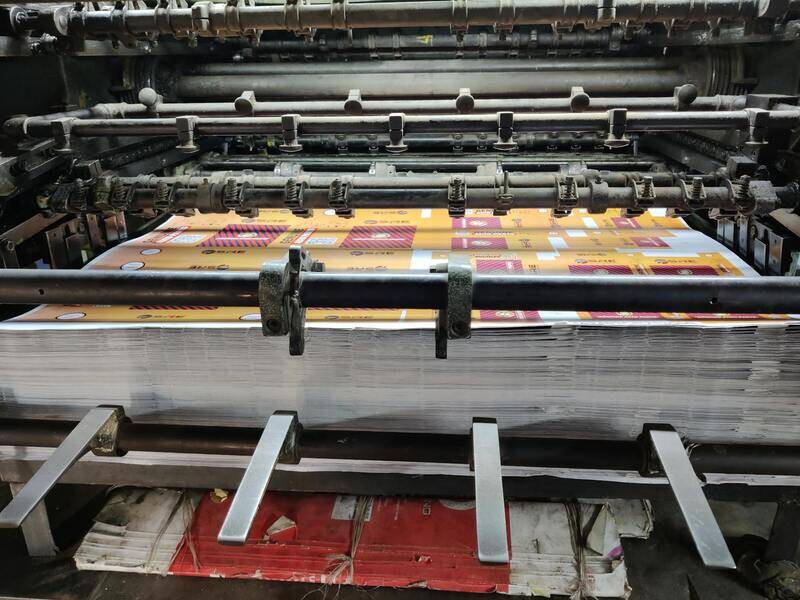
Large image printing encompasses the process of reproducing visuals at much greater sizes than traditional formats, often exceeding dimensions that require specialized equipment and techniques. This form of printing plays a vital role within the visual communication landscape, contributing significantly to advertising, interior decoration, event exhibitions, and branding strategies. In the competitive environment of Singapore—a hub for business, tourism, and cultural events—the ability to produce high-quality, large-scale images has become increasingly crucial.
The demand for large image printing arises from various sectors. Retail stores utilize oversized promotional banners to attract customers, while corporate offices incorporate large murals or branded wall graphics to reinforce identity. Similarly, the hospitality industry employs expansive prints for aesthetic enhancement and ambiance creation. Artistic endeavors and outdoor advertising campaigns also heavily depend on durable, visually impactful large-format prints.
Achieving precision and vivid detail in large image printing demands sophisticated technology, which ensures that images retain their clarity and color fidelity at substantial sizes. This process involves advanced printing techniques and high-resolution files to meet rigorous quality standards. With the prominence of digital media, the importance of high-quality physical displays remains significant, especially in environments where visual impression is key.
In Singapore, the diversity of commercial, cultural, and artistic needs propels a robust demand for large image printing services. From bustling shopping districts showcasing expansive storefront graphics to international events featuring large banners and backdrops—these applications need printing solutions that combine durability, color accuracy, and visual impact.
The growth of this industry sector emphasizes the need for professional printing techniques that can handle various materials and dimensions, delivering vibrant visuals that captivate and communicate effectively across different contexts. The importance of a strategic approach to choosing printing methods and materials becomes evident when aiming to produce effective, long-lasting large images.
Materials Used in Large Image Printing
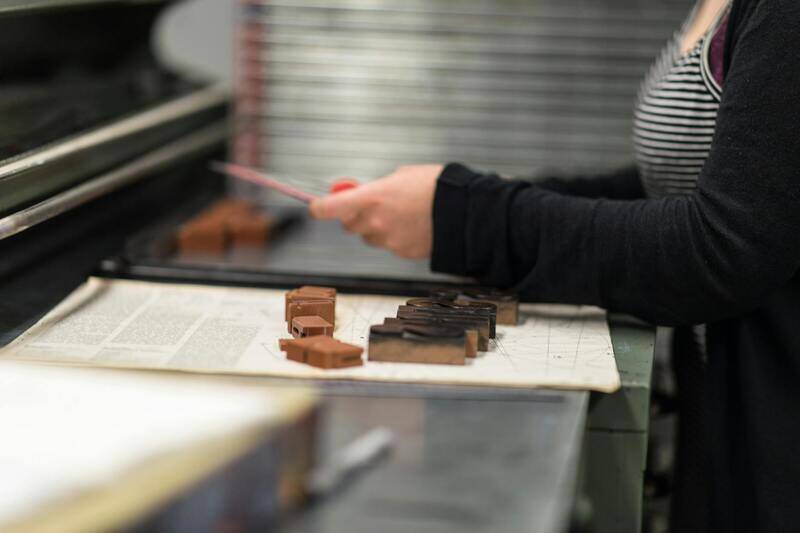
Choosing the appropriate material is essential to ensure that large images maintain their vibrancy and durability over time. Common substrates include vinyl, canvas, fabric, film, and rigid materials such as acrylic, aluminum, or PVC boards. Each material offers distinct advantages suited to specific environments and end-use applications.
Vinyl is widely favored for outdoor signage due to its weather-resistant properties and flexibility, making it suitable for banners, billboards, and vehicle wraps. Canvas and fabric materials, on the other hand, are preferred for indoor wall art and gallery displays, providing a textured, high-end appearance. Rigid substrates like acrylic and aluminum are ideal for high-impact visual displays in corporate settings, exhibitions, and retail installations, offering excellent clarity and a sleek finish.
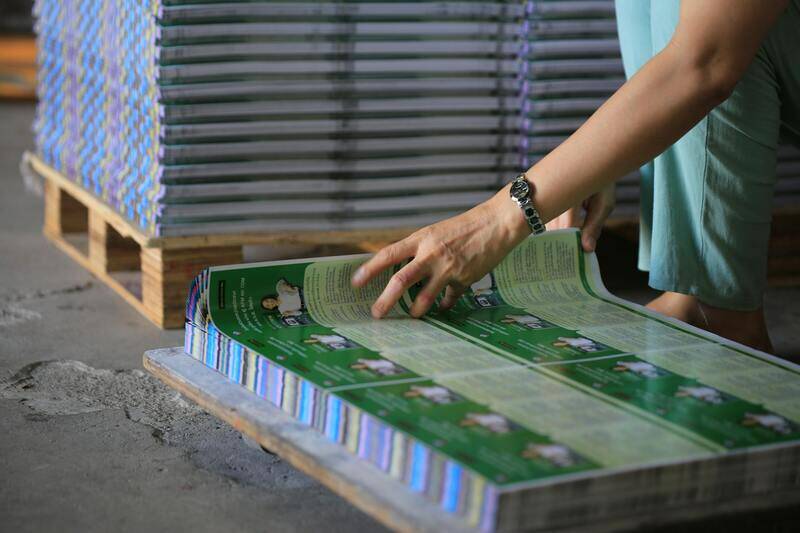
It's imperative to select materials that complement the specific printing technology used, ensuring optimal adhesion, color accuracy, and longevity. Factors such as UV resistance, flexibility, and surface finish directly influence the overall appearance and durability of the final print.
Design and Resolution Considerations
Effective large image printing hinges on meticulous design and high-resolution files. Since these prints are viewed from close distances, especially in retail or art contexts, the resolution must be sufficiently high—often 150-300 DPI at the final size—to prevent pixelation. Designing with scalable vector graphics for certain elements can also preserve sharpness and clarity regardless of size.
Attention must be paid to the aspect ratio and bleed margins to ensure the image fits the designated space without unintended cropping or distortion. Additionally, incorporating bleed areas and considering the final mounting or framing process helps achieve a polished appearance. It’s crucial to work with professional designers who understand the nuances of large-format printing, ensuring color fidelity and design precision are maintained throughout the process.
Professional file preparation—including color profiling and ensuring consistent calibration—ensures that the printed output matches the initial design intent. Using calibrated monitors and color management workflows helps maintain visual accuracy from digital screens to physical copies.
Overview of Large Image Printing
Large image printing is a specialized process that focuses on creating visuals that are significantly bigger than standard formats, often spanning multiple feet or meters in width and height. This technique is essential for various applications, including advertising billboards, gallery exhibitions, corporate branding, and interior decor. The goal is to produce high-quality prints that maintain clarity, color fidelity, and durability, regardless of their considerable size. The capability to reproduce detailed images at large scales makes this form of printing invaluable for impactful visual communication. It allows businesses and artists to showcase intricate designs on a grand scale, ensuring that every detail remains sharp and vibrant even when viewed from close or distant vantage points. The complexity of large image printing necessitates the use of advanced printing technology, high-resolution design files, and careful material selection to achieve optimal results. As printing projects grow in size, the importance of precise color management, substrate integrity, and production workflows becomes more pronounced to meet professional standards.

Types of Large Image Printing Methods
When selecting a printing method for large-format images, several legitimate options are available, each suited to different project needs and material considerations:
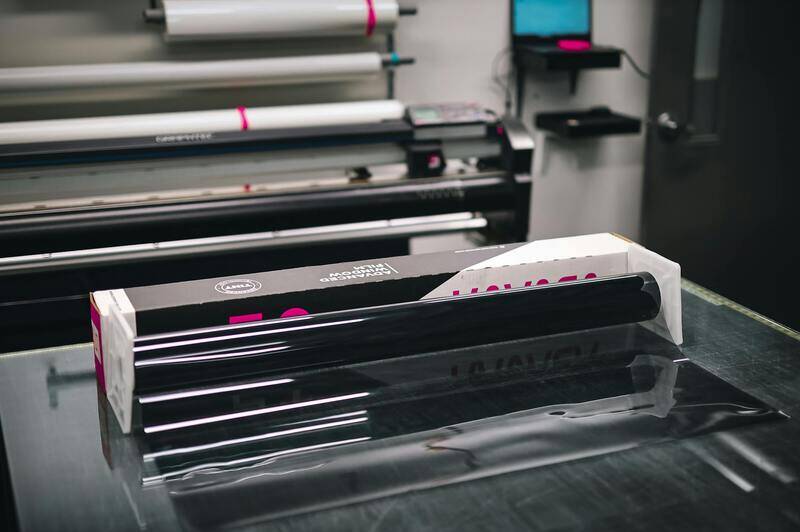
- UV Printing: This method employs ultraviolet light to instantly cure ink on various substrates such as acrylic, metal, wood, and more. UV printing offers vibrant color reproduction, excellent adhesion, and resistance to scratching and fading, making it suitable for indoor and outdoor applications.
- Solvent and Eco-Solvent Printing: These techniques involve solvent-based inks that provide durable and weather-resistant prints. They are ideal for uses requiring outdoor longevity, such as signage and billboards, offering resistance to environmental factors like UV rays and moisture.
- Latex Printing: Known for flexibility and eco-friendliness, latex printing is widely used for banners, wall coverings, and vehicle wraps. It produces vibrant colors with a matte or semi-gloss finish and can be applied to a variety of flexible materials.
- Dye Sublimation: Suitable primarily for fabric-based substrates, dye sublimation involves transferring dye onto special polyester fabrics using heat. This method yields vivid, long-lasting images ideal for textiles, flags, and soft signage.
Design and Resolution Considerations
The foundation of exceptional large image printing lies in high-resolution digital artwork. Because these visuals are often viewed from close distances—such as in retail displays or galleries—it is critical to prepare files at a resolution of 150-300 DPI at the final printed dimensions. Files with lower resolutions tend to pixelate, resulting in a loss of detail and professionalism. Utilizing scalable vector graphics (SVG) or similar formats for certain design elements ensures sharpness, regardless of size. This is particularly advantageous for logos, icons, and text components that require perfect clarity at large scales. Designers must also pay close attention to aspect ratios and bleed margins to prevent unwanted cropping or distortion during trimming or mounting. Effective large-format printing also involves color profile management. Working with design files calibrated for specific color spaces, such as Adobe RGB or CMYK, ensures that the printed output accurately reflects the visual intent. Collaborating with professional designers familiar with these considerations helps achieve high-quality results that meet both aesthetic and technical standards.
Overview of Large Image Printing
Large image printing encompasses a wide array of techniques designed to produce high-quality visuals on expansive surfaces. It plays a vital role across numerous sectors, including advertising, interior design, event staging, and fine art展示. The primary goal is to deliver images that maintain sharpness, color fidelity, and durability regardless of size, ensuring the visual impact remains compelling from various viewing distances.
Executing large image prints requires meticulous consideration of the printing process, material selection, and resolution to prevent pixelation and color inconsistency. As the scale increases, so does the importance of consistently applying professional methods that guarantee vibrant, long-lasting results tailored to the specific application environment, whether it’s outdoor signage or gallery displays.

Types of Large Image Printing Methods
Several specialized techniques are employed in producing large-format images, each suited to specific materials and end-uses. The choice among these methods hinges on factors such as detail requirements, durability, and budget constraints.
- Inkjet Printing: The most prevalent method, utilizing wide-format inkjet printers that can produce detailed images on diverse materials like vinyl, canvas, and paper. High-quality pigment inks are often used to enhance color richness and environmental resistance.
- Solvent and Eco-Solvent Printing: Ideal for outdoor applications, these techniques use solvent-based inks that adhere well to non-porous surfaces, providing excellent durability against weathering and UV exposure.
- Dye Sublimation: Predominantly used for textile applications, this process involves transferring dye onto fabrics with heat, resulting in vibrant, wash-fast images suitable for banners, flags, and soft signage.
- UV Printing: Designed for rigid surfaces like plexiglass, wood, or metal, UV printing employs ultraviolet light to instantly cure inks, creating highly durable and scratch-resistant images.
Materials Used in Large Image Printing
The material selected is a cornerstone of large image printing, influencing not only visual qualities but also the environmental resilience of the final product. Different substrates cater to diverse application needs, providing options that balance appearance, durability, and ease of installation.
Common Substrates Include:
- Vinyl: Widely used for outdoor banners and signage due to its weather-resistant properties and flexibility.
- Canvas: Preferred in fine art and interior decor, offering a textured finish that enhances visual depth.
- Polyester Fabrics: Often used in dye sublimation, these fabrics produce vivid images with a soft finish, suitable for flags and soft signage.
- Rigid Boards: Comprising aluminum, acrylic, or PVC, these are ideal for statement pieces and architectural applications.
- Polypropylene and Other Plastics: Known for their chemical resistance and durability in harsh environments.
Choosing appropriate materials involves evaluating the environment, longevity requirements, and aesthetic goals. Proper substrate preparation and surface treatment ensure optimal ink adhesion and color fidelity.
Design and Resolution Considerations
Achieving high-quality large image prints hinges on meticulous attention to design parameters and resolution standards. Since large-format printing involves enlarging artwork or photographic images, the original digital file must be prepared to maintain clarity and sharpness at a substantial scale. This process begins with selecting an appropriate resolution; typically, a minimum of 150 DPI (dots per inch) is recommended for large prints viewed at a distance, such as billboards or banners. For closer viewing applications, such as detailed wall murals or exhibit displays, an even higher resolution—up to 300 DPI—may be required to ensure fine details are crisp and precise.
The design aspect encompasses not just resolution but also color profiles, file formats, and image dimensions. Utilizing vector graphics where possible, especially for logo-based or geometric design elements, guarantees scalability without loss of quality. Raster images, like photographs, must be stored or created at the highest feasible resolution; downscaling is preferable to prevent pixelation when printing large formats. Export files should be embedded with color profiles compatible with the printer’s calibration, ensuring color accuracy across different print runs.
Color fidelity is a critical component in large image printing. Color management workflows involve calibrating monitors and printers to standardized color spaces, such as Adobe RGB or sRGB, and applying color profiles that match the substrate and ink combination. Proper color calibration minimizes discrepancies between on-screen previews and the final print, maintaining brand consistency and visual impact.
Designers should also account for printing margins, bleed areas, and any trimming involved to ensure the finished product meets specifications. Pre-press proofs, whether digital or physical, serve as valuable quality checks that catch potential issues before the final production run begins.
In summary, understanding the interplay between design, resolution, and color management is essential for producing compelling large images. Implementing rigorous file preparation standards and utilizing advanced calibration tools enables the creation of large-format prints that are visually striking and true to the original artistic intent.
Maintenance and Long-term Care of Large Prints
Proper maintenance and care of large image prints are essential to preserve their visual impact and longevity, especially in environments where they are subjected to environmental factors, handling, and the passage of time. Implementing routine cleaning protocols, selecting appropriate protective coatings, and understanding storage conditions can significantly extend the lifespan of these high-quality visuals.
Routine Cleaning and Handling
To avoid damage, large-format prints should be cleaned using gentle, non-abrasive methods. Soft, lint-free cloths or microfiber dusters are ideal for removing dust and surface particles without scratching the print or damaging the inks. If necessary, slightly dampened cloths with water or mild cleaning solutions can be used, but it is crucial to avoid using harsh chemicals or solvents that may deteriorate the print surface or colors.
Handling large prints should be done with care, preferably with gloves to prevent oils and dirt from transferring onto the surface. When moving or installing large-format images, use appropriate supports or handling equipment to prevent bending, tearing, or other physical damages that can compromise the image integrity.
Protective Coatings and Applications
Applying protective coatings, such as laminates or varnishes, can provide an additional barrier against environmental pollutants, UV rays, moisture, and surface abrasions. These coatings not only enhance durability but can also improve color vibrancy and sheen. For outdoor installations, UV-resistant and weatherproof coatings are recommended to ensure the print withstands exposure to sunlight and varying weather conditions.

Environmental Considerations
It is crucial to consider the environment where the large print will be displayed. Indoor settings typically pose fewer risks, but factors like humidity, temperature fluctuations, and direct sunlight can still impact the print’s condition over time. For outdoor or high-traffic areas, installing the print behind protective glazing or using weather-resistant materials can mitigate potential damage.
Proper ventilation and controlled humidity levels around the installation site also aid in preventing mold, warping, or deterioration of the substrate and inks. Regular inspection and maintenance help detect early signs of wear and facilitate timely repairs or replacements, ensuring the visual appeal remains undiminished.
Storage Best Practices
If storage becomes necessary, large-format prints should be stored flat or rolled in protective tubes, away from direct sunlight, extreme temperatures, and high humidity. Using acid-free wrapping materials prevents degradation of the substrate, while keeping the print in a controlled environment minimizes the risk of premature aging or discoloration.
For prints that are no longer on display, periodic cleaning and proper storage can prevent unnecessary deterioration, extending their aesthetic and commercial value for years to come.
Importance of Proper Maintenance for Large Image Prints
Maintaining the visual integrity and longevity of large image prints requires a comprehensive approach tailored to the specific environment and materials used. Regular inspection is crucial to identify early signs of damage, such as fading, scratches, or warping. For indoor displays, dust accumulation and minor abrasions are common issues that can diminish visual appeal over time. Implementing routine cleaning using soft, lint-free cloths and appropriate cleaning agents ensures that the surface remains clear without risking damage to the inks or substrate.

Outdoor large image prints are exposed to more aggressive elements, necessitating additional protective measures. Applying UV-resistant coatings or laminates can significantly reduce fading caused by sunlight exposure. Protective overlays also guard against physical impacts, scratches, and environmental pollutants. Regular maintenance checks should include examining the protective layers for signs of peeling or deterioration, with prompt repairs to sustain print quality.
Environmental Control and Protective Measures
- Ensure indoor environments maintain stable humidity and temperature levels to prevent warping or mold growth.
- Use protective glazing, such as tempered glass or acrylic, for outdoor installations to shield prints from wind-blown debris and moisture.
- Implement UV filters on windows or lighting to minimize light-induced fading.
- Apply weather-resistant coatings on prints placed outdoors, especially in high humidity or high UV index areas.
For prints that are subjected to frequent handling or repositioning, using protective covers or frames designed for large-format displays can provide additional security. When not in use or when moved for storage, rolls should be stored in protective tubes made of acid-free materials, kept flat or coiled loosely to avoid creasing or deformation. Consistent monitoring and proactive care strategies extend the lifespan of large image prints, ensuring they remain captivating for years.

Handling and Cleaning Best Practices
Handling large-format prints with care minimizes accidental damage. Workers should wear gloves to avoid transferring oils or dirt onto the surface. During cleaning, using a gentle vacuum with a soft brush attachment before wiping helps eliminate loose debris. When cleaning solution application is necessary, lightly dampen a clean cloth and gently wipe the surface without applying excessive pressure.
For stubborn stains or surface contaminants, consulting with a professional conservator or the printing service provider ensures that cleaning procedures do not compromise the print’s integrity. Proper handling, combined with scheduled maintenance and environmental controls, guarantees that large image prints maintain their clarity, color fidelity, and overall aesthetic appeal over extended periods.
Additional Considerations for Large Image Printing
Legal Aspects and Permits
When undertaking large image printing projects, understanding the regulatory landscape is crucial to ensure compliance with local guidelines. Depending on the location and type of display, you may need to obtain specific permits or approvals from relevant authorities. These often involve ensuring that the installation adheres to safety standards, zoning ordinances, and aesthetic regulations. Preparation includes submitting detailed plans, site assessments, and sometimes environmental impact evaluations, especially for outdoor large-scale displays. Securing the appropriate permissions helps prevent potential disruptions or penalties, and guarantees that your project aligns with community standards and policies.
Ensuring Authenticity and Quality in Production
To guarantee the highest quality outcome, working with reputable printing service providers that utilize legitimate, licensed equipment and materials is essential. Certification of printers and adherence to industry standards ensure consistent color accuracy, resolution, and durability. When commissioning large image prints, request samples or proofs to verify color fidelity, especially for projects where visual precision is critical. This step allows for adjustments before the final print, minimizing errors or rework, and supports a seamless production process that meets professional standards.
Disposal and Recycling of Large Prints
At the end of their lifecycle, proper disposal or recycling of large image prints can reduce environmental impact. Choose services that offer eco-friendly disposal options, such as recycling printed materials or repurposing them into new products. In some cases, printed media can be recycled if it adheres to specific environmental standards and is free of hazardous substances. Implementing sustainable disposal practices aligns with environmentally conscious business operations and encourages responsible resource management, contributing to greener community initiatives.
Related Tags: