Understanding Large Photo Prints for Walls
Large photo prints for walls are a powerful visual element in interior design, capable of transforming spaces with their vivid imagery and substantial presence. These prints typically range from dimensions like 24x36 inches to oversized formats exceeding 60 inches in width and height. Such dimensions are ideal for creating focal points in living rooms, offices, galleries, or commercial spaces. The grandeur of large photo prints allows individuals to showcase their cherished memories, artistic expressions, or professional portfolios in a way that commands attention and adds character to any environment.
Common types of large photo prints include:
- Giclée Prints: High-quality inkjet prints that produce superb detail and color accuracy, often on canvas or high-grade paper.
- Metal Prints: Prints directly bonded to aluminum surfaces, offering modern aesthetics and durability.
- Acrylic Prints: Images printed on photographic sheets and mounted behind acrylic glass, providing a sleek, glossy finish.
- Canvas Prints: Inspirational or scenic images stretched over a wooden frame, mimicking traditional artwork.
These various formats and materials offer options to match different interior styles, from contemporary minimalist to classic art-inspired themes. When selecting a large photo print, it’s essential to consider the balance between image resolution, material durability, and the intended aesthetic impact. Properly chosen and professionally produced, large photo prints can serve as a captivating centerpiece that elevates the decor and sets a tone for the entire space.
Choosing the Right Image for Wall Prints
Choosing an appropriate image is critical to achieving a stunning large photo print. High-resolution images are paramount; they ensure clarity without pixelation when enlarged. Typically, images intended for large prints should have a resolution of at least 150-300 DPI at the final print size. This ensures crisp details and vibrant colors. Additionally, the composition of the image should suit the wall’s dimensions—landscape images often work well on wide walls, while portrait shots can be ideal for narrower spaces.
When selecting a photograph or artwork:
- Prioritize images with strong focal points and clear subjects.
- Maintain high contrast and vibrant colors, especially since large prints tend to emphasize visual elements.
- Ensure the image’s aspect ratio matches or can be adjusted to the intended print size without cropping out key details.
- Consider the ambiance of the space—nature scenes evoke calm, while abstract art can energize a room.
In cases where original images are smaller or of lower resolution, professional editing and upscaling techniques can help enhance image quality, though they have limitations. Professional advice from printing specialists can guide you in selecting or preparing images to maximize visual impact.
Materials and Printing Techniques
Choosing the appropriate material and printing technique is crucial for achieving desired aesthetic and longevity. Common printing substrates include paper, canvas, metal, and acrylic, each offering distinct finishes and durability. Giclée printing on canvas or fine art paper provides a classic and museum-quality appearance, suitable for most interior styles. Metal and acrylic options offer contemporary looks, with high resistance to fading and scratches.
Printing techniques vary from traditional inkjet to UV printing for rigid surfaces. UV printing allows for direct application onto various materials, enabling vibrant imagery with excellent durability. Consequently, selecting the right technique depends on where the print will be displayed, environmental factors, and personal preferences regarding gloss, texture, and framing options.
Understanding Large Photo Prints
Creating striking large photo prints for walls involves careful consideration of several key elements. The image’s resolution must be sufficiently high to maintain clarity and detail at expansive sizes, preventing pixelation or blurriness. Typically, a resolution of 300 DPI (dots per inch) is desired for high-quality prints, but for very large images intended to be viewed from a distance, slightly lower resolutions can be acceptable, as the human eye naturally perceives less detail from afar.
Beyond resolution, the aspect ratio of the original image should be matched to the desired print size. This ensures that the composition remains intact without unwelcome cropping or distortion. When the aspect ratio differs, professional editing can assist in cropping or resizing images strategically, preserving essential elements within the frame.

Choosing the right image also involves evaluating the impact it will have in the intended space. Factors such as lighting, wall color, and surrounding decor influence how the image will be perceived. For instance, calming nature scenes are suited for relaxing environments, while bold abstract compositions can serve as focal points that energize a room.
In cases where the original photograph lacks resolution or sharpness, advanced editing techniques—such as professional sharpening, noise reduction, and intelligent upscaling—can improve visual quality. Nevertheless, these methods have limitations, and it’s advisable to consult with printing specialists early in the process. They can assess image quality and recommend suitable modifications or alternative images to ensure optimal results.
Materials and Printing Techniques
Achieving the desired aesthetic and durability for large wall prints depends heavily on the choice of materials and printing methods. Common substrates include traditional paper, canvas, metal, and acrylic. Each material offers unique visual effects and internal characteristics:
- Paper: Provides a classic appearance, suitable for fine art reproductions and detailed images.
- Canvas: Offers a textured, painterly look that enhances the artistic feel, often used in gallery displays.
- Metal: Produces a sleek, modern finish with excellent resistance to fading and scratches.
- Acrylic: Creates vibrant, glossy images with added depth, ideal for contemporary art.
The choice of printing technique further influences the final result. Inkjet printing on canvas or high-quality art paper, such as giclée, provides museum-grade quality with high-color accuracy and longevity. For rigid surfaces like metal or acrylic, UV printing is a popular method, offering direct, vibrant applications with superb durability against environmental factors.
Selection depends on where the print will hang, environmental conditions, and aesthetic preferences such as gloss level, texture, and framing.
Choosing the Right Image for Wall Prints
When selecting an image for large-scale wall printing, it’s essential to prioritize visual impact and image quality. High-resolution photos with clear focal points tend to retain their sharpness and vibrancy even when enlarged significantly. The subject matter should complement the environment and resonate with the viewer, whether it's a serene landscape, a striking portrait, or an abstract composition.
Personal style also plays a role. For instance, a bold, colorful image can serve as a statement piece, while more muted tones might be suited for subtle interior designs. Considering the emotional or aesthetic response the image evokes can guide appropriate choices.
It's equally vital to evaluate the technical aspects, such as color accuracy and exposure. Bright, well-exposed photos with balanced contrast are more likely to translate well into large prints. When in doubt, consulting with a professional print shop can assist in assessing the suitability of a chosen image and suggest necessary adjustments to enhance its visual appeal and clarity.
Technical Considerations for Optimal Large Photo Wall Prints
When opting for large-scale photo prints for walls, attention to technical details can significantly influence the final outcome. High-resolution images are paramount; images should ideally have a resolution of at least 150-300 DPI at the printed size to ensure sharpness and detail retention. A lower DPI can result in pixelation, which diminishes visual clarity and impact. For example, a 24-inch by 36-inch print would require an image resolution of approximately 3600 x 5400 pixels for crisp detail.
Color accuracy is another key aspect. Utilizing color profiles like Adobe RGB or sRGB during the editing process ensures that printed colors closely match digitally displayed images. Many professional printing services will advise on converting images to the appropriate color space before printing to avoid dull or oversaturated results. Adjustments in contrast, brightness, and saturation should be made carefully to ensure the image maintains its vibrancy once enlarged.
File formats also impact print quality. Preferred formats include TIFF or high-quality JPEG, which preserve image detail and color information. Lossy compression in JPEGs can compromise clarity, especially when printing large formats. It is advisable to work with the highest quality original files available, avoiding re-compression or unnecessary resizing that can degrade image fidelity.
Professional tools like Adobe Photoshop or Lightroom are recommended for optimizing images prior to printing. These programs allow for precise adjustments to resolution, color management, and sharpening, which are crucial for large-format results. Additionally, consulting with printing experts about trimming or cropping the image ensures the composition aligns well with the final display size and framing considerations.
Surface Choices and Finishing Options
The material and finish chosen for large photo prints can profoundly influence their appearance and durability. Common materials include canvas, acrylic, metal, and large-format paper. Each offers unique aesthetic qualities and levels of longevity. For example, canvas prints provide a textured, artistic look suitable for both contemporary and traditional interiors, while acrylic offers a sleek, modern aesthetic with enhanced color vibrancy and scratch resistance.
- Canvas: Ideal for a textured, timeless appearance, often mounted on stretcher bars for a gallery-style display.
- Acrylic: Known for vibrant colors and high gloss, suitable for modern spaces requiring a reflective surface.
- Metal: Durable with a sleek, industrial look, resistant to moisture and UV light, perfect for high-traffic areas.
- Large-format paper: Versatile and cost-effective, can be framed easily and customized with different finishes like matte, gloss, or satin.
Finishing touches such as matte or gloss coatings can also modify the visual impact and handling of the print. Matte finishes reduce glare, making them suitable for well-lit rooms, while gloss finishes enhance color vibrancy but may reflect ambient light. Lamination or UV coatings can protect the print from scratches, fading, and environmental damage, extending its lifespan and maintaining visual clarity over time.
Understanding Large Photo Prints
Large photo prints for walls serve as a striking focal point in any interior, transforming ordinary spaces into personalized art galleries. Their impact extends beyond mere decoration, allowing individuals to showcase cherished memories, breathtaking landscapes, or captivating artwork in a bold, visually compelling manner. The process of creating these impactful displays involves careful consideration of several key factors, including image selection, material choice, and production techniques. Ensuring that each element aligns with the intended aesthetic and functional needs is essential for achieving a high-quality result that enhances your environment over time.

When planning for large photo prints, it's important to understand how various components come together. High-resolution images are fundamental, as they ensure clarity and detail are preserved when enlarged. Additionally, the choice of printing materials greatly influences the final appearance, durability, and ease of maintenance. Whether you opt for a classic canvas, a sleek acrylic surface, or a contemporary metal finish, selecting the right method is crucial for longevity and visual appeal.
Another vital aspect is understanding the technical capabilities of printing services and the range of finishes available. Expert printers employ advanced large-format printing technologies that produce vibrant color reproduction and sharp detail, capable of capturing the nuances of your chosen image. Properly finished, these prints can withstand environmental factors such as sunlight and humidity, maintaining their beauty for years with minimal upkeep.
In the realm of large photo wall displays, the quality of printing and material choice directly correlates with the overall visual impact. Skilled providers balance aesthetics with practicality, offering options that meet both stylistic preferences and environmental demands. Selecting an experienced printing partner guarantees that your vision is faithfully realized with professional-grade results and durable, high-quality components.
Ultimately, understanding the nuances of large photo prints for walls empowers individuals to make informed decisions, ensuring their images become enduring masterpieces that elevate interior design. From image resolution and material durability to printing technique and finishing, every detail impacts the final presentation, making professional consultation and proper research invaluable steps in the process.
Understanding Large Photo Prints
Creating stunning large photo prints for walls involves more than just selecting an image. The process requires careful consideration of various technical and artistic elements to ensure that the final display not only captures the visual essence of the original photograph but also complements the space effectively. Large photo prints serve as focal points in interior design, transforming an ordinary room into a personalized sanctuary. Their impact hinges on factors such as image resolution, material selection, and printing technology. High-resolution images, ideally exceeding 300 DPI at the desired print size, are essential to prevent pixelation and maintain clarity when scaled up. Skilled printing professionals utilize advanced large-format printers capable of reproducing vibrant colors with sharp detail, adding depth and dimension to the visual presentation. The choice of printing material significantly influences both aesthetic appeal and longevity. Artists and homeowners can opt for canvas, acrylic, metal, or specialized fine-art papers, each offering unique textures and finishes that suit different styles. Properly finished large photo prints are designed to withstand environmental stressors, including sunlight exposure and humidity, preserving their beauty over years of display. This durable craftsmanship ensures that the investment results in a lasting masterpiece, elevating interior decor and personal expression alike.
Choosing the Right Image for Wall Prints
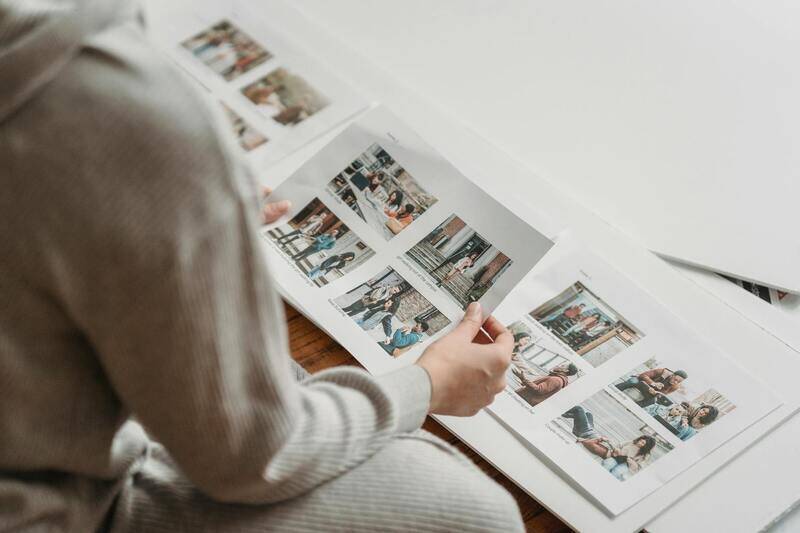
Opting for the ideal image is fundamental in creating impactful large wall prints. Select photographs that resonate with the intended ambiance—be it serene landscapes, vibrant cityscapes, or meaningful personal memories. The image’s resolution should be high enough to maintain crispness and detail when enlarged, avoiding loss of quality or blurriness. Consider lighting and color harmony within the space to ensure the print complements existing decor elements. The composition must also be carefully evaluated; images with strong focal points tend to translate more powerfully at larger scales. For meaningful personalization, select images with emotional resonance or visual storytelling potential, transforming the wall into a narrative space. When possible, consult with professional printers to assess your chosen images’ suitability for large-scale reproduction, as they can offer guidance on resolution, contrast, and color adjustments to optimize the visual impact of the final print.
Materials and Printing Techniques
The selection of materials and printing methods is fundamental to achieving high-quality large photo wall displays. Common options include canvas, acrylic, metal, and fine-art papers, each providing different textures and durability. Canvas prints evoke a classic, textured appearance suitable for artistic or casual settings, while acrylic sheets offer a sleek, modern finish with excellent light transmission, resulting in vibrant color reproduction. Metal prints, typically made from aluminum, are noted for their durability and contemporary aesthetic, often with a glossy or matte finish. Fine-art papers deliver exquisite detail and subtle tonal variations, ideal for gallery-quality displays. Advanced printing techniques such as dye sublimation, UV printing, or Giclée ensure the longevity of colors and clarity even after prolonged exposure to light and environmental factors. Employing high-quality inks and color management systems allows for precise color accuracy, ensuring that the print closely matches your original image. Partnering with experienced printers guarantees the use of professional-grade equipment and materials, providing peace of mind that the finished product will endure and impress.

Sizing and Wall Placement Considerations
Accurate sizing and strategic wall placement are critical steps in creating visually balanced and harmonious large photo displays. Measure the available wall space meticulously, considering both height and width, and account for surrounding furniture and architectural features. The ideal size should fill the space proportionally—large enough to serve as a focal point but not overwhelming for the room. For expansive walls, an oversized print can establish a dramatic center of interest, while smaller but multiple prints can create a compelling gallery wall. When positioning the print, keep sight lines and eye level in mind; generally, the center of the artwork should align with the average eye level, approximately 57-60 inches from the floor. Consider the ambient lighting, both natural and artificial, to enhance the visibility and vibrancy of the print. Proper spacing from other decor elements ensures that the wall becomes an integrated part of the room's overall aesthetic, instead of a disconnected visual element. Using guidelines such as the 1.5 to 3 times the size of the print for the distance viewers should stand away ensures optimal viewing experience and preserves the detailed quality of the large photo print.
Understanding Large Photo Prints
Creating impressive large photo prints for walls involves a meticulous process, ensuring that every aspect from image quality to material selection aligns with the desired aesthetic and durability. High-resolution images are paramount; they prevent pixelation or blurriness when enlarged, preserving detail and clarity. To achieve this, sources such as professional photography, high-quality stock images, or original artwork should be used. Furthermore, understanding the intended display environment helps in selecting images that complement the surrounding decor, lighting conditions, and wall color. It’s essential to consider the visual impact—sharp, vibrant, and emotionally engaging images tend to resonate more when enlarged, transforming a space into a personalized gallery.
In addition to image quality, selecting the appropriate printing technology ensures the longevity and vibrancy of large photo prints. Methods like dye-sublimation, UV printing, or giclée printing each have unique benefits tailored to different materials and finishes. These advanced techniques provide exceptional color accuracy, fade resistance, and sharp details, making them ideal for large-format wall displays. Moreover, understanding the nuances of these printing methods allows for better decision-making aligned with project requirements and aesthetic preferences.
When planning for large photo wall displays, consider the overall impact on space and environment. A well-executed large print can serve as a focal point, adding depth and personality to an otherwise neutral room. Conversely, poorly chosen images or inferior printing techniques can diminish the intended effect, making the investment less impactful. Careful evaluation of image quality, printing technology, and material compatibility is thus essential in crafting a wall display that is both aesthetically pleasing and enduring.
Choosing the Right Image for Wall Prints
Selecting the ideal image for large wall prints involves thoughtful consideration of several criteria. The image must possess sufficient resolution to retain detail when enlarged. Low-resolution images, particularly from standard digital cameras or web sources, tend to pixelate or blur, reducing visual appeal. For this reason, sourcing images from professional photographers or high-resolution stock libraries is recommended.
Moreover, the composition and subject matter should resonate with the intended space and audience. Landscape scenes can add a sense of tranquility and openness, while abstract or textured images can create a modern and sophisticated atmosphere. Personal photographs, such as family moments or travel memories, bring warmth and individuality to a living or work space.
Color schemes and overall tone play a vital role in establishing mood. Bright, vibrant images energize a room, whereas softer, muted tones foster calmness and relaxation. Considering the existing decor and color palette allows the image to seamlessly blend or stand out as the focal point.
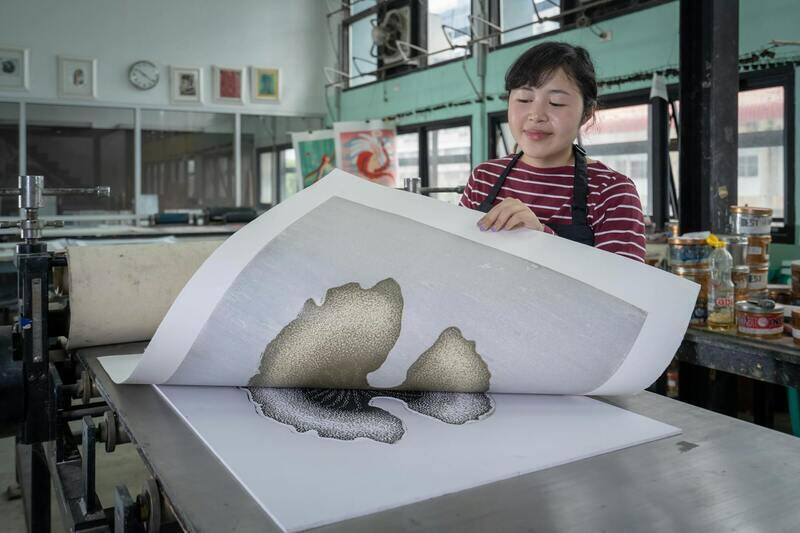
Finally, the aspect ratio of the image should complement the wall dimensions. Cropping may be necessary to align with the desired print size and to eliminate distracting elements, ensuring the final display remains cohesive and visually engaging. By thoughtfully selecting images that meet these criteria, you ensure that your large photo prints will transform your wall into a captivating and harmonious focal point.
Proper Display and Protection Techniques
Ensuring the longevity and pristine appearance of large photo prints for walls requires careful handling and optimal display conditions. When hanging new prints, use anchors and mounting hardware designed to support the weight of large formats, preventing sagging or accidental falls. Wall anchors, hooks, or brackets should be securely installed into wall studs or suitable drywall anchors for added stability.
To prevent damage from environmental factors, position prints away from direct sunlight, which can cause fading over time. Ultraviolet (UV) protective coatings or glass coverings with UV filters can significantly mitigate light exposure, preserving the vibrancy of the print. Avoid placing large prints in high-humidity areas, such as bathrooms or kitchens, unless they are specifically protected against moisture, as humidity can lead to warping or mold growth.
Routine cleaning is essential to maintain the visual impact of large wall prints. Use a soft, dry microfiber cloth to gently remove dust and dirt accumulated over time. For more stubborn spots, lightly dampen the cloth with water or a mild, pH-neutral cleaning solution—never apply harsh chemicals or abrasive materials, which can damage the print surface. When cleaning glass or acrylic panels used as protective coverings, use recommended glass cleaners to avoid streaks and residue.
Handling large prints requires care to prevent creasing or tearing. Always handle them by the edges, supporting the back, and avoid touching the printed surface directly. Rolling or storing prints should be done with archival-quality materials, such as acid-free tissue paper or bubble wrap, and stored flat or in properly designed tubes to prevent bending or warping.
Innovative Display Ideas and Enhancements
For a more eye-catching presentation, consider floating mounts or modern shadow box frames that add depth and dimension. Wall-mounted systems like cable displays or clip frameworks allow for easy interchangeability and a clean, contemporary look. To create a cohesive visual flow, align multiple large prints in a series or gallery arrangement, maintaining consistent spacing and framing styles.
Lighting plays a crucial role in highlighting large photo prints. Wall washers, track lighting, or adjustable sconces can cast focused illumination, emphasizing details and enhancing color vibrancy. Balancing ambient and accent lighting ensures the artwork stands out while complementing the overall interior ambiance.
Summary
Proper display, mounting, and protective measures are key to preserving the quality and aesthetic appeal of large photo prints for walls. Selecting appropriate hardware, safeguarding prints from environmental damage, and maintaining clean surfaces help extend the lifespan of your wall art. Thoughtful placement and lighting can further enhance your visual experience, transforming your space into a gallery-quality environment that showcases your most cherished images with style and durability.
Understanding Large Photo Prints
Creating large photo prints for walls involves meticulous attention to detail, from the initial image selection to the final display. High-quality printing ensures that every detail, color gradient, and nuance of the original photograph is preserved, delivering a stunning visual impact in any space. When considering large prints, it’s essential to evaluate the resolution of the digital image—ideally, a minimum of 300 DPI at the final print size—to maintain sharpness and clarity. The choice of printing technology also plays a significant role in the overall appearance and longevity of your wall art. Techniques such as dye-sublimation, Giclée printing, or UV printing offer distinct advantages, including vibrant color reproduction and durability, suitable for various environments from indoor galleries to high-humidity areas.
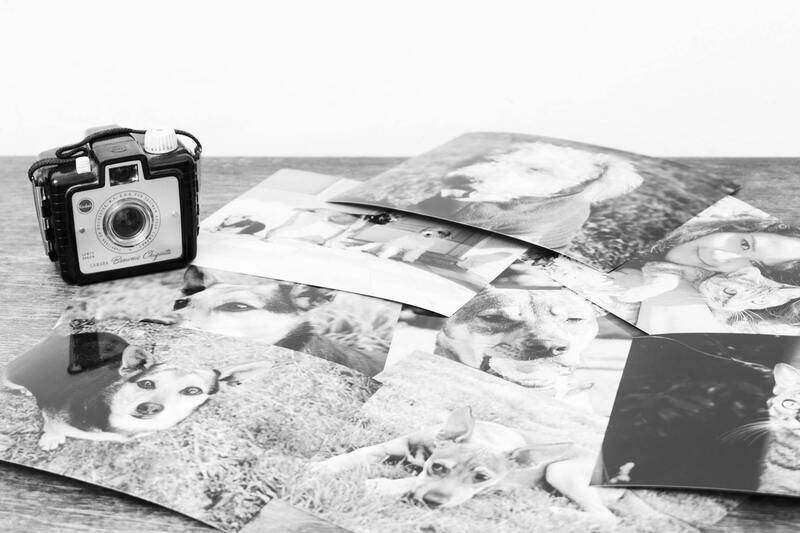
When selecting images for large wall prints, clarity and composition are paramount. Professional photographers often shoot with high-quality equipment, ensuring enough pixel data for enlargements without loss of detail. For personal photos, ensuring the original image is sharp and well-exposed will result in a more striking finished product. Additionally, consider the theme and style that best complements your space, whether it’s a panoramic landscape, a detailed still life, or an abstract piece. Proper editing, such as color correction and sharpening, can further optimize the image for large-format printing, preventing pixelation and ensuring a professional finish.
Materials and Printing Techniques
Material selection influences both the aesthetic and durability of large photo prints. Common options include canvas, vinyl, acrylic, and fine art paper, each offering unique textures and finishes. Canvas prints, for instance, provide a classic look with a textured surface that softens colors slightly, ideal for creating a timeless ambiance. Acrylic prints offer a sleek, modern appearance with vibrant color depth and high gloss, suited for contemporary spaces. Vinyl and wall decals can be a budget-friendly choice for temporary displays or promotional purposes.
Printing techniques vary based on desired output and location. Giclée printing is renowned for its high fidelity and archival quality, producing vivid, detailed images. Dye-sublimation is often used for acrylic surfaces, providing durable, scratch-resistant results. UV printing allows for direct application onto diverse materials, making it versatile for custom projects, including textured or uneven surfaces. Choosing the right method depends on desired aesthetics, exposure conditions, and longevity requirements. When executed correctly, these techniques preserve color fidelity and resist environmental factors such as UV rays or moisture, ensuring your wall art remains stunning over time.
Sizing and Wall Placement Considerations
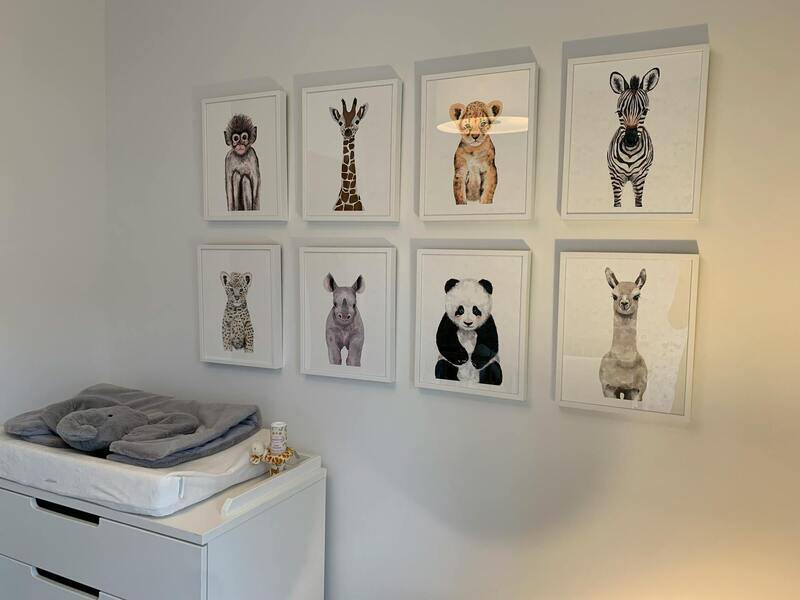
Proper sizing and placement are critical for maximizing the visual impact of large photo prints. Measure your wall space accurately, taking into account furniture, lighting fixtures, and architectural features. Oversized images can serve as focal points, drawing attention and anchoring a room’s design, while slightly smaller pieces can complement existing decor without overwhelming the space.
- Determine the optimal viewing distance: Larger prints are best viewed from a moderate distance to appreciate detail, whereas smaller pieces can be enjoyed up close.
- Consider the wall’s dimensions: Balance the size of the print with the available space, ensuring it doesn’t dominate or get lost within the room.
- Use layout templates: Create mock-ups on paper or digital tools to visualize different arrangements and identify the best positioning for your prints.
- Elevation: Hang artwork at eye level for a natural viewing experience, typically about 57 to 60 inches from the floor to the center of the piece.
Incorporating these considerations ensures that large photo prints become seamless elements of your interior design, balancing visual interest and functional use of space. Thoughtful planning in sizing and placement transforms a simple image into a captivating visual narrative that elevates the ambiance of your environment.
Frame Options and Mounting Methods
The framing and mounting approach significantly influence the overall aesthetic and ease of installation of large wall prints. Frames protect the artwork and can complement your decor style — from sleek modern metal frames to ornate vintage styles. For floating mounts or edge-to-edge framing, the focus is on clean lines and minimal hardware, creating a contemporary look that emphasizes the print itself.
In terms of mounting, options include traditional hardware such as hooks and nails, adhesive strips, or more advanced systems like cable displays, cleats, or grid wall frameworks. The choice depends on the wall material, weight of the print, and whether you prefer a permanent or interchangeable display setup. Mounting surfaces like drywall, brick, or wood require specific anchors and tools to ensure stability. Using level tools and spacers guarantees precise alignment and avoids skewed or uneven hangs.
Implementing secure and stylish mounting strategies preserves the integrity of your wall art, preventing damage over time while allowing for easy updates or repositioning as desired. Pairing high-quality frames with sturdy mounting hardware results in a polished, gallery-ready presentation suited for any space.
Cost Factors and Budgeting
Investing in large photo prints involves several cost considerations, from image licensing or creation to the printing process and framing. High-resolution digital images may require licensing fees, especially if they are professional photographs or artwork. Printing methods, material choices, and size dramatically influence the final price, with large-format prints typically incurring higher costs due to increased material and labor. Advanced printing technologies like Giclée or UV printing tend to be more expensive but provide superior quality and longevity.
Framing and mounting can also significantly impact the budget. Custom-designed frames, especially those with intricate details or premium materials, are more costly than standard options but contribute to a more refined presentation. Installation costs should be factored in, particularly for heavy or oversized pieces requiring professional help.
Effective budgeting involves prioritizing key aspects such as image quality, printing material, and framing while exploring options to optimize value without compromising aesthetic goals. Comparing quotes from reputable providers and understanding the specifics of what is included in pricing ensures transparency and helps achieve a balanced investment that results in impactful wall art.
Maintenance and Care of Wall Prints
Maintaining the pristine condition of large photo prints is essential for preserving their visual appeal over time. Regular cleaning involves dusting with a soft, dry cloth, avoiding harsh chemicals or abrasive materials that could damage the surface. For prints on canvas or textured surfaces, gentle dusting or vacuuming with a soft brush attachment prevents buildup of dirt and debris.
Environmental considerations also play a role in longevity. Avoid placing large prints in areas with direct sunlight, high humidity, or temperature fluctuations, as these conditions can cause fading, warping, or deterioration. For acrylic or glass-mounted prints, cleaning with a specialized, non-abrasive cloth and mild solution maintains clarity and luster.
Protective measures such as framing with UV-resistant glass or acrylic, applying anti-fade coatings, and using climate-controlled environments extend the lifespan of your wall art. Periodic inspection for signs of damage or deterioration allows for timely intervention and repairs, ensuring your large photo prints remain vibrant and captivating for years to come.