Understanding Large Picture Printing
Large picture printing, also known as oversized or wide-format printing, pertains to the creation of images and photographs that surpass standard dimensions, allowing for impactful visual displays. This technique utilizes specialized printing equipment capable of producing high-resolution images on extensive media, making it suitable for various large-scale applications.
In Singapore, the demand for large picture printing spans multiple industries. Retailers utilize oversized banners and posters to attract customer attention and promote products or sales. Interior designers incorporate large-format prints to enhance visual aesthetics, create urban murals, or customize wall coverings that add personality to spaces. Event organizers leverage these prints for banners, backdrops, and stage designs, elevating the overall presentation and ambiance. Moreover, large pictures serve as impactful advertising tools and branding elements in public spaces, exhibitions, and art installations across Singapore.
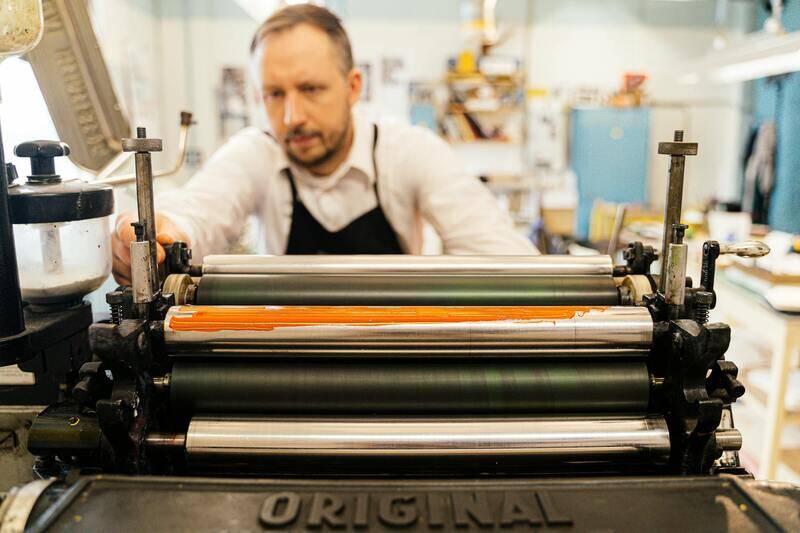
This technique provides a powerful way to communicate messages visually on a grand scale, making it an essential aspect of marketing, decoration, and informational displays. The versatility of large picture printing allows businesses and organizations to convey their brand story vividly and effectively in environments where capturing attention is crucial.
Choosing the Appropriate Media for Large Picture Printing
Optimal selection of media is essential to achieve the desired visual impact and durability of large picture prints. Different materials offer unique advantages, making them suitable for specific environments and applications. When selecting media, considerations should include exposure to elements, texture, texture, and final display method.
- Vinyl: One of the most popular choices for large-format prints, especially banners and outdoor signage. Vinyl is weather-resistant, durable, and capable of producing vibrant color reproduction. It can be either glossy or matte, depending on the intended visual effect.
- Canvas: Preferred for high-end displays and interior decorations, canvas provides a textured finish that mimics traditional art mediums. It is ideal for gallery-quality prints that require longevity and a premium appearance.
- Fabric: Often used in event backdrops and textile banners, fabric media is lightweight, easy to transport, and produces soft, elegant visuals. It can be digitally printed with high-resolution graphics, and some fabrics are flame-retardant for safety considerations.
- Wallpaper: Suitable for decorating interior walls with large images, wall coverings are available in peel-and-stick formats or traditional wallpaper types. They enable seamless coverage for expansive wall designs, creating immersive environments.

Environmental and Durability Factors in Media Selection
Beyond aesthetics, the environment where the large print will be displayed influences media choice. Outdoor applications require weather-resistant materials like vinyl or specialized outdoor fabrics to withstand sunlight, rain, and wind. Indoor uses may prioritize materials like canvas or fabric, which offer sophisticated finishes and less susceptibility to damage from environmental factors.
Durability also entails resistance to fading, tearing, and microbial growth. UV coatings and protective laminates can enhance longevity, especially for prints exposed to sunlight or high-traffic areas. Selecting media compatible with long-term display preserves visual quality and maximizes investment.
Specialty Materials for Unique Effects
For designs requiring distinctive textures and finishes, specialty materials such as metallic, translucent, or textured vinyl are available. These options allow creative versatility, emphasizing certain elements or achieving visual effects like sparkle, translucence, or tactile sensations.
Ensuring Quality and Consistency Across Large Prints
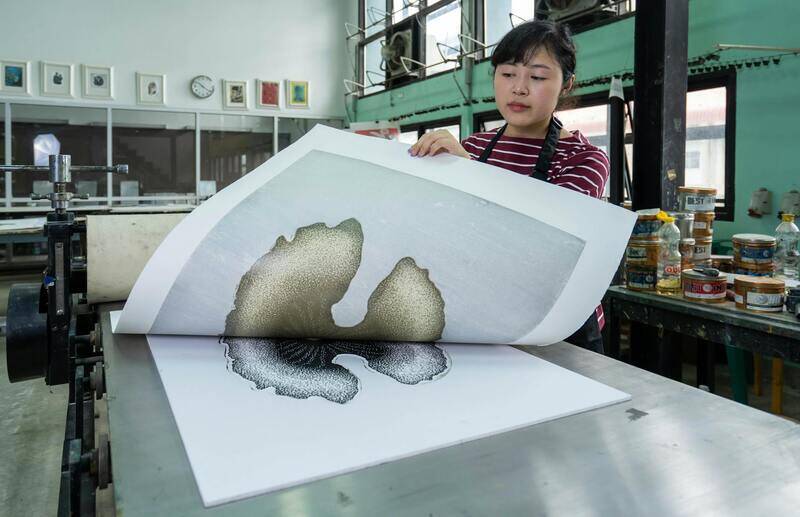
High-quality media must be paired with advanced printing technologies to ensure clarity, color accuracy, and consistent results across expansive surfaces. Collaborating with experienced printing providers who understand the nuances of large-scale production is vital. Proper media handling, storage, and maintenance further impact final image quality, preventing distortions or defects during printing and installation.
By combining the right media selection with precision printing techniques and diligent media management, organizations can achieve visually stunning large pictures that retain their impact over time.
Understanding Large Picture Printing
Large picture printing is a specialized process that requires careful consideration of various factors to achieve optimal visual impact and durability. It involves the reproduction of high-resolution images or designs onto oversized media using advanced printing techniques. The selection of appropriate materials plays a crucial role in ensuring that the final output maintains its clarity, color fidelity, and structural integrity over time. This process is utilized across a diverse range of applications, including corporate branding, interior decor, trade shows, and outdoor advertising. When executed correctly, large picture printing transforms empty walls or expansive surfaces into engaging visual narratives that draw attention and communicate messages effectively.
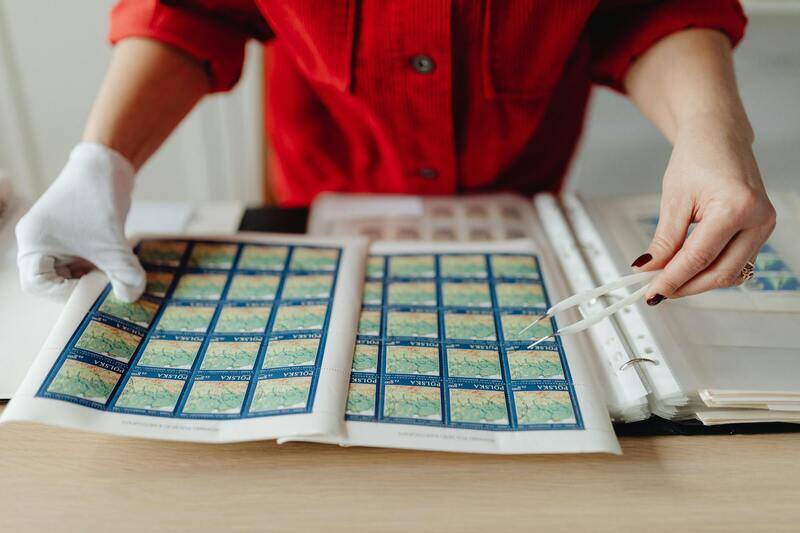
Achieving high-quality results in large-format printing hinges on a combination of skilled techniques, high-end equipment, and premium materials. The printing process must maintain pixel integrity and chromatic accuracy, especially when reproducing detailed images or subtle gradations. Furthermore, precise calibration and color management are vital to prevent discrepancies that could diminish the visual appeal of the final product. Proper handling of large media sheets, precise alignment during printing, and post-processing steps such as lamination or coating influence the durability and aesthetics of the printed images.
Employing professional printing services ensures adherence to these standards, leveraging industry-leading equipment and seasoned expertise. This cooperation often includes consultation on design scalability, media compatibility, and installation methods, forming a comprehensive approach to large picture printing in Singapore. By understanding the core principles of large-scale reproduction, businesses and individuals can make informed decisions that maximize their investment and achieve impressive visual outcomes.
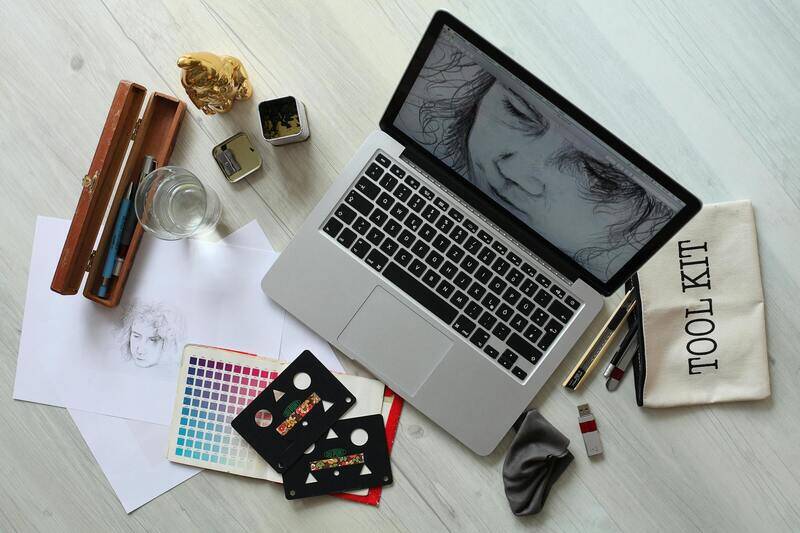
In essence, large picture printing encompasses more than just enlarging an image; it involves meticulous planning, high-quality material selection, and advanced printing technologies to produce visually stunning and long-lasting displays. The complexity of this process highlights the importance of partnering with reputable providers who prioritize quality and customer satisfaction, ensuring that each large-scale print meets the highest standards of clarity, resilience, and visual impact. With competent execution, large-format printing becomes a powerful tool to elevate visual communication and brand visibility.
Choosing a Printing Service in Singapore
When selecting a professional large picture printing service in Singapore, it is essential to prioritize providers that employ advanced printing technologies and maintain strict quality standards. Reputable companies invest in state-of-the-art equipment such as large-format inkjet printers capable of handling high-resolution images with precision, ensuring every detail is faithfully reproduced at scale. It is also important to verify that the service provider offers a wide range of customizable media options, from vinyl and canvas to acrylic and metal, to suit various aesthetic and functional requirements.
Clients should seek out providers with extensive industry experience and a track record of successful large-scale projects. Transparent communication about turnaround times, material warranties, and post-printing support reflects a commitment to customer satisfaction and project excellence. Additionally, an efficient consultation process can assist in refining design choices, optimizing image resolution, and selecting appropriate finishing techniques to enhance durability and visual appeal.
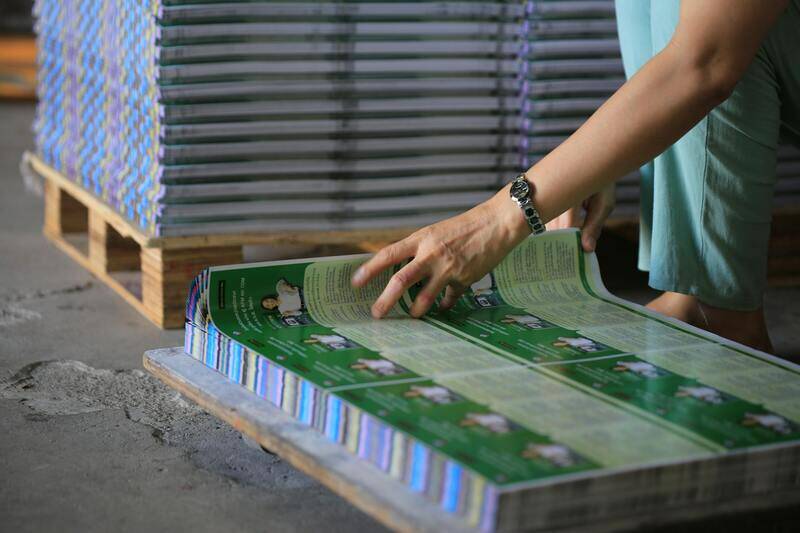
Furthermore, the proximity and accessibility of the printing service provider play a significant role, especially for large installations requiring on-site evaluation before final printing. Convenient logistics support, such as pick-up and delivery options, streamline the entire process and help maintain project timelines. In summary, choosing the right printing partner in Singapore involves assessing technological capability, quality assurance measures, experience, and logistical offerings—elements crucial for producing large photos that truly stand out.

Understanding Large Picture Printing
Large picture printing involves the creation of high-resolution images on expansive surfaces, serving purposes ranging from commercial advertising to personal home decor, gallery exhibitions, and architectural installations. This process demands precision in digital imaging, selection of suitable materials, and the employment of advanced printing technologies to ensure the final product retains clarity, vibrant colors, and durability at significant dimensions. Due to the scale, image resolution must be meticulously managed to prevent pixelation and distortion, requiring specialized software and equipment designed to handle large-format media. The selection of prints for various settings hinges on factors such as lighting conditions, viewing distance, and intended longevity of the display, influencing choices in media and finishing techniques.

Employing the correct printing approach enhances the overall visual impact, making large pictures a compelling focal point in both commercial spaces and personal environments. Advanced digital printing has made it possible to produce detailed, photorealistic images at enormous sizes, maintaining color fidelity and crispness across vast surfaces. This capability opens up numerous creative and functional avenues, including murals, backdrops, banners, and fine art reproductions, all requiring meticulous execution to meet aesthetic and durability expectations.
Types of Large Printing Media and Materials
Various media options are available for large-scale prints, each offering unique advantages suited to specific applications and environments. Common choices include:
- Vinyl Films: Popular for outdoor signage and weather-resistant installations, vinyl offers durability and flexibility, with options such as matte or gloss finishes to match the desired visual effect.
- Canvas: Ideal for art reproductions and gallery displays, canvas lends a refined, textured look that enhances the visual appeal of photographic images.
- Acrylic Sheets: Known for their clarity and reflective qualities, acrylics are often used for modern, sleek displays, blending transparency with vibrant color reproduction.
- Metal Sheets: Metal prints offer a contemporary aesthetic with high durability, often used in industrial or modern interior settings where a bold, ultimate durability surface is needed.
- Wallpaper and Fabric Materials: Perfect for large mural projects or customized interior decor, these materials can be pasted directly onto walls for seamless visual impact.

Printing Technologies and Techniques
The choice of printing technology significantly influences the quality and durability of large-format images. Types of digital printing methods include:
- Inkjet Printing: The most prevalent method for large picture applications, utilizing piezoelectric or thermal inkjet heads to deposit ink precisely onto media. High-end inkjet printers utilize UV-resistant and waterproof inks to ensure longevity and vibrant color retention.
- Solvent and Eco-Solvent Printing: These techniques use solvent-based inks that produce highly durable prints suitable for outdoor environments. Eco-solvent options are environmentally friendly and offer excellent color vibrancy.
- Dye Sublimation: Used mainly for fabric materials, this process involves transferring dye onto the substrate using heat, resulting in vivid, seamless images suitable for soft or flexible media.
- UV Printing: Ideal for printing directly onto rigid surfaces like glass, metal, and acrylic, UV printing employs ultraviolet light to cure inks instantly, producing vibrant images with excellent adhesion and scratch resistance.
These technologies accommodate various media types and project requirements, from temporary displays to permanent installations demanding longevity. Proper calibration and maintenance of printing equipment are paramount to achieving consistent results and minimizing errors, especially when producing large images that require meticulous attention to detail.
Design Considerations for Large Photos
Designing for large scale outputs involves several key aspects. The image resolution should be optimized according to the size of the final print, commonly measured in dots per inch (DPI). For large prints, a lower DPI (such as 72-150 DPI) can suffice due to the viewing distance, but the original digital file should possess adequate pixel dimensions to maintain clarity. Moreover, thoughtful composition and color grading ensure that visuals translate well from digital to physical form, while considering the environment where the print will be displayed aids in selecting appropriate color schemes and finishes. Incorporating margins, bleed areas, and considering mounting or framing methods o partner alignments are equally important to ensure the finished product is both aesthetically pleasing and structurally sound.
Understanding Large Picture Printing
Large picture printing involves the process of reproducing images or artwork on expansive surfaces, catering to diverse applications such as commercial advertising, interior decor, event displays, and public art installations. This method requires meticulous planning, precise technology, and quality materials to ensure that the final output retains its visual integrity over time. Large-format printing differs significantly from standard print jobs, primarily due to its scale, which demands specialized equipment, materials, and technical expertise. High-resolution digital images serve as the foundation for achieving sharp details and vibrant colors in large prints. Properly preparing digital files by adjusting resolution and ensuring color accuracy is crucial before commencing the printing process. Additionally, understanding the intended viewing distance and environment helps determine suitable printing parameters and finishing options, which contribute to the aesthetic appeal and durability of the large image.
Types of Large Printing Media and Materials
Choosing the right media for large picture printing is essential for achieving desired visual effects and ensuring longevity. Common materials include vinyl, fabric, canvas, polycarbonate, metal, and acrylic, each offering unique characteristics suited for different environments and purposes.
- Vinyl: Durable and weather-resistant, ideal for outdoor signage, banners, and wall coverings. Its flexibility allows for smooth printing on curved surfaces.
- Fabric: Often used for soft signage, backdrop displays, and art reproductions. It provides a matte finish, reducing glare and enhancing color vibrancy.
- Canvas: Perfect for reproducing artwork and photographs with a textured finish that mimics traditional painting.
- Acrylic and Polycarbonate: Rigid materials suitable for high-end installations, providing a glossy surface that enhances color depth and sharpness.
- Metal (Aluminum, Steel): Used for sleek, modern signage and decorative panels, offering excellent durability and a contemporary look.
In addition to material choice, surface finishing options such as matte, gloss, or satin coatings influence the visual impact and protection of the print. Environmental considerations, like exposure to UV light, moisture, or temperature fluctuations, should inform the selection of suitable materials to maintain visual quality over time.
Printing Technologies and Techniques
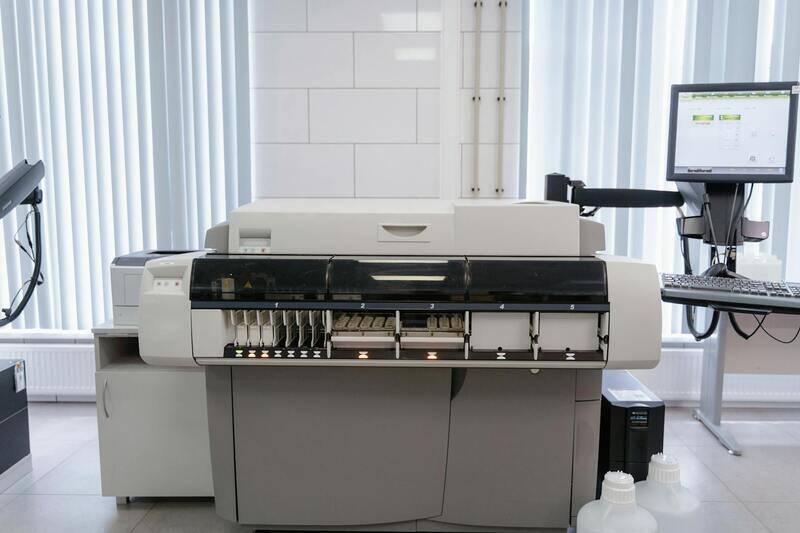
Several printing technologies underpin large picture printing, each optimized for specific materials and application requirements. The most prominent methods include:
- Inkjet Printing: Predominantly used in high-quality large-format printing, inkjet technology offers fine detail reproduction and color accuracy. Industrial-grade inkjet printers utilize eco-solvent, solvent, UV-curable, or aqueous inks, depending on the media and durability needs.
- UV Printing: UV-curable inks are applied directly onto rigid surfaces like glass, metal, and acrylic. UV printing produces vibrant, scratch-resistant images suitable for both indoor and outdoor displays.
- Solvent and Eco-Solvent Printing: These inks penetrate the surface of print media, providing excellent adhesion and weather resistance. They are ideal for outdoor banners and signage requiring longevity.
- Latex Printing: Combining durability with eco-friendliness, latex printing offers flexibility, vibrant colors, and environmentally safe inks. It is suitable for versatile media and applications.
These technologies are supported by advanced software solutions for color management, image calibration, and workflow automation. Proper calibration of printers, regular maintenance, and expert handling help to minimize errors and ensure consistent quality, especially vital when producing large images that demand precision at every stage.

Design Considerations for Large Photos
Designing for large-scale prints involves a careful balance of technical and aesthetic elements. Critical considerations include:
- Image Resolution: For large prints, a resolution between 72-150 DPI is generally acceptable depending on viewing distance. However, the digital file should have sufficient pixel dimensions—typically at least 300 DPI at the final size—to maintain clarity and detail.
- Color Management: Accurate color reproduction from digital design to physical print requires color profiles and calibration during the process. Incorporating color grading ensures visuals retain vibrancy and contrast once printed.
- Composition and Layout: Large displays benefit from strong visual focal points and balanced compositions. Margins, bleed areas, and safe zones must be accounted for to prevent unwanted cropping or distortion.
- Environmental Compatibility: The display environment influences material and finish choices, such as matte for glare reduction in brightly lit areas or gloss for enhanced color richness in controlled settings.
- Mounting and Framing: Integrating mounting hardware or framing options during the design phase ensures a seamless installation that maintains structural integrity and visual coherence.
Adapting digital artwork to large format printing involves rigorous attention to detail, optimizing each element to produce a visually striking and durable final piece capable of withstanding environmental factors and frequent handling.
Understanding Large Picture Printing
Large picture printing serves as a powerful medium for transforming spaces with striking visual impact. The process involves reproducing high-resolution images on expansive surfaces, creating ample opportunities for artistic expression, branding, and interior decoration. When selecting methods for large photo printing, the focus shifts from standard printing needs to specialized techniques that ensure clarity, color fidelity, and durability. This form of printing demands meticulous attention to detail, from the initial digital file preparation to the final mounting of the printed image. Large picture printing encompasses a diverse array of applications, including wall murals, exhibition displays, retail signage, and personalized wall art. The success of such projects depends on the precise alignment of technical specifications, creative design elements, and surface preparation. Ensuring the image maintains its integrity and vibrancy at such scale requires expertise and access to advanced printing options. The choice of printing media and the technology used directly influence the final appearance and lifespan of the print, making professional consultation and production critical for achieving optimal results.
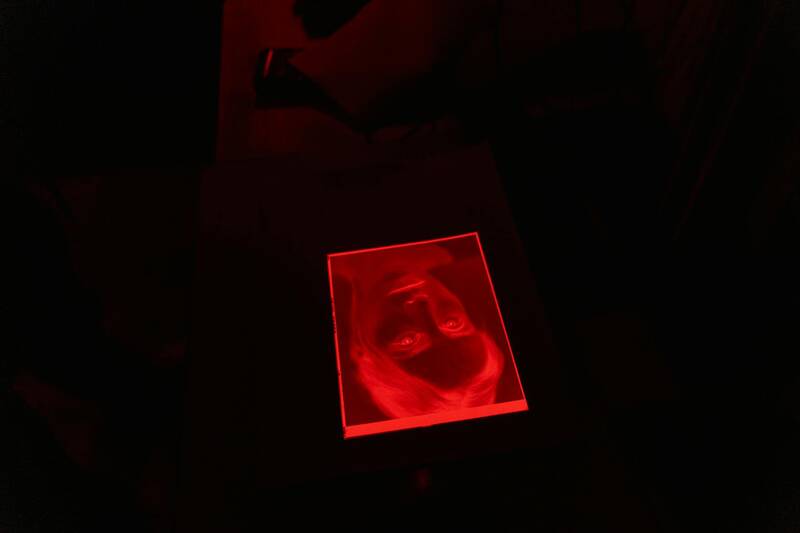
Furthermore, users must consider the intended environment and display requirements. Indoor displays necessitate finishes that enhance color richness and reduce glare, while outdoor installations demand weather-resistant materials capable of withstanding environmental stressors. Achieving seamless consistency in large-format prints also involves managing color calibration across devices and media types, ensuring the final output accurately reflects the original digital design.
Types of Large Printing Media and Materials
The selection of appropriate media plays a pivotal role in the quality and durability of large picture prints. Different applications and environments call for specialized materials, which can be broadly categorized into the following types:
- Vinyl: Popular for outdoor banners and murals due to its weather-resistant qualities. Vinyl offers flexibility, durability, and ease of installation, making it suitable for large-scale outdoor displays.
- Canvas: Often used for artists' reproductions and interior decor, canvas provides a textured, artistic finish. It pairs well with giclée printing techniques to enhance color depth and detail.
- Backlit Films: Employed in illuminated displays, these materials allow light to pass through, creating vibrant, eye-catching visuals suitable for signage and advertising panels.
- Polyester and Fabric: Used for soft signage, tradeshow backdrops, and banners, these materials are lightweight and easy to transport and install. They often feature wrinkle-resistant finishes.
- Paper-based Materials: High-quality digital papers and poster boards are suitable for indoor displays where environmental exposure is minimal and image detail is a priority.
Printing Technologies and Techniques
Advances in printing technology have expanded the capabilities of large picture reproduction, with several key methods dominating the industry:
- Giclée Printing: Known for its superior color accuracy and fine detail, giclée employs pigment-based inks on canvas or fine art paper. It is ideal for high-end art prints and reproductions requiring longevity.
- UV Printing: Utilizing ultraviolet light to cure inks instantly, UV printing allows for direct application onto a variety of rigid surfaces such as acrylic, metal, and wood, offering versatility for unique display options.
- Solvent and Eco-Solvent Printing: These methods produce durable outdoor banners and decals with vibrant colors, resistant to weather and UV exposure. Eco-solvent options are environmentally friendly and provide excellent image quality.
- Dye Sublimation: Suitable mainly for fabric materials, dye sublimation produces vibrant, seamless images with enhanced durability, often used in soft signage and custom fabric banners.
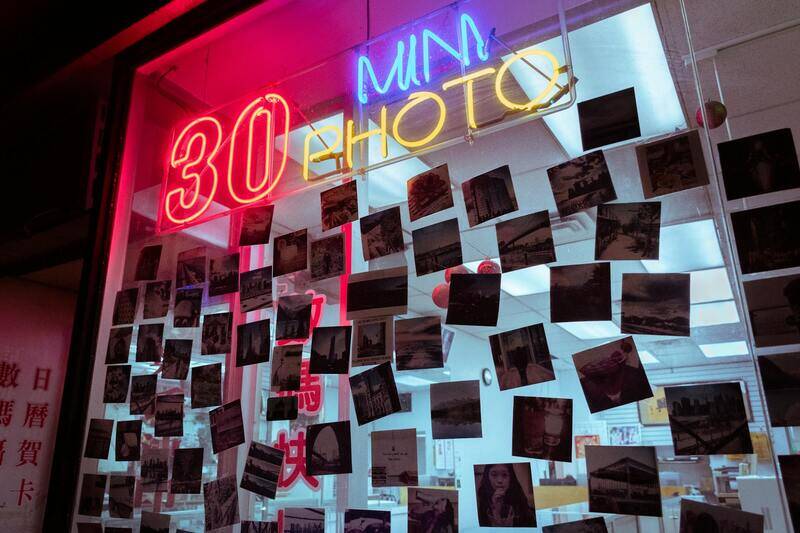
Design Considerations for Large Photos
Designing for large picture printing involves a keen eye for detail and an understanding of visual impact at scale. Key elements to consider include:
- Resolution: Ensuring the digital file has sufficient pixel density—generally at least 300 DPI at the final size—prevents pixelation and maintains image sharpness when enlarged.
- Color Profiles: Managing color fidelity through calibrated color profiles guarantees consistent output across various media and devices, preserving the vibrancy and tone of the original image.
- Composition: Large prints benefit from bold focal points and simplified layouts that draw viewers’ attention and maintain clarity from a distance.
- File Format and Size: Utilizing appropriate file formats such as TIFF or PSD, combined with high-resolution images, ensures detailed reproduction without loss of quality.
- Environmental Adaptability: Considering ambient lighting and viewing angles influences the choice of finish (matte vs. gloss) and material to optimize visual appeal.
Choosing a Printing Service in Singapore
Selecting an expert service provider is essential for achieving the desired quality and longevity of large photo prints. Reputable companies offer a combination of advanced technology, experienced craftsmanship, and professional support that guides clients through every stage of the process, from conceptual design to installation. When evaluating potential providers, consider their portfolio, client reviews, turnaround times, and available customization options. A service that maintains the highest standards in file handling, color management, and material selection will ensure the end product meets expectations for both aesthetic appeal and durability.
Installation, Maintenance, and Care of Large Picture Prints
Proper installation and ongoing maintenance play crucial roles in maximizing the lifespan and visual impact of large picture prints. When installing significant-size artwork, it is vital to use appropriate mounting techniques and hardware that support the weight and dimensions of the print. Heavy-duty mounting brackets, industrial-strength adhesives, and secure framing options ensure stability and safety, especially in high-traffic or public areas. Precise placement should consider viewing angles to optimize visibility and minimize distortion.
Regular cleaning and inspection are essential for maintaining image clarity and material integrity. Dust and dirt can accumulate on the surface of prints, particularly those with a glossy or semi-gloss finish, diminishing visual appeal. It is advisable to use soft, lint-free cloths and gentle cleaning solutions specifically suitable for the selected material—avoiding abrasive cleaners that can scratch or damage the surface. In cases of exposure to environmental elements, such as sunlight, humidity, or pollution, protective coatings or UV-resistant films can shield the print from fading or deterioration.
Addressing issues like peeling edges or fading early prevents further damage and ensures the print remains a focal point of the space. Reapplication or replacement of protective layers, retouching minor damages, and timely adjustments to mounting hardware can extend the overall lifespan. Collaborating with professional maintenance services in Singapore, experienced in handling large-scale prints, offers peace of mind and preserves the integrity of your investment.
Environmental Considerations for Display and Storage
The environment where large prints are displayed significantly influences their longevity. Controlling factors such as light exposure, humidity, and temperature helps prevent issues like warping, mold growth, or color fading. Displays placed in areas with direct sunlight should be protected with UV-filtering glass or acrylic to mitigate harmful ultraviolet rays. For storage, ensuring a stable environment with minimal fluctuations in temperature and humidity is essential. Rolls or flat storage in climate-controlled conditions safeguards against physical damage and environmental stresses.
Professional Assistance and Retrofits
Engaging with specialists for periodic maintenance, such as cleaning, touch-ups, or hardware adjustments, ensures sustained quality. Additionally, technological advancements now allow for retrofitting existing prints with updated protective coatings or mounts to enhance durability without compromising the original quality. Such interventions are particularly beneficial for large prints in commercial or frequently accessed spaces, where presentation quality directly impacts branding or viewer experience.
Investing in proper installation and ongoing care not only preserves the visual allure of your large photo prints but also ensures they continue to serve their decorative or promotional purpose effectively, maintaining aesthetic and functional standards over time.