Understanding Large-Scale Printing
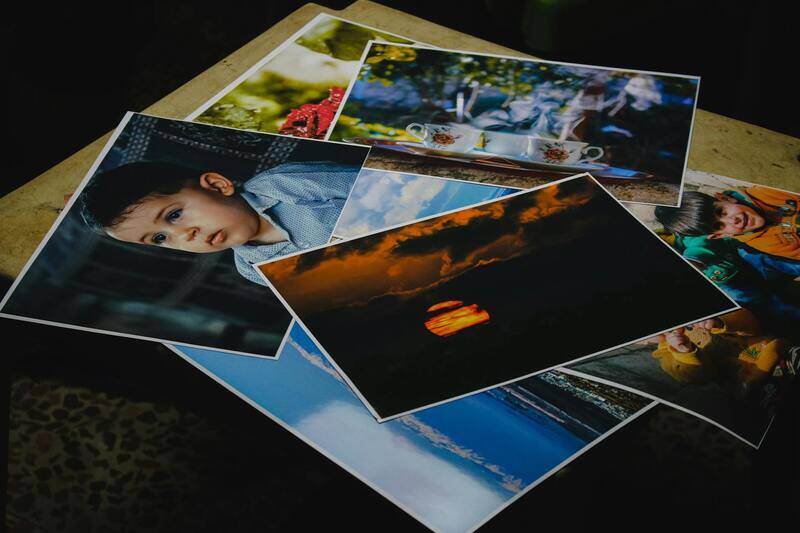
Large-scale printing has transformed the way visual content is presented across numerous industries. This specialized form of printing involves creating images and graphics on expansive surfaces, often measuring several feet or even meters in width and height. The distinctive attribute of these prints is their capacity to maintain high resolution and vibrant color fidelity over vast areas, making them ideal for visual displays that demand immediacy and impact.
In commercial settings, huge picture prints are frequently employed for advertising billboards, trade show backdrops, retail displays, and architectural embellishments. Their dimensions allow for a powerful, immersive experience, captivating viewers from afar or up close. The entertainment and event sectors also leverage large-scale prints for stage backdrops, banners, and murals, enhancing the visual environment with bold, intricate designs.
Beyond commercial applications, large-format prints serve in the art world as murals or gallery installations, offering artists a medium to showcase their work on a monumental scale. Interior designers utilize these prints to transform spaces, adding personality and character through custom wall art. They are also integral to construction and real estate industries, where they are used to create visual models and signage that communicate ideas clearly and attractively.
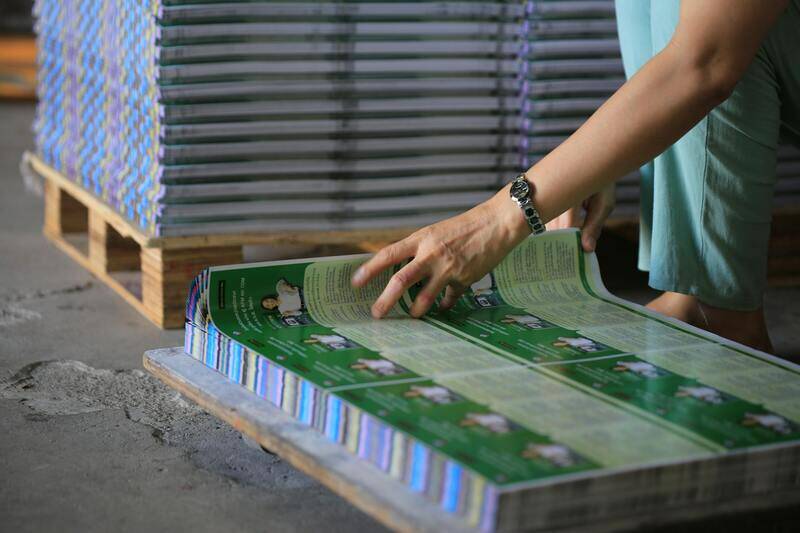
The unique qualities of huge picture prints include their ability to withstand environmental elements, their color vibrancy, and fine detail rendition, which remain consistent across their large surface area. This combination ensures that large prints are not just scalable images but are also durable and visually captivating, serving their purpose effectively whether installed indoors or outdoors.
Materials Used for Huge Picture Prints
Choosing the right material is fundamental to achieving optimal results in large-scale printing. Some of the most common materials include vinyl, canvas, fabric, and specialty substrates like mesh or wallpaper. Each material offers specific advantages tailored to particular applications:
- Vinyl: Highly durable and weather-resistant, ideal for outdoor signage and banners.
- Canvas: Provides a textured, artistic feel perfect for gallery-quality displays.
- Fabric: Lightweight and versatile, suitable for both indoor and outdoor decorative applications.
- Mesh: Allows wind passage, making it suitable for large outdoor banners exposed to weather conditions.
Manufacturers often choose materials based on durability requirements, visual aesthetic, and installation environment. Advances in material technology continue to expand the possibilities for huge picture prints, ensuring high quality regardless of size and setting.
Understanding Large-Scale Printing
Large-scale printing involves the production of images and visuals at significantly bigger sizes than conventional prints. This process is essential for creating impactful visual displays in environments such as retail spaces, exhibitions, outdoor advertisements, and art installations. Achieving high-quality results requires meticulous attention to material selection, resolution, and printing techniques. The ability to produce sharp, vibrant images over extensive surfaces maintains viewer engagement and enhances the visual message.
One of the core advantages of large-format printing is its capacity to maintain the integrity of the original design despite the increased scale. This is achieved through advanced printing technologies that support high-resolution outputs, enabling the transfer of intricate details and subtle color gradations onto large substrates without loss of quality. Consequently, large prints serve as powerful tools for brand promotion, artistic expression, and environmental design, effectively capturing attention from considerable distances.
Materials and Substrates for Extensive Visual Display
Selecting the right material is vital for the success of huge picture prints, as it influences durability, visual appeal, and installation feasibility. The most common options include:
- Vinyl: Known for its toughness and weather resistance, ideal for outdoor signage and banners exposed to the elements.
- Canvas: Offers a textured, artistic finish suitable for gallery-quality displays and interior decor.
- Fabric: Lightweight and flexible, perfect for decorative wall coverings and trade show displays.
- Mesh: Allows airflow, making it optimal for large outdoor banners that need to withstand wind conditions.
Each material has its own set of advantages, determined by the intended environment and visual requirements. Innovative developments in material technology now enable printing on a broader range of substrates, including specialty surfaces, thus expanding creative possibilities and ensuring longevity and color fidelity in large-format applications.
Working with High-Resolution Files and Design Precision
The foundation of a striking large-scale print lies in the quality of the digital design. Files intended for huge picture printing must be prepared with sufficient resolution and appropriate formatting to prevent pixelation or blurriness. The general rule is to work with a minimum of 150-300 DPI at the final print size. Designers should also consider:
- Optimizing color profiles for consistency across different devices and substrates.
- Employing vector-based artwork for logos and graphics to maintain crisp edges regardless of size.
- Ensuring bleed margins are incorporated for proper trimming and installation.
Technical skill in preparing files contributes significantly to achieving a professional finish, especially when scaling artwork from digital to print. Collaborating with experienced print providers ensures files meet the specifications necessary for premium results.
Advanced Printing Technologies for Large-Format Production
Modern large-format printers utilize technologies such as UV-curable, latex, solvent, and eco-solvent inks. These systems support high-resolution output, vibrant colors, and quick drying times, which are essential for producing huge images efficiently. For example:
- UV Printing: Provides durability and adherence on a wide variety of surfaces, suitable for both indoor and outdoor use.
- Latex Printing: Offers environmentally friendly options with excellent color vibrancy and flexibility.
- Solvent and Eco-Solvent Printing: Known for their durability and wide color gamut, ideal for outdoor applications where weather resistance is needed.
The choice of printing technology impacts the lifespan, appearance, and environmental footprint of the final product, allowing brands and artists to select solutions aligned with their project specifications and sustainability goals.
Preparing Files and Ensuring Accurate Formatting
Pre-press preparation is crucial for large-format printing. Files should be created with the correct dimensions, resolution, and bleed margins. Recommended steps include:
- Using software that supports high-resolution output like Adobe Photoshop or Illustrator.
- Embedding color profiles to ensure visual consistency.
- Saving files in print-ready formats such as PDF, TIFF, or EPS.
- Including crop and bleed marks to facilitate precise trimming and installation.
Proper file formatting minimizes the risk of errors and delays, leading to a smoother production process and a high-quality final product.
Handling and Installing Large-Scale Prints Safely and Effectively
Due to their size, huge picture prints require careful handling during transportation and installation. Best practices include:
- Using appropriate equipment such as lifting aids or scaffolding for placement.
- Partnering with professional installers experienced in large-format work.
- Ensuring that surfaces are prepared and free of debris prior to mounting.
- Following manufacturer guidelines for mounting to prevent damage and ensure longevity.
Proper handling and installation not only preserve the integrity of the print but also guarantee safety during the setup process, resulting in a flawless display that meets aesthetic and functional expectations.
Design and Resolution Considerations
Creating impactful large-scale prints hinges on meticulous attention to design details and image resolution. When working with huge picture prints, every pixel counts, as the viewing distance often varies, influencing how viewers perceive clarity. To achieve crisp, vibrant images, artists and designers must focus on optimizing resolution settings and design specifications.
Generally, a minimum resolution of 150 dpi (dots per inch) at the final printed size is recommended for large-format images viewed from a distance. However, for highly detailed or close-up displays, 300 dpi or higher may be necessary. To determine the appropriate resolution, use the following formula:
- Resolution (pixels) = Final printed size (in inches) x Desired dpi
Ensuring that your image files match these specifications prevents pixelation and blurriness, which can undermine the visual impact of your display. It’s also vital to select images and design elements that maintain their quality when scaled up. Vector graphics are especially suitable for large prints, as they can be resized without loss of quality.

Design elements such as text, logos, and patterns should be created with scalable vector formats or raster images of sufficient resolution. Consider color contrast, composition balance, and visual hierarchy to ensure the final piece communicates effectively when magnified. Incorporating these design considerations enhances the visual storytelling power of any large print project, whether for commercial displays, gallery exhibitions, or outdoor advertising.
Color Management and Printing Technologies
Optimizing color accuracy across different viewing conditions and materials is a critical step in producing stunning huge picture prints. Color management involves calibrating monitors, printers, and proofs to ensure consistent color reproduction from digital file to physical output. Utilizing ICC profiles allows for precise color matching, reducing discrepancies and ensuring that your print reflects the intended palette.
Modern printing technologies such as UV flatbed printers and wide-format eco-solvent printers enable high-quality, vibrant output on various substrates. These advanced print systems deliver excellent color consistency, sharp details, and durability suitable for both indoor and outdoor displays. The choice of technology can influence the final appearance of your huge picture prints, making it important to select a method that aligns with your material preferences and environmental conditions.
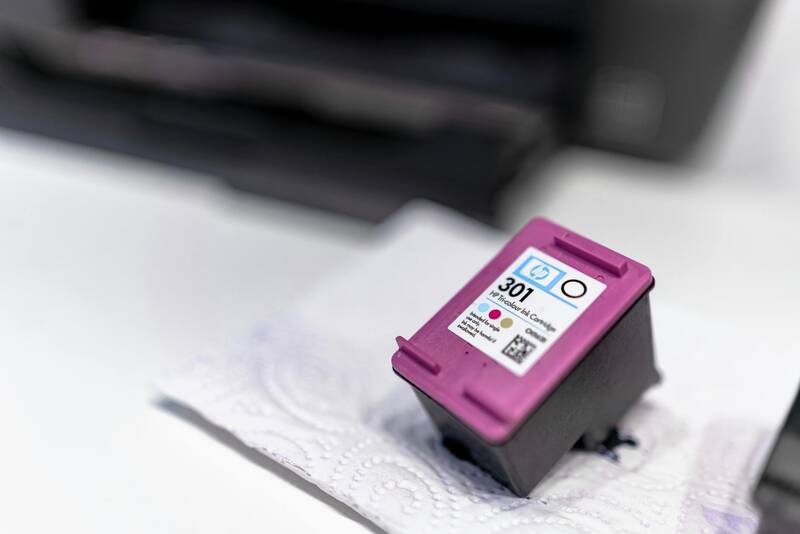
By leveraging proper color management protocols and state-of-the-art printing equipment, creators can achieve rich tones, accurate color reproduction, and long-lasting visuals that captivate audiences over time.
Understanding Large-Scale Printing
Large-scale printing involves the production of images or graphics on a scale significantly bigger than typical print formats. This process is essential for creating impactful visual displays in environments ranging from commercial advertising and gallery exhibitions to outdoor signage and event backdrops. Such prints demand precise planning and execution to ensure that the quality, color fidelity, and durability meet project expectations.
The fundamental principle behind successful huge picture printing is the ability to maintain image clarity and detail when magnified to large sizes. This entails carefully selecting high-resolution digital files, understanding the limitations of printing technology, and choosing appropriate materials. High-resolution images typically require at least 300 dots per inch (DPI) at the final viewing size to preserve sharpness without pixelation or loss of detail.
When approaching large-format printing, it is crucial to consider the viewing distance. Visual elements intended for close inspection demand finer details and higher resolutions. Conversely, images viewed from a distance can be printed at lower resolutions without compromising visual impact, which can also help optimize production costs.
This process leverages advanced printing machinery capable of handling oversized substrates while maintaining consistency and precision across the entire print. Techniques such as tiled printing or paneling allow for the assembly of exceedingly large images even on standard-sized equipment, ensuring each section aligns perfectly with the next.
Types of Materials Used for Huge Picture Prints
The choice of material plays a pivotal role in the longevity, appearance, and suitability of large picture prints. Various substrates are available, each offering unique properties tailored to specific applications, environmental conditions, and aesthetic preferences.
- Vinyl: Widely used for outdoor advertising and banners due to its durability, weather resistance, and flexibility.
- Canvas: Popular for gallery displays and interior decor, offering a textured finish that enhances the artistic appeal of the print.
- Photo Paper: Suitable for indoor murals or displays where a smooth, high-gloss finish emphasizes color vibrancy and detail.
- Backlit Media: Designed for illuminated displays, this material enhances visibility and enhances visual impact in low-light environments.
- Fabric: Often used for tension fabric displays and trade show backdrops, combining portability with a sleek appearance.

Each material varies in terms of weight, print compatibility, and environmental resilience. For outdoor projects, weatherproof substrates like vinyl offer superior longevity, while interior applications may prioritize aesthetic qualities like texture and finish. It’s essential to select a material aligned with the intended display environment and the type of print desired.
Design and Resolution Considerations
Effective large-format printing begins with meticulous design preparation. High-quality digital files should be optimized to match the intended final size, ensuring that dpi settings are adequate to prevent pixelation. Typically, a resolution of 150-300 dpi is recommended for prints viewed from a moderate distance, whereas closer inspection might necessitate higher resolutions.
Designers must also consider color accuracy, contrast, and composition to maximize visual impact. Incorporating bleed margins and ensuring proper file formats, such as TIFF or PDF, helps facilitate seamless printing processes.
Adjustments in design elements, such as simplifying intricate details or increasing line weights, can improve clarity at large scales. Additionally, color profiles calibrated specifically for the printing hardware and materials employed guarantee consistent color outputs.
The final digital file should undergo thorough proofing, preferably on materials similar to the actual print, allowing for adjustments before the full run. This step minimizes errors and ensures that the finished product aligns with artistic and branding expectations.
Color Management and Printing Technologies
Implementing precise color management processes is fundamental when producing huge picture prints. The goal is to achieve consistent and accurate color reproduction that matches the original design expectations. To accomplish this, a comprehensive understanding of color profiles, calibration techniques, and advanced printing technologies is essential.
Modern large-format printers utilize various technologies such as inkjet, solvent, UV, and dye-sublimation printing. Each offers distinct advantages—inkjet printers, for instance, are renowned for their high resolution and color accuracy, making them a popular choice for producing vivid and detailed large-scale images.
Color calibration involves matching digital color profiles with the physical output. Devices like spectrophotometers and color management software allow technicians to create and maintain accurate ICC profiles for each printer, substrate, and ink combination. This meticulous calibration ensures the output's fidelity across various materials and environmental conditions.
Additionally, some printing technologies incorporate white ink or varnishes, expanding creative possibilities and enhancing durability. UV printing, in particular, offers excellent adhesion on diverse substrates and produces vibrant colors with excellent longevity, making it suitable for outdoor installations or high-traffic areas.
The selection of printing technology should align with the project's specific requirements, considering factors such as color range, substrate compatibility, environmental conditions, and budget constraints. Collaborating with experienced print providers ensures optimal results, leveraging their expertise in managing complex color workflows and advanced equipment.

In summary, mastering the interplay between color management and state-of-the-art printing technology is crucial for achieving high-quality, large-scale image reproductions. This careful balance guarantees that vibrant imagery maintains its intended visual impact while meeting the durability and fidelity standards required for impressive visual displays.
Preparation and File Formatting
Preparing digital files for huge picture prints involves meticulous attention to resolution, format, and color management to ensure the final output matches the intended design with clarity and color accuracy. Files should ideally be created at a resolution that accommodates the final print size, generally between 150-300 dpi, to ensure sharpness without unnecessarily increasing file size. Oversized images may require tiling or tiling adjustments, especially for very large displays, allowing for seamless assembly without compromising detail. Color space selection is crucial—typically, Adobe RGB or sRGB is used during design, but final files often need to be converted to CMYK or specific color profiles optimized for the printing equipment. Embedding ICC profiles within the files ensures consistent color reproduction, aligning digital colors with the physical output. File formats should be compatible with high-quality printing workflows, with TIFF and PDF being common choices due to their ability to retain image fidelity and embedded color data. JPEGs with high quality settings may be acceptable for less critical print areas but should be avoided for large, high-impact visuals because compression artifacts can reduce clarity. To prevent issues during printing, files should be free of layers or effects that could interfere with color accuracy or introduce inconsistencies. It's often recommended to review files on calibrated monitors and perform test prints of smaller sections or representative areas, ensuring colors, brightness, and details align with expectations. Lastly, collaborating with your printing provider on the specific file specifications and submitting files on reliable media, such as high-quality USB drives or via secure upload portals, reduces the risk of corruption or misinterpretation, facilitating a smooth production process.
Understanding Large-Scale Printing
Large-scale printing involves transforming digital images into physical displays that can span walls, floors, or even entire exhibition spaces. This process necessitates careful planning to ensure that the final output maintains its visual impact without sacrificing clarity or detail. Precision in choosing the right printing techniques, materials, and resolution is essential, especially when dealing with enormous visuals meant to captivate viewers from a distance. The production of huge picture prints often employs advanced digital printing technologies that can handle extensive dimensions while preserving color fidelity and sharpness. It is important to recognize that the printing process should be tailored to the intended viewing environment, whether for commercial advertising, artistic displays, or event backdrops. Proper execution guarantees that the visual message is communicated effectively and the physical asset remains durable over time. The adoption of specialized printing strategies enables the seamless reproduction of high-resolution imagery on large formats, ensuring consistent quality from edge to edge across expansive surfaces.
Types of Materials Used for Huge Picture Prints
The choice of material plays a pivotal role in determining the durability, appearance, and practical application of huge picture prints. Common options include vinyl, canvas, fabric, and specialized wallpapers, each offering distinct benefits tailored to various settings. Vinyl is highly versatile, resilient against environmental factors, making it ideal for outdoor installations. Canvas offers an artistic texture, perfect for gallery displays or interior decor, delivering a classic and sophisticated look. Fabric backdrops are lightweight and easy to transport, often used in exhibitions or temporary events. Wallpapers, especially those designed for large-scale printing, provide seamless integration into interior spaces, offering a smooth, high-impact visual impact. When selecting a material, considerations such as exposure to UV light, moisture levels, and the required lifespan should influence the decision. Additional coating options, like lamination or UV protection layers, can enhance the longevity and vibrancy of the print, ensuring it remains impressive over time. The compatibility of the chosen material with the printing technology being used is crucial for achieving optimal results.
Design and Resolution Considerations
Creating impactful huge picture prints begins with meticulous design preparation. Designers must work with high-resolution files—typically at least 150 to 300 dpi at the final print size—to ensure crisp details and accurate colors. As the physical size increases, so does the potential for pixelation if resolution is insufficient. It is advisable to work with vector graphics or to enlarge images with care, maintaining original quality levels. The use of tiling techniques, such as dividing the image into smaller sections for printing and assembly, can mitigate resolution issues while enabling larger displays. When designing, attention should be paid to viewing distance; larger images viewed from afar do not require the same level of detail as those intended for close inspection. Incorporating bleed areas, safe zones, and alignment marks during the design phase facilitates accurate trimming and assembly. Color accuracy is equally vital—using calibrated monitors and color profiles ensures that the digital design accurately represents the intended visual outcome once printed. This harmonization between digital design and physical output guarantees a visually striking installation.
Color Management and Printing Technologies
Effective color management begins with a consistent workflow, from digital design to final print. Using calibrated displays and embedded ICC profiles ensures that colors appear consistently across different devices and media. Digital printing technologies such as UV flatbed printers, solvent printers, and dye-sublimation printers cater to various material types, each capable of producing vibrant, durable images. UV flatbed printers are popular for their ability to print directly onto rigid surfaces, making them ideal for huge picture prints on diverse materials such as acrylic, metal, or wood. Solvent and eco-solvent printers excel at printing on vinyl and other flexible materials, offering high color vibrancy and weather resistance. Dye-sublimation printing is suited for fabric materials, providing excellent color accuracy and washability. Choosing the appropriate technology depends on factors such as material compatibility, environmental conditions, and desired longevity. Ensuring color consistency involves regular calibration of printer settings and maintenance routines, which contribute to high-quality, repeatable results across multiple projects.
Preparation and File Formatting
Proper file preparation is fundamental to achieving flawless large-format prints. Files should be created in high-resolution formats such as TIFF or PDF, with embedded color profiles aligned with the printing device’s requirements. It is essential to flatten layers and avoid unnecessary effects that could hinder color accuracy or cause misinterpretations during printing. Files should be checked for resolution, color consistency, and color gamut; using a calibrated monitor aids in verifying these aspects accurately. Including bleed margins of at least 2-5 mm is recommended to prevent unintended white edges after trimming. During export, selecting the correct color profile and resolution preserves image fidelity. Test prints of smaller sections or representative areas help identify potential issues before committing to the final large-scale print. Saving files on reliable media, like high-quality USB drives or secure cloud platforms, minimizes the risk of corruption or data loss during transfer. Clear communication with the printing provider regarding file specifications ensures a smoother production process and a final output that matches expectations.
Preparation and File Formatting
Ensuring your digital files are perfectly prepared is critical for achieving high-quality large-scale prints. This process involves several key steps to optimize image fidelity, color accuracy, and compatibility with professional printing equipment.
Choosing the Right Resolution and File Format
For enormous prints, resolution is paramount. High-resolution images—preferably 300 dpi or greater at the final print size—ensure that details remain sharp and clear when scaled up. Commonly, TIFF and PDF formats are preferred for their lossless quality and widespread compatibility. These formats preserve image data and embed essential color profiles, minimizing the risk of quality degradation during printing.
Color Profile and Gamut Management
Embedding the appropriate color profiles—such as Adobe RGB or specific device profiles—is critical to maintain color consistency across digital and printed media. This practice guarantees that the colors you see on screen closely match the final print output, reducing discrepancies caused by device-specific color interpretations.

Flattening Layers and Adjusting Effects
When preparing files, flattening all layers and removing unnecessary effects help prevent printing issues such as distortions or unintended color shifts. Simplified, flattened images streamline the printing process and reduce the risk of artifacts or misinterpretation of complex layer structures.
Incorporating Bleed and Safe Margins
Adding bleed margins—typically 2-5 mm—ensures that no white edges appear after trimming. Safe margins also provide a buffer zone to accommodate slight misalignments during cutting, preserving the visual integrity of the design.
Testing and Backup Procedures
Running test prints on smaller sections allows early detection of potential issues such as color mismatches or pixelation. It is advisable to save files on high-quality, reliable media—like premium USB drives or encrypted cloud storage—to prevent data loss and facilitate smooth transfer to the printing provider.
Clear Communication with the Printing Provider
Providing detailed specifications—including file formats, resolution, color profiles, and size requirements—helps ensure the final product aligns with your expectations. Maintaining ongoing dialogue with the print team allows for adjustments and clarifications, ultimately contributing to a successful print project.