Overview of Large Format Picture Printing
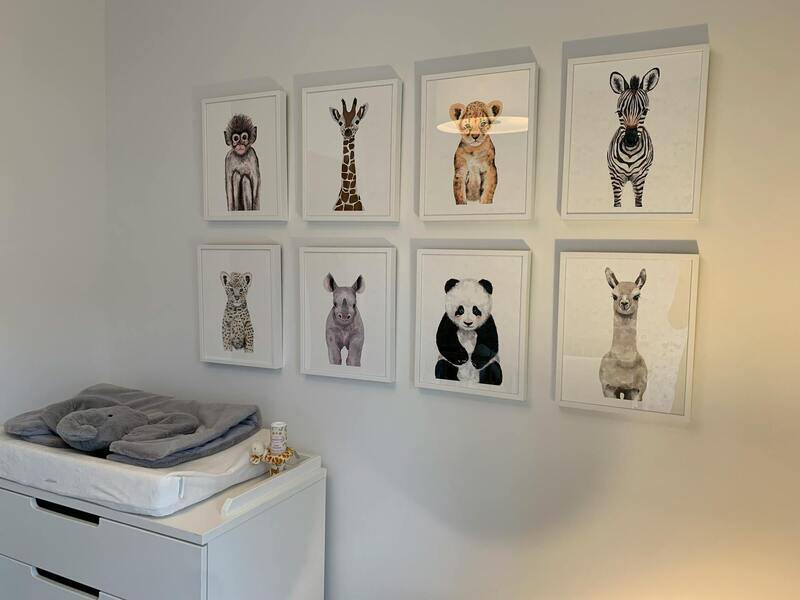
Large format picture printing is a specialized segment of the printing industry that focuses on producing images that exceed standard dimensions. This form of printing plays a crucial role in numerous sectors by enabling the creation of visually impactful displays that capture attention and convey messages effectively. Industries such as advertising utilize large format prints to produce eye-catching banners, posters, and billboards that dominate visual spaces. Interior designers and decorators rely on high-quality large prints to enhance interior environments, creating focal points within homes, offices, and commercial spaces. The art community also benefits from large format printing by producing fine art reproductions, murals, and installations that bring artworks to life in expansive formats.
The significance of large format picture printing lies in its ability to provide high-resolution, detailed imagery on sizable substrates, maintaining clarity and vibrancy regardless of scale. This capability broadens creative and communicative options, allowing for immersive visual experiences and impactful presentations. As technology advances, the scope of large format printing continues to expand, accommodating more complex and color-rich designs while ensuring durability and ease of installation. Whether for promotional campaigns, decorative applications, or artistic endeavors, large format picture printing remains a vital tool for professionals seeking to maximize visual influence and engagement across diverse environments.

Materials and Substrates Used in Large Format Printing
Choosing the right material or substrate is critical to achieving optimal results in large format picture printing. The selection process hinges on the intended application, environmental conditions, and desired aesthetic qualities. Common substrates include vinyl, fabric, paper, canvas, and acrylic, each offering distinct characteristics suitable for different scenarios.
Vinyl is often favored for outdoor advertising due to its durability and weather resistance. It provides a flexible surface that adheres well to various structures, making it ideal for banners, vehicle wraps, and billboard displays. Fabric substrates, on the other hand, offer a soft texture with a high-quality finish, making them popular for gallery wraps and indoor decorative displays. These materials are breathable and can be stretched tightly over frames to produce seamless, stunning visuals.
Paper and photo-sensitive materials are used predominantly for indoor displays, fine art reproductions, or photographic enlargements. They provide detailed, vibrant images with a smooth surface that enhances color depth. Canvas prints are known for their artistic appeal, enabling prints that resemble original artworks; they are often stretched over wooden frames for a classic presentation.

Other innovative materials such as acrylic and aluminum panels are used for high-end displays. These rigid substrates offer a sleek, modern appearance and excellent longevity, making them suitable for corporate signage or premium art displays. Some printers also support biodegradable or recycled materials, aligning with environmentally conscious practices without compromising quality.
It is essential to match the substrate with the specific ink technology, printing environment, and post-processing requirements. Ensuring compatibility enhances adhesion, color vibrancy, and durability, ultimately providing the best visual outcome and lifespan for the print.
Materials and Substrates Used in Large Format Printing
Choosing the appropriate material or substrate is a critical component in large format picture printing, as it directly influences the visual impact, durability, and suitability of the final product. The selection process involves understanding the specific properties of each material and aligning them with the intended application, environmental conditions, and desired aesthetic outcomes.
Vinyl remains one of the most popular substrates due to its versatility, durability, and cost-effectiveness. It is highly adaptable for outdoor signage, vehicle wraps, and banners, thanks to its resistance to weather elements and ease of printing. Various finishes such as gloss, matte, or satin can be applied to enhance visual appeal and reduce glare, depending on the desired look.
Canvas and fabric substrates are widely favored in art reproduction and gallery-grade displays. Canvas provides a textured surface that mimics traditional oil paintings, adding depth and a sense of authenticity. Fabric materials, often made from polyester or cotton blends, are breathable and flexible, making them ideal for tension frames, wall murals, and decorative art pieces. Their ability to be stretched over frames without compromising image integrity ensures a high-quality presentation.
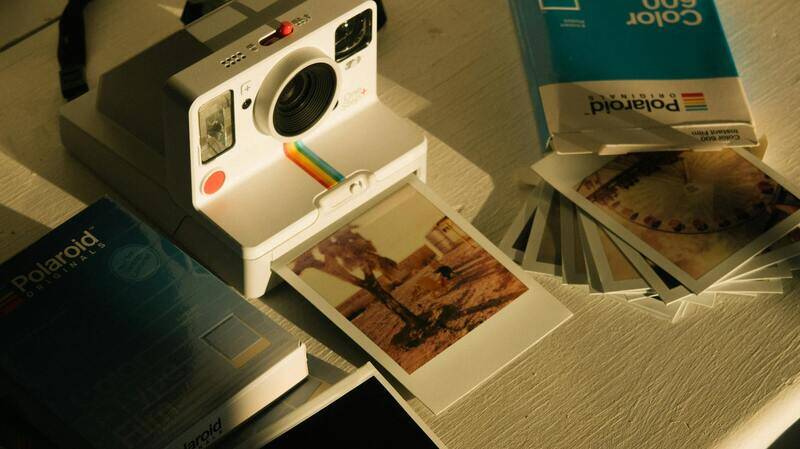
High-gloss or matte photo papers are used predominantly for photographic enlargements, fine art reproductions, and indoor displays where fine detail and color accuracy are paramount. These materials enhance color vibrancy and provide smooth surfaces that allow for intricate detail rendering.
Rigid substrates like acrylic, metal, and aluminum panels are increasingly popular in high-end applications. Acrylic provides a glossy, sleek finish that looks modern and sophisticated, making it suitable for corporate branding and luxury art exhibitions. Metal substrates offer excellent durability and are resistant to corrosion, making them ideal for outdoor signage and long-term displays.
Environmental consciousness is increasingly influencing substrate choices, with manufacturers expanding offerings of biodegradable, recycled, and eco-friendly materials. These options align with sustainable practices while maintaining high-quality output, an advantage for projects emphasizing environmental responsibility.

Matching the substrate with compatible ink technology and post-processing techniques is essential. The right combination ensures optimal adhesion, vivid colors, and durable results, whether for indoor displays, outdoor banners, or fine art reproductions. Proper material selection also contributes to the longevity of the print, helping it withstand environmental challenges and maintain visual appeal over time.
Details on Materials and Substrates Used in Large Format Printing
Optimizing the longevity and appearance of large format prints begins with selecting the appropriate materials and substrates. Each substrate offers unique attributes suitable for specific applications, whether indoor displays, outdoor signage, or fine art reproductions. Understanding the characteristics of these materials ensures that the final output meets both aesthetic and functional requirements.
Common Materials and Substrates
- Vinyl: Known for its versatility and durability, vinyl is frequently used for banners, vehicle wraps, and outdoor signage. It offers excellent weather resistance and can be printed with various ink types to produce vibrant, eye-catching visuals.
- Backlit Polyester Films: Used primarily for illuminated displays, these films provide high transparency and allow light to pass through the print, enhancing visual impact in retail and exhibition environments.
- Canvas: For fine art reproductions and high-end displays, canvas offers a textured surface that adds depth and a professional aesthetic to the image. It is frequently stretched over frames for gallery-quality presentations.
- Rigid Substrates: Materials such as acrylic, aluminum, and metal panels are favored for structural durability and a modern, sleek appearance. Acrylic provides a glossy finish perfect for corporate branding; aluminum offers corrosion resistance suitable for outdoor installation.
- Paper and Photo Papers: Heavyweight papers and specialized photo papers are ideal for printing photographs and artwork where detailed color accuracy and sharpness are critical.
Sustainable and Eco-Friendly Options
Part of progressive large format printing involves integrating eco-conscious substrates. Manufacturers now supply biodegradable, recycled, or sustainably sourced materials designed to lessen environmental impact while maintaining quality. These options include recycled vinyl, biodegradable films, and paper products made from sustainable fibers.
Matching Substrates with Ink Technologies and Post-Processing
To maximize the lifespan and visual quality of large format prints, it is crucial to align the chosen substrate with compatible ink types and post-processing techniques. Solvent, UV, latex, and eco-solvent inks each have specific compatibilities and performance characteristics with various surfaces. Proper adhesion is vital to prevent peeling or deterioration, especially in outdoor environments where exposure to weather elements is inevitable.
Post-printing treatments such as lamination, mounting, or framing further enhance durability and aesthetic appeal. For instance, gloss or matte laminates can protect against UV damage and scratches, prolonging the vibrancy and integrity of the display over time.
Ensuring Longevity and Optimal Performance of Large Format Prints
Proper installation and maintenance are critical components in maximizing the visual impact and lifespan of large format pictures. When executed correctly, they not only preserve the aesthetic appeal but also protect the investment made during the printing process.
Professional Installation Techniques
- Surface Preparation: Before mounting or installing large prints, surfaces should be thoroughly cleaned to remove dust, grease, and other contaminants that could compromise adhesion or cause imperfections.
- Use of Appropriate Hardware: The selection of mounting hardware—be it frames, rails, or adhesive systems—must match the specific material and environment where the print will be displayed. Proper spacing, leveling, and tension ensure a smooth, professional finish.
- Climate Control During Installation: Temperature and humidity levels influence adhesive performance and material stability. Maintaining ideal conditions minimizes the risk of warping, curling, or detachment over time.
Routine Maintenance for Large Format Prints
- Regular Cleaning: Dust and airborne particles should be gently removed with soft, lint-free cloths to prevent buildup that can diminish visual clarity. Avoid harsh chemicals that could damage the inks or substrate surface.
- UV and Environmental Damage Monitoring: Exposure to direct sunlight, moisture, and pollution can lead to fading or surface degradation. Protective measures such as UV-resistant coatings or strategic placement reduce these risks.
- Reapplication of Protective Coatings: Over time, lamination and surface finishes may necessitate renewal. Re-laminating or resealing can restore protective barriers and extend the display's lifespan.
Handling and Storage Procedures
- Proper Handling: When moving or repositioning large prints, use appropriate support systems to prevent creasing, tearing, or physical damage. Wearing gloves can prevent fingerprints and oils from contaminating surfaces.
- Storage Conditions: If not on display, store prints in a climate-controlled environment with consistent temperature and humidity. Employ acid-free, non-abrasive packaging materials to avoid chemical reactions or surface abrasions.
Monitoring and Quality Control
- Periodic Inspection: Regularly assess the condition of large format displays for signs of deterioration, such as fading, peeling, or warping. Early detection allows for timely intervention and repairs.
- Documentation: Maintain records of installation and maintenance routines, including dates and specific treatments applied. This documentation helps inform best practices and future preservation efforts.

Proper Methods for Large Format Picture Printing
Utilizing Commercial Printing Services
For individuals and organizations seeking high-quality large format pictures, engaging with professional printing services is the most reliable and efficient method. Specialized printing companies employ advanced equipment and adhere to industry standards to produce vibrant, durable, and precise large-scale images. When selecting a service, it is essential to evaluate their experience, equipment calibration, material options, and quality assurance processes. Providing high-resolution digital files ensures the final product retains sharpness and color fidelity, especially important for expansive prints where details can often get lost. Opting for reputable commercial printers guarantees adherence to standardized procedures that optimize color accuracy, durability, and overall aesthetic appeal of your large format image.

Importance of Proper File Preparation
Preparing digital files correctly is crucial for achieving optimal print quality. This involves using the appropriate resolution—typically 300 DPI or higher for large format images—along with color profiles that match the printer's color management system. Files should be formatted in widely accepted formats such as TIFF or PDF to preserve image fidelity and prevent compression artifacts. Ensuring correct sizing and aspect ratios is vital to prevent distortions or pixelation in the final print. High-quality source images with proper exposure and sharpness contribute significantly to the clarity and impact of the finished piece. Collaborating with the printing provider to understand their specific file requirements can mitigate potential issues and streamline the production process.
Custom Printing Options and Finishing Techniques
Customizing your large format print allows for additional aesthetic and protective features. Choices include matte, gloss, or satin finishes, which influence the visual texture and glare reduction. Protective coatings such as UV lamination can extend the lifespan of the print, especially for outdoor or high-traffic displays. Edge mounting, framing, or sleek mounting options help integrate the artwork into various environments seamlessly. Additionally, specialty effects like canvas prints, textured surfaces, or metallic finishes can enhance visual interest and match specific design intents. Engaging with professionals who can advise on finishing techniques ensures your print not only looks impressive but also withstands environmental factors and handling over time.
Methods to Obtain Large Format Pictures Legally and Responsibly
Acquiring high-quality large format images requires adherence to authorized channels that respect intellectual property rights and ensure the integrity of the artwork. For individuals and businesses seeking to produce large prints for commercial, exhibition, or personal purposes, it's essential to utilize legitimate sources that provide authorized content. This approach not only safeguards the rights of original creators but also guarantees the use of high-resolution images suitable for large scale printing, thereby ensuring optimal quality and longevity of the final output.
Utilizing Licensed Stock Photo Providers
One of the most straightforward and reliable avenues for obtaining large images is through licensed stock photo agencies. Reputable platforms offer extensive collections of professionally curated images with clear licensing agreements that specify usage rights. These licenses often include options for high-resolution downloads suitable for large format printing, ensuring that users can access images with the necessary quality standards. When selecting images, it’s important to verify their resolution, aspect ratio, and licensing scope to match the intended print size and display environment.
Commissioning Original Artwork
Engaging professional photographers or digital artists to create custom images guarantees exclusive content tailored to specific requirements. Commissioned works allow clients to specify particular themes, color schemes, and dimensions that align with their vision. When working with creatives, it is vital to establish clear licensing agreements, which often include rights to reproduce and distribute the image at large scales. This method ensures the artwork is not only unique but also legally obtained, with full control over how it will be used in large format printing projects.
Accessing Public Domain and Creative Commons Content
Images in the public domain or licensed under Creative Commons licenses can be valuable resources for large format printing, provided their usage terms are carefully followed. Public domain images are free of copyright restrictions and can be used freely for any purpose, including large-scale reproductions. Conversely, Creative Commons licenses may restrict commercial use or require attribution, so reviewing license specifics is crucial before proceeding. High-resolution scans or digital versions of these images can often be obtained directly from institutional archives or reputable online repositories, making them suitable candidates for printing purposes.
Verifying Image Authenticity and Quality
Regardless of the source, verifying the authenticity and quality of the image is a critical step in the process. The image should be in a high-resolution format, typically 300 DPI or higher, and possess sufficient pixel dimensions to be scaled without loss of detail. Confirm that the image retains clarity and sharpness when enlarged, and ensure that its color profile aligns with the printing device's specifications. Working with trusted vendors and clearly understanding the licensing terms fosters a smooth workflow and ensures compliance with all legal considerations involved in large format picture printing.

Effective Techniques for Achieving Authentic and High-Quality Large Format Prints
For any project requiring large format picture printing, utilizing authorized images is fundamental to ensuring the final product meets both aesthetic and professional standards. When sourcing images, focusing on methods that guarantee authenticity and high resolution allows for crisp, accurate reproduction on expansive surfaces. Here are some official and reliable methods to obtain suitable visuals:
Official Stock Image Libraries and Repositories
One of the most trusted avenues for acquiring high-resolution images is through established stock image libraries. Platforms such as Getty Images, Shutterstock, Adobe Stock, and iStock offer extensive collections of images that are licensed for professional use. These libraries maintain strict quality standards, providing digital files with resolutions suitable for large-format printing, often exceeding 300 DPI at large dimensions. Purchasing or licensing images from these sources ensures compliance with intellectual property rights while safeguarding the quality of the final print.

Authorized Custom Photography and Artwork
Commissioning professional photographers or artists to create custom images guarantees exclusive content tailored to specific project requirements. This method is often employed for corporate branding, murals, or artistic displays where unique visuals add value. Working with licensed creators ensures all rights are managed appropriately, and the high-resolution digital files obtained are suitable for large-scale reproduction. Proper contractual agreements specify the scope of use, resolution standards, and attribution terms, fostering transparency and reliability.
Official Archives and Cultural Institutions
Many cultural institutions, museums, and government archives offer access to high-resolution images of historical and culturally significant artworks, photographs, and documents. These images often come with clear licensing or usage guidelines, especially when the content is in the public domain. Researchers or print service providers can access digital repositories that provide high-quality scans suitable for printing at large sizes without compromising image clarity or detail.
Collaborating with Licensed Content Providers
Some industry-specific content providers specialize in images and visuals tailored for print mediums. These providers offer licensing agreements that explicitly cover large-format printing, frequently with guarantees regarding resolution and color fidelity. Establishing a partnership with such suppliers may involve detailed licensing negotiations to ensure all legal and quality standards are met, making the process seamless and compliant.
Ensuring Image Authenticity and Quality
Beyond sourcing methods, verifying image authenticity is a critical step. Always confirm that the digital files are in a high-resolution format—preferably 300 DPI or higher—and possess sufficient pixel dimensions to accommodate the desired print size without loss of detail. Sorting through digital proofs, viewing images at actual size, and employing color profiles compatible with the printing device will prevent issues related to clarity and color mismatching.
Using trusted vendors and understanding the licensing terms associated with each image source will help streamline the production process. Proper validation ensures that the final large format picture print not only adheres to quality standards but also maintains legal integrity, fostering trust and professionalism in the finished product.