Understanding Large Format Printing
Large size picture printing is a specialized process that involves producing images on vast surfaces, often exceeding standard print sizes. This technique is essential in fields such as interior décor, advertising, architecture, and event planning, where impactful visuals can convey messages with immediacy and clarity. The primary goal of big size printing is to create high-resolution, vivid reproductions that maintain their quality when scaled up, making them visually striking from a distance and up close. In practical terms, large format printing encompasses a variety of outputs, ranging from panoramic banners and wall murals to expansive banners for trade shows and commercial displays. These prints serve not only as decorative elements but also as powerful communication tools that attract attention and enhance visual storytelling. For instance, in retail environments, large prints can effectively promote products or brand messages, while in the hospitality sector, they elevate interior aesthetics. The applications of big size picture printing are diverse, spanning multiple industries:
- Advertising and Marketing: Creating eye-catching outdoor billboards and storefront displays that capture attention.
- Interior Design: Installing large-scale murals and artwork that enhance the ambiance of spaces.
- Event Production: Designing oversized backdrops and stage visuals for concerts, conferences, and festivals.
- Architecture and Construction: Producing informational signage and blueprint displays in a clear, impactful manner.
- Education and Museums: Developing detailed exhibits and educational materials with vivid imagery.

Materials Suitable for Big Size Printing
Choosing the right material is essential for achieving optimal results in big size picture printing. The selection depends on the intended application, viewing environment, and durability requirements. Common materials include vinyl, fabric, PVC, canvas, and specialty papers, each offering unique advantages.
Vinyl is a popular choice for outdoor banners and large advertisements due to its weather-resistant properties and durability. It withstands exposure to sunlight, rain, and wind, making it suitable for both temporary and long-term installations. 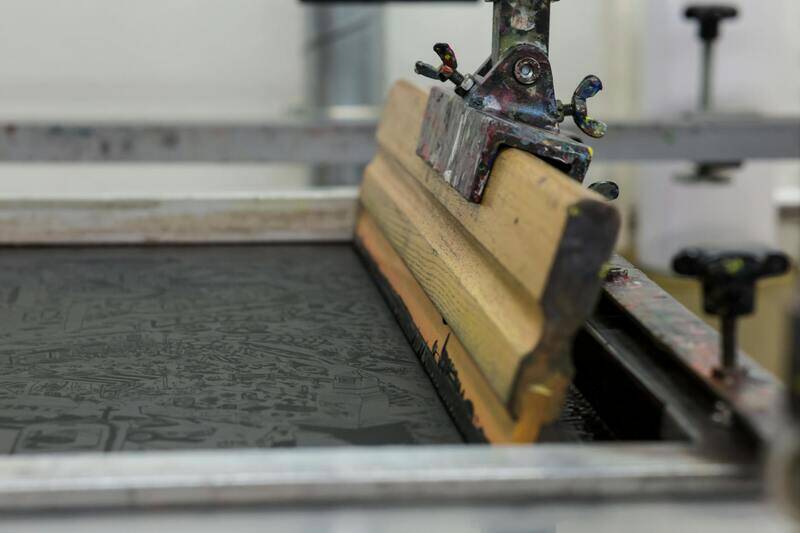
Canvas is favored for art reproductions and gallery displays, providing a textured, high-end finish that enhances visual appeal. It is highly suitable for indoor environments, especially when a classic, artistic look is desired. Canvas prints are also stretchable, allowing for framing without the need for mounting on rigid backing.
PVC and Polypropylene are lightweight, rigid materials used for impressive, large-scale signage and murals. Their smooth surface supports high-resolution printing, making them excellent for detailed visuals and bold colors. These materials are also easily mounted or displayed using various framing methods, ensuring versatility in presentation.
Specialty Papers and Fabrics cater to niche markets like fine art and photographic displays. These materials often have superior color accuracy and texture, ideal for detailed reproductions where visual fidelity is a priority. However, their durability may vary depending on environmental exposure and handling.
When selecting materials, it’s important to consider environmental factors such as UV exposure, moisture, and placement location. Proper material choice not only enhances visual quality but also ensures the longevity of the printed image, maintaining impact over time.

Understanding Large Format Printing
Large size picture printing demands a comprehensive understanding of the methods and materials that ensure high-quality, impactful visuals. When producing images at a scale suitable for murals, banners, or gallery displays, selecting the appropriate printing technology and substrate is essential. This process involves meticulous attention to detail, including resolution, color accuracy, and finishing to achieve optimal results. The goal is to create a print that maintains clarity and vibrancy, even at significant sizes. Achieving this level of quality requires an integration of advanced printing techniques, well-chosen materials, and precise calibration, all tailored to the specific requirements of big size picture printing.
Types of Printing Technologies for Large Images
The foundation of successful big size picture printing lies in the technology behind the process. Several methods are predominantly used, each offering different advantages depending on the application, material, and desired visual outcome:
- Inkjet Printing: The most common and versatile method for large format images, inkjet printers can produce high-resolution visuals with accurate color reproduction. Modern wide-format inkjet printers utilize aqueous, solvent, or UV-curable inks, each suitable for different substrates and environmental conditions. These printers excel in producing detailed, vibrant images on a variety of materials, from vinyl to canvas.
- Laser Printing: Although more typical for smaller formats, some large-format laser printers are used for high-volume printing with consistent quality. However, laser printing is less common in the realm of large-scale photographic or artistic prints due to limitations in material compatibility and color gradation capabilities.
- Solvent and Eco-Solvent Printing: Specifically designed for outdoor advertising and signage, these printing methods offer excellent weather resistance. They produce durable images on vinyl and banner materials while maintaining vibrant, fade-resistant colors that withstand prolonged exposure to sunlight and moisture.
- UV Printing: Utilizing ultraviolet light to cure inks instantly, UV printing enables printing directly onto rigid substrates like acrylic, metal, and wood, as well as flexible materials. This technique provides sharp details and vibrant colors, with enhanced durability suitable for both indoor and outdoor displays.
Choosing the appropriate technology depends on the project’s specifications—considering factors such as material compatibility, environmental exposure, and desired longevity. Professionals equipped with advanced large-format printers can produce prints that not only meet size requirements but also uphold high standards of color fidelity and detail, essential for impactful visual storytelling in big size picture printing.
Materials Suitable for Big Size Printing
While the printer technology is vital, selecting the right substrate significantly influences the final outcome. Different materials lend themselves to particular applications and influence durability, appearance, and installation options:
- Vinyl: The most popular choice for banners and outdoor signage owing to its weather resistance, flexibility, and ease of mounting. Vinyl allows for large-scale printing with high-resolution detail and vibrant colors, making it ideal for external billboards and event banners.
- Fabric: Used for fine art reproductions, backdrops, and indoor displays, fabric offers excellent color depth and a soft appearance. Materials like polyester or canvas fabrics can be tensioned or stretched for gallery-quality presentations.
- Canvas: Favored for artistic reproductions and high-end displays, canvas provides a textured surface that enhances visual appeal. It supports stretching and framing, making it suitable for gallery settings and decorative installations.
- Specialty Papers: These include textured or coated papers designed for photographic reproductions and fine art. They offer superior color accuracy but may require controlled environmental conditions to ensure longevity.
- Rigid Materials: Such as aluminum, acrylic, or foam board, are often used for mounting large images in retail or exhibition contexts. These materials deliver a sleek, professional appearance suitable for both indoor and outdoor displays.
The selection of material should consider environmental conditions, durability requirements, and visual objectives. Proper material choice ensures that the resulting print maintains its vibrancy and structural integrity over time, catering to the specific demands of large-format visual communications.
Understanding Large Format Printing
Creating impressive and impactful images at big sizes demands a thorough understanding of the printing process and the technical considerations involved. Large format printing is a specialized branch of digital printing that allows for the reproduction of images on surfaces much larger than standard paper sizes. This method is essential for producing visual assets such as billboards, banners, trade show displays, and fine art reproductions. Achieving high-quality results in big size picture printing involves selecting the right printing technology, materials, and resolution settings to ensure sharpness, color accuracy, and durability.
Technical Foundations of Large Format Printing
The core technology behind big size picture printing primarily revolves around large-scale digital printers capable of handling wide media widths, often ranging from 24 inches up to 16 feet or more. These printers utilize advanced inkjet mechanisms, which deposit tiny ink droplets onto the chosen material with precision. This process allows for high-resolution reproductions that capture even minute details and nuances in color.
One critical factor in large size printing is resolution, typically measured in dots per inch (DPI). For big images, a lower DPI might be acceptable for viewing from a distance, but maintaining at least 150-300 DPI ensures crispness and clarity. Proper calibration of printers and consistent color management are vital to produce accurate, vibrant results across all print runs.
Environmental Considerations in Large Format Printing
Environmental factors play a significant role in the longevity and appearance of large prints. Outdoor displays are exposed to weather conditions such as sunlight, rain, and wind, demanding weather-resistant inks and materials. Encapsulation or lamination techniques can further protect the printed surface from UV damage, moisture, and physical wear. Indoor displays, on the other hand, benefit from archival-grade inks and materials that minimize fading over time, ensuring the artwork or message remains vibrant for extended periods.
Verification and Proofing
Before committing to large-scale production, it is prudent to produce a proof—either digital or a small-scale print—to evaluate color accuracy, image composition, and material compatibility. Digital proofs help identify potential issues early and allow for adjustments in color profiles, exposure, or material selection. This step ensures that the final large size picture print precisely matches expectations and requirements, avoiding costly reprints or adjustments post-production.
Understanding Large Format Printing
Big size picture printing requires specialized techniques and equipment that differ significantly from standard printing processes. Unlike small-scale printing, the process must accommodate larger physical dimensions while maintaining high-resolution quality, color fidelity, and durability. The challenge lies in balancing the technical specifications with material choices to produce a seamless, vibrant image that can be appreciated from a distance or up close. An understanding of the overall workflow—from image preparation to final output—is crucial for achieving professional results in large format printing.
Types of Printing Technologies for Large Images
When considering big size picture printing, selecting the appropriate printing technology is essential. Each method offers distinct advantages tailored to specific applications, durability requirements, and material considerations.
- Inkjet Printing: This is the most common method for large format printing, renowned for its ability to produce detailed images with rich color depth. High-quality inkjet printers utilize multiple ink cartridges, allowing for a broad color spectrum and smooth gradient transitions. Advanced piezoelectric inkjet systems are capable of printing on a wide variety of materials, making them ideal for posters, banners, and fine art reproductions.
- Solvent and Eco-Solvent Printing: These technologies are suited for outdoor applications due to their weather-resistant inks. Solvent-based printers produce durable prints with excellent adhesion on non-porous surfaces like vinyl and plastic. Eco-solvent printers reduce environmental impact while maintaining high durability, making them popular for outdoor signage and vehicle wraps.
- UV Printing: UV printers cure inks instantly using ultraviolet light, enabling printing directly onto rigid surfaces such as glass, metal, or wood. This method provides vibrant, scratch-resistant images and is ideal for custom decor, signage, and exhibitions.
Materials Suitable for Big Size Printing
Material selection plays a pivotal role in ensuring the longevity, appearance, and suitability of large prints. The choice depends on the intended environment—indoor or outdoor—and the desired aesthetic effect.
- Vinyl Films: Popular for banners, outdoor signage, and vehicle graphics due to their weather resistance and flexibility. They can be laminated for added protection against UV damage, moisture, and physical wear.
- Canvas: Used for high-end art reproductions and interior decor, canvas provides a textured, gallery-quality finish. It’s compatible with various ink types, including latex and solvent inks, for vibrant, long-lasting images.
- Backlit Materials: Designed for illuminated displays, these substrates transmit light evenly and are commonly used in transit stations, retail displays, and trade shows.
- Rigid Substrates: Materials such as foam board, aluminum panels, acrylic, and wood offer durability and a premium feel for signage, exhibitions, and decorative panels.
Design Considerations for Large Prints
Creating an effective large size picture involves strategic design choices that account for scale, viewing distance, and material capabilities. High-resolution files are crucial, ideally with a minimum of 150 DPI at the final print size, to prevent pixelation. Designers should focus on bold, simple graphics and minimal text to ensure readability from afar, while detailed images can be optimized for closer inspection.
Color harmony and contrast are vital components of impactful large prints. Using calibrated color profiles ensures output consistency across different devices and print runs. Additionally, considering margins, bleed areas, and safe zones helps prevent unintended cropping and ensures that essential elements are not compromised during trimming.
For complex compositions, it's advisable to work with vector graphics where possible, as these graphics can be scaled infinitely without loss of quality. Rasters, on the other hand, require high-resolution images to maintain clarity at large sizes. Proper file formats such as TIFF, PDF, or high-quality JPEGs are recommended for final preparation.
Additional Considerations
Ensuring proper environmental conditions during printing, handling, and installation significantly influences the final product's durability and appearance. Proper calibration of equipment and meticulous material handling reduce discrepancies and ensure color fidelity. Precise measurement and alignment during installation prevent distortions and ensure the large image maintains its visual integrity over time.
Understanding Large Format Printing
Big size picture printing involves producing high-quality visual displays on large-scale materials suitable for various applications, from outdoor advertising to interior decor. The process demands precision, specialized equipment, and suitable materials to ensure the final product meets expectations in durability, vibrancy, and clarity. Whether printing banners, murals, or freestanding displays, understanding the nuances of large format printing equips clients to make informed decisions that align with their objectives and budget.
Types of Printing Technologies for Large Images
Choosing the appropriate printing technology is critical to achieving sharp, color-accurate large images. Among the most prevalent methods are:
- SOLvent and Eco-Solvent Printing: These printers use solvent-based inks capable of bonding well with non-porous materials like vinyl and banners. They offer excellent outdoor durability and vibrant color reproduction, making them ideal for signage that needs to withstand weathering.
- UV Printing: Utilizing ultraviolet light to instantly cure inks, UV printing provides exceptional clarity and adhesion on diverse substrates, including rigid materials like acrylics or metals. It's perfect for large, high-resolution displays requiring durability and vibrant detail.
- Latex Printing: Known for its environmentally friendly ink composition, latex printing delivers flexible, durable, and eco-conscious large-format prints. It’s suitable for soft and rigid materials, providing good color vibrancy and weather resistance.
- Solvent-Free Latex or Water-Based Prints: These are optimized for indoor applications where minimizing emissions and health risks is a priority, offering high-quality visuals suitable for large murals or exhibition displays.
Materials Suitable for Big Size Printing
Material selection influences both the aesthetic appeal and functional performance of large prints. Commonly used materials include:
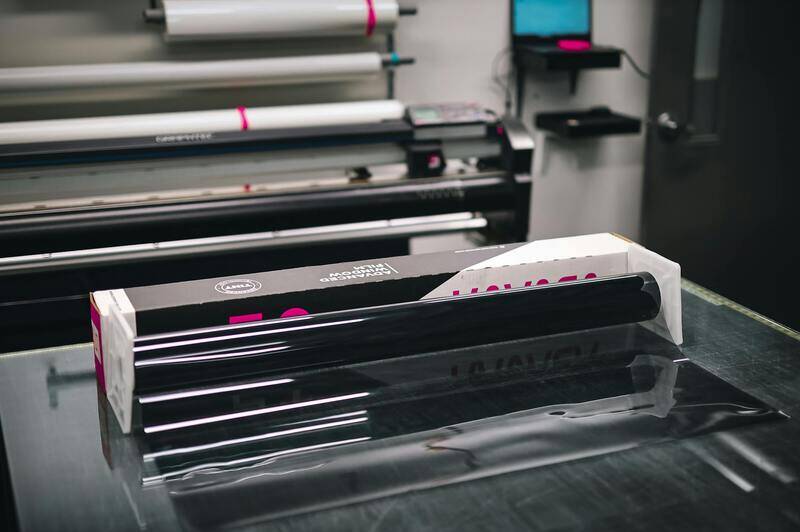
- Vinyl Banners: Durable and weather-resistant, ideal for outdoor advertising. Available in various finishes such as gloss or matte.
- Canvas: Provides a high-quality, artistic look, suitable for interior art displays or decorative wallpapers. Can be stretch mounted or framed for a refined presentation.
- PVC Foam Board: Rigid and lightweight, perfect for mounting large images in permanent signage or exhibits.
- Wallpaper and Wallcoverings: Large-scale murals printed on specially coated materials for interior decoration, offering seamless visual impact.
- Polyester or Fabric Materials: Used for banners or portable displays, offering flexibility and ease of transportation.

Design Considerations for Large Prints
Designing for big size picture printing necessitates attention to detail, scale, and viewer perception. Important considerations include:
- Resolution and File Quality: Files should typically be created at a minimum of 150 DPI at the final print size but can be optimized further for maximum clarity, especially for close viewing distances.
- Color Profiles and Management: Consistent color reproduction is achieved through calibrated, device-specific color profiles, ensuring the print matches the original design intent across different production runs.
- Simplicity and Boldness: Large prints benefit from strong, simple visuals with bold graphics and minimal detailed text. This enhances readability and impact from a distance.
- Safe Zones and Bleed Areas: Essential elements should be kept within safe margins, and sufficient bleed areas included to prevent cropping artifacts during trimming.
- Vector Graphics for Scalability: Using vector-based designs enables images to be scaled infinitely without loss of quality, maintaining crisp edges and details.
Designing with these principles ensures that the final large-format print effectively communicates its intended message and maintains visual integrity over its lifespan.
Color Management and Calibration
Achieving accurate and consistent colors across large format prints requires meticulous calibration of output devices and color workflows. Employing calibrated monitors and color profiles ensures that digital designs translate properly to printed output. It is advisable to perform test prints, especially for projects with complex color schemes, to fine-tune the process before the full production run. Additionally, environmental conditions, such as temperature and humidity, should be controlled during printing to prevent color shifts and material distortions. Proper calibration minimizes discrepancies, ensuring that large-scale visuals retain their vibrancy and precision from the initial design to the final installation.
Understanding Large Format Printing
Large format picture printing is a specialized process that enables the creation of visually impactful images suitable for various applications such as billboard advertising, exhibition displays, wall murals, and event backdrops. This method involves printing images at dimensions significantly larger than standard paper sizes, requiring precise technology and high-quality materials to ensure clarity, color accuracy, and durability. The process demands a comprehensive understanding of the available techniques to select the most suitable approach for a given project, aiming for optimal visual impact without sacrificing detail or color fidelity. Large format printing not only elevates branding and visual communication but also enhances viewer engagement by allowing larger, more striking visuals to be showcased effectively in both indoor and outdoor environments.
Types of Printing Technologies for Large Images
Several printing technologies are employed for large size picture printing, each with specific advantages tailored to different project requirements:
- Inkjet Printing: This is the most common method used for large format prints. It utilizes tiny nozzles to spray ink directly onto substrates like vinyl, fabric, or paper. High-resolution inkjet printers produce sharp, vibrant images suitable for indoor displays, banners, and fine art reproductions. Modern models are equipped with advanced color management systems, enabling precise color matching and gradient transitions.
- Solvent and Eco-Solvent Printing: Ideal for outdoor applications, these printers use solvent-based inks that offer excellent adhesion and weather resistance. They produce durable prints on flexible materials like vinyl and mesh, making them suitable for banners, vehicle wraps, and signage exposed to varying environmental conditions.
- Latex Printing: This technology combines eco-friendliness with high durability. Latex printers can handle a wide range of substrates, producing flexible, vibrant, and waterproof images. They are increasingly popular for both indoor and outdoor large format displays due to their quick drying times and environmental safety.
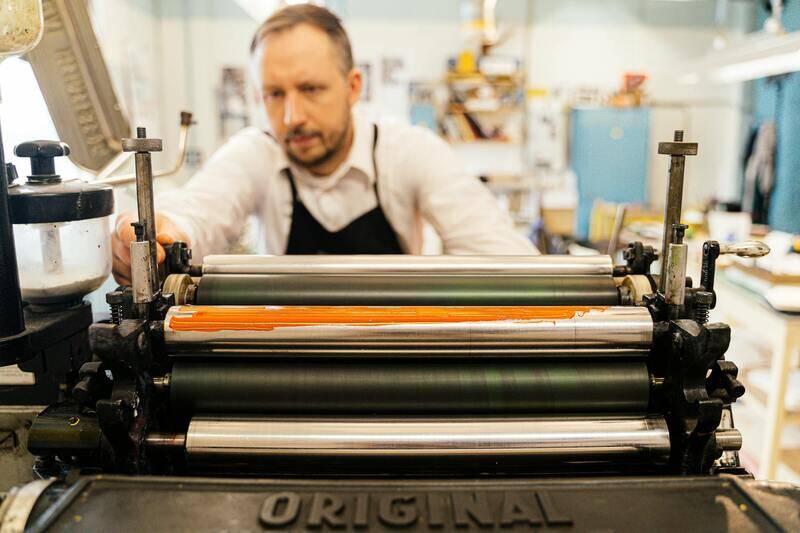
- Screen Printing: While traditionally used for mass production, screen printing can be adapted for large images on specific materials like textiles and plastics. Its high opacity and vibrant colors are advantageous for high-impact visuals on curved or textured surfaces.

Materials Suitable for Big Size Printing
Choosing the right material is crucial for ensuring the longevity and visual quality of large size prints. The selection depends on the intended display environment, projected lifespan, and aesthetic preferences:
- Vinyl: The most versatile material, suitable for banners, vehicle wraps, and outdoor signage. It offers weather resistance and flexibility, making it ideal for large displays that require outdoor durability.
- Canvas: Perfect for art reproductions and decorative murals indoors. Canvas provides a textured finish that mimics traditional paintings, adding artistic appeal to large prints.
- Polyester and Fabric Substrates: Used for fabric banners and backdrop displays, these materials are lightweight and easy to install. They are also suitable for indoor environments where airflow and aesthetics are priorities.
- Mesh Vinyl: Designed for large outdoor banners, mesh vinyl allows wind to pass through, reducing strain on mounting points while still displaying vibrant visuals.
- Backlit Films and Lightboxes: Used when the large image needs to be illuminated, these materials are designed for backlit installations, enhancing visibility at night or in low-light conditions.
Design Considerations for Large Prints
Effective large format printing begins with thoughtful design. Since the image will be viewed from a distance, design principles should prioritize clarity, simplicity, and impact:
- Resolution and Image Quality: Ensure that images are created at a resolution appropriate for the final size. Vector graphics are preferred for logos and text, as they can be scaled infinitely without losing clarity. For photographic images, high-resolution files—typically 300 DPI or higher—are necessary.
- Color Profiles and Calibration: Colors should be managed within calibrated working environments. Using consistent color profiles across designs and printer workflows guarantees color accuracy and reproducibility.
- Safe Zones and Bleeds: Keep critical content within designated safe margins to prevent cropping issues. Bleed areas should be added to accommodate trimming and framing, ensuring that no important details are lost during finishing.
- Design for Visibility: Utilize bold fonts and high-contrast color schemes to maximize readability and viewer impact from a distance. Minimalism often enhances the overall visual effectiveness of large visuals.
Color Management and Calibration
Precisely managing colors in large format printing involves meticulous calibration protocols. Starting with a calibrated monitor allows designers to accurately preview colors before printing. Employing comprehensive ICC profiles tailored for specific printers and materials ensures that the color output corresponds as closely as possible to digital designs. It is recommended to perform test prints on small sections or mock-ups to verify color accuracy, especially when working with complex color schemes or gradient transitions. Maintaining a controlled environment—monitoring temperature, humidity, and lighting—further reduces variables that can lead to color shifts. Regular calibration of printing equipment and updates to color profiles help sustain consistent output quality, ensuring that the vibrant hues and intricate details of the digital design are faithfully reproduced on the final large-scale print.
Understanding Large Format Printing
Large size picture printing serves as a powerful medium for visual storytelling, branding, art displays, or promotional visuals. The ability to reproduce high-resolution images on expansive surfaces demands advanced techniques that maintain quality and detail, regardless of scale. When contemplating big size picture printing, it is crucial to recognize that choosing the right printing method, material, and provider influences the final outcome's clarity, durability, and aesthetic appeal. An informed approach ensures that the displayed visuals are captivating, professional, and serve their intended purpose effectively. This process begins with understanding the available printing technologies, the suitable materials, and the specific design considerations necessary for achieving optimal results.

Types of Printing Technologies for Large Images
The selection of printing technology directly affects both the quality and efficiency of large format printing projects. Among the most prominent techniques are:
- UV Printing: Utilizes ultraviolet light to cure ink instantly upon contact with the substrate. Ideal for a variety of materials, UV printing produces vibrant colors, high durability, and resistance to environmental conditions, making it suitable for outdoor displays and signage.
- Solvent and Eco-Solvent Printing: Employs solvent-based inks that penetrate deep into materials like vinyl or mesh. This method offers excellent color richness, weather resistance, and longevity, which is essential for outdoor big posters and banners.
- Latex Printing: Uses water-based latex inks that are environmentally friendly while providing flexibility and vibrant outputs. Latex printing is highly versatile, suitable for textile backdrops or flexible banners without sacrificing image quality.
- Piezoelectric Inkjet Printing: This precise technology applies microscopic ink droplets onto the substrate, delivering high-resolution digital images suitable for fine art displays and photographic reproductions on large canvases or wallpapers.
Materials Suitable for Big Size Printing
Choosing the correct substrate is essential for the longevity, appearance, and suitability of large prints. Common materials include:
- Vinyl: Durable and weather-resistant, ideal for banners, vehicle wraps, and outdoor signage.
- Canvas: Offers a textured finish that enhances artistic prints and photographs, perfect for interior decor and gallery displays.
- Polyester and Fabric: Used for banners, backdrops, and textile-based applications, providing flexibility and ease of transport or installation.
- Foam Boards and Corrugated Cardboard: Suitable for displays and exhibitions, combining lightweight properties with high visual impact.
- Wallpaper and Wall Coverings: Designed for interior decoration, offering seamless large-scale murals or decorative patterns.
Design Considerations for Large Prints
Creating visuals that translate effectively on a grand scale involves thoughtful design choices. To maximize impact and clarity:
- Resolution: Aim for a minimum of 72 DPI at the final print size, though higher resolutions are preferable to retain detail.
- Simplification: Reduce complex details that may become indistinct when scaled up. Focus on bold shapes, clear lines, and high contrast.
- Color Strategy: Use vibrant and contrasting colors to enhance visibility from afar. Design with the viewing environment in mind—bright outdoor settings require more saturated hues.
- Typography: Select large, legible fonts that are easy to read from a distance. Avoid intricate or thin fonts that may blur or become unreadable.
- Bleeds and Safe Zones: Incorporate bleed margins and keep critical elements within the safe zones to prevent cropping issues during finishing.
Color Management and Calibration
Color fidelity is a pivotal aspect of large size picture printing. Achieving consistent, vibrant color output involves meticulous calibration procedures. Monitoring equipment, including calibrated monitors, ensures digital designs accurately reflect the intended colors before printing. Application of ICC profiles tailored to specific printers and materials enhances color match precision. Performing test prints on smaller samples or mock-ups helps verify color accuracy and gradient transitions, especially for complex or subtle hues. Maintaining controlled environmental conditions—by regulating temperature, humidity, and lighting—reduces ambient factors that may influence color consistency. Regular updates to calibration protocols and printer profiles help sustain predictable, high-quality results that accurately reproduce the artist’s or designer’s vision.
Installation and Display Tips
Proper installation enhances visual impact and longevity of big size prints. Strategies include:
- Ensuring sturdy mounting structures capable of supporting large substrates without warping or sagging.
- Using professional-grade adhesives and fasteners designed for the specific material and environment.
- Aligning and stretching material evenly to prevent buckling or creases, especially for flexible banners or wallpapers.
- Considering lighting conditions to optimize visibility—using strategic illumination to highlight key visual elements without causing glare.
- Implementing protective coatings or laminates that guard against UV damage, moisture, and physical wear, especially for outdoor displays.
Cost Factors and Budgeting
Estimating expenses for big size picture printing involves multiple variables, including material choice, print technology, print size, and finishing options. Higher resolution outputs and premium materials invariably increase costs, but they also enhance durability and visual quality. Large-scale projects may benefit from economies of scale, reducing cost per unit as size increases. Additional costs may include installation, framing, and conservation treatments for delicate or sensitive materials. Successful budgeting requires detailed discussions with printing providers to understand transparent pricing models and to explore options that balance quality with expenditure. Proper planning and selecting the appropriate technology and materials will ensure that the final large print meets expectations while adhering to financial constraints.
Related Tags: