Understanding Large Format Photo Printing
Large format photo printing is a specialized printing technique that allows for high-quality, expansive images to be produced on various materials. This method is popular among photographers, artists, businesses, and individuals in Singapore seeking to create visually impactful displays, banners, murals, or fine art reproductions. Unlike standard photo prints, large format prints typically start from widths of 24 inches and can extend up to several meters, depending on the application and printer capabilities.

Common formats for large scale printing include banners, posters, wall murals, backdrops, and fine art prints. Each format serves a different purpose, from promotional displays for events and retail outlets to decorative elements in interior design. The choice of material or substrate plays a critical role in the durability, appearance, and overall effectiveness of the print. For instance, outdoor banners require weather-resistant materials, while gallery-quality prints might demand premium fine art papers or canvases.
The materials selected for large format printing in Singapore must cater to diverse environments, including humid tropical conditions. As a result, antiscratch and UV-resistant coatings are often incorporated to prolong the vibrancy and lifespan of the print. Notably, the environmental considerations in Singapore also influence the selection of eco-friendly substrates, aligning with broader sustainability efforts.
The scope of applications for large format photo printing in Singapore is extensive. Businesses leverage these prints for advertising campaigns, storefront displays, and event backdrops. Artists utilize them for exhibitions, while private clients enjoy personalized wall art that enhances interior aesthetics. Metropolitan locations, shopping malls, hotels, and public spaces regularly feature large format images to engage audiences and enhance visual storytelling.
Importance of Proper Image Preparation and Resolution
A vital aspect of successful large format printing involves preparing digital images correctly. High-resolution files are essential to ensure clarity, sharpness, and color accuracy at large scales. Typically, image resolution should be at least 150 to 300 DPI at the final print size. Files that are too low in resolution may result in pixelation or loss of detail, which undermines the quality of the output.
Color calibration and management are equally important. Accurate color profiles should be embedded within the digital files to match the output device’s capabilities, ensuring vibrant and true-to-life reproductions. For complex designs or photographic images, working with a professional designer or print technician can help optimize file preparation to meet the technical specifications of large format printers.
Visual Quality and Durability Considerations
Another critical factor involves choosing materials that withstand environmental challenges. Depending on the intended placement, UV coatings and lamination can add a protective layer to prevent fading, scratches, and moisture damage. This is especially pertinent in Singapore's humid climate, where humidity and exposure to sunlight can degrade prints over time. Proper preparation and material selection significantly extend the lifespan of large format photo prints, ensuring they maintain their visual impact for years.
Ultimately, understanding the fundamentals of large format photo printing is essential for achieving desired results. From formats and materials to image quality and environmental conditions, each aspect influences the final outcome. Partnering with experienced printing providers in Singapore who utilize advanced technology and quality materials guarantees professional results that meet your specific needs and standards.
Types of Printing Technologies Used
When selecting a method for large format photo printing, understanding the available technologies ensures your images are rendered with clarity and durability. Two primary technologies dominate the industry: inkjet printing and solvent printing, each offering distinct advantages suited to different applications.
- Inkjet Printing: This technology relies on tiny nozzles to spray droplets of liquid ink directly onto substrates. Inkjet large format printers are renowned for their ability to produce high-resolution images with rich color gradation and fine detail, making them ideal for photographic and fine art reproductions. They support a broad spectrum of media, including photographic papers, vinyl, fabric, and canvas, allowing for versatile applications.
- Solvent Printing: Solvent printers use solvent-based inks that provide excellent adhesion to non-porous surfaces like vinyl and banners. They are suited for outdoor signage, vehicle wraps, and other applications requiring weather-resistant finishes. The inks penetrate the material, offering enhanced durability against UV exposure, moisture, and abrasions, which is particularly beneficial in outdoor environments and high-traffic displays.
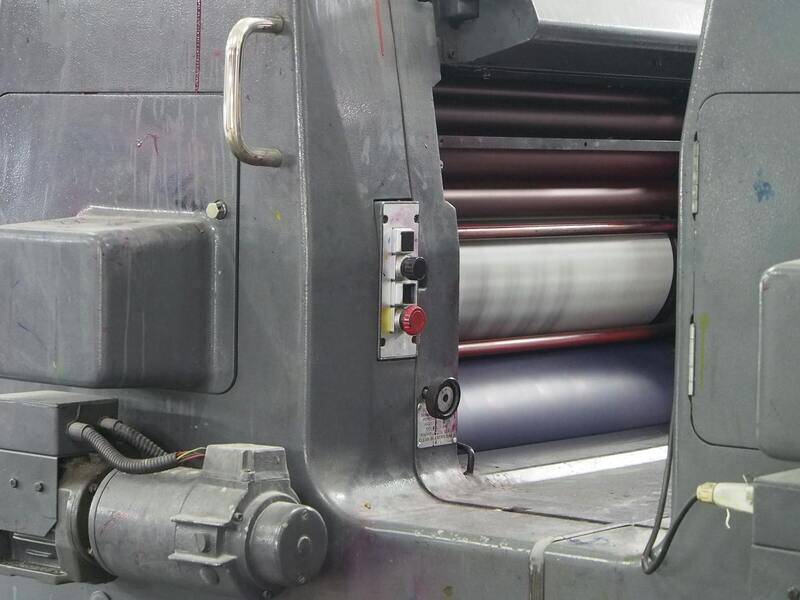
Choosing the appropriate technology depends on the specific requirements of your project—whether prioritizing image quality or environmental resilience. Top printing services in Singapore employ advanced machines capable of handling complex color profiles and large media formats, ensuring precise color reproduction and image fidelity across various substrates.
Materials and Substrates for Large Format Photos
The selection of materials significantly impacts the aesthetic appeal and longevity of large photo prints. A variety of substrates are available, each suited to different environments and display preferences.
- Photographic Papers: Designed explicitly for high-quality image reproduction, these papers offer smooth finishes and vibrant color output, ideal for gallery displays and professional photography exhibitions.
- Vinyl: Durable and weather-resistant, vinyl is commonly used for outdoor signage and banners. Its flexibility allows for installation on curved surfaces, making it a versatile choice for large-scale displays.
- Canvas: Providing a textured surface, canvas lends an artistic feel to large photo prints. It is suitable for framing and indoor decor, adding a sophisticated touch to photographic reproductions.
- Fabric and Textile: Used for custom wall coverings or textile banners, these materials can create unique visual effects and are often used in hospitality or retail environments.
Design and Image Preparation Tips
Optimizing your digital files is essential for achieving stunning large format prints. High-resolution images, ideally 300 DPI, should be prepared to prevent pixelation and maintain detail at large scales. Color profiles should be managed meticulously to ensure consistency between the digital file and the final print, especially when working with professional printing services in Singapore. For best results, consider the following tips:
- Use the original high-resolution image files to preserve detail and clarity.
- Convert images to the CMYK color space to match printing outputs and achieve color accuracy.
- Adjust contrast, brightness, and saturation to match your desired aesthetic, keeping in mind the viewing distance.
- Ensure there are no compression artifacts or pixelation in the source images.
- Embed or carefully manage color profiles during file export to facilitate precise color matching.
Professional print shops in Singapore often provide guidance on file specifications and can assist with file preparation to meet their technical requirements, resulting in vibrant and sharp final products.
Understanding Large Format Photo Printing
Large format photo printing in Singapore has become an essential service for artists, businesses, and homeowners looking to elevate their visual displays. The process involves reproducing images at significantly enlarged sizes, often spanning several feet, without compromising detail and clarity. This form of printing requires specialized equipment and materials to ensure the final product is vivid, durable, and suited to the intended application.
When contemplating large format photo printing, it’s crucial to consider the purpose of the print. Whether for promotional banners, wall murals, art exhibitions, or interior decor, selecting the right method and substrate can dramatically influence the visual impact. High-quality printing ensures sharp resolution, accurate color reproduction, and longevity, which are all achieved through meticulous preparation and the use of advanced printing technologies.
In Singapore, numerous professional printing services offer expert advice and state-of-the-art equipment to handle large format photo projects. These services often provide consultations to help clients choose appropriate sizes, materials, and finishing options tailored to their specific needs. Recognizing the nuances of large format printing, such as resolution requirements, color management, and substrate compatibility, allows clients to make informed decisions that optimize their investment and meet their aesthetic or functional goals.
Technological Precision in Large Format Printing
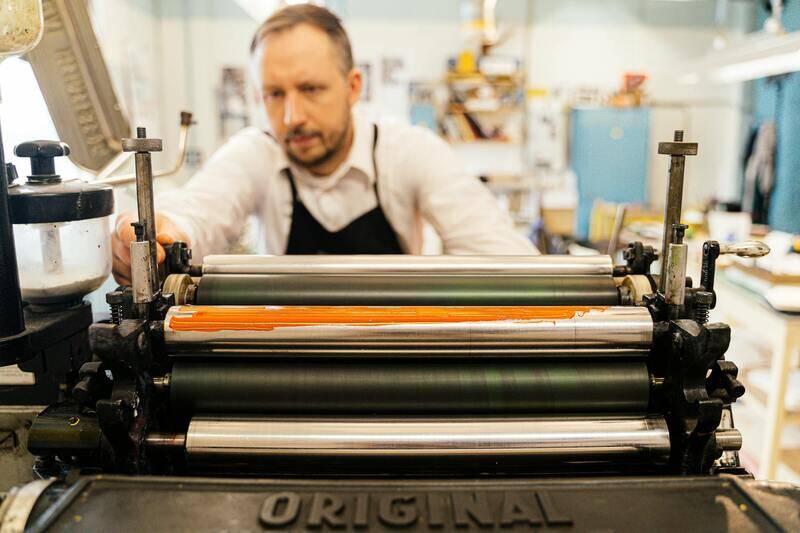
The process involves sophisticated printers, primarily large-format inkjet printers, capable of printing on various substrates. These printers utilize multiple ink channels to produce vivid colors and smooth gradations, ensuring the final output is both detailed and consistent. Many professional print providers in Singapore use pigment-based inks known for their durability and resistance to fading, making large format prints suitable for both indoor and outdoor displays.
Some of the most common printing technologies employed include:
- Solvent-based printing: Known for producing highly resistant prints, ideal for outdoor signage and banners.
- UV-curable printing: Allows on-demand printing directly onto rigid or flexible surfaces with quick curing times.
- latex printing: Combines vibrant color output with environmentally friendly solvent options, suitable for a wide range of substrates.
Choosing the right technology depends on the intended use, environmental conditions, and budget considerations. Advanced printing systems in Singapore ensure high precision and color fidelity, essential for achieving the desired visual impact, especially when reproducing photographic images at large scales.
Materials and Substrates for Large Format Photos
Choosing the appropriate material for large format photo printing is essential to achieving optimal visual impact and durability. Professionals in Singapore utilize a diverse range of substrates tailored to specific display environments, whether for indoor exhibitions or outdoor advertising. The selection process involves considering factors such as surface texture, light reflectivity, environmental resilience, and the desired aesthetic.
Common substrates include:
- Vinyl Films: Available in matte, gloss, or satin finishes, vinyl is highly adaptable for outdoor signage and banners. Its weather-resistant properties make it suitable for prolonged exposure to sunlight and moisture.
- Canvas: Ideal for fine art reproductions and interior decor, canvas provides a textured appearance reminiscent of traditional paintings. When coated with protective layers, it offers resistance against fading and physical damage.
- Photo Paper: Specialized for photographic prints, large-format photo papers with high GSM (grams per square meter) ensure sharpness and color richness. These are often used for gallery displays and framing.
- Polyester and PET Films: These rigid or flexible materials are excellent for durable signage, especially in environments requiring chemical resistance or impact strength.
- Rigid Boards: Materials such as aluminum composite panels or foam boards serve well for mounted displays, exhibitions, or POP displays, offering stability and a sleek finish.
Technical compatibility with printing equipment is a critical factor. For example, pigment-based inkjet printers require substrates with suitable coating layers to absorb ink effectively, preventing smudging and ensuring color stability. Professionals in Singapore often consult with material providers to select substrates that align with their specific printing technology, environmental conditions, and lifespan expectations.
Beyond material choice, surface finishing treatments like lamination, UV coating, or framing serve to protect large format prints from environmental factors and physical wear over time. These finishing options also contribute to the overall aesthetic, providing either a matte, gloss, or satin appearance according to client preferences.
Cost considerations play a role in material selection. Premium substrates may cost more but offer superior longevity and visual quality, making them suitable for high-end displays or artworks. Conversely, economical options can be employed for temporary or large-scale advertising campaigns, where ease of installation and quick turnover are prioritized.
Understanding Large Format Photo Printing
Large format photo printing in Singapore offers an expansive canvas to showcase artwork, photographs, or promotional visuals on a grand scale. This process involves printing images on materials that are significantly larger than standard sizes, often reaching dimensions of several meters. Such prints are ideal for creating impactful visual displays in public spaces, galleries, and commercial environments. High-quality large format printing ensures sharp detail, vibrant colors, and durability, making the visuals compelling and long-lasting. The process starts with high-resolution digital images, meticulously prepared to retain clarity and vibrancy when enlarged. It requires specialized printers capable of handling wide media rolls and producing consistent color output. Advanced large-format printers utilize various techniques to ensure quality output, from color management to precise ink deposition, capturing every nuance of the original image. This form of printing is not merely an amplification of regular photo prints but a specialized craft that involves precise calibration of equipment, understanding of materials, and attention to detail to achieve the desired visual impact.
Types of Printing Technologies Used
When it comes to large format photo printing in Singapore, several cutting-edge technologies are employed to deliver optimal results, each suited for specific applications and material compatibilities. Inkjet printing remains the most prevalent method, especially for photographic and fine art reproductions. This technique utilizes nanoscale droplets of ink deposited onto media to produce highly detailed and color-accurate images. There are two primary inkjet systems used: solvent/eco-solvent and aqueous-based printers. solvent and eco-solvent printers are favored for their durability and adhesion on a wide range of substrates, making them suitable for outdoor signage. Aqueous printers, on the other hand, excel in producing high-definition photo prints with vibrant colors and fine detail, ideal for indoor displays and art reproductions. UV printing technology is also gaining popularity in Singapore. It involves curing UV-sensitive inks with ultraviolet light, which ensures immediate fixation and enhances the print's resistance to environmental factors. UV printers are capable of printing directly onto various rigid and flexible substrates, such as acrylic, metal, and wood, expanding creative possibilities. Laser printing, though less common in large-format photo applications, also plays a role in producing high-quality images on specialized media, especially for applications requiring precise line work or embossing effects. The choice of technology depends on the specific project requirements, including durability, material compatibility, and visual quality expectations.

Materials and Substrates for Large Format Photos
The versatility of large format photo printing hinges significantly on the selection of appropriate materials and substrates. In Singapore, professionals and clients often select from a broad spectrum of options tailored to the intended application, environmental conditions, and aesthetic preferences. Common substrates include matte and gloss photo papers designed for inkjet printing, which offer excellent color reproduction and are suitable for indoor displays. For outdoor installations or environments requiring enhanced durability, weather-resistant materials like vinyl banners, mesh fabrics, or laminated substrates are preferred. These materials withstand exposure to UV radiation, moisture, and physical abrasion. Rigid substrates such as aluminum composite panels, acrylic sheets, and foam boards are popular choices for mounted displays. They provide structural stability and a sleek finish, making them ideal for exhibitions or retail environments. Canvas fabrics with a textured surface are also used for fine art reproductions, giving a traditional, gallery-like appearance. Technical compatibility between substrates and printing equipment is crucial for achieving optimal results. For instance, pigment-based inkjet printers require substrates with coatings that facilitate ink absorption, ensuring vibrant colors and long-lasting images. Surface treatments like lamination or UV coating further protect prints from environmental damage and enhance visual appeal. Color retention, longevity, and ease of handling are key considerations when selecting materials for large format photo printing projects.

Design and Image Preparation Tips
Optimizing digital images for large format printing requires meticulous preparation to ensure clarity, color accuracy, and visual impact. Resolution is paramount; images should typically be prepared at a minimum of 150-300 DPI at the actual printed size. Higher resolutions are recommended for close-up viewing or detailed artworks. When enlarging smaller images, utilizing professional editing software to enhance sharpness and reduce noise can significantly improve the final output. Color management plays a vital role in producing consistent and vibrant results. Using calibrated monitors and color profiles ensures the digital design aligns precisely with the final print. It is advisable to work in the RGB color space during design, as most large-format printers utilize RGB inks. Converting to CMYK or specific color profiles provided by printing providers ensures color integrity. Design considerations include leaving sufficient bleed margins for trimming, avoiding overly complex backgrounds that may cause ink bleed or smudging, and incorporating a safe margin to prevent important details from being cut off. When preparing images, embedding metadata, and using high-quality, uncompressed formats such as TIFF or PNG can prevent pixelation and ensure the highest quality results. Furthermore, consulting with printing specialists beforehand can provide insights into recommended file formats, color settings, and printing constraints specific to the chosen media.
Materials and Substrates for Large Format Photos
Choosing the appropriate materials and substrates is a critical factor in achieving high-quality large format photo prints that are durable and visually striking. The selection largely depends on the intended use, viewing environment, and aesthetic goals. Popular options include gloss, satin, and matte finishes, each providing unique visual effects and functional benefits.
Among the substrates, vinyl banners are a common choice for outdoor displays due to their weather resistance and durability. Fabric materials, such as canvas or polyester, are favored for fine art reproductions and interior decor because of their textured appearance and longevity. Polypropylene and polypropylene-based films offer lightweight and cost-effective options suitable for indoor displays or temporary installations.
For a more upscale presentation, acrylic panels provide a sleek, modern look with vibrant color reproduction and added protection against physical damage. Aluminum composites combine rigidity with corrosion resistance, making them ideal for long-term outdoor signage or installations where structural stability is needed. Additionally, specialty papers like fine art or photo gloss papers are available for high-resolution photographic reproductions, providing a premium finish with excellent detail and color fidelity.

Understanding the specific properties of these materials, including their weight, surface texture, and resistance to environmental factors, helps ensure that the final product aligns with the intended purpose. Consulting with professional printing services can assist in selecting the most suitable substrate to enhance the durability, visual quality, and overall impact of the large format photo print.
Understanding Large Format Photo Printing
Large format photo printing is an essential service for those seeking to create impactful visual displays, whether for commercial branding, artistic exhibitions, or interior decorations. This process involves producing high-resolution images on expansive surfaces to ensure vivid detail and color accuracy. Such prints are designed to be viewed from various distances, requiring precision in color management and print quality. When executed correctly, these prints can transform spaces, conveying messages with clarity and aesthetic appeal. Selecting the right printing process is vital in achieving desired outcomes, especially when dealing with large-scale visuals that must withstand environmental conditions and prolonged display periods.
Types of Printing Technologies Used
Several advanced printing technologies are employed in large format photo printing, each with its advantages suited to specific applications:
- UV Printing: Utilizes ultraviolet light to cure inks instantly, resulting in vibrant colors with excellent adhesion to a variety of surfaces. UV printing is especially suitable for materials like acrylic and metal, offering durability and scratch resistance.
- Solvent and Eco-Solvent Printing: These methods are known for their ability to produce vivid, weather-resistant images on flexible substrates such as vinyl and fabric. They are ideal for outdoor installations where exposure to sunlight, rain, and wind is common.
- Latex Printing: Employs water-based inks that provide high-quality results with eco-friendly benefits. Latex printing is versatile, offering flexibility and resistance to environmental elements, making it perfect for banners and murals.
- Piezoelectric and Continuous Inkjet Technologies: Typically used in specialized applications requiring very high precision, these methods deliver detailed photographic reproductions on specific substrates.
Materials and Substrates for Large Format Photos
The choice of materials significantly influences the final appearance and longevity of large format photographs. Common substrates include:
- Vinyl: Weather-resistant and flexible, suitable for outdoor signage and banners.
- Canvas and Fabric: Offers a textured appearance for artistic displays and interior decor, providing a sophisticated aesthetic.
- Acrylic: Provides a sleek surface with vibrant color reproduction, perfect for modern, upscale presentations.
- Aluminum Composite Panels: Rigid and durable, ideal for structured displays with high outdoor resilience.
- Specialty Papers: High-quality gloss or fine art papers are used for photographic reproductions where detail and color fidelity are paramount.

Design and Image Preparation Tips
To achieve optimal results, proper design and image preparation are crucial. Here are some essential tips:
- Resolution: Use images with a minimum of 150-300 DPI at the final print size to ensure sharp details.
- Color Management: Work within color profiles suited to the printing technology, such as Adobe RGB or sRGB, and communicate color expectations with your printer.
- Bleed and Margins: Incorporate sufficient bleed zones to prevent white edges after trimming.
- File Format: Save files in high-quality formats like TIFF or PDF, avoiding compressed formats that may compromise quality.
- Proofing: Whenever possible, request a proofing sample to verify color accuracy and clarity before the final print run.
Choosing the Right Printing Service in Singapore
When selecting a printing provider for large format photos, ensure they possess a proven track record in producing high-quality results. Key considerations include:
- Equipment and Technology: Confirm the use of modern printers and high-grade inks suitable for your project’s requirements.
- Material Options: A wide selection of substrates indicates the ability to customize based on intended application and environment.
- Experience and Portfolio: Review previous projects, especially those similar in scale and purpose.
- Turnaround Time and Support: Reliable service with clear timelines and expert advice ensures smooth project execution.
Ensuring the Longevity of Large Format Photo Prints
Proper care extends the lifespan of your large format photographs, preserving their visual impact and vibrant colors over time. To maintain their pristine condition, it’s essential to adopt a series of best practices tailored specifically for sizeable prints.
Handling with Care
- Wear gloves when handling: Use cotton or nitrile gloves to prevent oils and dirt from fingertips transferring onto the print surface.
- Avoid touching the image surface: Handle prints by the edges to minimize contact and potential damage.
- Use appropriate tools: When mounting or framing, utilize non-abrasive tools to prevent scratches or indents.
Cleaning and Maintenance
Regular cleaning helps keep large prints vibrant and free from dust and pollutants. Employ these methods:
- Dust removal: Use a soft, dry microfiber cloth or a gentle brush designed for delicate surfaces.
- Avoid liquids: Most digital prints do not respond well to cleaning fluids; if necessary, lightly dampen the cloth with distilled water.
- Refrain from chemical cleaners: Harsh chemicals can damage or discolor print surfaces.
Optimal Display Environments
Environmental conditions significantly influence the durability of large format photos. To ensure longevity:
- Control light exposure: Protect prints from direct sunlight or intense artificial lighting, which can cause fading.
- Manage humidity and temperature: Maintain moderate humidity levels and avoid extreme temperature fluctuations to prevent warping or deterioration.
- Use UV-protective glass or acrylic: When framing, consider UV-filtering elements to shield the print from harmful ultraviolet rays.
Secure Mounting and Storage
Proper mounting techniques prevent physical damage and ensure the aesthetic presentation of your photographs:
- Use archival-quality mounting: Acid-free materials and pH-neutral adhesives help prevent chemical reactions that can degrade the print.
- Frame adequately: Framing with sealed, UV-protective glass can extend the life of your large format photo.
- Store flat when not displayed: If storage is necessary, keep prints flat in a protective, acid-free folder or box in a controlled environment.
Expert Professional Consultation
For particularly valuable or large-scale projects, consulting with professional conservators or print specialists can provide tailored advice on maintenance and preservation. They can recommend specific cleaning agents, framing materials, and environmental controls suited for your unique print.