Overview of Big Format Printing
Big format printing, also known as large-scale printing, refers to the production of high-quality images and graphics on oversized materials. Unlike conventional printing methods that focus on smaller formats such as brochures or flyers, big format printing is designed to accommodate extensive visuals, including banners, billboards, trade show displays, wall murals, and vehicle wraps. This printing technique is essential for businesses and organizations aiming to make a significant visual impact and effectively communicate their message to a broad audience.
One of the defining characteristics of big format printing is its ability to reproduce detailed, vibrant images on large surfaces without compromising clarity. This is achieved through specialized printers equipped with wide-format printing heads that can handle various substrates. The print resolution and color accuracy are crucial components that ensure the final output is visually striking and true to the original design concept.
Another important aspect of big format printing is its versatility in terms of materials and applications. This flexibility allows for the customization of various advertising and branding tools, making it an invaluable resource for marketing campaigns, events, and infrastructural projects. The process typically involves digital printing technology, which offers speed, precision, and the ability to produce short runs or large quantities efficiently.
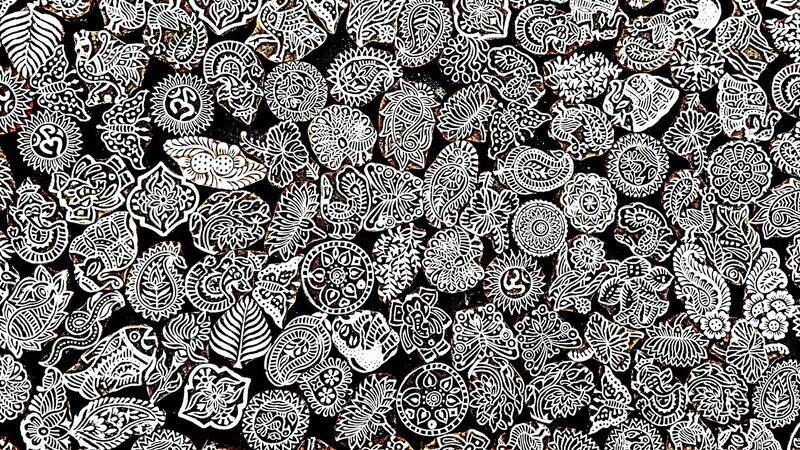
Overall, big format printing stands out due to its capacity to produce eye-catching, durable, and high-quality visual displays that cater to a wide range of commercial and public needs. Its capacity to adapt to various environments and materials makes it a comprehensive solution for large-scale visual communication and branding efforts.
Types of Big Format Printing Techniques
There are several methods used in big format printing, each suited to specific applications and substrate types:
- UV Printing: Utilizes ultraviolet light to instantly cure inks on various surfaces, providing durability and vibrant color reproduction.
- Solvent and Eco-Solvent Printing: Employs solvent-based inks that are resistant to weathering, ideal for outdoor signage.
- Latex Printing: Uses water-based inks with latex polymers, offering environmentally friendly options with flexible and long-lasting results.
- Eco-Solvent and Water-Based Printing: Suitable for indoor and semi-outdoor applications where eco-friendliness and quick drying are priorities.
- Screen Printing: A traditional technique often used for banners and textiles, offering vibrant color and durability.

Considerations for Each Technique
Choosing an appropriate technique depends on the intended use, material, environmental exposure, and budget. For outdoor banners subjected to weather, solvent or UV printing may be preferred for their resilience. For indoor displays, latex or water-based inks offer eco-friendly options with rich color profiles.
Masters of big format printing leverage these various techniques to meet specific project requirements, ensuring high-quality output regardless of scale or complexity.
Materials Suitable for Large-Scale Prints
Choosing the right material is fundamental to achieving optimal results in big format printing. The selection depends largely on the intended application, environmental conditions, and desired durability. Common substrates include vinyl, fabric, paper, mesh, foam board, and acrylic. Each material offers unique advantages in terms of surface smoothness, weight, and resistance to environmental factors.
Vinyl remains one of the most popular substrates for outdoor signage due to its exceptional weather resistance and durability. Matte and gloss finishes are available to match specific visual requirements. Fabric options, such as polyester or canvas, are favored for indoor displays and trade show exhibits, providing rich colors and a high-end appearance. For lightweight and temporary displays, paper-based materials like poster paper or lightweight board are suitable, offering ease of installation and cost-effectiveness.
Mesh materials are often used for visibility and airflow, especially in large banners exposed to wind. Foam boards and acrylic sheets are excellent for rigid signage, offering a premium look with a clean, professional finish. Eco-conscious choices include biodegradable or recyclable materials, aligning with sustainable practices in various industries.

Opting for durable, weather-resistant materials ensures that the oversized visuals maintain their impact over time and exposure. Proper material selection, coupled with technique compatibility, guarantees color accuracy, image sharpness, and longevity, making materials a cornerstone of successful big format projects.
Legitimate Methods for Achieving High-Quality Big Format Printing
Securing exceptional results in large-scale printing projects demands adherence to proven and reputable methods that ensure quality, durability, and accuracy. When pursuing big format printing, it is essential to rely on established techniques and professional resources rather than shortcuts or unauthorized practices. These legitimate practices safeguard the integrity of the printed materials and uphold the standards required for impactful visual communication.
One foundational aspect of successful big format printing involves the careful selection of high-resolution digital files. Files should be prepared with precise color calibration, appropriate DPI settings, and correct scaling to prevent distortion or pixelation. Collaborating with experienced graphic designers and prepress specialists guarantees that artwork is optimized for large-scale reproduction, which is critical for vivid, crisp imagery.
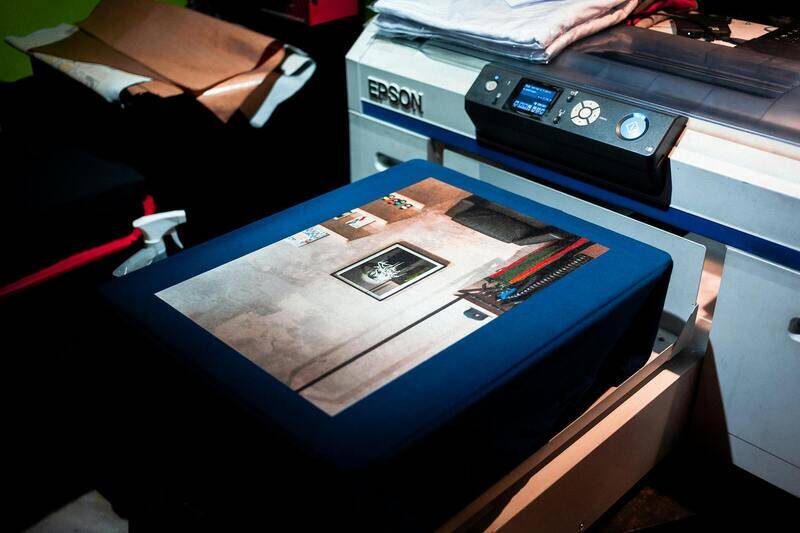
Choosing the right printing technology and substrates is equally important. Modern large-format printers utilize advanced inkjet, UV, or solvent printing methods that provide consistent color fidelity, strong adhesion, and resistance to environmental factors. For outdoor banners or signs exposed to weather elements, UV-curable or solvent inks ensure longevity and vibrant visuals, particularly when applied to durable substrates like vinyl or special textiles.
Implementing quality control measures throughout the printing process is crucial. This includes real-time color monitoring, substrate handling protocols, and post-press inspections to verify color accuracy and adherence to specifications. Maintaining proper environmental conditions, such as temperature and humidity, also minimizes errors and material warping, contributing to the overall quality of the finished product.
Another legitimate approach involves partnering with certified print providers that leverage licensed equipment, authentic inks, and approved materials. These providers often participate in industry standards and certifications that attest to their commitment to quality and compliance. Such partnerships not only guarantee superior outcomes but also ensure that the final product meets all safety, durability, and aesthetic criteria.
Investing in ongoing staff training and staying informed about technological advancements in big format printing permet a company to produce consistently high-caliber outputs. Regular maintenance of printing machinery, sourcing genuine consumables, and adhering to recommended printing parameters are practices that sustain high-quality standards over time.

Ultimately, transparent communication between clients and print service providers is essential. Clear project specifications, accurate proofs, and agreed timelines help manage expectations and ensure the final product aligns with envisioned outcomes. Well-established workflows and adherence to best practices reinforce the integrity of big format printing projects, delivering visually compelling and durable signs, banners, and displays.
Materials Suitable for Large-Scale Prints
Choosing the appropriate material is fundamental in achieving high-quality, durable large-format prints. These materials must withstand environmental factors while offering optimal surface properties for ink adhesion and color vibrancy. Among the most common options are vinyl, fabric, mesh, paper, and rigid substrates, each tailored to specific applications and environments.
Vinyl remains one of the most versatile materials in big format printing, particularly for outdoor signage, banners, and vehicle wraps. Its durability, resistance to weather elements, and ease of installation make it a preferred choice for long-term displays. High-quality vinyl options often feature laminated coatings that further enhance resistance against UV rays, scratches, and moisture.
Fabric substrates are widely used for indoor displays, trade show backdrops, and retail environments. These materials provide a refined appearance with vibrant color reproduction and excellent drape qualities. Fabric options, such as polyester or canvas, are washable and lightweight, suitable for creating visually appealing pop-up displays or banners that require frequent transport and assembly.

Mesh materials are specialized textiles with perforations that allow wind to pass through, reducing strain on structures and improving stability for large outdoor signage. They are principally used for scaffolding covers or large advertising billboards where airflow is essential.
Rigid substrates like foamed PVC, aluminum panels, and acrylic sheets are ideal for more permanent signs, displays, and point-of-sale materials. These materials offer structural stability, a sleek finish, and high-resolution printing capability, making them suitable for indoor and outdoor environments where longevity and a professional appearance are priorities.
It is crucial to select materials that align with the specific application, considering factors such as exposure to elements, aesthetic requirements, and budget constraints. Ensuring the material's compatibility with the chosen printing technique and inks is equally important to maximize the lifespan and visual impact of the final product.

Furthermore, the use of high-quality, tested materials from reputable suppliers guarantees consistency and reliable results. Careful handling and proper storage of these materials before printing also contribute significantly to achieving optimal color fidelity and surface finish.
Overview of Big Format Printing
Big format printing encompasses the creation of large-scale visual displays designed to capture attention and convey messages effectively across diverse settings. This printing method is distinguished by its ability to produce high-quality, vivid images on expansive surfaces, making it essential for advertising campaigns, retail environments, event staging, and outdoor signage. With technological advancements, large-format printing now supports a wide range of materials and finishes, offering versatile solutions that meet the demands of varied industries. Its capacity to produce detailed, durable visuals at sizable dimensions makes it a vital tool for brands aiming to amplify their visibility and impact in physical spaces.

Types of Big Format Printing Techniques
Several sophisticated printing techniques are employed to achieve optimal results in large-scale applications, each tailored to specific material characteristics and end-use goals:
- UV Printing: Utilizes ultraviolet light to cure inks instantly on rigid substrates such as wood, metal, or acrylic. This method delivers exceptional precision and long-lasting color integrity, ideal for high-end displays and decorative panels.
- Eco-Solvent Printing: Employs environmentally friendly solvents as carriers for inks, providing vibrant colors and excellent adhesion on vinyl banners, wallpapers, and outdoor signage. The durability of eco-solvent inks makes them suitable for exterior applications exposed to weather elements.
- Aqueous and Latex Printing: These water-based methods are popular for indoor graphics, offering sharp details and a broad color spectrum. Latex printing, in particular, combines durability with environmental compliance, suitable for promotional banners and wall coverings.
- Solvent and Eco-Solvent Printing: Known for their ability to produce weather-resistant images on flexible materials, especially for outdoor billboards and transit advertising.
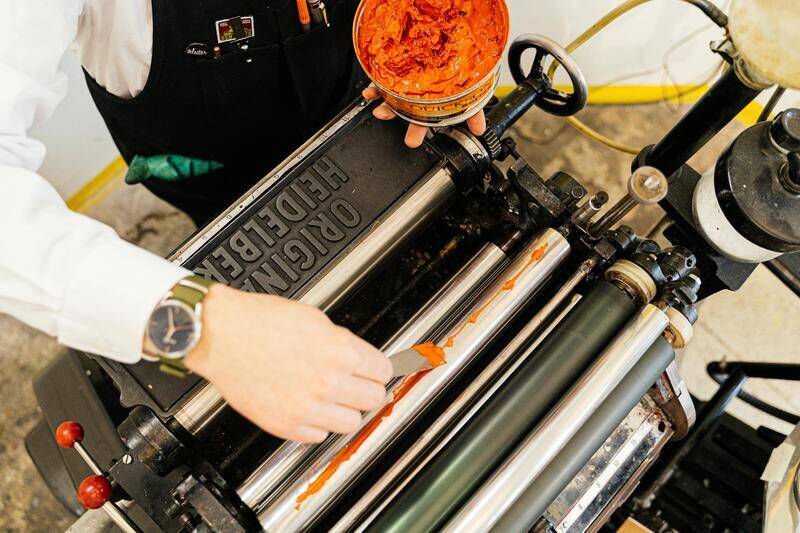
- Screen Printing: Often used for repetitive, high-volume production runs such as posters, fabric flags, and certain textiles where consistency and vibrancy are paramount.
Materials Suitable for Large-Scale Prints
The choice of materials in big format printing significantly influences the durability, appearance, and functionality of the final product. Selecting the right substrate depends on factors like placement, environmental exposure, and aesthetic objectives. Common materials include:
- Vinyl: Versatile and cost-effective, vinyl is used extensively for banners, murals, and vehicle wraps. It offers flexibility, weather resistance, and ease of installation.
- Mesh Fabric: Designed for outdoor environments, mesh allows wind passage, reducing strain on structures. It is ideal for large building wraps and scaffolding covers.
- Rigid Substrates: Foamed PVC, aluminum panels, and acrylic sheets are preferred for signage requiring a permanent structure with a sleek finish. These materials are suitable for indoor and outdoor displays that demand high durability.
- Fabric and Textiles: Used in textile banners and soft signage, offering a premium appearance and ease of transport. These are often chosen for trade shows and retail displays.
- Specialty Films and Papers: For specific applications like window graphics or temporary advertising, specialty substrates can provide the desired visual effect while maintaining ease of application and removal.

Design Considerations for Big Format Printing
Creating impactful large-format visuals requires meticulous planning and an understanding of design principles tailored to expansive surfaces. Key considerations include:
- Resolution and Image Quality: High-resolution images are crucial to prevent pixelation when scaled up. Designers should work with vector graphics whenever possible to ensure clarity at large sizes.
- Color Accuracy and Contrast: Bright, bold colors with high contrast enhance visibility from distances, especially in outdoor settings. Consistent color profiles ensure the final print matches design expectations.
- Viewing Distance and Placement: The design should account for the typical viewing distance, with simpler messages and larger fonts for distant viewing, while fine details can be reserved for close-up displays.
- Material Compatibility: The selected design must align with the material's color and finish properties, ensuring optimal adhesion, vibrancy, and longevity.
- Environmental Factors: For outdoor applications, consider factors such as UV exposure, moisture, and wind. Incorporating protective coatings or lamination can extend the lifespan of the print.
- Structural Considerations: Large displays may require reinforcement or tension systems to prevent sagging or movement. Design should facilitate easy installation and maintenance.

Advantages of Using Big Format Printing Services
Opting for professional big format printing services offers a multitude of benefits that contribute to the effectiveness and visual appeal of large-scale displays. One of the primary advantages is enhanced visibility; high-quality large prints command attention in busy environments such as trade shows, outdoor advertisements, and retail spaces, ensuring your message reaches a broad audience effectively. The ability to tailor prints precisely to specific dimensions and design specifications allows brands to create impactful visual narratives that are both memorable and recognizable.
Moreover, professional services provide access to advanced printing technology that guarantees sharpness, color vibrancy, and durability. With high-end equipment, prints are produced with consistent quality, reducing the risk of pixelation or color inconsistencies. This is particularly crucial when using complex graphics, gradients, or fine details that need to remain crisp at large scales.
Another key benefit is the range of materials available, from vinyl and fabric to rigid substrates like Forex and acrylic. This diversity allows for customized solutions optimized for different environments, whether indoor or outdoor. For outdoor displays, features such as weather resistance and UV protection are essential; reputable providers incorporate protective coatings that extend the lifespan of prints despite exposure to the elements.
Furthermore, employing professional big format printing services can streamline the production process. Experienced providers handle all technical aspects—from image preparation and color calibration to material selection and finishing—saving clients time and effort. This ensures that the final product aligns precisely with project specifications and project deadlines.

In addition, many providers offer consultation services to optimize design and material choices, ensuring the client’s vision is effectively translated into the final product. By leveraging cutting-edge techniques and extensive industry experience, professional big format printing services guarantee a result that is not only visually striking but also mechanically resilient and suitable for long-term use.
Choosing expert providers ultimately ensures that your large-scale visual communication accomplishes its intended purpose—capturing attention, conveying your message clearly, and standing out in highly competitive environments. The combination of technological excellence, material versatility, and dedicated customer support makes big format printing a strategic investment in your marketing and branding efforts.

Considerations When Choosing a Big Format Printing Provider
When selecting a provider for your large-scale printing projects, several critical factors must be carefully evaluated to ensure successful results and value for your investment. The first and foremost consideration is the quality of output. High-resolution printing, accurate color reproduction, and precise detail are essential for creating visually impactful displays that effectively communicate your message. Reviewing samples of previous work can provide insight into a provider’s ability to meet your quality standards.
Turnaround time is another crucial aspect. Large format prints often coincide with marketing campaigns, events, or branding initiatives with strict deadlines. A reliable printing partner should offer clear production timelines and consistent communication to keep your project on schedule. Prompt service combined with quality assurance minimizes delays and helps you meet your strategic goals.
Material options are vital to the longevity and effectiveness of your prints. Different applications require varied substrates, such as vinyl for outdoor signage, fabric for banners, or rigid foam boards for displays. A knowledgeable provider will offer a diverse selection of materials suited for specific environments—whether indoors or outdoors—and advise on the best choices based on your use case, expected exposure, and budget.
Pricing transparency and competitive rates also play a significant role. While cost should not compromise quality, it's essential to obtain detailed quotes that break down costs for materials, design, finishing, and any additional services. An experienced provider will assist in balancing quality and budget constraints, providing options that align with your project scope and financial plan.
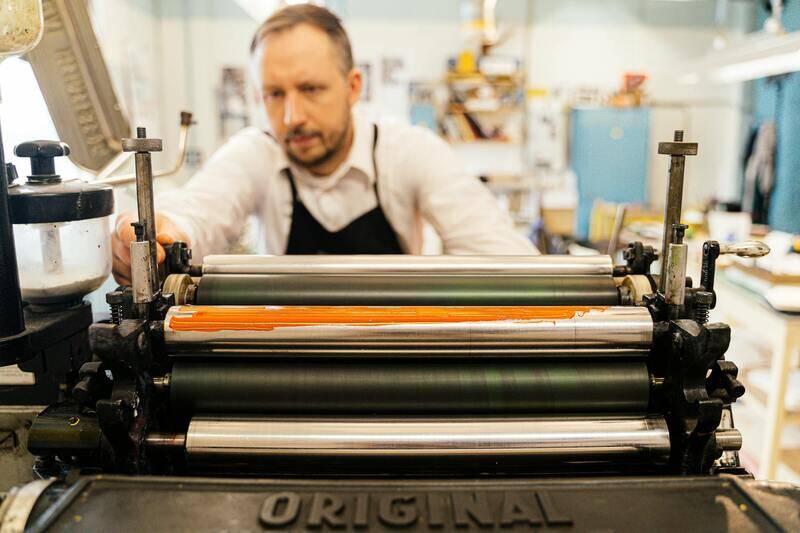
Customer support and technical assistance throughout the production process help ensure your final product meets expectations. Providers with dedicated account managers or technical support teams can guide you through design optimization, material selection, and finishing options, improving the overall quality and effectiveness of your large-scale prints.
Finally, assessing the provider’s reputation and industry experience can provide added assurance. Testimonials, client references, and industry certifications are indicators of their credibility and commitment to excellence. Selecting a partner with a proven track record in big format printing minimizes risks and enhances the likelihood of achieving a compelling, durable, and cost-effective visual presentation.
Comprehensive Storage and Maintenance Strategies for Big Format Prints
Proper storage and maintenance of large-format prints are essential to preserve their visual appeal, durability, and overall quality over time. These strategies not only extend the lifespan of your prints but also ensure they remain vibrant and professional-looking for years to come. When managing big format prints, understanding the right storage conditions, cleaning methods, and handling procedures is vital for maintaining their integrity.
Optimal Storage Conditions
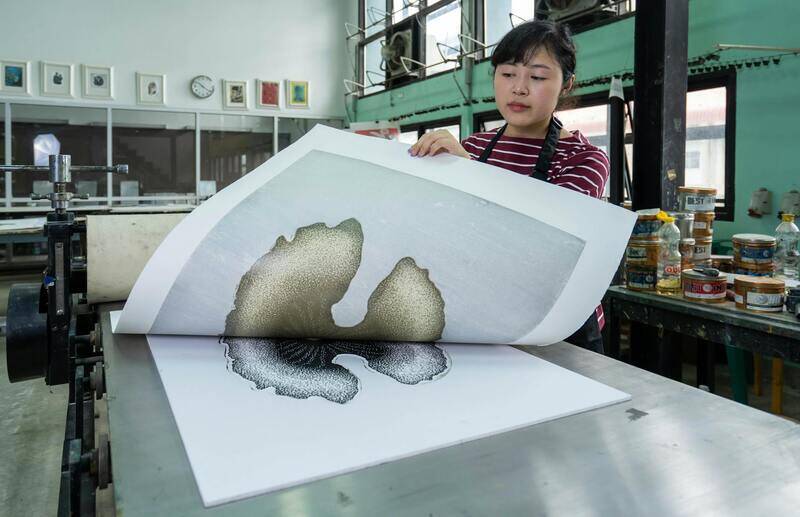
Storing large-format prints requires a controlled environment to prevent damage from exposure to elements and physical stress. Ideally, prints should be stored in a cool, dry space with stable temperature and humidity levels. Fluctuations in environmental conditions can lead to warping, fading, or adhesive failure. To avoid unnecessary bending or creasing, rolls should be stored horizontally or vertically with adequate support. Using protective sleeves or acid-free backing boards helps prevent surface scratches and chemical interactions that might degrade the print over time.
Cleaning and Handling Procedures
Regular cleaning plays a crucial role in maintaining visual clarity and preventing dust accumulation that can obscure images. Use soft, lint-free cloths for dusting, and if necessary, lightly dampen the cloth with distilled water or manufacturer-recommended cleaning solutions. Avoid harsh chemicals or abrasive tools that might scratch or discolor the surface. When handling large prints, always wear gloves to prevent fingerprints and oils from transferring onto the media. Handling from the edges helps prevent unnecessary stress on the printed surface.
Tips for Safe Handling
- Lift large prints with adequate support to prevent bending or tearing.
- Avoid pinning or stapling the prints, which can cause permanent damage.
- When moving or transporting, roll the print carefully with the printed side inward to minimize creasing.
- Use protective covers or tubes during transportation to shield from physical impacts and environmental exposure.
Long-Term Preservation Techniques
For long-term preservation, applying UV-protective coatings or laminates can significantly reduce fading caused by sunlight exposure. Displaying prints in areas with limited direct sunlight, or using UV-filtering glass for framing, further enhances durability. Archival-quality materials—such as acid-free backing and storage boxes—are recommended for storing prints over extended periods. These measures collectively help sustain image vibrancy and structural integrity, ensuring the prints remain an effective visual medium for your branding or promotional needs.
Expert Advice and Professional Maintenance
Consulting with print professionals for regular inspections can catch early signs of deterioration. Experts can advise on reconditioning techniques, such as cleaning or re-laminating, to refresh worn-out prints. Maintaining a record of maintenance routines also helps extend the lifespan and quality of your investments in big format printing. When in doubt, leveraging professional services for storage, handling, and restoration guarantees that your large-scale displays stay impactful for as long as intended.