Introduction to Custom Business Cards
Custom business cards serve as essential tools for professionals aiming to establish a memorable presence in their industry. These personalized cards are not only a means of sharing contact information but also act as tangible representations of a professional brand. In competitive markets, the quality, design, and materials used in custom business cards can significantly influence first impressions, opening doors to new opportunities and partnerships.
Unlike generic templates, custom business cards offer the flexibility to incorporate unique branding elements, color schemes, and design features that align with a company or individual’s identity. They play a key role in networking by providing recipients with a quick, visually appealing, and informative reference to connect later. Whether participating in business conferences, client meetings, or casual encounters, a well-crafted custom business card ensures that your contact details are remembered and easily accessible.
With today’s digital communication channels, physical business cards still hold significant value. They symbolize professionalism and attention to detail, leaving a lasting impression that digital exchanges may not fully convey. As a result, investing in high-quality, customizable cards tailored to specific branding needs continues to be a strategic choice for individuals and companies alike.
Material Options and Quality
The foundation of any effective custom business card is the material used. The choice of material impacts not only the card's durability but also its tactile appeal, which influences perceptions of quality and professionalism. Common options include cardstock, plastic, metal, and textured papers, each offering distinct advantages.
- Standard Cardstock: Widely used for its versatility and affordability, available in various thicknesses and finishes.
- Matte and Glossy Finishes: Matte offers a subdued, professional appearance, while glossy enhances color vibrancy and shine.
- Plastic Cards: Durable and resistant to wear, ideal for long-term use or businesses seeking a sleek, modern look.
- Metal Cards: Premium choice for high-end branding, providing a distinctive feel and exceptional longevity.
- Textured Papers: Includes linen, craft, or embossed options to add a tactile dimension that can make a card stand out.
Choosing the right material involves considering the nature of the business, target audience, and the desired impression. High-quality materials not only improve the aesthetic appeal but also elevate the perceived value of the card, making it a worthwhile investment in professional branding efforts.
Understanding the Process of Printing Custom Business Cards
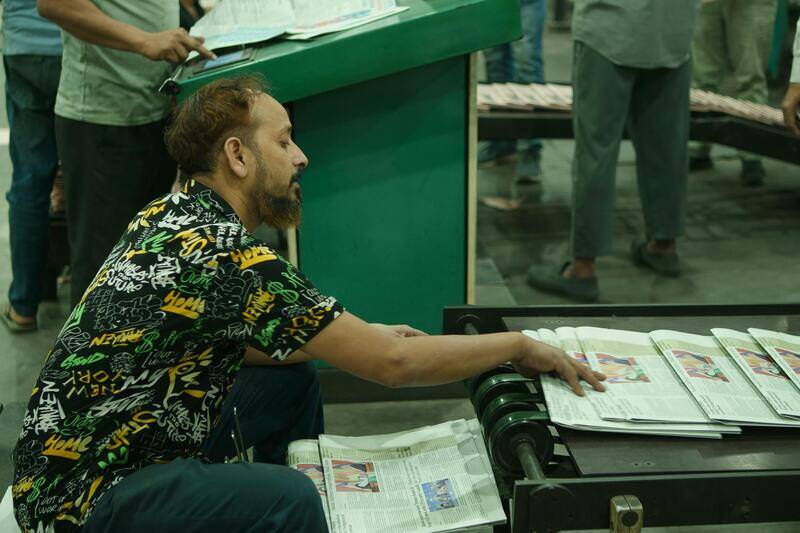
Once the design and material selection are finalized, attention shifts to the printing process, an essential stage that determines the final quality and appearance of the business cards. Different printing techniques can be employed to achieve specific visual effects, enhance durability, and ensure accurate color reproduction, all critical for creating impactful, professional cards.
Among the most common printing methods used for custom business cards are digital printing, offset printing, and specialty techniques such as letterpress and foil stamping. Each method offers unique advantages and is suited for different project scales and design complexities.
- Digital Printing: This technique is ideal for short runs or projects requiring quick turnaround. It offers high-quality color reproduction, cost efficiency, and the flexibility to incorporate variable data or personalized information on each card. Digital printing is prevalent for small to medium-sized batch orders and allows for rapid adjustments in design.
- Offset Printing: Known for its superior color accuracy and high-volume viability, offset printing is best suited for larger orders. It produces sharp images and consistent color quality, making it the preferred choice for companies with extensive branding needs. Due to setup costs, offset printing tends to be more economical for bulk orders rather than one-off projects.
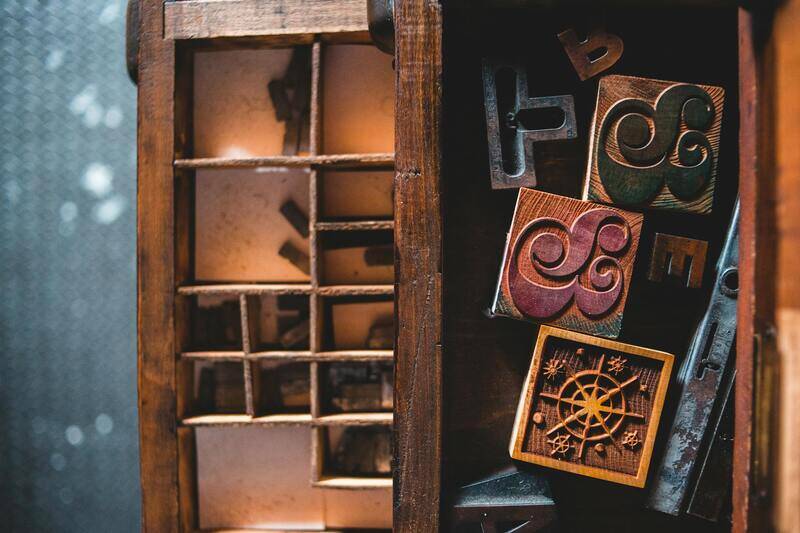
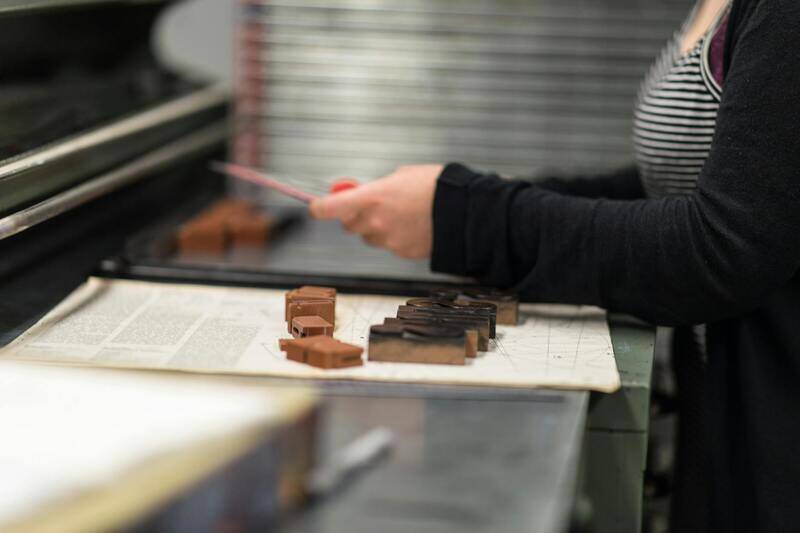
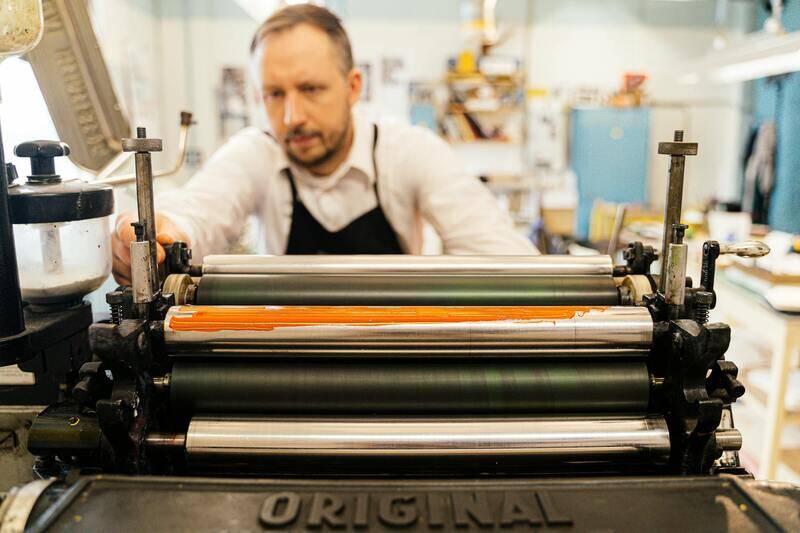
- Specialty Printing Techniques: For a distinctive look, techniques like letterpress, embossing, foil stamping, and spot UV coatings can be incorporated. These methods add tactile and visual depth, elevating the perceived value of the business card. For instance, foil accents provide a metallic sheen that catches light, while letterpress offers a textured, debossed effect that exudes craftsmanship.
Choosing the appropriate printing process depends on several factors, including budget, desired aesthetic, production volume, and the complexity of design elements. Collaborating closely with a reputable printing service ensures the technology matches the branding goals, guaranteeing that each card accurately reflects the intended professional image.
Size, Shape, and Special Features
When customizing business cards, the choice of size and shape significantly influences the overall aesthetic and functionality. Standard dimensions, typically 3.5 x 2 inches, provide familiarity and ease of storage, but creative variations can make a card stand out. Rounded corners, die-cut shapes, and folded designs introduce a distinctive tactile experience and visual appeal. For example, die-cut shapes that mirror a company's logo or industry symbol can reinforce brand identity and leave a lasting impression.
Incorporating special features enhances the card’s perceived value and memorability. Embossed or debossed elements add texture, creating a sophisticated tactile sensation that invites touch. Spot UV coatings selectively gloss certain areas, like logos or contact details, adding contrast and a dazzling shine. Metallic foiling can be used to introduce hints of luxury or highlight critical design elements with metallic finishes that reflect light effectively.
Additional options include magnetic backing, which allows cards to double as refrigerator magnets, or textured paper stocks that offer a rich feel. When considering these customizations, it’s essential to balance visual impact with practicality, ensuring that the card remains easy to carry, store, and reproduce. Strategic use of these design choices can effectively communicate the brand’s personality while ensuring functional usability.
Cost Factors and Budgeting
Setting a budget for custom business cards involves considering multiple components that influence the final cost. Design complexity and the number of special features directly impact production expenses. Simple designs with standard features are typically more economical, especially when produced in bulk. Conversely, incorporating unique finishes, specialty shapes, or high-quality materials increases costs but may be justified by the need to make a luxurious impression or reflect a premium brand identity.
Quantity also plays a pivotal role. Ordering larger quantities often reduces the per-unit cost due to economies of scale. Digital printing is advantageous for smaller batches or rapid turnarounds, offering cost efficiency without compromising quality. Offset printing becomes more economical when producing larger volumes, especially when high color fidelity and sharp image reproduction are required.
It’s vital to communicate budget constraints clearly with the printing provider. Reputable suppliers can recommend design adjustments or material options to stay within budget without sacrificing key branding elements. Usually, obtaining detailed quotes that include options for finishes, sizes, and volume discounts ensures informed decision-making. Considering these elements early in the planning process helps prevent unexpected expenses and aligns the project with overall branding strategies.
Size, Shape, and Special Features
Choosing the right size and shape for custom business cards is essential in creating a memorable first impression while ensuring practicality. Standard dimensions, such as 3.5 x 2 inches, remain popular due to ease of storage and compatibility with cardholders. However, unconventional sizes or shapes—rounded corners, square cards, or custom die-cut designs—can help a business stand out. These options, while potentially increasing production complexity, contribute significantly to a distinctive brand identity.
In addition to size and shape considerations, integrating special features enhances the tactile and visual appeal of business cards. Features such as embossed or debossed elements add depth and texture, making key information more noticeable. Spot UV coating can create glossy accents over matte backgrounds, drawing attention to logos or contact details.
Edge painting or gilding—a technique involving coloring or applying metallic foils to the edges—can lend an upscale finish suitable for luxury brands. These techniques, while adding to the cost, significantly elevate the perceived value of the card. When considering special features, it’s crucial to balance creativity with functionality, ensuring the cards remain easy to store and handle.
Cost Factors and Budgeting
Determining the budget for custom business cards involves evaluating multiple elements that influence overall expenses. Material choice, printing process, special features, and order quantity all play vital roles. High-quality materials like thick cardstock, textured finishes, or specialty papers naturally command higher prices but provide an enhanced tactile experience.
The selection of a printing technique impacts costs as well. Digital printing offers affordability and rapid turnaround, making it suitable for small batches and frequent updates. Offset printing, on the other hand, becomes more cost-effective for bulk orders, especially when high color accuracy and image saturation are required.
Incorporating special finishes such as foil stamping, embossing, or unique die-cut shapes increases production complexity and costs. It’s recommended to discuss these options with a reputable printing service to identify cost-efficient solutions that align with branding goals. Obtaining detailed quotes that clearly distinguish between material costs, finishing options, and volume discounts facilitates transparent budgeting.
When planning a budget for custom business cards, consider the long-term branding impact. Investing in durable, eye-catching designs can yield substantial returns by leaving a lasting impression on potential clients and partners. Clear communication of budget constraints to your printer allows for tailored suggestions that balance quality with affordability, ensuring a professional presentation without overspending.
Size, Shape, and Special Features
Customization in business card dimensions and shapes plays a vital role in establishing a memorable brand identity. Standard sizes typically measure 3.5 x 2 inches, aligning with widely accepted norms for compatibility with wallets, cardholders, and digital scanning devices. However, opting for non-standard sizes can set your business apart by providing a distinctive tactile or visual experience that immediately captures attention.
Innovative shapes such as circular, oval, or custom die-cut outlines convey creativity and uniqueness, emphasizing the brand's personality. Rounded corners are an effective adjustment, softening the card's appearance and reducing edge wear, thereby extending its visual appeal over time. Integrating these features requires precise die-cutting techniques, which may influence production costs but significantly enhance the card’s aesthetic and tactile engagement.
Beyond shape considerations, the inclusion of special features elevates the card's impact. Spot UV coating, for example, introduces a glossy finish to specific areas, creating contrast and depth that draw attention to logos or key information. Textured surfaces, such as linen, cartes, or embossed elements, add tactility while transmitting sophistication and attention to detail.
Integrating these features should be deliberate, ensuring they complement the overall design and branding message. While they may slightly increase production costs, their ability to leave a memorable impression is invaluable. Thoughtful selection of size, shape, and special features — aligned with the brand identity — helps create a cohesive and compelling presentation that resonates with clients and partners alike.
Size, Shape, and Special Features
Choosing the appropriate size and shape for your custom business cards plays a crucial role in making a memorable impression. Standard dimensions typically measure 3.5 x 2 inches, aligning with industry norms and easily fitting into wallets and cardholders. However, deviating from these standard measurements can help your card stand out. Opting for non-traditional sizes, such as mini cards or larger format cards, introduces an element of novelty that captures attention immediately. These unique dimensions can also serve practical purposes, such as providing additional space for design elements or information.
Innovative Shapes and Custom Die-Cuts
Custom shapes extend beyond simple rectangles, incorporating circles, ovals, or even die-cut outlines that mirror the company's branding or industry. For example, a tech startup might choose a circuit board-inspired shape, while a bakery might opt for a cupcake silhouette. These bespoke die-cut shapes are achieved through precise cutting techniques, ensuring clean edges and a polished appearance. Rounded corners are a popular modification, softening the overall look and reducing edge wear over time, which preserves aesthetic appeal and maintains professionalism.
Adding Special Features
Incorporating special features elevates the tactile and visual quality of your business cards. Spot UV coating, for instance, applies a glossy finish selectively to specific areas such as logos or contact information, creating contrast and enhancing focal points. Embossing and debossing add texture by raising or recessing elements of the design, emphasizing brand elements or key messaging. Textured surfaces, like linen or cartes, provide an elegant tactile experience that communicates sophistication. Additionally, foil stamping adds metallic accents that evoke luxury and exclusivity. When thoughtfully integrated, these features not only elevate the aesthetic but also reinforce brand identity, leaving a lasting impression on recipients.
Balancing Cost and Design Impact
While unique shapes and special features can augment the visual and tactile appeal of custom business cards, they may also impact production costs. Precise die-cutting, embossing, or specialty coatings often require additional steps and equipment, translating to higher expenses. Strategically selecting features that align with your brand message and budget ensures an optimal balance between impact and cost-effectiveness. Prioritizing elements that enhance brand recognition and memorability will maximize the return on investment for your custom business cards.
Size, Shape, and Special Features
Custom business cards extend beyond standard rectangular formats to include a variety of sizes and shapes that can distinctly showcase your brand personality. While the classic 3.5 x 2 inches remains popular for its practicality and compatibility with cardholders and wallets, innovative designs such as square, rounded corners, or die-cut shapes offer a more memorable tactile experience. These variations can be tailored to resonate with your industry or brand identity, making your card stand out in a stack of typical designs.
Special features are an essential aspect of customized business cards that captivate recipients and reinforce your visual branding. Incorporating unique shapes designed through die-cutting processes can disrupt conventional expectations, ensuring your card captures attention immediately. Embossed or debossed elements introduce texture and depth, emphasizing your logo, tagline, or key contact information. Foil accents, whether gold, silver, or custom colors, lend an air of luxury and refinement, especially when used to highlight logos or important details.
Other special features include matte or gloss finishes that can dramatically alter the tactile and visual aspect of your cards. Matte finishes provide a subtle and elegant look, reducing glare and fingerprints, while gloss coatings amplify colors and contrasts for vivid, eye-catching results. Spot UV coating selectively adds a shiny finish to certain areas, creating a striking contrast with matte or uncoated sections. Texture-specific surfaces like linen, canvas, or textured cardstock evoke a sense of sophistication and tactility, making your cards perceptibly high-end.
Advanced printing options, such as foil stamping, add metallic or pigmented details that evoke exclusivity. These can be customized to reflect brand colors or specific design elements, further personalizing each card. Additionally, incorporating elements like window cutouts, magnetic strips, or even NFC chips creates multifunctional cards that serve practical purposes beyond traditional contact sharing.

When choosing shapes or special features, consider their alignment with your brand’s message and the context in which your business cards will be used. Overly elaborate shapes or excessive embellishments can elevate costs and production times, so strategic selection ensures a balance between visual uniqueness and practical feasibility. By thoughtfully integrating these elements, you create a business card that not only communicates professionalism but also leaves a memorable impression that fosters lasting connections.
Legal Considerations in Custom Business Card Design and Production
When developing custom business cards, adhering to official and accepted methods is critical for ensuring the integrity and professionalism of your brand representation. Compliance with established industry standards and operational procedures guarantees that your cards meet quality expectations and serve their purpose effectively.
Using Authorized Materials
Opt for materials sourced from reputable suppliers that comply with regional regulations and industry standards. These materials should have proper certification markings and certifications that attest to their quality, safety, and environmental compliance. Trusted providers typically offer consistent material characteristics, which are essential for predictable printing results and durability. This approach prevents issues related to material defects or counterfeit components that could compromise your brand image.
Employing Recognized Printing Techniques
Engage with printing methods that are widely accepted within the industry, such as offset printing, digital printing, or letterpress. These techniques are well-documented and follow standard processing guidelines to ensure high-quality output and color fidelity. Maintaining consistency in printing processes involves calibration, quality control standards, and proper handling procedures that comply with industry norms. This guarantees that each batch of business cards maintains uniform standards, reinforcing your brand’s credibility.
Design Approval and Intellectual Property Security
Use legitimate channels to acquire or license design elements, graphics, and typography. This practice protects your business from potential legal disputes related to intellectual property rights. Instituting a formal review process involving copyrights and trademarks ensures your designs do not infringe upon existing protected works. Moreover, it is advisable to retain documentation of the design approval stages and licensing agreements, establishing clear records of authorized use.
Verification and Quality Control
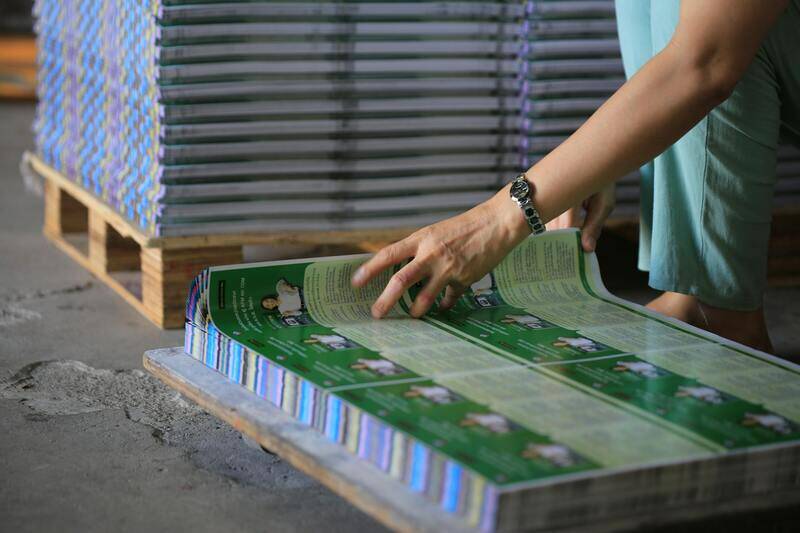
Implement official quality assurance processes throughout the production cycle. This includes inspecting raw materials, reviewing proofs prior to mass printing, and conducting final inspections on finished products. These steps should be documented and comply with recognized quality standards such as ISO certifications or industry-specific benchmarks. Such rigorous checks diminish the risk of defects and ensure your business cards meet all specified criteria for appearance, durability, and functionality.
Compliance with Printing Regulations
Adhere to regional and international regulations regarding print production, especially if incorporating special features such as magnetic strips, NFC chips, or metallic finishes. Regulations concerning safety, environmental impact, and consumer protection should guide the selection of inks, coatings, and materials used in the manufacturing process. Working with qualified and authorized printing vendors ensures that all components and procedures align with these regulations, safeguarding your operations against potential compliance issues.
Documentation and Record-Keeping
Maintain comprehensive records covering all phases of custom business card creation—material sourcing, design authorization, printing processes, and quality checks. Documentation facilitates traceability and accountability, which are vital when confirming that all methods used are legitimate and recognized. These records can also support business audits, dispute resolutions, or future reordering processes.
Conclusion
Choosing to operate within officially recognized methods and procedures when producing custom business cards elevates your brand’s professionalism and ensures consistency in quality. This disciplined approach not only reflects positively on your company but also fosters trust with clients and partners who value attention to detail and adherence to industry standards.