Understanding the Benefits of Printing Your Own Cards
Printing your own cards offers a range of advantages that make it an appealing choice for both personal and small-business use. One of the primary benefits is the level of customization that is achievable. By designing your own cards, you are able to tailor each detail—from color schemes and fonts to images and layout—ensuring the final product truly represents your unique identity or brand.
Another significant advantage is cost savings. When compared to ordering professionally printed cards in bulk, printing your own cards allows for a more flexible, pay-as-you-go approach. This means you can produce small batches or even single cards as needed, reducing waste and avoiding excess inventory. Additionally, modern home or office printers equipped with the right supplies can produce high-quality results at a fraction of the cost of commercial printing services.
Convenience is also a key factor. With just a computer, design software, and a suitable printer, you can create and print cards on your schedule without needing to wait for orders to be fulfilled or for shipping. This rapid turnaround is especially beneficial for last-minute needs, event planning, or customized promotions. Furthermore, the ability to update designs immediately allows for quick adjustments, whether for branding updates or personal touches.
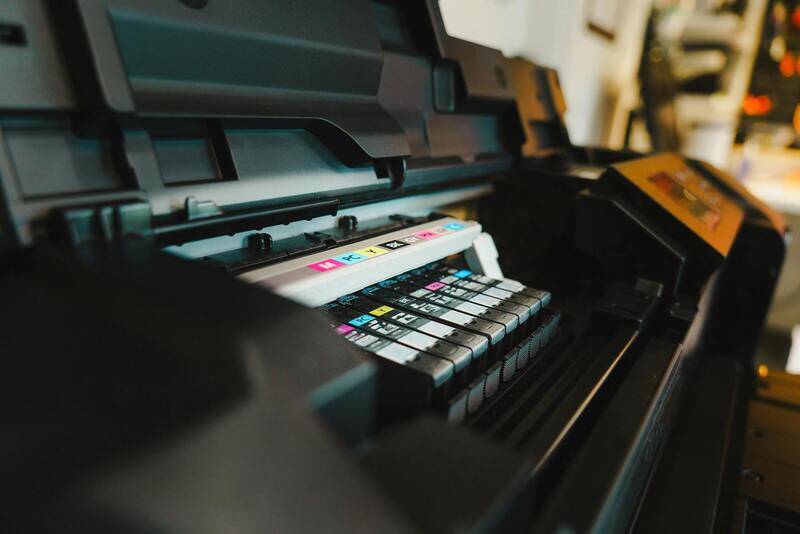
In addition to these practical benefits, printing your own cards enhances the overall control you have over the final product. This includes decisions about finish, texture, and even adding special features like embossing or foil accents that might be challenging or costly to execute through traditional printing channels. All of these factors contribute to creating cards that stand out and leave a lasting impression, whether for business purposes, personal gifts, or event invitations.
Having the ability to print your own cards also aligns well with sustainability goals. By controlling the quantity and materials used in printing, you can make environmentally conscious choices—such as opting for eco-friendly paper or using energy-efficient printers, and reducing waste associated with overproduction or shipping emissions from bulk orders.
Designing Your Cards: Software and Templates
Creating visually appealing and professional-looking cards is a crucial step in the printing process. There is a wide array of design software available that caters to different skill levels, from intuitive drag-and-drop platforms to advanced graphic editing tools. Many online resources, including justprintcard.net, offer pre-made templates that serve as a great starting point for both beginners and seasoned designers. These templates often feature customizable elements such as fonts, colors, and images, allowing users to effortlessly tailor a design to their specific needs.
In addition to web-based platforms, desktop applications like Adobe Photoshop, Illustrator, and CorelDRAW provide extensive capabilities for detailed customization. For those seeking simpler options, Microsoft PowerPoint or Canva offer user-friendly interfaces with a variety of templates optimized for card formats. Integrating your own images or logos ensures the final product aligns with your brand or personal style, enhancing the overall presentation. When designing, pay close attention to resolution and bleed areas to ensure crisp, professional quality upon printing.

Utilizing design templates not only simplifies the creation process but also helps maintain consistency across multiple cards. This is particularly useful for business cards, promotional materials, or event invitations that require a cohesive look. Whether you prefer to customize existing templates or start from scratch, investing time in a well-thought-out design ensures your cards will have impact and convey the intended message effectively.
Choosing the Right Card Material and Size
The material and size of your printed cards significantly influence their overall appearance and durability. Standard business cards typically measure 3.5 x 2 inches, but variations in size and shape can make your cards stand out. When selecting materials, options range from traditional cardstock and matte finishes to glossy, textured, or even eco-friendly papers. The choice depends on the intended purpose and desired aesthetic.
For specialty cards such as greeting or invitation cards, thicker or textured papers can add a touch of elegance. Conversely, lightweight papers are suitable for mass mailing or disposable promotional items. It's important to consider the compatibility of your chosen material with your printing method to achieve optimal results. Additionally, ensuring the dimensions align with industry standards allows for seamless integration with existing card holders and packaging solutions.

Experimenting with different finishes and textures can add a tactile dimension that enhances the perceived value of your cards. Glossy coatings lend vibrancy to colors, while matte finishes provide a sophisticated, subdued look. Special textures, such as linen or embossed patterns, add uniqueness, making your cards more memorable. The correct choice of material and size ultimately contributes to a polished, professional presentation that leaves a lasting impression.
Exploring Official Methods to Print Your Custom Cards
When considering the production of personalized cards, utilizing official and legitimate avenues ensures top-tier quality and reliable results. The most straightforward way to achieve professional-looking cards is through reputable printing services that cater to individual and business needs. These services leverage advanced printing technology, premium materials, and a wide array of customization options, allowing for the creation of unique and durable cards that meet specific aesthetic and functional requirements.
Online printing platforms such as justprintcard.net provide an accessible and highly customizable solution. They offer user-friendly interfaces where you can upload your design, select preferred materials, and choose the exact dimensions of your cards. Such platforms typically maintain strict quality standards, ensuring the alignment, color accuracy, and finish are optimized for each print job. This guarantees that your cards not only look professional but also withstand handling over time.
To guarantee consistent quality, it’s advisable to provide high-resolution design files that match your intended print specifications. Standard formats like PDF or TIFF are often preferred by printing services, as they preserve image sharpness and color accuracy. Many platforms offer pre-designed templates or design tools, making the creation process even more straightforward for users without extensive graphic design experience.
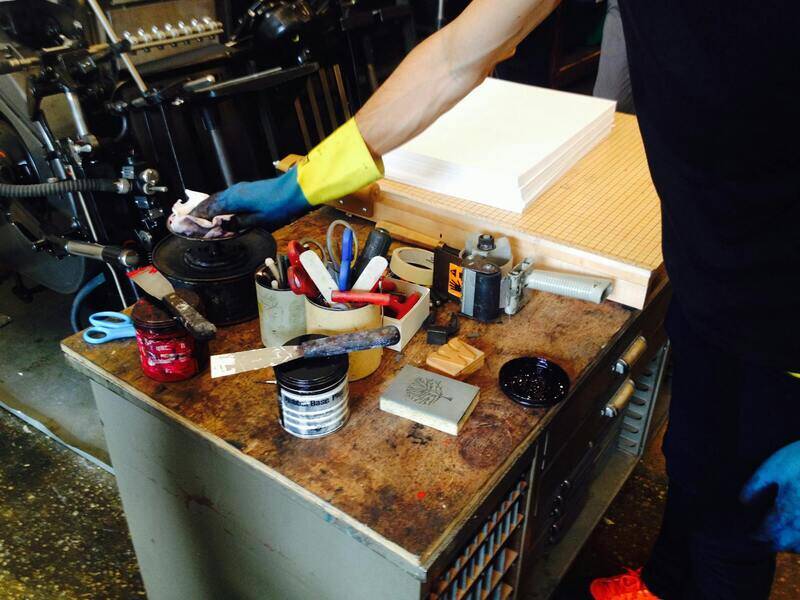
Another legitimate method involves working directly with local print shops that specialize in business or promotional card production. These establishments often provide personalized consultations to help select the best materials, finishes, and sizes based on your goals. Working face-to-face allows for detailed feedback and adjustments, ensuring the final product aligns precisely with your expectations. Additionally, local printers can accommodate smaller batch sizes, making them an excellent option for limited runs or prototypes.
In both cases, ordering through recognized providers provides a transparent workflow and clear communication, reducing the risk of errors and ensuring the final product matches your specifications. This approach also supports quality control throughout the process, from design verification to final printing and delivery.
For high-volume printing, such as event cards or promotional giveaways, partnering with established commercial printing companies might offer cost efficiencies and quicker turnaround times. These companies utilize industrial-grade equipment capable of handling large batches while maintaining the same high standards of color fidelity and durability. This ensures your messages are conveyed professionally across every card dispatched, reinforcing your brand or personal image effectively.

In conclusion, selecting the appropriate official printing method—be it through an online platform or a local print shop—lays the foundation for producing striking and resilient cards. Prioritize high-resolution files, communicate your preferences clearly, and choose reputable providers to ensure your vision is realized with precision and sophistication. Whether for business, personal celebrations, or branding efforts, leveraging legitimate printing channels will elevate the impact of your customized cards, delivering outstanding results every time.
Selecting Appropriate Card Materials and Sizes
Choosing the right material and size for your printed cards is essential to ensure durability, aesthetic appeal, and functionality. When opting for home or professional printing methods, consider the specific purpose of the card, as well as the environment in which it will be used.
Common Card Materials and Their Uses
- Standard Cardstock: Versatile and widely available, ideal for business cards, invitations, and greeting cards. Typically weighs between 14-16pt, offering a good balance of sturdiness and ease of printing.
- Premium Cover Stock: Heavier and more durable, suitable for high-end business cards and special occasion cards. Weights are usually 80-110lb cover stock.
- Glossy and Matte Finishes: Surface finishes that influence the appearance and tactile quality of the card. Glossy finishes enhance colors and images, while matte finishes provide a sophisticated, glare-free look.
- Textured and Specialty Papers: Options like linen, felt, or recycled paper add unique tactile qualities to your cards, making them stand out and reflect your brand or personality.
Standard and Custom Sizes for Different Card Types
- Business Cards: The most common size is 3.5 x 2 inches, but variations like square or rounded corners can add a custom touch.
- Greeting and Invitation Cards: Standard sizes include 5 x 7 inches or 4.25 x 5.5 inches, with custom sizes available to fit specific design needs.
- Postcards and Promotional Cards: Typically 4 x 6 inches, but larger formats such as 5 x 7 inches are used for more impactful marketing.
- Mini Cards or Specialty Shapes: Custom sizes and shapes can be designed to capture attention and align with creative branding strategies.

Assessing Printing Options: Home vs. Professional Services
Deciding between printing at home or utilizing professional printing services depends on factors such as volume, quality, and turnaround time. Each approach offers distinct advantages that cater to different needs.
Benefits of Home Printing
- Cost-Effective for Small Runs: Producing a limited number of cards at home reduces expenses associated with setup and minimum order quantities.
- Immediate Production and Flexibility: Allows for on-the-spot adjustments and quick reprints if revisions are necessary.
- Creative Control: Complete oversight over the printing process, including design tweaks and finishing touches.
Advantages of Professional Printing Services
- High-Quality Output: Use of industrial-grade equipment ensures sharp images, vibrant colors, and precise cutting.
- Volume Efficiency: Cost-effective for larger quantities, with options for bulk discounts and expedited turnaround times.
- Specialized Options: Access to unique finishes, textured papers, foil stamping, and other enhancements that elevate the visual impact of your cards.
Strategies for Ensuring High-Quality Card Prints
Achieving professional-looking results requires attention to file preparation, printer settings, and finishing processes. Whether printing at home or through a professional service, these tips help optimize your output.
Preparing Your Design Files
- Use High-Resolution Files: Minimum 300 DPI to ensure clarity and sharpness in printed images and text.
- Embed Fonts and Use PDF Format: Prevent font substitution or layout shifts by embedding fonts and saving as high-quality PDFs. lI
- Maintain Bleed Margins: Include an extra border (typically 0.125 inches) around your design to avoid unprinted edges after trimming.
- Color Mode: Convert designs to CMYK color mode for accurate color reproduction in printing.
Printer Settings and Paper Handling
- Calibrate Color Settings: Adjust printer color profiles to match your desired color output closely.
- Use Correct Paper Type: Select the appropriate paper setting matching your cardstock to prevent jams and ensure optimal adhesion.
- Test Prints: Conduct test runs on scrap paper to verify colors, alignment, and quality before final printing.
Finishing Touches
- Trimming and Cutting: Use sharp tools and precise measurements for clean, professional edges.
- Adding Embellishments: Incorporate foil accents, embossing, or lamination for enhanced visual appeal.
- Quality Inspection: Examine each card for defects, color consistency, and proper sizing before distribution.
Choosing the Appropriate Printing Method for Your Custom Cards
Deciding between printing your own cards at home and utilizing professional printing services hinges on several factors, including quality expectations, production volume, budget constraints, and timeline. Both methods have distinct advantages, and understanding their nuances can help you select the most suitable approach for your needs.
Home Printing: Accessibility and Flexibility
Printing cards at home offers unparalleled convenience, allowing you to produce small quantities quickly and make iterative design adjustments without delay. Modern home printers equipped with high-resolution capabilities can deliver crisp images and vibrant colors when used with appropriate cardstock and ink. This makes them ideal for personalized projects, prototypes, or small batch productions.
Nevertheless, to achieve professional-grade results, attention to detail in file preparation and printer calibration is essential. Utilizing high-quality, compatible ink and ensuring your printer settings are optimized for color accuracy can greatly enhance output. Additionally, finishing touches like trimming and embellishments may require additional tools and skills, but they allow for greater customization and creative control.
Professional Printing Services: Scaling and Precision
Engaging a professional printing service, such as justprintcard.net, provides access to high-end printing technologies, premium materials, and finishing options that surpass typical home printers. These services excel in delivering consistent quality across large batches, making them suitable for businesses, events, or projects requiring a polished, uniform appearance.
Professional printers often offer a broader selection of papers and finishes, including matte, gloss, or textured styles. They also handle complex design features like foil stamping, embossing, and lamination, which can elevate your cards' visual and tactile appeal. The primary considerations involve higher initial costs and lead times, but these are often offset by the superior quality and efficiency at scale.
Cost and Turnaround Time Considerations
Home printing generally entails lower upfront costs, with expenses mainly associated with acquiring quality paper, inks, and maintenance. It is especially advantageous for short-term projects, proofs, or customized pieces. Conversely, professional services, while more costly per unit, deliver rapid turnarounds for bulk orders and ensure consistent quality, reducing the need for reprints and adjustments.
In making your choice, evaluate your project scope, desired quality level, and budget. For small, highly personalized runs, home printing may suffice, but large or critical projects benefit from professional attention to detail and production capacity.
Archive and Storage Considerations
Regardless of the printing method, consider how your cards will be stored and preserved over time. Using archival-quality materials and proper handling techniques can prevent deterioration, ensuring your custom cards maintain their appearance and integrity for future use or display.

Legal and Design Considerations When Printing Cards
When undertaking the process of printing your own cards, it is essential to pay close attention to various legal and design factors that ensure your projects are both successful and compliant with relevant standards. This involves understanding copyright rules, proper use of imagery and branding elements, and adhering to best practices in design to avoid potential issues down the line.
Copyright and Intellectual Property Regulations
Using copyrighted images, logos, or proprietary design elements without proper authorization can lead to complications. It’s vital to verify that all visual materials incorporated into your card designs are either original creations, open-source assets, or licensed for your intended use. Failing to adhere to these guidelines might inadvertently infringe upon intellectual property rights, which could result in legal challenges or the need to reprint your cards.

Design Best Practices for Effective Card Printing
Quality design is fundamental to producing visually appealing and professional-looking cards. Use high-resolution images and vector graphics to maintain clarity and crispness in your prints. Pay attention to color profiles, ensuring consistency between your digital design and the printed output. Employing proper bleed, margin, and safe zone settings helps prevent unwanted cropping or misalignment.
Consistency in font usage, color schemes, and layout alignment contributes to a cohesive appearance. Incorporate elements such as borders, textures, or foil accents in design software to enhance visual appeal without overwhelming the overall aesthetic. Remember, simplicity often leads to a more elegant and impactful finished product.
Compliance with Printing Standards and Regulations
Depending on the nature of your cards, certain standards and regulations might apply to ensure safety, readability, and overall quality. For example, if producing cards for professional or official purposes, adhering to size, font size, and readability standards can be necessary. Additionally, if your cards contain sensitive information or specific images, make sure you are following applicable guidelines for data protection and privacy.
Legal and Design Considerations When Printing Cards
When printing your own cards, it is essential to pay close attention to both the design elements and the legal parameters that govern the production process. Ensuring your designs are original or properly licensed prevents potential disputes over intellectual property rights and maintains the integrity of your project. This approach supports a professional standard and minimizes the risk of infringement claims.
Understand the importance of using legally obtained assets, such as licensed images, fonts, and graphics within your card designs. Many design software and resources offer royalty-free or subscription-based assets that are safe for commercial and personal use. Selecting these assets helps to streamline your creative process while safeguarding your project from legal complications.

In addition, adherence to printing standards, such as card dimensions, font sizes, and color specifications, ensures your cards meet prescribed guidelines for clarity and presentation. Consistently applying these standards enhances the overall quality, especially when producing multiple cards or collaborating with professional printers.
Design Best Practices for Professional Quality
- Use High-Resolution Graphics: To ensure crisp, clear card images, utilize high-resolution graphics—typically 300 dpi or higher. Low-resolution images can appear pixelated or blurry once printed, diminishing the professional appearance.
- Optimize Color Profiles: Employ color management practices by working within sRGB or Adobe RGB color spaces. This helps to match digital designs closely with the printed output, reducing color discrepancies.
- Implement Proper Bleed and Margins: Setting up bleed areas (usually 1/8 inch) allows for full-bleed prints without unintended white borders. Margins and safe zones keep vital information away from the edges, preventing accidental cropping.
- Maintain Consistent Layout: Standardized font choices, balanced spacing, and aligned elements contribute to a clean, professional layout. Avoid clutter by limiting the number of fonts and decorative elements.
Best Practices for Managing Personal and Official Data
When printing cards that contain sensitive information or official identifiers, it is crucial to adhere to privacy considerations and information management standards. Use secure methods of data handling and avoid sharing personal details unnecessarily. Always verify the accuracy of the information before printing to prevent costly reprints or corrections.
Finally, documenting your design and production processes can support accountability and quality control. Maintain records of the assets used, licensing agreements, and printing specifications—this practice ensures consistency and compliance throughout your card printing projects.
Legal and Design Considerations When Printing Cards
When embarking on the process of creating your own cards, whether for personal use, events, or small business needs, it is essential to pay close attention to certain legal and design principles that uphold professionalism and authenticity. Proper adherence to these standards not only ensures the visually appealing outcome of your cards but also maintains their integrity and future usability.
Copyright and Intellectual Property Management
Utilizing original designs, images, and fonts is crucial when printing your own cards. Relying on copyrighted materials without permission can lead to complications; therefore, sourcing content from royalty-free repositories or creating custom artwork is recommended. When using external templates or design assets, verify their licensing agreements to ensure they permit commercial or personal use without infringement issues.
Brand Consistency and Design Aesthetics
Achieving a professional appearance involves maintaining consistency in your branding elements—colors, logos, typography, and overall layout. Whether designing business cards, membership cards, or custom greeting cards, a unified visual identity fosters recognition and trust. Sticking to a color palette aligned with your brand or personal style prevents mismatched elements that can undermine your cards' credibility.
Moreover, employing balanced composition principles—such as proper alignment, clear hierarchy, and appropriate spacing—improves readability and visual appeal. Limit the use of excessive decorative features and avoid overcrowding the card surface to preserve clarity and sophistication.
Design Principles to Enhance Professionalism
- High-Resolution Content: Always work with at least 300 dpi resolution images and graphics to ensure crisp printing results.
- Color Management: Use standardized color profiles like sRGB or Adobe RGB to accurately match digital designs to printed output.
- Safe Margins and Bleed Settings: Incorporate standard bleed areas (usually 1/8 inch) to allow for full-bleed printing, while maintaining safe margins to prevent important information from being cut off.
- Typography and Font Selection: Use legible, professional fonts and limit the number of typefaces to maintain a clean layout.
- Consistent Layouts: Align elements methodically and maintain uniform spacing for a cohesive design.
Legal Usage of Design Elements and Avoiding Infringement
Creating cards that adhere to legal standards involves careful selection and usage of design elements. Using copyrighted images or logos without proper licensing can lead to legal complications. Instead, consider royalty-free vectors, images, or custom illustrations that you modify to suit your needs. Avoid imitating well-known trademarked designs to prevent confusion or claims of imitation.
For official cards that replicate branding or include official symbols, it is vital to have authorization or custom create elements that resemble the intended design without infringing on intellectual property rights. This approach ensures your cards remain compliant while delivering a professional appearance that accurately represents your identity or brand.
Documenting Your Design and Printing Processes
Maintaining detailed records of your design assets, licensing agreements, and printing specifications supports consistency and accountability. Such documentation aids in troubleshooting, reordering, or modifying your cards in future projects. It also provides evidence of compliance if your designs are ever scrutinized for copyright or branding standards.