Importance of Business Card Design
A well-crafted business card serves as a vital tool in establishing a professional identity and fostering meaningful business relationships. It acts as a tangible extension of personal branding, encapsulating essential contact information along with visual elements that reflect individual or corporate personality. An effective design ensures that a business card stands out amid a myriad of others, leaving a memorable impression that encourages future engagement.
In today's fast-paced digital landscape, the significance of a professionally designed business card remains undiminished. It exemplifies attention to detail, professionalism, and committed brand representation. When designed with precision, a business card communicates credibility and reliability, qualities that are crucial for gaining prospective clients' trust and maintaining existing client relationships. Whether used at networking events, conferences, or simple face-to-face meetings, an eye-catching card can be a powerful catalyst for future business opportunities.
Moreover, a business card is often the first physical artifact potential clients or partners receive about a business or individual. It lays the groundwork for future interactions and exemplifies the company's or individual's commitment to quality and professionalism. Consequently, investing in a thoughtful and strategic design process is essential to maximize the impact of every card handed out.
Key Elements of Business Card Design
Designing a successful business card involves balancing visual appeal with functional clarity. Critical elements include:
- Logo and Branding Elements: Incorporate logos, color schemes, and fonts that reflect the brand identity.
- Contact Information: Include essential details such as name, title, phone number, email, and physical or digital addresses.
- Layout and Hierarchy: Arrange information logically with a clean, easy-to-read structure.
- Use of Color: Select colors that evoke the right emotions and ensure good contrast for readability.
- Typography: Choose fonts that are professional, legible, and consistent with branding.
- Visual Elements: Employ images, icons, or patterns that enhance the overall aesthetic without overwhelming the primary information.
Choosing the Right Paper and Finish
The paper quality and finish significantly influence the tactile experience and perceived value of a business card. Options include:
- Paper Types: Standard cardstock, premium matte, gloss, or textured papers tailored to specific branding needs.
- Finish Options: Matte finishes offer an elegant, non-reflective surface suitable for detailed printing; gloss finishes provide vibrant color vibrancy and a polished look; soft-touch finishes add a premium, velvety feel.
Selecting the appropriate paper and finish depends on the brand personality, target audience, and overall design concept. High-quality materials not only enhance durability but also project an image of professionalism and trustworthiness.

Optimal Methods for Designing and Printing Business Cards
When aiming to achieve a professional and impactful business card, it is crucial to follow established design and printing methods that uphold integrity and durability. High-quality materials, precise craftsmanship, and adherence to design standards ensure that each card effectively communicates your brand and leaves a lasting impression. To begin, select reputable printing services that specialize in business cards, ensuring they utilize advanced printing technologies capable of producing crisp, vibrant results. Digital printing provides flexibility for quick turnaround and short runs, while offset printing is ideal for large quantities with consistent color accuracy.
In terms of design, utilizing vector graphics and high-resolution images guarantees sharp visuals across all print sizes. It’s essential to employ color management techniques to match desired hues accurately, often through the use of color profiles and swatch libraries. Incorporating bleed areas—a margin extending beyond the final cut line—is necessary for designs that extend to the edges of the card, preventing unwanted borders or gaps after trimming.
Choosing the right print format is equally important. Flat, single-sided, or double-sided printing offers different opportunities for creative layouts and comprehensive contact information. Embossing, foil stamping, or Spot UV coating can add tactile qualities and visual highlights, elevating the card’s appearance and making it stand out. Ensuring these finishes are applied through legitimate, industry-standard processes guarantees durability and a refined look, reinforcing trust and credibility.
Precise die-cutting techniques are used to achieve custom shapes and edges, aligning with branding themes or distinctive styles. When selecting printing providers, verify their adherence to approved standards, as this influences the integrity of the final product. Proper registration, color consistency, and finish application are foundational to delivering professional-grade business cards.
Furthermore, a considered approach to order quantities and turnaround times can optimize costs and meet deadlines effectively. Bulk orders often reduce unit costs and ensure uniformity, while well-organized scheduling minimizes delays in distribution. Ensure that the printing service offers transparent communication about timelines and quality control protocols, so the final cards meet exact specifications and branding expectations.
Accompanying the physical process, maintaining accurate, organized files with appropriate specifications—such as color codes, resolution, and cut lines—facilitates smooth printing workflows. This detailed preparation minimizes errors, providing consistent results across multiple batches and maintaining the professional standard your brand demands.
Choosing the Right Paper and Finish
Selection of paper stock is a crucial aspect of creating impactful business cards. The choice of paper influences not only the tactile experience but also the visual quality, durability, and overall perception of professionalism. Standard options include matte, gloss, satin, and soft-touch coatings, each providing distinct visual and tactile effects. Matte finishes tend to offer a sophisticated, understated look with subdued reflections, ideal for designs requiring a refined appearance. Gloss finishes, with their high sheen, enhance vibrant colors and sharp details, making them suitable for visually dynamic branding elements. Satin finishes strike a balance, emphasizing smoothness and subtle gloss, appealing for versatile designs that demand elegance without excessive shine.
Texture plays a significant role in how a business card feels and is perceived. Embossed or debossed textures add a tactile dimension, creating a memorable sensory impression. Linen, felt, or cotton stocks provide a textured surface that conveys a sense of quality and uniqueness. For finishes, options like soft-touch coating offer velvety smoothness, elevating the tactile experience. Specialty finishes, such as foil stamping or spot UV coating, can selectively highlight design elements, adding depth and luxury to the card.
When selecting paper and finish options, it is essential to consider the brand image and the message you want to communicate. Heavyweight cardstock (around 300-350 gsm) delivers a substantial, premium feel, whereas lighter weights (around 200-250 gsm) suit more understated designs or cost-effective solutions. Consistency with your brand’s identity and the intended use of the business card should guide these choices, ensuring your card leaves a lasting impression.
Design Principles for Business Cards
Effective business card design combines visual appeal with clear communication. It is vital to maintain a balanced layout that directs the recipient’s eye towards key information, such as your name, contact details, and company branding. Use hierarchy, contrast, and white space wisely to ensure that important elements stand out without cluttering the overall look.
Consistent branding elements—such as logos, color schemes, and typography—reinforce recognition and professionalism. The choice of font should be legible and appropriate for the industry; sans-serif fonts tend to project modernity, while serif fonts can evoke tradition and reliability.
Minimalism often results in a clean, professional appearance, but creative layouts and unique visual elements can distinguish your business card in a crowded marketplace. However, intricate designs or excessive information may hinder clarity, so simplicity should be balanced with distinctive artistry. Incorporating visual cues, such as icons or subtle graphics, can enhance comprehension without overwhelming the design.
Design Principles for Business Cards
Creating a professional and memorable business card hinges on adherence to fundamental design principles. Achieving visual harmony through balance ensures that no single element overwhelms the others, fostering an organized and polished appearance. Proper contrast between text and background accentuates key information, making contact details easily readable and guiding the recipient’s eye efficiently across the card.
Readability is paramount; selecting appropriate font styles and sizes ensures that your details are accessible at a glance. Typeface choices typically depend on the industry—clean, sans-serif fonts convey modernity and efficiency, while serif fonts communicate tradition and trustworthiness. Consistency in branding elements, such as logo placement, color schemes, and typography, builds recognition and cohesion across your marketing materials.
White space, often overlooked, is crucial for preventing clutter and allowing vital elements to breathe, thereby enhancing overall clarity. Minimalist layouts, with strategic use of negative space, can evoke a clean, sophisticated look. For businesses wishing to stand out, integrating unique visual cues—subtle graphics, icons, or creative typography—can add distinctive appeal without sacrificing professionalism.

Incorporating visual hierarchy helps direct the viewer’s attention to important contact details first, followed by supplementary information. This can be achieved through size variations, color contrasts, or boldness. Typography should be chosen to reflect your industry’s tone; readability remains essential, especially since the card needs to communicate essential information swiftly.
Finally, adaptability is key. Consider how your card design translates across different formats and materials, ensuring consistency in branding across various environments and mediums. A well-designed business card combines these core principles, resulting in a striking and functional piece of your overall marketing strategy.
Leveraging Official Methods for Business Card Printing
When aiming to produce high-quality business cards that reflect your brand's professionalism and attention to detail, utilizing official and reputable printing channels is essential. Authorized printing services operate with proven processes that guarantee the consistency and durability of your cards. These methods include digital printing, offset lithography, and letterpress, each suited to different needs and budget ranges, offering precise color matching and sharp detail reproduction.
Digital printing is favored for quick turnaround times and cost-effectiveness, especially for small to medium print runs. It allows for rapid customization and short lead times. Offset lithography, on the other hand, provides exceptional quality and is ideal for larger quantities, ensuring consistent color fidelity and crisp images across batches. Letterpress printing adds a tactile dimension with debossed or embossed effects, giving your cards a distinctive, premium feel.
Choosing the appropriate printing method involves consideration of factors such as desired print volume, budget constraints, and aesthetic preferences. Partnering with certified print providers ensures that your cards are produced with top-tier materials, adherence to color standards, and long-lasting finishes. This approach not only preserves your brand’s reputation but also guarantees that your business cards leave a strong impression on recipients.

Comprehensive consultation with reputable printers can also help customize options such as additional lamination, foil stamping, or rounded edges, providing an extra layer of sophistication. Employing established printing techniques and official channels ensures that your business cards meet industry standards for aesthetic appeal, durability, and functional clarity.
Design and Print Business Cards: Ensuring Flawless Production
Once you've developed a compelling design and selected the ideal paper and finish for your business cards, the next critical step involves understanding the various printing options and technologies available, along with their respective advantages and considerations. Choosing the right printing method not only impacts the visual quality but also influences the durability, cost, and overall professionalism of your cards. This meticulous approach ensures that every card produced aligns perfectly with your brand standards and makes a lasting impression.
Exploring Printing Methods: Digital, Offset, and Specialty Printing
Each printing technique offers unique benefits, which should be matched with your project's specific requirements. Here's a detailed overview:
-
Digital Printing
Digital printing is highly suitable for small to medium print runs, making it a popular choice for businesses needing quick turnaround times and flexibility. This method allows for high-resolution, full-color images, and the ability to easily customize each card if needed. It minimizes setup costs and simplifies the production process, resulting in a cost-effective solution for personalized designs or short-term promotions. Digital printing excels in reproducing vibrant colors and intricate graphics with precision, ensuring your business cards stand out.
-
Offset Printing
Offset lithography remains the preferred option for larger quantities due to its superior color fidelity and sharp detail reproduction. This process involves creating plates for each color, which enables consistent output across hundreds or thousands of cards. Offset printing also provides high-quality finishes and can incorporate special effects such as metallic inks or textured coatings. Although it requires longer setup times, offset printing offers economies of scale, making it an optimal choice when producing high volumes with consistent quality.
-
Specialty Printing Techniques
For a distinctive, tactile experience, specialty printing methods such as letterpress, foil stamping, or embossing can significantly enhance your business card's look and feel. Letterpress, for example, creates a debossed or embossed effect, adding depth and a premium touch. Foil stamping introduces metallic accents that catch the eye, while textured coatings provide a unique surface experience. These techniques often involve additional costs but can elevate a standard design into a memorable branding tool.
Considering Cost, Quantity, and Delivery Timelines
Balancing your budget with the desired quality and quantity is fundamental for effective business card production. Digital printing is generally more affordable for smaller batches due to minimal setup, while offset printing becomes economical for large-volume orders. It's prudent to request detailed estimates from reputable print providers, including costs for different finishes or special effects.
Additionally, consider your turnaround timeline. Digital printing can often be completed within a few days, suitable for urgent needs. Offset and specialty methods may require longer lead times, so early planning is advisable for projects demanding high volume or elaborate finishing touches. Clear communication with your printer ensures that deadlines are met and expectations are aligned from the outset.
Ensuring Quality and Consistency Through Proper Selection
Working with certified printing professionals who adhere to industry standards guarantees that your business cards meet not only aesthetic criteria but also durability and functionality. Always request sample prints before committing to a large order to verify color accuracy and paper quality. Properly maintained presses and certified inks help maintain brand consistency across batches, reinforcing a professional image for your enterprise.
By carefully selecting the appropriate printing technology and collaborating with experienced partners, you secure high-quality results that effectively communicate your brand’s message. This attention to detail ultimately enhances your professional reputation and ensures your business cards leave a memorable impression on every recipient.
Innovative Printing Techniques for Business Cards
Beyond traditional printing methods, leveraging advanced printing technologies can significantly enhance the visual appeal and tactile experience of your business cards. Techniques such as letterpress, foil stamping, embossing, and UV coating introduce texture, shine, and depth, making your cards stand out in a crowded networking environment.
Letterpress and Foil Stamping
Letterpress printing involves pressing an image or text into thick paper, creating a tactile, embossed feel. This method is particularly effective for highlighting key elements like logos or contact details, adding an upscale aesthetic. Foil stamping applies metallic or pigmented foils to specific areas of the card, adding a touch of luxury and catching light effectively. These techniques are ideal for premium brands seeking to convey exclusivity and sophistication.
Embossing and Debossing
Embossing elevates elements of your design, providing a three-dimensional effect that enhances brand recognition. Conversely, debossing presses the design into the paper, creating an indented look. Both methods require precision but result in striking visuals that differentiate your cards from standard prints. When paired with textured paper or covers, embossing and debossing contribute to a memorable tactile experience.
UV Coating and Spot Gloss
High-gloss UV coating offers a shiny, reflective surface that amplifies colors and sharpness, ideal for visually vibrant designs. Spot gloss, applied selectively, highlights specific areas such as logos or slogans, creating contrast with matte backgrounds. These finishing techniques add a sophisticated touch while enhancing visual impact and durability against handling and wear.
Specialty Substrates and Unique Finishes
Incorporating specialty substrates like textured paper, translucent plastics, or metal can drastically set your business cards apart. For instance, transparent or black card stock combined with metallic ink or foil elements creates a modern, edgy aesthetic. Matte finishes, linen textures, or soft-touch coatings can also add tactility, ensuring your card feels as professional as it looks.
Considerations for Choosing Printing Techniques
- Design complexity: Some techniques, like embossing or foil stamping, are suited for simple, bold designs to maximize visual impact.
- Budget constraints: Premium effects increase costs; balance desired aesthetics with budget considerations.
- Intended brand image: Effect choices should align with your overall branding and target audience expectations.
- Turnaround time: Advanced methods may extend production timelines; planning ahead ensures timely delivery.
By thoughtfully selecting the appropriate printing techniques, you can craft business cards that not only communicate essential information but also embody your brand’s ethos through tactile and visual cues. Collaborate with printing professionals to explore the best options tailored to your specific needs and budget, ensuring your business cards make a memorable statement at every introduction.
Effective Methods for Printing Business Cards
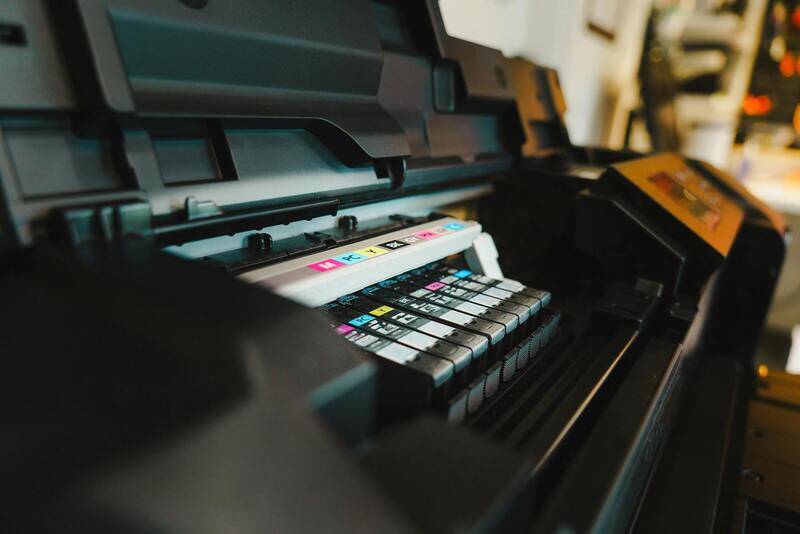
To ensure the highest quality and durability of business cards, employing reputable printing methods is essential. Digital printing offers quick turnaround times and excellent precision for vibrant color reproduction, making it ideal for small to medium batch runs with intricate designs. Offset printing, on the other hand, excels in large volume productions, delivering cost-effective and consistent results with superior color accuracy and sharpness. Both methods utilize robust inks and advanced printing presses to produce professional-grade cards that stand out.

Specialty printing techniques such as foil stamping, embossing, and spot UV coating are also valuable options for adding unique texture, metallic accents, or gloss finishes. Foil stamping involves applying metallic or pigmented foil to specific areas of the card, creating a striking visual effect that catches the eye. Embossing elevates the tactile experience by raising elements of the design, while spot UV coating adds a glossy layer to selected parts, enhancing contrast and visual interest. These techniques often require specialized equipment and should be executed by experienced printing professionals to achieve desired results.
Choosing the Right Printing Partner
Partnering with a reputable printing company ensures your business cards meet your expectations for quality and durability. It's important to review samples of previous work, inquire about available materials and finishes, and confirm their familiarity with advanced printing techniques. Many established printers offer consultation services to help you select the optimal options based on your design, budget, and timeline. Clear communication and detailed specifications are key to avoiding costly mistakes and ensuring the final product aligns with your branding goals.
Color Management and Proofing
Accurate color reproduction is crucial for consistent branding. When working with your printing partner, request physical proofs or high-resolution digital proofs before the full run. This step allows you to verify color accuracy, layout, and other design elements, minimizing the risk of errors. Advanced color management workflows, including the use of calibrated screens and ICC profiles, help ensure that your printed cards look as intended across different batches and materials.
Addressing Practical Considerations
Understanding the production timeline is essential for planning your campaign or networking events. Standard turnaround times can vary from a few days to a couple of weeks, depending on the complexity of the design and chosen finishes. Quantities ordered influence the cost per unit, with larger batches typically offering better economies of scale. Also, consider storage and distribution logistics, especially if you anticipate frequent networking opportunities or need a sizable inventory to meet ongoing demand.
Integrating Business Card Printing into Your Marketing Strategy
Strategic placement of your business cards during interactions significantly enhances brand visibility. Ensure they are readily accessible during meetings, conferences, or networking events. Tailor the quantity and design of your cards to resonate with specific target audiences, making each exchange a purposeful extension of your branding efforts. Additionally, incorporating QR codes or personalized URLs on your cards can bridge offline interactions with your digital presence, fostering ongoing engagement.