Types of Custom Cards Available for Printing
Custom card printing encompasses a diverse range of card types, each tailored to specific purposes and branding needs. Among the most common are business cards, which serve as essential tools for professional networking and corporate branding. These cards typically feature the company's logo, contact information, and sometimes a tagline or visual motif that reinforces brand identity. Business cards can be designed with varying levels of complexity, from minimalist layouts to intricate designs incorporating gloss or matte finishes.
Another prominent category is VIP or membership cards, which are used to denote exclusive access or privileges. These cards often include embedded features such as magnetic strips, QR codes, or hologram overlays to enhance security and functionality. The materials selected for VIP cards tend to be premium, including laminated plastics, metal composites, or thick cardstock, to convey luxury and exclusivity.
Event passes represent a versatile segment within custom card printing. These are issued for conferences, concerts, festivals, and other gatherings, often requiring durable construction and quick recognition features. Event passes can be customized with branding, attendee information, and security elements such as barcodes or RFID tags.

In terms of materials, standard options include paperboard, PVC, PET, and composite plastics, each offering different benefits in durability, cost, and appearance. For instance, PVC cards are popular for their strength and ability to incorporate high-quality printing and embedded features, while paper-based options are favored for short-term or cost-effective applications. The selection of material directly influences the card's functionality, aesthetic appeal, and lifespan.
Design Considerations and Customization Options
Designing custom cards involves meticulous planning and creative input to ensure they effectively communicate the intended message. Considerations include color schemes, typography, imagery, and layout. Incorporating brand elements like logos, slogans, and color palettes helps reinforce identity and consistency.
Customization features extend beyond visual design; they include the integration of various technological enhancements such as magnetic strips, RFID chips, holographic overlays, embossing, and foiling. These features not only improve security but also enhance the tactile experience and visual appeal.
Moreover, personalization capabilities allow for individual information to be printed on each card, which is especially relevant for membership or event passes. Variable data printing ensures each card can uniquely identify its holder without compromising design integrity.
Materials and Finishes for Custom Cards
The choice of material profoundly affects the card's durability and aesthetic outcome. PVC and PET are common plastics utilized for their resilience and ability to handle high-resolution printing. These materials support additional finishes that can elevate the card's appearance.
Finishing options include gloss, matte, satin, and soft-touch coatings, each imparting a different tactile and visual effect. Gloss finishes highlight vibrant colors and sharpen images, whereas matte options provide a subdued, elegant look with reduced glare. Specialized finishes such as spot UV coating can be applied selectively to create visual accents or protective layers.

Texturing techniques like embossing or debossing add dimension to design elements, while foil stamping introduces metallic accents that catch light and add a sense of luxury. When selecting materials and finishes, consider the card's intended use, budget, and desired visual impact to achieve the optimal presentation.
Design Considerations and Customization Options
When creating custom cards, careful attention to design elements is essential to produce a distinctive and professional appearance. Some key factors include the selection of size and shape, color palette, finishes, and branding elements. The right combination of these factors not only reflects the purpose of the card but also elevates its visual appeal to leave a memorable impression.
Shape and size variations can set your card apart from standard options. Common shapes include rectangular, rounded corners, or custom outlines that match specific branding themes or functional needs. For example, oval or circular cards can evoke a modern, friendly vibe, while angular shapes may communicate a sleek, corporate aesthetic.
Size and Shape Customization
- Standard Sizes: Most common are business card dimensions (e.g., 3.5 x 2 inches), suitable for professional correspondence and networking.
- Custom Dimensions: Depending on the application, larger or smaller sizes may be preferable, such as mini cards or oversized promotional pieces.
- Unique Shapes: Die-cut designs allow for creative outlines like icons, logos, or thematic motifs, helping your card stand out in a stack.
Color Schemes and Finishes
Color selection plays a crucial role in aligning your card’s aesthetic with your brand identity. A vibrant palette can exude energy and creativity, while muted tones convey sophistication and elegance. You can choose from pre-designed color schemes or work with a designer to craft a custom palette tailored to your brand’s personality.
Finishes such as gloss, matte, satin, or soft-touch coatings significantly influence the tactile experience and glossiness of the design. Gloss finishes enhance sharpness and vibrancy, ideal for images and logos. Matte finishes offer a refined look with reduced glare, suitable for text-heavy designs. Satin and soft-touch finishes blend characteristics for a luxurious feel and sophisticated appearance.
Branding and Logo Integration
Effective incorporation of branding elements like logos, taglines, and brand colors ensures your custom cards communicate professionalism and consistency. Advanced design options include embossing or debossing to add texture, and foil stamping to introduce metallic accents that catch light and create visual interest. These elements should be thoughtfully applied to ensure they complement the overall design rather than overshadow it.
By considering these aspects collectively, you can develop a visually compelling card that not only meets your practical needs but also strengthens your branding presence in your targeted market segments.
Materials and Finishes for Custom Cards
Choosing the right materials and finishes is essential to ensure your custom cards not only look stunning but also stand up to regular use. A variety of materials can be used for custom card printing, each offering unique advantages in durability, appearance, and tactile experience.
Common Materials for Custom Cards
- Cardstock: The most typical choice for business cards, event tickets, and greeting cards. Available in various weights, with thicker options providing a premium, sturdy feel.
- Plastic: Offers increased durability, flexibility, and resistance to water and bending. Ideal for loyalty cards, identification badges, or any application requiring longevity.
- Metal: Used for luxury branding, metal cards provide a unique weight and permanence. They can be customized with etching, printing, or coating processes to create high-end business cards or promotional items.
Finishes and Their Effects
- Matte Finish: Provides a subdued, elegant look with reduced glare, making text easier to read and reducing fingerprint visibility. Perfect for professional branding that aims for a refined impression.
- Gloss Finish: Enhances colors and designs with a shiny, vibrant appearance. Gloss finishes are ideal for images and logos that require high visual impact.
- Satin and Soft-Touch Coatings: Combine aesthetic appeal with a luxurious tactile experience. Satin offers a smooth, semi-gloss sheen, while soft-touch coatings deliver a velvet-like feel, perfect for high-end marketing materials.
- Embossing and Debossing: Add depth and texture through raised or recessed elements, creating a tactile distinction that emphasizes branding details.
- Foil Stamping: Adds metallic accents such as gold or silver, which catch light and significantly elevate the card’s visual appeal, especially for luxury branding or special edition cards.
Innovative Finish Options
For distinctive looks and enhanced durability, finish options are often combined. A matte finish over foil accents, for example, can provide a sophisticated contrast. Soft-touch coatings paired with embossed designs offer a premium, tactile experience that leaves a lasting impression.
Optimizing Material and Finish Choices
When selecting materials and finishes, consider the card’s primary use, audience, and branding goals. Business cards meant for frequent handling benefit from durable plastic or thick cardstock with a protective finish. High-end event invitations or promotional cards can utilize metal substrates or premium finishes like foil stamping combined with soft-touch coatings for a luxurious feel. Combining these elements thoughtfully creates a cohesive product that aligns with your brand identity and offers a memorable tactile experience.
Types of Custom Cards Available for Printing
When exploring custom card printing, a diverse array of card types can be tailored to fit various branding and functional needs. Standard business cards remain a staple, but options extend to specialty cards such as gift cards, loyalty cards, membership cards, ID cards, event passes, and more. Each type can be customized in size, shape, material, and finish to suit the intended purpose and audience.
For instance, business cards traditionally measure 3.5 x 2 inches, but brands seeking to stand out might opt for square, rounded corners, die-cut shapes, or foldable designs. Gift and loyalty cards often incorporate features like magnetic strips or RFID chips for added functionality. Membership cards can include security features and photo identification, enhancing their credibility and usability.
Specialty card types such as metal or acrylic cards are increasingly popular for luxury branding and corporate gifting. These materials offer a sleek, high-end appearance that reinforces brand prestige. Moreover, eco-friendly options such as recycled paper or biodegradable plastics align with sustainable initiatives, appealing to environmentally conscious audiences.
Design Considerations and Customization Options
Designing custom cards involves meticulous attention to aesthetic details and functional elements. The layout should reflect your brand identity, incorporating logos, color schemes, typography, and imagery that resonate with your target audience. Additionally, incorporating unique design features can significantly enhance the card's impact.
- Shape and Size: Beyond traditional rectangular formats, consider die-cut shapes that embody your brand theme—circular, oval, or custom geometric patterns.
- Edge Styles: Rounded, beveled, or even painted edges can add elegance and tactile appeal to the card.
- Embossing and Debossing: These techniques introduce a three-dimensional aspect by raising or recessing design elements, adding depth and tactile interest.
- Foil Stamping: Metallic foils in gold, silver, or holographic finishes enhance visual appeal, particularly on premium cards or logos.
- Special Inks and Printing Effects: Use UV coatings, spot gloss, or textured inks to highlight specific areas or create visual contrast.
Materials and Finishes for Custom Cards
The material selection and finish significantly influence the card’s durability, aesthetic appeal, and tactile experience. Common materials include standard cardstock, premium thick paper, plastic, metal, and acrylic. Each offers distinct advantages depending on the application.
- Cardstock and Paper: Offered in various weights, textures, and finishes such as matte, gloss, or silk, suitable for most traditional cards.
- Plastic: Durable and resistant to elements, ideal for cards subjected to frequent handling or outdoor use.
- Metal and Acrylic: Provide a luxurious, high-impact effect; metal cards are often used for corporate branding or exclusive events.
- Finishing Coats: Satin, matte, gloss, soft-touch, and specialty coatings like UV or foil enhance appearance and protect the surface.
Choosing the right combination of material and finish depends on your brand image and functionality requirements. For example, a high-end invitation might feature an embossed logo on thick, soft-touch cardstock with foil accents, providing a sensory experience that aligns with luxury expectations.
Types of Custom Cards Available for Printing
In the realm of custom card printing, the variety of options available extends beyond simple designs, encompassing different card types tailored to diverse needs and preferences. Standard business cards remain a staple for professional branding, offering a compact means to present contact information and corporate identity. However, advancements in printing technology have expanded possibilities to include loyalty cards, gift cards, event passes, membership cards, and specialty cards for marketing campaigns.
Business cards can be customized with unique finishes, embossing, or foil accents to leave a memorable impression. Loyalty and membership cards often incorporate magnetic stripes, barcodes, or embedded chips, blending functionality with aesthetics. Gift and promotional cards are designed to accommodate vibrant graphics and secure printing techniques to prevent counterfeiting.
Moreover, specialty cards such as double-sided designs, rounded corners, or corrugated structures add distinctiveness. These customizations not only elevate brand visibility but also serve specific purposes like security, durability, and user engagement. Whether for professional networking, retail operations, or event management, the scope of custom cards is extensive and adaptable to particular branding and functional needs.
Design Considerations and Customization Options
Effective design is vital in ensuring custom cards resonate with their intended audience. When developing a design, considerations such as color scheme, typography, and layout influence visual coherence and brand recognition. Incorporating brand elements, such as logos and taglines, reinforces identity and professionalism.
Customization options are extensive, including:
- Adding embossing or debossing to create texture and depth
- Using foil stamping for metallic accents that catch the light
- Implementing spot UV coatings for selective gloss effects
- Choosing die-cut shapes to create unique outlines
- Applying textured or specialty finishes like linen, leather grain, or matte varnish
Interactive elements like QR codes can also be incorporated to connect recipients with digital content, enhancing engagement. When designing custom cards, it’s crucial to consider size ratios, readability, and tactile elements that align with the brand’s message and the card’s purpose.
Materials and Finishes for Custom Cards
The choice of material and finish shapes the overall feel and longevity of the card. Standard cardstock offers versatility and cost-efficiency, with options for matte, gloss, or silk finishes. Premium options include thicker paper stocks, textured surfaces, and specialty coatings that add sophistication.
Plastic cards, such as PVC or PET, provide durability and resistance to wear, ideal for contactless or swipe functionality. Metal and acrylic materials offer a high-end, luxurious look and are often used for corporate identification or exclusive event invitations.
Finishing coats further enhance visual appeal and protection:
- Satin and matte finishes provide understated elegance and reduce glare
- High-gloss finishes amplify vibrancy and colors
- Soft-touch coatings add a premium, velvet-like texture
- UV coatings offer strong surface protection against scratches
- Foil accents introduce metallic radiance for highlights

Printing Techniques for Custom Cards
Advanced printing techniques enable the production of visually striking and tactilely engaging custom cards. Offset printing remains the standard for high-volume runs, providing accurate color reproduction and sharp details. Digital printing offers flexibility for short runs or personalized designs without sacrificing quality.
Specialty printing methods include:
- Letterpress printing for embossed designs that communicate depth and texture
- Foil stamping to create metallic or holographic effects on specific areas
- Spot UV coating as a selective glossy finish for emphasis
- Thermography for raised print textures with a smooth, hard surface
- Laser cutting for intricate shapes and detailed die-cuts
The choice of technique depends on the intended visual impact, tactile experience, and budget considerations. Combining multiple methods—such as foil stamping with embossed logos—can elevate the overall aesthetic and ensure the card stands out in any setting.
Types of Custom Cards Available for Printing
When selecting custom cards for printing, the range of options encompasses various formats, styles, and functionalities to meet diverse needs. Business cards remain a staple, crafted to convey professionalism and brand identity. These can vary from minimalist designs to elaborate embossed layouts that leave a lasting impression. Event invitations, such as wedding or gala cards, often incorporate unique folds, decorative edges, and personalized messaging to enhance their exclusivity.
Additional types include membership or ID cards, which require durability and security features. Loyalty cards for retail or hospitality businesses are tailored for long-term use and often incorporate magnetic strips or RFID technology. Gift cards combine aesthetic appeal with practical use and can be customized with vibrant graphics and secure chip embeds. Collectible or limited-edition cards—such as trading cards or commemorative pieces—favor intricate artwork, special finishes, and die-cut shapes to boost their desirability.
Design Considerations and Customization Options
Designing custom cards demands attention to branding elements, visual hierarchy, and functional features. A well-crafted layout balances aesthetics with clarity, ensuring essential information stands out. Incorporating personalized logos, images, and typography helps distinguish each card and aligns with the intended purpose.
Customization extends beyond graphic design to include various structural features such as:
- Unique folds, such as gatefolds or Z-folds, adding interactive elements
- Textured surfaces like linen or embossed patterns for tactile engagement
- Special finishes such as matte lamination, soft-touch coatings, or high-gloss layers
- Metallic foil accents or holographic effects to highlight key areas
- Cut-outs, rounded corners, or die-cut shapes to create distinctive profiles
Design software compatibility allows for precise customization, with templates available for various card types. Collaborating with professional designers can further refine the visual appeal and ensure the final product aligns with strategic branding objectives.
Materials and Finishes for Custom Cards
The choice of material directly impacts the durability, feel, and overall aesthetic of custom cards. Standard options include cardstock varieties such as 14pt or 16pt thicknesses, often preferred for their rigidity and print quality. For added strength and longevity, premium materials like PVC or plastic provide water resistance and high durability.
Finishes enhance the visual appeal and protective qualities of the cards. Matte finishes deliver a subdued, sophisticated look with minimal glare, perfect for elegant branding. Satin and soft-touch coatings add a velvety texture, offering a luxurious tactile experience. High-gloss finishes intensify colors and make images pop, ideal for vibrant designs. UV coatings provide scratch resistance, while foil accents introduce metallic highlights that catch the eye. For a unique tactile experience, additional options like thermography can create raised, textured prints.

Printing Techniques for Custom Cards
Utilizing advanced printing methods ensures that each card achieves its full visual and tactile potential. Offset printing is favored for large orders due to its high accuracy and sharpness, producing consistent colors and details. Digital printing offers flexibility and cost-effectiveness for small runs or highly personalized designs, allowing for rapid turnaround without sacrificing quality.
Specialty printing techniques include:
- Letterpress printing, which creates embossed or debossed designs with tangible depth
- Foil stamping, adding metallic or holographic accents for a luxurious effect
- Spot UV coating to selectively gloss certain areas, providing contrast and emphasis
- Thermography, yielding raised prints with a smooth, glass-like surface
- Laser cutting and die-cuts for intricate shapes, custom windows, or detailed edges
The strategic combination of these methods can produce highly distinctive cards. For instance, pairing foil stamping with embossing can significantly elevate both visual appeal and tactile engagement, making the card unmistakably stand out in professional or social contexts.
Types of Custom Cards Available for Printing
When exploring options for custom card printing, a broad spectrum of card types caters to various needs and preferences. Standard business cards remain a staple for professional branding, with options for matte, gloss, or textured finishes to reflect a company's personality. Loyalty and membership cards are designed for durability and security, often incorporating embedding features like magnetic stripes or RFID chips. Event and invitation cards allow for creative expression, with intricate motifs, foil accents, and unique shapes that set the tone for special occasions.
Premium gift cards and collectible cards are also popular, often requiring high-quality materials and finishes to add a touch of luxury and exclusivity. Identification badges for corporate offices, conferences, or security purposes can be customized with tamper-proof features and holographic overlays. Additionally, promotional cards, such as discount or coupon cards, leverage vibrant designs and innovative printing techniques to maximize customer engagement.
Design Considerations and Customization Options
Designing a custom card involves balancing visual appeal with functionality. Key considerations include color schemes, typography, and imagery that align with the branding or event theme. High-resolution graphics ensure crisp visuals, especially when printing intricate logos or detailed artwork. Incorporating brand elements such as logos, taglines, and color palettes enhances recognition and consistency across marketing materials.
Customization options extend to layout adjustments, including the placement of text, images, and blank spaces. Special effects like embossing, debossing, foil stamping, and spot UV coating add layers of texture and visual contrast, transforming a simple card into a tactile experience. Edge coloring and rounded corners further contribute to distinctive aesthetics, while personalized messaging or unique identifiers can be integrated into the design for added personalization.
Materials and Finishes for Custom Cards
The choice of materials is fundamental in achieving desired durability, appearance, and tactile qualities. Common options include various weights of cardstock, such as 14pt, 16pt, or heavier, to impart sturdiness. Specialty materials like plastic or PVC are ideal for cards requiring waterproof qualities or high longevity. Finishes like matte, gloss, satin, or textured coatings serve both artistic and protective purposes, enhancing visual impact and resistent against wear and tear.
Specialty finishes, such as soft-touch coatings, add a velvety feel, while foil or metallic finishes bring luminous highlights and a premium look. UV coatings offer scratch resistance for frequently handled cards, and lamination provides overall protection while enhancing the visual depth of the printed design.
Printing Techniques for Custom Cards
To realize complex designs and achieve high-quality results, various printing techniques are employed based on the project's requirements. Offset printing is ideal for large-volume orders, providing sharp, consistent images with rich color depth. Digital printing caters to smaller runs and highly personalized designs, offering rapid turnaround times without compromising detail accuracy.
Innovative methods like letterpress printing create embossing or debossing effects that add tangible depth, perfect for luxury or corporate branding. Foil stamping introduces metallic or holographic accents that capture light and attention, adding elegance to the design. Spot UV coating selectively glosses specific areas, enhancing contrast and drawing focus to key elements. Thermography produces raised prints that mimic embossing, with a smooth, glass-like surface for a sophisticated effect.
Further creative techniques include laser cutting and die-cuts, enabling innovative shapes, intricate patterns, or personalized windows. The integration of these methods allows for truly distinctive and eye-catching cards that stand out across various professional and social settings.

Custom Card Sizes, Shapes, and Cutting Options
Customization extends beyond printing to include the physical dimensions and contours of the card. Standard sizes, such as the classic 3.5 x 2 inches, serve as the baseline for compatibility with wallets and business card holders. However, creative variations can significantly impact the aesthetic and functional appeal of the card.
Custom sizes, shapes, and die-cut options allow for distinctive presentations. Rounded corners, beveled edges, or shaped cards, such as circles, ovals, or custom contours, add personality and visual interest. Die-cut windows enable transparent sections or unique cutouts that reveal underlying details or create interactive elements.
Advanced cutting techniques include laser cutting for intricate patterns, creating textured borders or detailed shapes that complement the overall design. These options elevate the tactile experience while ensuring the card remains practical and memorable.
Pricing and Turnaround Times for Custom Card Orders
Cost considerations are primarily driven by size, material, design complexity, and order volume. Basic standard-sized cards with simple finishes tend to be more economical, especially for bulk quantities. Premium options, such as heavy-duty materials, specialty finishes, or intricate shapes, command higher prices. However, the value received in durability, aesthetics, and brand presentation often justifies the investment.
Turnaround times vary based on the scope of the project, ranging from a few days for digital printing with minimal customization to several weeks for complex, large-scale orders with specialty finishes. Express options are available for urgent needs, providing a rapid response without sacrificing quality. Proper planning and clear communication with the printing service enable seamless execution, ensuring that custom cards are delivered within the desired timeframe and meet all specified requirements.
Types of Custom Cards Available for Printing
When exploring options for custom card printing, a wide range of card types exists to suit various needs and preferences. Standard business cards remain popular for professional networking, featuring dimensions of 3.5 x 2 inches, but many printing services also offer larger, smaller, or uniquely shaped cards. Postcards, gift cards, loyalty cards, membership cards, and invitation cards can all be custom-produced to reflect individual or brand identity. Specialty cards such as poke cards, collectible trading cards, or promotional cards with embossed logos are also widely available.
Custom cards can be designed with specific features like holographic finishes, metallic foils, or textured surfaces to create visual and tactile impact. Moreover, options for transparent or semi-transparent cards using clear materials can yield modern, sleek appearances. Personalized collectible items, such as game or trading cards, often incorporate intricate artwork and unique finishes, making them highly distinctive. Each card type can be tailored further with custom sizes, shapes, and finishes, offering flexibility to meet diverse branding and personal preferences.

Design Considerations and Customization Options
Effective customization begins with thoughtful design choices. When creating custom cards, considerations such as color schemes, typography, imagery, and branding elements are essential to ensure the final product aligns with the intended message or aesthetic. High-resolution graphics and vector artwork are recommended to maintain clarity and sharpness across various print formats.
Customization options extend beyond visual elements to include structural features like embossed or debossed logos, spot UV coatings, or raised textures that add tactile dimension. Choice of finishes, such as matte or gloss lamination, can significantly influence the final look and feel of the card, enhancing durability and visual appeal.
Design flexibility also encompasses integrating special features such as magnetic strips, QR codes, holographic overlays, or personalized serial numbers. These elements increase the functionality and interactivity of custom cards, making them more engaging and useful.

Materials and Finishes for Custom Cards
The choice of material plays a crucial role in determining the durability and aesthetic quality of custom cards. Common materials include paper stocks, plastic, PVC, or specialty substrates like polyester or composite materials. Plastic is often favored for cards requiring longevity, resistance to wear, and a premium feel.
Finishing options further elevate the appearance of custom cards. Matte finishes offer a subdued, elegant look with reduced glare, ideal for sophisticated branding. Gloss finishes provide vibrancy and shine, making colors pop and adding to a high-impact visual presentation. Premium finishes such as soft-touch coatings, foil stamping, or holographic effects create a truly luxurious touch.
For additional durability, some cards incorporate rounded corners, beveled edges, or protective coatings that resist scratches and moisture. Textured finishes, such as linen or embossed surfaces, introduce unique tactile sensations that can enhance brand recognition or personal appeal.

Printing Techniques for Custom Cards
High-quality printing techniques ensure that custom cards accurately portray the intended design, colors, and textures. Offset printing remains a popular choice for large volume orders, providing precise color matching and consistent quality across batches. Digital printing is ideal for shorter runs and offers rapid turnaround times, allowing for quick adjustments or personalization.
Specialty printing techniques include letterpress and thermographic printing, which produce embossed or raised effects that add depth and sophistication. Foil stamping and hot stamping are used to apply metallic or pigmented foils for a luxurious accent. UV coating and spot UV printing selectively highlight specific areas of the card, creating visual contrast and tactile texture.
These techniques can be combined to achieve complex multilayered designs, enabling brands to craft memorable and highly customized cards that stand out in various settings. Proper selection of printing methods, based on desired quality, design complexity, and budget, is essential to deliver exceptional final products.
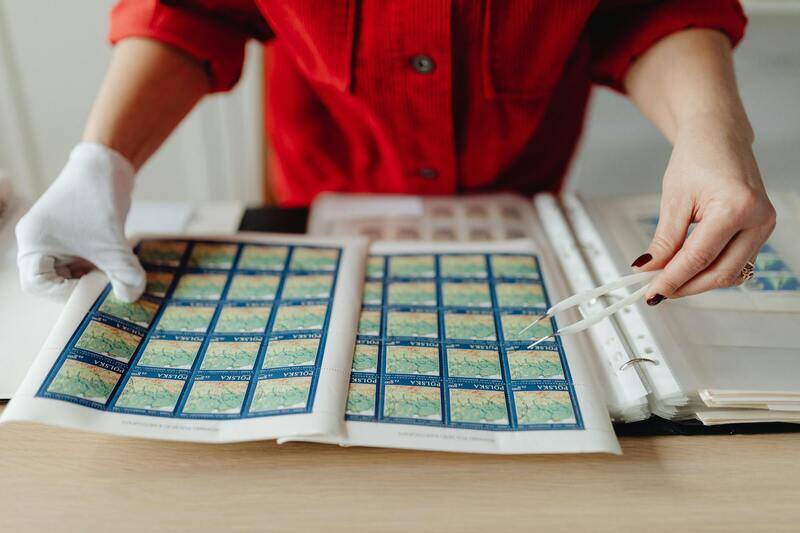
Custom Card Sizes, Shapes, and Cutting Options
Beyond traditional rectangular formats, customization in size and shape introduces versatility and uniqueness. Standard sizes like credit card dimensions (3.37 x 2.125 inches) serve common purposes, but custom sizes can be tailored to specific branding needs. Square, circular, oval, or uniquely contoured shapes, including die-cut logos and intricate cutout designs, enhance visual impact.
Shaped cards with intricate contours or unconventional dimensions are achieved through die-cutting, laser cutting, or programmable knife technology. These techniques allow for detailed and precise edges, offering opportunities for creative expressions such as shaped business cards or promotional items.
Additional options include incorporating windows, slots, or foldable sections, which can increase functionality. For example, convertible cards that transform into stands or display units can serve promotional or educational purposes effectively.
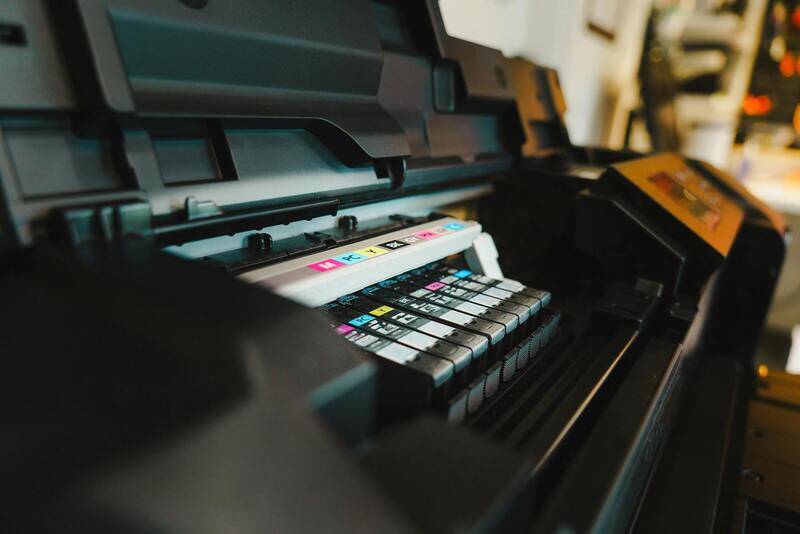
Pricing and Turnaround Times for Custom Card Orders
Cost considerations for custom cards depend significantly on factors such as size, material choice, quantity, complexity of design, and finishing options. Basic designs printed on standard cardstock in bulk generally offer economical pricing, making them suitable for wide distribution. Specialized finishes, textured surfaces, or complex die-cut shapes naturally carry a higher price point.
Turnaround times vary in accordance with the scope of the project. Digital printing with minimal customization can often be completed within a few days, while more intricate or large-scale orders might require several weeks for preparation and production. Express services are available for urgent needs, typically expediting production without sacrificing quality.
To ensure timely delivery, it is vital to plan ahead and coordinate closely with the printing provider. Clear communication regarding specifications, deadlines, and review processes helps streamline production and minimizes delays.
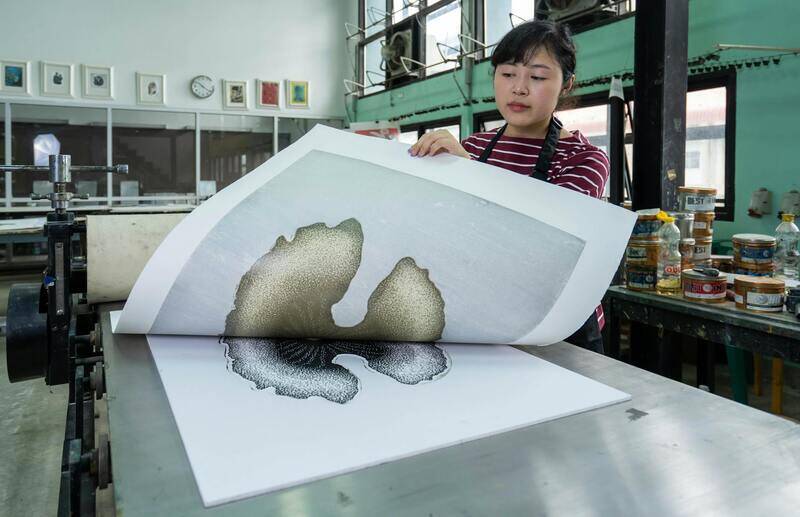
Practical Applications and Use Cases of Custom Cards
Custom cards serve a diverse array of practical applications across various industries and contexts. Businesses utilize personalized business cards to establish professional branding and make memorable impressions during networking events. Loyalty and membership cards foster customer retention by offering exclusive benefits and tracking purchases. Event organizers and vendors employ custom invitations, place cards, and event programs to create cohesive and personalized event branding. Retailers and service providers use gift cards and promotional cards to boost sales and customer engagement. In the entertainment sector, custom trading or collector cards adorn collectibles or gaming sets, emphasizing rarity and desirability. Educational institutions and non-profit organizations issue ID cards, access passes, or donor recognition cards, tailored for secure identification and acknowledgment. Custom cards also find a place in creative marketing campaigns, where their unique shapes, finishes, or interactive features serve to capture attention and reinforce brand identity in competitive markets.